
Fatma Ana Cemevi and Culture Center: A Contemporary Alevi Cultural Landmark in Istanbul
Contemporary Cemevi and cultural center in Istanbul uniting Alevi worship, community gathering, public space, timber warmth, and stone continuity.


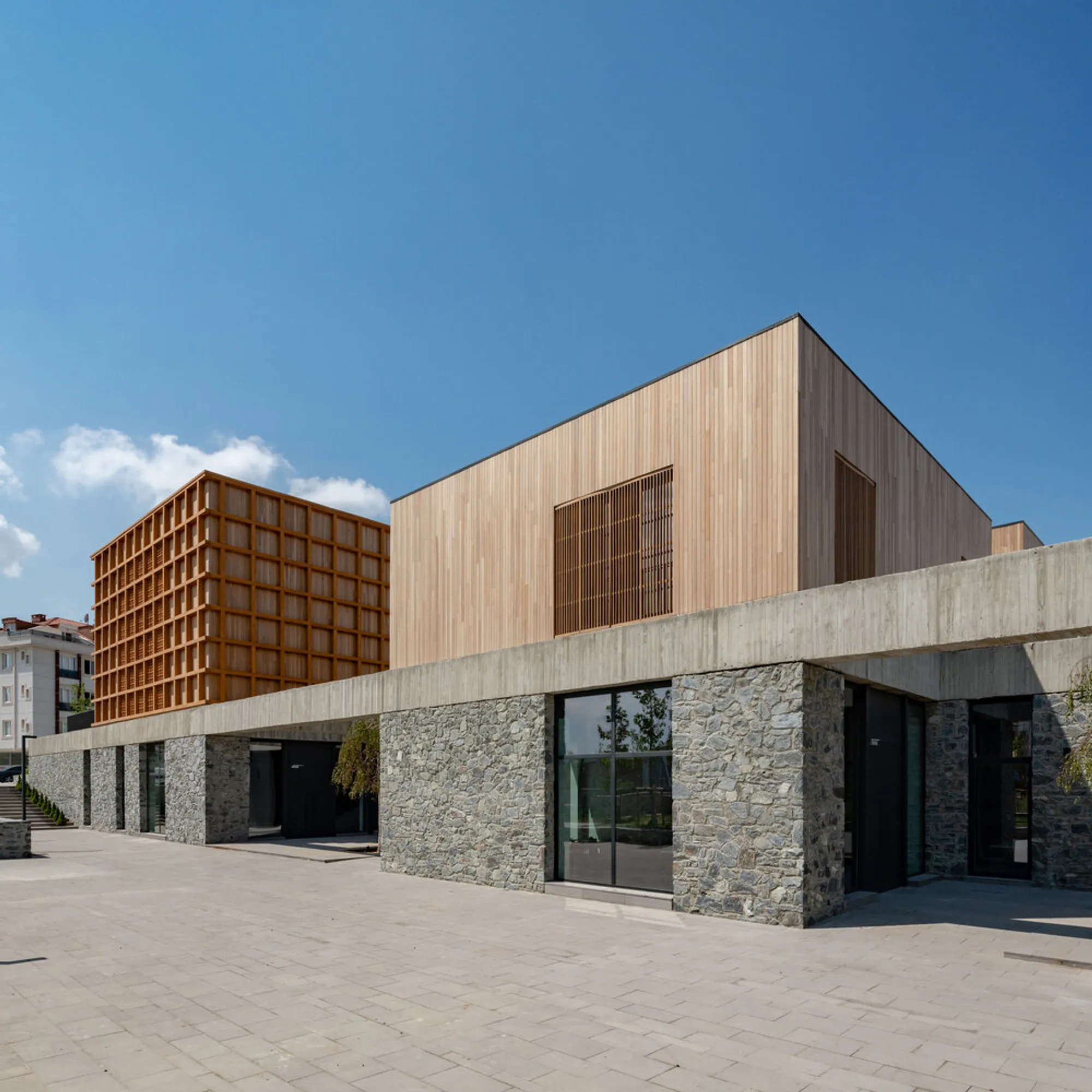
The Fatma Ana Cemevi and Culture Center by Studio 9016 stands as a landmark of contemporary religious and cultural architecture in Istanbul, Türkiye. Completed in 2020, the project was selected as the winning proposal in the Istanbul Beylikduzu Municipality competition in 2015, emerging from 82 submissions. Notably, it became the first competition-winning Cemevi project in Turkey to be fully realized, marking a significant milestone for Alevi-Bektashi religious architecture.
A Contemporary Cemevi for Urban Istanbul
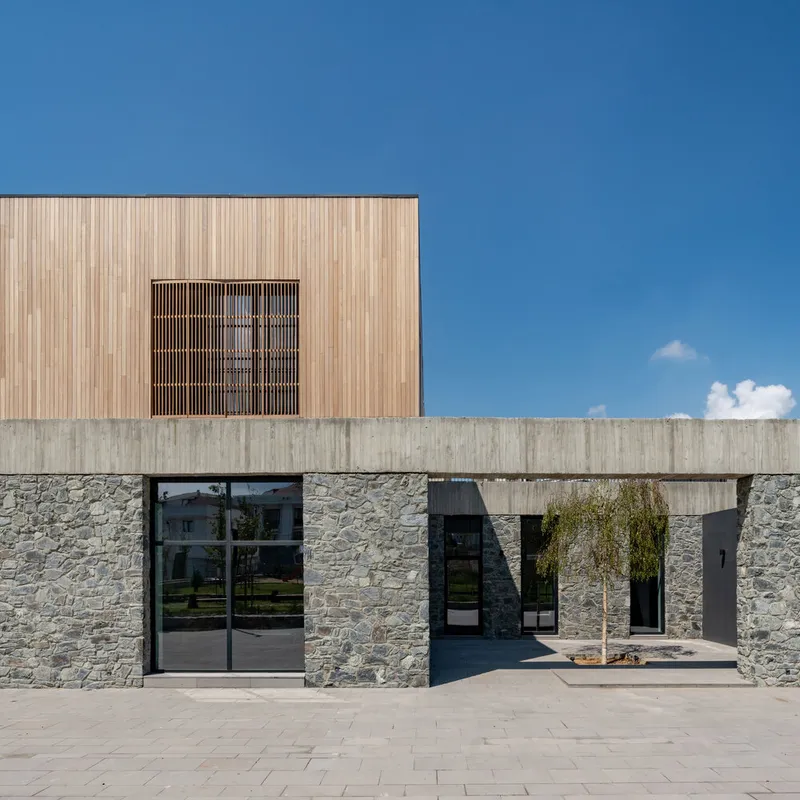
A Cemevi is the primary gathering and worship space for the Alevi-Bektashi community, a religious minority in Turkey. Beyond functioning as a sacred space, the Fatma Ana Cemevi and Culture Center establishes a visible civic identity for Alevis within the metropolitan fabric of Istanbul.
Located in the Beylikdüzü district along the Kavaklı Dere river basin, the 7,800-square-meter site is described by the architects as a “public corridor”, a communal axis that strengthens neighborhood connectivity. With 2,230 square meters of built area, the project integrates religious, cultural, and social functions within a rare open urban landscape setting.
The decision to combine a religious minority center with a public cultural facility reflects a progressive urban strategy: one that supports social inclusion, interfaith dialogue, and neighborhood engagement.
Architecture Rooted in Alevi Philosophy
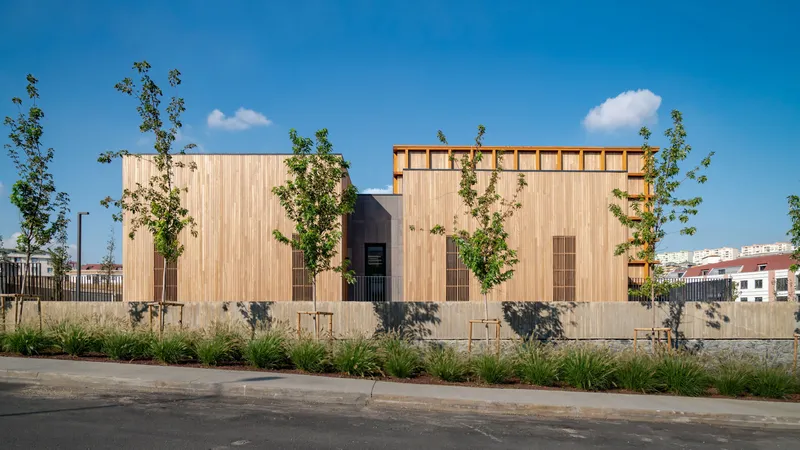
The design draws inspiration from the Alevi understanding of nature, unity, and togetherness. Rather than asserting a monumental presence, the building expresses a visible yet subtle religious identity, balancing spiritual intimacy with civic openness.
The architectural concept revolves around the idea of “making the invisible visible”, both physically and symbolically. This is reflected in:
- A fragmented yet interconnected spatial composition
- The blending of introverted (sacred) and extroverted (public) functions
- A seamless transition between built form and landscape
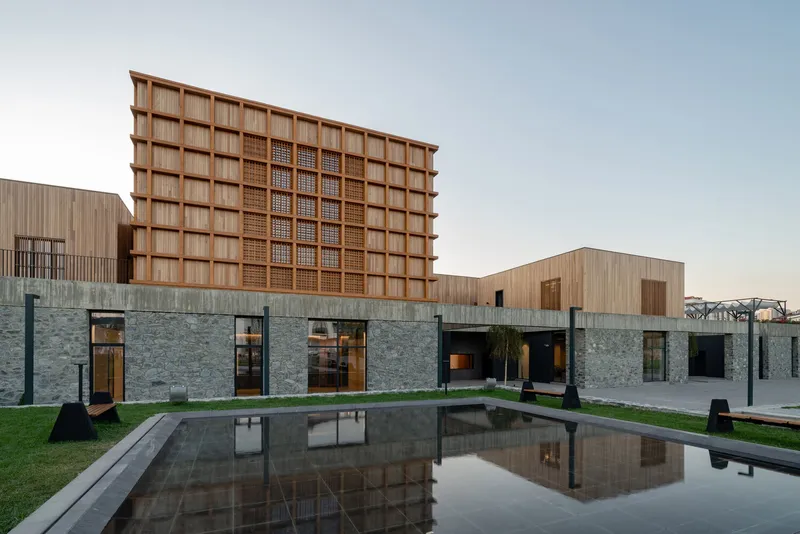
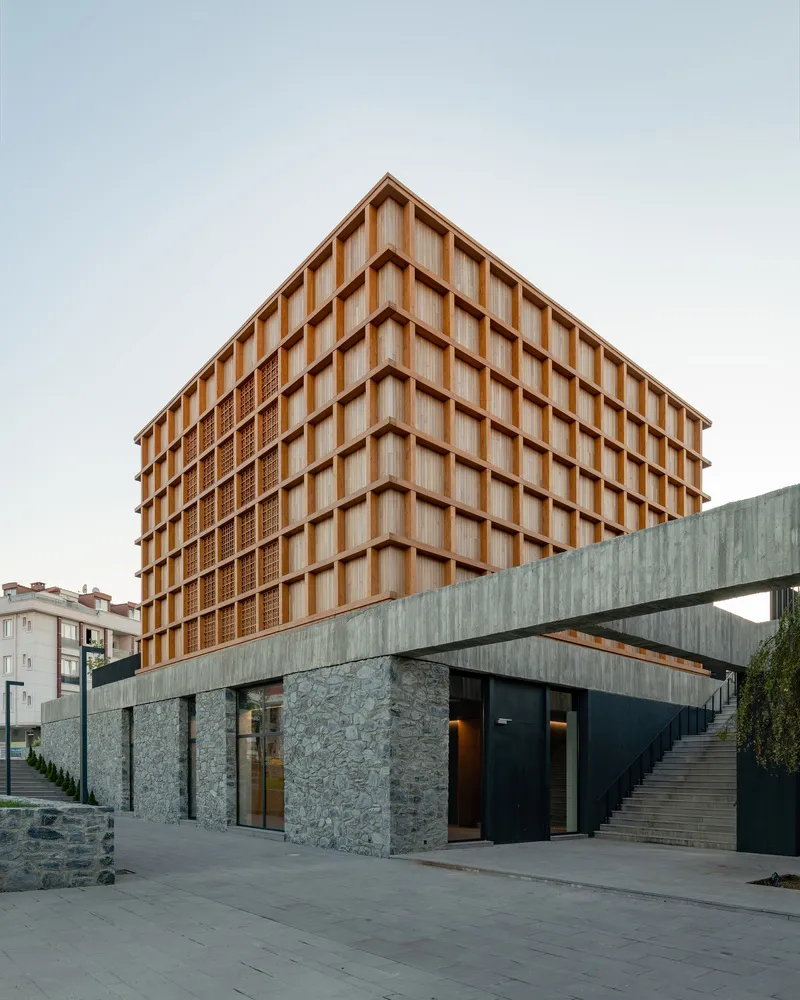
Three rectangular building blocks are arranged within a structured landscape grid, metaphorically referencing the Alevi cultural value of collective unity. The Cemevi itself is articulated as three prism-like volumes that appear distinct yet operate as a continuous spatial sequence during religious ceremonies.
The Cemevi Square: A Civic Threshold
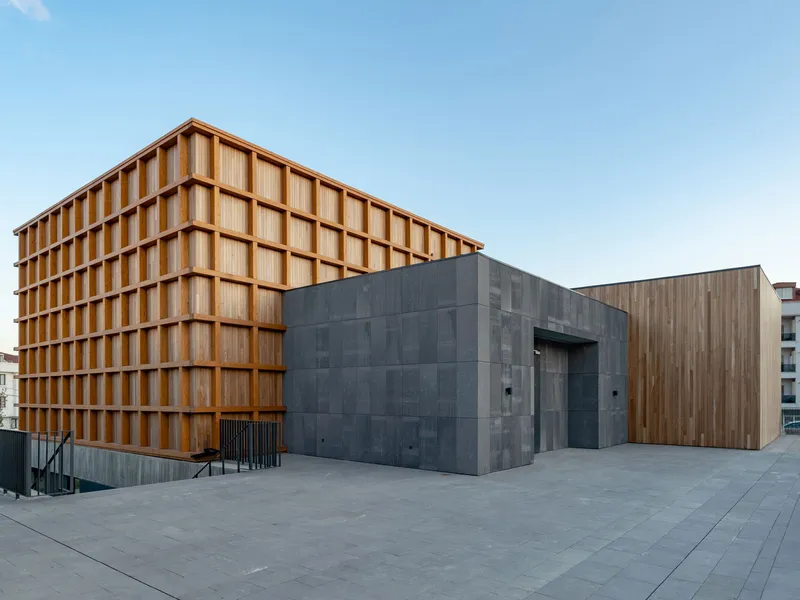
At the heart of the project lies the Cemevi Square, a central open space serving as the main entrance and communal gathering area. Designed as a horizontal connector responding to the site’s topography, the square creates a welcoming threshold between the park and surrounding residential zones.
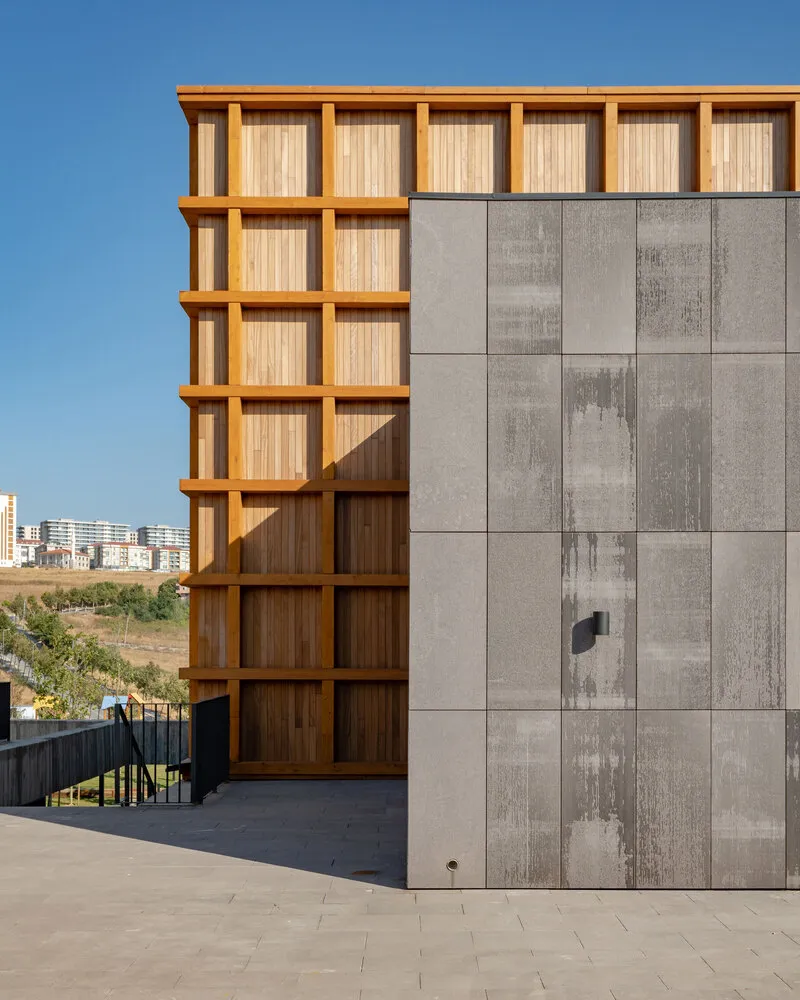
A striking 7.5-meter-high wooden canopy structure defines this entrance platform, emphasizing warmth, transparency, and human scale. The square functions as both a spiritual forecourt and a social platform, reinforcing the project’s urban integration.
Vertically and horizontally, the architecture establishes a fluid dialogue between sacred interior programs and public amenities such as conference rooms and cultural spaces. The result is a layered composition where religious practice and civic life coexist harmoniously.
Material Strategy: Stone and Timber as Identity
Materiality plays a central role in articulating program and meaning:
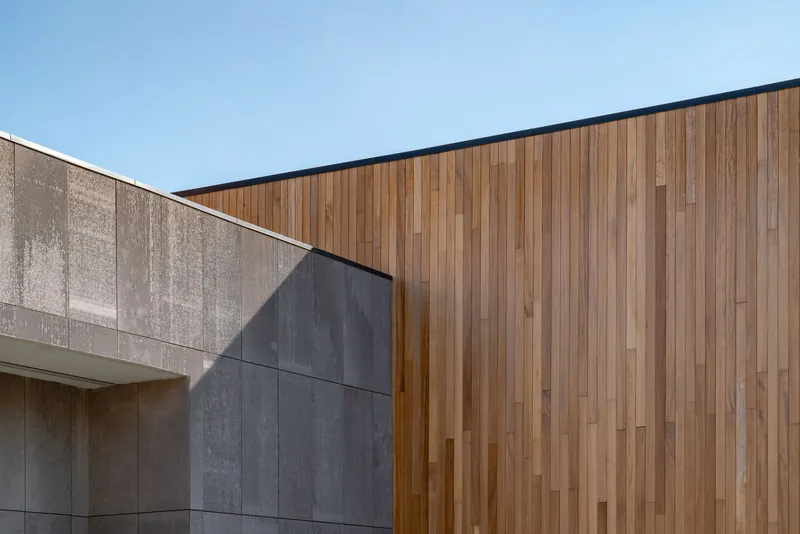
- Natural stone anchors the project to the landscape, extending the tactile continuity of the park into the architectural envelope.
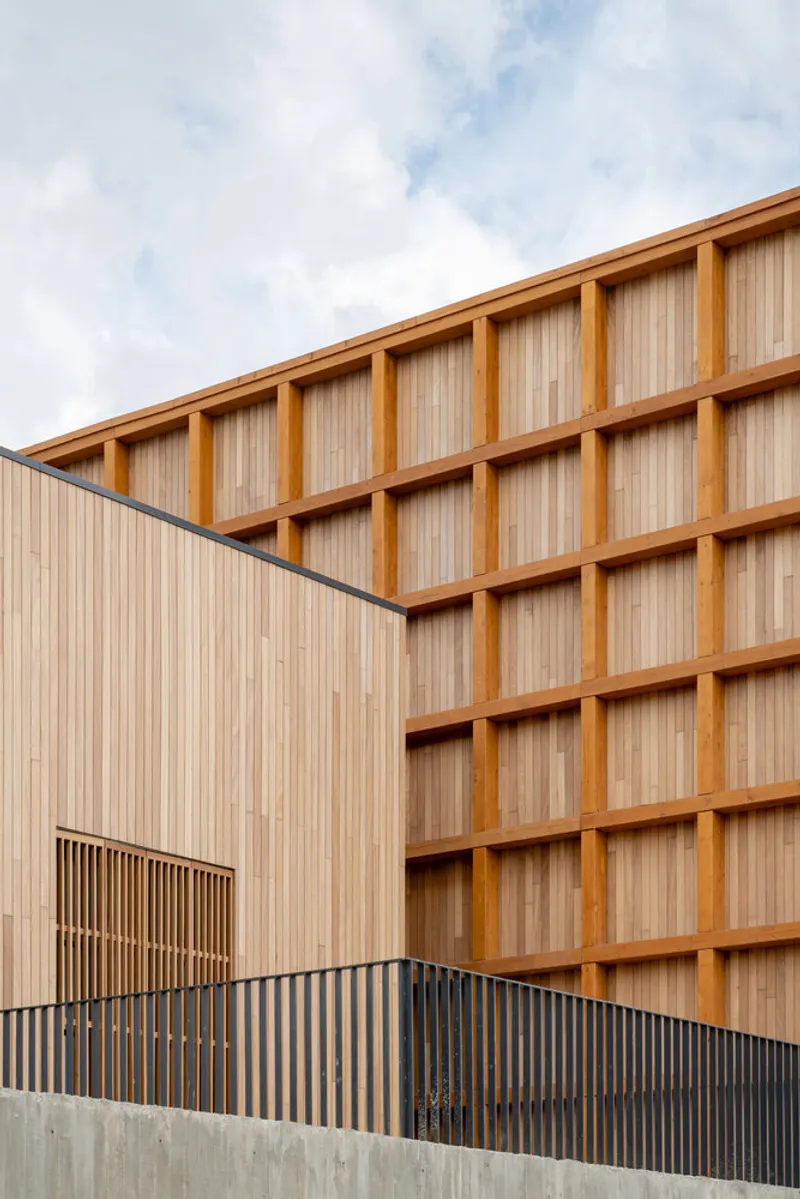
- Timber defines the sacred Cemevi spaces, introducing warmth and intimacy appropriate to religious rituals.
- Pure material expression ensures consistency while allowing each functional zone to maintain its distinct identity.
The careful interplay between stone, brick, and wood reinforces the project’s dual nature: a cultural center open to the public and a private, sacred space for worship.
Urban Integration and Social Impact
The Fatma Ana Cemevi and Culture Center exemplifies how contemporary religious architecture can function as a catalyst for social cohesion. By embedding a minority religious space within an accessible civic framework, Studio 9016 redefines the role of faith-based buildings in modern cities.
Rather than isolating worship, the project integrates it: creating a model for inclusive design, community engagement, and spatial dialogue between belief and public life.
As one of Turkey’s most significant contemporary Cemevi projects, it stands as a benchmark for religious architecture, cultural infrastructure, and socially responsive urban design.
Project Facts
- Project: Fatma Ana Cemevi and Culture Center
- Architects: Studio 9016
- Location: Beylikdüzü, Istanbul, Türkiye
- Year: 2020
- Site Area: 7,800 m²
- Built Area: 2,230 m²
- Typology: Religious Architecture / Cultural Center
All photographs are works of
Yercekim Architectural Photograph




Popular Articles
Popular articles from the community


Co-life: Sustainable Architecture for Age-Friendly Community Living
Co-life reimagines sustainable architecture for seniors through courtyards, rammed earth, shared gardens, and spaces designed for belonging.

The Ocean Hive: Sustainable Architecture for a Self-Sufficient Civilization at Sea
The Ocean Hive imagines sustainable architecture at sea, where modular habitats, algae, wave power and ocean waste sustain a growing colony.

The Earth Pod: 3D Printed Homes for Resilient Refugee Communities
The Earth Pod reimagines refugee housing through 3D printed homes made from clay, combining resilience, self-sufficiency, and rapid shelter.

Play: Fragments of Their World
Familiar architecture becomes modular playground design, creating safe spaces where displaced children can learn, connect, imagine and play.


Similar Reads
You might also enjoy these articles


FAMM Arquitectura Organizes Ten Villas Around Courtyards and Jungle in Nosara, Costa Rica
El Molino pairs two elongated volumes with deep overhangs and timber louvers to build a compact coastal community five minutes from the beach.
Oscar Niemeyer's Ibirapuera Park Pavilions Define São Paulo's Cultural Identity in Concrete and Curve
A constellation of modernist volumes set within São Paulo's most important urban park, conceived for the city's 400th anniversary in 1954.
How Henri Picq's 1889 Paris Pavilion Traveled 11,000 Kilometers to Become Santiago's Artequín Museum
A prefabricated iron and glass pavilion built for the Paris Universal Exposition found a second life as a children's art museum in Chile.
Sanjay Puri Architects Wraps a Jaipur Office Tower in Capsule-Shaped Green Buffers
A nine-level climate-responsive workplace near Jaipur Airport uses stacked planter terraces and aluminium screens to fight 40°C heat.


Explore İshak Şimşek Arhitecture Competitions
Discover active competitions in this discipline



Challenge to reimagine the Iron Throne


Photograph architecture without architects


Illustrate the lost glory of Angkor Wat - Render Challenge


Bring back Drive In's
Comments (0)
Please login or sign up to add comments
No comments yet. Be the first to comment!