

FC Residence by Fpoles Arquitetos
FC Residence by Fpoles Arquitetos blends countryside memory with modern design, featuring wood structure, mezzanine office, courtyard, and panoramic views.


Located in Votorantim, São Paulo, FC Residence by Fpoles Arquitetos is a contemporary single-story house that blends emotional memory with modern design. Completed in 2022, the 278 m² residence draws inspiration from the rural houses of Gonçalves, Minas Gerais—a place that holds deep personal significance for its owners. The project reflects a balance between tradition and modernity, functionality and intimacy, while embracing the natural landscape surrounding the site.
Concept and Design Approach
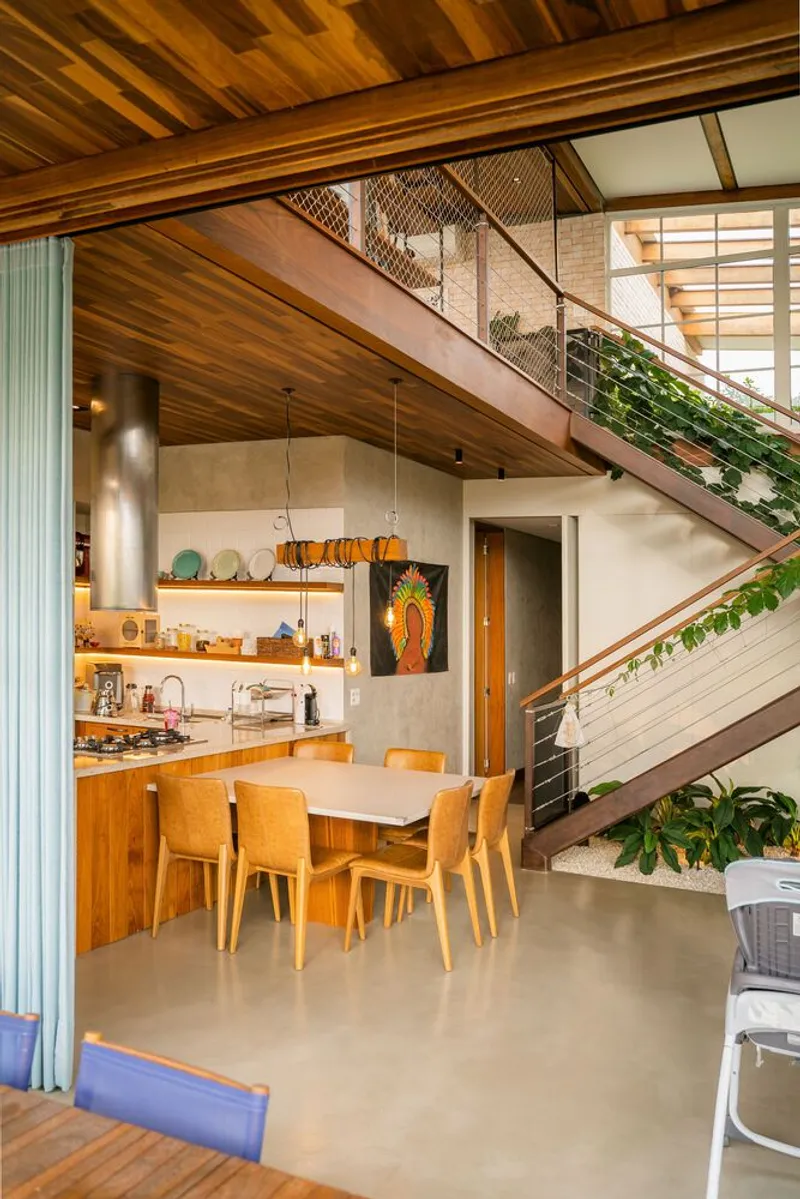
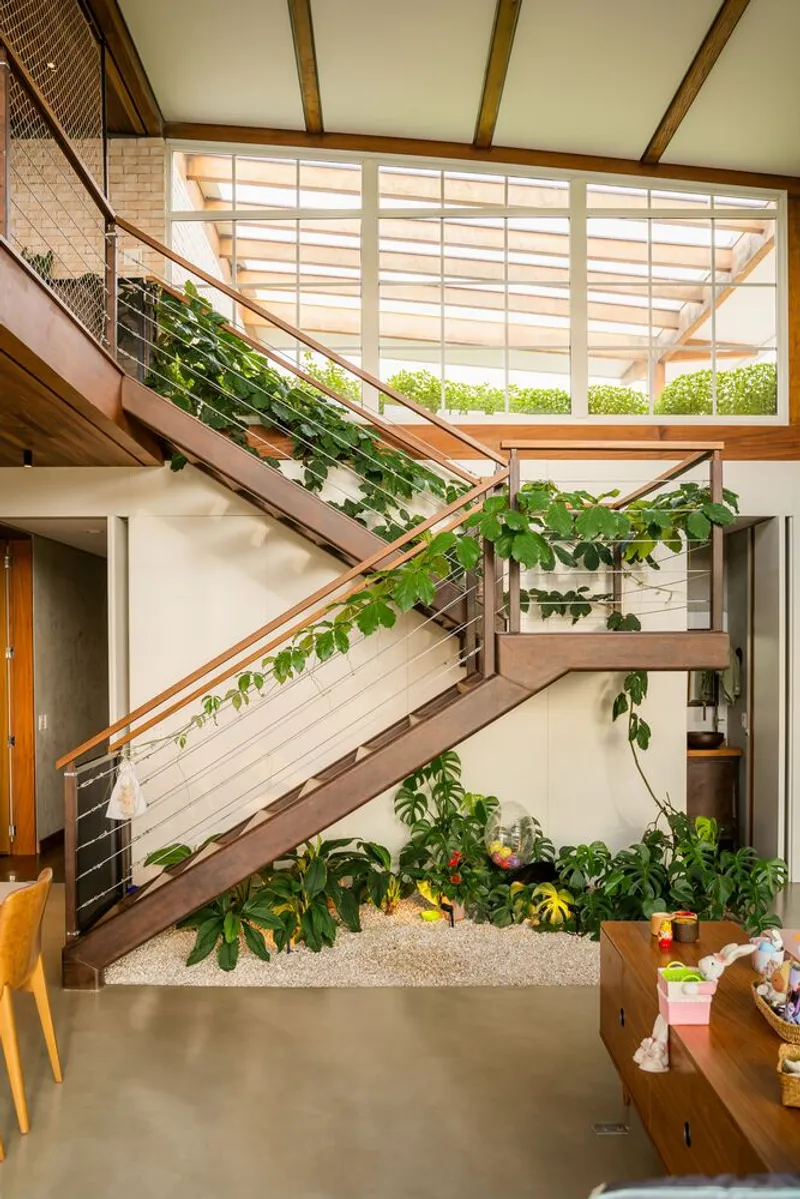
From the outset, the clients envisioned a home that would recall the charm of country residences yet offer the comforts of contemporary living. Prioritizing low maintenance, integration, and a clear architectural identity, the architects designed a single-story residence with a mezzanine that provides a private home office, terrace, and library. This elevated space also frames panoramic views of both the sunset and sunrise, aligning the family’s daily rituals with the rhythms of nature.
Spatial Organization
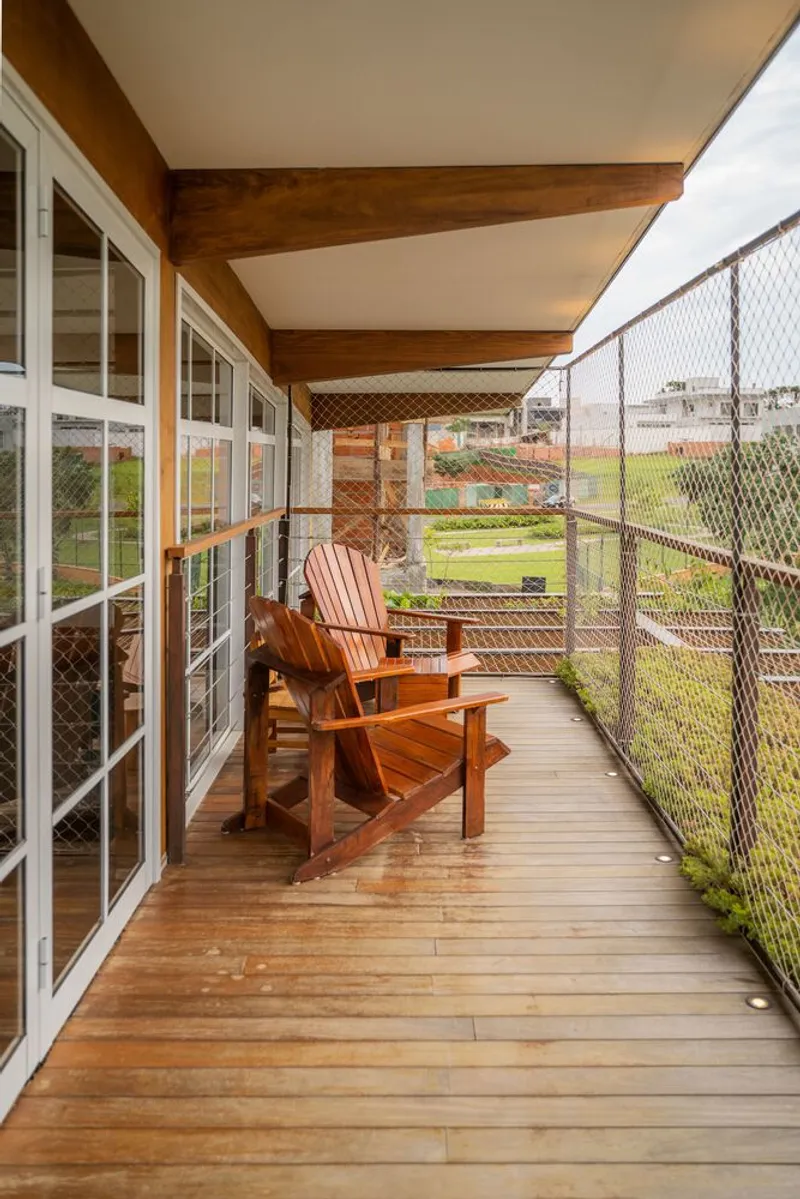
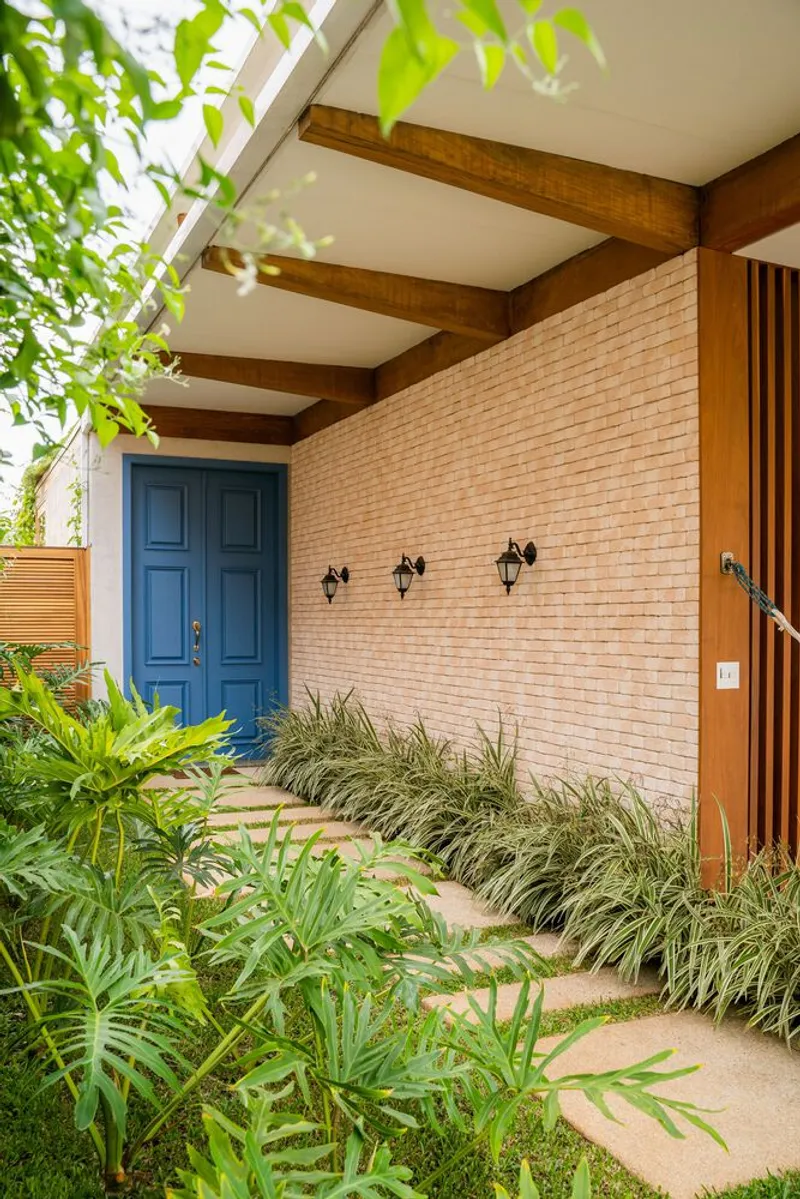
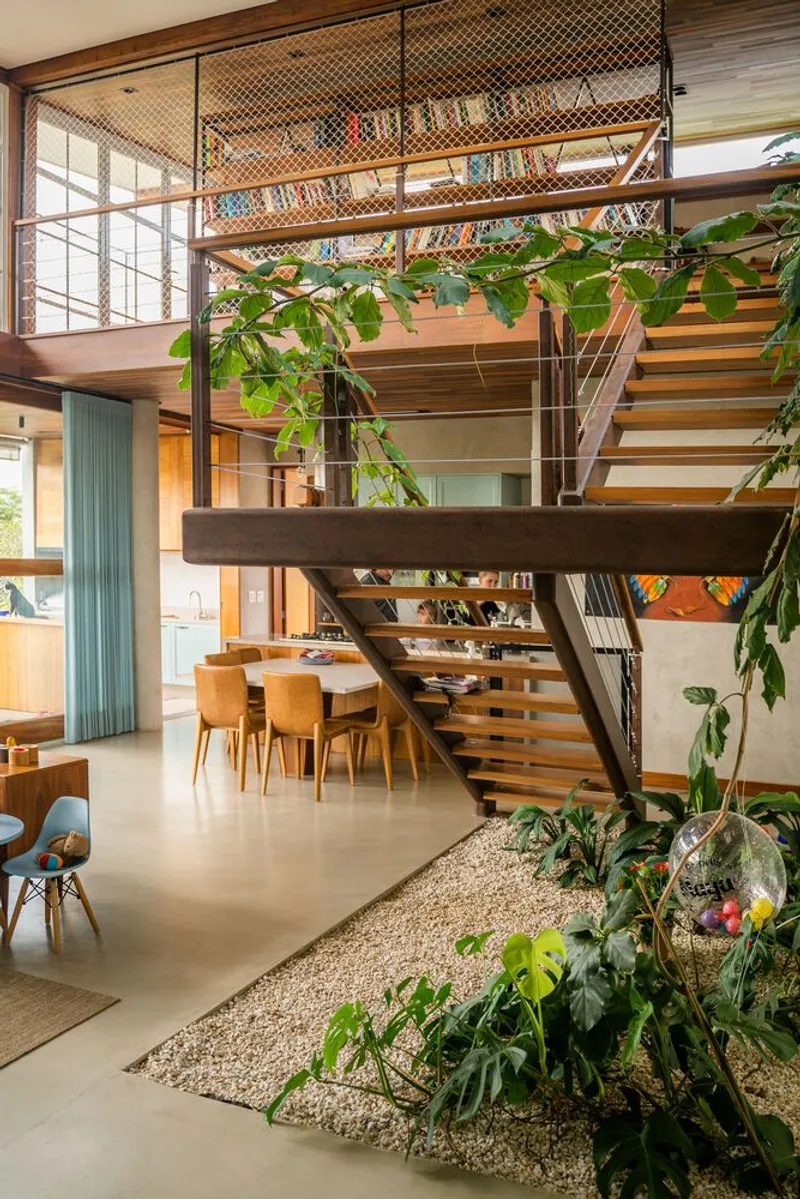
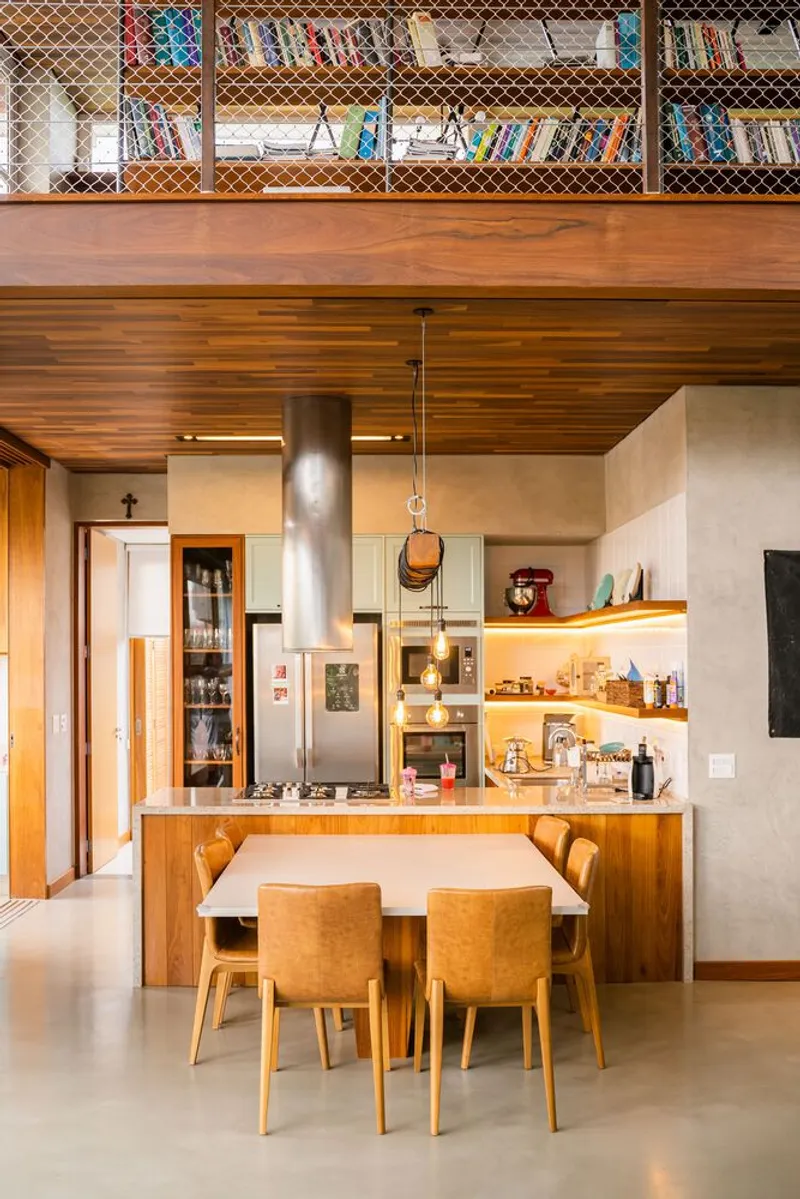
The residence is carefully distributed across a single level, ensuring seamless circulation and spatial connectivity. The entrance hall opens into the living and dining areas, which are visually linked to the mezzanine and the double-height ceiling. These spaces flow naturally into the kitchen and outdoor area, where a pool and suspended deck make use of the site’s gentle slope.
The intimate wing is organized around a central courtyard, which brings daylight and ventilation into the interiors. The program includes three suites: a guest suite that doubles as an office, a daughter’s suite with a walk-in closet, and the main suite for the couple, also featuring a walk-in closet.
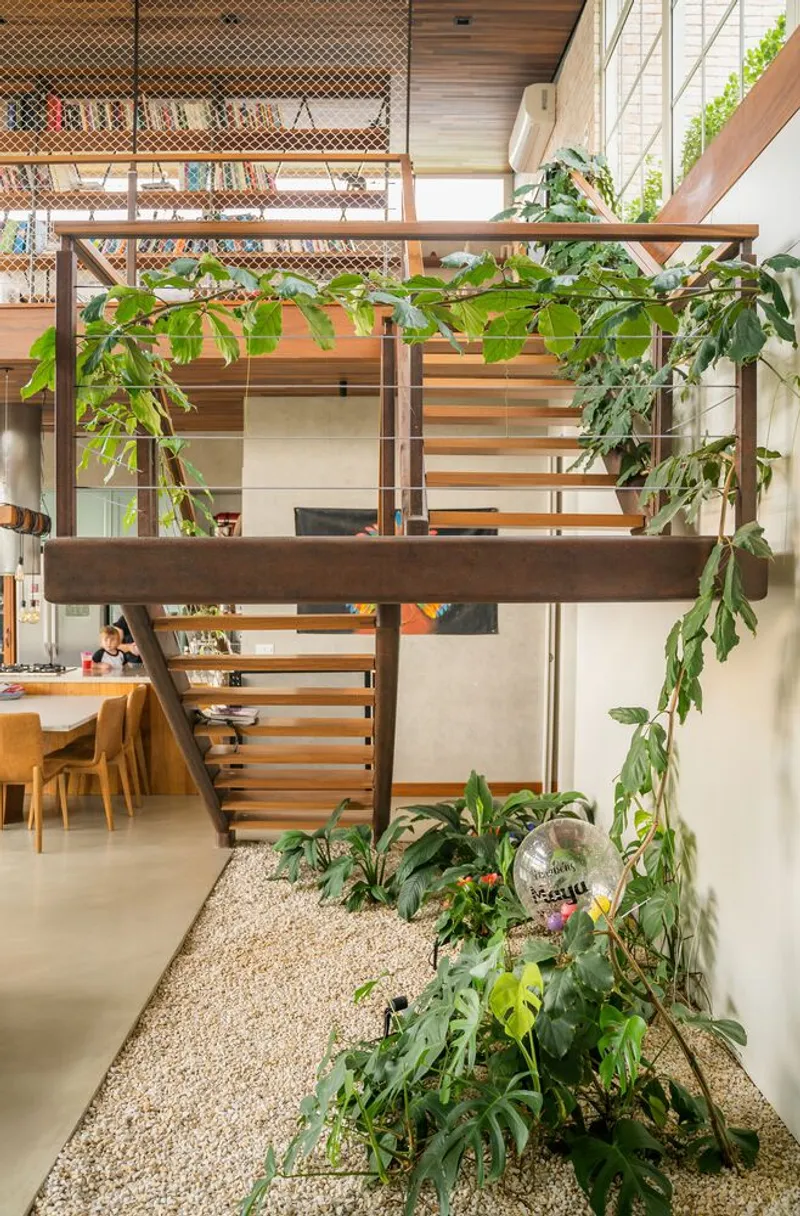

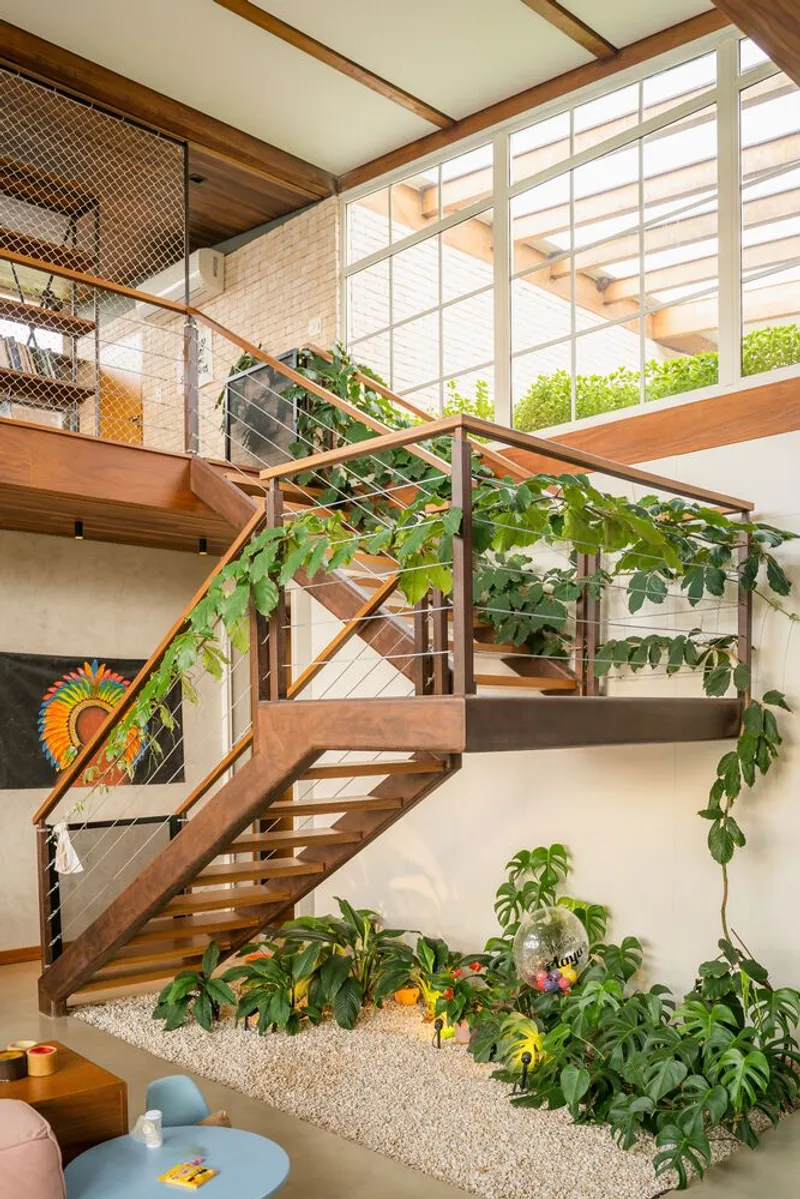
Materiality and Atmosphere
The material palette recalls traditional Brazilian countryside residences while reinterpreting them with a modern aesthetic. Exposed wooden beams and roofing structures give warmth and authenticity, while brickwork, pastel shades, and neutral tones provide a timeless backdrop. The pitched, visible roof enhances the architectural identity, while also anchoring the interiors in a sense of emotional familiarity and connection to the past.
The mezzanine library stands as a central design feature, visible throughout the house, while ensuring privacy for the adjacent office. This architectural gesture reinforces the home’s identity as both a family retreat and a functional living environment.

A Home for Memory and Modern Life
The FC Residence is more than just a contemporary dwelling—it is a translation of memory into architecture. By combining countryside references, natural materials, and spatial strategies that maximize views and natural light, Fpoles Arquitetos created a home where tradition meets modern lifestyle, offering comfort, intimacy, and a strong emotional resonance for its residents.
All Photographs are works of Guilherme Lopes



Popular Articles
Popular articles from the community


The Ocean Hive: Sustainable Architecture for a Self-Sufficient Civilization at Sea
The Ocean Hive imagines sustainable architecture at sea, where modular habitats, algae, wave power and ocean waste sustain a growing colony.

Conexión: Biophilic Design Reimagines High-Rise Living in Hong Kong
Conexión reimagines high-rise living in Hong Kong through biophilic design, green facades, shared spaces, daylight, water and nature within.

The Earth Pod: 3D Printed Homes for Resilient Refugee Communities
The Earth Pod reimagines refugee housing through 3D printed homes made from clay, combining resilience, self-sufficiency, and rapid shelter.

Co-life: Sustainable Architecture for Age-Friendly Community Living
Co-life reimagines sustainable architecture for seniors through courtyards, rammed earth, shared gardens, and spaces designed for belonging.


Similar Reads
You might also enjoy these articles


Hodi-Mandai Geram
Project Function: Preservation and revitalization of the Intangible heritage and socio-spatial identity of the Hodi by Housing, Cultural Memory Center, Sacred Grove, landscape, local tourism economy


Olio Towers: A Mid-Rise for Performers That Fuses Housing, Rehearsal, and Stage
Located blocks from Houston's Theater District, this modular tower stacks living units around a central performance atrium.

Oasis: Modular Green Housing Carved into Dhaka's Urban Fabric
A shortlisted Plugin Housing entry reclaims unauthorized settlements in Dhaka with stepped concrete volumes, green roofs, and ventilation-driven design.

Black Hole: A Floating Megastructure for the Post-Physical Era
Emiliano Mazzarotto envisions a spherical, self-scaling arena where e-sports, digital hotels, and holographic stadiums replace traditional public space.


Explore Residential Building Competitions
Discover active competitions in this discipline


Challenge to design mud housing for contemporary communities


Challenge to reimagine the Iron Throne


Photograph architecture without architects


Illustrate the lost glory of Angkor Wat - Render Challenge
Comments (0)
Please login or sign up to add comments
No comments yet. Be the first to comment!