
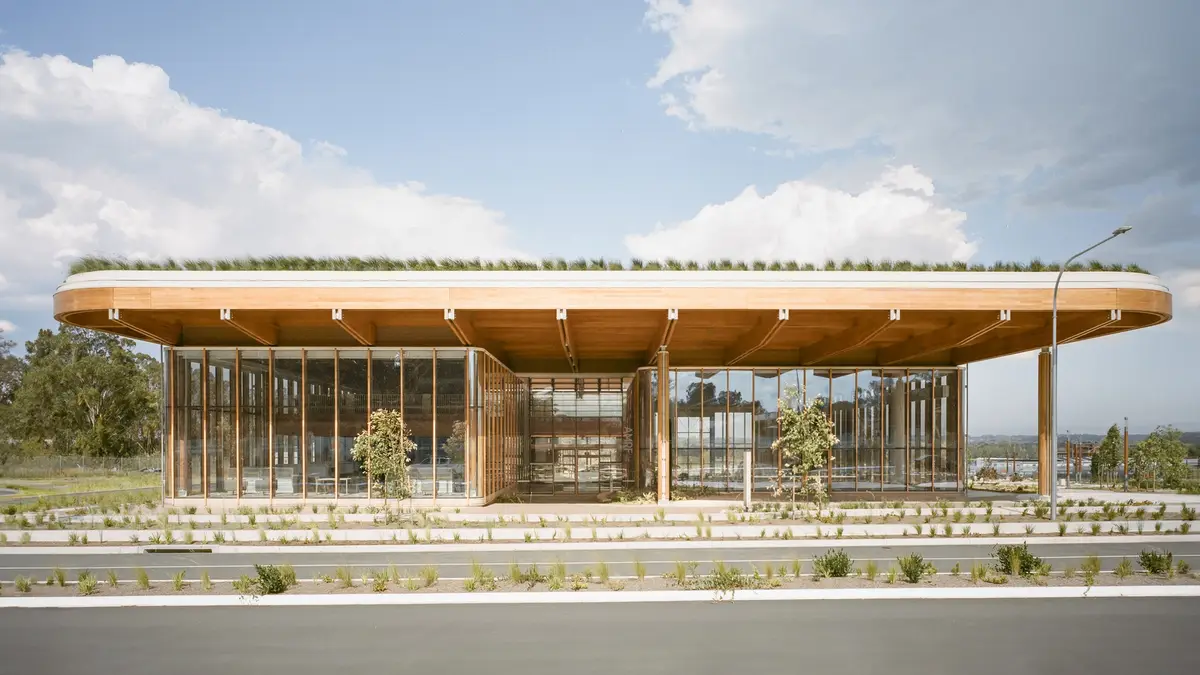
First Building, Bradfield City Centre: An Urban Pavilion Grounded in Country, Water, and Circular Futures by HASSELL
The first building of Bradfield City, integrating First Nations knowledge, water-sensitive design, and circular timber construction to set a sustainable urban benchmark.


The First Building at Bradfield City Centre marks a foundational moment in the development of Australia’s newest city. Designed by HASSELL, the project houses Stage 1 of the Advanced Manufacturing Readiness Facility (AMRF) and serves as the inaugural built piece of Bradfield and the wider Western Sydney Aerotropolis. As both a working facility and a civic statement, the building establishes the environmental, cultural, and architectural values intended to guide the city’s future growth.
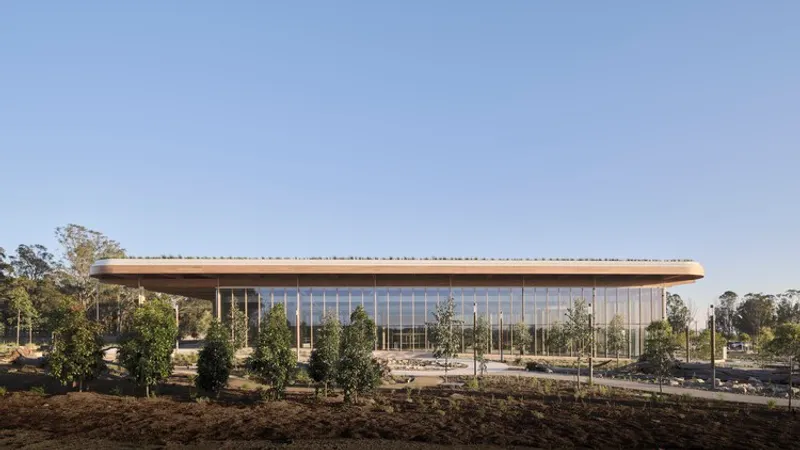
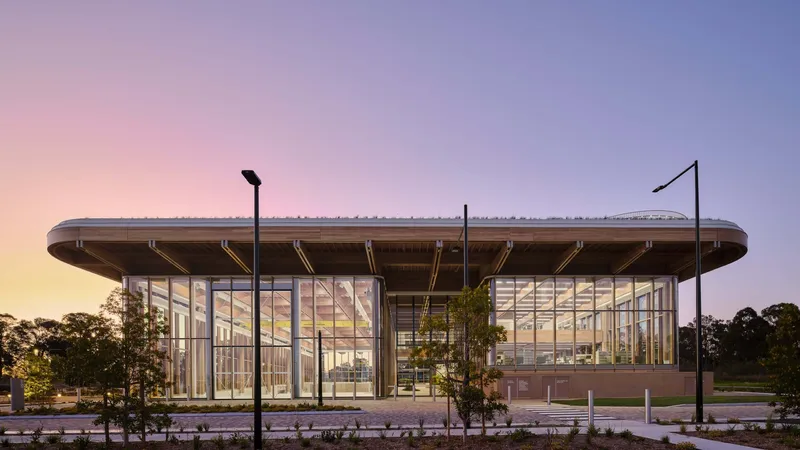
Rather than positioning itself as a conventional office or industrial building, the First Building is conceived as a collaborative urban pavilion—one that balances innovation with humility, and advanced technology with deep respect for place. It brings together government, industry, researchers, and the public in a shared environment designed to incubate advanced manufacturing while remaining porous, welcoming, and legible to the broader community.
A Building That Introduces a City
As the first permanent structure in Bradfield City Centre, the building carries symbolic weight. It sets the tone for an urban vision described as “connected, green, and advanced,” offering a tangible preview of the city-to-come. At a human scale, the pavilion provides public space and relief within a future dense urban fabric, anchoring early development with openness rather than monumentality.
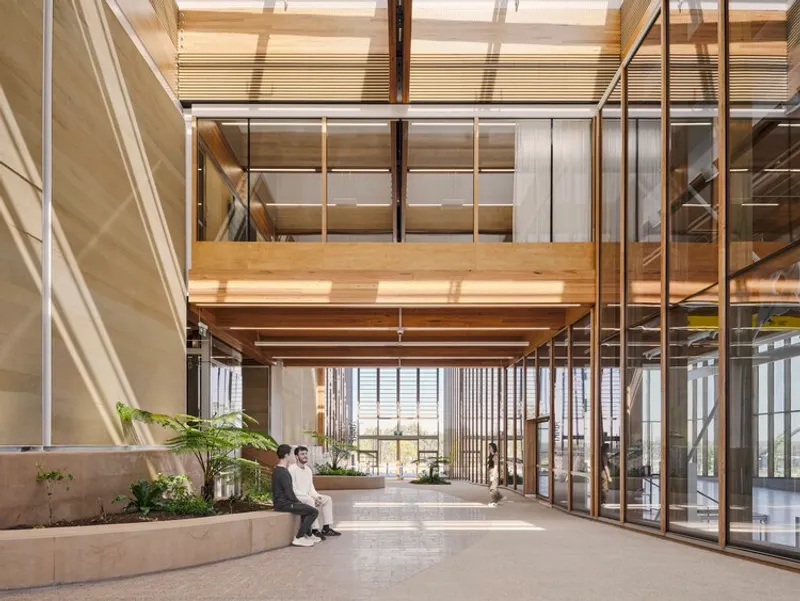
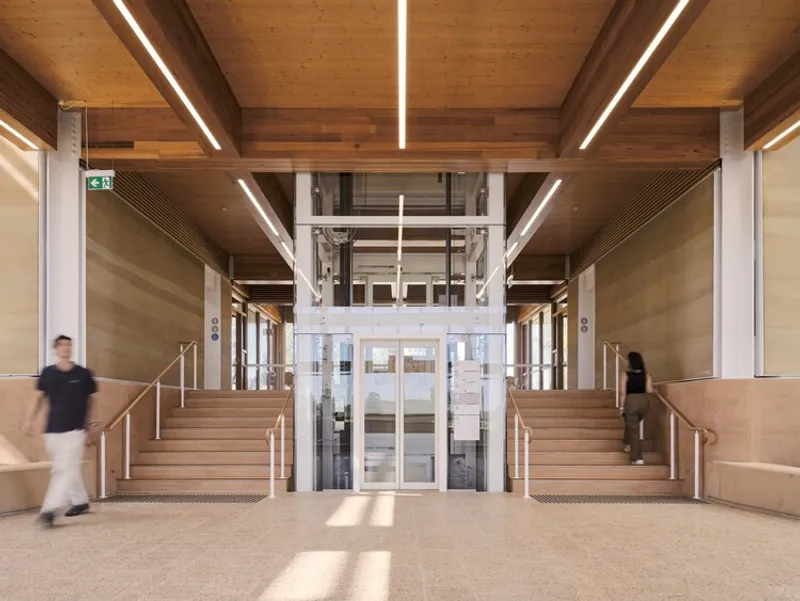
The First Building also incorporates a visitor centre and public viewing areas, allowing people to observe the real-time development of Bradfield and Australia’s largest new urban project. This transparency reinforces the building’s role as both workplace and civic interface—where innovation is not hidden, but shared.
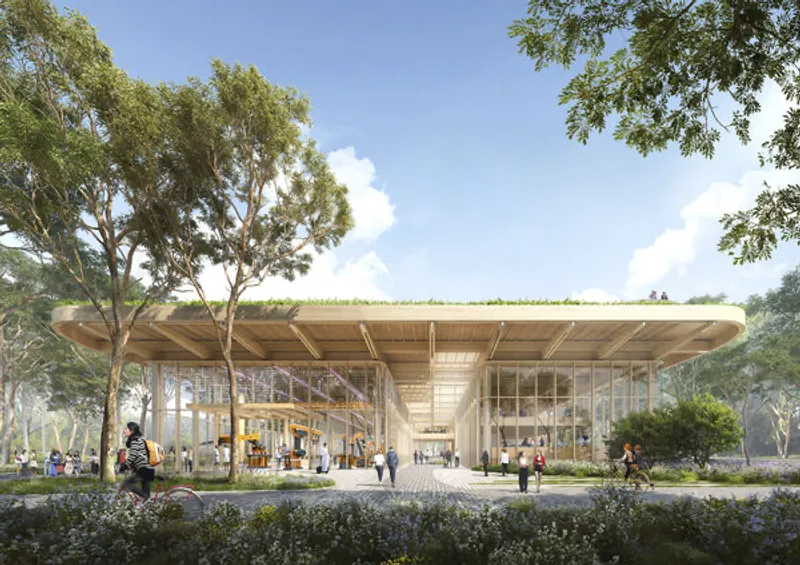
Design Informed by Country and First Nations Knowledge
Central to the project is a design process deeply informed by First Nations cultural research and collaboration. HASSELL worked closely with Djinjama, a First Nations cultural research and design agency, to embed Indigenous knowledge, narratives, and values into the architecture and landscape.
The site sits within Country known in the local Dharug language as Wianamatta, meaning “Mother Place.” This area holds particular cultural significance for First Nations women and is historically defined by water, fertility, and interconnected systems of land and life. These ideas strongly inform the building’s spatial language, material choices, and relationship to the ground.
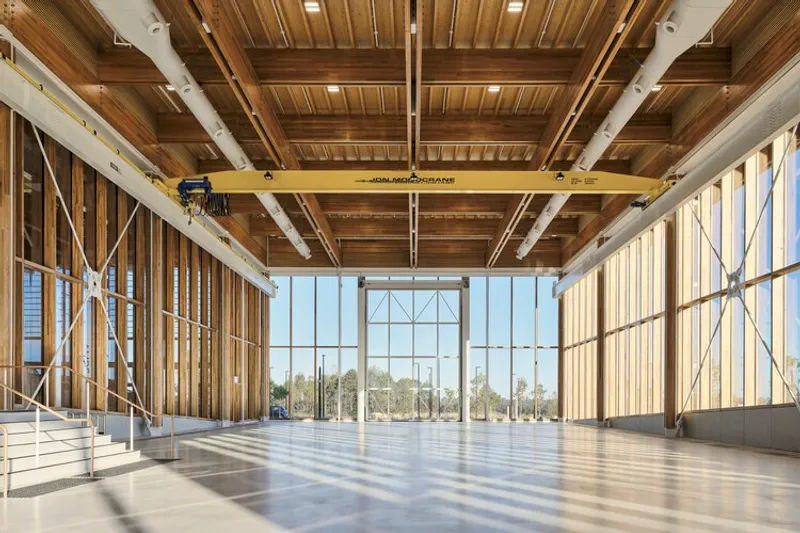
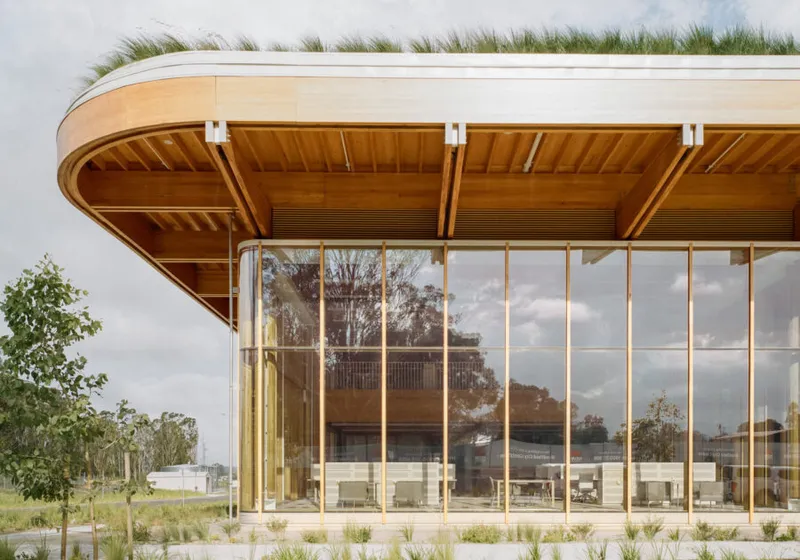
Rather than imposing a rigid form, the architecture adopts a soft, open, and fluid expression. The building touches the ground lightly, using warm natural materials and generous transparency to create an inviting and inclusive environment. This approach reflects care, continuity, and respect—qualities drawn directly from Country.
Celebrating Water as Memory, Movement, and Infrastructure
Water is the central organizing theme of the First Building. The design draws inspiration from the ephemeral and meandering water systems of the Cumberland Plain—landscapes shaped not by permanence, but by seasonal flows, absorption, and renewal.
Historically, the site functioned as permeable land, absorbing rainfall and supporting diverse ecologies. Over time, development reduced this permeability. The First Building actively reverses this condition by reinstating water’s role as a living system rather than a hidden utility.
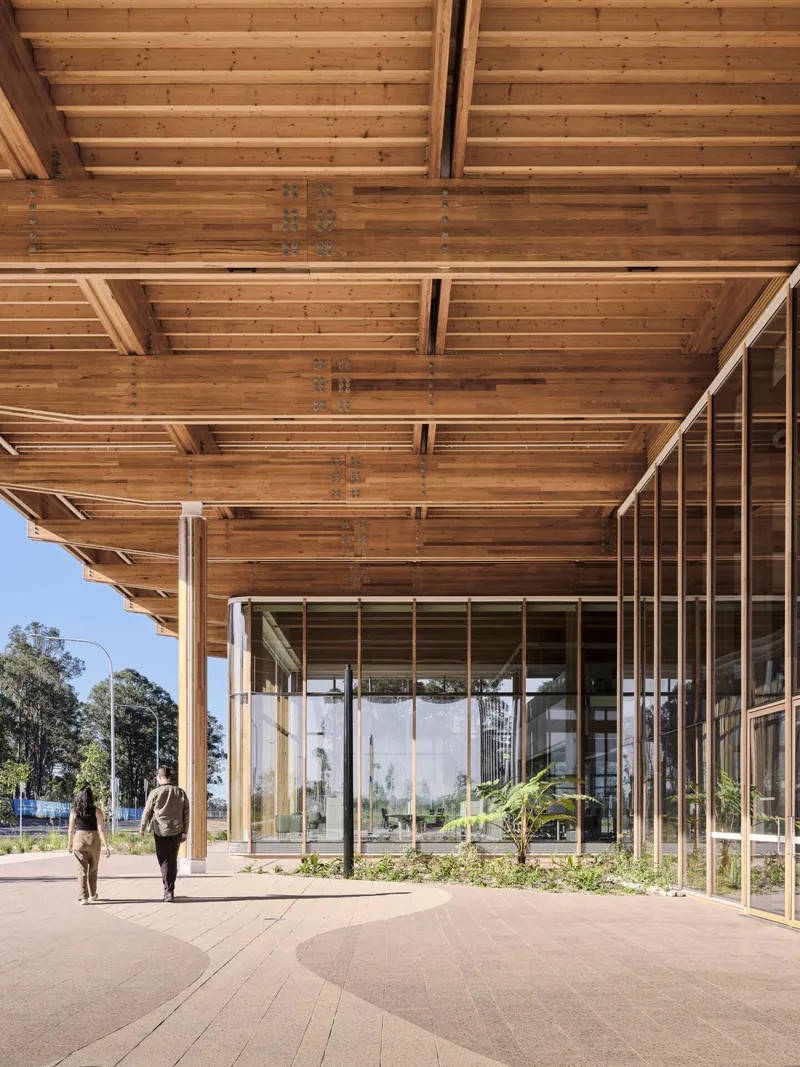
Rainwater is captured, filtered, stored, and reused across the building and landscape. Runoff flows visibly through the site, moving across planted areas and water features before re-entering the ground. This approach slows water movement, improves filtration, supports vegetation, and educates occupants about water cycles through lived experience rather than signage alone.
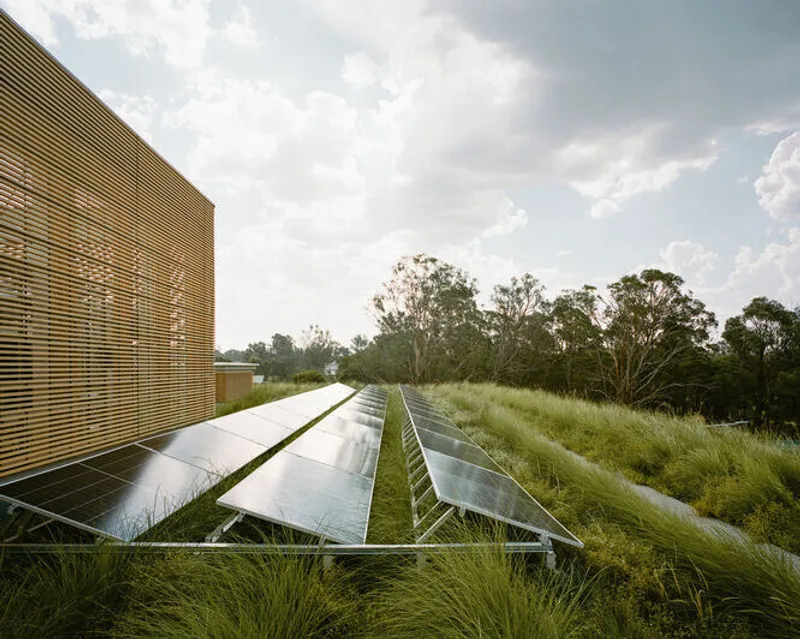
Beyond the building footprint, the project contributes to the regeneration of existing water bodies, including the longest freshwater stream in Greater Sydney. These interventions enhance biodiversity, improve creek health, and reconnect the site to its broader ecological networks.
An Urban Pavilion Embedded in Landscape
Rather than clearing the site, the First Building is designed around existing paddocks and tree stands, preserving and amplifying what was already present. This decision reinforces the idea of the building as a pavilion within landscape, rather than an object placed upon it.
The ground plane is richly planted with underutilized native species from the Cumberland Plain, forming a permeable and ecologically active surface. People move through gardens rather than across hard plazas, immersing daily work routines within landscape systems.
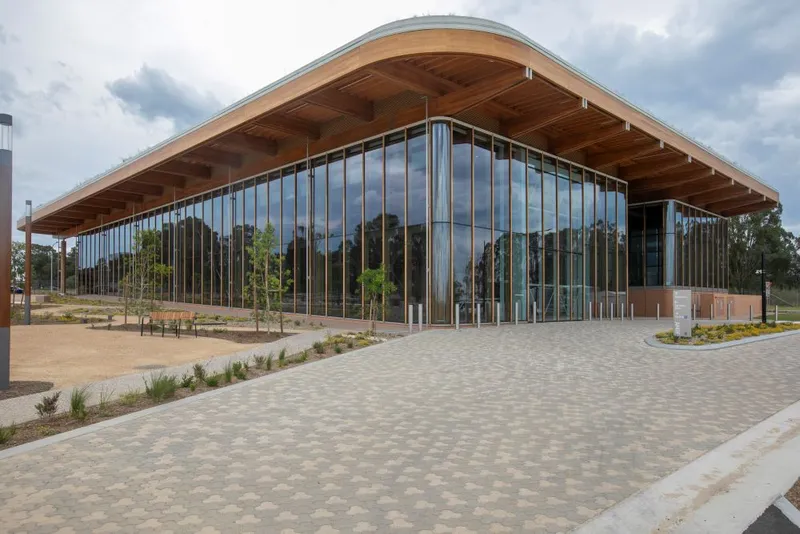
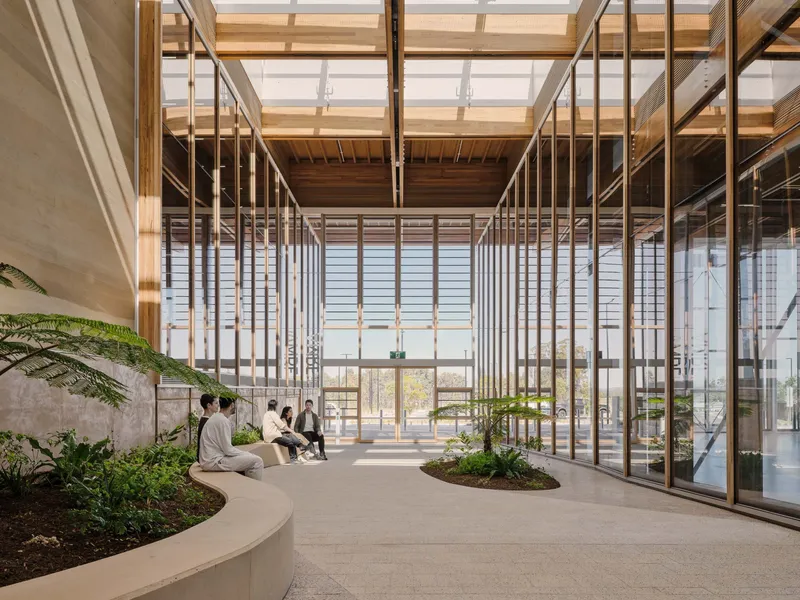
This integration of architecture and ecology strengthens the site’s identity and establishes a powerful precedent for future development across the Aerotropolis. It demonstrates how urban growth can coexist with—and even enhance—existing natural systems.
Interior Spaces for Collaboration and Innovation
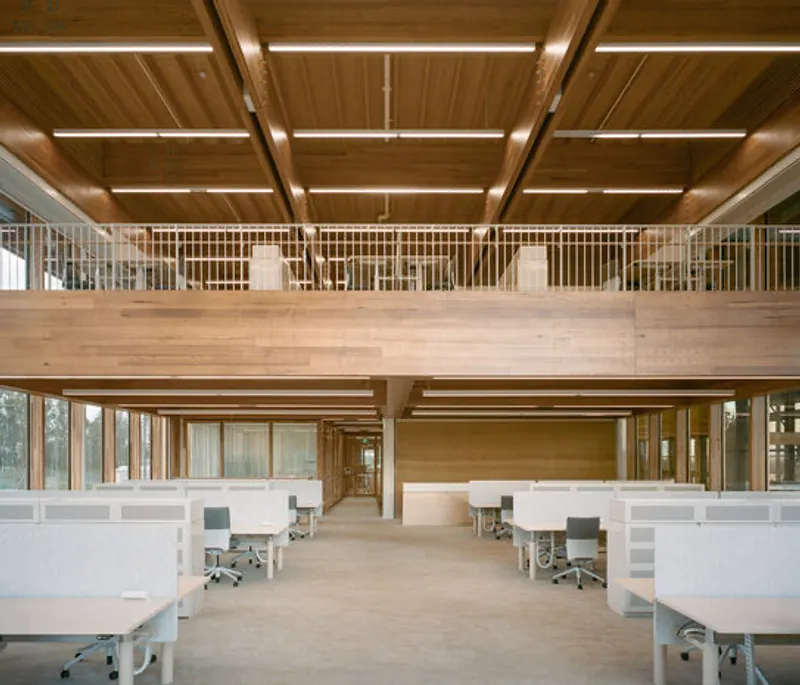
Inside, the First Building supports the complex needs of the Advanced Manufacturing Readiness Facility. Flexible workspaces accommodate collaboration between researchers, industry partners, and government agencies, enabling rapid prototyping, testing, and innovation.
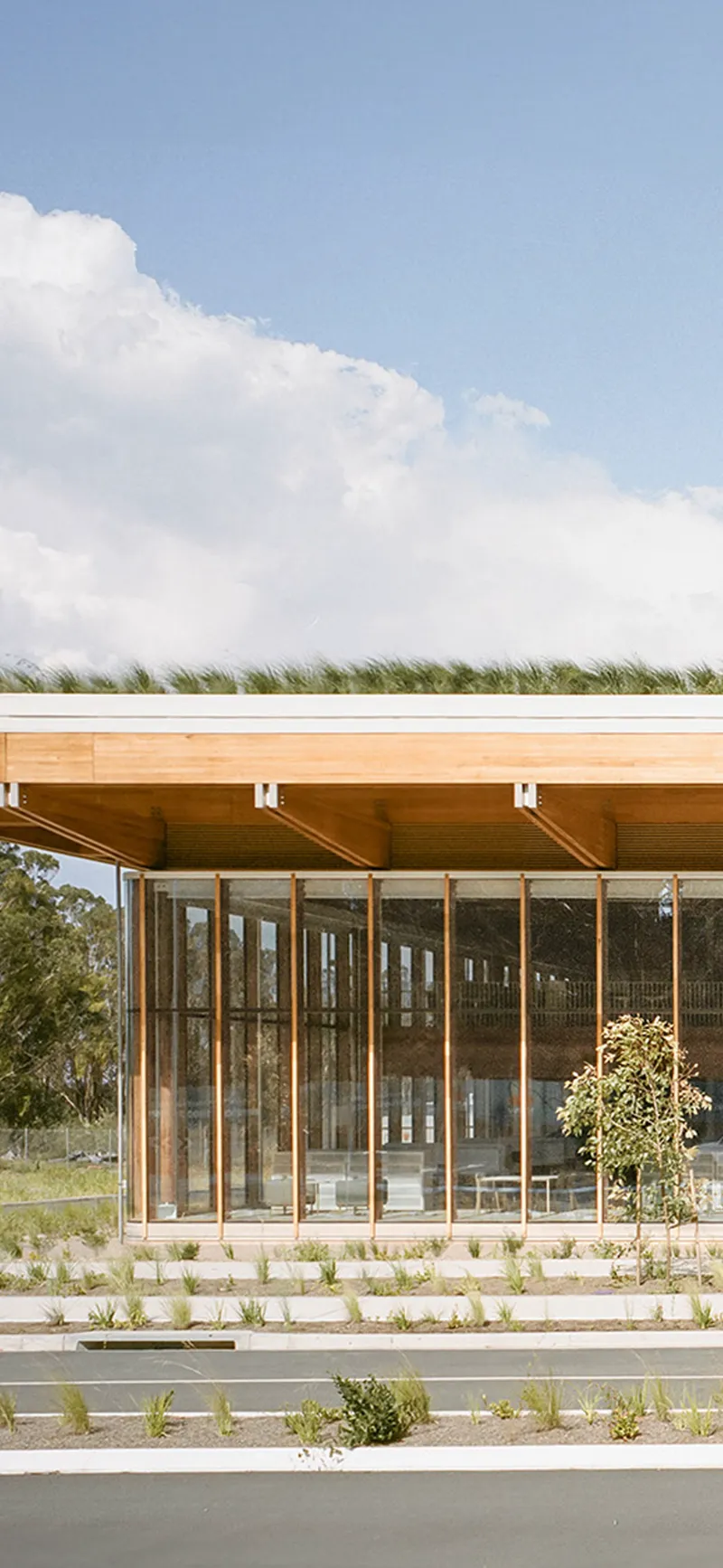
The interior architecture reflects the same principles as the exterior: openness, adaptability, and material warmth. Timber structures, exposed beams, and generous glazing create a workspace that feels both advanced and grounded. Visual connections between spaces encourage interaction, while carefully calibrated acoustics and zoning support focused work.
Public viewing areas are seamlessly integrated, reinforcing the building’s dual role as workplace and educational environment. Visitors can observe innovation in progress, strengthening public understanding of advanced manufacturing and the city’s ambitions.
Circular Economy as Architectural Strategy
One of the most forward-thinking aspects of the First Building is its commitment to circular economy principles. From the outset, the design addresses a critical question: what happens when this building outlives its current use?
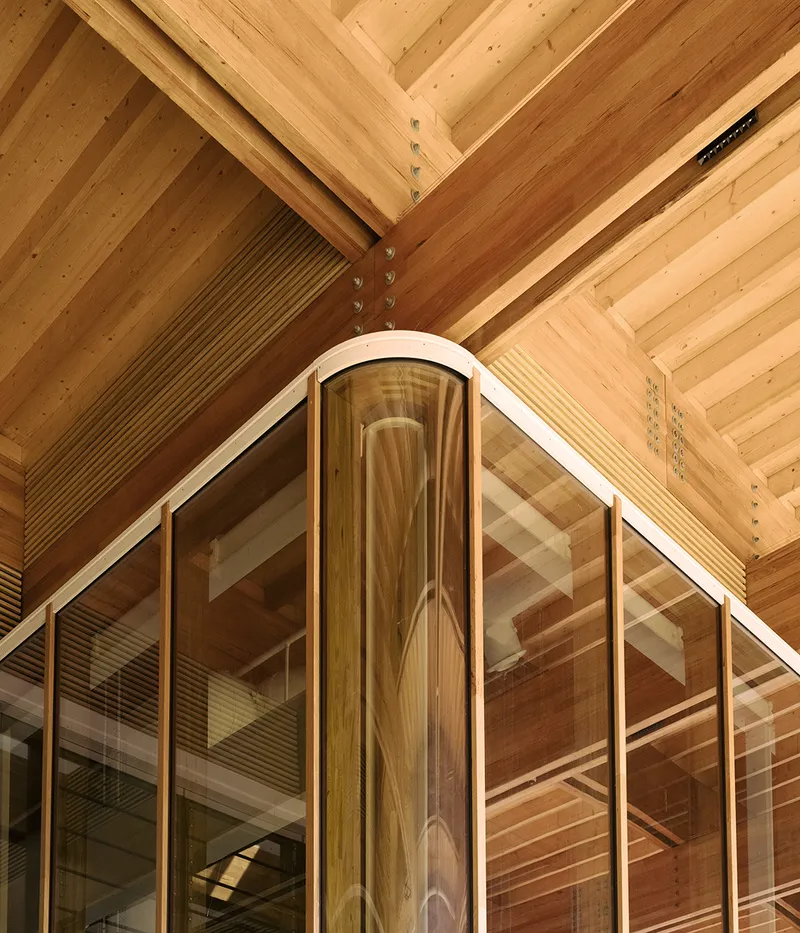
Rather than treating obsolescence as inevitable waste, the building is conceived as a kit of parts. Its timber structure is composed of prefabricated modular components that are mechanically fixed rather than permanently bonded. This allows the building to be disassembled, adapted, expanded, or relocated in the future.
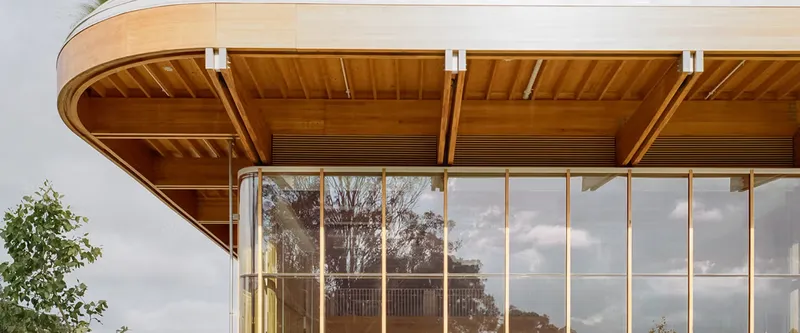
Such flexibility aligns with the evolving nature of Bradfield itself—a city expected to change rapidly as technologies, industries, and social needs shift. By designing for disassembly and reuse, the project minimizes future waste and extends the building’s material life far beyond a single program.
This approach represents a significant shift away from conventional construction models and positions the First Building as a prototype for future circular architecture across Australia.
Sustainability Beyond Performance Metrics
While the building integrates high-performance systems, its sustainability strategy extends beyond technical metrics. Environmental responsibility is expressed through landscape regeneration, water stewardship, material honesty, and cultural continuity.
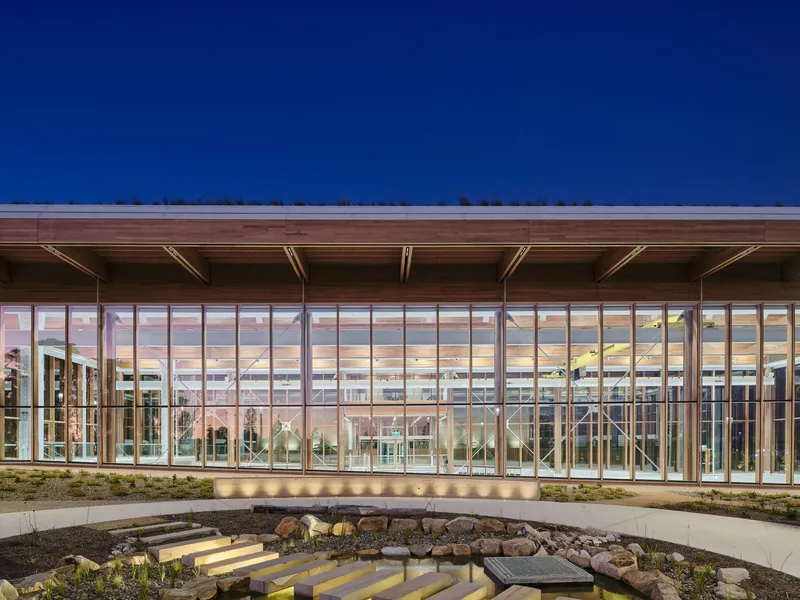
Rainwater harvesting supports greywater use and irrigation, reducing reliance on municipal systems. Passive design strategies—such as shading, natural ventilation, and daylight optimization—reduce energy demand. Timber construction lowers embodied carbon while creating a biophilic interior environment.
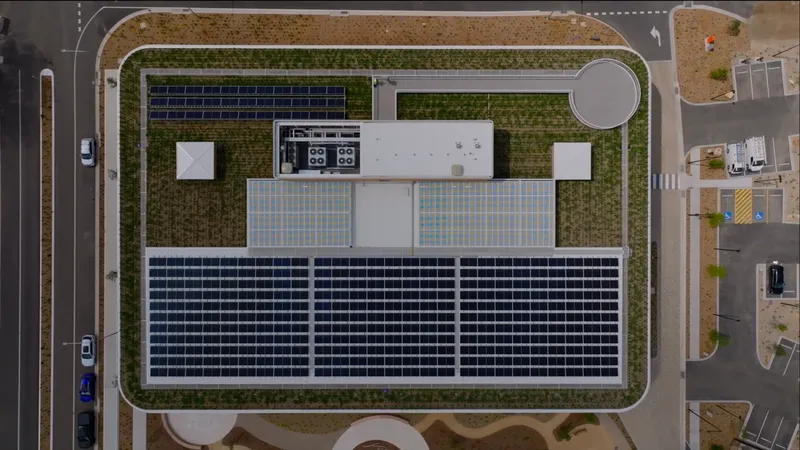
Equally important is the building’s social sustainability. By remaining open, accessible, and educational, it ensures that innovation benefits not only specialists but the broader community.
Setting a Benchmark for Bradfield and Beyond
As the first building of Bradfield City Centre, the project carries responsibility beyond its immediate function. It demonstrates how large-scale urban development can begin with care rather than dominance, and with listening rather than assertion.
The First Building proposes a future where cities grow from Country, where infrastructure supports ecology, and where innovation is inseparable from culture. It establishes a benchmark not only for Bradfield, but for how new cities might emerge globally—through architecture that is adaptable, inclusive, regenerative, and deeply connected to place.
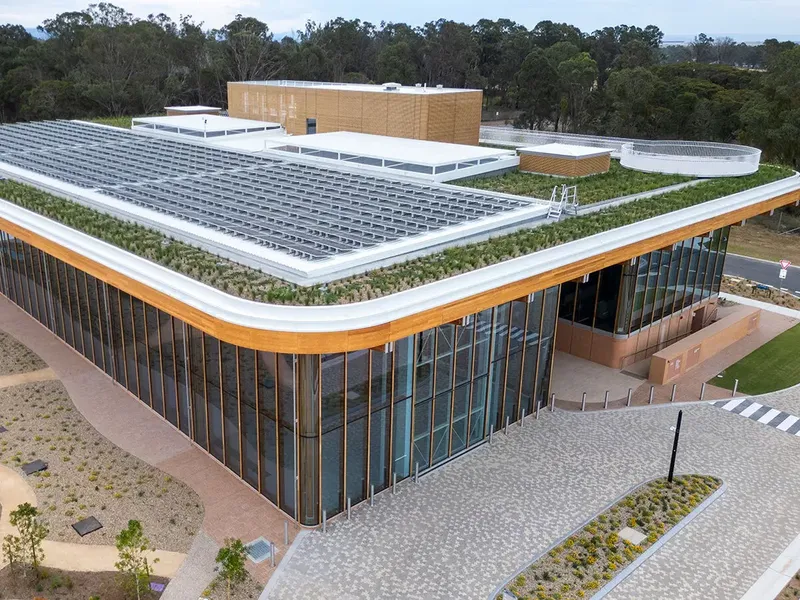
In doing so, HASSELL’s First Building does not simply introduce a city. It introduces a way of thinking about how cities should be made.


Popular Articles
Popular articles from the community


ALGAL REALM: A Bio-Integrated Lunar Habitat Design for Life Beyond Earth
ALGAL REALM reimagines lunar habitat design with algae-powered life support, 3D-printed regolith, and vertical living for a lunar future.

Lunar Spiral: Space Architecture Shaped by the Mathematics of the Universe
Lunar Spiral reimagines space architecture through Fibonacci geometry, lunar regolith, levitating habitats, and self-sustaining Moon living.

Little Red Riding Hood: Architectural Design as a Journey Through Fear, Light, and Storytelling
Little Red Riding Hood reimagines the fairy tale through architectural design shaped by fear, light, scale, memory, uncertainty, and choice.

The Musturak Paradise: Senior Living Architecture for a Connected Future in Temara, Morocco
The Musturak Paradise reimagines senior living architecture in Temara via private homes, social spaces, culture, community, and shared care.

Similar Reads
You might also enjoy these articles


Hodi-Mandai Geram
Project Function: Preservation and revitalization of the Intangible heritage and socio-spatial identity of the Hodi by Housing, Cultural Memory Center, Sacred Grove, landscape, local tourism economy


Olio Towers: A Mid-Rise for Performers That Fuses Housing, Rehearsal, and Stage
Located blocks from Houston's Theater District, this modular tower stacks living units around a central performance atrium.

Oasis: Modular Green Housing Carved into Dhaka's Urban Fabric
A shortlisted Plugin Housing entry reclaims unauthorized settlements in Dhaka with stepped concrete volumes, green roofs, and ventilation-driven design.

Black Hole: A Floating Megastructure for the Post-Physical Era
Emiliano Mazzarotto envisions a spherical, self-scaling arena where e-sports, digital hotels, and holographic stadiums replace traditional public space.
Explore Office Building Competitions
Discover active competitions in this discipline

Challenge to reimagine the Iron Throne

Photograph architecture without architects

Illustrate the lost glory of Angkor Wat - Render Challenge

Design challenge to reuse E-waste
Comments (0)
Please login or sign up to add comments
No comments yet. Be the first to comment!