
Flag House by Studio MK27: A Contemporary Glass Residence Floating Above the Canadian Landscape
Flag House by studio mk27 in Whistler blends floating glass volumes, alpine views, and minimal interiors, integrating modern design with nature.

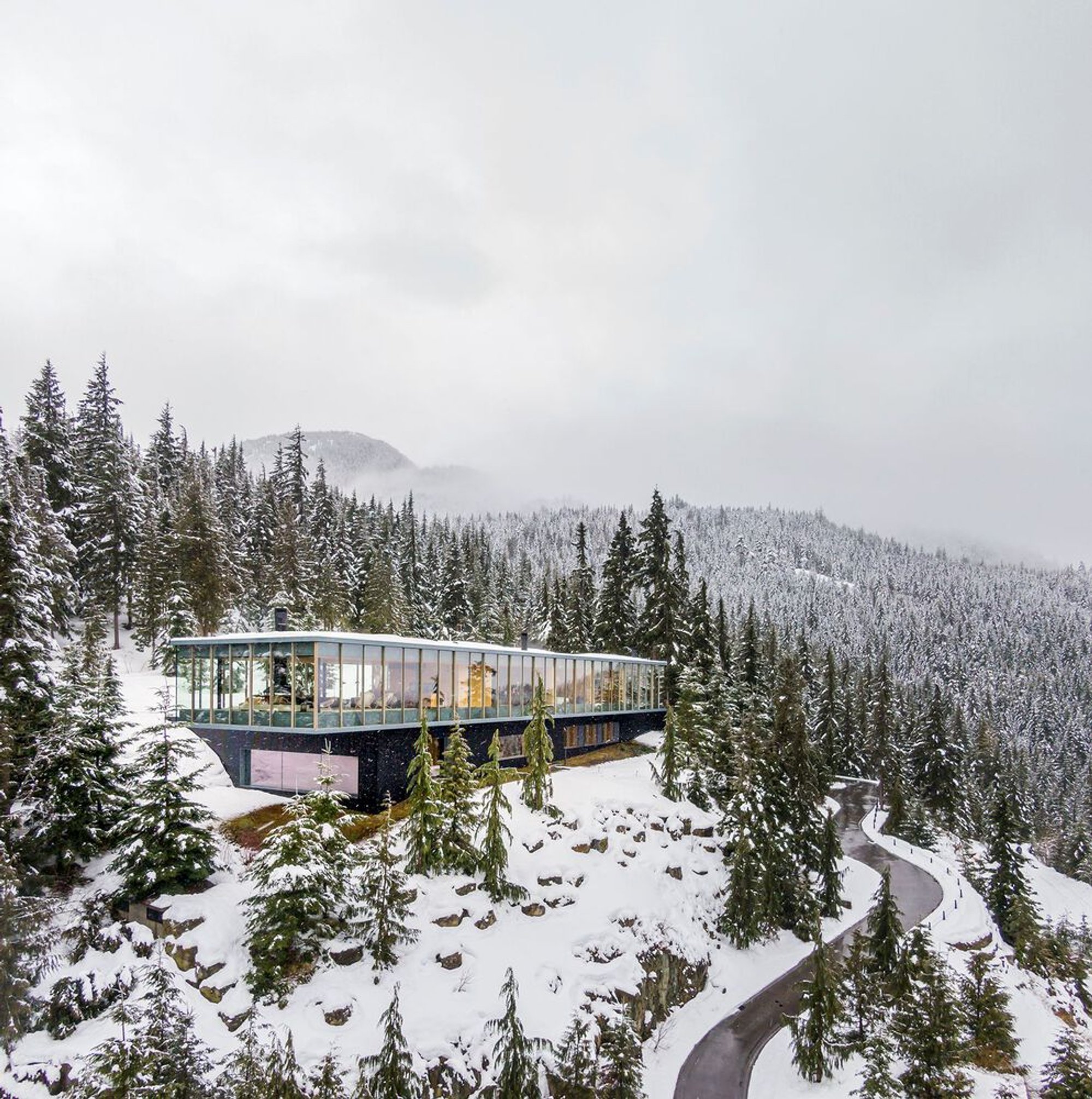
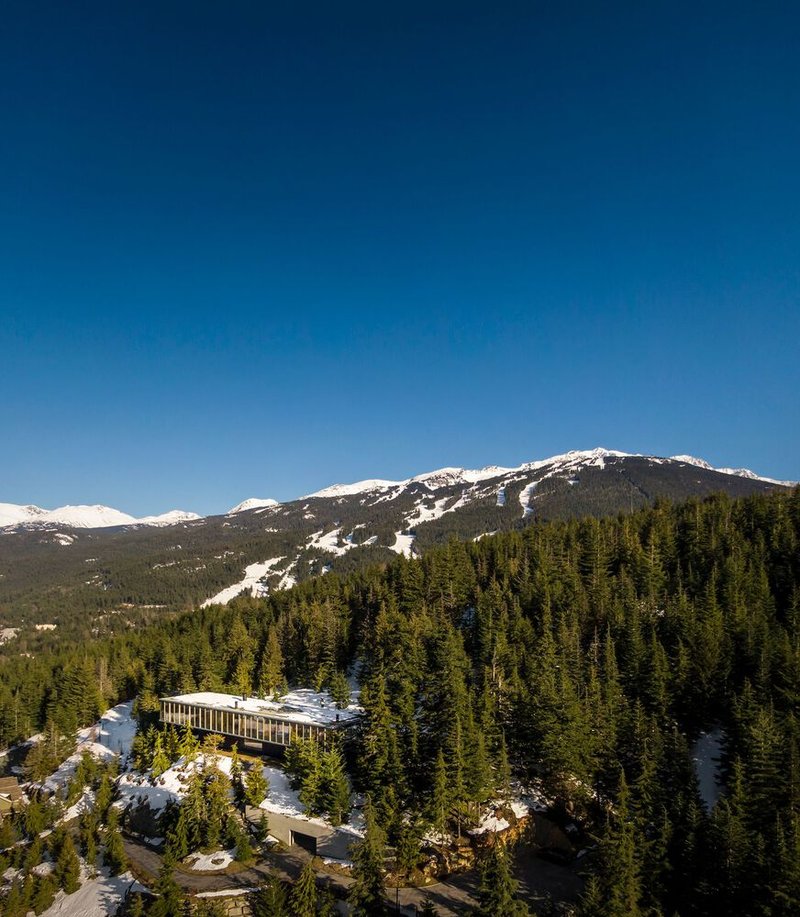
Designed by Studio MK27, led by Brazilian architect Marcio Kogan, the Flag House is a striking contemporary residence located in Whistler, Canada, a renowned mountain and ski destination defined by extreme winters and dramatic natural scenery. Completed in 2020 and spanning 1,130 square meters, the project reinterprets the firm’s signature tropical architectural language within a cold-climate context, creating a refined balance between openness, insulation, and landscape integration.
Reimagining Indoor, Outdoor Living in a Harsh Climate
One of the principal challenges of the Flag House was translating Studio MK27’s hallmark approach: characterized by fluid transitions between interior and exterior spaces: into an environment shaped by snow, low temperatures, and seasonal extremes. Rather than abandoning this philosophy, the architects reinforced it through an innovative spatial strategy centered on transparency, lightness, and visual continuity.
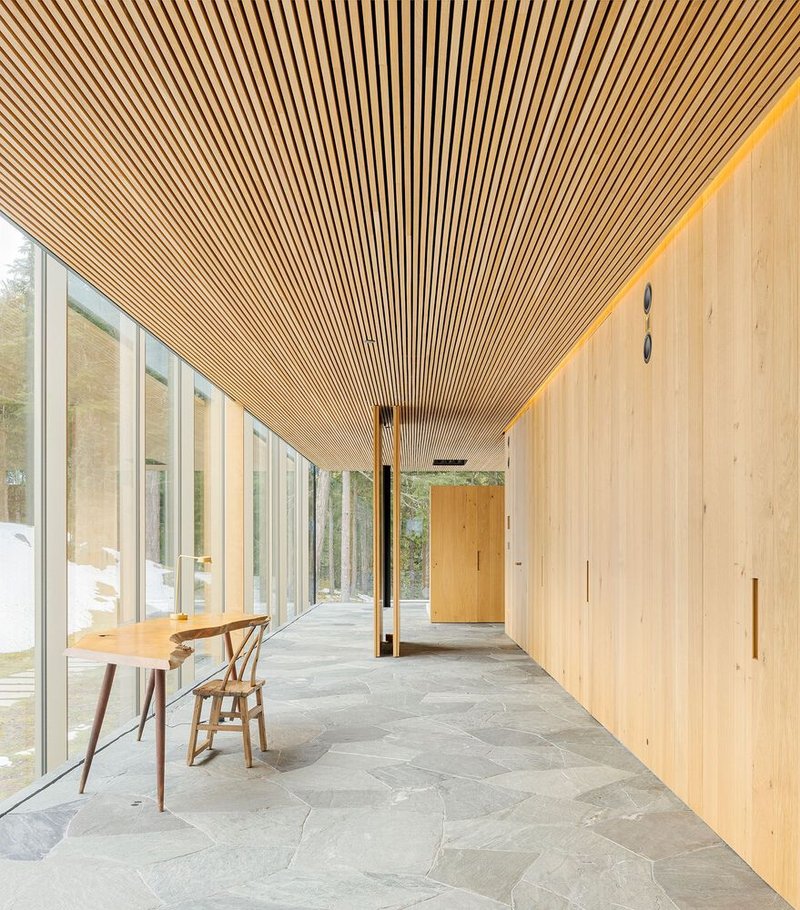
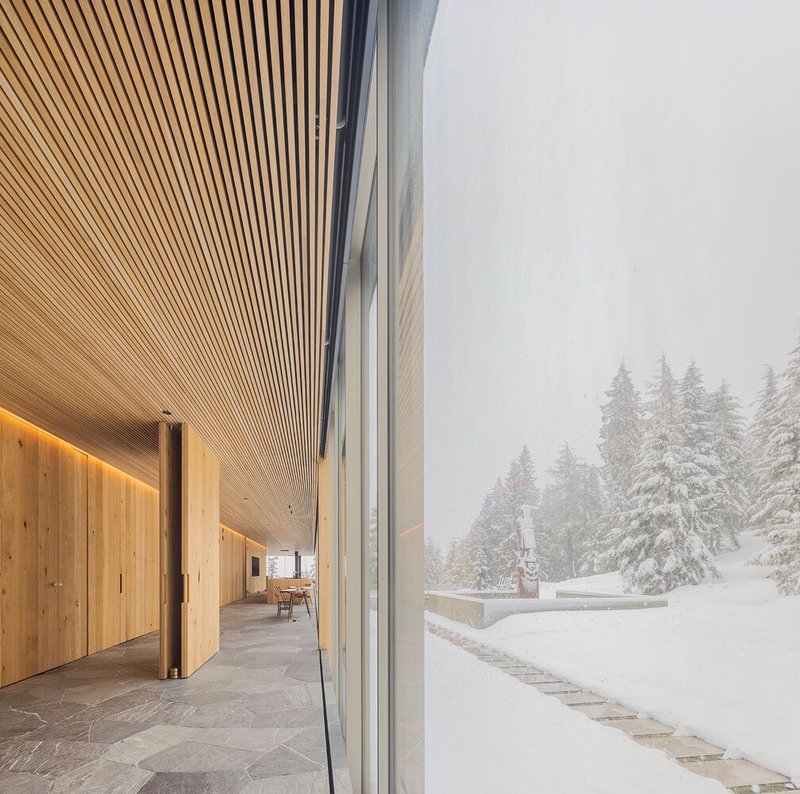
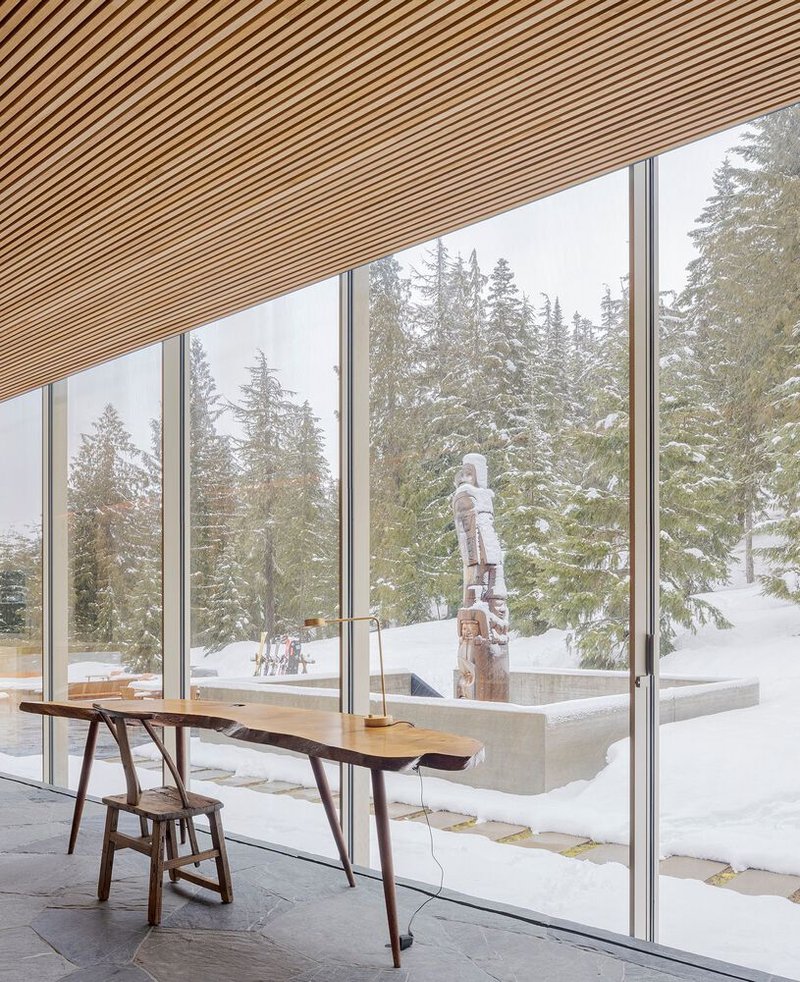
Marcio Kogan emphasizes that the design process remains consistent regardless of geography. The residence adopts the concept of a “glass box”, allowing the interior spaces to open generously toward the surrounding mountain landscape. Expansive glazing dissolves the boundaries between inside and outside, inviting nature into the domestic experience while maintaining the necessary thermal performance for winter conditions.
Floating Architecture and Landscape Integration
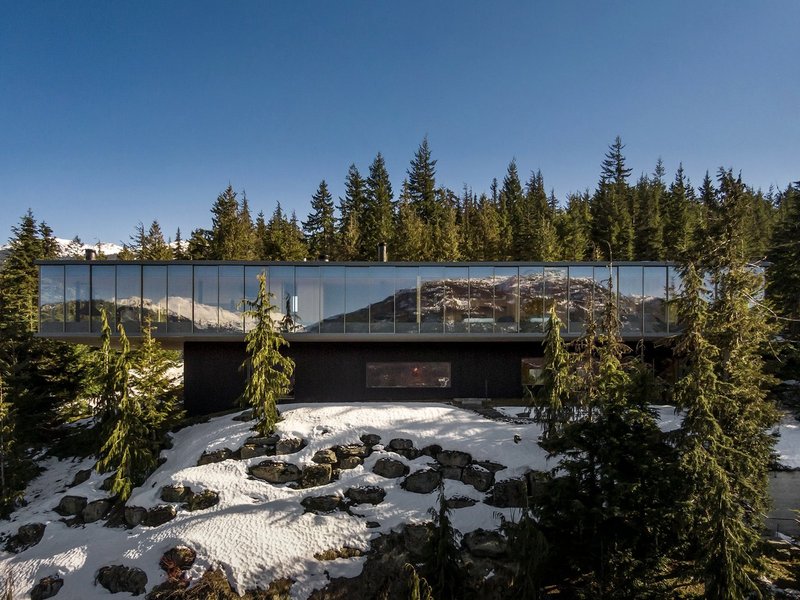
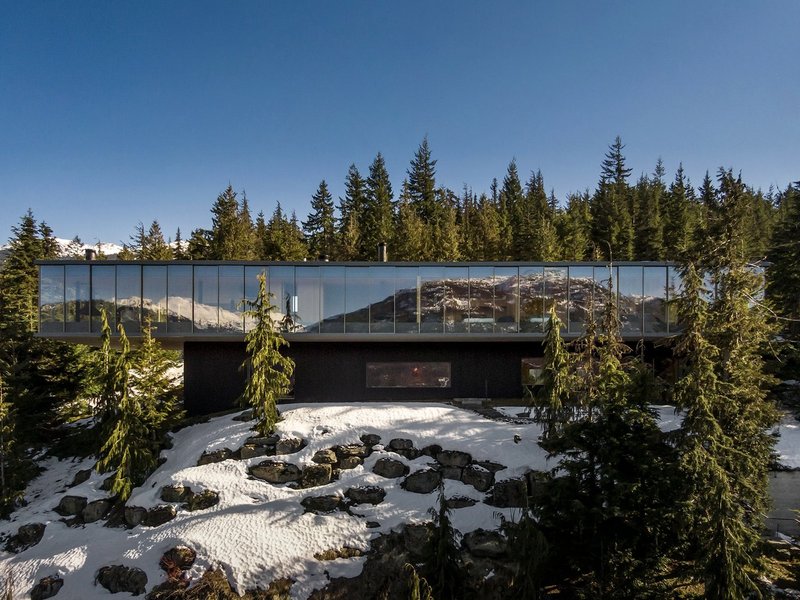
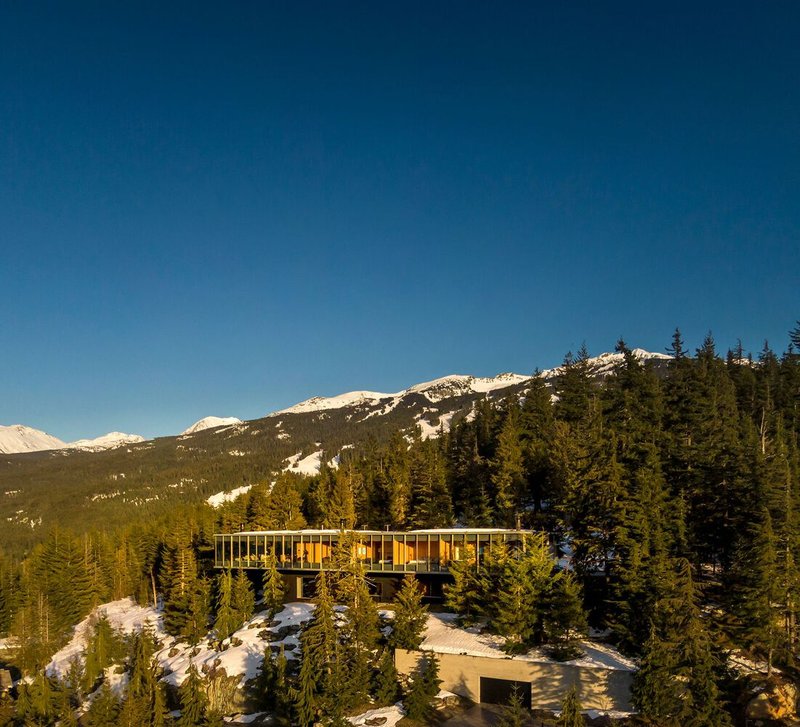
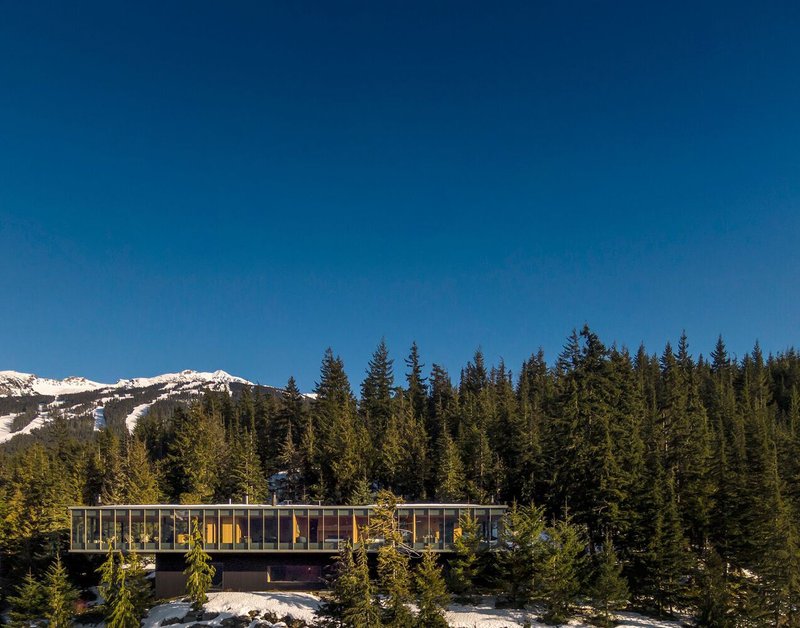
The architectural composition is defined by a glass volume resting upon a contrasting base, producing the impression of a structure floating above the terrain. This cantilevered gesture projects outward toward the mountains, reinforcing a sense of levitation and visual weightlessness. The upper transparent volume enhances the perception of lightness, while the lower level, clad in metallic surfaces, anchors the building to its snowy environment, subtly blending with the seasonal whiteness of Whistler’s winters.
This duality between transparency and solidity creates a poetic dialogue between architecture and nature. The reflective and metallic basement merges with the snow-covered ground, while the elevated glazed structure frames panoramic views of forests, mountains, and shifting light conditions.
Materiality, Craftsmanship, and Spatial Experience
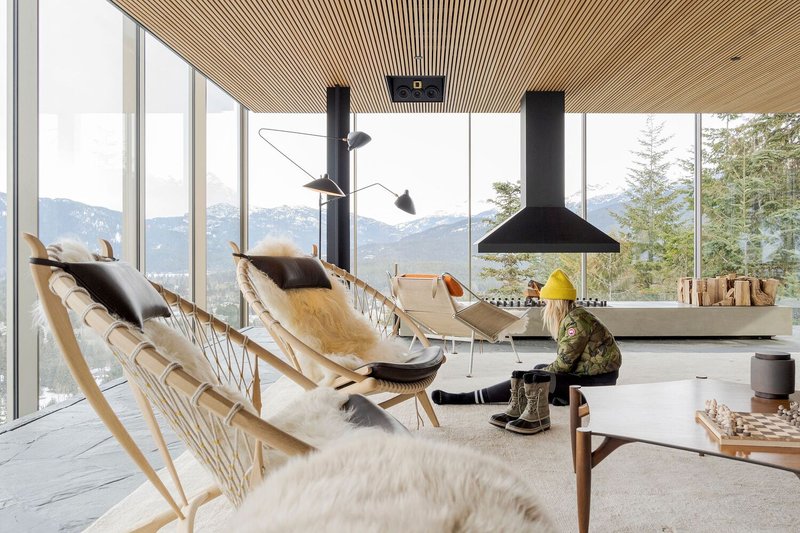
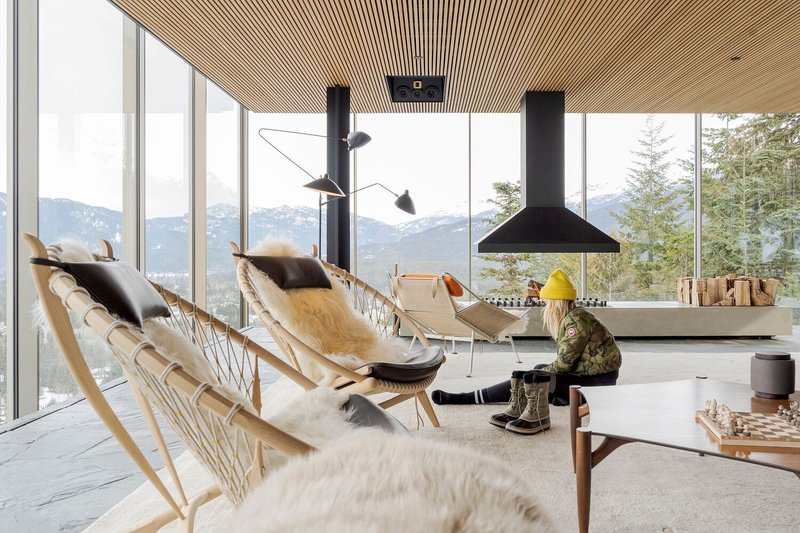
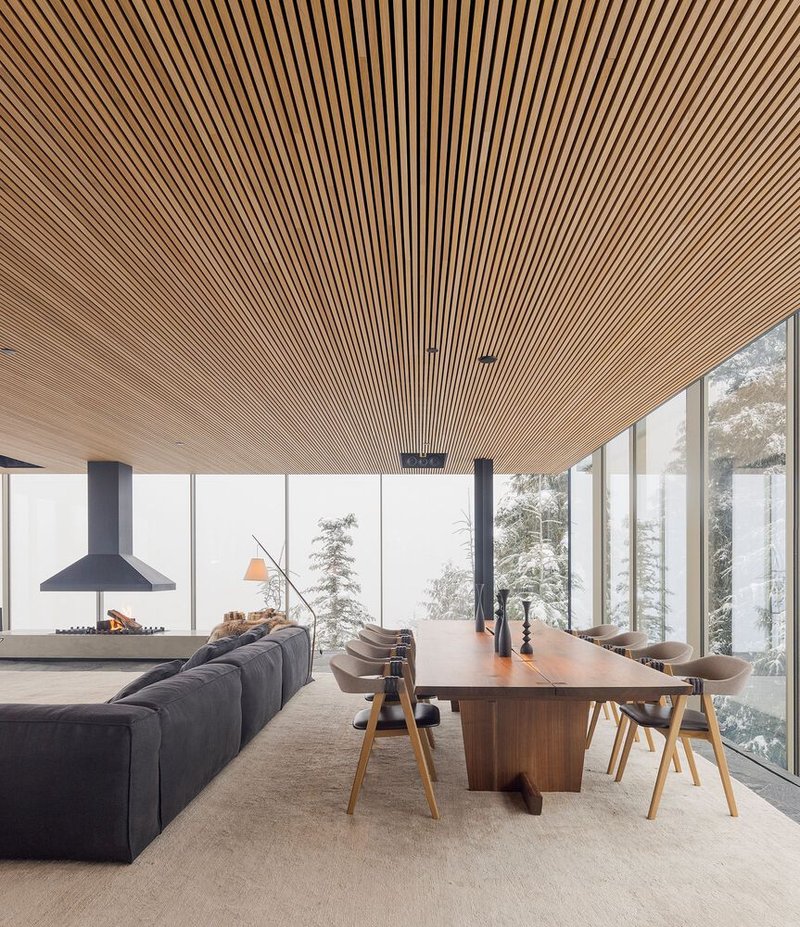
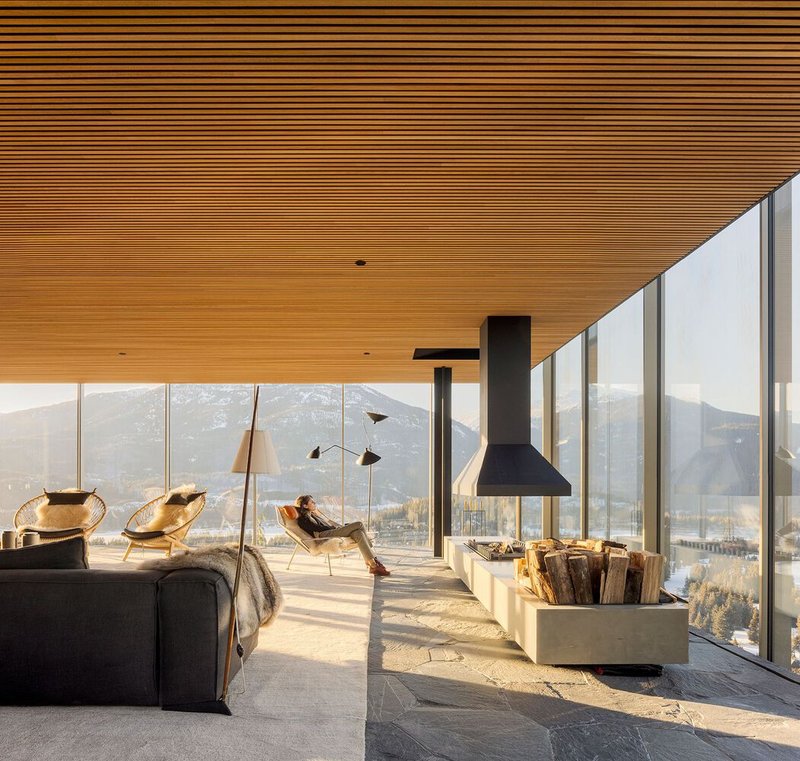
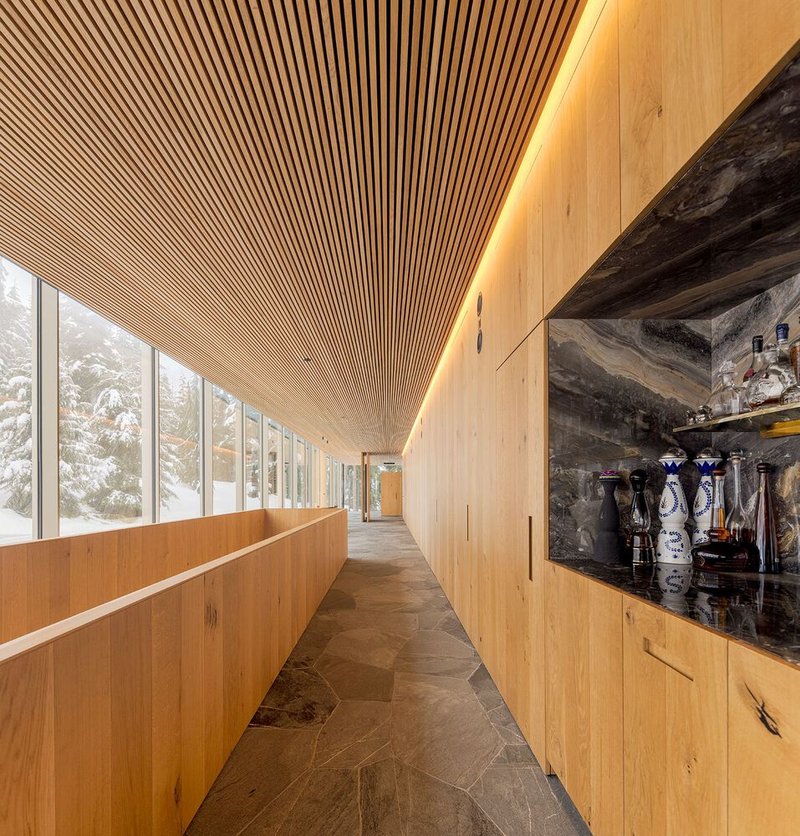
The Flag House showcases meticulous attention to material selection, detailing, and craftsmanship, with contributions from manufacturers such as Focus and Waltons Woodworking. Interior spaces are characterized by warm textures, refined finishes, and minimalist furnishings that contrast elegantly with the rugged exterior landscape.
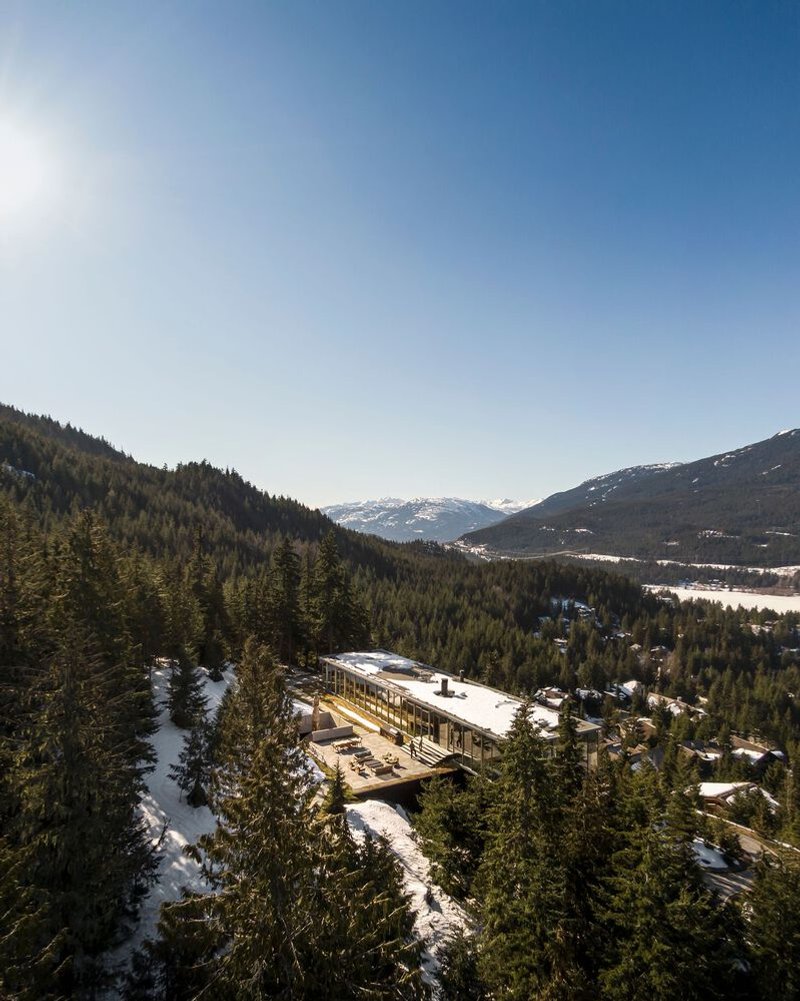
Large-format glazing, clean structural lines, and precision detailing define the home’s contemporary identity. The spatial organization promotes continuity, comfort, and immersion in nature, transforming the residence into both a shelter and a viewing platform for its dramatic surroundings.
A notable feature includes the Gyrofocus fireplace, which becomes both a functional and sculptural centerpiece, reinforcing the project’s balance between warmth, elegance, and modernist expression.
A Contemporary Mountain House Redefining Residential Architecture
The Flag House stands as a compelling example of contemporary residential architecture, demonstrating how modern design principles can be adapted to extreme climates without sacrificing transparency, openness, or emotional connection to nature. Through its floating form, glass envelope, and refined materiality, the residence embodies a timeless architectural narrative: one where landscape, climate, and human experience converge.
All photographs are works of Fernando Guerra | FG+SG


Popular Articles
Popular articles from the community

The Faith: Modular Architecture for Play, Learning, and Hope in Kutupalong Refugee Camp
A modular playground architecture project in Bangladesh where play, learning, safety, and hope rebuild childhood inside a refugee camp anew.

Kaffeebühnen: Coffee Shop Architecture Designed as a Civic Stage Between Vienna’s City and Park
Kaffeebühnen turns coffee shop architecture into a civic stage, linking Vienna’s park edge, urban life, warm timber yards, and coffee craft.
Eco Chapel: A Green Architecture Pavilion Designed in Symbiosis with the Forest
Eco Chapel uses green architecture to weave prayer, learning and reuse into a forest pavilion shaped by modular hexagonal canopies for life.
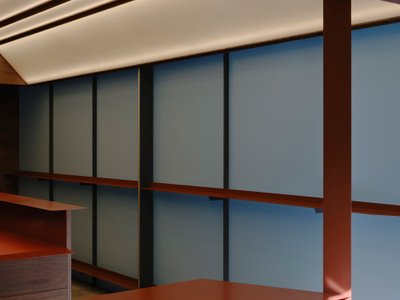
Kerry Kounnapis Packs 800 Daily Coffees into a 43-Square-Metre Melbourne Laneway Bar
Palace Coffee channels Pellegrini's and European standing bars through oxide-red steel and spotted gum timber in a Ridgway Place sliver.

Similar Reads
You might also enjoy these articles

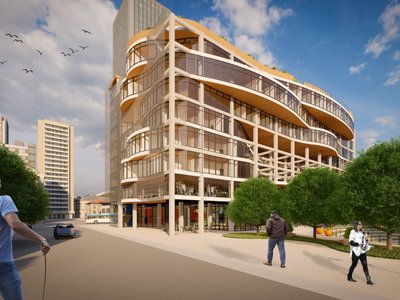
Olio Towers: A Mid-Rise for Performers That Fuses Housing, Rehearsal, and Stage
Located blocks from Houston's Theater District, this modular tower stacks living units around a central performance atrium.
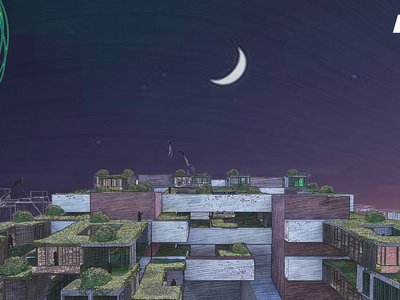
Oasis: Modular Green Housing Carved into Dhaka's Urban Fabric
A shortlisted Plugin Housing entry reclaims unauthorized settlements in Dhaka with stepped concrete volumes, green roofs, and ventilation-driven design.

Black Hole: A Floating Megastructure for the Post-Physical Era
Emiliano Mazzarotto envisions a spherical, self-scaling arena where e-sports, digital hotels, and holographic stadiums replace traditional public space.
Compact & Sustainable Living in Piraeus: A Four-Level Family Home Built Around Light and Air
A narrow townhouse in one of Greece's densest port cities uses a central atrium and passive strategies to house three generations under one roof.


Explore Housing Competitions
Discover active competitions in this discipline




The International Standard for Design Portfolios


The Global Benchmark for Architecture Dissertation Awards


The Global Benchmark for Graduation Excellence


Challenge to reimagine the Iron Throne
Comments (0)
Please login or sign up to add comments
No comments yet. Be the first to comment!