
Flexible Office Design in Argentina: A Case Study of Orange Obras Civiles Offices by Agustín Lozada
This article explores the innovative flexible office design of Orange Obras Civiles in Argentina, designed by Agustín Lozada for adaptability.


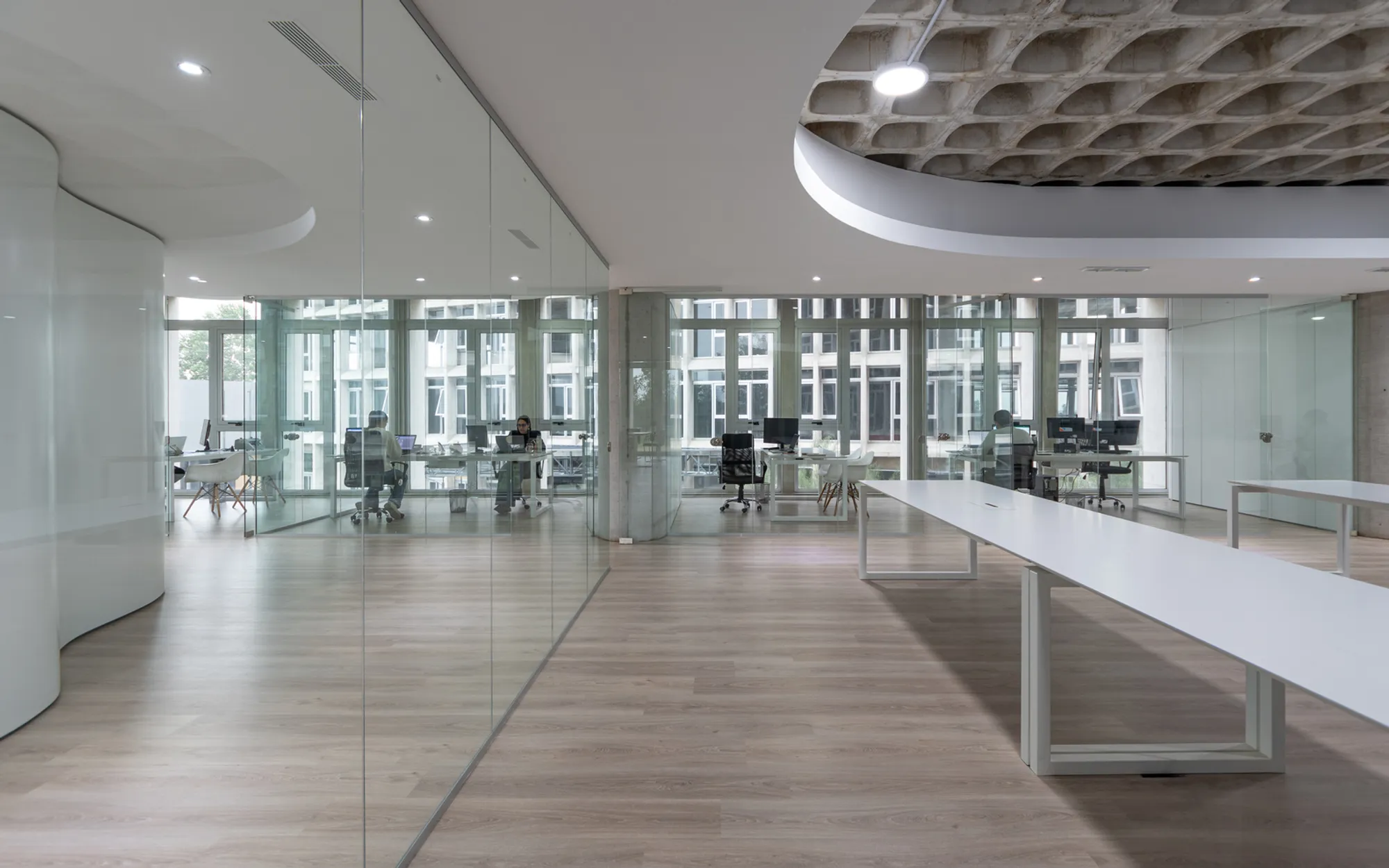
The evolving nature of work environments, especially in response to rapid organizational changes, demands innovative office designs that can adapt to varying needs. The Orange Obras Civiles Offices in Córdoba, Argentina, designed by Agustín Lozada, exemplify how flexible office design can effectively support dynamic business structures.
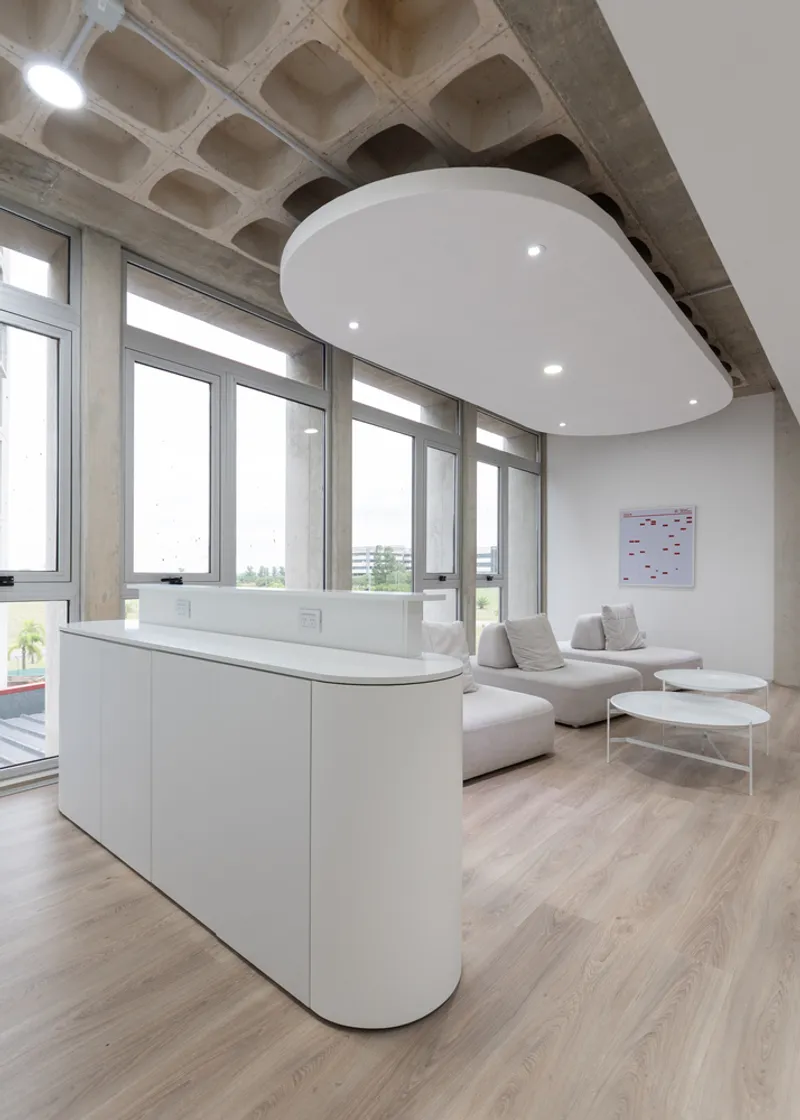
Overview of the Orange Obras Civiles Office Project
Project Background and Location
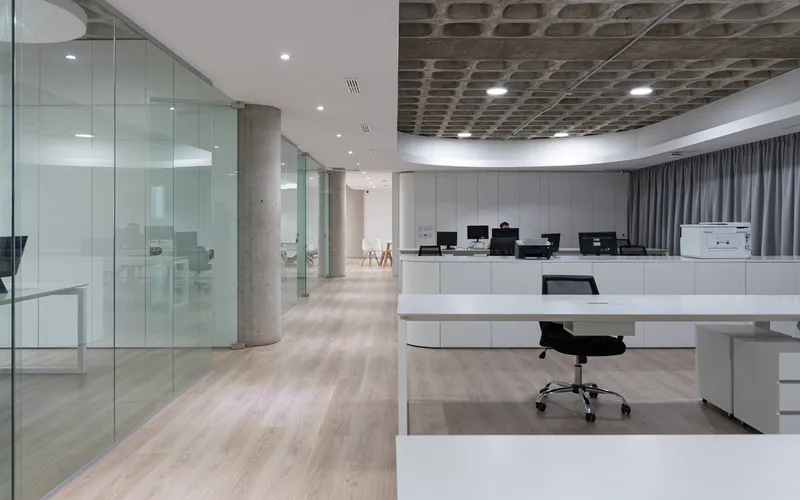
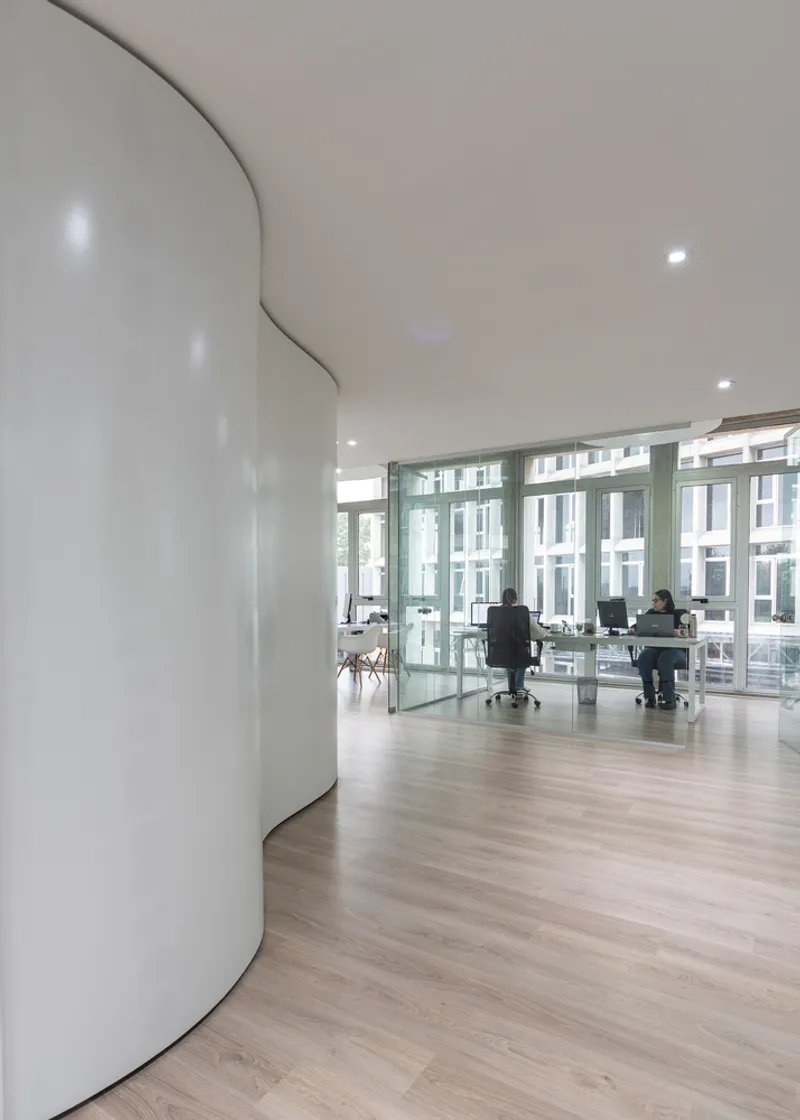
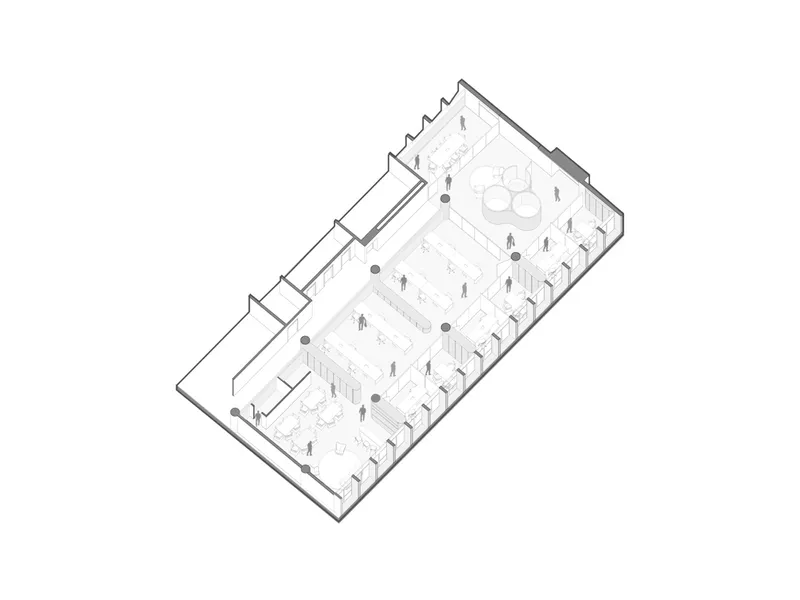
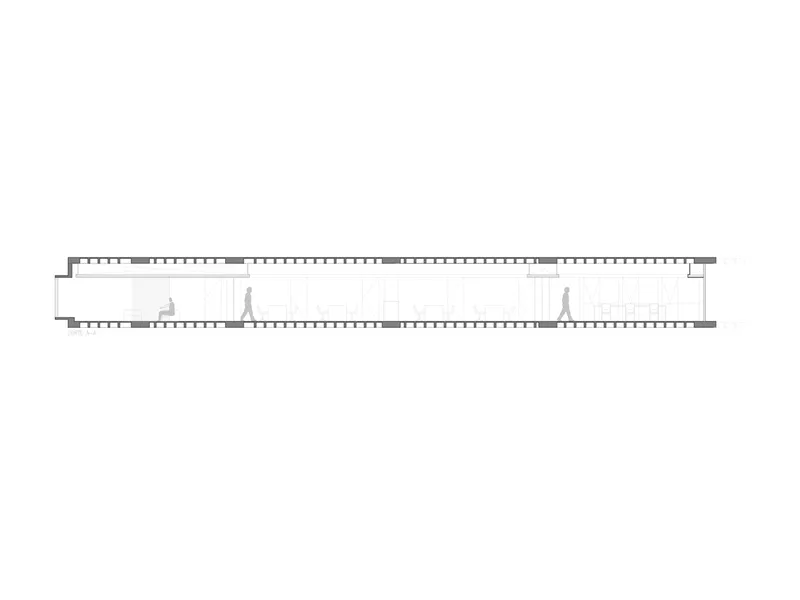
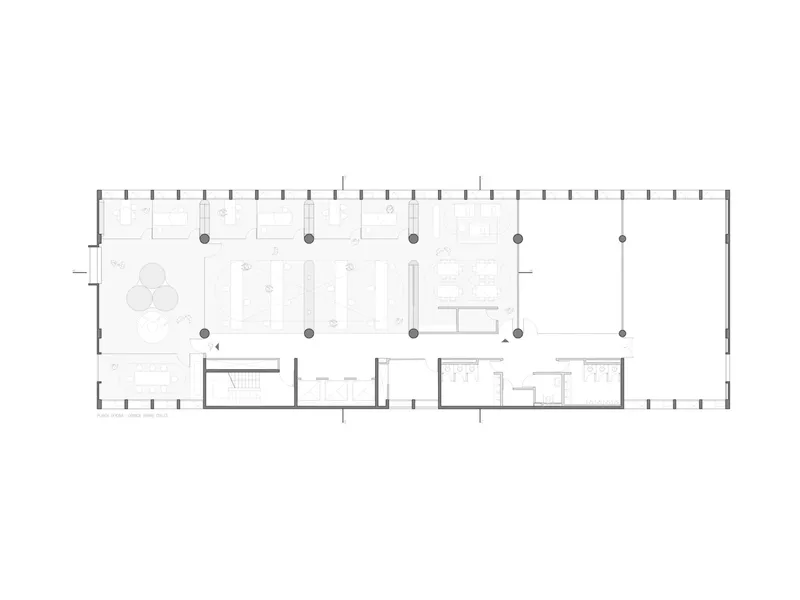
Located within the Airport Business Park in Córdoba, close to the city’s airport, the Orange Obras Civiles offices were conceived to support the company's growth and frequent changes in team size and function. The project encompasses a total area of 360m², organized into a highly adaptable layout.
Design Objectives and Challenges
The primary challenge was creating a space that could quickly adapt to the organization's changing needs without frequent and extensive renovations. The design needed to facilitate both collaborative and private workspaces while embodying the company's corporate identity.
Key Features of the Office Design
Modular Layout
Open Plan Structure
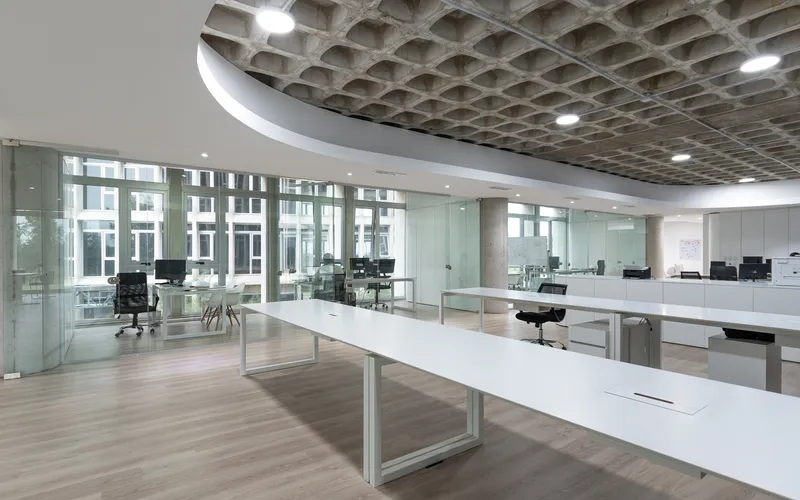
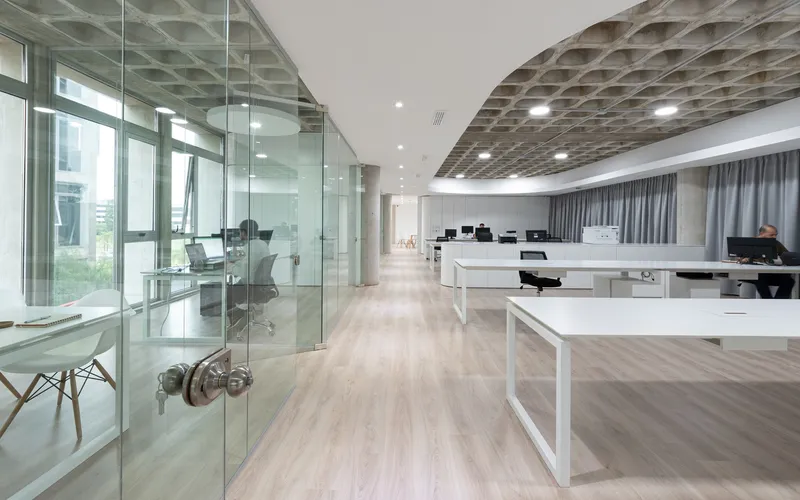
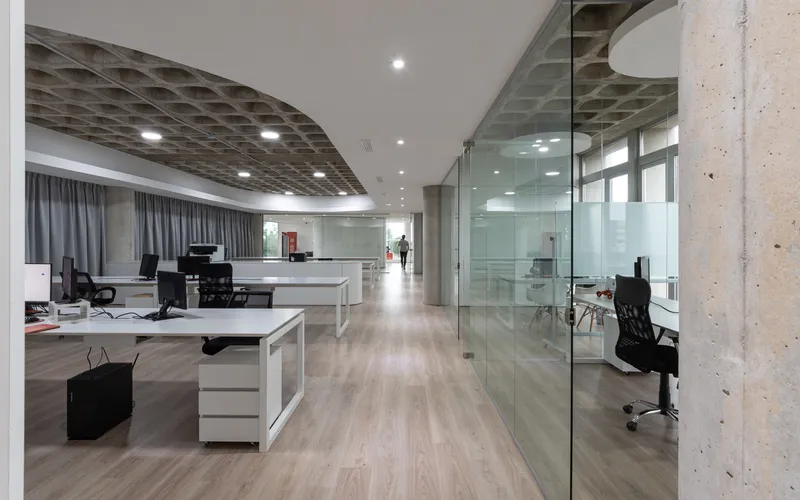
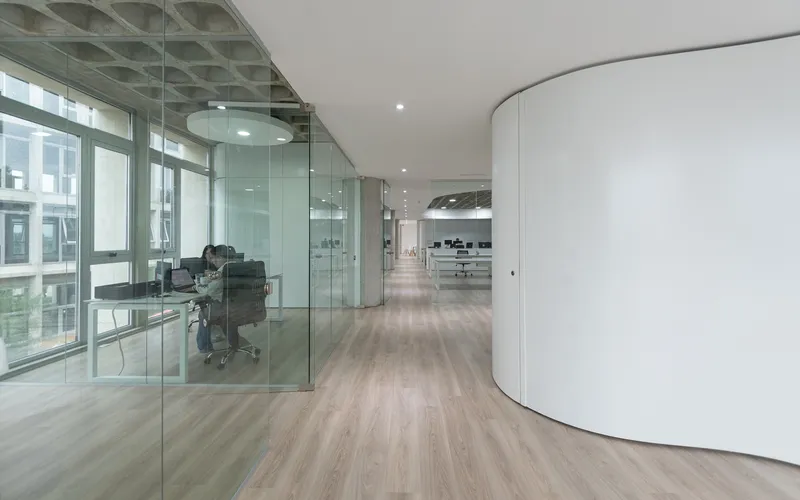
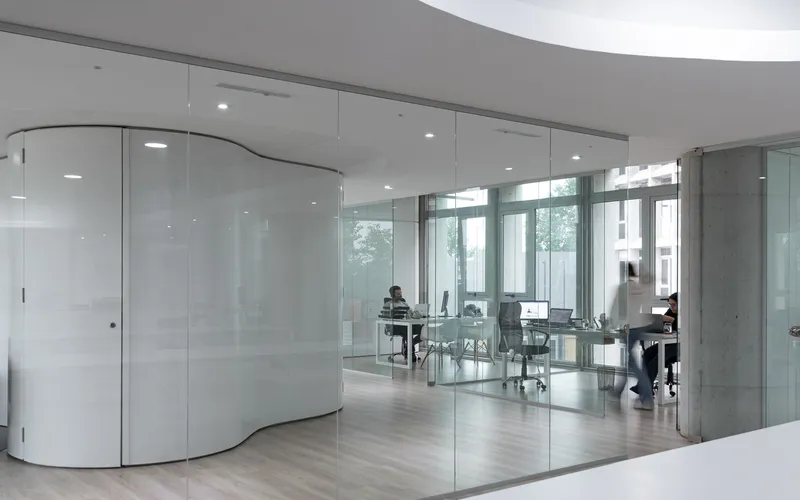
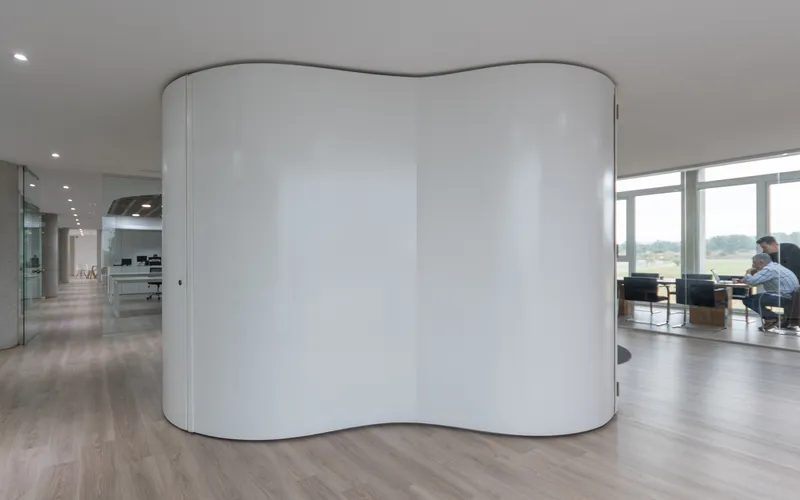
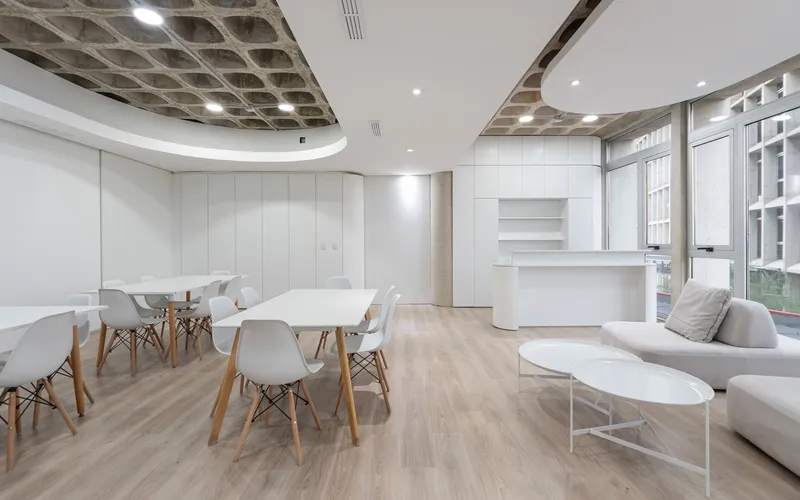
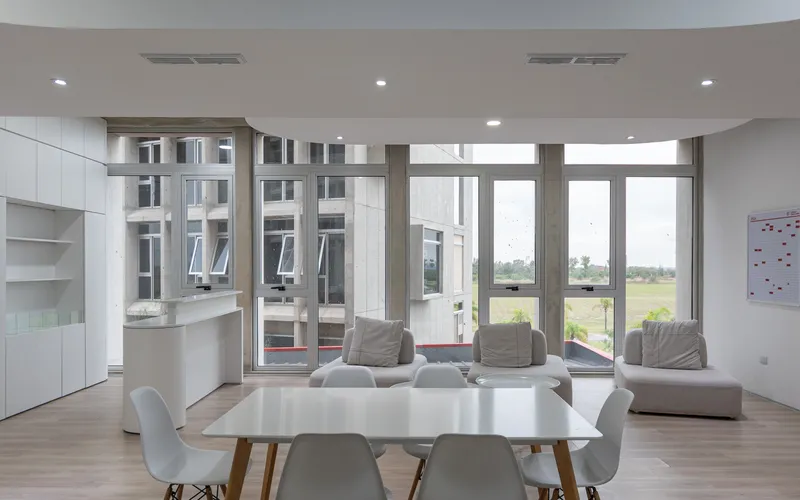
The office space is divided into four main modules, each designed to serve distinct functions within the company—from collaborative work areas to leisure and dining spaces. This modular approach allows for easy reconfiguration of spaces as needed.
Zoning and Transparency
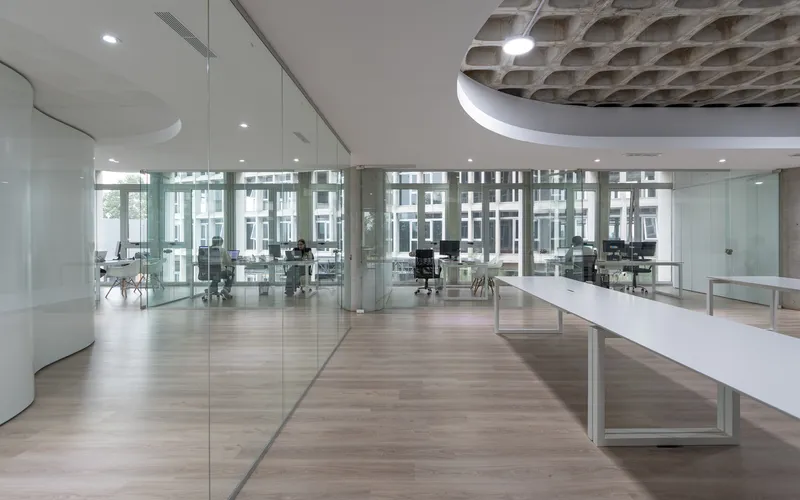
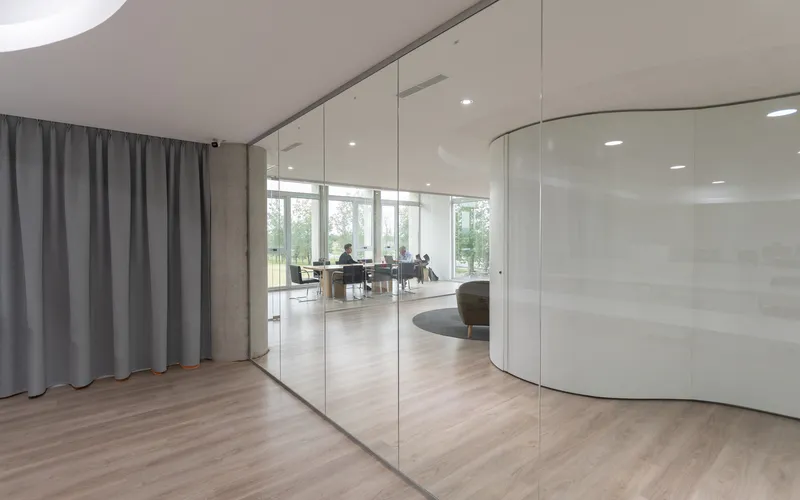
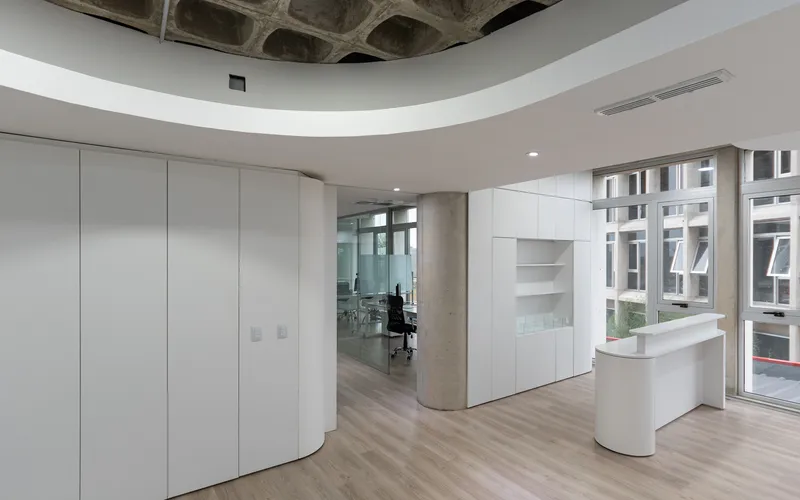
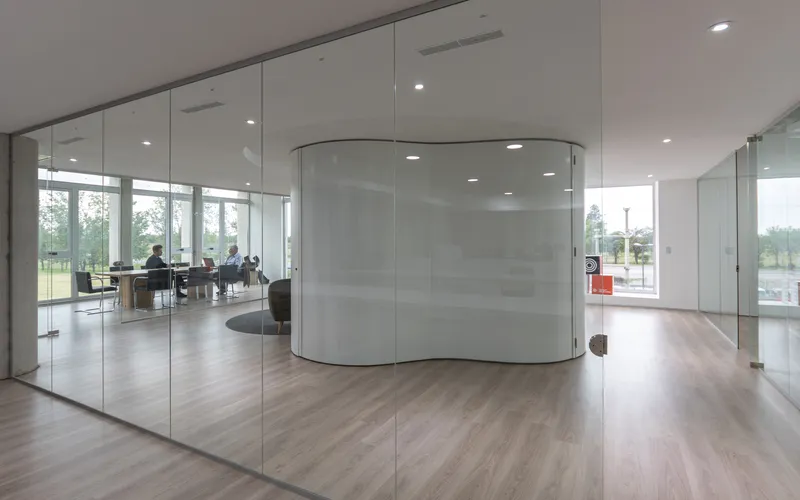
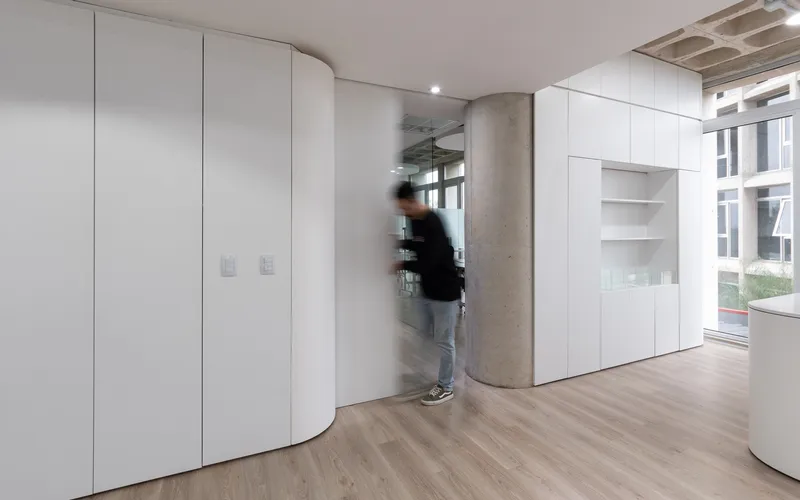
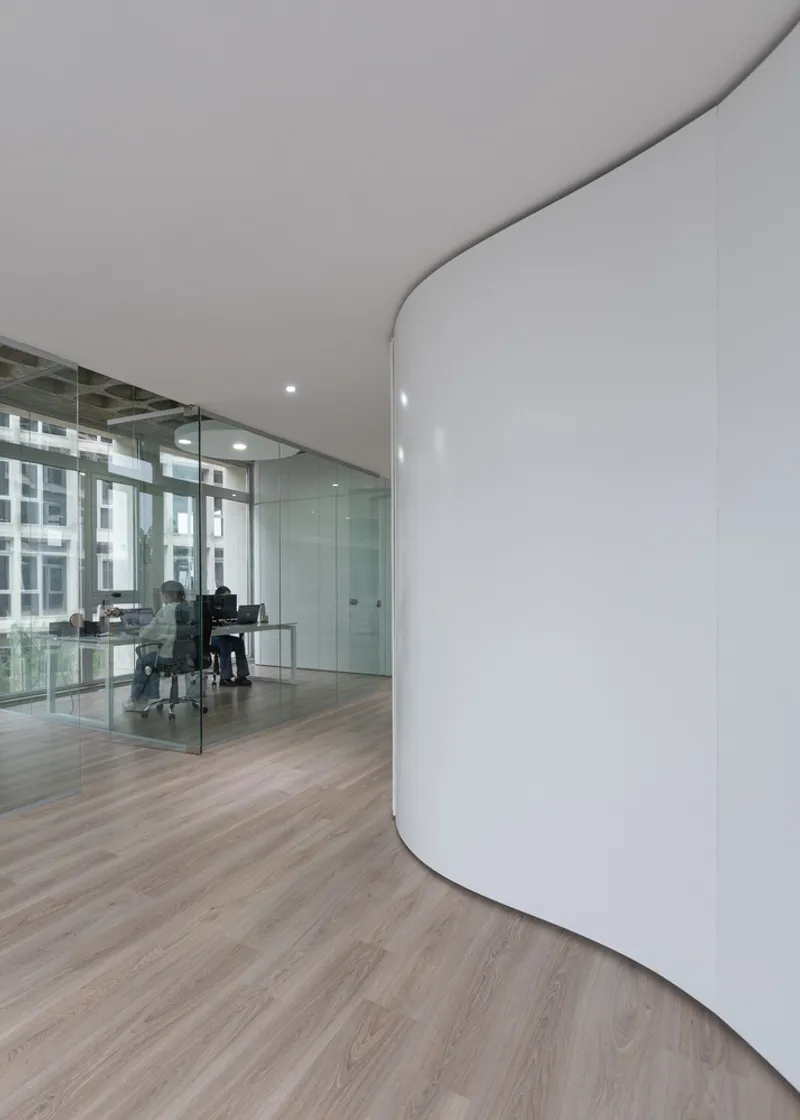
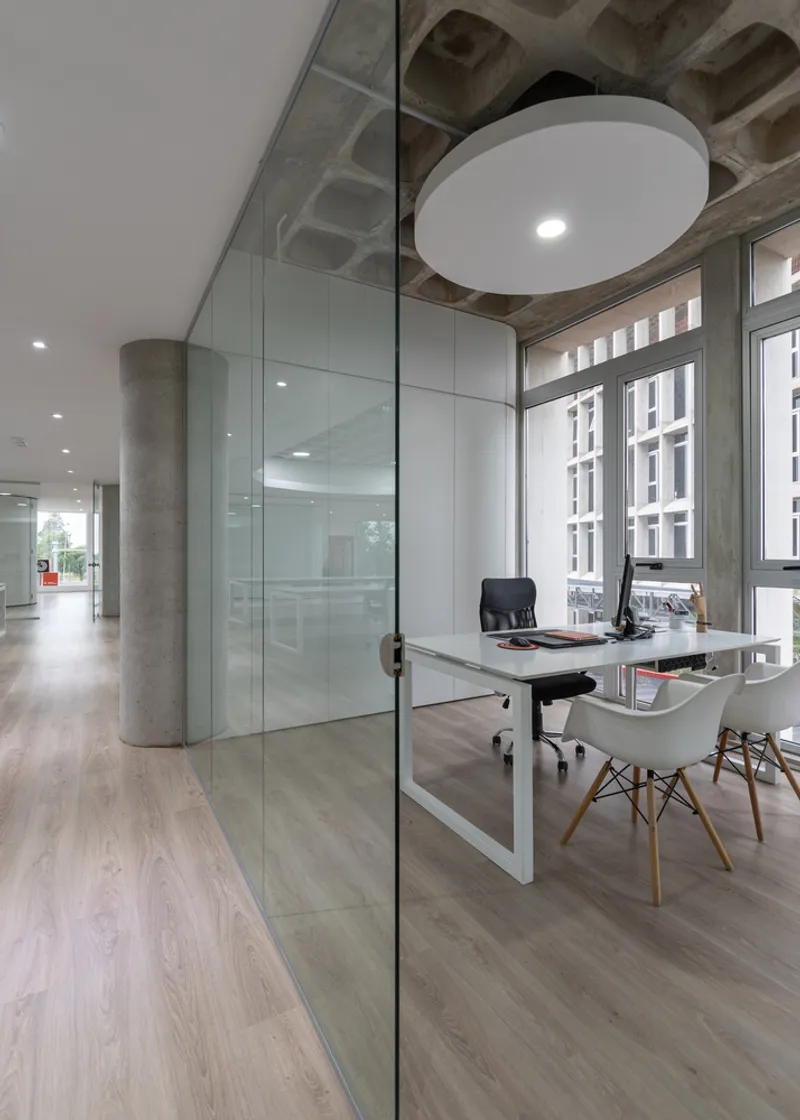
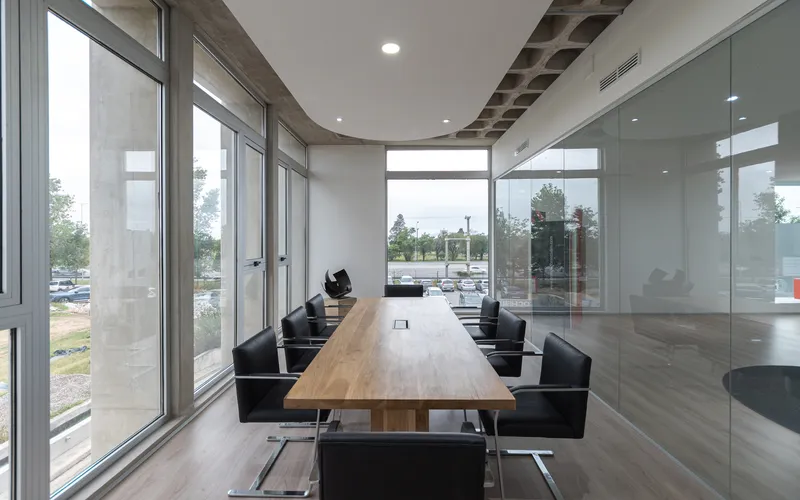
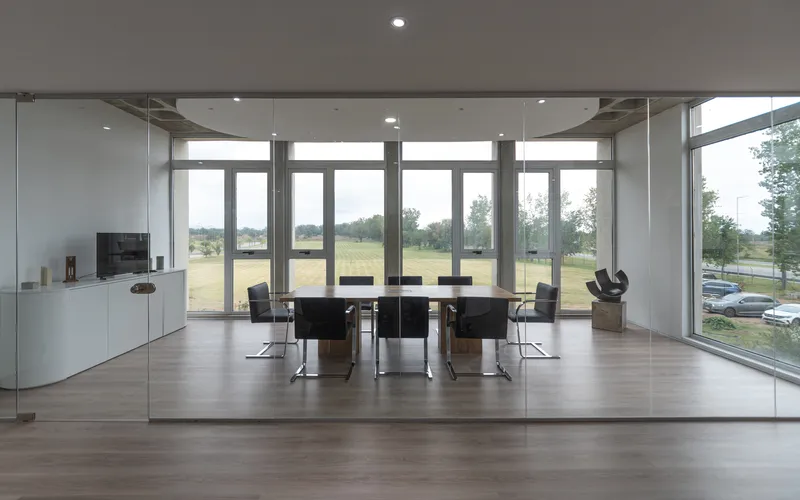
The design utilizes transparent elements and strategically placed walls to define different zones within the office, maintaining an open feel while providing separation when necessary.
Material Selection and Aesthetic
Corporate Identity and Material Use
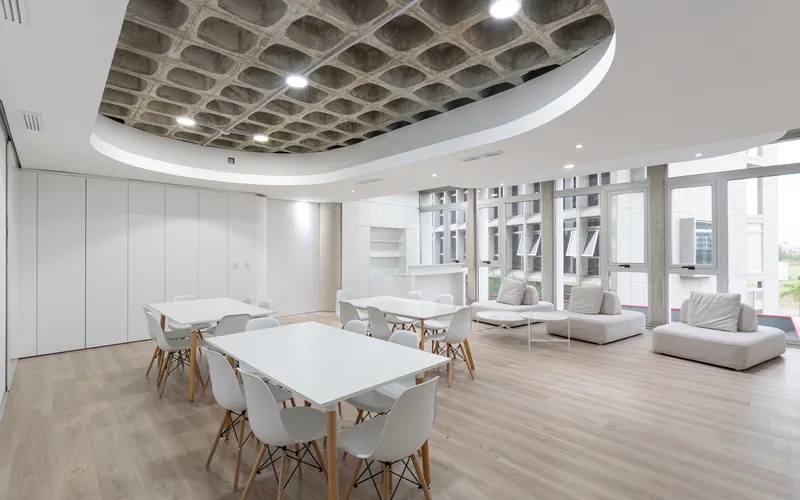
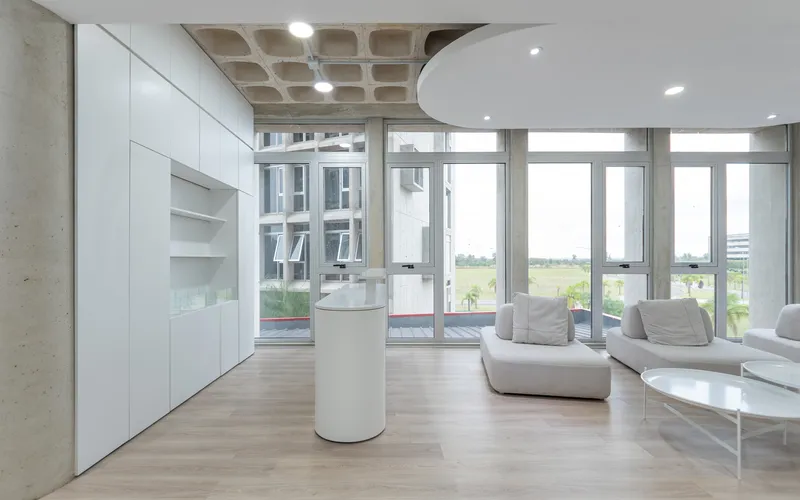
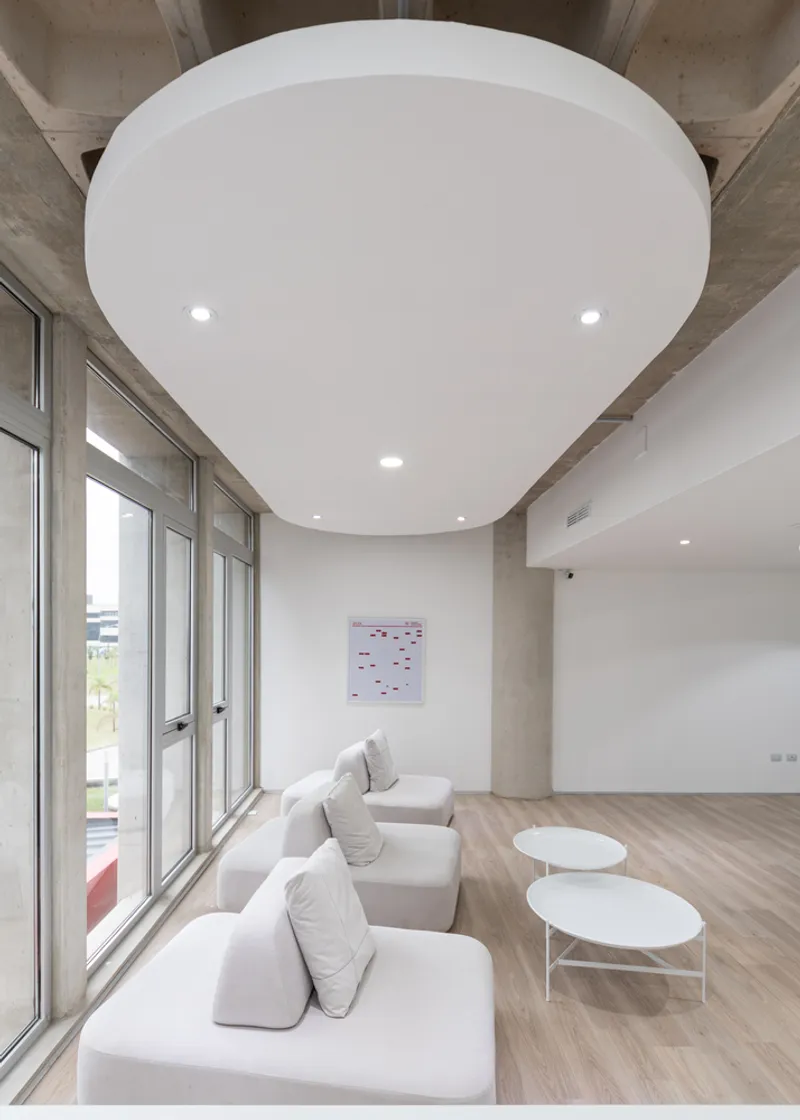
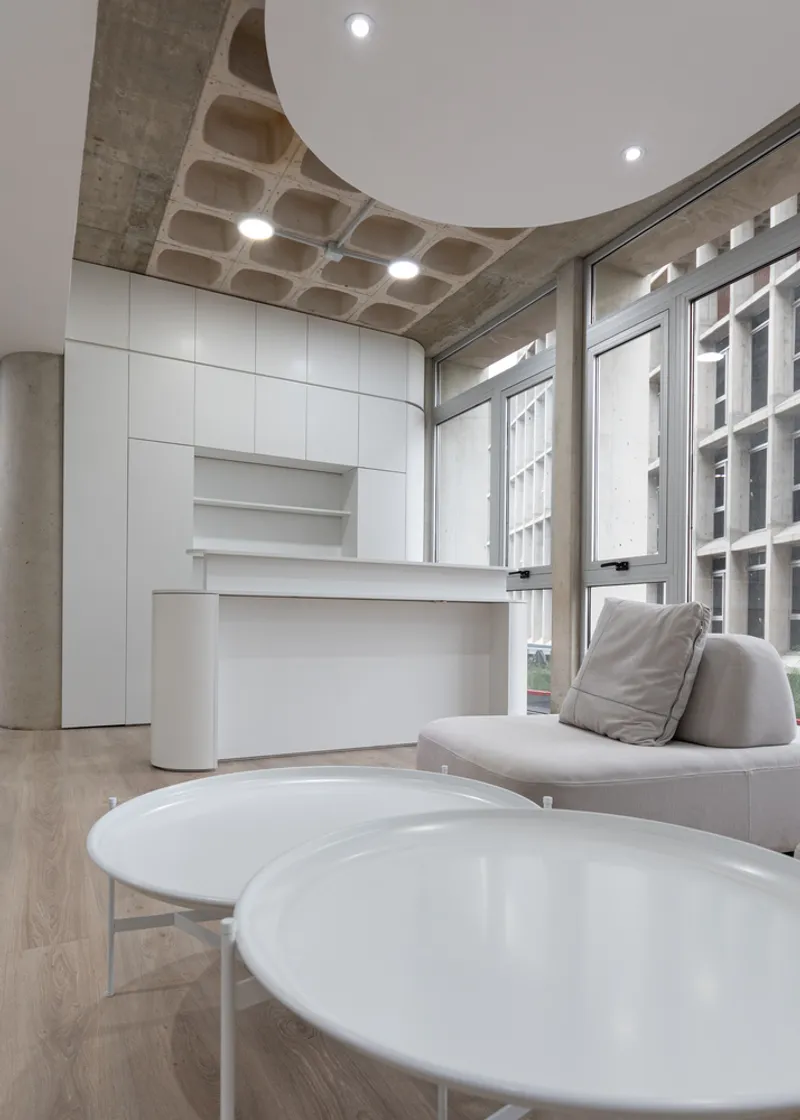
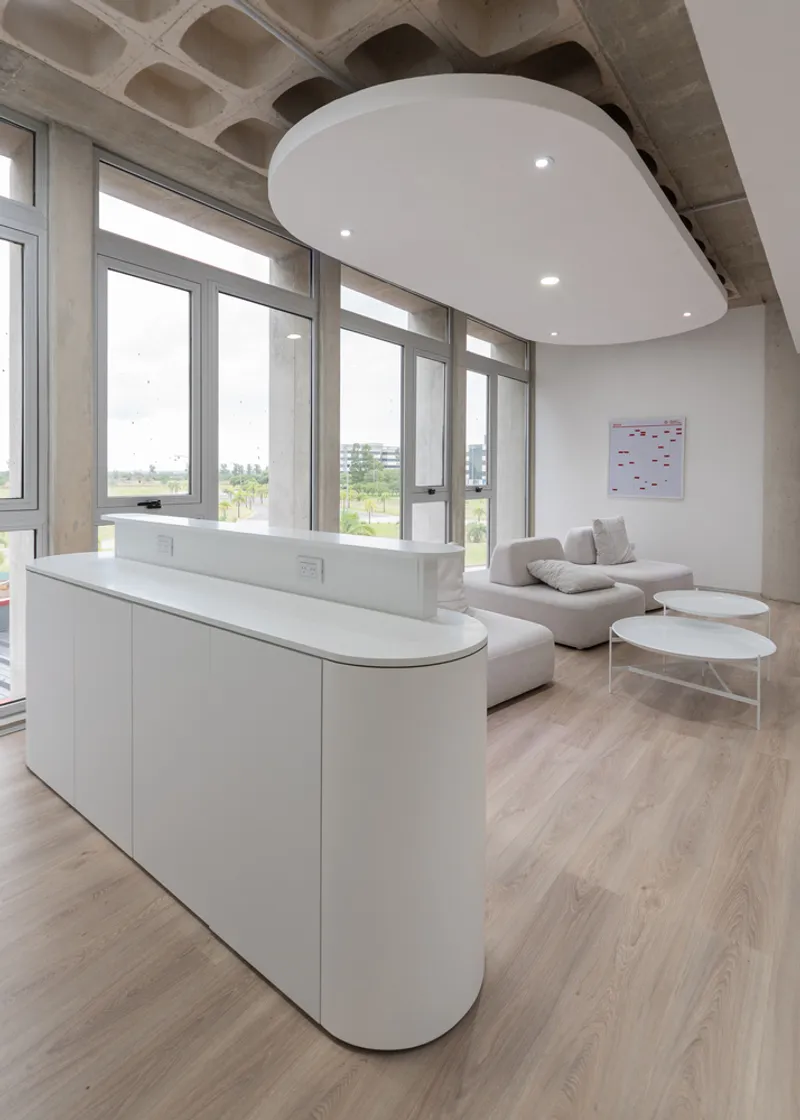
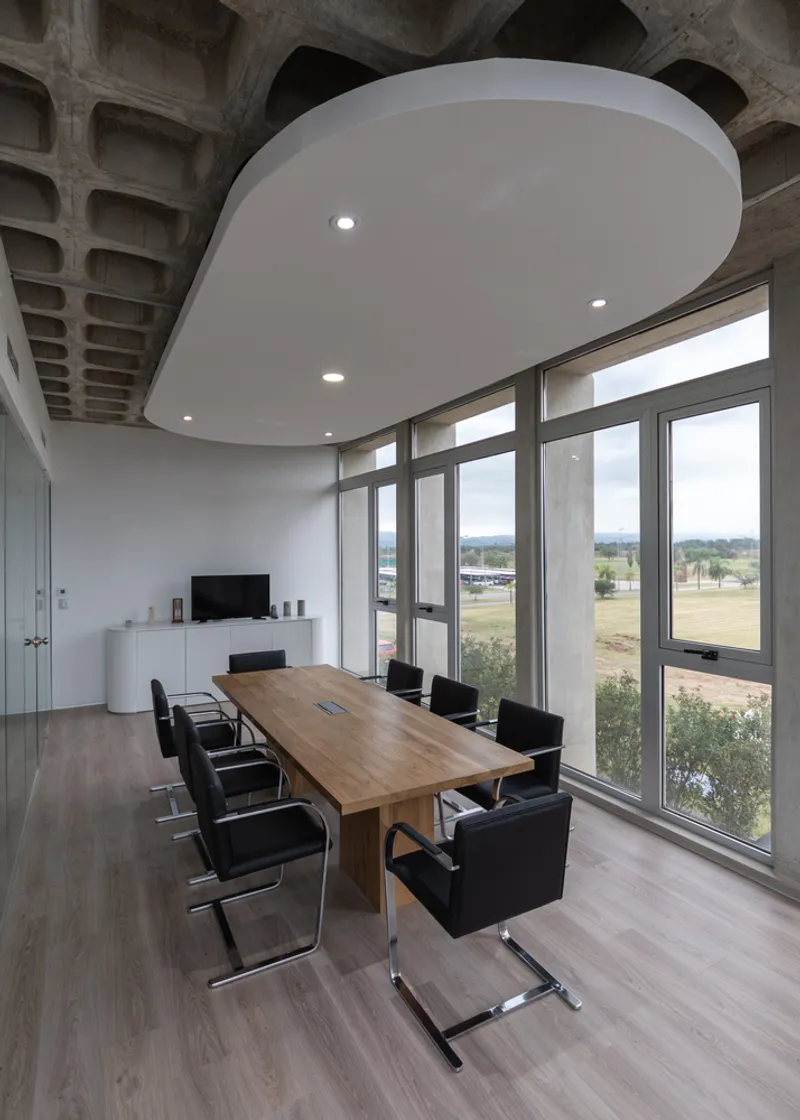
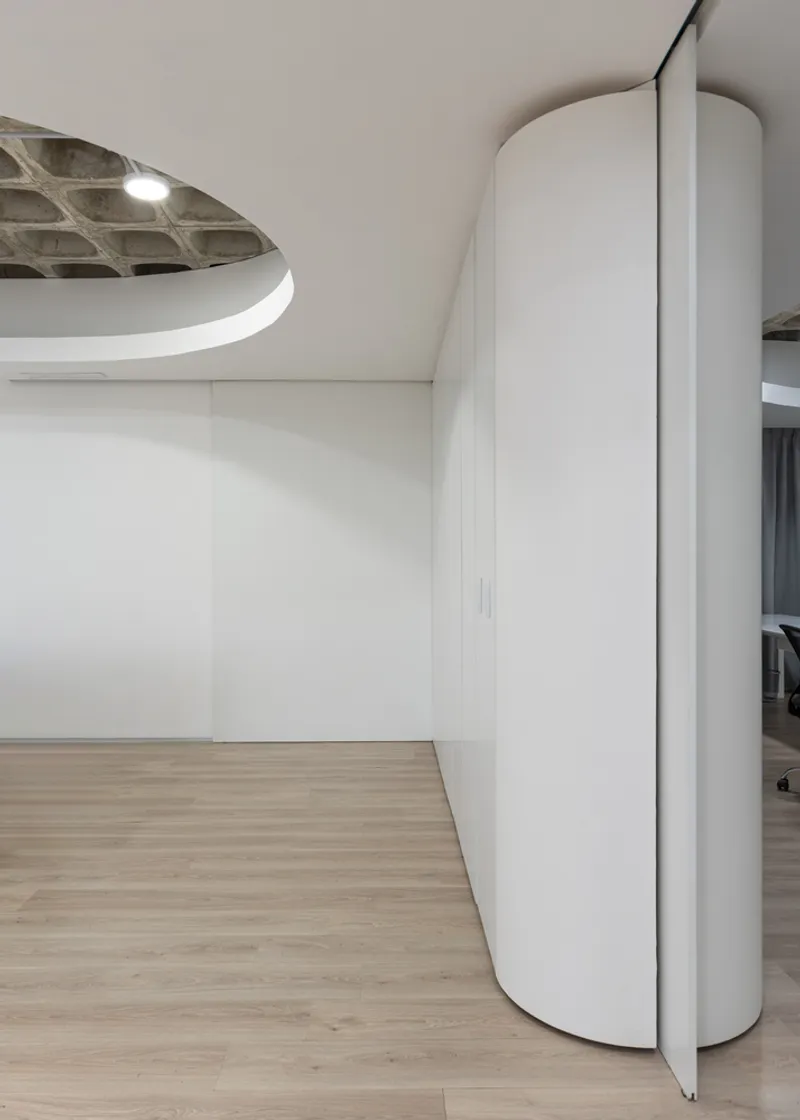
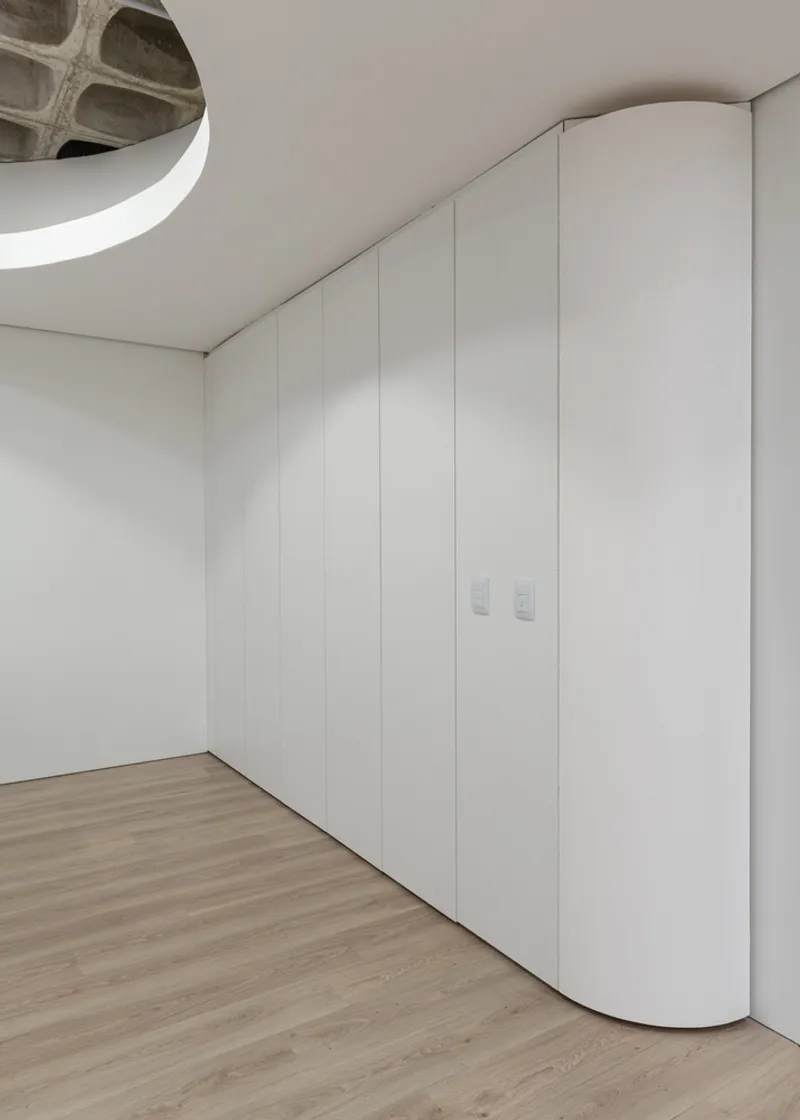
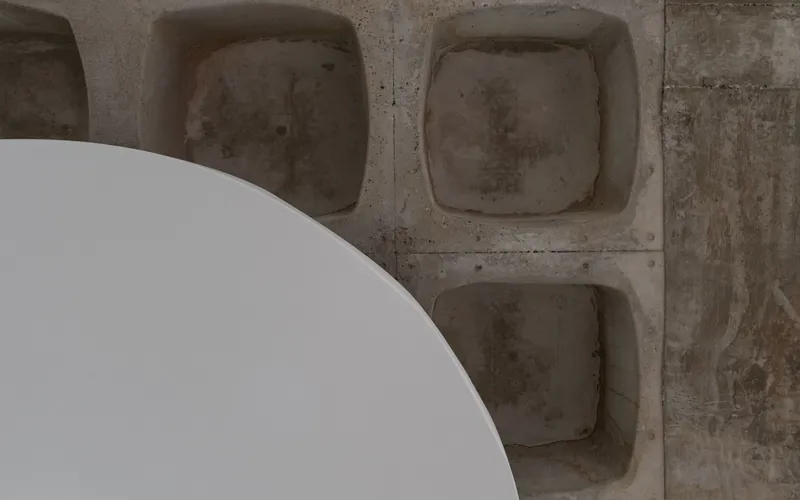
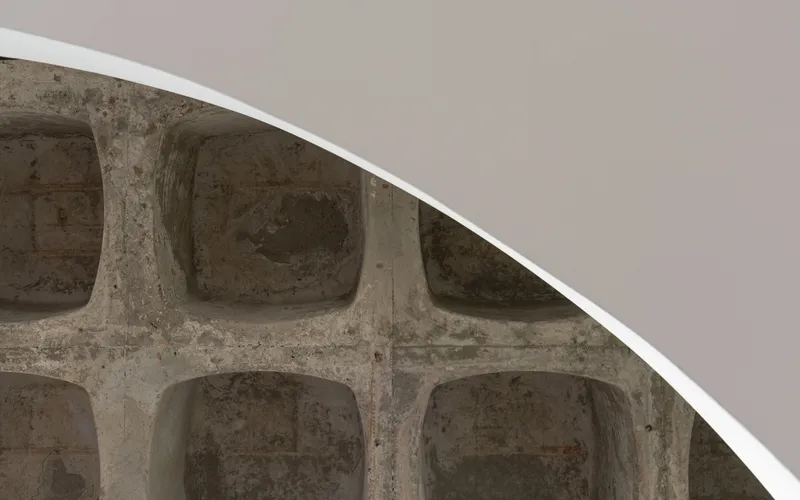
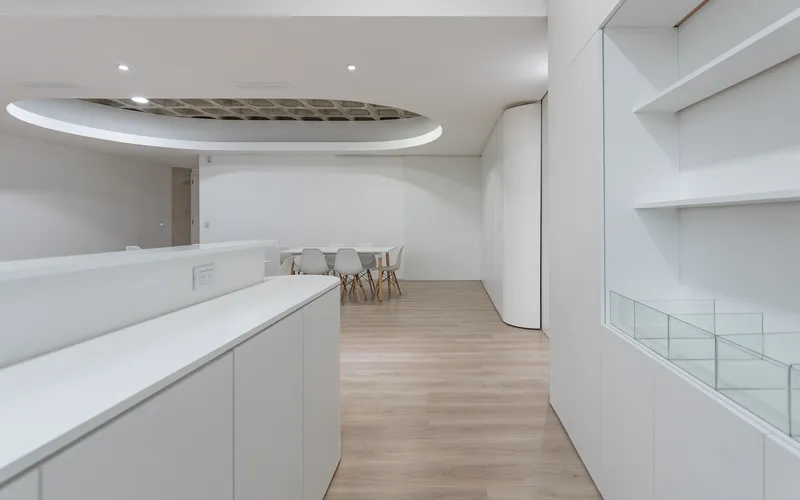
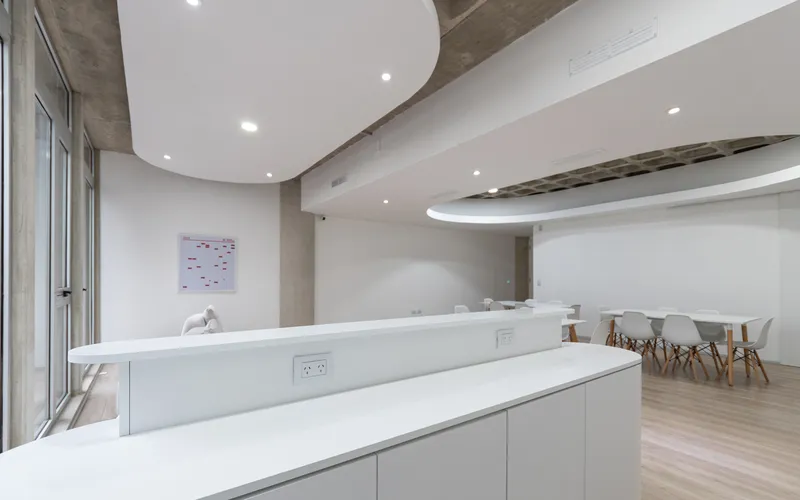
The office design incorporates materials that reflect the corporate identity, such as exposed coffered slabs and clear equipment, which not only enhance the aesthetic quality but also contribute to a sense of openness and light.
Focus on Comfort and Well-being
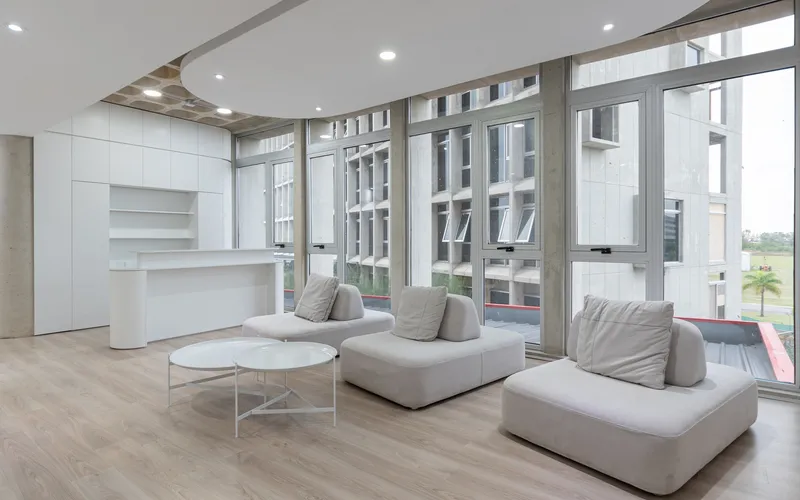
Material choices and design elements prioritize natural lighting and spaciousness, creating a comfortable environment that enhances employee well-being and productivity.
Integrating Flexibility and Functionality
Dynamic Workspaces
The central modules are designed to foster collective and collaborative work, featuring spaces that can be easily adapted for different group sizes and types of work.
Leisure and External Links
The design incorporates areas for leisure and informal meetings at one end, with facilities for more formal external engagements at the entrance. This layout supports a fluid transition between various work modes within the same environment.
The Future of Office Design in Argentina
The Orange Obras Civiles Offices by Agustín Lozada stand as a benchmark for flexible office design in Argentina. As companies continue to evolve, such adaptive environments will become crucial in supporting the changing dynamics of workplace needs. This project not only addresses the immediate requirements of its occupants but also sets a precedent for future office designs that prioritize flexibility, functionality, and employee well-being.
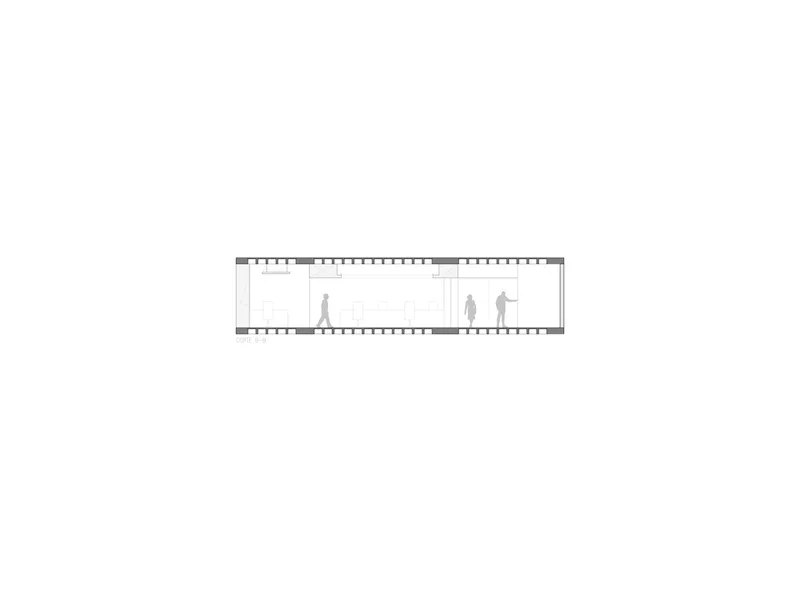
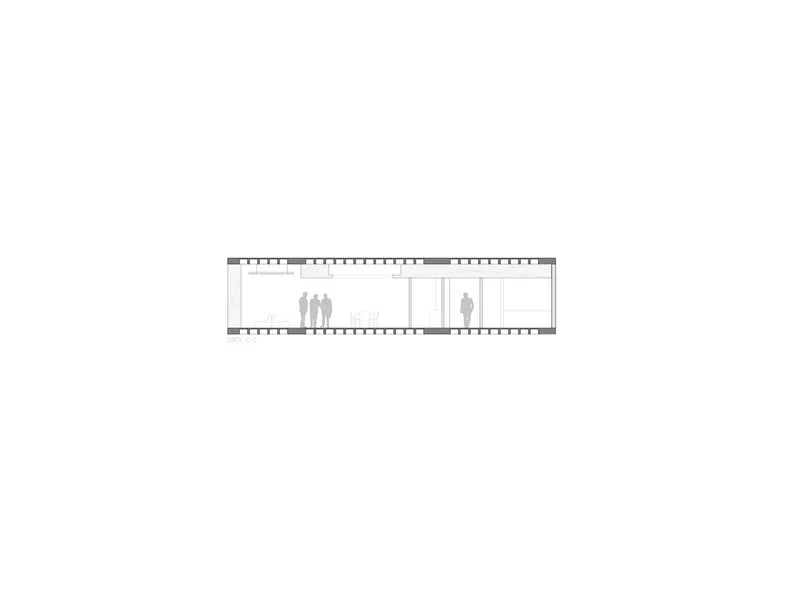
All photographs are work of Lorenzo Egues



Popular Articles
Popular articles from the community


Riyadh For All: Intergenerational Urban Design for Active Aging in Rabat
Riyadh For All reimagines urban design in Rabat with intergenerational co-living, adaptive courtyards, and Moroccan cultural exchange today.

Hill & Cross Opera: Sculptural Opera House Architecture Shaped by Tallinn’s Landscape and Identity
Hill & Cross Opera reimagines opera house architecture in Tallinn through its sculptural hill, civic plaza, glass wave and a luminous cross.

Play: Fragments of Their World
Familiar architecture becomes modular playground design, creating safe spaces where displaced children can learn, connect, imagine and play.

The Musturak Paradise: Senior Living Architecture for a Connected Future in Temara, Morocco
The Musturak Paradise reimagines senior living architecture in Temara via private homes, social spaces, culture, community, and shared care.

Similar Reads
You might also enjoy these articles


Hodi-Mandai Geram
Project Function: Preservation and revitalization of the Intangible heritage and socio-spatial identity of the Hodi by Housing, Cultural Memory Center, Sacred Grove, landscape, local tourism economy


Olio Towers: A Mid-Rise for Performers That Fuses Housing, Rehearsal, and Stage
Located blocks from Houston's Theater District, this modular tower stacks living units around a central performance atrium.

Oasis: Modular Green Housing Carved into Dhaka's Urban Fabric
A shortlisted Plugin Housing entry reclaims unauthorized settlements in Dhaka with stepped concrete volumes, green roofs, and ventilation-driven design.

Black Hole: A Floating Megastructure for the Post-Physical Era
Emiliano Mazzarotto envisions a spherical, self-scaling arena where e-sports, digital hotels, and holographic stadiums replace traditional public space.


Explore Architecture Competitions
Discover active competitions in this discipline



Challenge to reimagine the Iron Throne


Photograph architecture without architects


Illustrate the lost glory of Angkor Wat - Render Challenge


Design challenge to reuse E-waste
Comments (0)
Please login or sign up to add comments
No comments yet. Be the first to comment!