
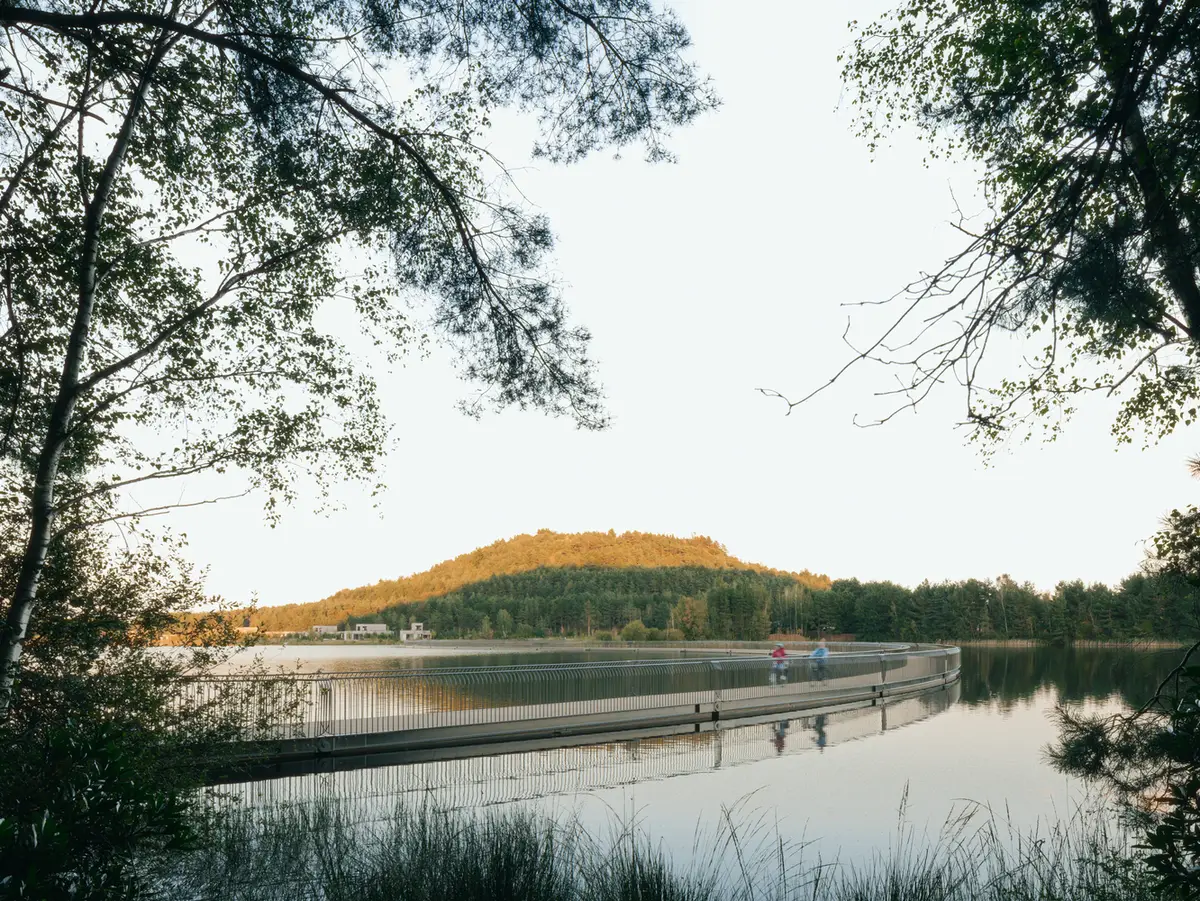
Floating Bicycle Bridge in Belgium: Cycling Between Terrils by Burolandschap
Cycling Between Terrils is Belgium’s longest floating bicycle bridge, blending innovative design, heritage, and nature into a unique cycling experience.


A Landmark Connection Between Nature, Heritage, and Modern Mobility
In the heart of Limburg, Belgium, Cycling Between Terrils by Burolandschap introduces a breathtaking 400-meter floating bicycle bridge that connects two municipalities steeped in mining history. This architectural feat not only provides a functional crossing but transforms the experience of cycling and walking into an immersive journey through nature and industrial heritage.
The bridge gracefully glides across a pond between two mining terrils, remnants of the 20th-century coal mining era. These man-made hills, alongside a large gravel-mined basin, have shaped the region’s distinctive relief. Today, instead of industry, the area thrives as a leisure landscape where cyclists and hikers are central to the experience.
Design Inspired by the Golden Section
Drawing inspiration from the Fibonacci sequence and the Golden Section, Burolandschap opted for a curved route rather than a straight connection. This organic form slows the pace of travel, offering users a sequence of evolving perspectives on the water, surrounding hills, and lush environment.
The bridge’s flowing lines merge seamlessly into the landscape, paying homage to the natural contours of the site while respecting its rich history. By embedding the bridge into its surroundings through proportion and curvature, the designers have created not just a crossing, but a visual and spatial dialogue between past and present.
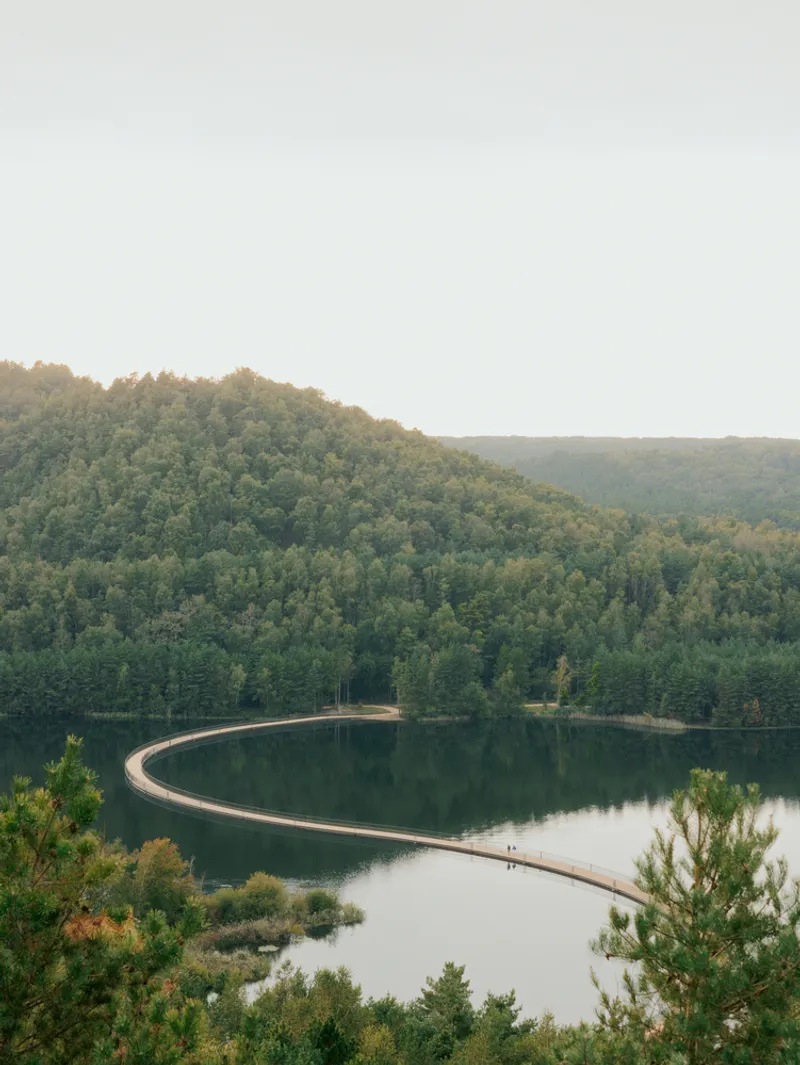
Engineering a World-Class Floating Bridge
At 400 meters, Cycling Between Terrils holds the record as the longest floating bicycle bridge in Belgium — and one of the longest worldwide. Composed of 30 hinged pontoon elements, the structure is engineered for flexibility, adapting to water level changes of up to 130 centimeters. This dynamic capacity ensures stability, smooth cycling, and safety in varying conditions.
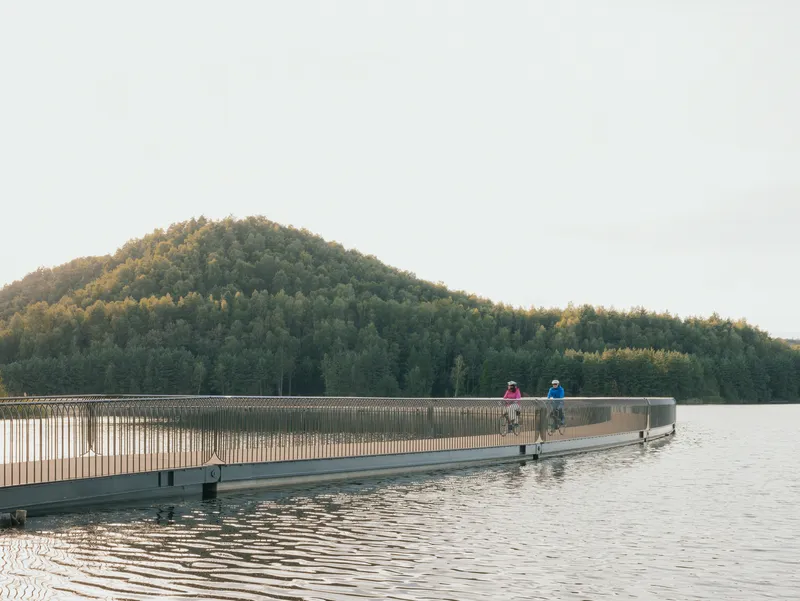
Its modular design allows the bridge to rise and fall without losing integrity or comfort, making it a practical solution for a fluctuating aquatic environment. The sturdy technical execution prevents disruptive movement from waves, enhancing the cycling and walking experience.
An Experiential Gateway to Limburg’s Cycling Province
Cycling Between Terrils is more than a transport link — it is a key node in Limburg’s extensive bicycle route network and will be integrated into the hiking network of Hoge Kempen National Park. The bridge offers locals and visitors a rare opportunity to engage directly with both the serene natural setting and the industrial story of the region.

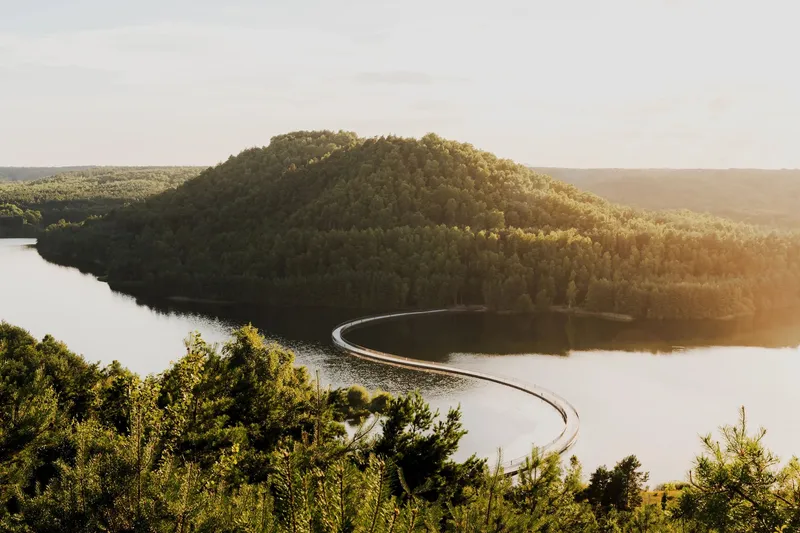
Crossing it, one experiences a fluid blend of architecture, landscape, and motion. It is a bridge that does not merely connect points on a map but ties together the threads of heritage, recreation, and sustainable mobility in Belgium.
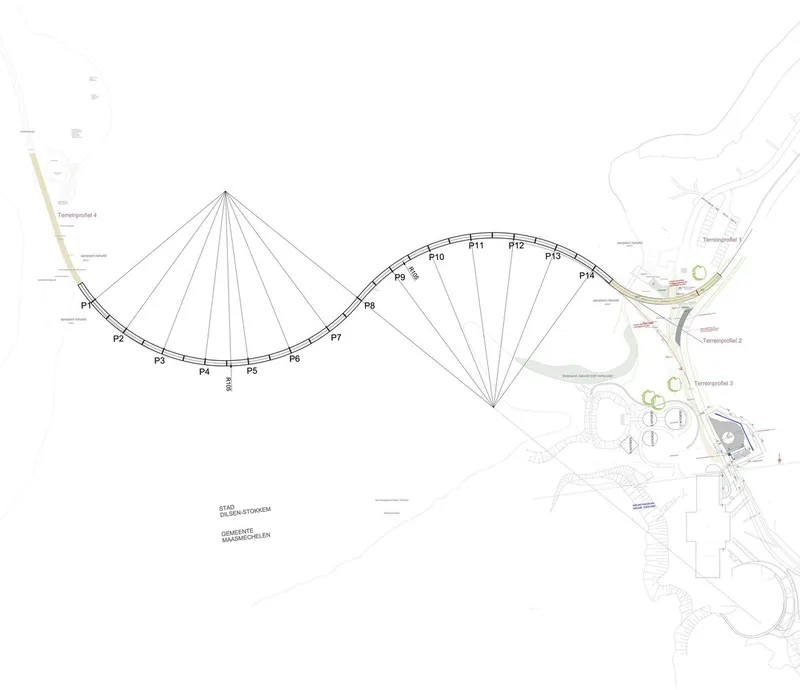
All the photographs are works of Pieter Rabijns, Visit Limburg


Popular Articles
Popular articles from the community


The Musturak Paradise: Senior Living Architecture for a Connected Future in Temara, Morocco
The Musturak Paradise reimagines senior living architecture in Temara via private homes, social spaces, culture, community, and shared care.

The Ocean Hive: Sustainable Architecture for a Self-Sufficient Civilization at Sea
The Ocean Hive imagines sustainable architecture at sea, where modular habitats, algae, wave power and ocean waste sustain a growing colony.

ALGAL REALM: A Bio-Integrated Lunar Habitat Design for Life Beyond Earth
ALGAL REALM reimagines lunar habitat design with algae-powered life support, 3D-printed regolith, and vertical living for a lunar future.

Play: Fragments of Their World
Familiar architecture becomes modular playground design, creating safe spaces where displaced children can learn, connect, imagine and play.

Similar Reads
You might also enjoy these articles

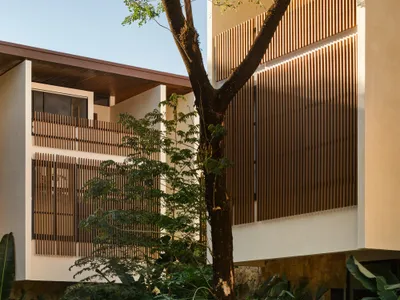
FAMM Arquitectura Organizes Ten Villas Around Courtyards and Jungle in Nosara, Costa Rica
El Molino pairs two elongated volumes with deep overhangs and timber louvers to build a compact coastal community five minutes from the beach.
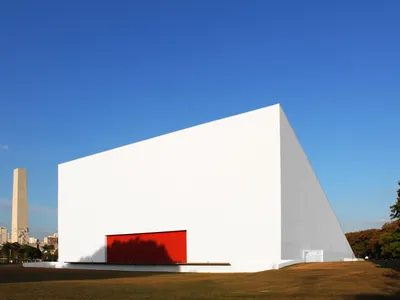
Oscar Niemeyer's Ibirapuera Park Pavilions Define São Paulo's Cultural Identity in Concrete and Curve
A constellation of modernist volumes set within São Paulo's most important urban park, conceived for the city's 400th anniversary in 1954.
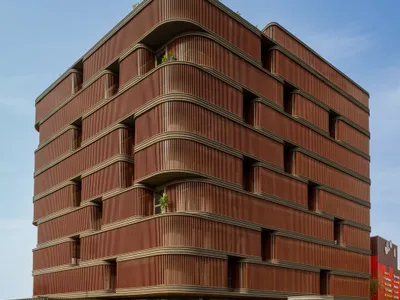
Sanjay Puri Architects Wraps a Jaipur Office Tower in Capsule-Shaped Green Buffers
A nine-level climate-responsive workplace near Jaipur Airport uses stacked planter terraces and aluminium screens to fight 40°C heat.
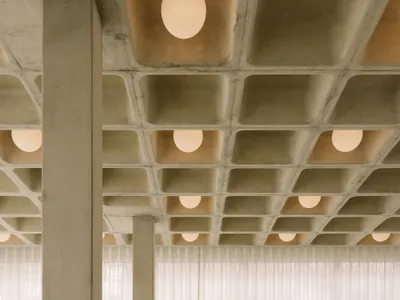
RHO Converts a Berlin Spree-Side Industrial Courtyard into Enkime's 1,000 m² Agency Headquarters
A social media agency's new home in Charlottenburg trades glossy branding for concrete waffle ceilings, glazed tile, and sheer curtains.

Explore Cycling Bridge Competitions
Discover active competitions in this discipline

Challenge to reimagine the Iron Throne

Photograph architecture without architects

Illustrate the lost glory of Angkor Wat - Render Challenge

Design challenge to reuse E-waste
Comments (0)
Please login or sign up to add comments
No comments yet. Be the first to comment!