
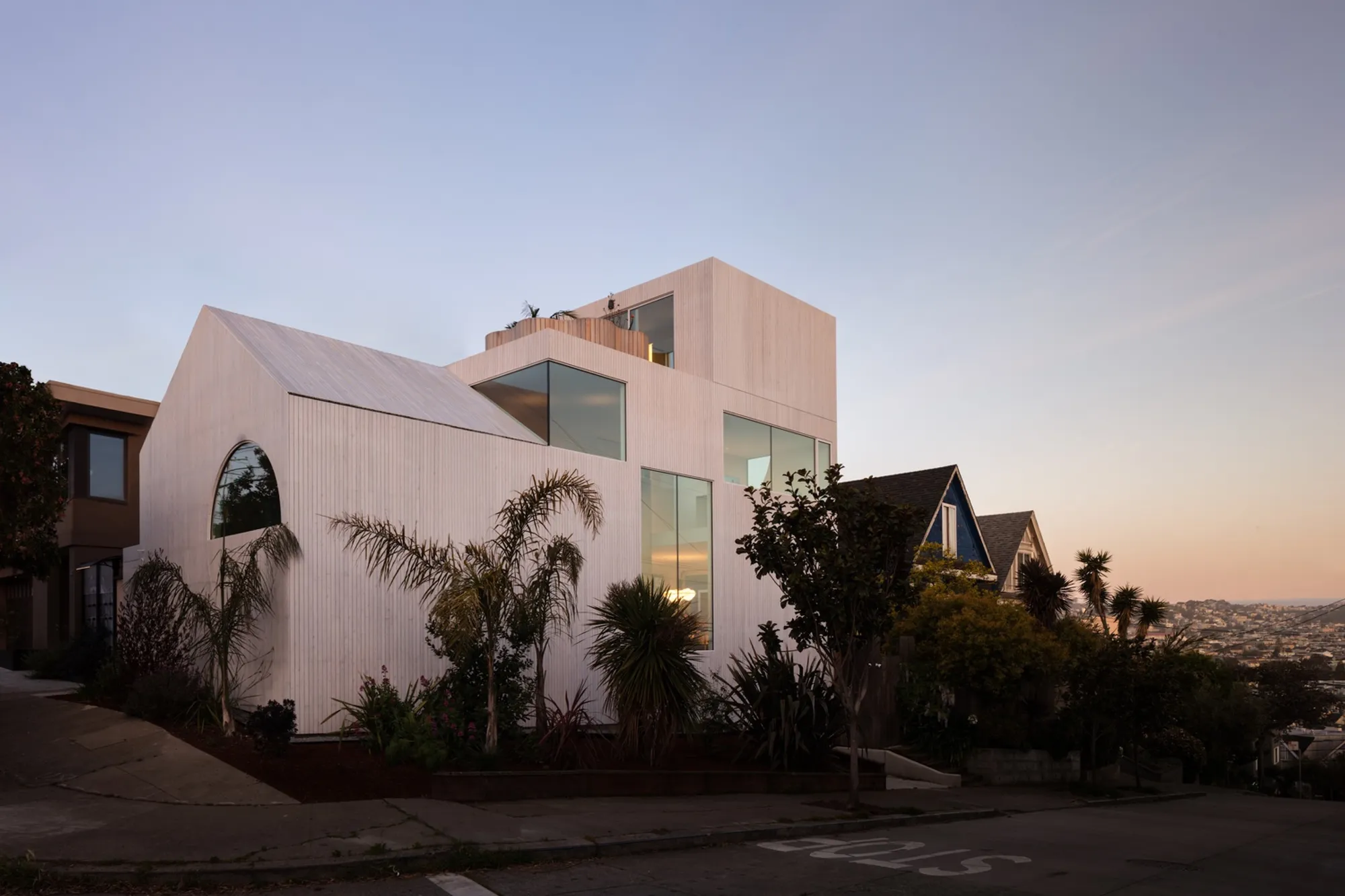
Flower House by Craig Steely Architecture
Craig Steely Architecture transforms a former San Francisco corner store into Flower House—a sculptural, sustainable family home celebrating adaptive reuse.


Reimagining a Corner Store into a Contemporary Family Home in San Francisco
Located in the heart of San Francisco, Flower House by Craig Steely Architecture transforms a once-modest corner store into a vibrant and contemporary residence for a family. This project exemplifies the power of adaptive reuse architecture, embracing the building’s layered history while crafting a renewed domestic narrative rooted in creativity, memory, and light.
Reviving a Corner Store into a Contemporary Family Home
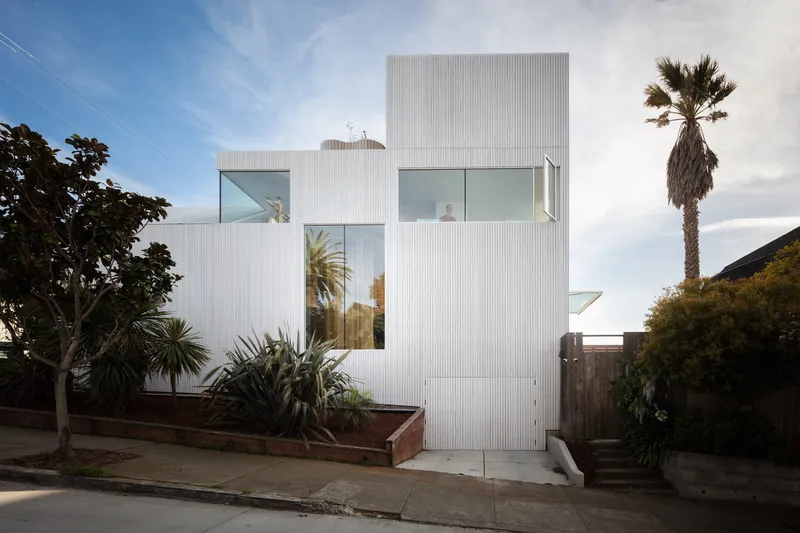
In the heart of San Francisco, Craig Steely Architecture transforms a disused neighborhood corner store into an expressive and intimate family residence known as Flower House. This project embodies the firm’s distinctive approach to adaptive reuse, architectural preservation, and modern living, merging the narrative of the building’s past with a vibrant new identity.
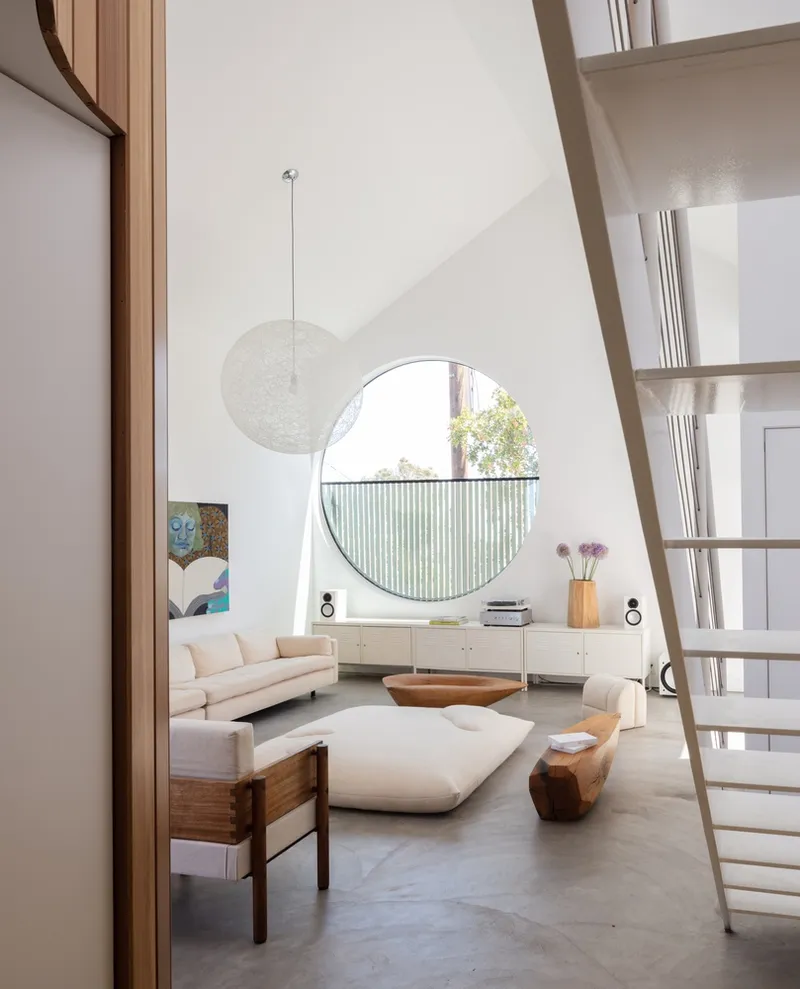
Rather than demolishing the existing structure, the architects chose to celebrate its history—retaining the spirit of the original while reinterpreting its form and function for contemporary life. The project exemplifies a sensitive yet inventive transformation that embraces both urban heritage and spatial innovation.
Adaptive Reuse and Architectural Continuity
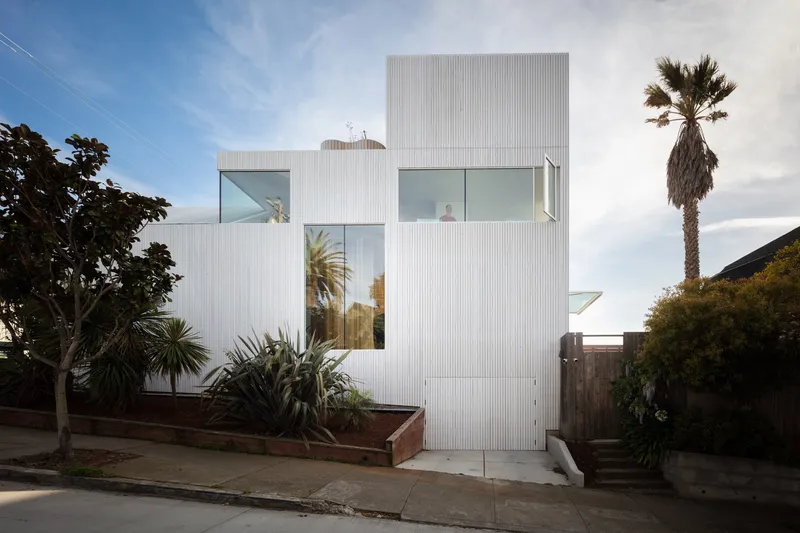
The design philosophy of Flower House centers around adaptation over erasure. By working within the framework of the former store, the architects highlight the beauty of reuse—preserving traces of time while introducing new architectural gestures. The approach doesn’t replicate the past nor deny it; instead, it balances respect and reinvention.
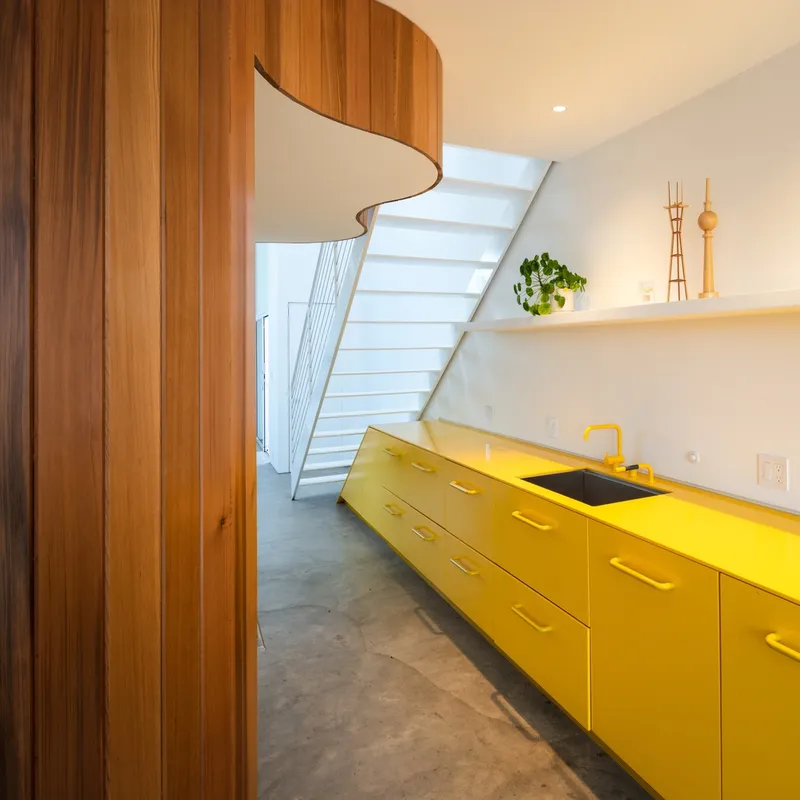
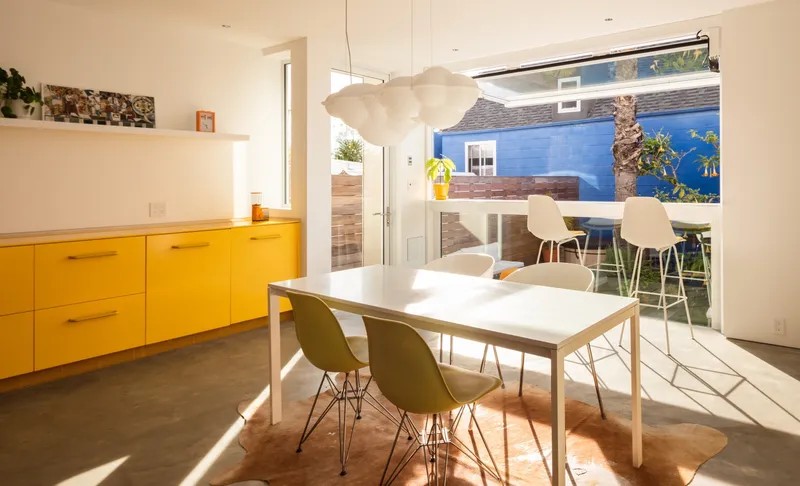
Inside, creative spatial solutions maximize functionality and openness. An open-plan layout fosters family interaction while maintaining moments of privacy and calm. Each intervention—whether structural or aesthetic—reflects the firm’s belief that architecture should evolve naturally from what exists, creating harmony between old and new.
The Flower Tower: A Sculptural Core
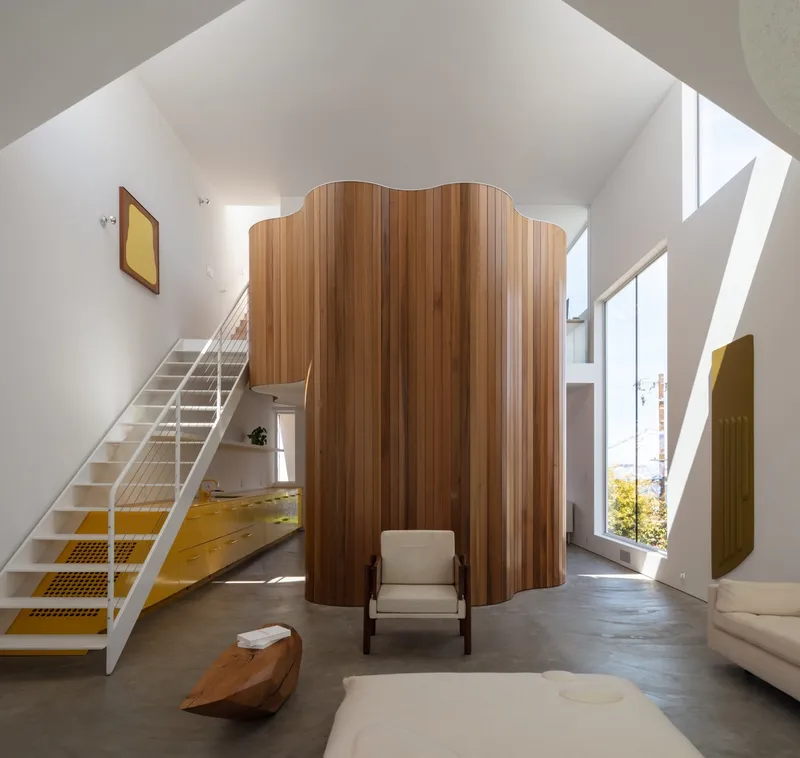
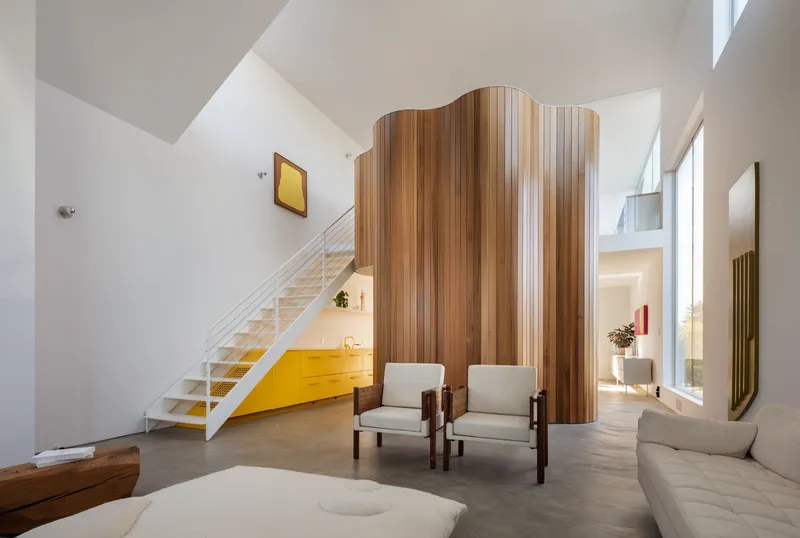
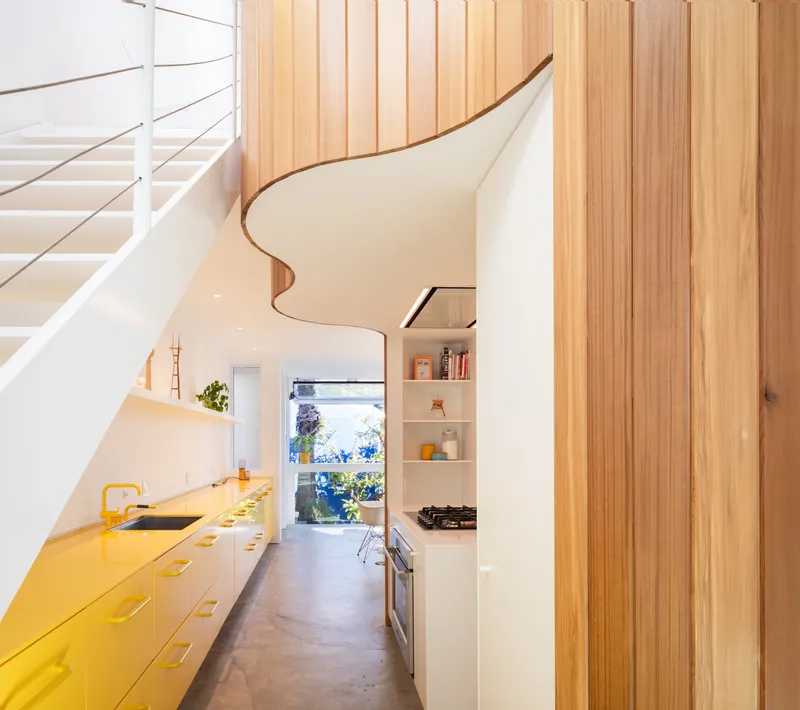
At the heart of the design stands a free-standing flower-shaped tower, a sculptural core that organizes the flow of space. This striking architectural feature defines both the interior and exterior experience, acting as a vertical anchor that blurs the boundaries between structure and art.
The organic geometry of the tower introduces a sense of playfulness and movement, contrasting beautifully with the rectilinear envelope of the original building. It becomes the symbolic and spatial centerpiece—an embodiment of the home’s name and spirit.
Interiors that Reflect Character and Comfort
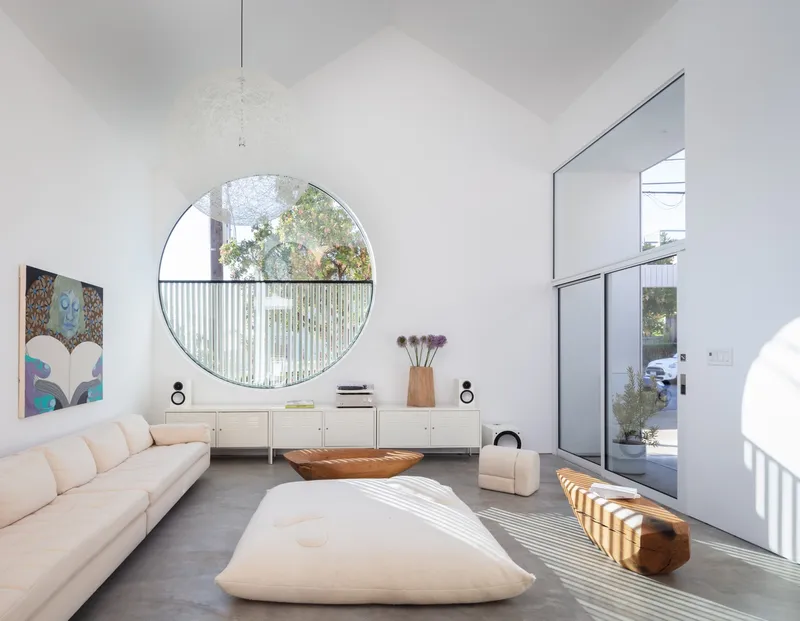
The interiors, curated in collaboration with Studio Ahead, merge natural materials, textural warmth, and contemporary design sensibility. Exposed wood, soft lighting, and tailored furniture pieces shape an environment that feels both lived-in and refined.
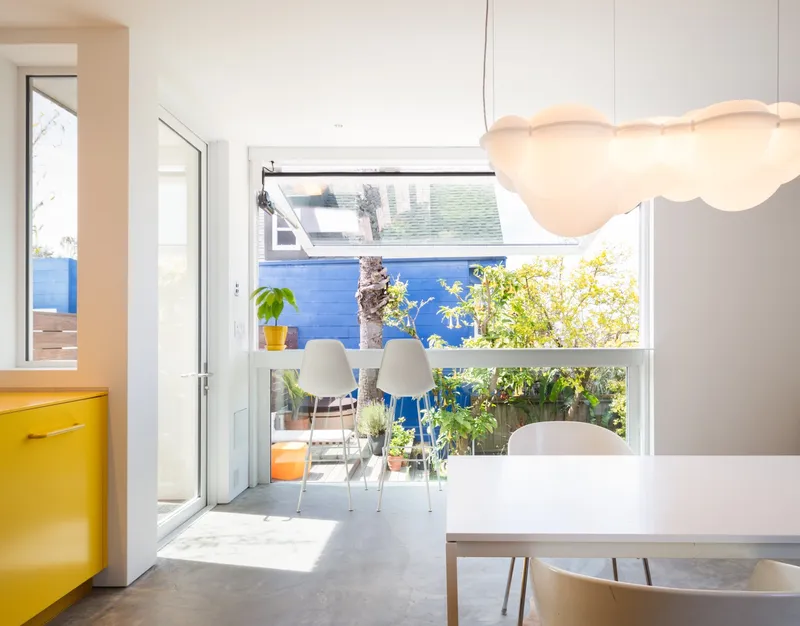
Large openings invite daylight into the space, enhancing the connection between the family’s daily activities and the rhythms of the city outside. The interior design celebrates imperfection and authenticity—embracing the tactile and the timeless.
A Model for Sustainable Urban Renewal
Flower House stands as a model for sustainable architecture and urban renewal in dense city environments. By reusing an existing structure rather than demolishing it, the project significantly reduces material waste and embodied carbon. It illustrates how thoughtful design can reimagine obsolete urban spaces into meaningful, livable homes that honor both memory and modernity.
All photographs are works of Darren Bradley



Popular Articles
Popular articles from the community


The Musturak Paradise: Senior Living Architecture for a Connected Future in Temara, Morocco
The Musturak Paradise reimagines senior living architecture in Temara via private homes, social spaces, culture, community, and shared care.

Play: Fragments of Their World
Familiar architecture becomes modular playground design, creating safe spaces where displaced children can learn, connect, imagine and play.

Co-life: Sustainable Architecture for Age-Friendly Community Living
Co-life reimagines sustainable architecture for seniors through courtyards, rammed earth, shared gardens, and spaces designed for belonging.

Conexión: Biophilic Design Reimagines High-Rise Living in Hong Kong
Conexión reimagines high-rise living in Hong Kong through biophilic design, green facades, shared spaces, daylight, water and nature within.

Similar Reads
You might also enjoy these articles


Hodi-Mandai Geram
Project Function: Preservation and revitalization of the Intangible heritage and socio-spatial identity of the Hodi by Housing, Cultural Memory Center, Sacred Grove, landscape, local tourism economy


Olio Towers: A Mid-Rise for Performers That Fuses Housing, Rehearsal, and Stage
Located blocks from Houston's Theater District, this modular tower stacks living units around a central performance atrium.

Oasis: Modular Green Housing Carved into Dhaka's Urban Fabric
A shortlisted Plugin Housing entry reclaims unauthorized settlements in Dhaka with stepped concrete volumes, green roofs, and ventilation-driven design.

Black Hole: A Floating Megastructure for the Post-Physical Era
Emiliano Mazzarotto envisions a spherical, self-scaling arena where e-sports, digital hotels, and holographic stadiums replace traditional public space.


Explore Residential Building Competitions
Discover active competitions in this discipline


Challenge to design mud housing for contemporary communities


Challenge to reimagine the Iron Throne


Photograph architecture without architects


Illustrate the lost glory of Angkor Wat - Render Challenge
Comments (0)
Please login or sign up to add comments
No comments yet. Be the first to comment!