

Fontcouverte Child Village: Architecture of Care and Community by studio.AQUI + Barbara Constantin
An architecture of care, Fontcouverte Child Village supports vulnerable children through community-rooted design and bio-sourced materials.


Designing for Vulnerable Childhoods in the French Countryside
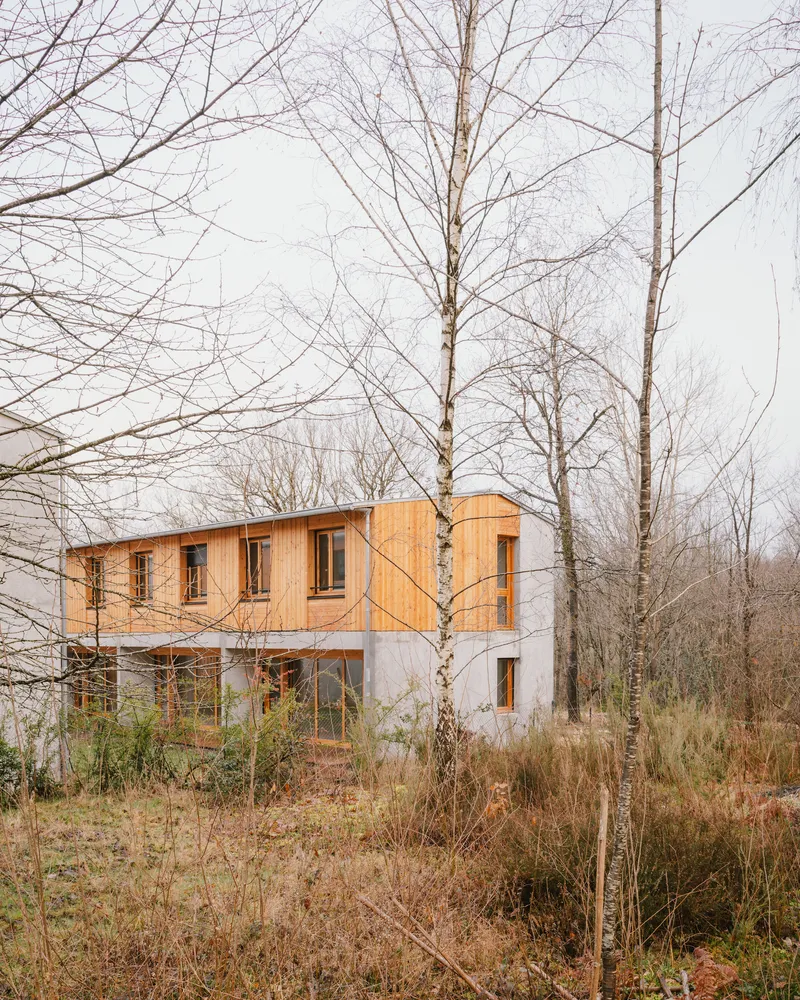
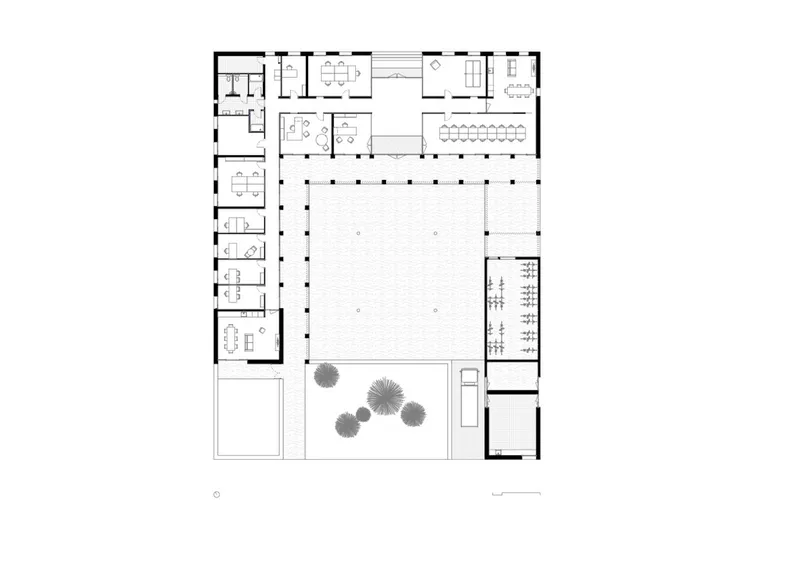
Fontcouverte Child Village, designed by studio.AQUI in collaboration with Barbara Constantin, reimagines care-centered residential architecture for children placed under protection. Located on the edge of a forest in Fontcouverte, France, and spanning 3,200 square meters, the project forms a small, cohesive community of houses and shared facilities that are both open to the public realm and intimate enough to provide psychological comfort and privacy for vulnerable young residents.
Breaking Down Mass into Belonging
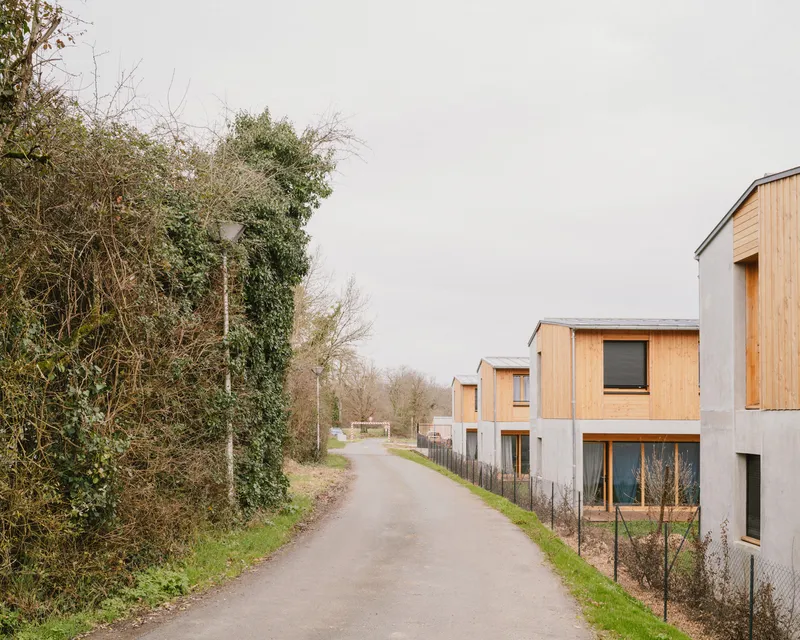
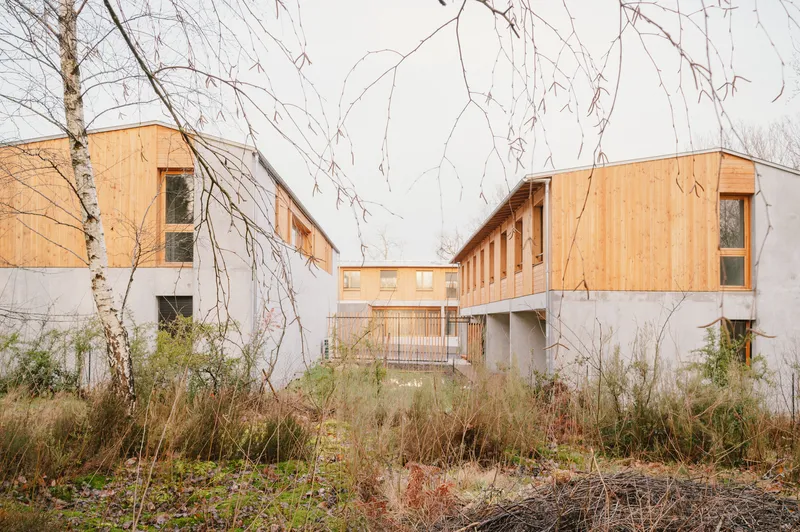
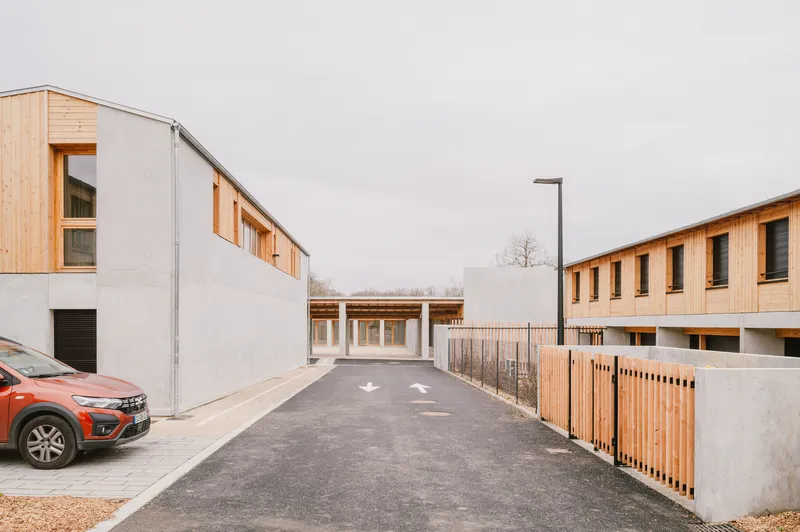
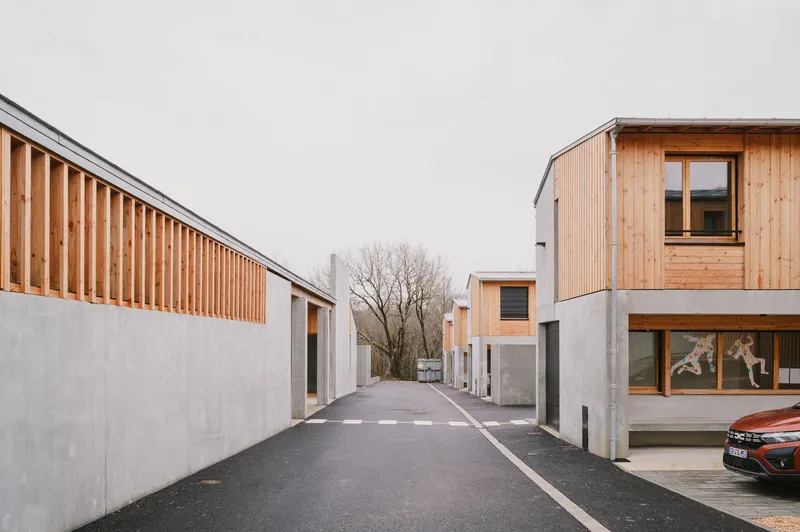
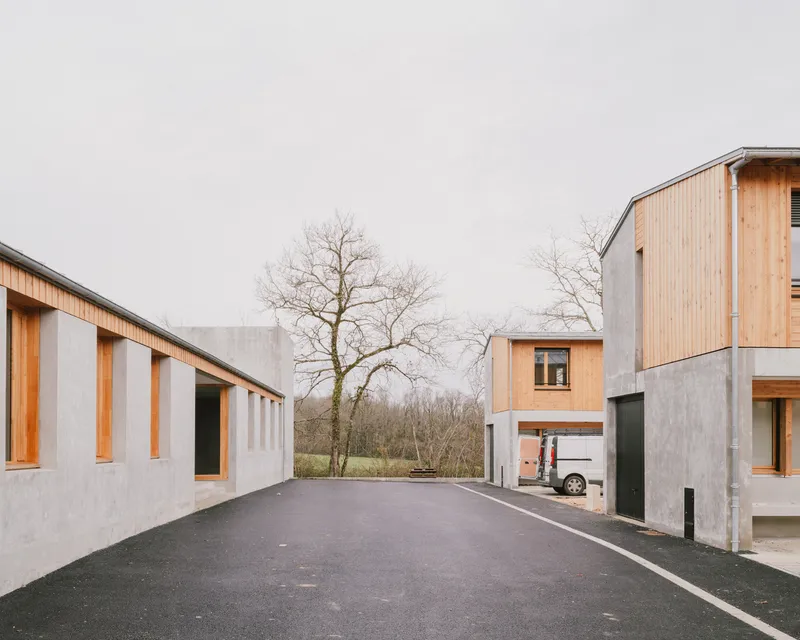
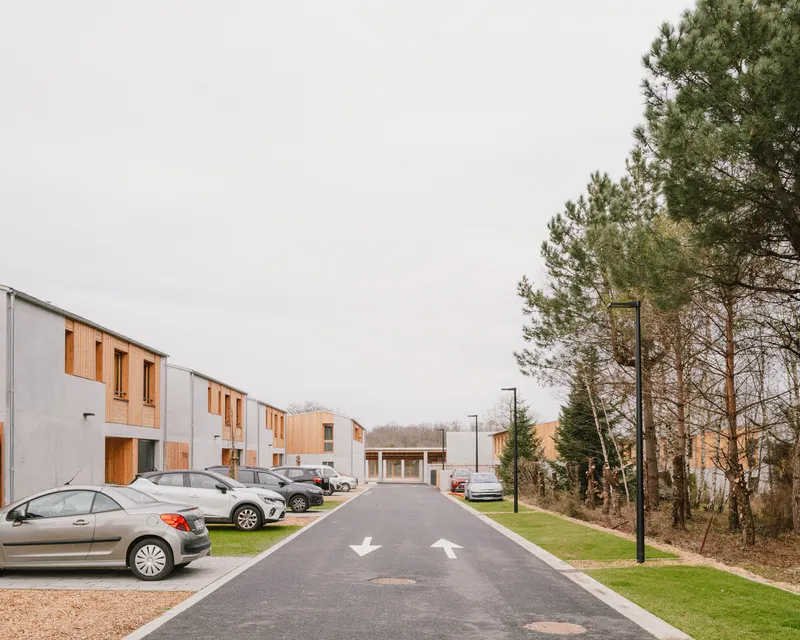
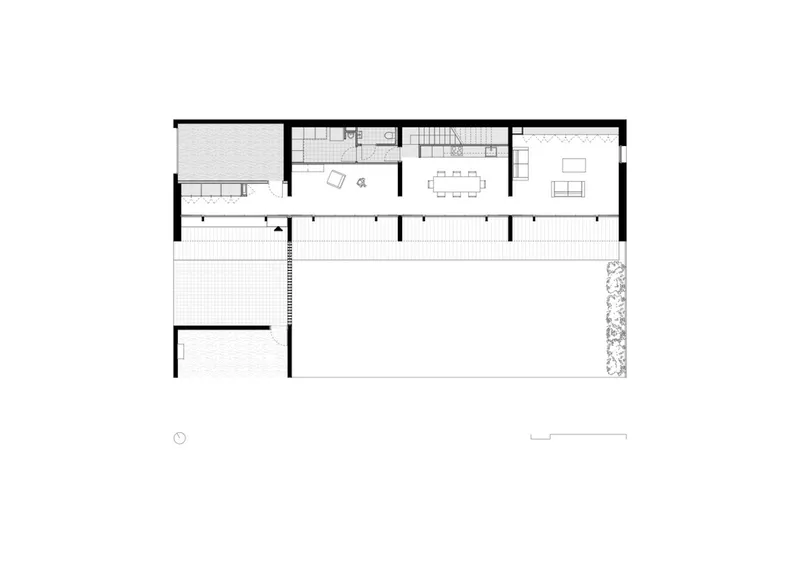
The project site is strategically placed near local amenities such as schools and sports facilities, yet retains a calm, forest-fringed edge. Rather than creating a large institutional block, the architects intentionally decomposed the overall mass into smaller volumes. This design decision results in a human-scaled village environment where the density of the program is diffused into approachable, familiar forms. Each unit is conceived as a home rather than a facility—specifically tailored to house sibling groups in spacious, seven-bedroom dwellings.
Architecture that Encourages Interaction and Autonomy
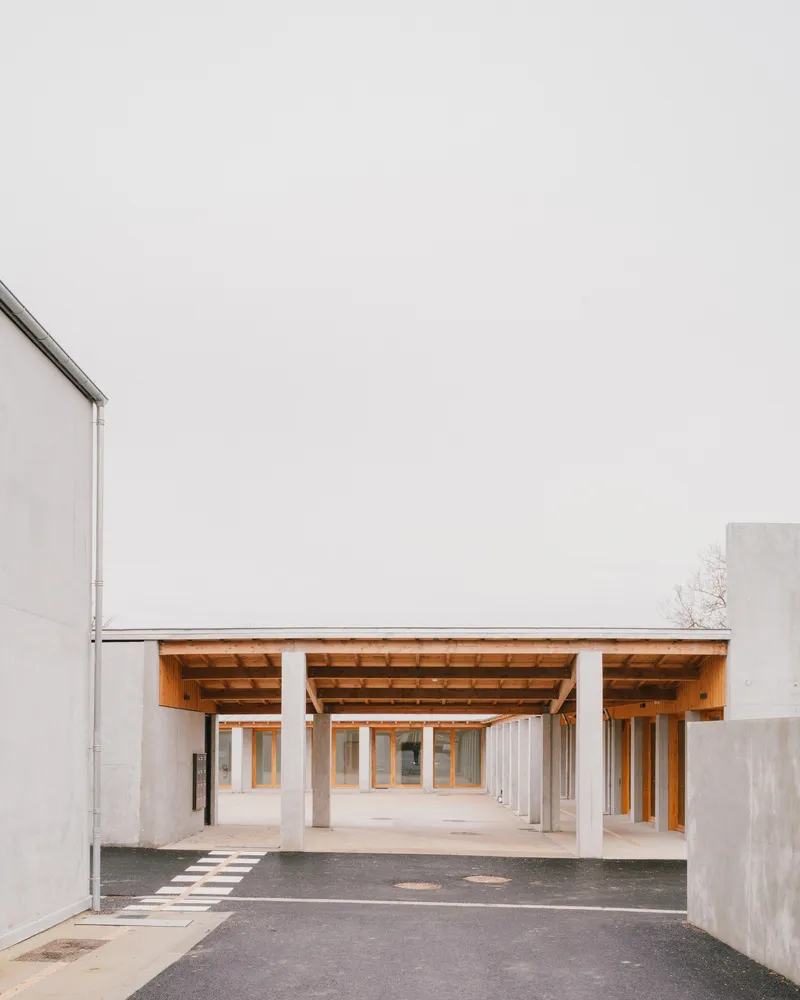
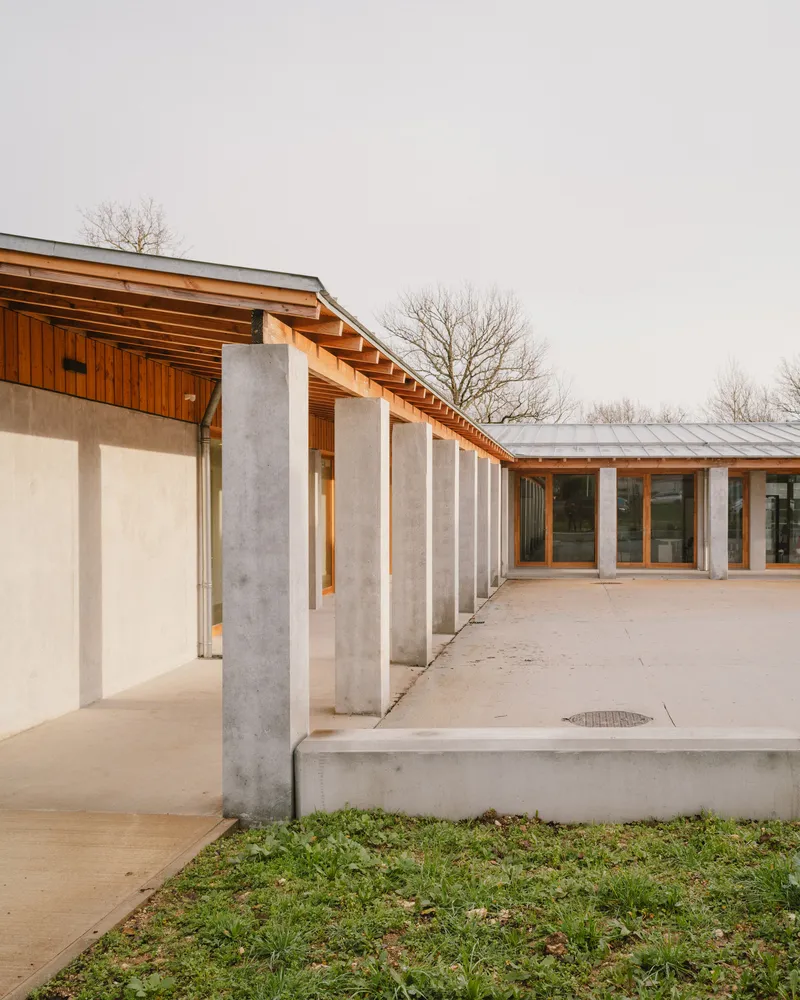
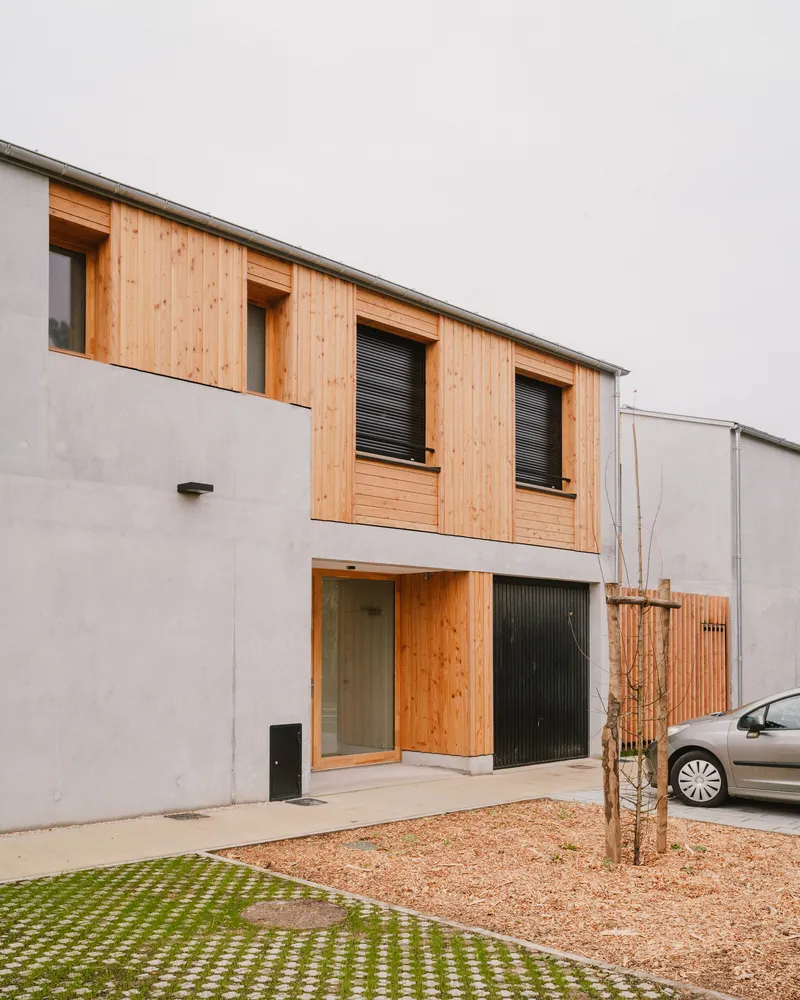
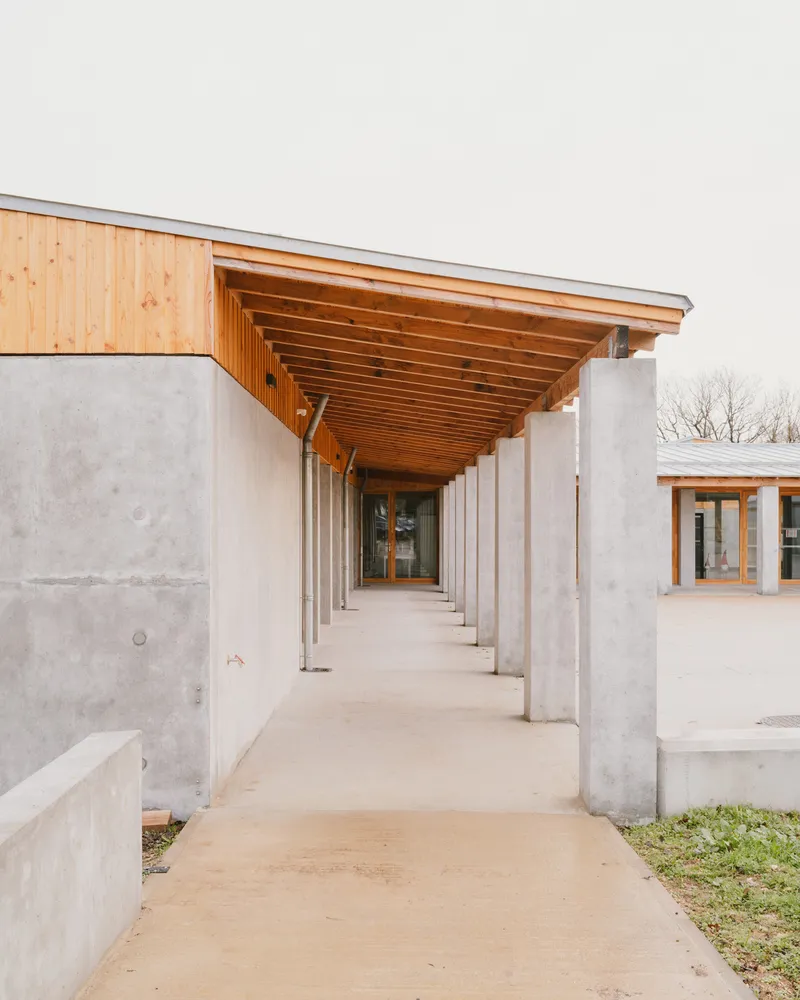
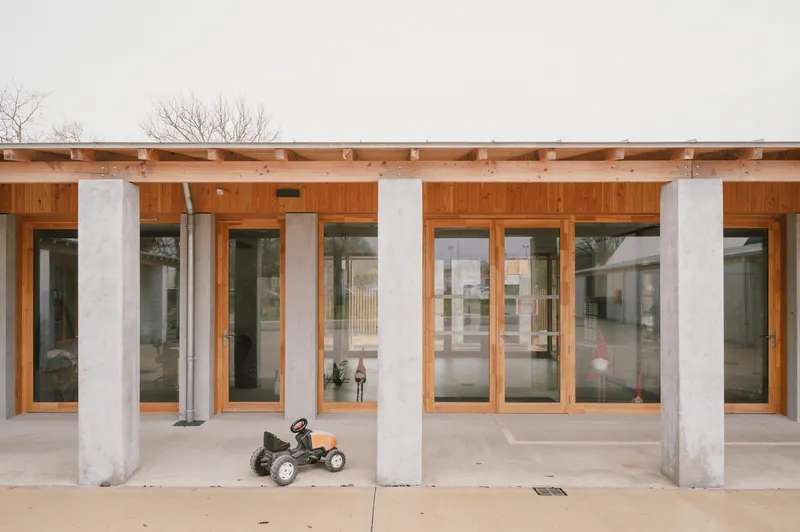
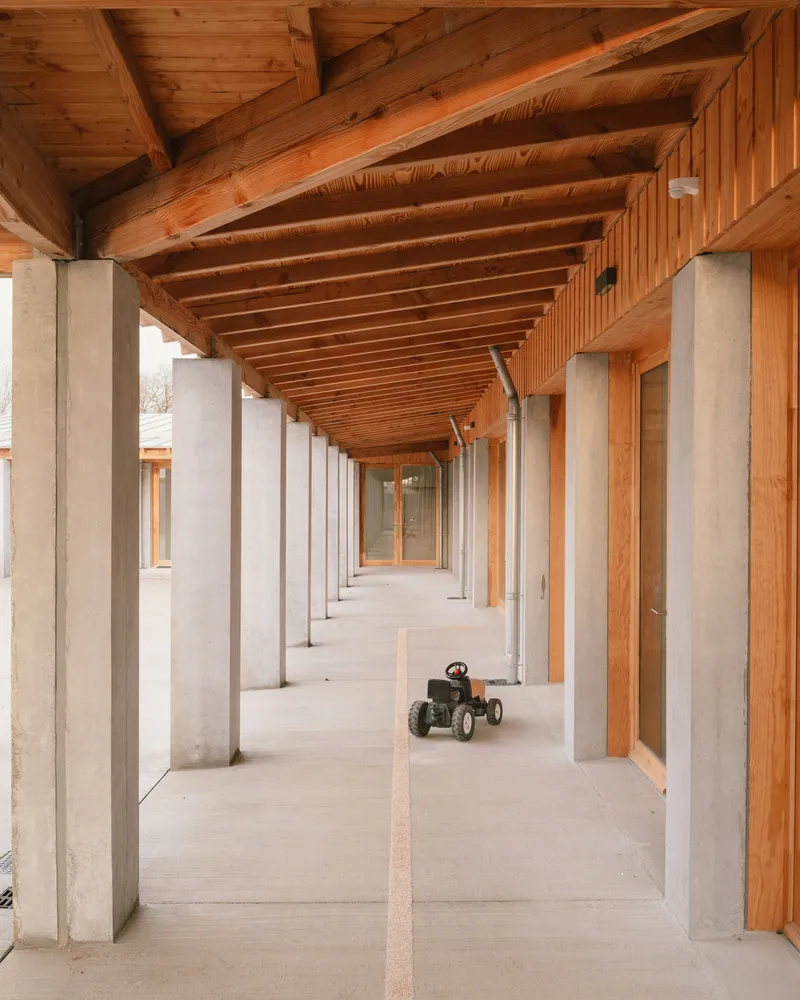
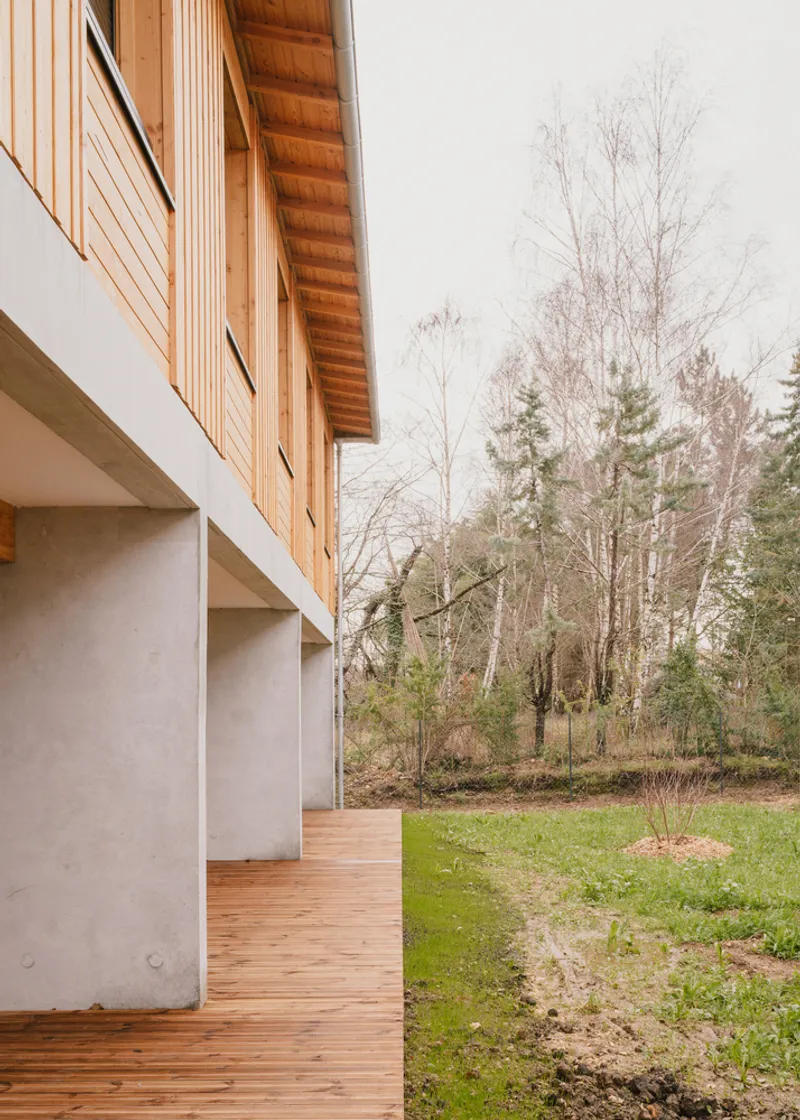
Central to the layout is a shared common house, positioned openly toward a large public square. This space operates as a communal anchor—welcoming residents, visitors, and the larger town community. The gallery along the square encourages social engagement while offering a legible interface between the town and the village. Each home features intermediate transitional spaces, such as covered porches or semi-outdoor platforms, creating zones for play, relaxation, or informal gathering. These flexible buffer zones gently mediate between the public and private, encouraging autonomy while providing a sense of security.
Material Expression Reflecting Local Typologies
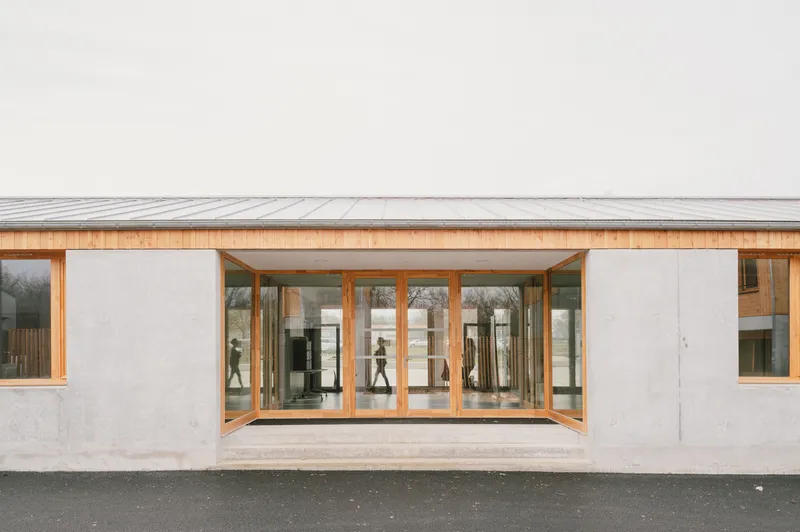
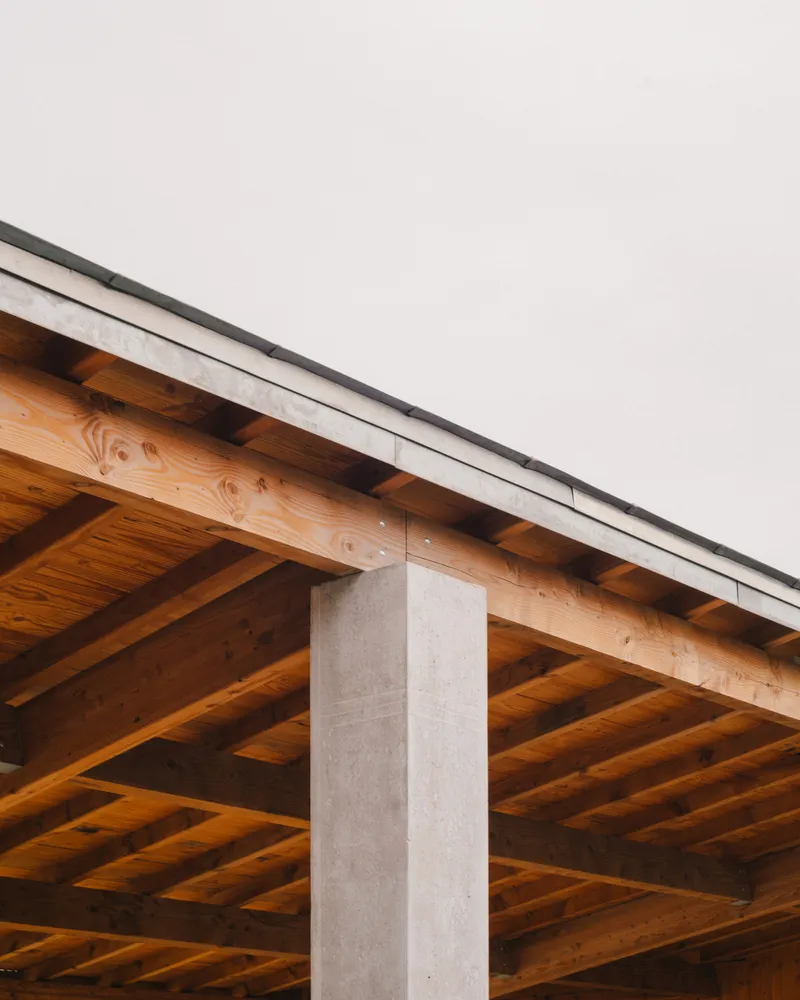
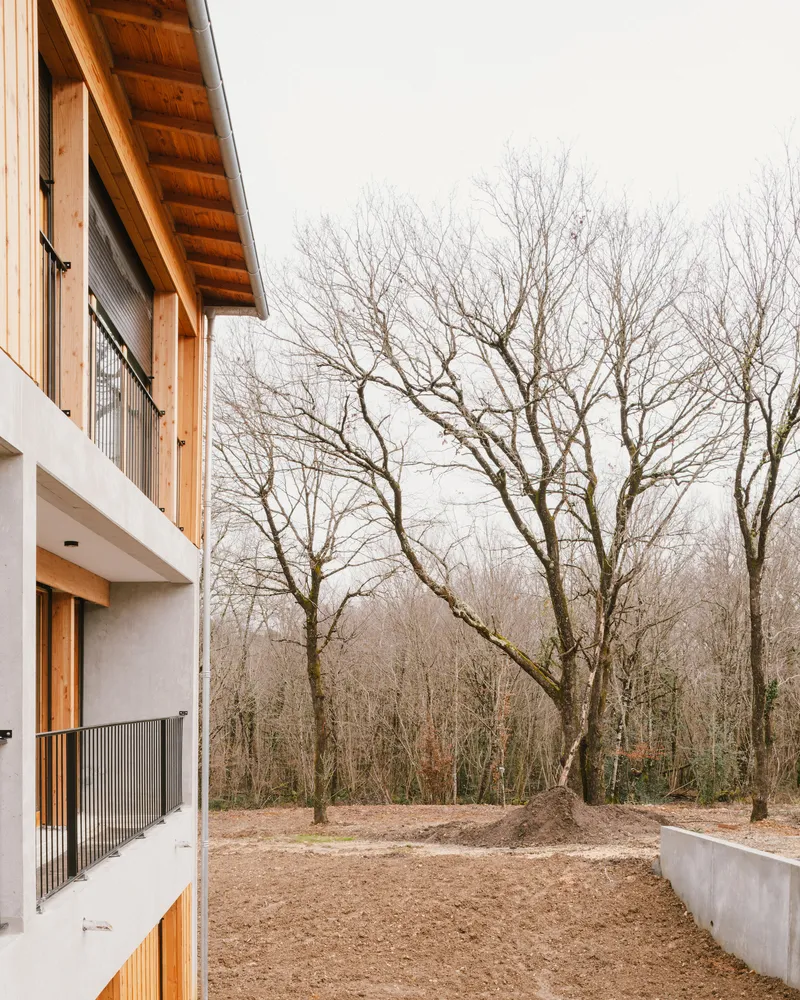
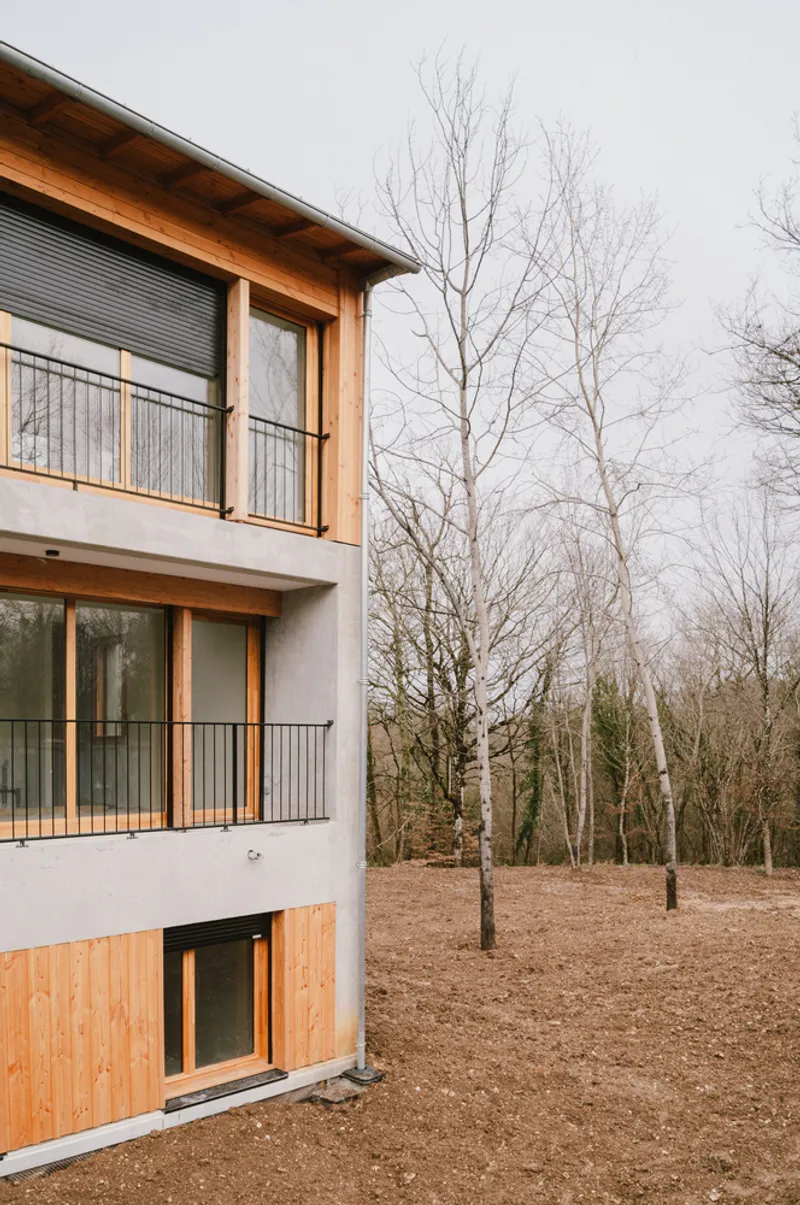
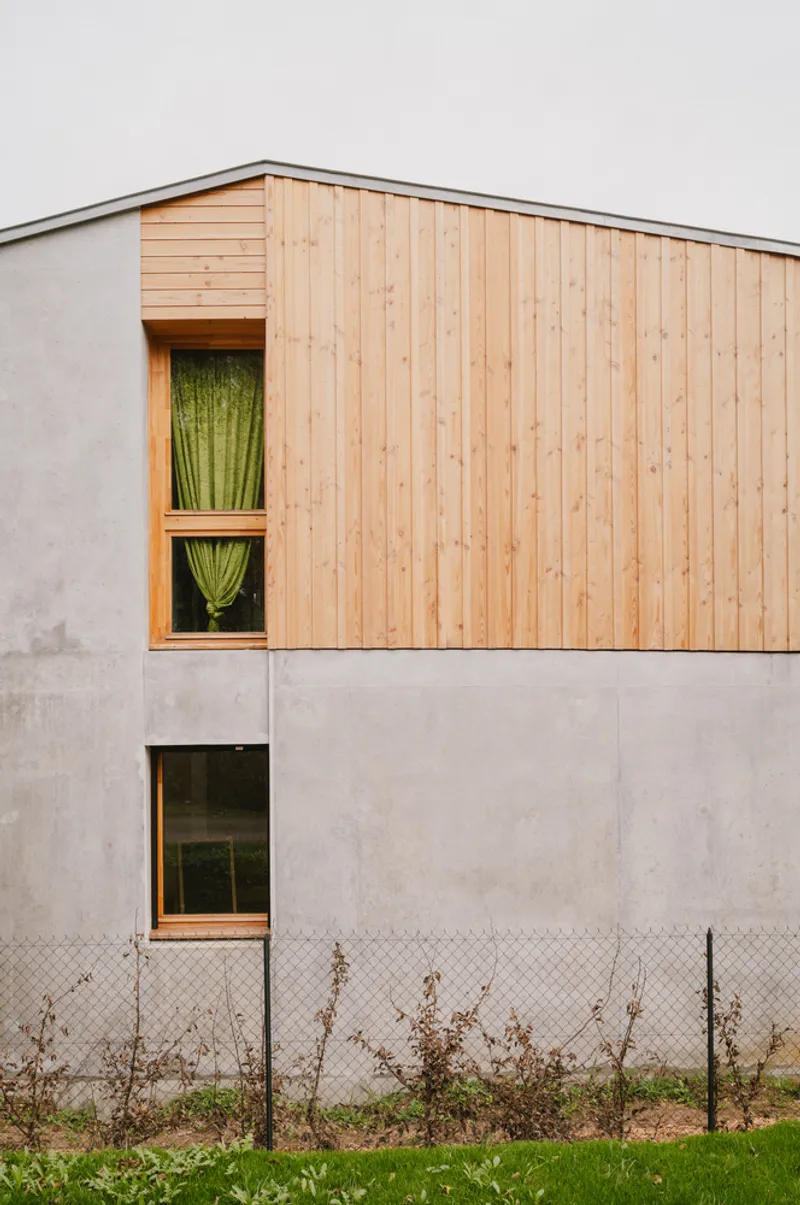
The architectural language of Fontcouverte Child Village is grounded in regional material culture. The houses are constructed with a heavier concrete base and a lighter timber upper floor, echoing traditional local agricultural buildings. This combination of bio-sourced wood and structural concrete achieves a balance between thermal inertia and ecological responsibility. The design optimizes solar orientation and passive ventilation, with large operable windows that bring in light and views while enabling natural airflow.
Adaptive Interiors for a Diverse User Group
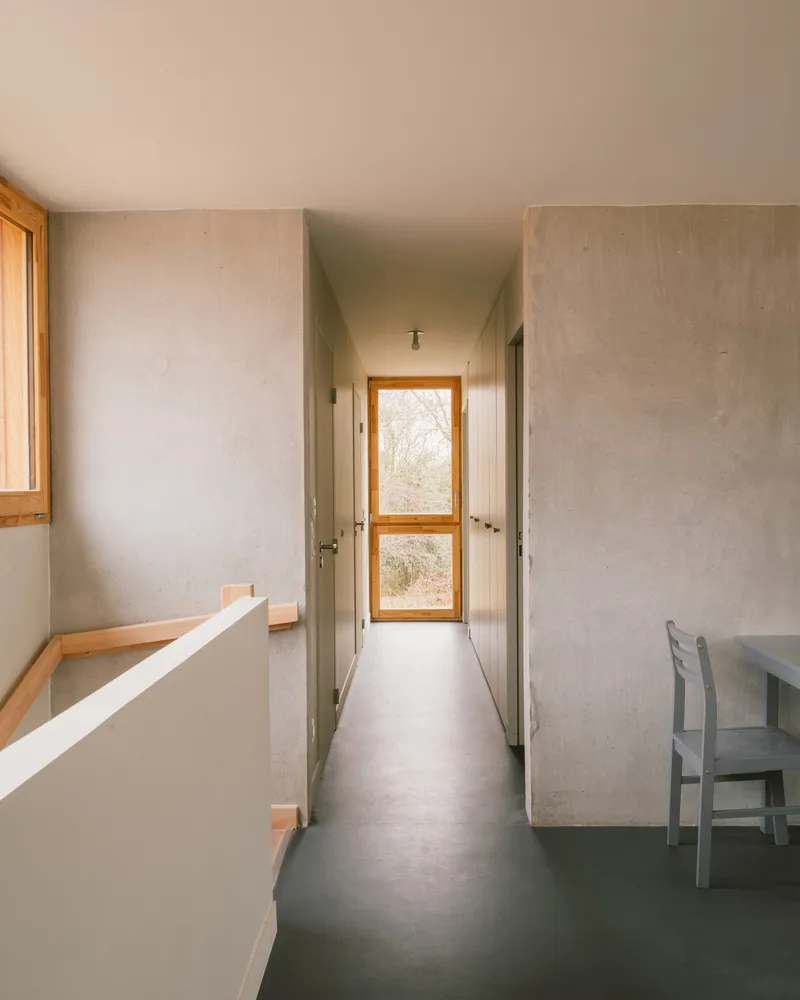
Inside the homes, spatial programming is adaptable to meet the wide-ranging emotional and developmental needs of children in care. Some rooms are designed to act as playrooms, others as study spaces or offices for caregivers. Loosely defined interiors give flexibility to personalize the environment according to evolving needs and allow staff to tailor support around each child’s lived experience. The scale, material warmth, and variety in layout combine to foster a feeling of domesticity over institutionality.
A Village That Prioritizes Belonging
This is more than a housing complex; it’s an architectural system of belonging, where young residents are not isolated but placed at the center of a safe, active community. Fontcouverte Child Village demonstrates how thoughtful design can support psychological recovery, social integration, and long-term well-being. It proves that architecture for care can be both beautiful and highly functional—rooted in empathy, context, and spatial clarity.
All Photographs are works of Bastien Treille


Popular Articles
Popular articles from the community


GROUP A Strips a 1969 Rotterdam Harbor Headquarters to Its Frame and Wraps It in Timber Louvers
In Rotterdam's M4H harbor district, Ferro Offices reuses a 1969 frame, adds one timber storey and reaches BREEAM-NL Outstanding.

longwave studio Reorganizes a 112 m² Tainan Apartment Around the Daily Routines of a Family and Two Cats
In Tainan, Taiwan, birch plywood, rust-red furniture and a freestanding plaster wall link arrival, storage, work and family life in one apartment.

LT2A and OPEN Architectes Thread a Brick and Glass High School Through a Wooded Belgian Campus
In Braine-l'Alleud, a 3,000 m² wing for Collège Cardinal Mercier pairs pale brick with a glazed colonnade, deferring to a small chapel and a dense wood.

David Macias Steps a Doorless Stone and Plaster House Down a Tropical Colombian Hillside
In the humid hills of Colombia, Threshold House replaces the front door with an open void and terraces its 850 m² down the slope instead of fighting it.

Similar Reads
You might also enjoy these articles


Hodi-Mandai Geram
Project Function: Preservation and revitalization of the Intangible heritage and socio-spatial identity of the Hodi by Housing, Cultural Memory Center, Sacred Grove, landscape, local tourism economy


Olio Towers: A Mid-Rise for Performers That Fuses Housing, Rehearsal, and Stage
Located blocks from Houston's Theater District, this modular tower stacks living units around a central performance atrium.

Oasis: Modular Green Housing Carved into Dhaka's Urban Fabric
A shortlisted Plugin Housing entry reclaims unauthorized settlements in Dhaka with stepped concrete volumes, green roofs, and ventilation-driven design.

Black Hole: A Floating Megastructure for the Post-Physical Era
Emiliano Mazzarotto envisions a spherical, self-scaling arena where e-sports, digital hotels, and holographic stadiums replace traditional public space.

Explore Architecture Competitions
Discover active competitions in this discipline

Challenge to reimagine the Iron Throne

Photograph architecture without architects

Illustrate the lost glory of Angkor Wat - Render Challenge

Design challenge to reuse E-waste
Comments (0)
Please login or sign up to add comments
No comments yet. Be the first to comment!