

From Shipbuilding to Space: A Design Journal
built as a vessel, experienced as space

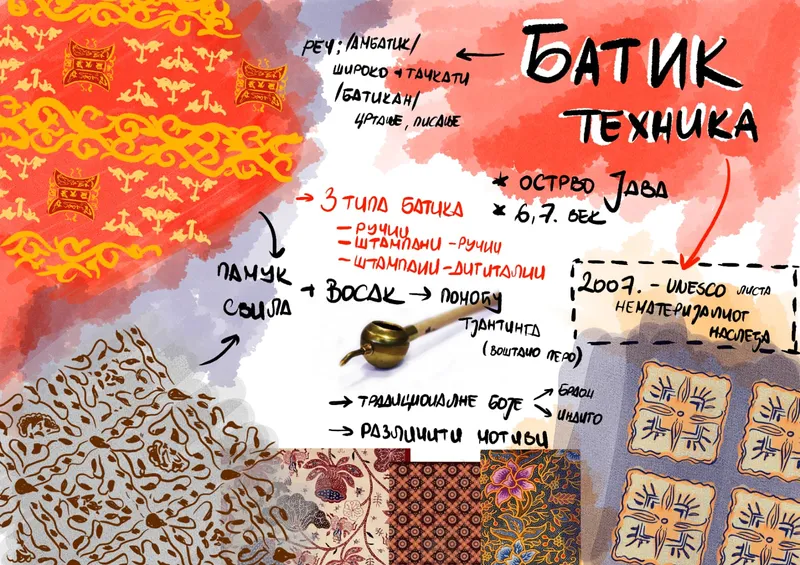
Research of Indonesian Culture: The project begins with an in-depth study of Indonesian culture, with a particular focus on maritime traditions and craft practices. Pinisi shipbuilding is understood not only as a technical process, but as a cultural act shaped by knowledge, ritual, and collective memory. In parallel, batik is explored as a method of constructing meaning through pattern, layering, and repetition. Both practices reveal a strong relationship between making and identity, where material, technique, and form are inseparable from cultural expression. This research establishes a foundation for understanding how architecture can emerge from inherited systems of knowledge rather than imposed formal ideas.

Establishing the Concept: The concept is developed through the translation of these cultural logics into architectural language. Instead of directly replicating traditional forms, the project abstracts the principles behind them. The ship becomes a model of structural organization, defined by ribs, tension, and assembly, while batik introduces a system of layering, rhythm, and gradual transformation.
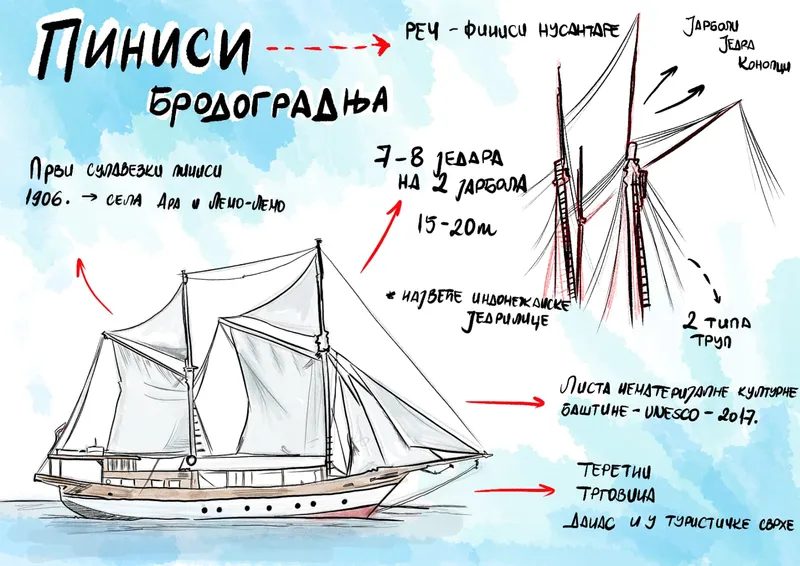
Together, these references form a conceptual framework in which structure generates space, and pattern organizes experience. The architecture is therefore conceived as a synthesis of constructive clarity and spatial complexity.
Urban Development of the Concept: At the urban scale, the project is positioned as an interface between the built environment and the natural context of water. It responds to its surroundings by extending circulation paths and visual connections, creating a porous boundary that invites movement through the site.
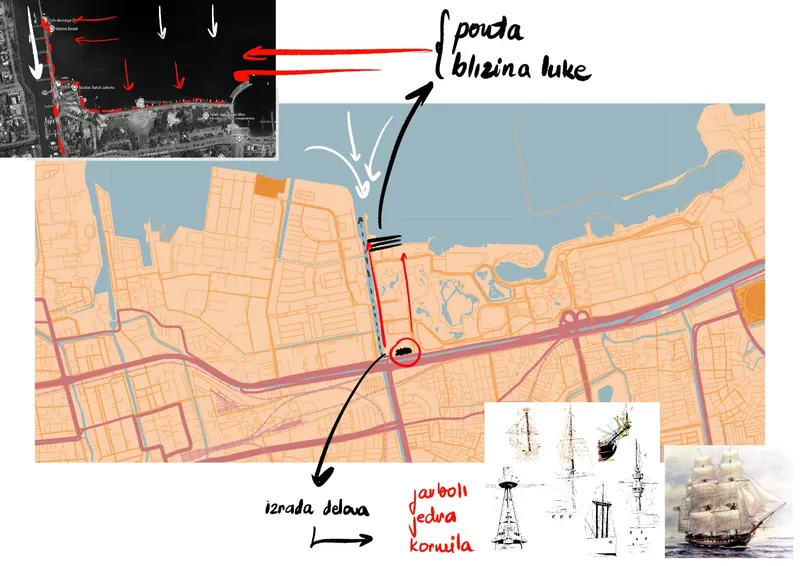

The building acts as a mediator between city and coastline, organizing public access and guiding visitors toward the museum. Open spaces, platforms, and transitional zones are integrated into the design, reinforcing the idea of continuity between exterior and interior, and situating the project within a broader urban narrative.

Structure: The structural system is directly informed by the logic of shipbuilding. A series of curved ribs defines the primary framework, creating a continuous system that supports both the building and its spatial organization. These elements are not hidden, but expressed as integral components of the architecture, emphasizing the relationship between construction and form. The repetition of structural members establishes rhythm, while their variation allows flexibility and spatial differentiation. In this way, the structure becomes both a technical solution and a key driver of spatial identity.

Form Development: The architectural form evolves through the transformation and manipulation of the structural framework. Starting from linear elements, the design develops through processes of bending, layering, and overlapping. This generates a fluid geometry that reflects movement and continuity, rather than static composition. The form is not predetermined, but emerges gradually through the interaction of structure, space, and circulation. As a result, the building reads as a cohesive whole, where each element contributes to a unified spatial expression.

Materials: Material selection reinforces the conceptual foundation of the project. Wood is used to evoke the tradition of shipbuilding and to highlight the tectonic quality of the structure, while lighter surfaces and contemporary materials provide contrast and clarity. The interplay between solid and translucent elements allows light to penetrate and animate the interior, enhancing the spatial experience. Materials are chosen not only for their performance, but also for their ability to communicate the relationship between tradition and modernity.

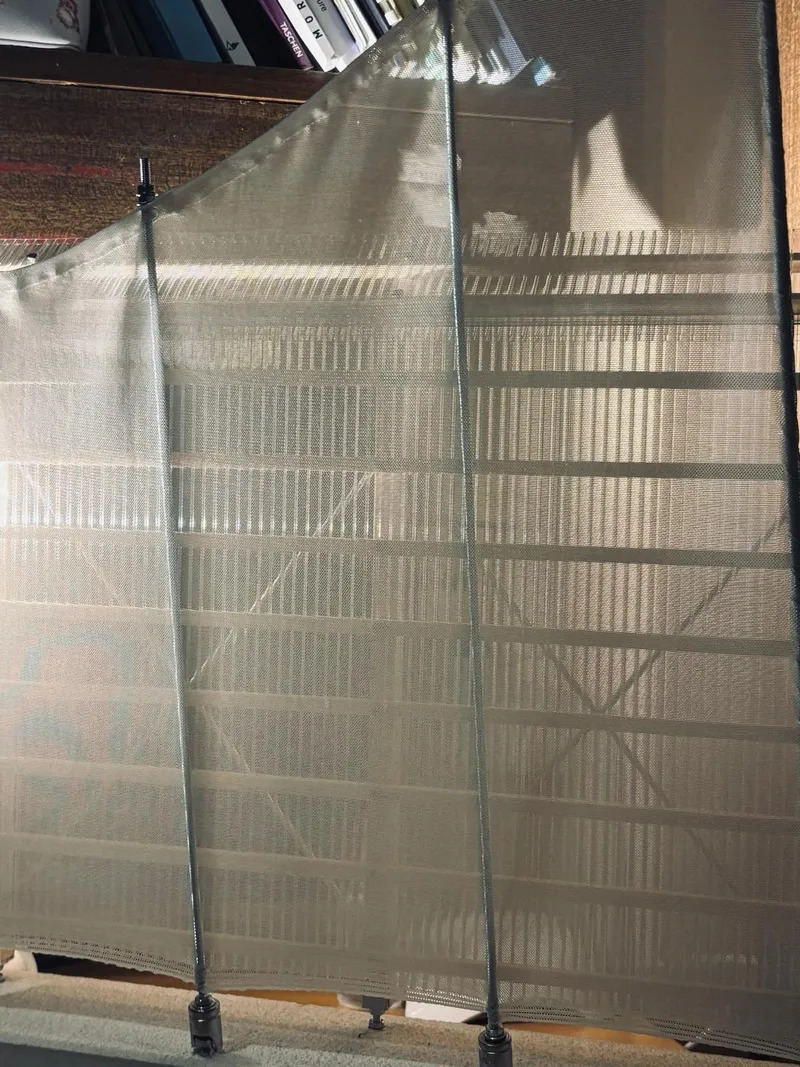
Activities: The program of the building is organized to support a range of activities, including exhibition spaces, circulation paths, and areas for gathering and rest. The sequence of movement is carefully designed to guide visitors through different layers of experience, from open public zones to more focused exhibition environments. Spaces are connected through visual and spatial continuity, allowing for gradual discovery rather than abrupt transitions. The project aims to create an immersive environment in which visitors engage with maritime heritage not only through displayed content, but through the spatial qualities of the architecture itself.
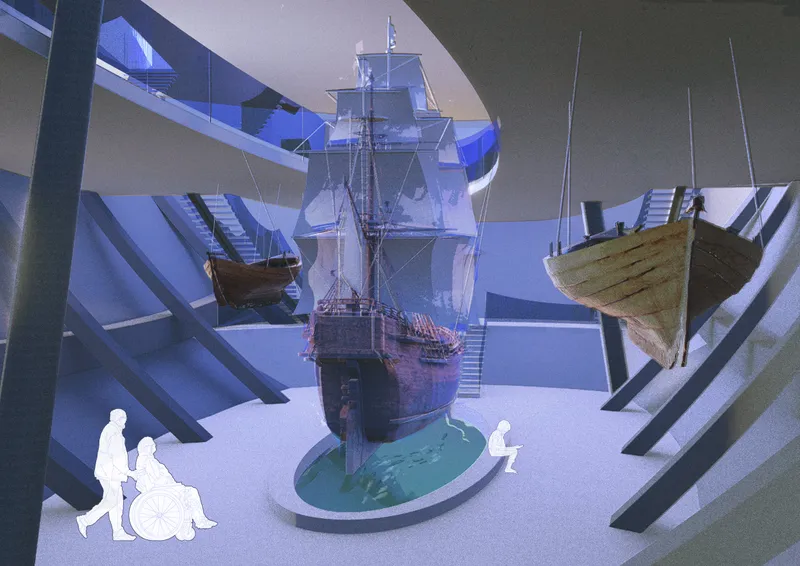
Spaces are connected through visual and spatial continuity, allowing for gradual discovery rather than abrupt transitions. The project aims to create an immersive environment in which visitors engage with maritime heritage not only through displayed content, but through the spatial qualities of the architecture itself.

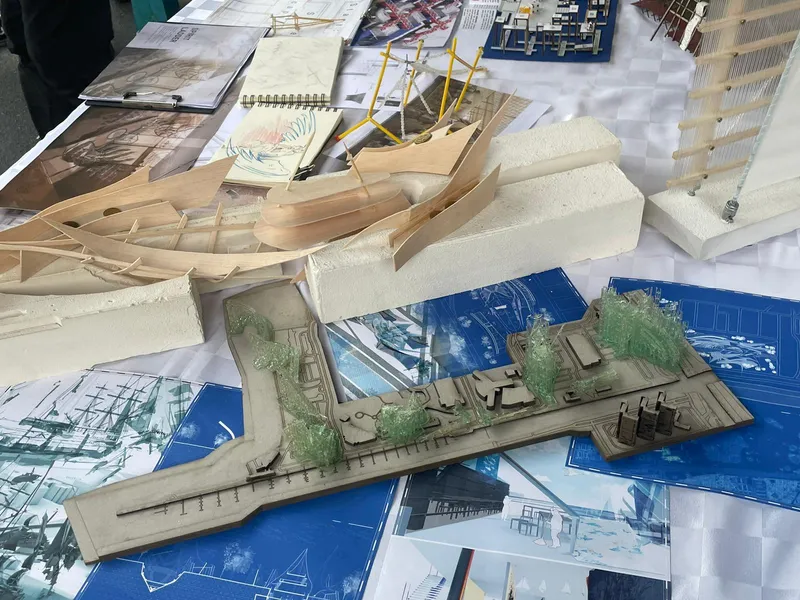
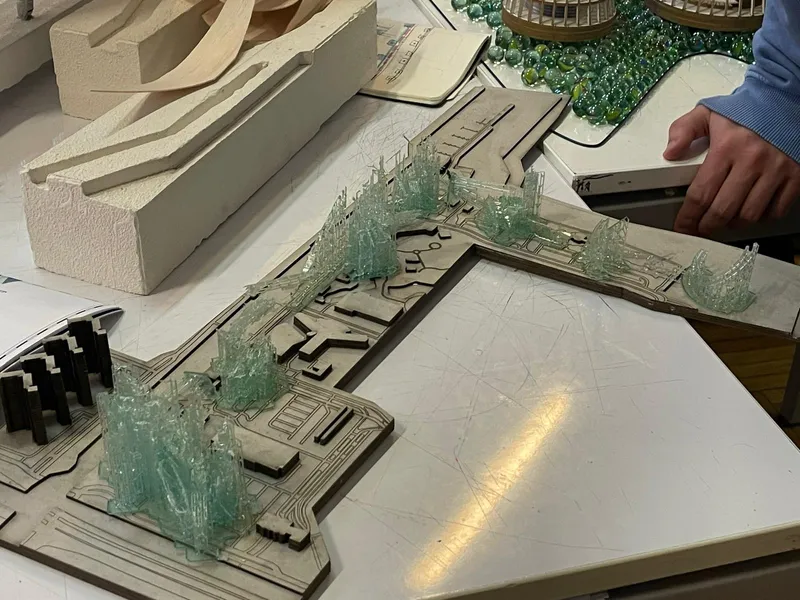
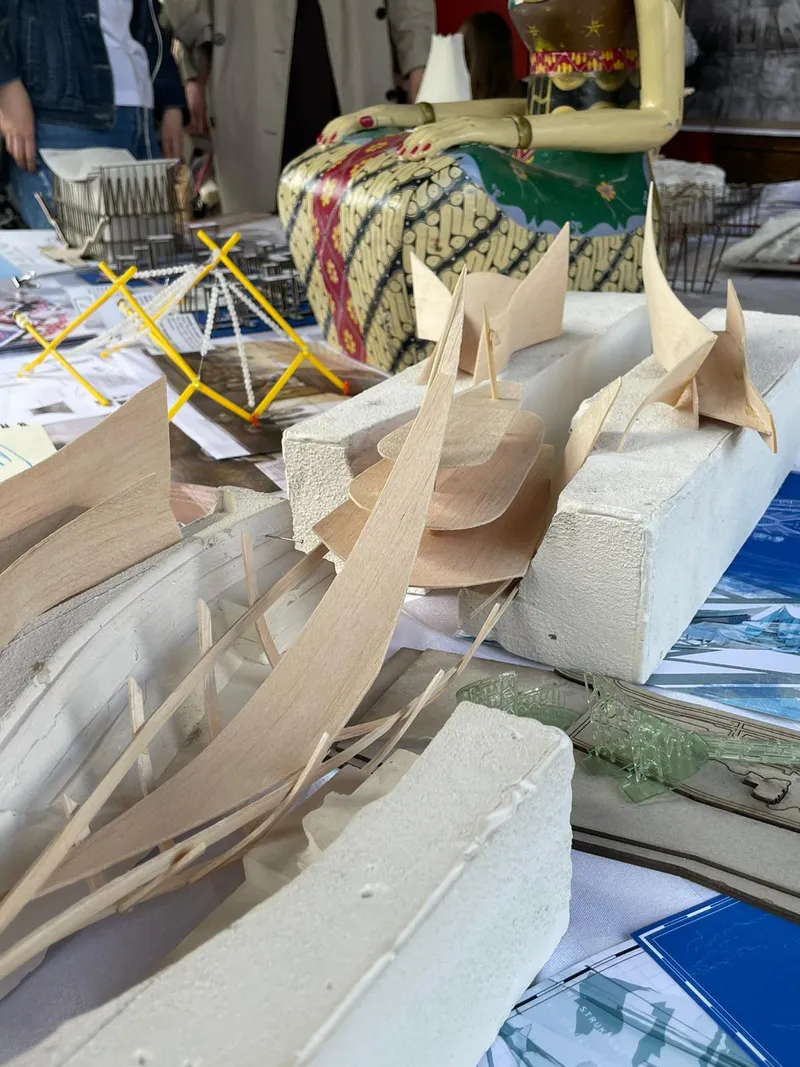
Model photos:



Popular Articles
Popular articles from the community

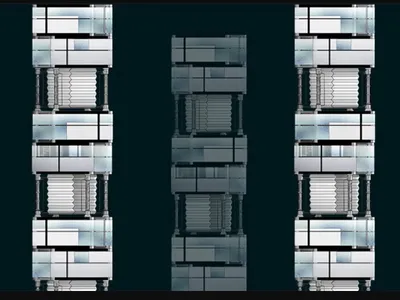
Tsunami Convergenics: Turning Catastrophic Ocean Forces into Underwater Housing Infrastructure
A speculative underwater settlement off the coast of Onagawa, Japan, treats tsunamis and typhoons as energy sources rather than threats.

Manzana Morphosis: Stretching Barcelona's Grid into a Living Landscape for 2050
A radical reworking of the Eixample manzana turns density into a tool for generous public space, vertical ecology, and environmental performance.
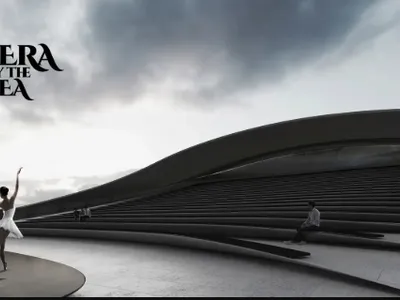
Opera by the Sea Estonia: Three Shells Dissolving Architecture into Tallinn's Coastline
A winning opera house proposal replaces monumental form with interconnected shells that blur the boundary between building, park and Baltic Sea.
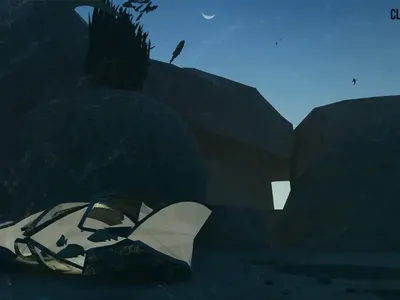
Cloaked Colonization: A Mobile Underwater Habitat That Moves Like a Fish
Micah Abaya's shortlisted EHC Pacific entry reimagines ocean settlement as a dispersed network of self-sustaining architectural organisms.

Similar Reads
You might also enjoy these articles

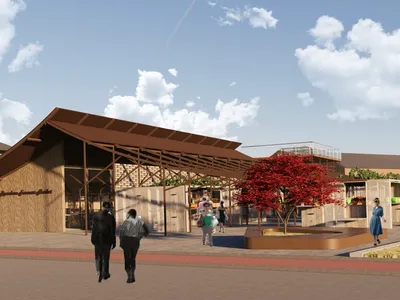
The Rhythm of Seasons
A Farmers' Market Connecting Nature and the City

More Than a Building-Designing a Living System
More Than a Building-Designing a Living System
Base Beyond
DESERT COMPOUND ARID: TOURISM OF ABSENCE AND ABUNDANCE

Explore Space Shipyard Competitions
Discover active competitions in this discipline


Challenge to reimagine the Iron Throne

Photograph architecture without architects

Illustrate the lost glory of Angkor Wat - Render Challenge

Design challenge to reuse E-waste
Comments (0)
Please login or sign up to add comments
No comments yet. Be the first to comment!