

**From Single Family to Duplex House by MWArchitekten
A sustainable renovation transforming a 1960s single-family house into a light-filled, energy-efficient duplex with expanded attic, open circulation, and improved outdoor spaces.


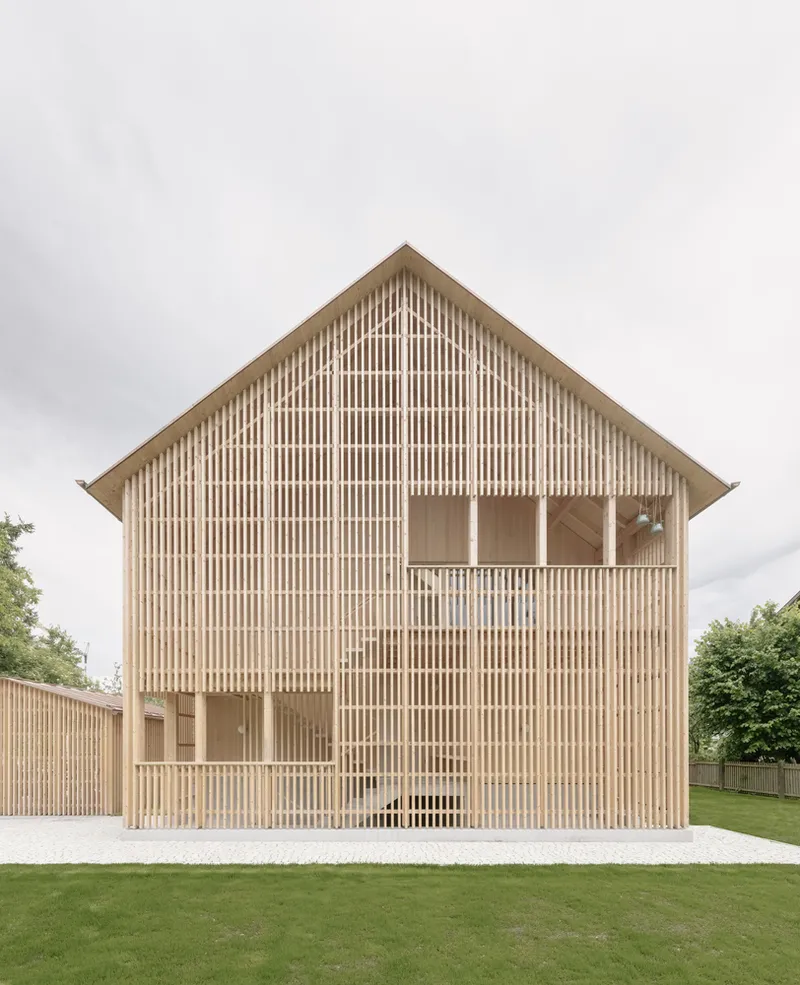
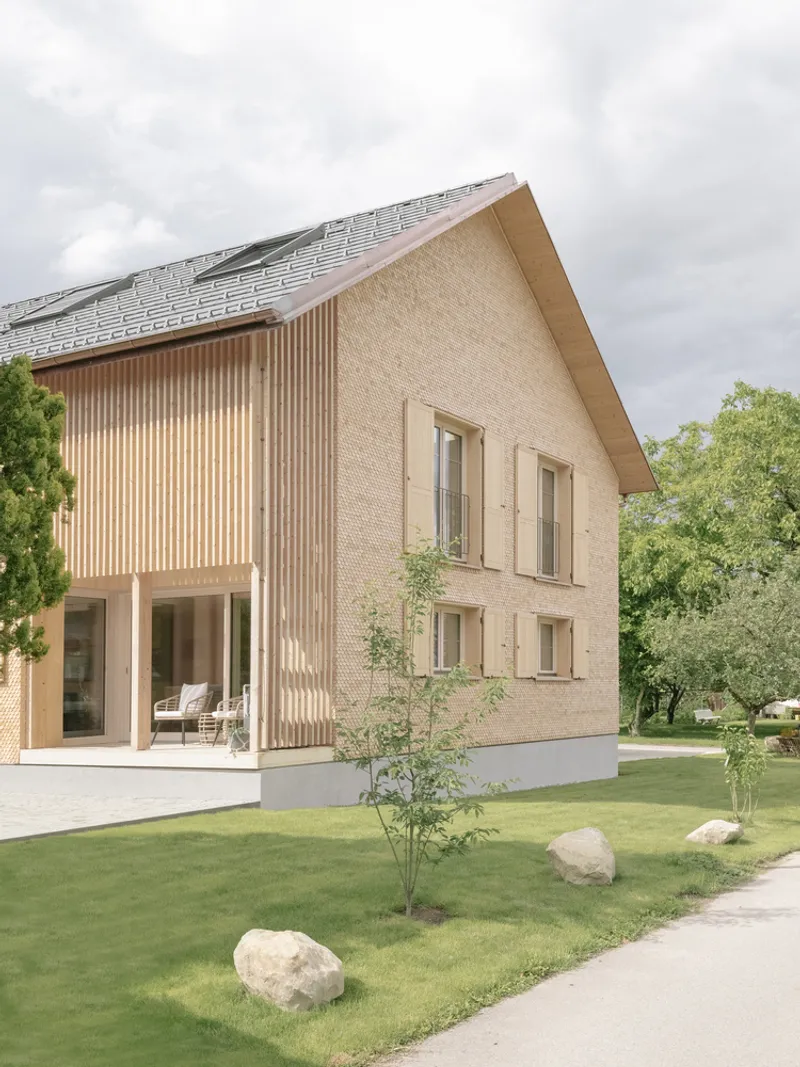
The project “From Single Family to Duplex House” by MWArchitekten transforms a 1960s single-family residence in Austria into a modern, energy-efficient duplex designed for multigenerational living. Rooted in sustainability, redensification, and adaptive reuse, the renovation prioritizes minimal intervention while significantly improving spatial quality and ecological performance.
Project Vision and Context
Responding to the client’s desire for a sustainable and future-proof property, MWArchitekten approached the project with a strong emphasis on resource efficiency and building reuse. Instead of demolishing the existing structure, the architects worked with the original fabric, maintaining its core while strategically expanding it into a functional two-family house.
This decision aligns with Austria’s growing interest in densifying existing residential neighborhoods, reducing land consumption, and enabling flexible family living models.

Sustainable Transformation & Redensification
The renovation integrates thermal upgrades, energy-efficient systems, and improved building performance. The 1960s structure: originally not designed for today’s ecological standards: was thoroughly retrofitted with enhanced insulation, airtight detailing, and modern building services.
By preserving as much of the existing structure as possible, the project reduces embodied carbon and supports circular construction practices, making it an environmentally responsible alternative to new construction.
Architectural Additions and Spatial Reorganization
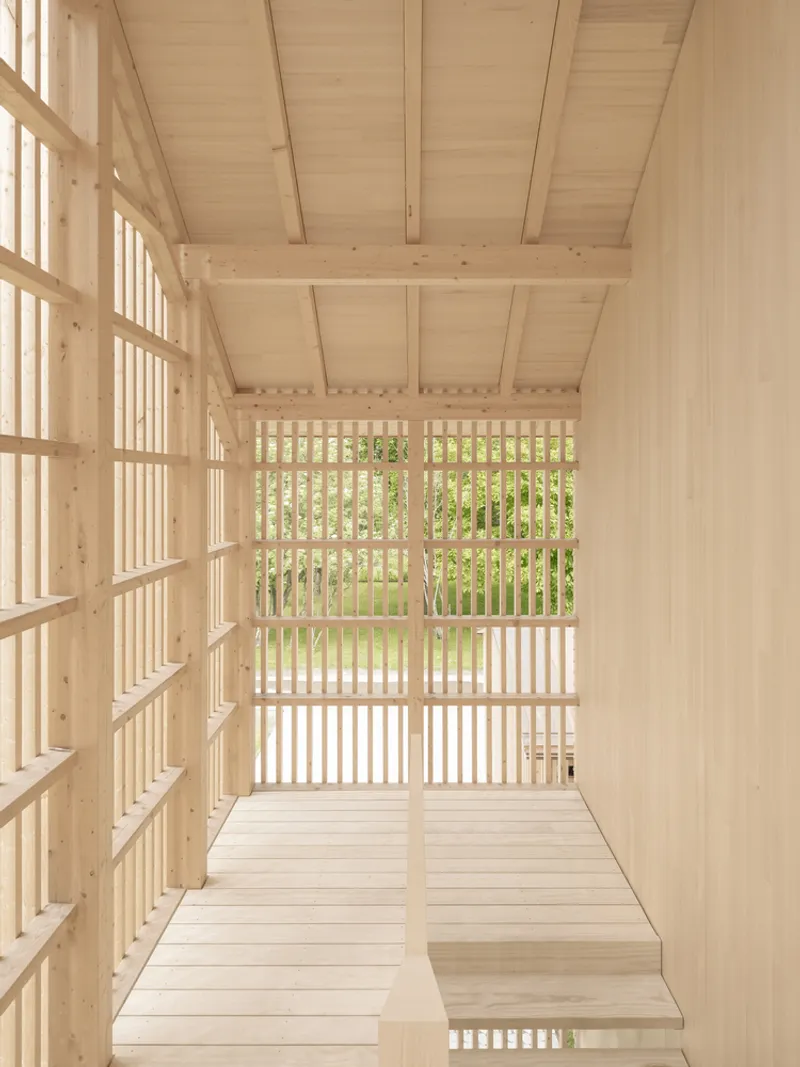
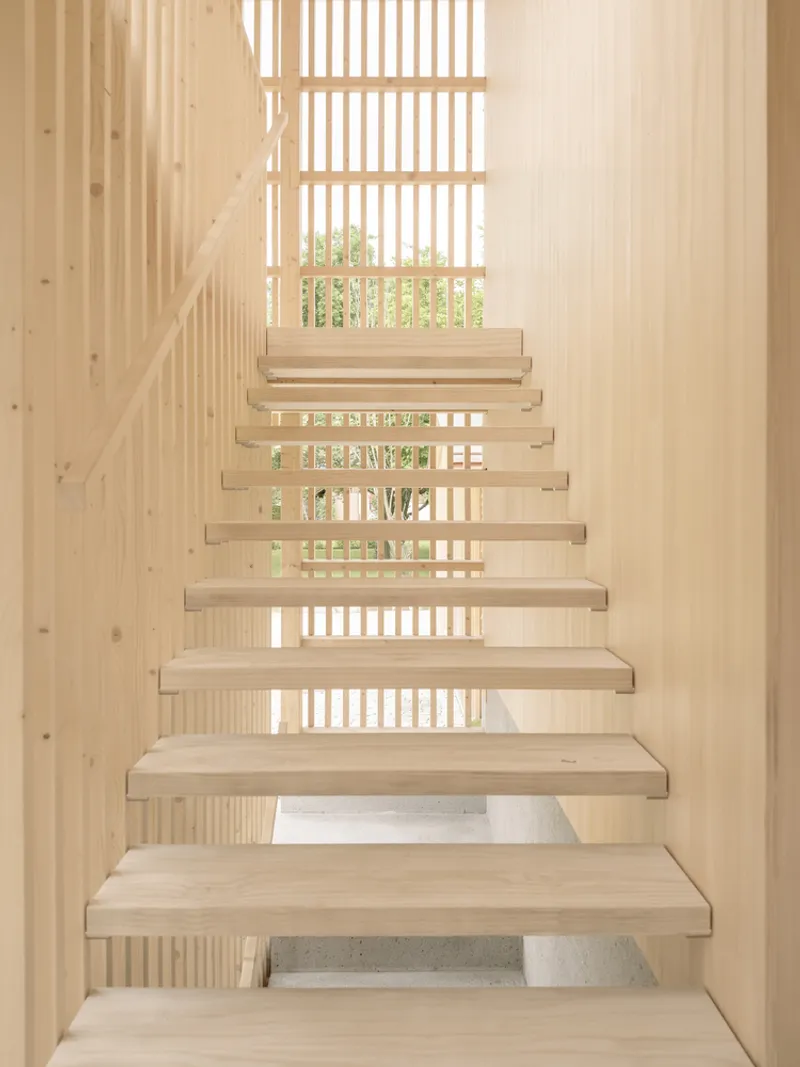
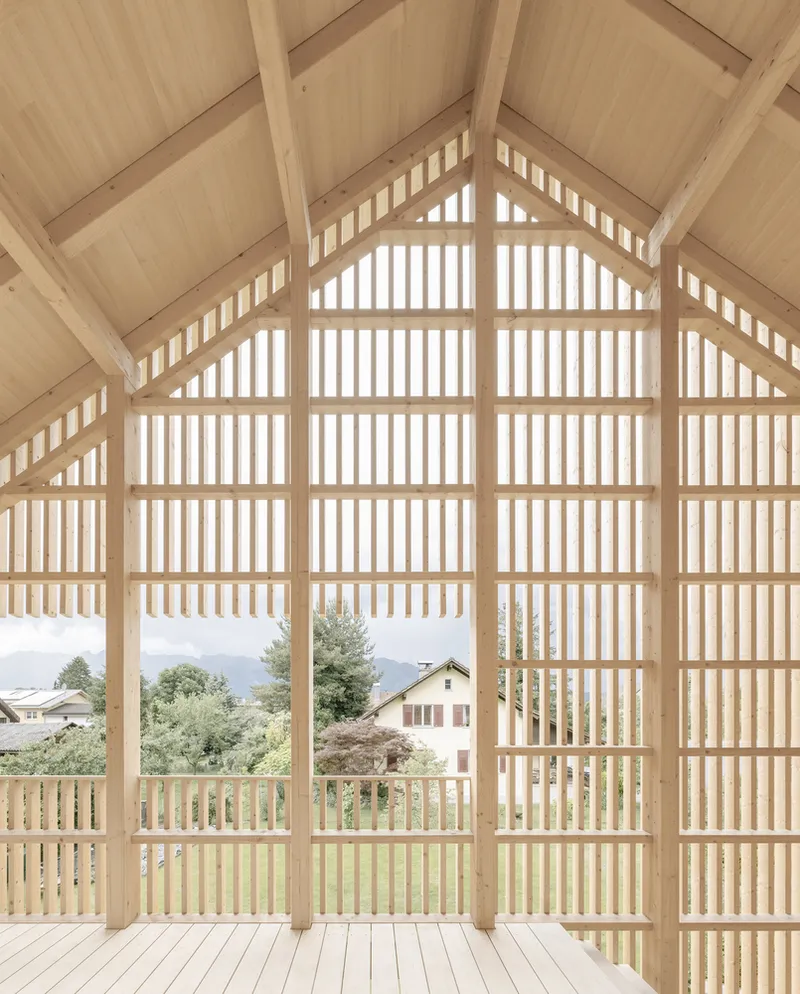
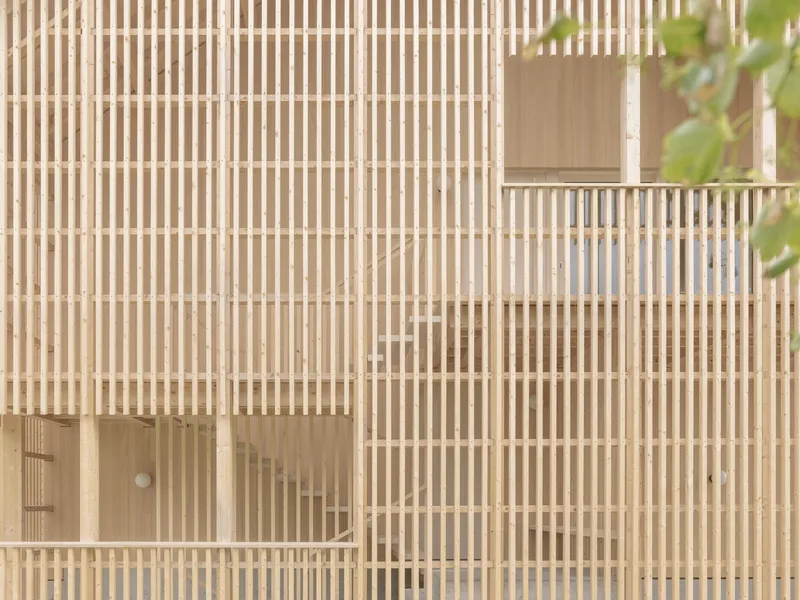
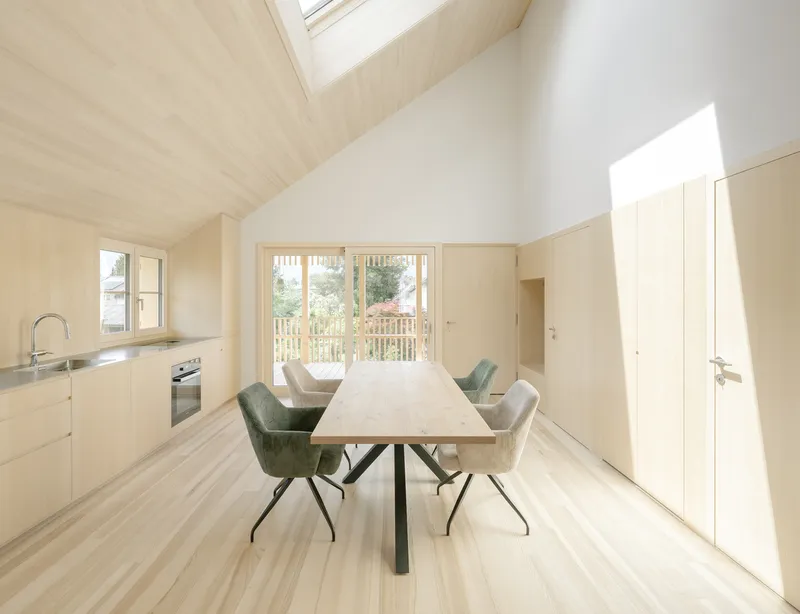
To accommodate two households, MWArchitekten introduced an open staircase, creating a vertical connection that organizes circulation without compromising interior openness. The attic was expanded and restructured into a livable, well-lit floor, offering additional space for the second household.
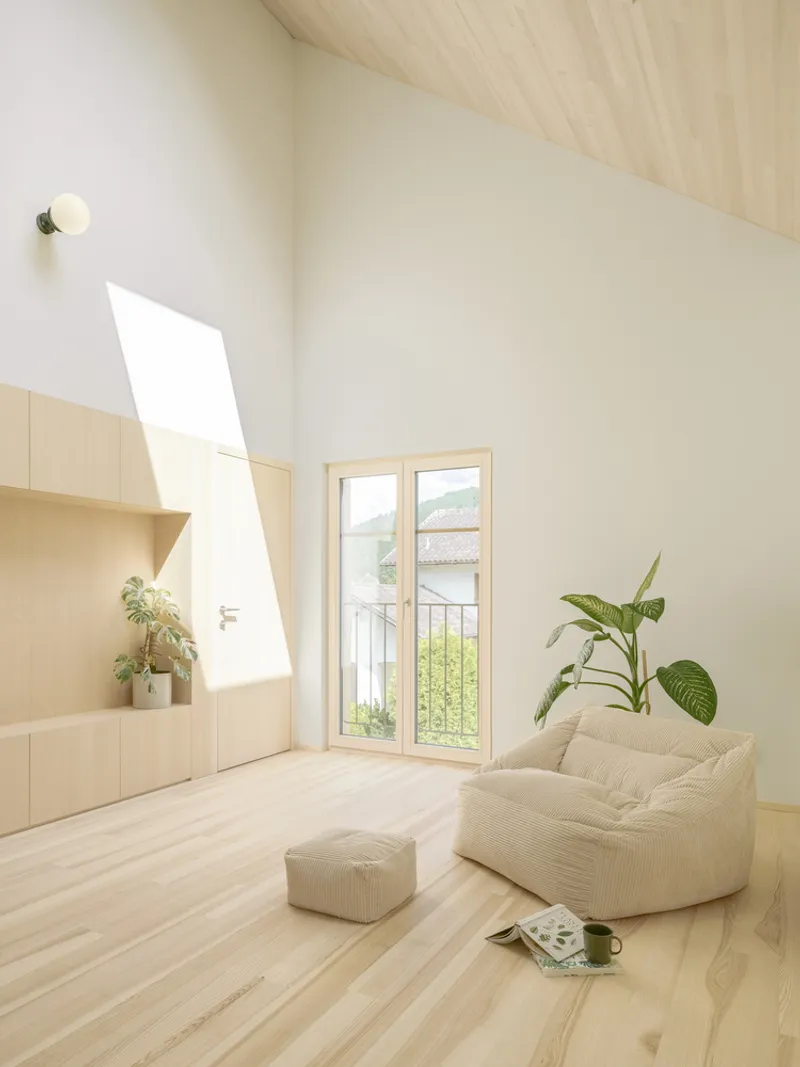
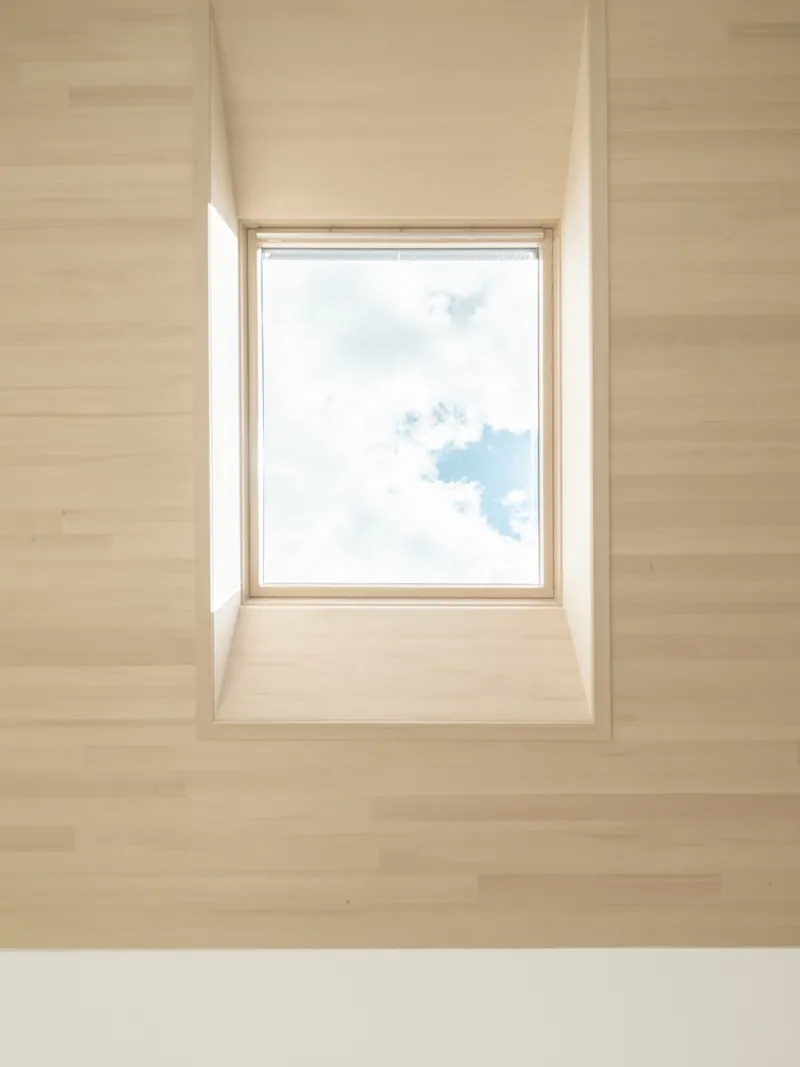
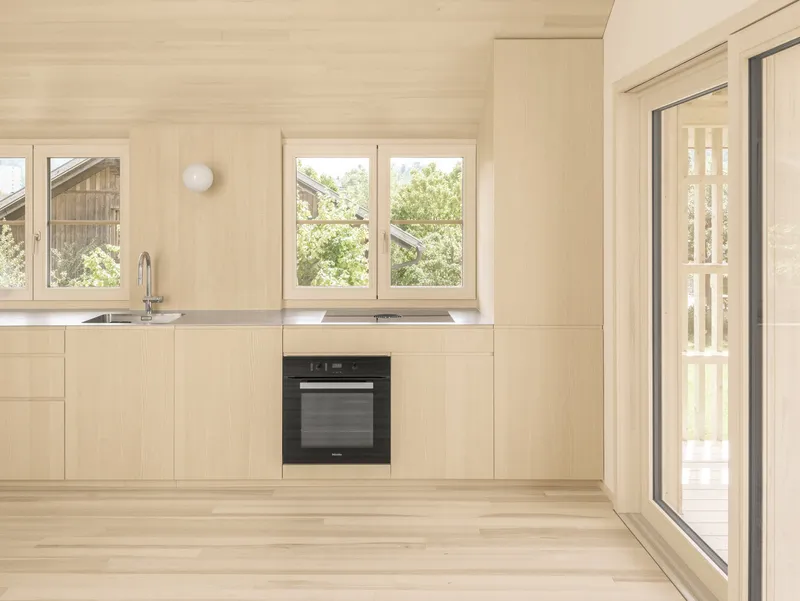
Large windows and carefully placed openings bring natural light deep into the interior, improving comfort and reducing reliance on artificial lighting. The interior: defined by clean lines, warm materials, and efficient layouts, supports modern family lifestyles while maintaining the character of the original house.
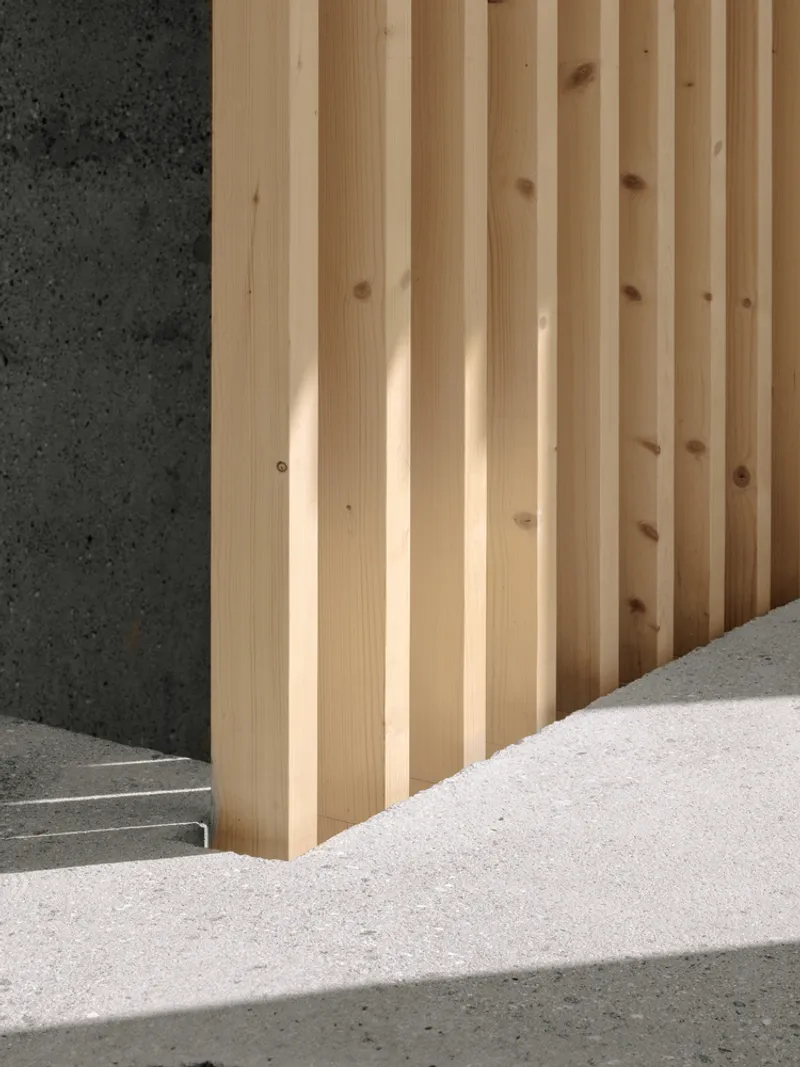
Materiality and Craftsmanship
The project showcases the work of regional craftsmen, including:
- Künzler Joinery for woodwork
- Bechter Best for plumbing
- Phitsanu-Elektro for electrical systems
- Bader Bau as master builder Complementary elements by manufacturers such as Miele, Velux, and Bolichwerke contribute to a contemporary, durable, and functional residential environment.
Exterior Spaces and Access
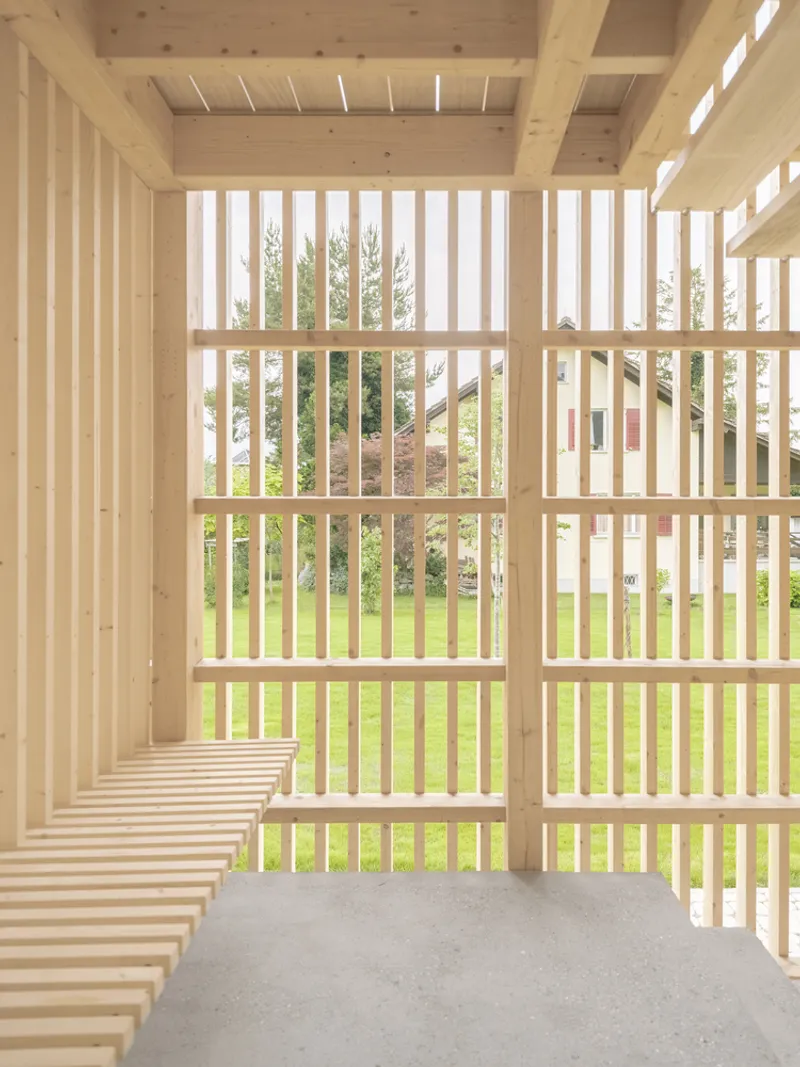
Thoughtfully redesigned outdoor areas enhance both access and everyday living. These semi-private spaces serve as extensions of the indoor environment, supporting relaxation, play, and family gatherings. Their integration completes the renewed building volume, giving the duplex a cohesive presence within its neighborhood context.
A Model for Sustainable Residential Renewal
This project illustrates how adaptive reuse and careful densification can create high-quality, multigenerational housing without excessive resource consumption. MWArchitekten’s intervention demonstrates that past and present can coexist meaningfully, maintaining architectural heritage while adapting to contemporary needs.
All photographs are works of Dominic Kummer


Popular Articles
Popular articles from the community

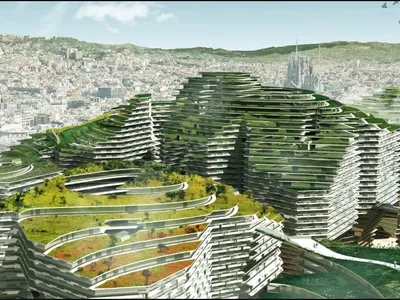
Manzana Morphosis: Stretching Barcelona's Grid into a Living Landscape for 2050
A radical reworking of the Eixample manzana turns density into a tool for generous public space, vertical ecology, and environmental performance.

Singing Woman: An Opera House That Performs Before the Curtain Rises
Ovidiu Cristian Pavel's conceptual opera house translates Estonia's choral identity into a sculpted waterfront landmark facing the Baltic Sea.


ETEH Reworks the Shared Spaces of São Domingos School in Brazil Around Timber, Color and Hanging Plants
At São Domingos School in Brazil, 436 m² of hall, refectory and library are recast with timber joinery, a yellow and blue code and trailing greenery.

The Amber Palace Opera: A Geological Fiction Surfaces on Tallinn's Baltic Waterfront
Pierre Brillard reimagines a Baltic legend as a public landscape, opera house, and waterfront promenade rooted in Tallinn's coastal identity.

Similar Reads
You might also enjoy these articles


Hodi-Mandai Geram
Project Function: Preservation and revitalization of the Intangible heritage and socio-spatial identity of the Hodi by Housing, Cultural Memory Center, Sacred Grove, landscape, local tourism economy


Olio Towers: A Mid-Rise for Performers That Fuses Housing, Rehearsal, and Stage
Located blocks from Houston's Theater District, this modular tower stacks living units around a central performance atrium.

Oasis: Modular Green Housing Carved into Dhaka's Urban Fabric
A shortlisted Plugin Housing entry reclaims unauthorized settlements in Dhaka with stepped concrete volumes, green roofs, and ventilation-driven design.

Black Hole: A Floating Megastructure for the Post-Physical Era
Emiliano Mazzarotto envisions a spherical, self-scaling arena where e-sports, digital hotels, and holographic stadiums replace traditional public space.

Explore Residential Building Competitions
Discover active competitions in this discipline

Challenge to design mud housing for contemporary communities

Challenge to reimagine the Iron Throne

Photograph architecture without architects

Illustrate the lost glory of Angkor Wat - Render Challenge
Comments (0)
Please login or sign up to add comments
No comments yet. Be the first to comment!