

Fushi Auberge by Tezuka Architects: Mastering Japanese Timber Architecture in Nature
Fushi Auberge blends traditional Japanese timber architecture with nature, offering an immersive retreat that celebrates craftsmanship and cultural harmony.


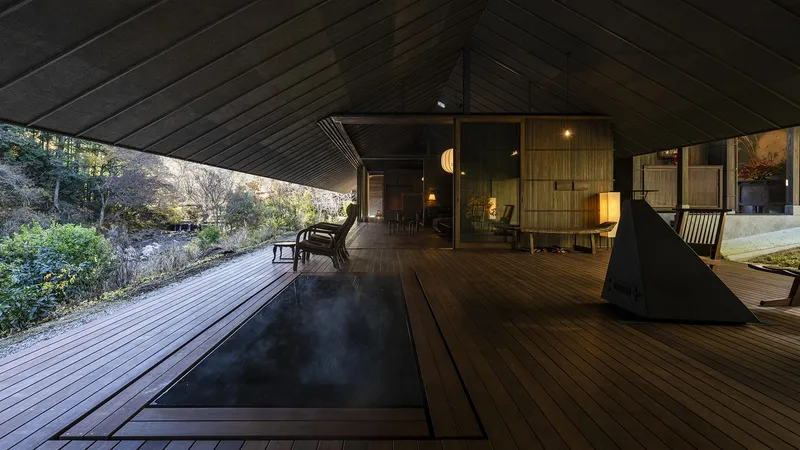
Nestled deep within the serene Akigawa Valley on Tokyo’s western edge, Fushi Auberge by Tezuka Architects exemplifies the harmony of Japanese timber architecture in nature. Completed in 2024, this exclusive auberge caters to only one group per day, offering an immersive experience where architecture and landscape seamlessly coexist.
Location and Concept: Integrating Architecture with Akigawa Valley’s Unique Landscape
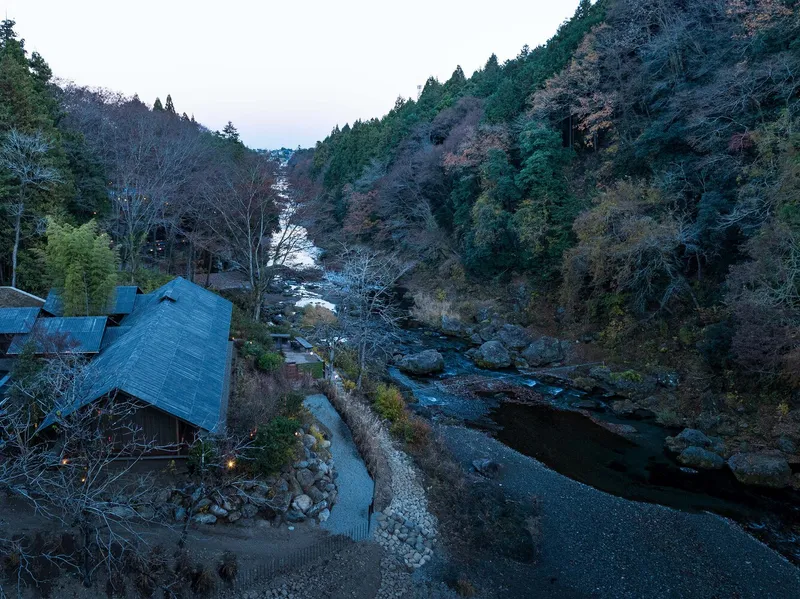
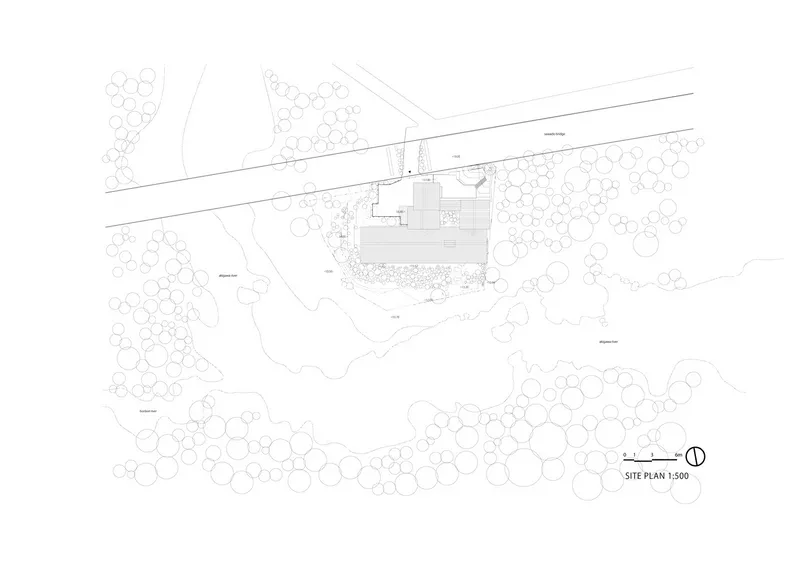
The auberge overlooks the confluence of the Akigawa and Bonbori Rivers, with the natural fortress of Mount Joyama rising to the west. This untouched landscape is a masterpiece of nature, shaped over millennia by clear streams and natural erosion, impossible to recreate by human effort. The site’s profound connection to nature informed every design decision, creating a retreat that reflects the valley’s cultural and climatic essence.
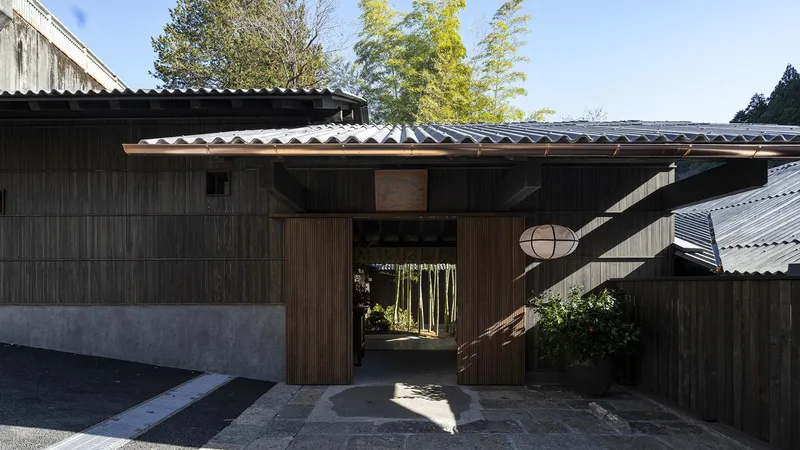
Timber Structure: Traditional Craftsmanship Meets Modern Engineering
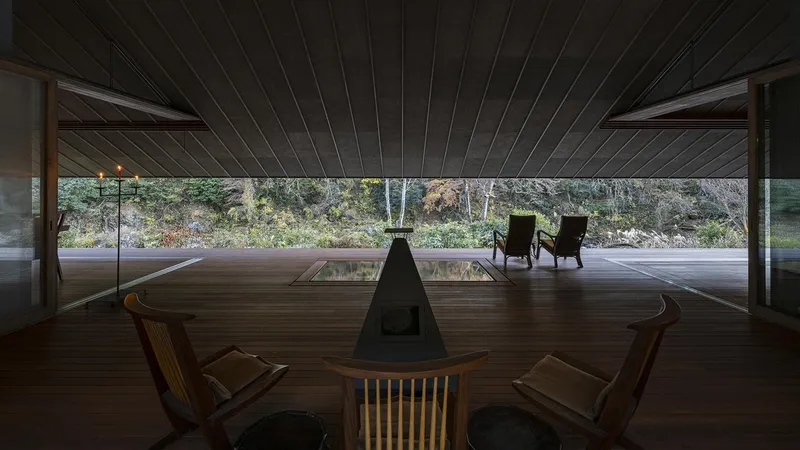
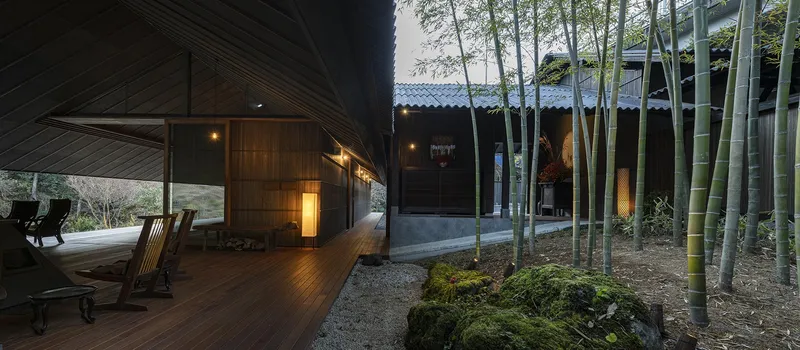
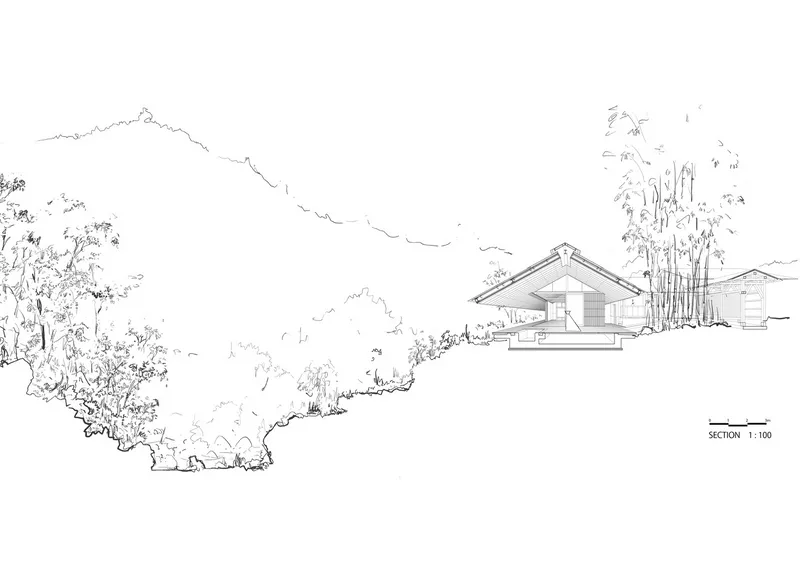
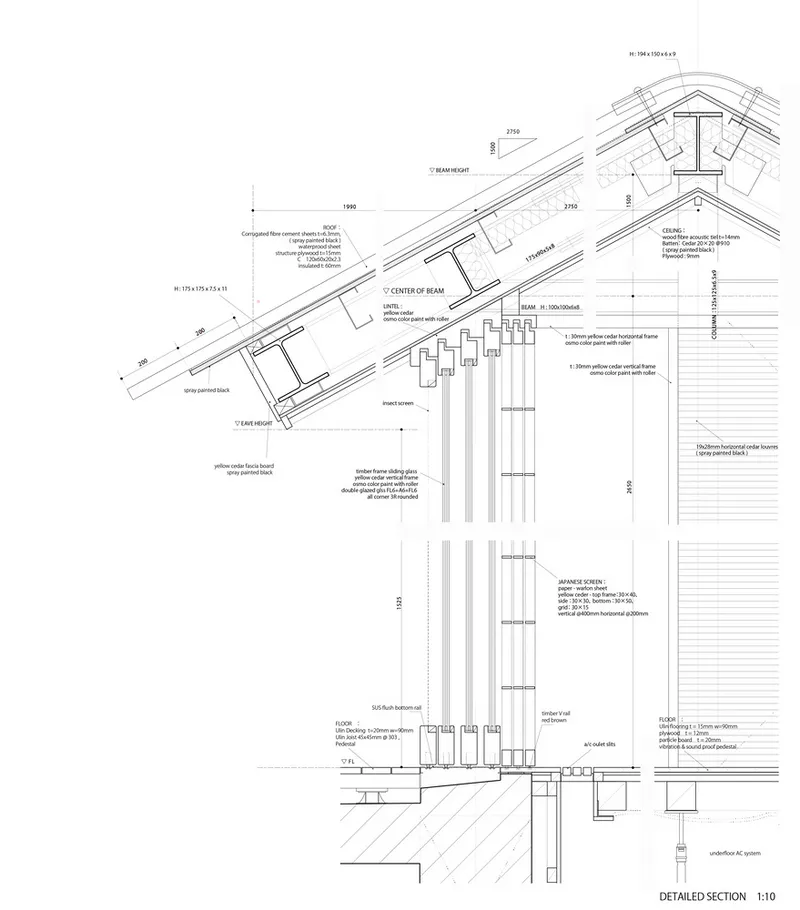
Fushi Auberge is primarily constructed using timber, a hallmark of traditional Japanese architecture, yet incorporates modern engineering innovations. The building’s iconic 33-meter eave extends horizontally without pillars, supported by a carefully designed steel frame that blends engineering precision with the natural aesthetics of wood. This heroic roof rises 1.5 meters from the floor, aligning with the average Japanese eye level to frame the surrounding natural scenery like a living scroll painting.
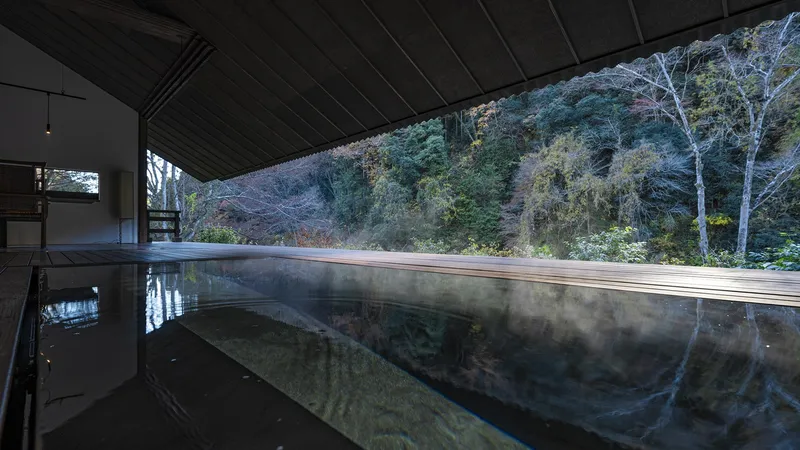
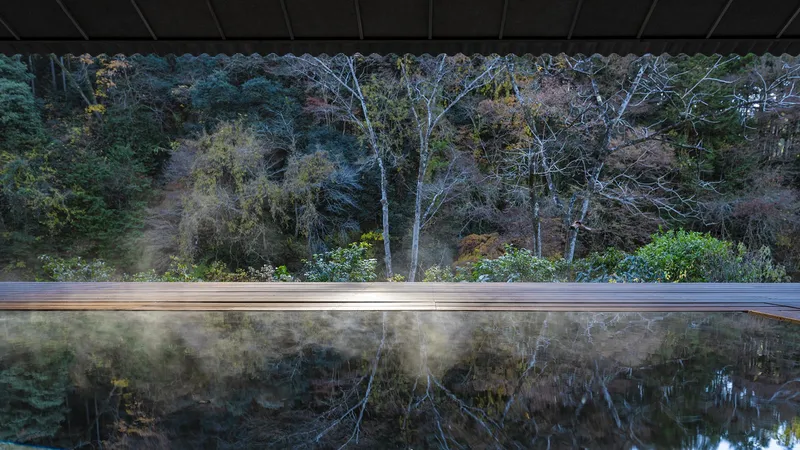
Outdoor Living: Blurring Boundaries Between Interior and Nature
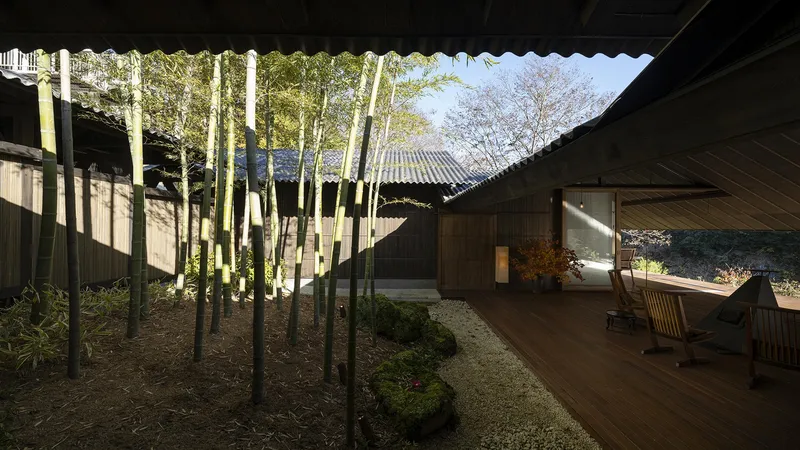
At the heart of the auberge is an expansive outdoor deck, sheltered beneath deep, low-hanging eaves. This "Outdoor Living" space offers panoramic views of the Akigawa Valley landscape and a bamboo grove courtyard, allowing guests to feel the gentle breeze and changing seasons intimately. Inspired by the concept of "Fushi" (Figure of Wind), drawn from Noh Master Zeami Motokiyo’s text Fushikaden, the space functions as a natural Noh stage—open, fluid, and shaped by the elements rather than walls or pillars.
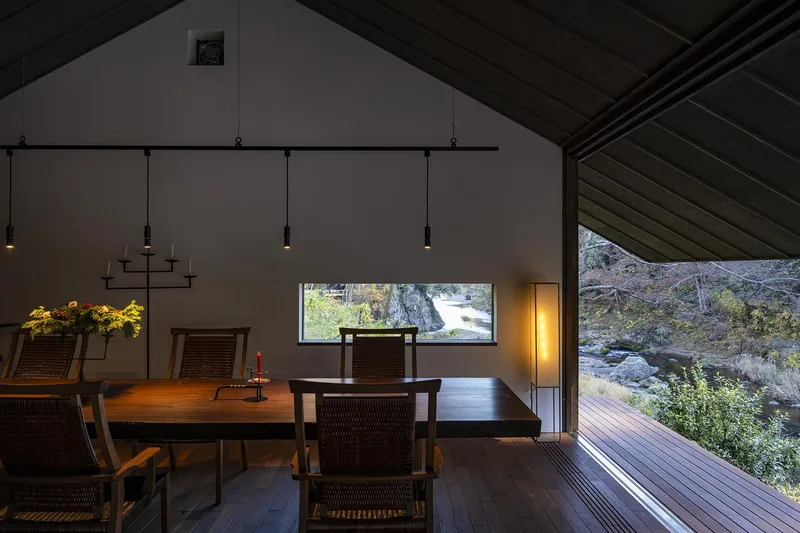
Exquisite Woodwork: Artistry in Every Detail
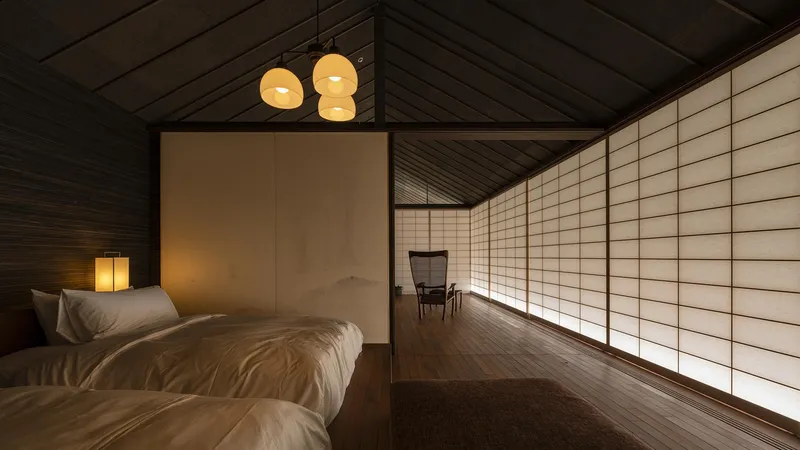
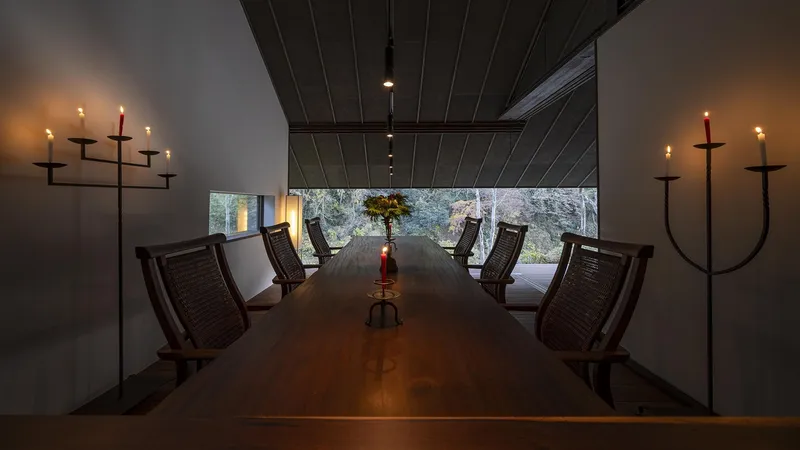
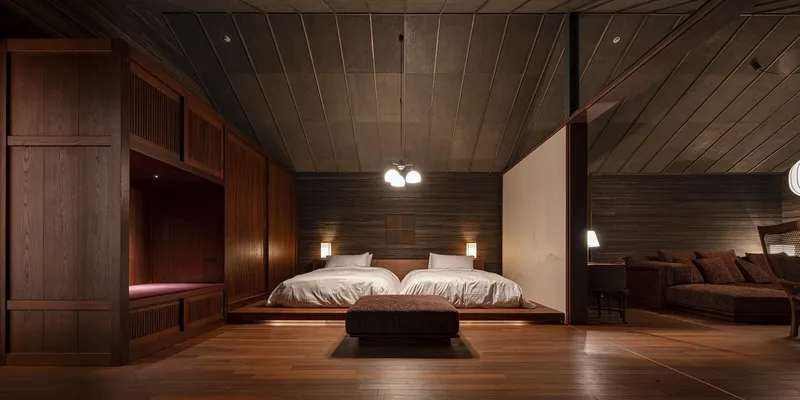
The walls feature over 20,000 cedar wood strips, each precisely 19mm wide with a 1mm gap, arranged vertically on the exterior to channel rainfall and horizontally on the interior to capture airflow. The craftsmanship is impeccable, with no visible nails, emphasizing natural materials and subtle details that highlight the beauty of timber.
Cultural Embodiment: Fusuma Paintings and Architectural Experience
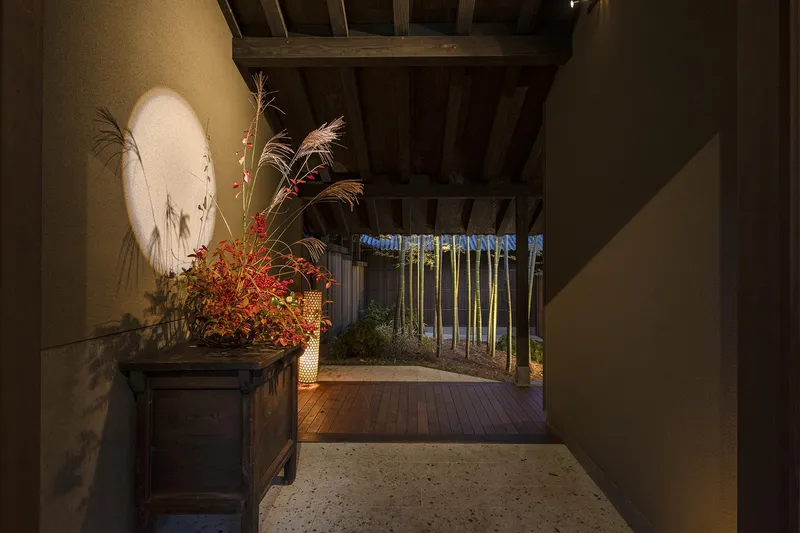
Inside, two original fusuma (sliding screen) paintings—Dawn and Evening—depict fleeting moments of nature’s daily cycle, adding layers of cultural storytelling. This architectural project transcends mere structure, balancing experiential satisfaction with physical integrity. The immersive experience permeates every aspect of the auberge, from cuisine and ceramics to flowers, Noh theater, and gardens, encapsulating the sublime beauty of traditional Japanese culture.
A Living Harmony of Architecture and Nature
Fushi Auberge stands as a testament to Japanese timber architecture’s enduring legacy, enhanced through sensitive modern engineering and profound respect for nature. By integrating timeless craftsmanship, cultural narrative, and the natural environment, Tezuka Architects have created an architectural experience that honors both place and tradition.
All Photographs are works of Kida Katsushida, FOTOTECA


Popular Articles
Popular articles from the community


Opera on the Sea: Driftwood Logic Shapes a Timber Opera House on Estonia's Coast
Trevor Orgill's opera house translates the entangled drift of floating timber into a civic building where wood, water, and music converge.


FCC Arquitectura Expands a Portuguese Granite House with a Board-Marked Concrete Wing
In Portugal, JV House pairs a cleaned-up whitewashed and granite dwelling with a timber-shuttered concrete extension, courtyards and a garden pool.

graciastudio Turns a Viewless Tijuana Lot Inward Around a Courtyard of Concrete, Timber and Trees
In Tijuana, Jorge Gracia's GA2 House stacks a timber-clad private floor over exposed concrete and replaces a missing view with a planted interior patio.

Aquadapt: An Underwater Habitat That Rewrites Its Rooms by the Hour
Curved modules ring the seabed while one shell shifts from breakfast room to cinema, farm and football pitch as residents' needs change.

Similar Reads
You might also enjoy these articles

Cube Design Draws an Ecological Corridor Between Two Shenzhen Hills with the Nankai Building
Beside Shenzhen's container docks, the Nankai Building pairs stacked balconies with a climbing green screen to connect two hillsides across its height.

Praksis A and Studio Sted Bend a Red Timber Cabin Across the Granite of Norway's Southern Coast
On the southern Norwegian coast, a 105 m² cabin follows the rock on slender posts, pairing red cladding outside with pine, brick and plywood within.

David Ortega Stacks a Two-Story Mexico City Penthouse Around a Steel Stair and a Pergola-Shaded Roof Terrace
In Colonia Roma, a 300 m² penthouse uses oak joinery, a planted steel stair and a slatted roof pergola to make a new-build apartment feel like a house.

PARALELA and LB2 Thread a Public Walkway Through the Base of a Las Condes Residential Tower
In Las Condes, Santiago, the Hamlet Building gives its fenceless ground floor to a 70-metre wooded passage linking two streets and the metro.

Explore Architecture Competitions
Discover active competitions in this discipline

Challenge to reimagine the Iron Throne

Photograph architecture without architects

Illustrate the lost glory of Angkor Wat - Render Challenge

Design challenge to reuse E-waste
Comments (0)
Please login or sign up to add comments
No comments yet. Be the first to comment!