
Gabbro Refinería Apartment Building by Ambrosioni Balparda Arquitectos: A Sculptural Residential Design Rooted in Context and Materiality
Contemporary apartment building in Rosario, featuring exposed concrete, interlocking volumes, and green integration for a modern, pedestrian-friendly urban design.


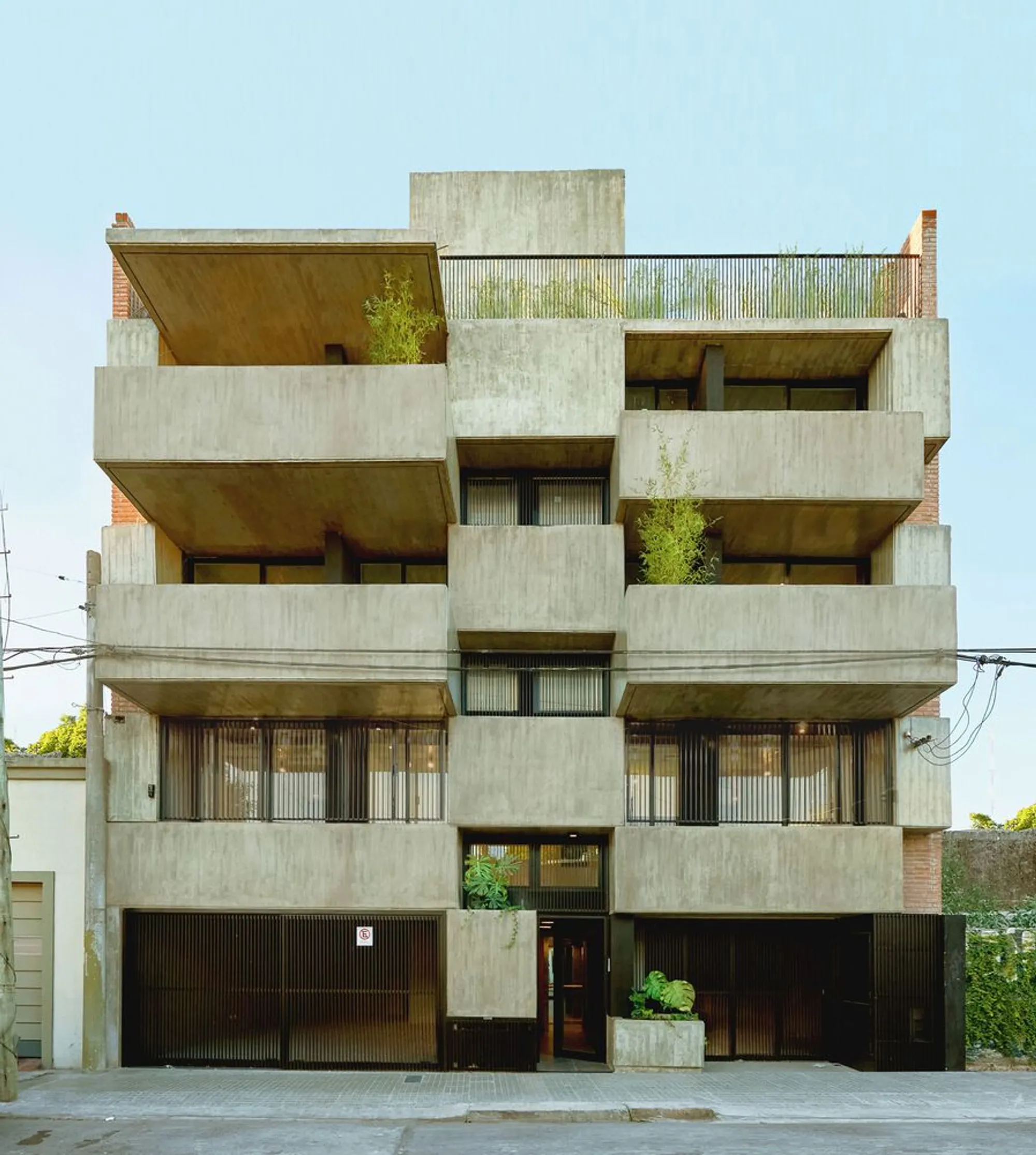
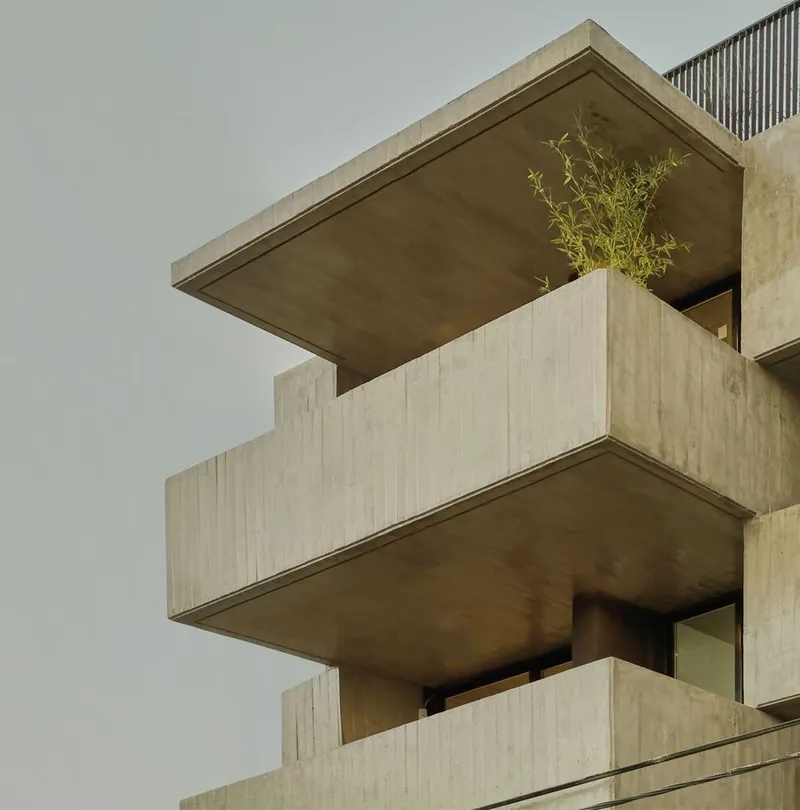
Located in the evolving Refinería neighborhood of Rosario, Argentina, the Gabbro Refinería Apartment Building, designed by Ambrosioni Balparda Arquitectos, redefines the interplay between architectural solidity and urban openness. Completed in 2023 and spanning 438 square meters, this residential project stands as a sculptural yet functional response to its context—integrating exposed concrete, volumetric tension, and organic vegetation into a cohesive design narrative.
Architectural Vision
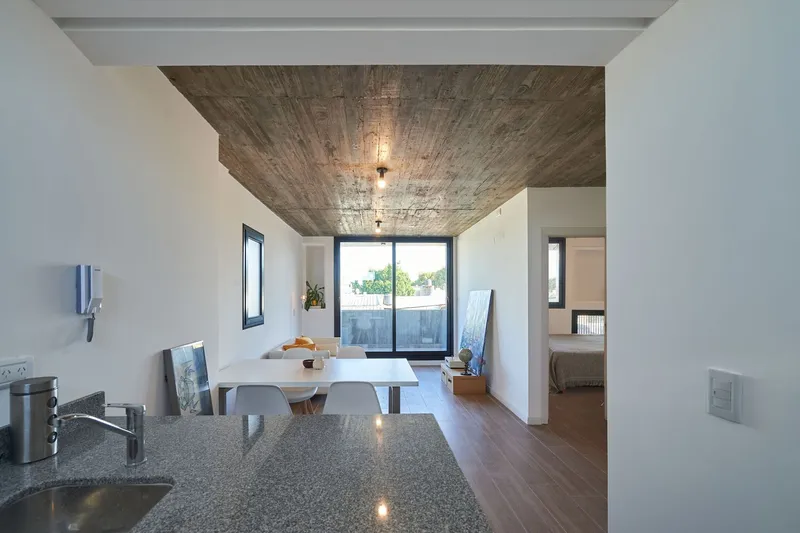
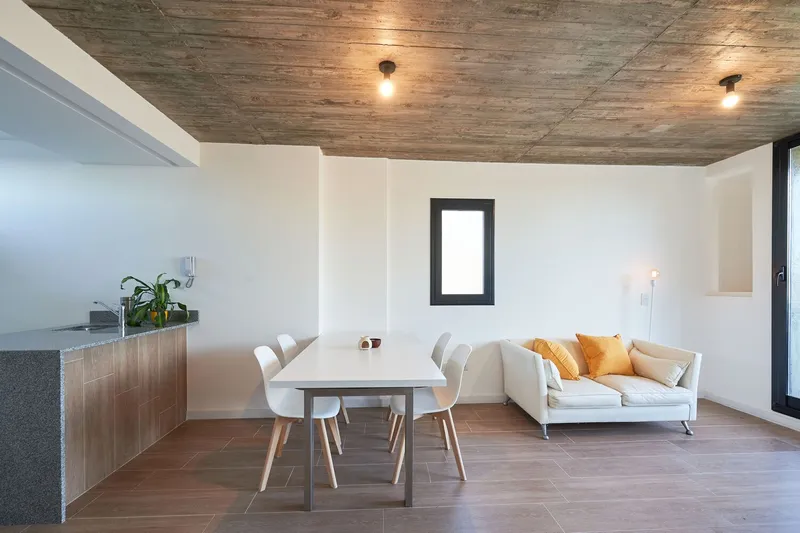
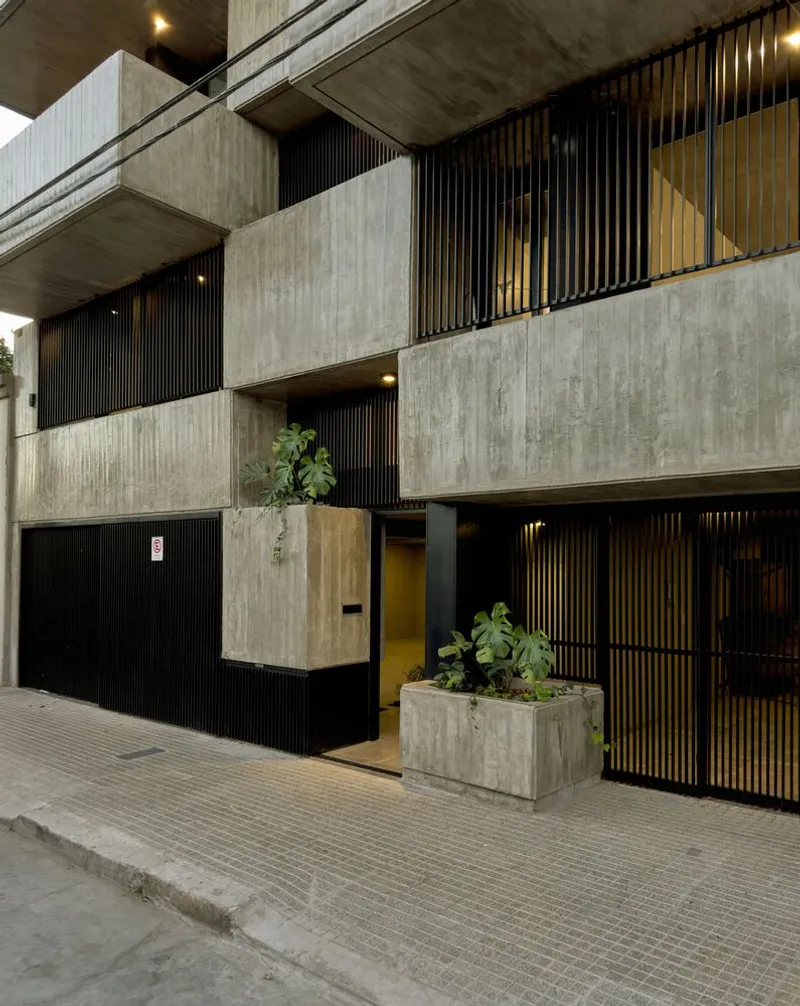
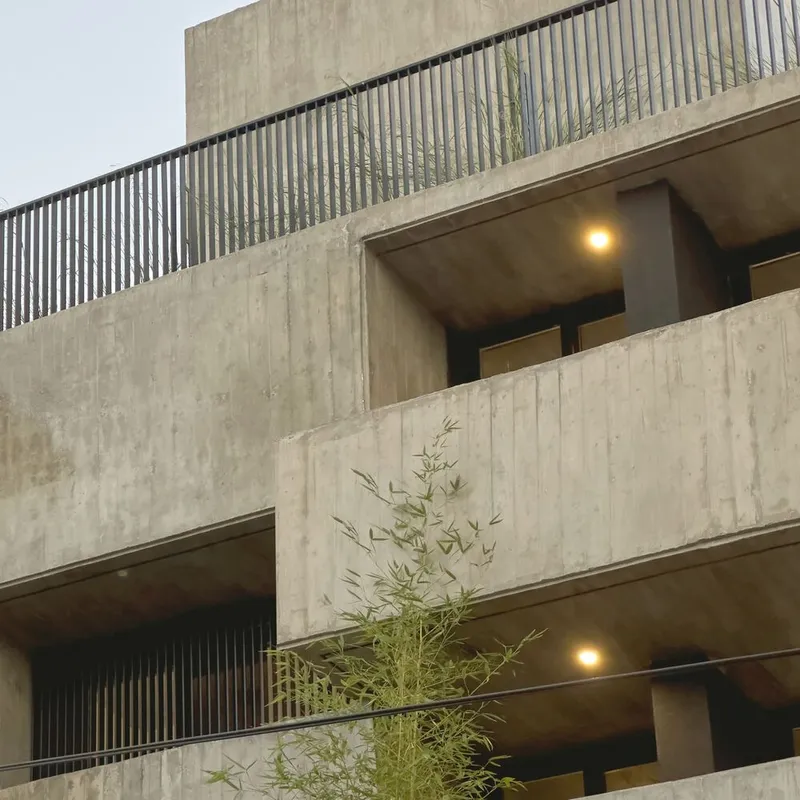
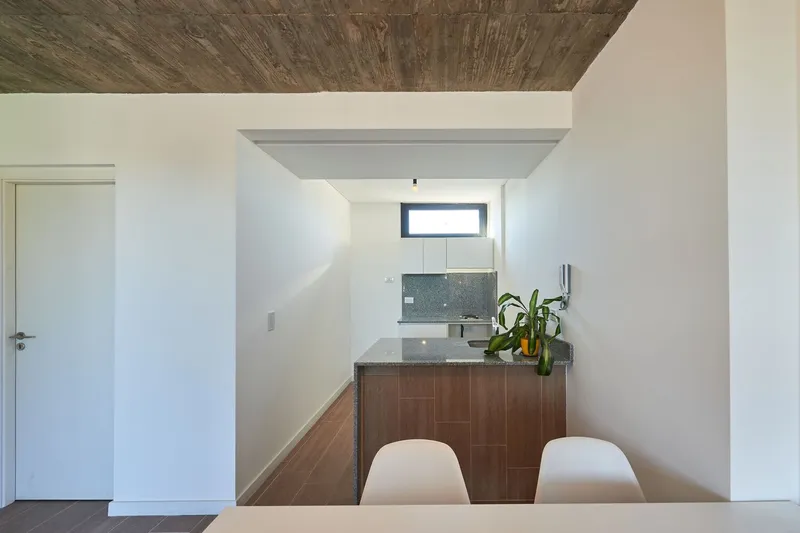
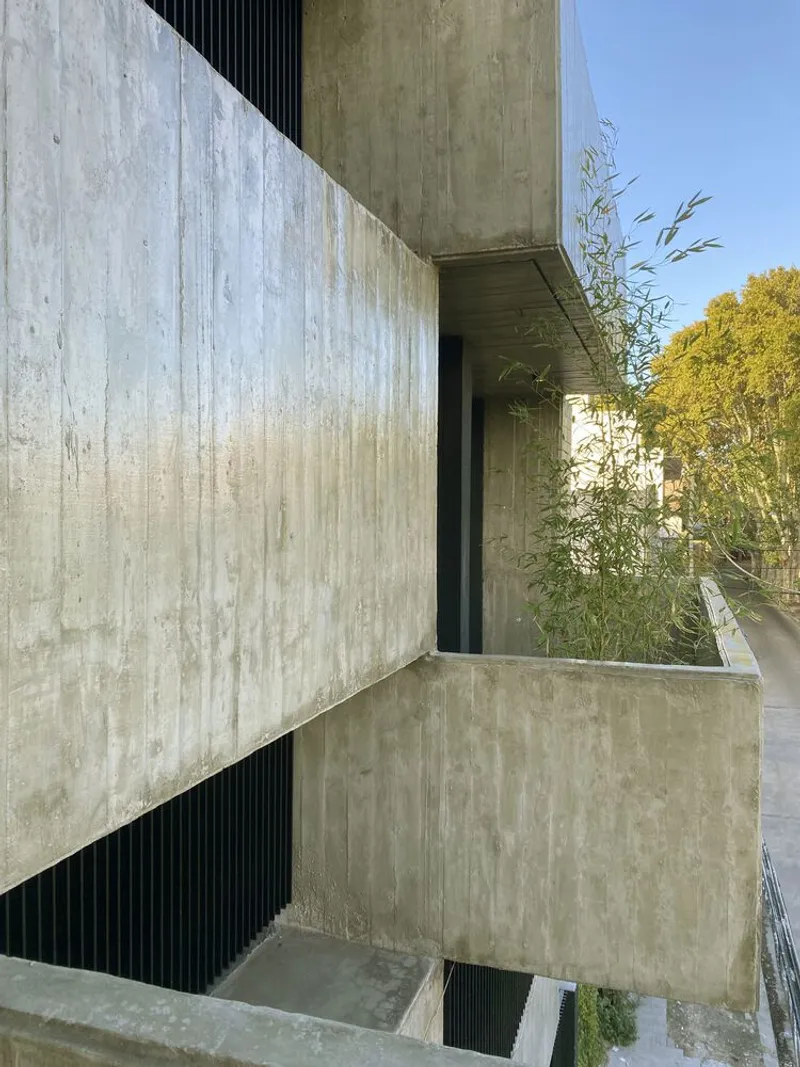
The building comprises a ground floor and three upper levels, linked by both an elevator and an open staircase. Rather than adhering to conventional layouts, the structure plays with massing and voids. The architects introduced interlocking volumes that eliminate the need for traditional columns, allowing for fluidity in both structure and spatial experience.
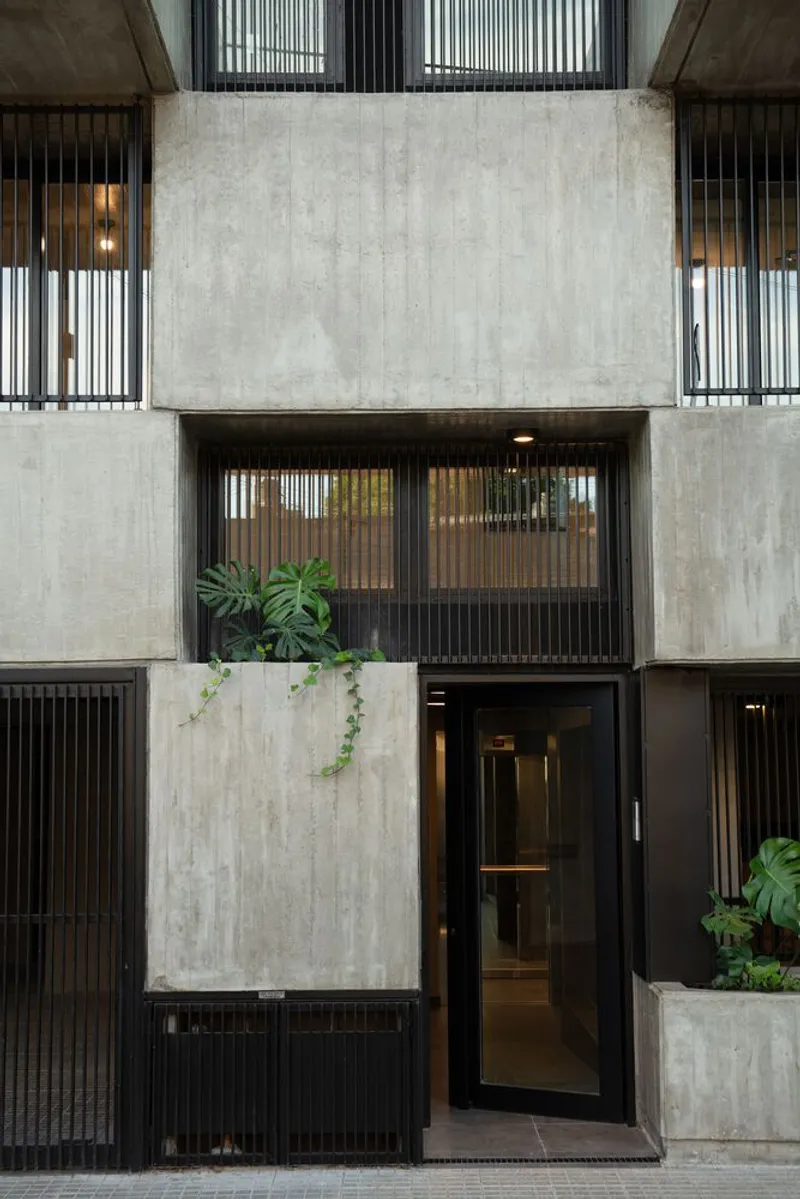
This design strategy results in unique façade configurations, where solid forms and open spaces negotiate presence and permeability. By reversing structural logic, the architects place heavier volumes at the top, allowing the building to visually and physically lighten toward the street level, thereby creating a pedestrian-friendly interface.
Material Expression: Exposed Concrete
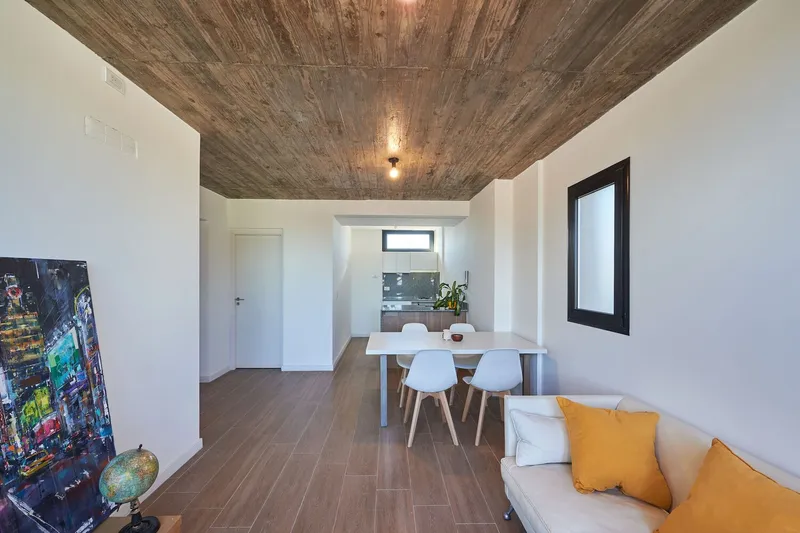
A defining feature of the project is its extensive use of exposed concrete, chosen for its timeless character and capacity to age gracefully. This raw materiality reflects a desire for authenticity and durability, allowing the building to mature naturally alongside its environment.
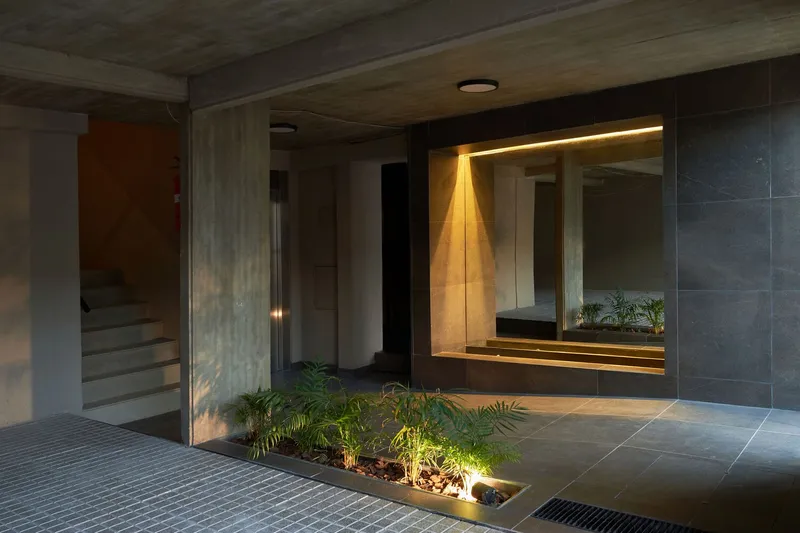
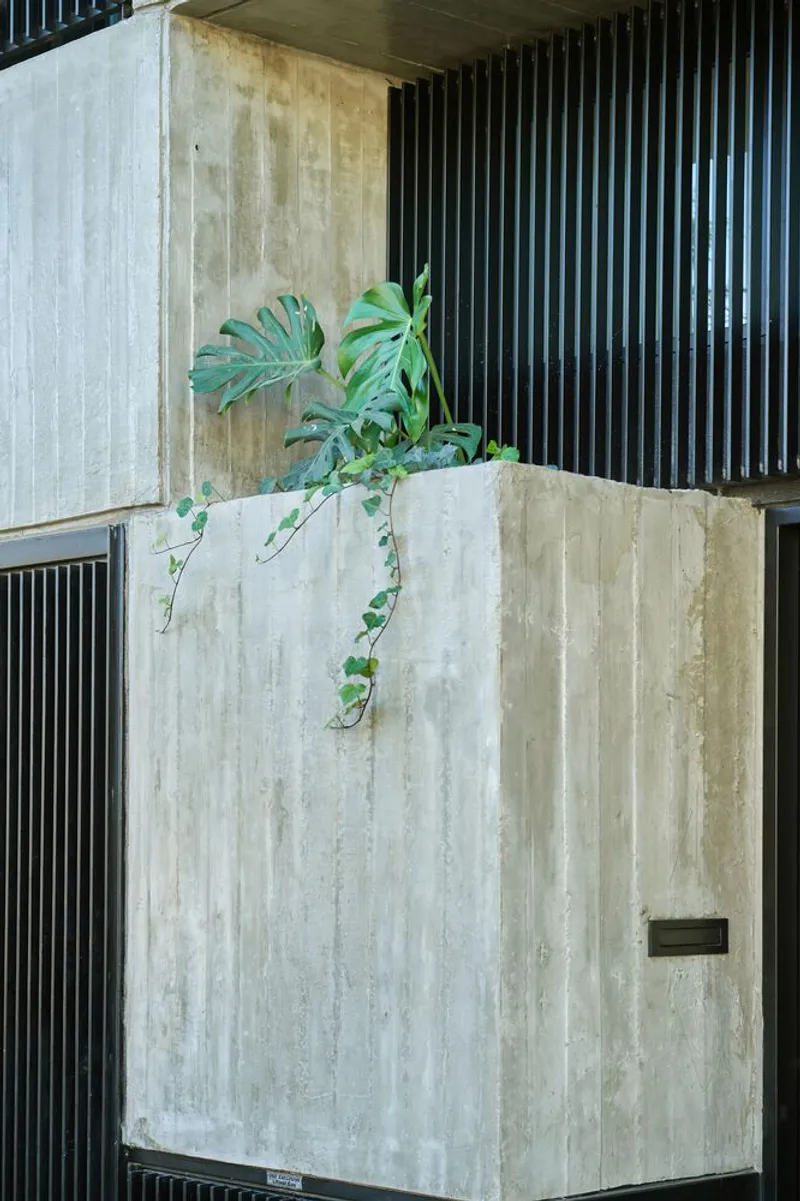
The rigid structure harmonizes with integrated greenery, offering a contrast between brutalist mass and soft natural forms. This balance establishes a welcoming atmosphere within an otherwise solid, monumental design.
Environmental Interaction
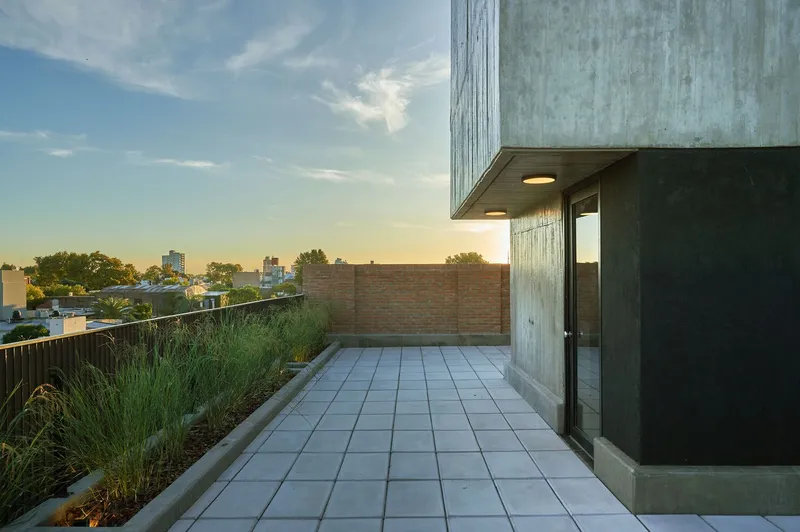
Gabbro Refinería doesn’t isolate itself from its setting—it embraces and enhances it. The integration of plants throughout the design softens the presence of concrete, forging a strong link between built and natural environments. This balance of filled and empty spaces fosters an ongoing dialogue between the architecture and its surroundings.
The Gabbro Refinería Apartment Building is a study in architectural tension and harmony—where rigid materials and open volumes coexist with light, nature, and community presence. Ambrosioni Balparda Arquitectos successfully reframe residential typologies with a strong yet welcoming architectural language that resonates with both permanence and adaptability.
All the photographs are works of Guillermo Semino, Sebastìan Centanni




Popular Articles
Popular articles from the community


Co-Life: Senior Housing Design That Reconnects Older Adults With the City
Co-Life reimagines senior housing design through healing gardens, shared streets, workshops, and a sustainable community across generations.

The Ocean Hive: Sustainable Architecture for a Self-Sufficient Civilization at Sea
The Ocean Hive imagines sustainable architecture at sea, where modular habitats, algae, wave power and ocean waste sustain a growing colony.

Conexión: Biophilic Design Reimagines High-Rise Living in Hong Kong
Conexión reimagines high-rise living in Hong Kong through biophilic design, green facades, shared spaces, daylight, water and nature within.

The Musturak Paradise: Senior Living Architecture for a Connected Future in Temara, Morocco
The Musturak Paradise reimagines senior living architecture in Temara via private homes, social spaces, culture, community, and shared care.


Similar Reads
You might also enjoy these articles


Hodi-Mandai Geram
Project Function: Preservation and revitalization of the Intangible heritage and socio-spatial identity of the Hodi by Housing, Cultural Memory Center, Sacred Grove, landscape, local tourism economy


Olio Towers: A Mid-Rise for Performers That Fuses Housing, Rehearsal, and Stage
Located blocks from Houston's Theater District, this modular tower stacks living units around a central performance atrium.

Oasis: Modular Green Housing Carved into Dhaka's Urban Fabric
A shortlisted Plugin Housing entry reclaims unauthorized settlements in Dhaka with stepped concrete volumes, green roofs, and ventilation-driven design.

Black Hole: A Floating Megastructure for the Post-Physical Era
Emiliano Mazzarotto envisions a spherical, self-scaling arena where e-sports, digital hotels, and holographic stadiums replace traditional public space.

Explore Residential Building Competitions
Discover active competitions in this discipline


Challenge to design mud housing for contemporary communities


Challenge to reimagine the Iron Throne


Photograph architecture without architects


Illustrate the lost glory of Angkor Wat - Render Challenge
Comments (0)
Please login or sign up to add comments
No comments yet. Be the first to comment!