
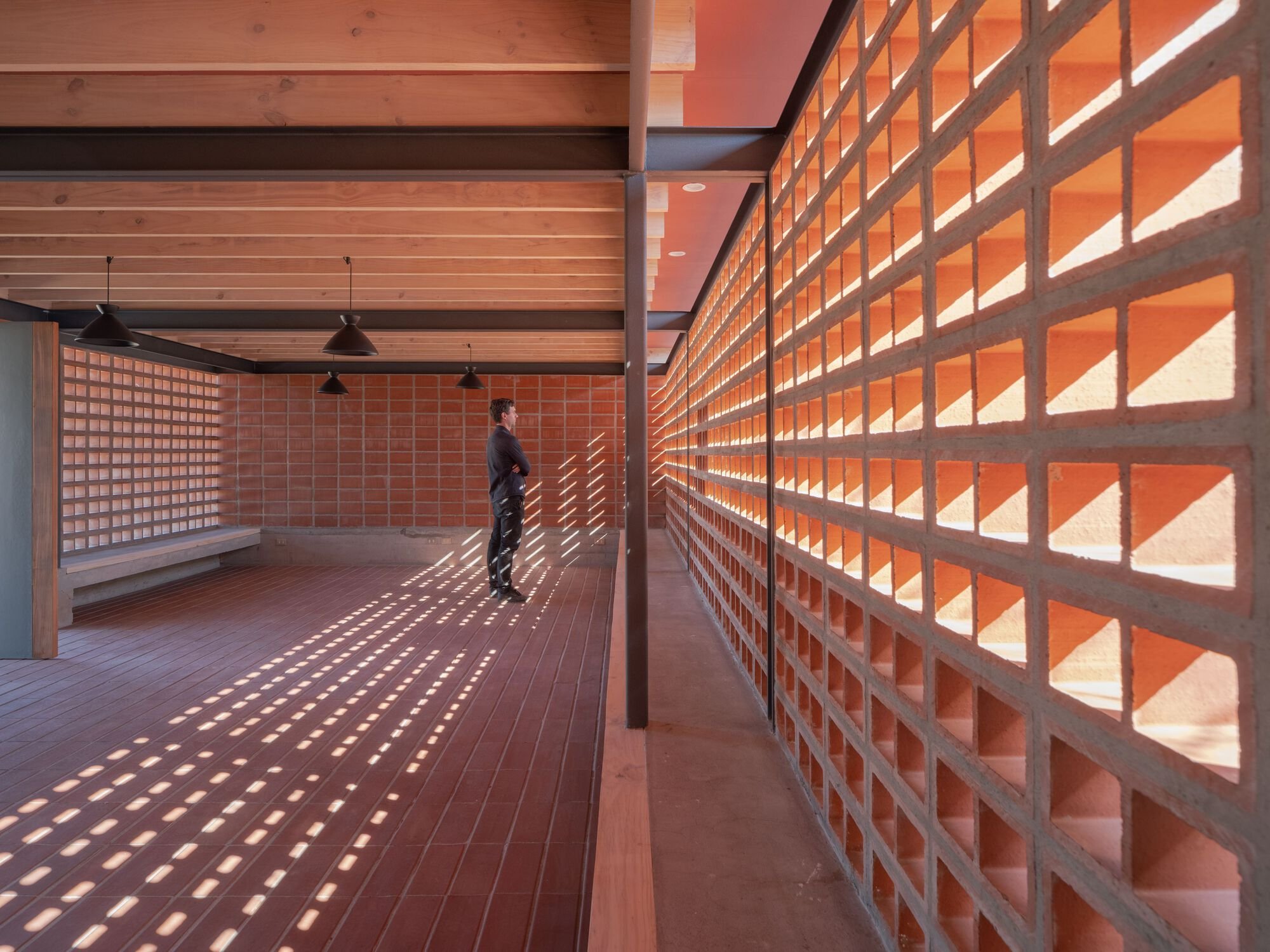
Gardeners’ Pavilion, Club Hípico de Santiago by Valdivieso Arquitectos
A brick lattice pavilion in Santiago offering gardeners shaded rest, filtered daylight, and dignity through economical, human-centered architectural design

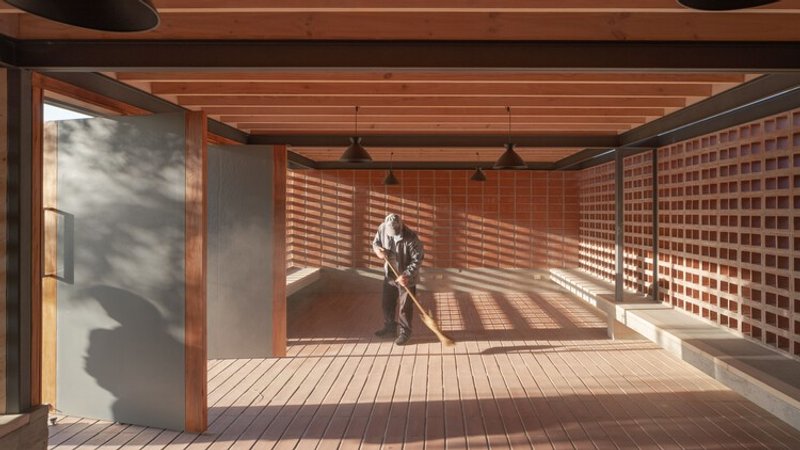
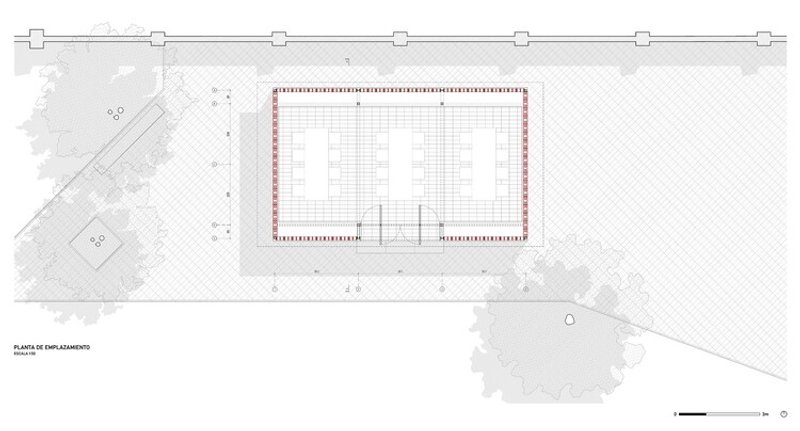
Located in Santiago, the Gardeners’ Pavilion at the historic Club Hípico de Santiago is a modest yet powerful example of architecture shaped by care, economy, and human dignity. Designed in 2021 by José Ignacio Valdivieso and his team, the 60 m² pavilion provides a shaded resting and dining space for the racetrack’s maintenance workers.
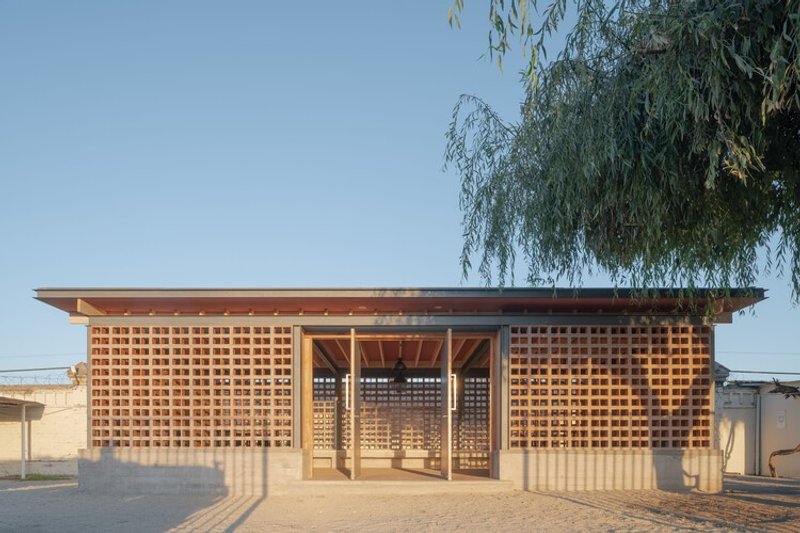
Conceived during the economic constraints of the pandemic, the project demonstrates how thoughtful design can transform limited resources into meaningful architectural experiences.
Context: Heritage, Labor, and Landscape
The Club Hípico de Santiago is one of Latin America’s most important racetracks, renowned for its architectural legacy associated with Josué Smith Solar and its 1,200-meter-long grass track.
Maintaining this vast landscape is a daily task carried out by around 30 gardeners, who work under intense sunlight for long hours. For decades, their only shelter was the shade of a vine. Over time, this natural refuge disappeared, leaving only its memory.
The pavilion emerges as an architectural response to this loss, reinterpreting the vine as built shade.
A Pavilion Born from Necessity
In 2021, amid financial uncertainty and rising construction costs, the Club commissioned a lunchroom for its gardeners. The brief demanded:
- Minimal budget
- Low maintenance
- Durable materials
- Comfortable resting space
- Rapid construction
Rather than compromising on quality, the architects embraced constraints as a design opportunity, resulting in a highly refined yet economical structure.
The Vine as Architectural Concept
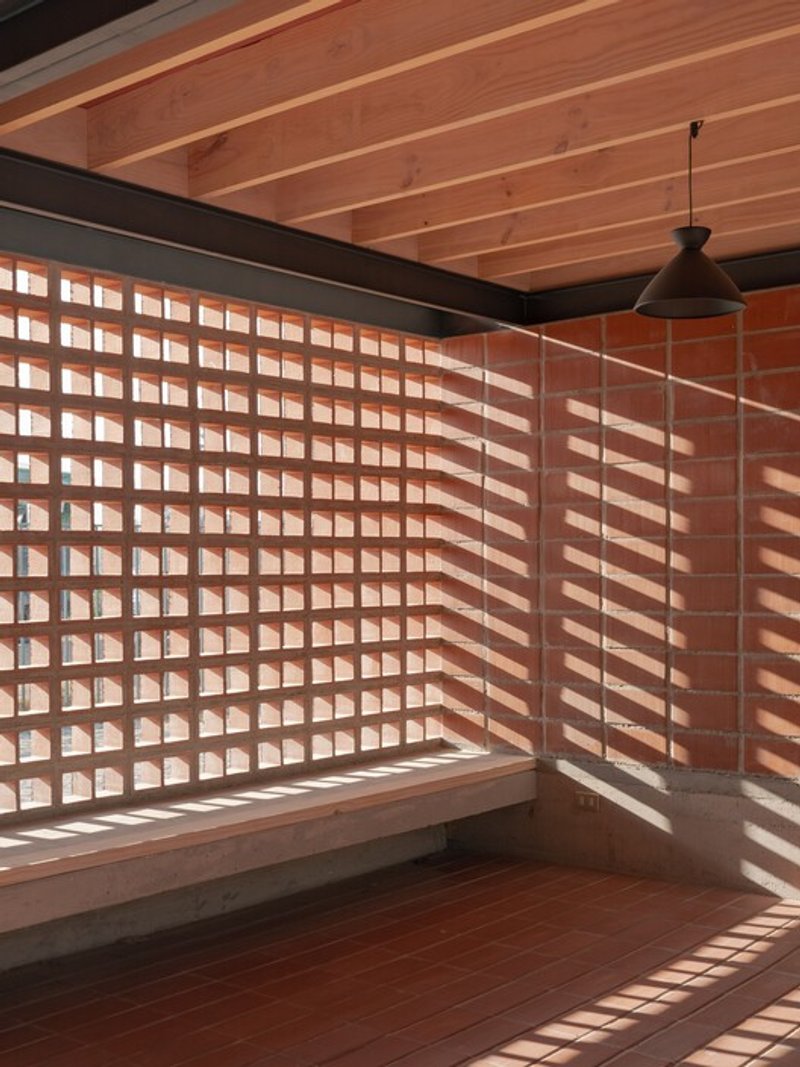
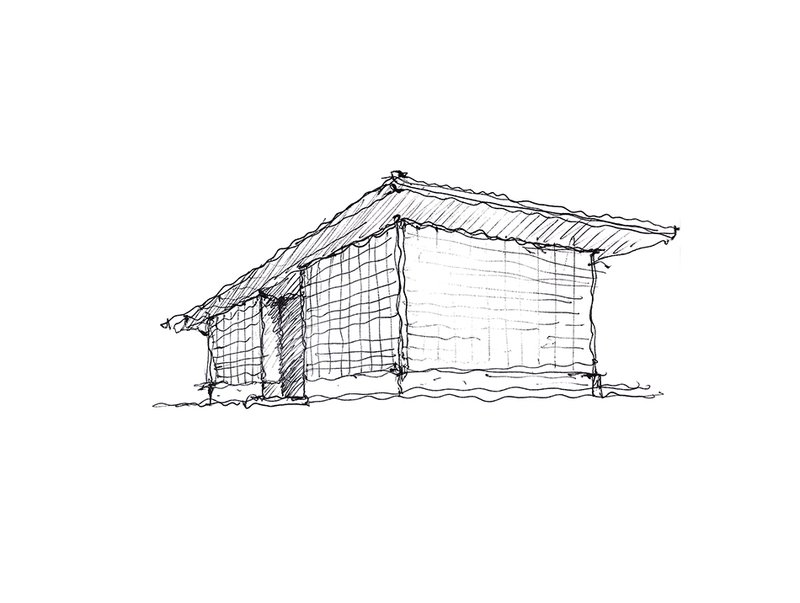
The project is rooted in the metaphor of the vine: a soft, porous canopy that filters sunlight while allowing airflow and visual connection.
This idea translates into architecture through:
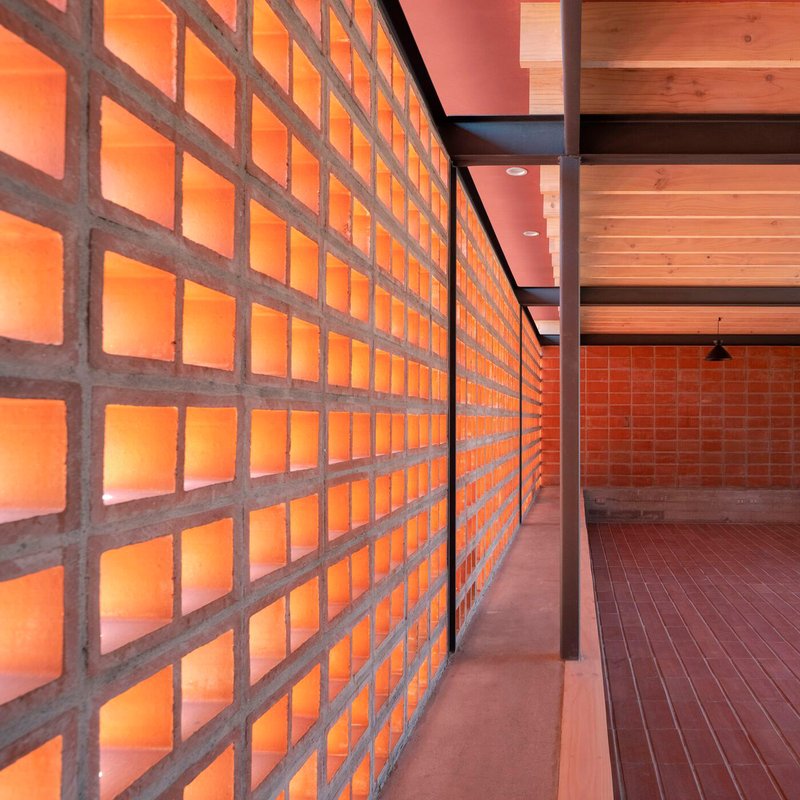
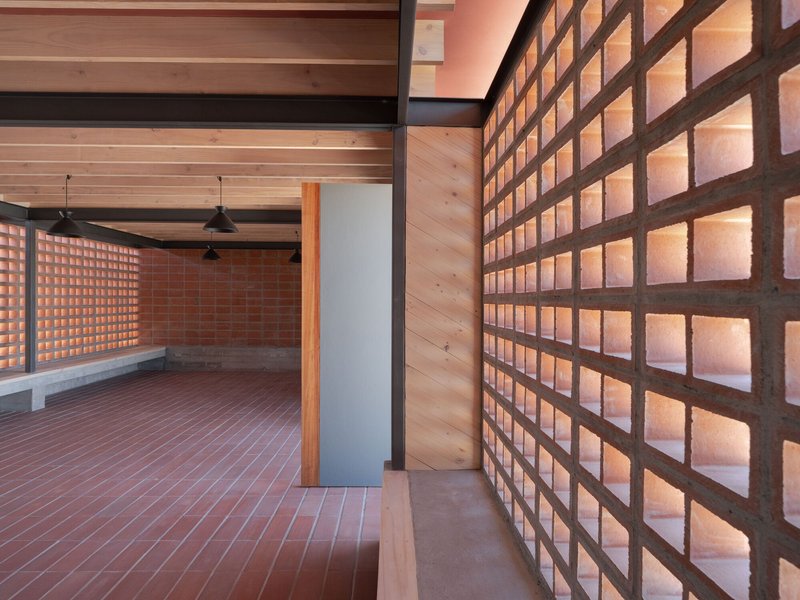
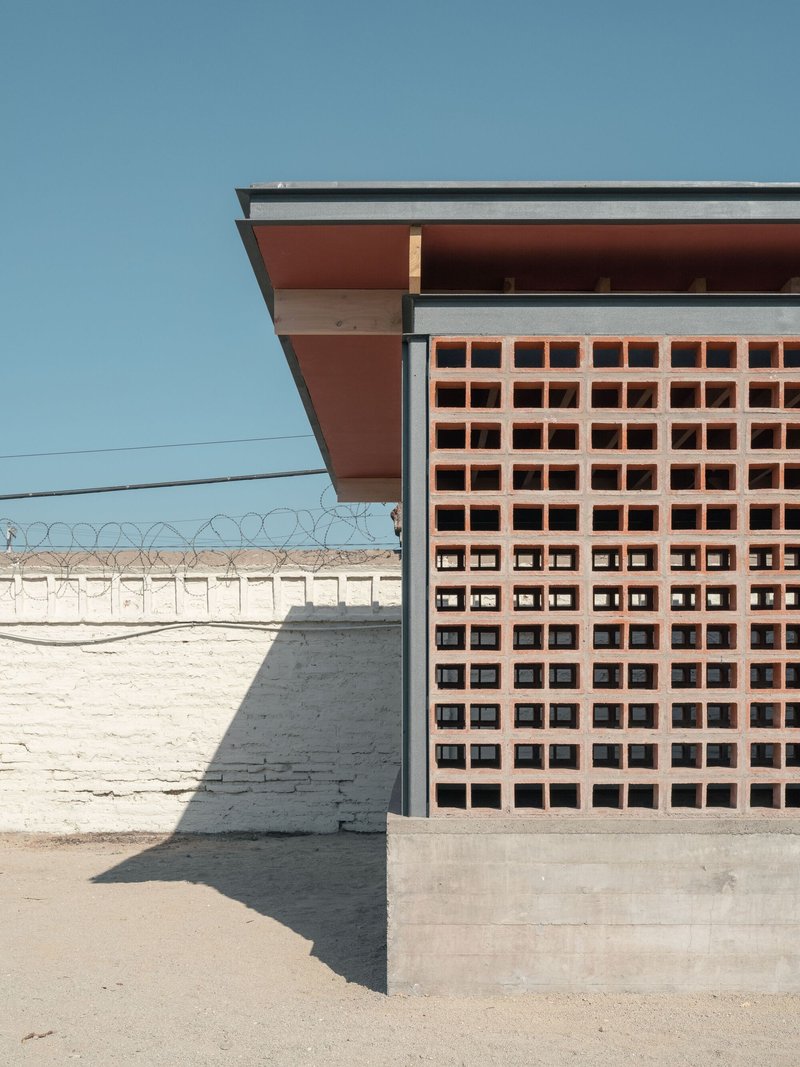
- Lattice brick walls
- Filtered daylight
- Shifting shadows
- Thermal comfort
- Visual permeability
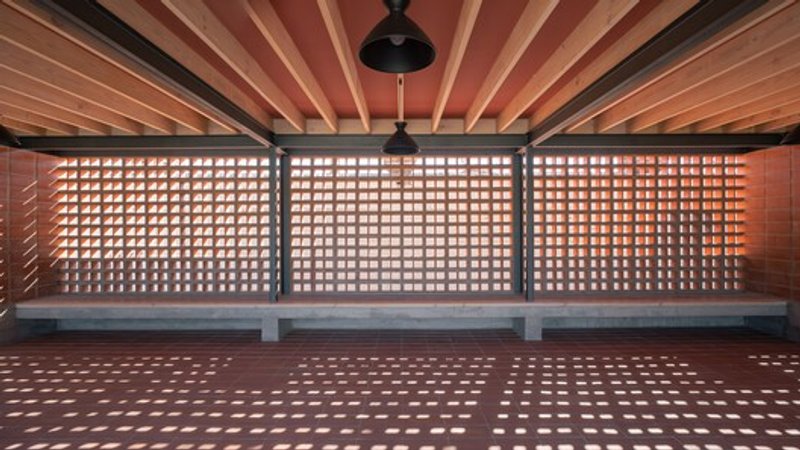
Like leaves in a pergola, the brick openings regulate light and heat, creating a cool and tranquil environment for rest.
Brick as Structure, Skin, and Identity
Brick became the project’s primary material due to its affordability and local availability in Chile.
Reasons for Material Choice
- Locally manufactured
- Low transport cost
- Durable and weather-resistant
- Familiar construction technique
- Minimal maintenance
- No specialized labor required
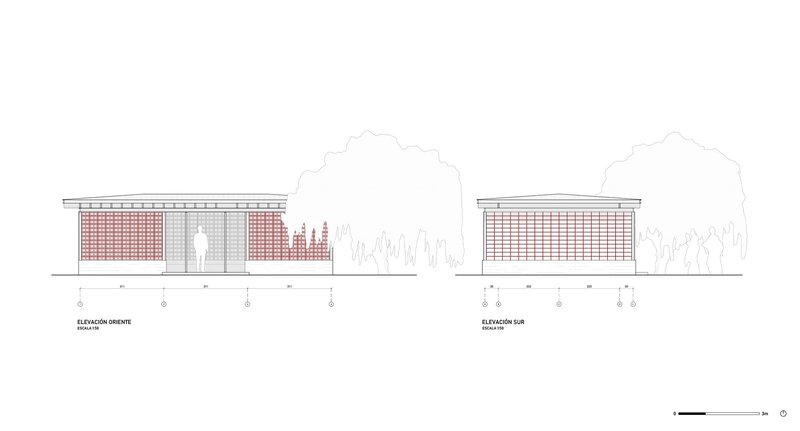
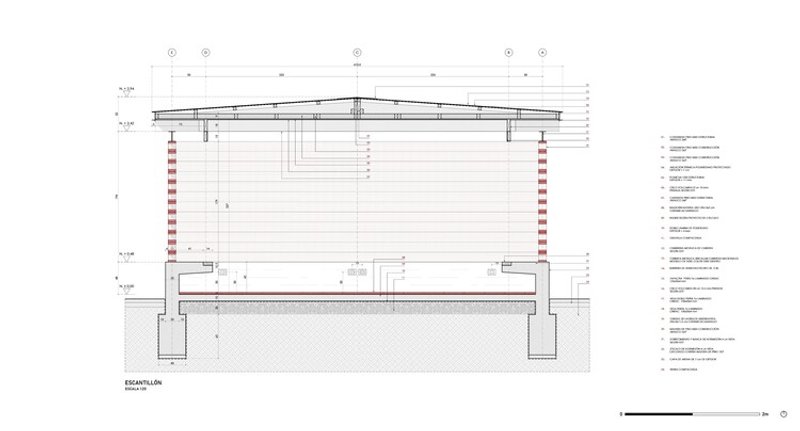
By relying almost exclusively on brick, the architects achieved a “monolithic” construction, where structure, enclosure, and finish merge into a unified architectural language.
This strategy reduced costs while strengthening the building’s material coherence.
Light as Primary Building Material
Perhaps the most important “material” of the pavilion is light.
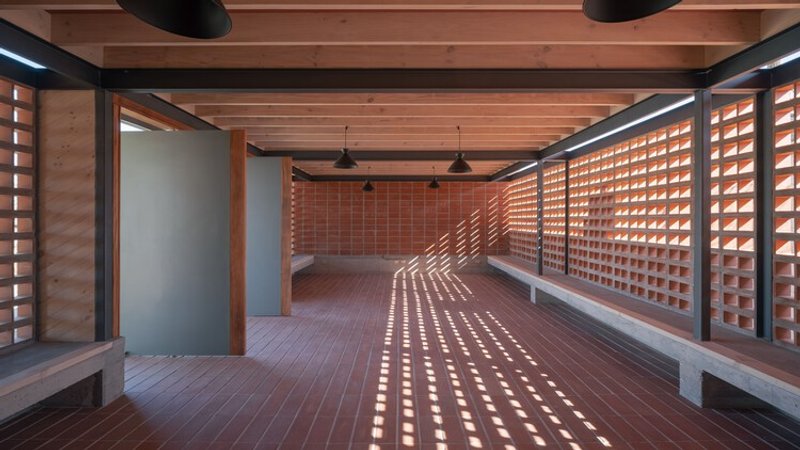
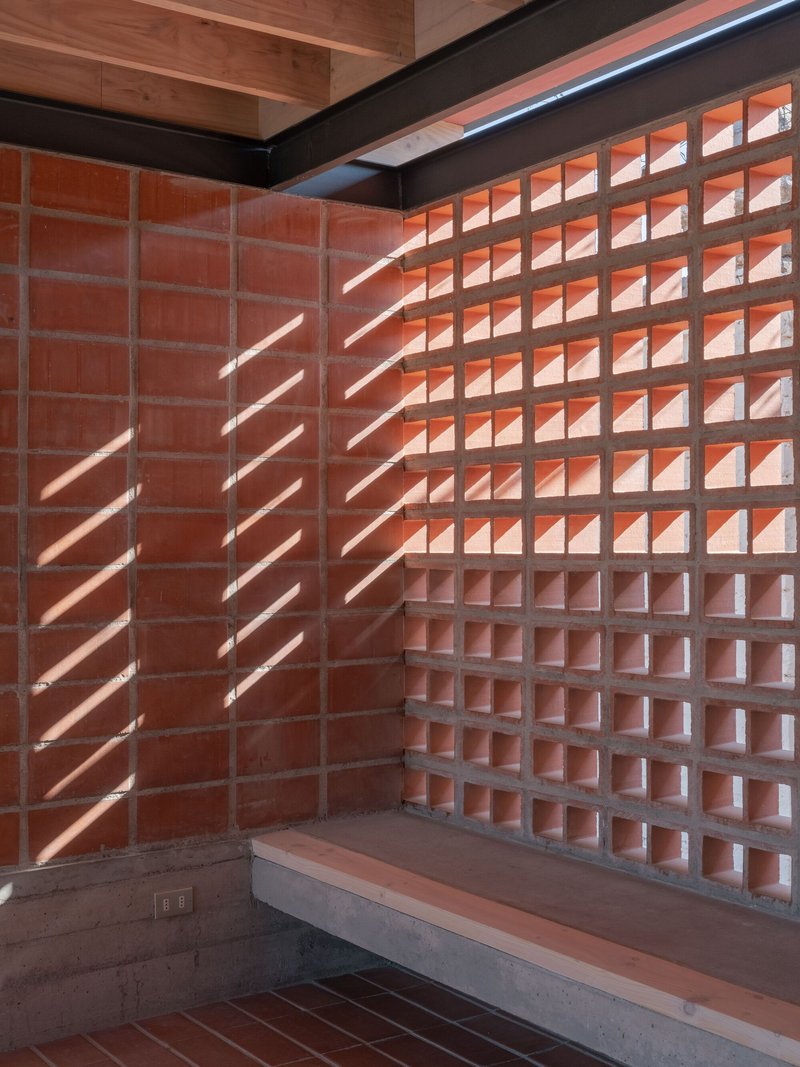
Sunlight enters through the lattice walls, creating dynamic patterns that shift throughout the day. These moving shadows animate the interior and connect occupants to natural rhythms.
Interior: A Space for Rest and Dignity
Inside, the pavilion is simple, calm, and functional.
Concrete benches, brick surfaces, and exposed wooden beams create an honest, tactile environment. Nothing is decorative; everything is purposeful.
The space supports:
- Lunch breaks
- Rest periods
- Informal conversations
- Shelter from heat
- Mental recovery
For workers exposed to harsh outdoor conditions, the pavilion offers not luxury, but dignity, an essential yet often overlooked architectural value.
Pandemic-Era Architecture and Social Responsibility
Built during the COVID-19 pandemic, the project reflects a broader architectural ethic focused on care and resilience.
Rather than prioritizing spectacle, the design invests in everyday users. It shows how architecture can:
- Support frontline workers
- Improve daily routines
- Strengthen institutional responsibility
- Foster wellbeing
- Humanize infrastructure
In this sense, the pavilion functions as social architecture as much as physical shelter.
Sustainability Through Simplicity
The Gardeners’ Pavilion embodies sustainable thinking through restraint rather than technology.
Passive Strategies
- Natural ventilation
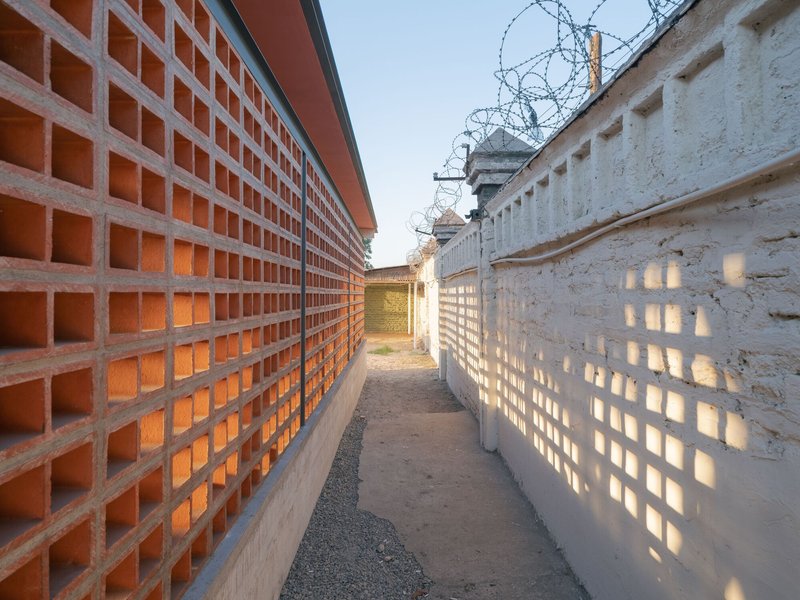
- Solar shading via lattice
- Thermal mass of brick
- Minimal material palette
- Long lifespan
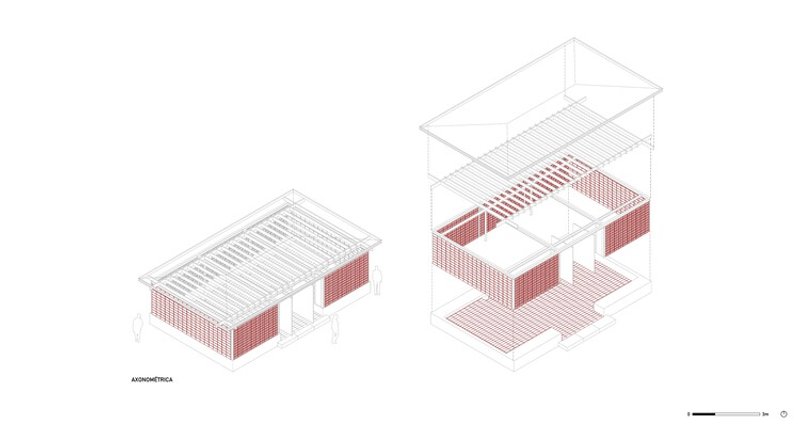
Without mechanical systems or complex technologies, the building achieves environmental comfort through form, material, and orientation.
A Model of Modest Excellence
Though small in scale, the Gardeners’ Pavilion demonstrates how architecture can be both humble and profound. Through careful material choice, clear structure, and deep empathy for users, the project achieves lasting value.
It stands as a reminder that meaningful architecture does not require grand budgets, only clarity of purpose and respect for people.
All the Photographs are works of Estudio Ibañez




Popular Articles
Popular articles from the community

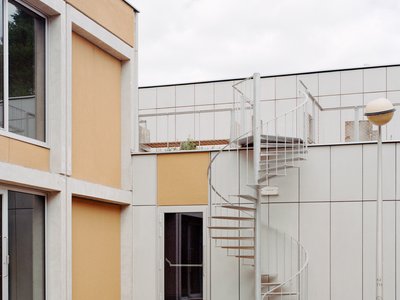
MAKER architecten Rewire a 1972 Brutalist Dormitory on the VUB Campus as a Living Lab
A modular renovation strategy in Belgium breathes new life into Willy Van Der Meeren's modernist student housing without erasing its concrete bones.
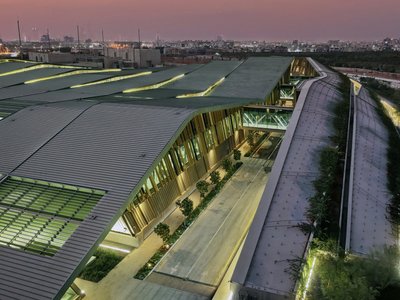
A Park Building That Wants to Be a Landscape
Omrania's Operations & Maintenance Building at King Salman Park dissolves industrial program into Riyadh's largest green infrastructure.
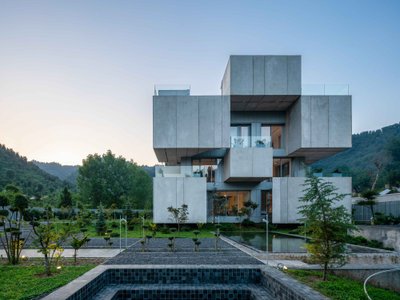
Bood Design Bureau Splits a Gilan Residence in Two to Let the Forest In
Double Side House negotiates privacy and openness through interlocking concrete volumes and planted courtyards in northern Iran's humid Caspian lowlands.
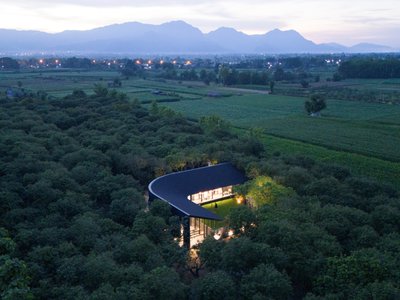
Cafe MADA: A Chiang Rai Pavilion in a Mango Orchard
BodinChapa Architects threaded a 254 m² black-roofed cafe through an existing mango orchard in Chiang Rai, Thailand, built around mature trees.


Similar Reads
You might also enjoy these articles

Filtering Space: A Gradual Spatial Experience
From urban intensity to spatial calm.


The Ken Roberts Memorial Delineation Competition (Krob)
As the most senior architectural drawing competition currently in operation anywhere in the world, it draws hundreds of entries each year, awarding the very best submissions in a series of medium-based categories.

Waterfront Redevelopment and Urban Revitalization in Mumbai: Forging a New Dawn for Darukhana
A transformative waterfront redevelopment project reimagining Darukhana’s shipbreaking heritage into an inclusive urban future.

OUT-OF-MAP: A Call for Postcards on Feminist Narratives of Public Space
Rhizoma Design and Research Lab invites artists, designers, architects, researchers, and students to reflect on how feminist perspectives can reshape public space. Selected works will be exhibited in Barcelona, October 2026. Submissions open until 15 April 2026.


Explore Architecture Competitions
Discover active competitions in this discipline




The International Standard for Design Portfolios


The Global Benchmark for Architecture Dissertation Awards


The Global Benchmark for Graduation Excellence


Challenge to design locus for the upliftment of human rights
Comments (0)
Please login or sign up to add comments
No comments yet. Be the first to comment!