
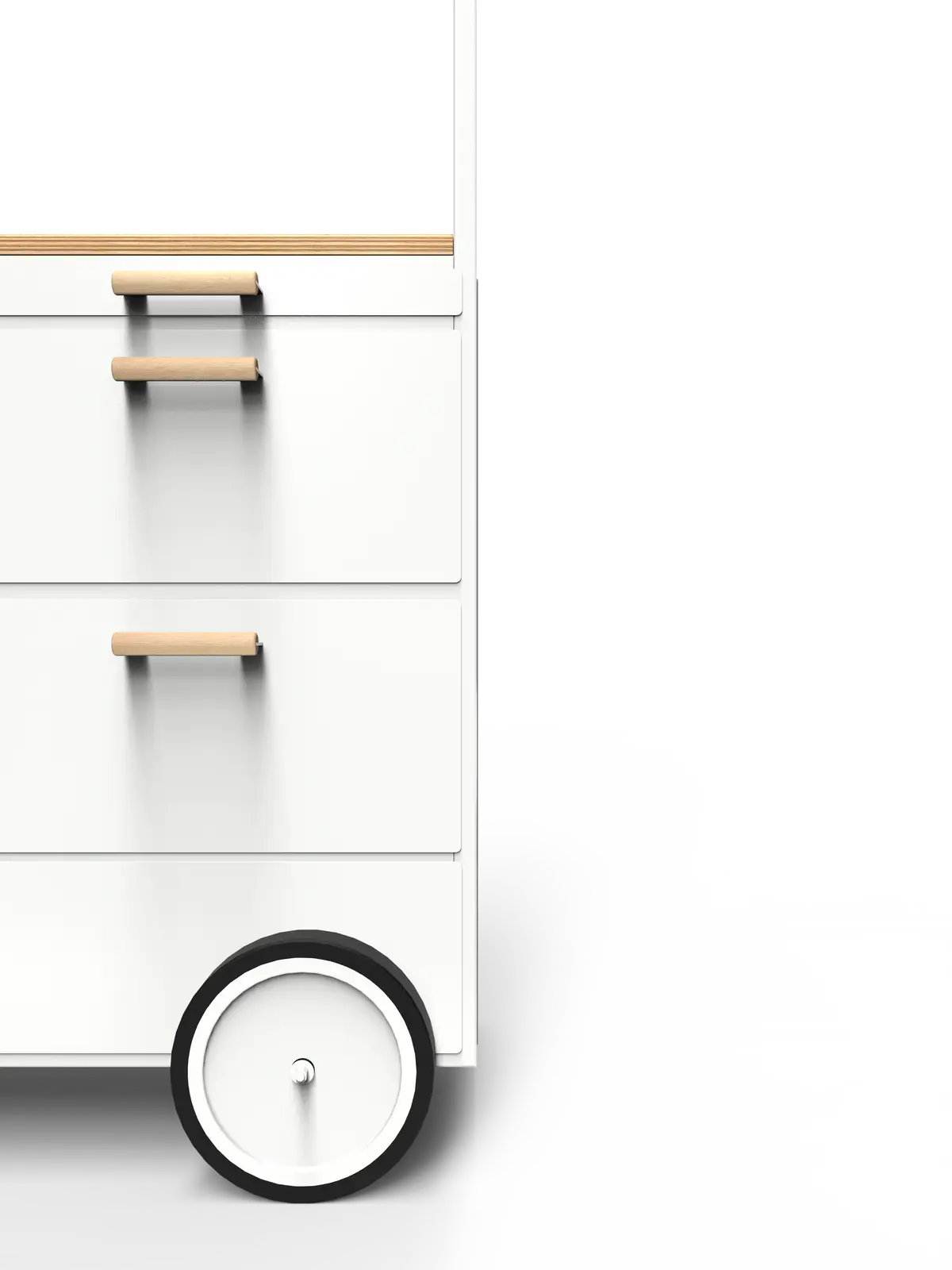
Genesis | Allcart - the open source handcart design challenge
Genesis | the modular vendor hand cart for the future

PROJECT INTRODUCTION

Genesis was born out of the desire to give street vendors a new start, a new beginning, a Genesis. The Covid-19 pandemic has taken its toll on everyone in different ways. For some it meant online classes, for some it meant working for home. For others however, it meant losing how they made a living. Street vendors (and the entire food industry) depend largely on person-to-person interaction. With the pandemic as a reality, it made interaction with others quite difficult, therefore making selling products directly to consumers difficult as well. Genesis seeks to be the answer for street vendors worldwide, a fresh start to their business, brand and life.
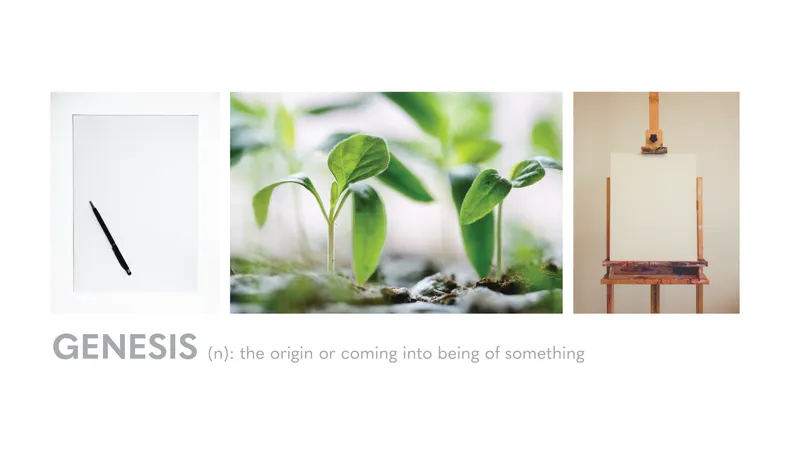
RESEARCH PHASE

Hand carts are a simple, efficient and cost effective means to sell products. The idea of hand carts have been around for some time now, but have not deviated in concept.
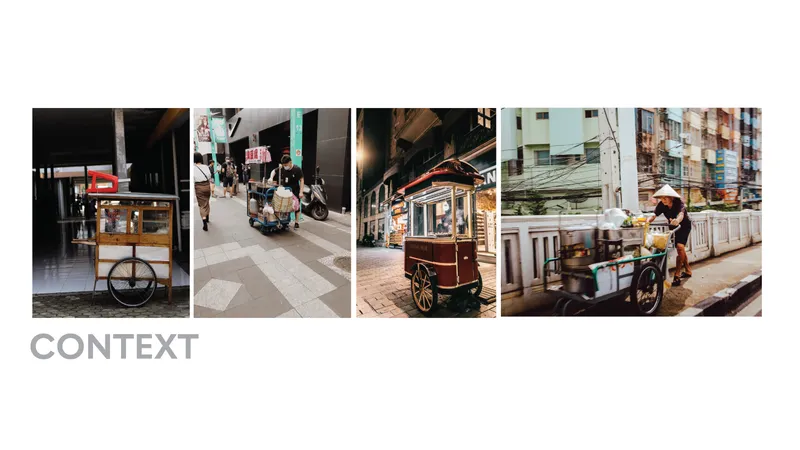 Hand carts are meant to be versatile, transportable and adaptable to their surroundings. Where a hand cart can travel, that is where its context can be.
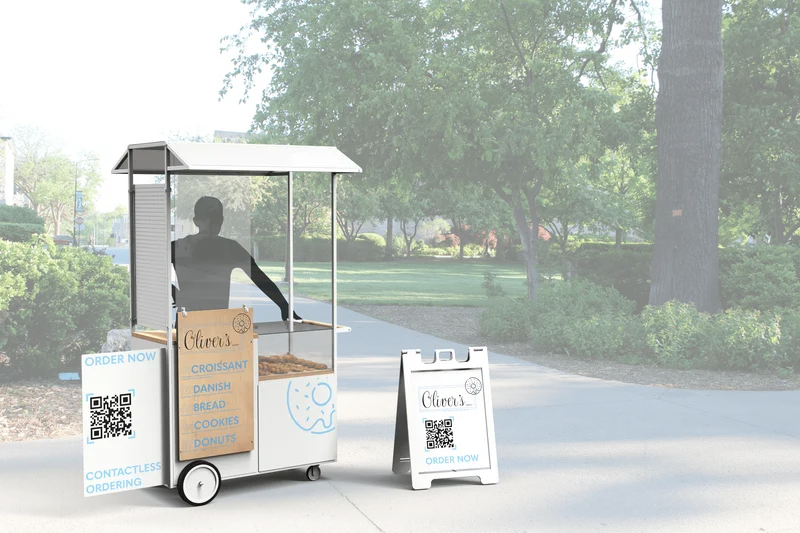
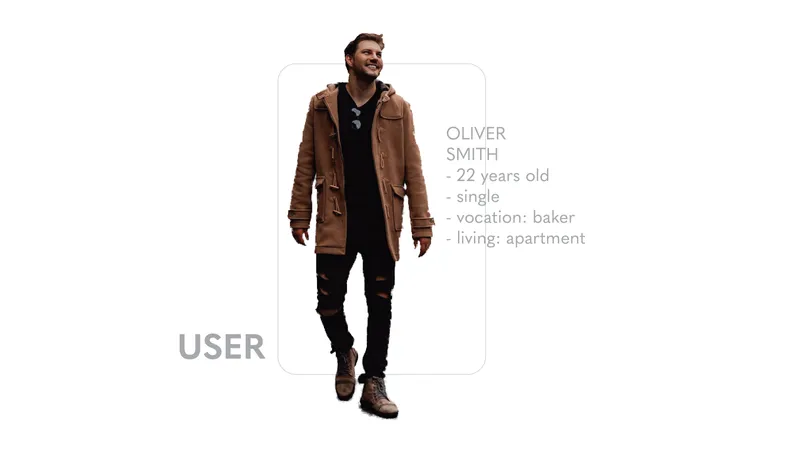 To help qualify design aspects of Genesis, a potential user scenario was created. Meet Oliver Smith, a 22 year old up and coming baker. Oliver loves to bake, and wanted to find a way to share the Smith family baking tradition, taking modern and innovative approaches to classic bakery treats. His goal is to test the market around him with a small hand cart business to see if customers enjoy his products enough to expand to a complete bakery one day.
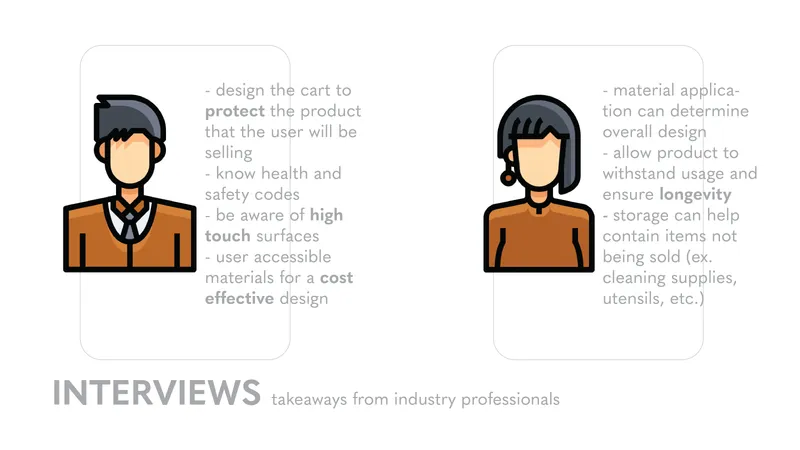
Prior to the design team sketching, the design process began with direct contact to user interviews. User interviews were conducted with two individuals working in the food industry. Their insights were particularly helpful as they were able to give an honest perspective of vending food, but also lots of helpful insight on how to interact with customers using the product, cleaning supplies/materials and use of storage and equipment.
DESIGN OBJECTIVES
To distinguish Genesis from precedents in the market, as well as enhance what a hand cart is, the following design objectives were sought after in the ideation phase and manifested in the final design.
Genesis strives towards answering the following design objectives:
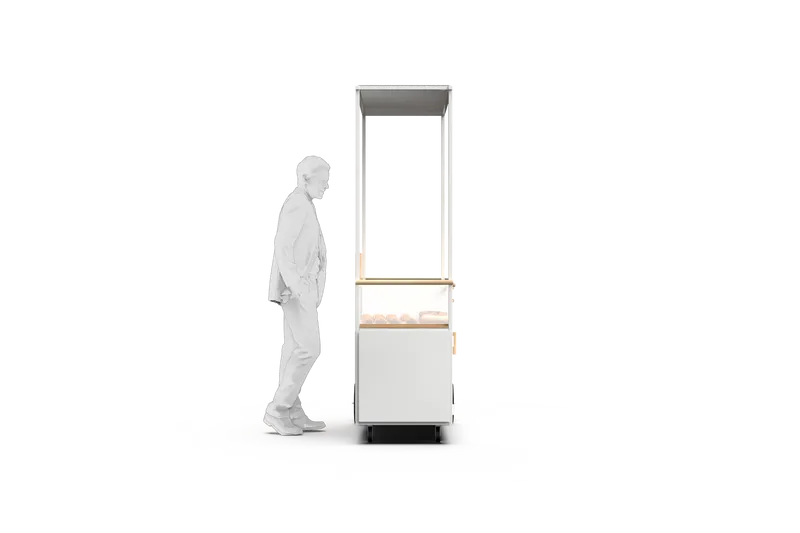
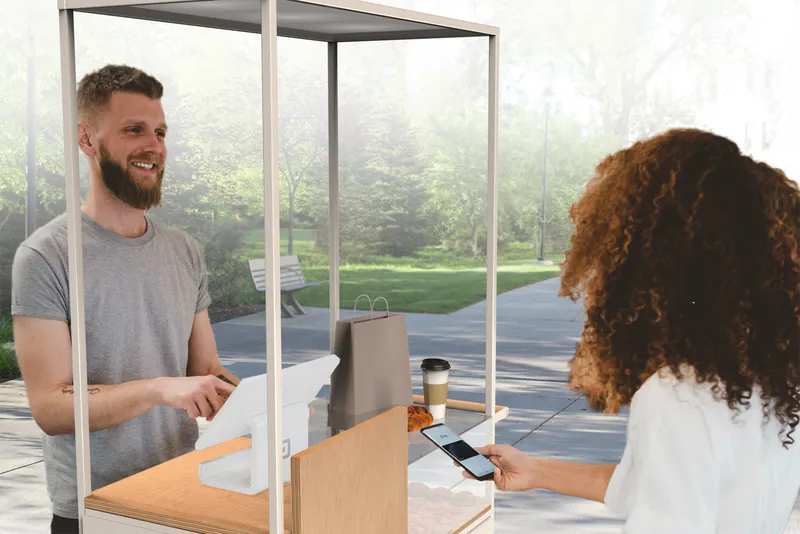
- create a user-vendor separation
- clean presentation of cart and product
- modular design
- reinvented hand cart aesthetic
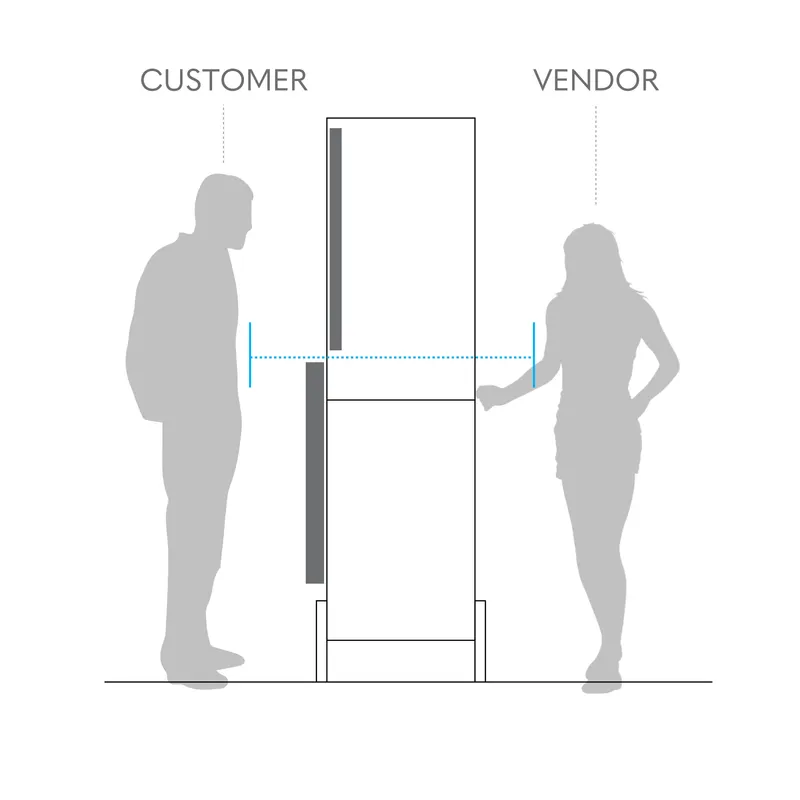
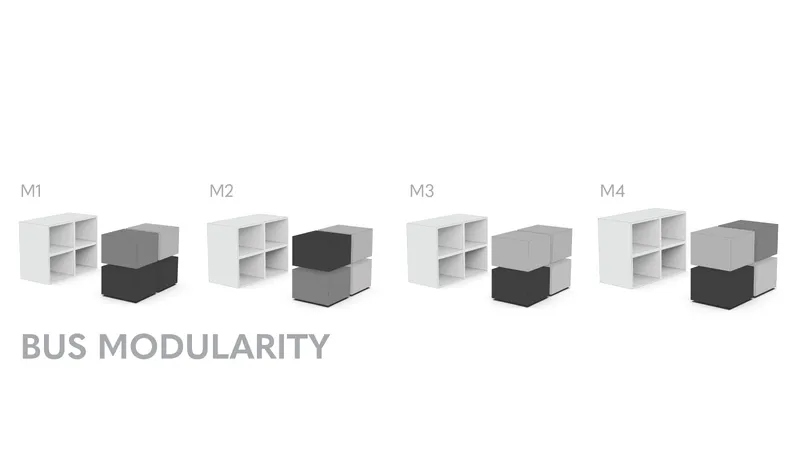
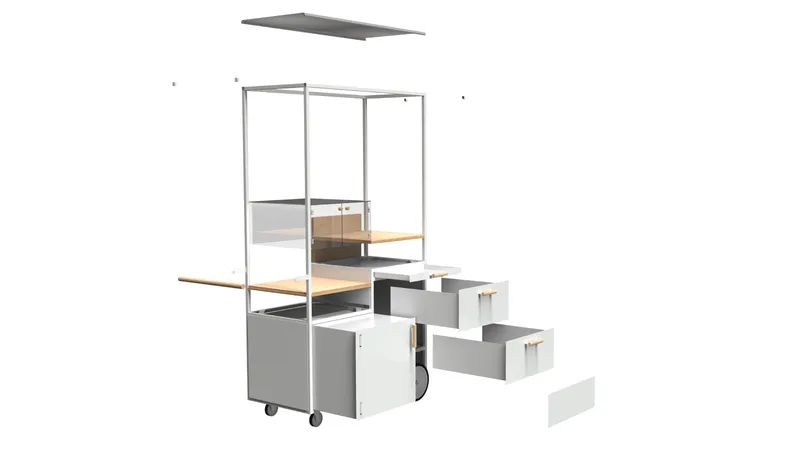
Modular design consists of breaking a design down into separate components that can be changed without sacrificing the totality of the design. One of the most famous examples of modular design is Lego. In the sphere of modular design, there are different approaches to modularity. Genesis fits in the bus modularity category, meaning its frame does not change but its individual components can be changed and moved with other individual components freely.
IDEATION PHASE
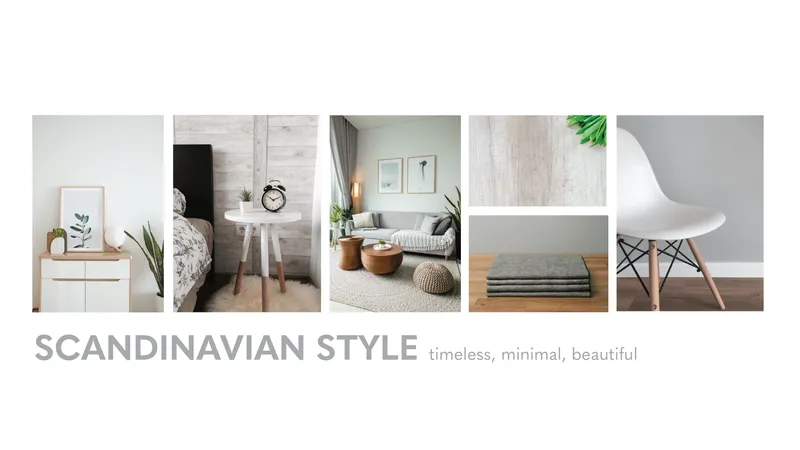
Genesis was inspired by Scandinavian design to help reinvent the aesthetic of hand carts. Scandinavian design uses cost effective and available materials (ex. plywood) to create elegant designs that have been considered modern for the past number of decades. This allows Genesis to be treated more as a piece of furniture rather than a traditional hand cart.

The inspirations shown were used because of their simple yet beautiful forms and elegant design transitions, layering, details and connections.



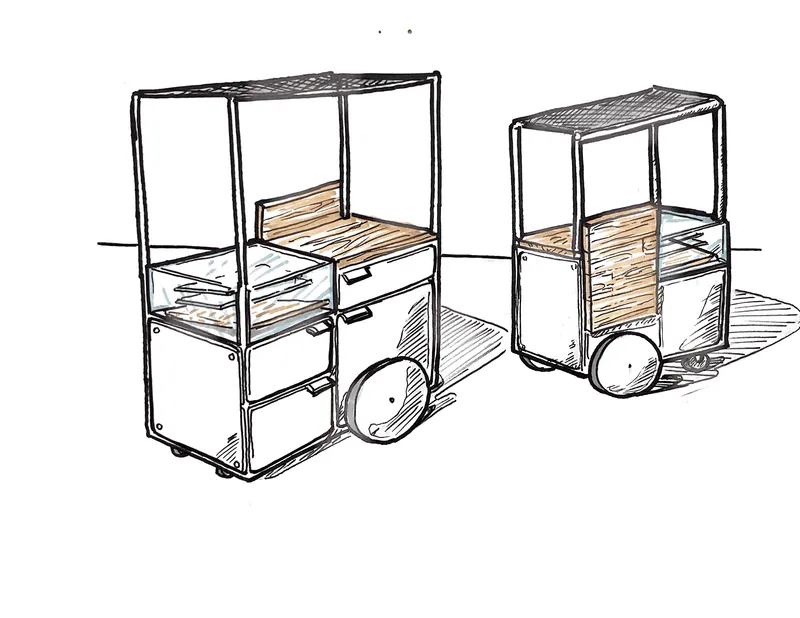
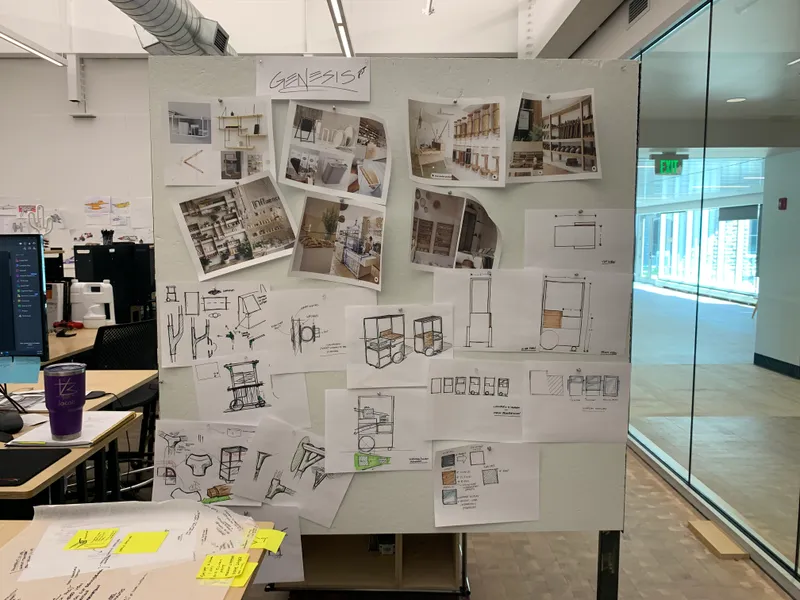
In order to arrive at the final design of Genesis, hundreds of sketches were done to explore both the overall form, as well as separate elements on their own. In order to aid the sketching process, team brainstorming sessions with inspiration images at hand were done. This helped the design team be able to reference, dialogue and sketch seamlessly. A significant aid in the iteration process was diagramming the design objectives that Genesis was going to fulfill.
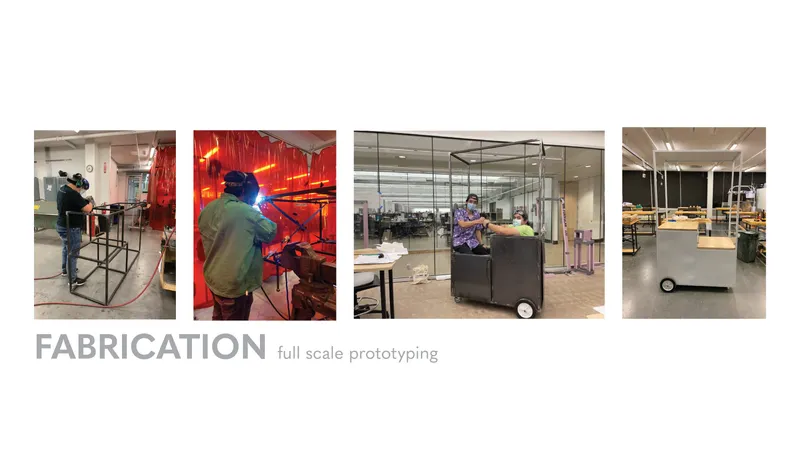
After sketching and brainstorming were complete, full scale prototyping began to better understand and solve connections between components of Genesis. General dimensions were planned out prior to prototyping, but prototyping allowed the design team to get a complete understanding of the proportions and interaction with the cart. The form of Genesis was found through sketching, but its character and life was brought about through prototyping.
FINAL DESIGN
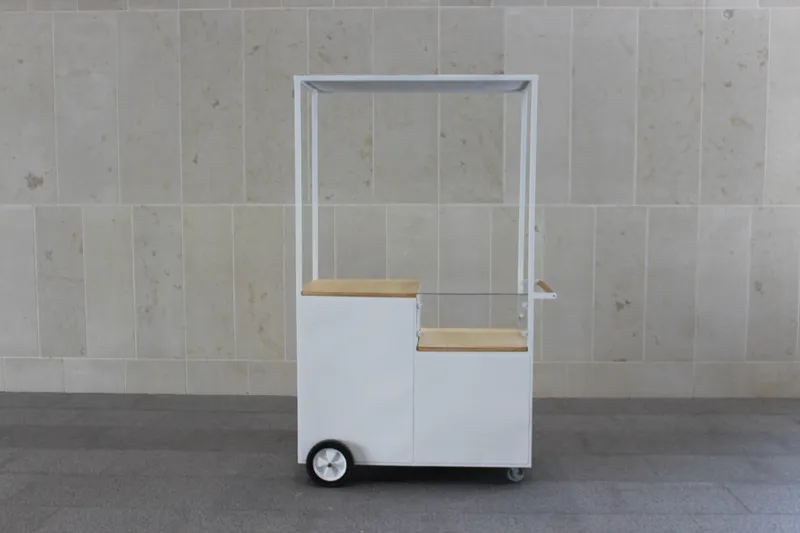

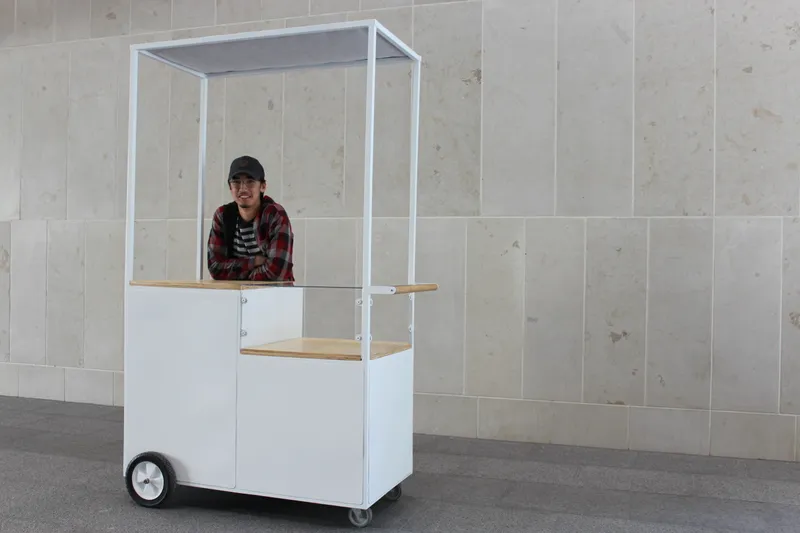

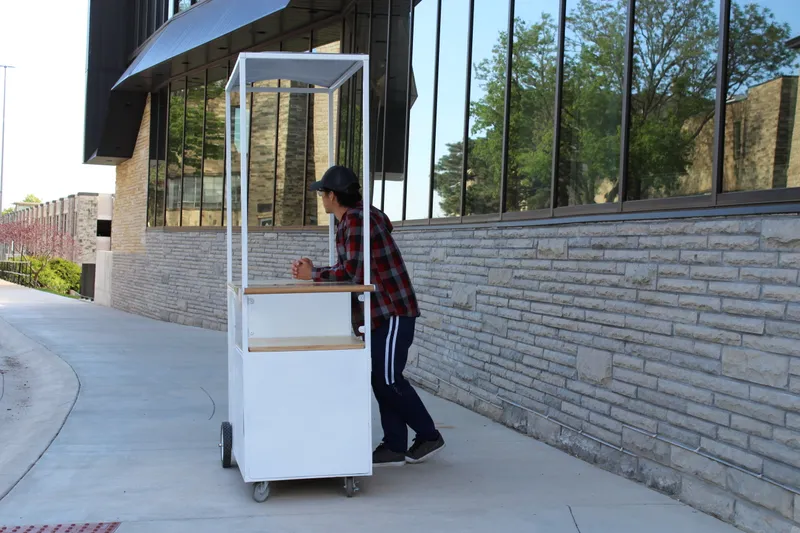
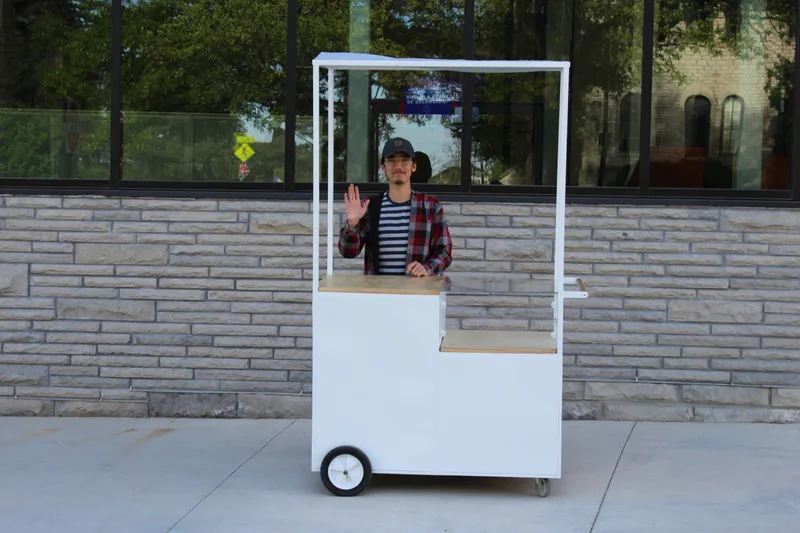
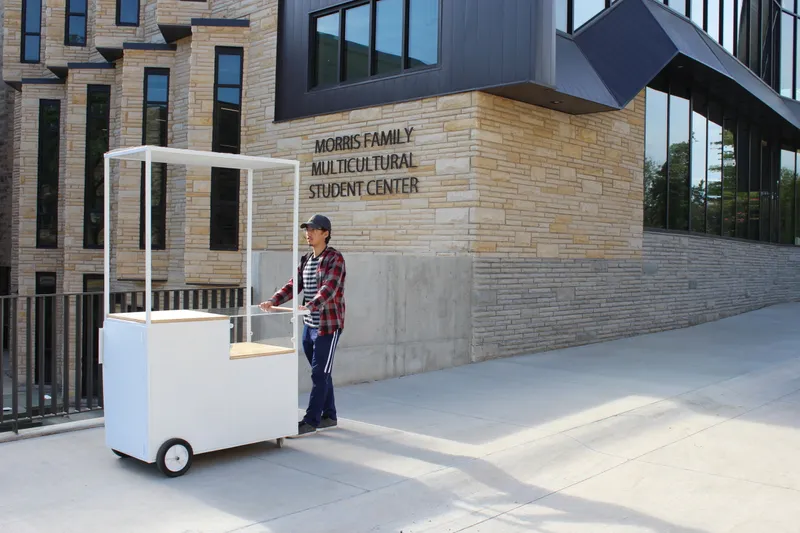
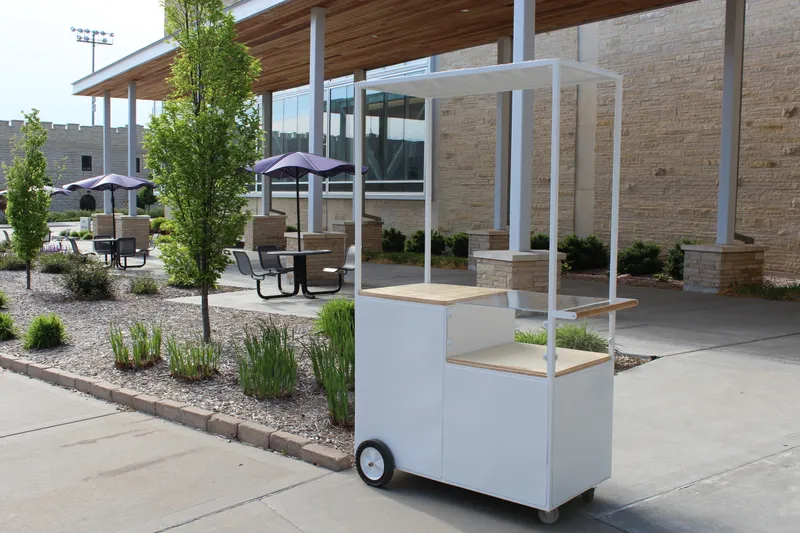


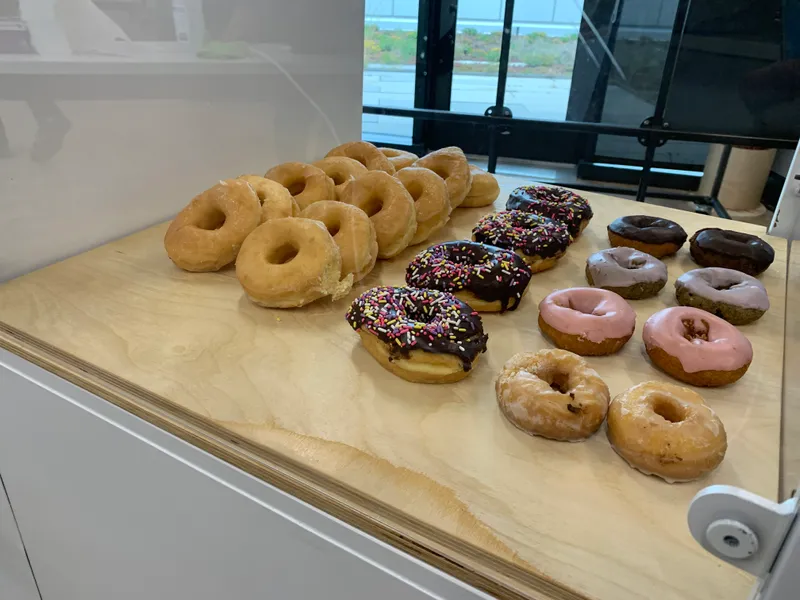

In order to be cost effective and easy customization for the vendor buying Genesis, a simple construction process was used. Genesis begins with the frame, then adds the fixed side panels, following with the modular components resulting in its final form.
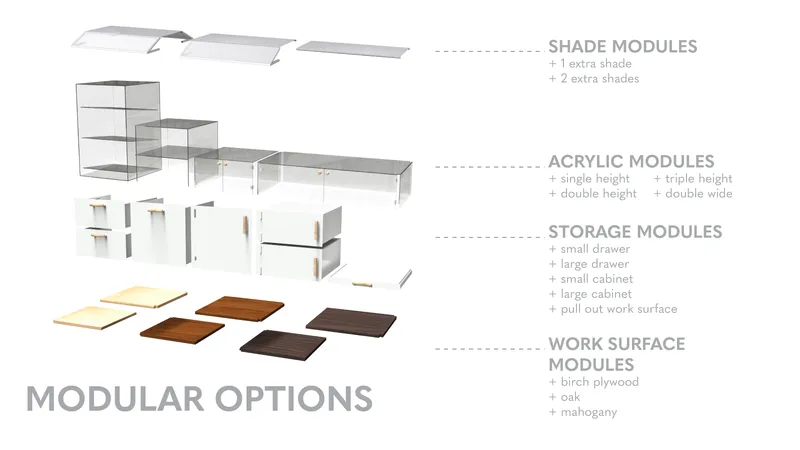
This simple modular assembly process transfers seamlessly to how modularity affects Genesis. The modules chosen by the user cater directly to how they would like to arrange their cart for an ideal workstation, providing true personalization.
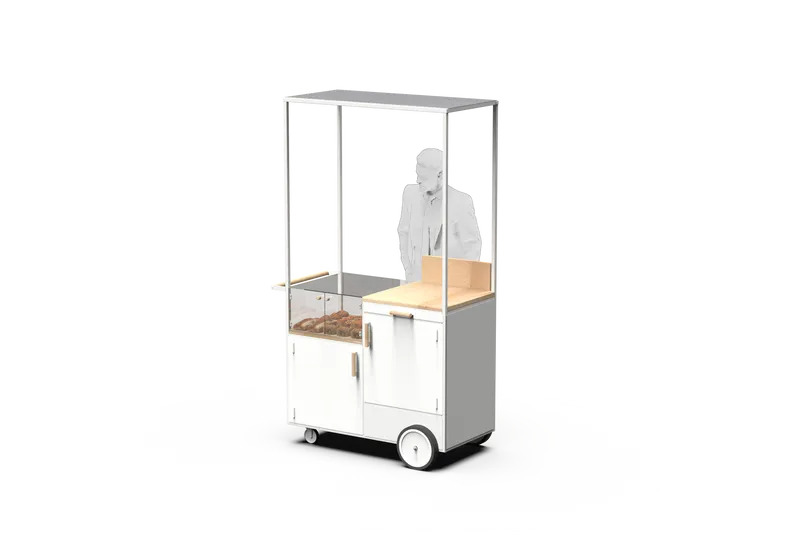
M1 | single height acrylic + two large cabinets + pull out work surface
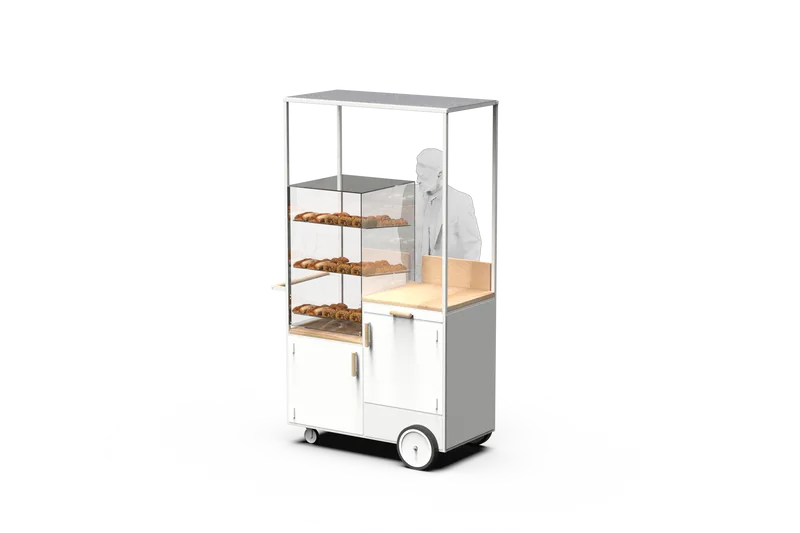
M2 | triple height acrylic + two large cabinets + pull out work surface

M3 | double height acrylic + two small drawers + pull out work surface
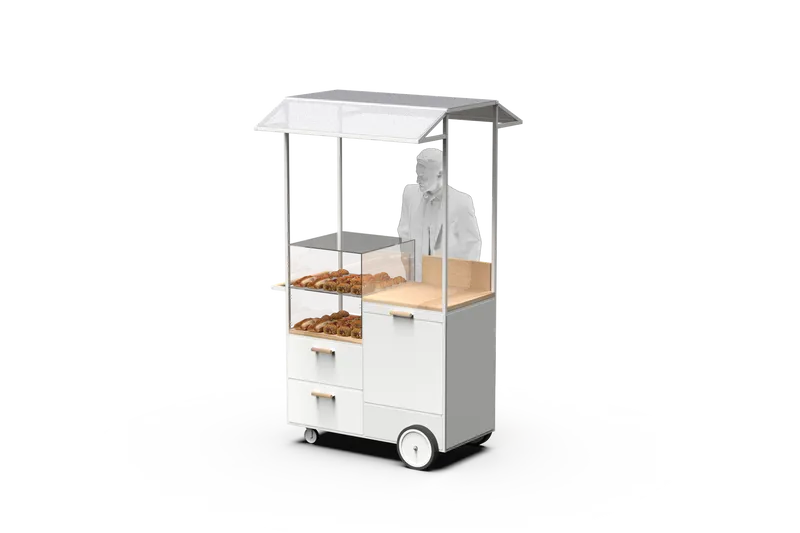
M4 | double height acrylic + two small drawers + pull out worksurface + 2 extra shades

M5 | single height acrylic + two large cabinets + pull out worksurface + 2 extra shades
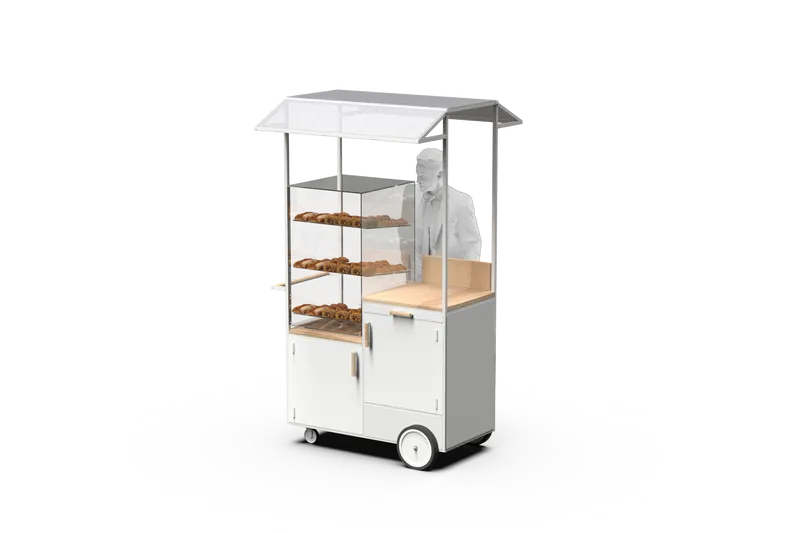
M6 | triple height acrylic + two large cabinets + pull out worksurface + 2 extra shades


WHAT'S NEXT?
The expansion plan of the project is to use the frame of Genesis to continue to push and enhance the modular strategies. Since the frame of Genesis provides a base for the design to build off of, expanding different modularity types and options can be the building blocks that are merely placed on or attached to the cornerstone of the project. The stainless steel frame and modular components will allow Genesis to live alongside the vendor as long as the vendor desires to sell their product, making a great companion for business expansion. Furthermore, a larger version of the frame could be developed, allowing users to possibly begin to incorporate more complex vending tasks that require product assembly on site.


Popular Articles
Popular articles from the community


Juan García Correa, John González and Claudia Rueda Sink a Circular Amphitheater into a Manizales Engineering Building
On the La Nubia campus in Manizales, Colombia, the S1 Building folds labs and offices into a hillside of ramped lawns that double as a campus route.

David Macias Steps a Doorless Stone and Plaster House Down a Tropical Colombian Hillside
In the humid hills of Colombia, Threshold House replaces the front door with an open void and terraces its 850 m² down the slope instead of fighting it.

LT2A and OPEN Architectes Thread a Brick and Glass High School Through a Wooded Belgian Campus
In Braine-l'Alleud, a 3,000 m² wing for Collège Cardinal Mercier pairs pale brick with a glazed colonnade, deferring to a small chapel and a dense wood.

David Ortega Stacks a Two-Story Mexico City Penthouse Around a Steel Stair and a Pergola-Shaded Roof Terrace
In Colonia Roma, a 300 m² penthouse uses oak joinery, a planted steel stair and a slatted roof pergola to make a new-build apartment feel like a house.

Similar Reads
You might also enjoy these articles

The Rhythm of Seasons
A Farmers' Market Connecting Nature and the City

More Than a Building-Designing a Living System
More Than a Building-Designing a Living System
Base Beyond
DESERT COMPOUND ARID: TOURISM OF ABSENCE AND ABUNDANCE

Explore Engineering Design Competitions
Discover active competitions in this discipline


Design challenge to reuse E-waste

Packaging challenge - Design meets sustainability
Comments (0)
Please login or sign up to add comments
No comments yet. Be the first to comment!