

Geology Museum by Estudio MMX: A Harmonious Fusion of Mayan Heritage and Contemporary Architecture in Progreso, Yucatán
Geology Museum by Estudio MMX blends Mayan heritage with modern design, creating a cultural, sustainable public space in Progreso, Yucatán.


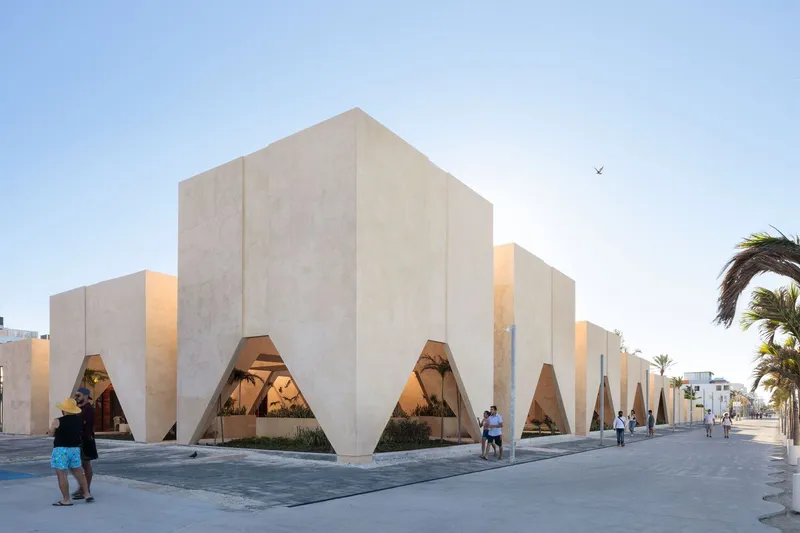
Situated in the coastal town of Progreso, Yucatán, the Geology Museum, designed by Estudio MMX, stands as a testament to the seamless integration of cultural heritage and modern architectural design. Completed in 2021, this 2,242 m² museum not only serves as a repository of geological history but also as a vibrant public space that fosters community engagement and cultural appreciation.
Architectural Design and Spatial Organization
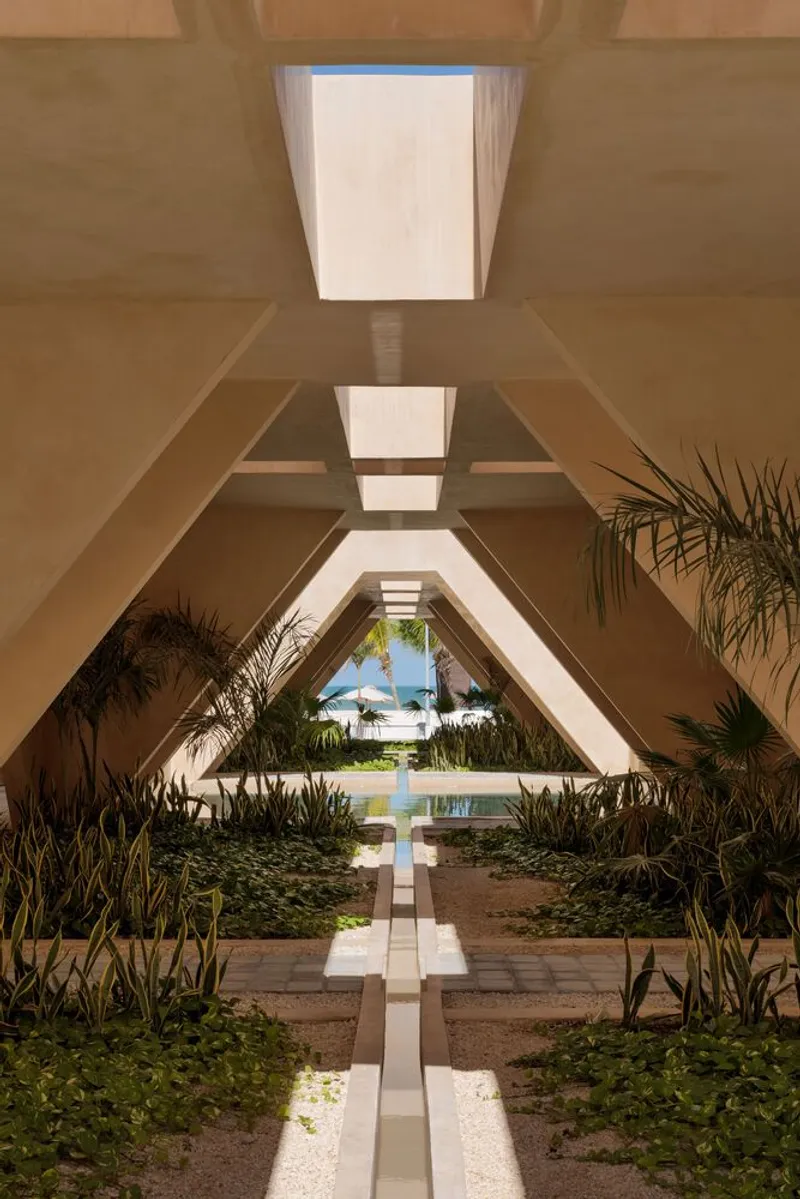
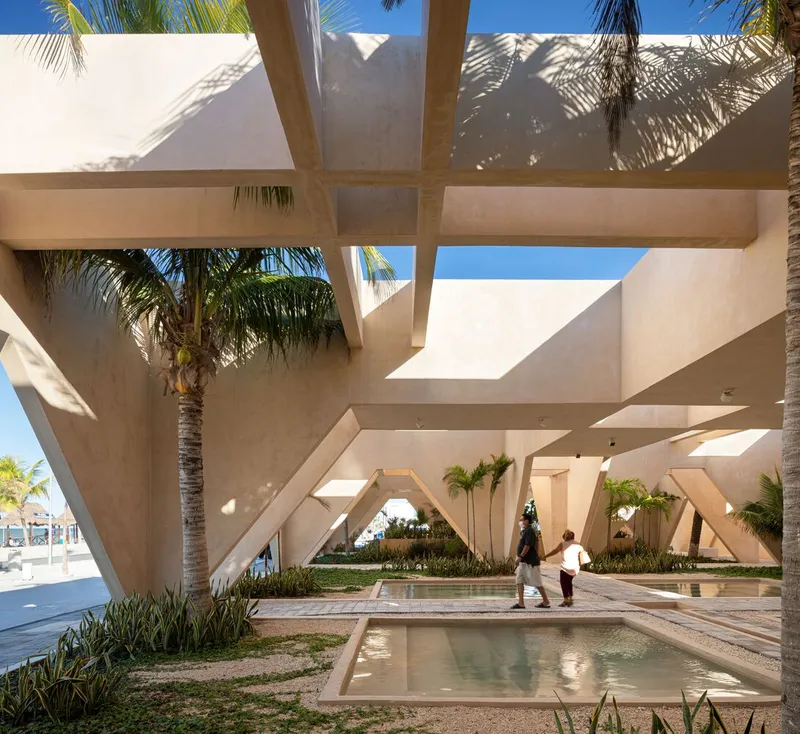
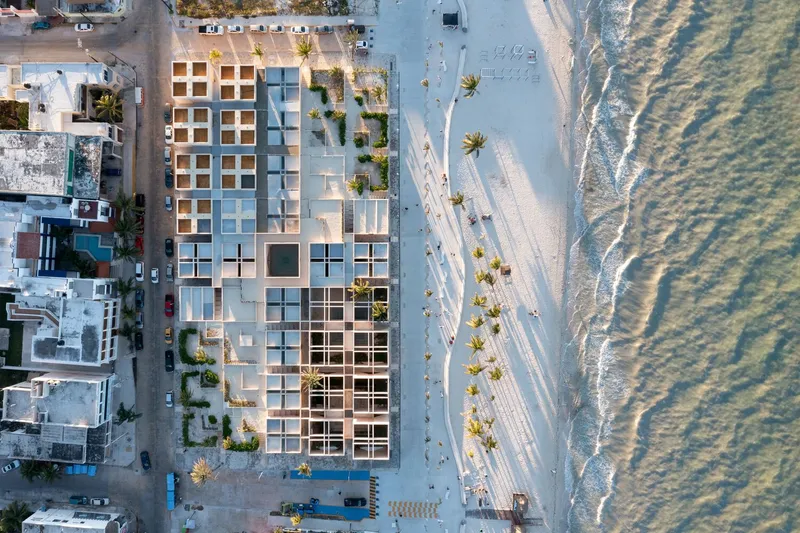
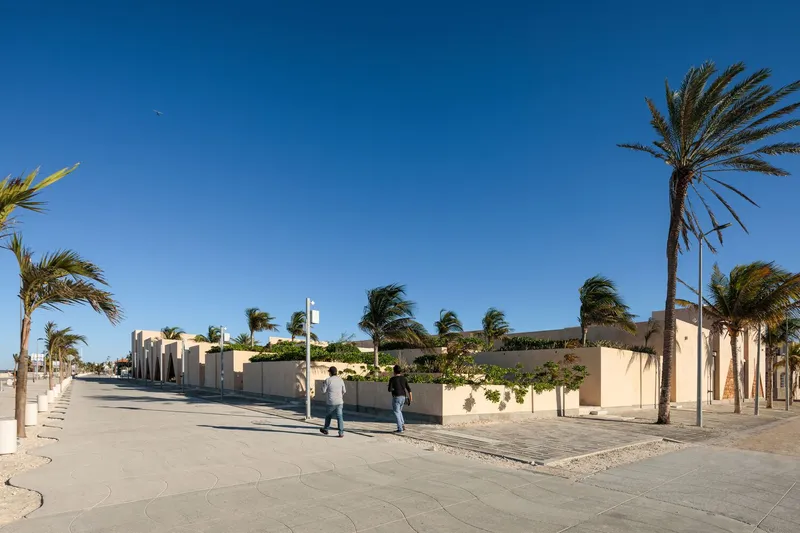
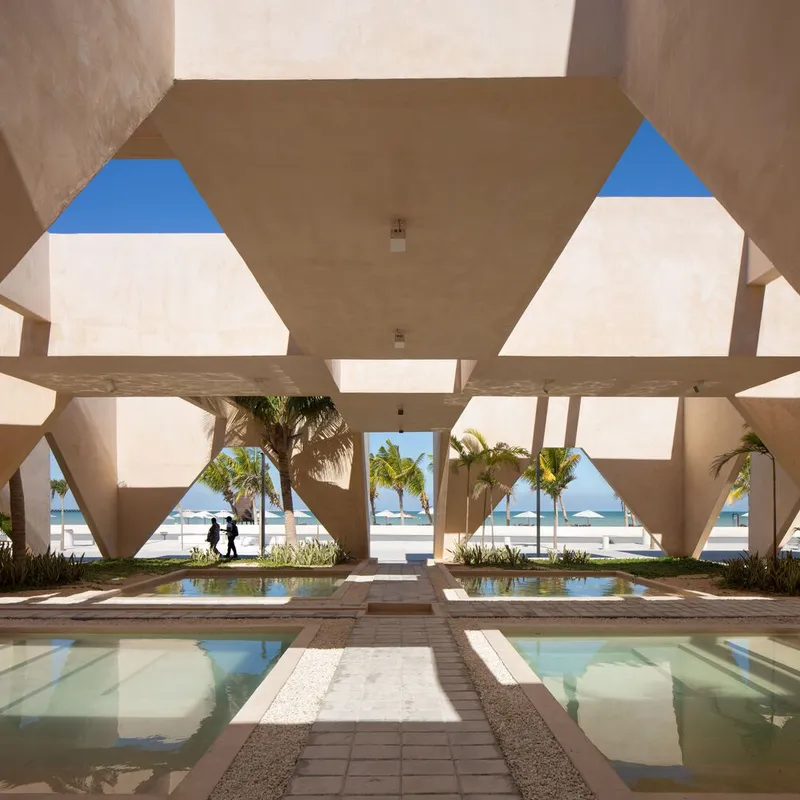
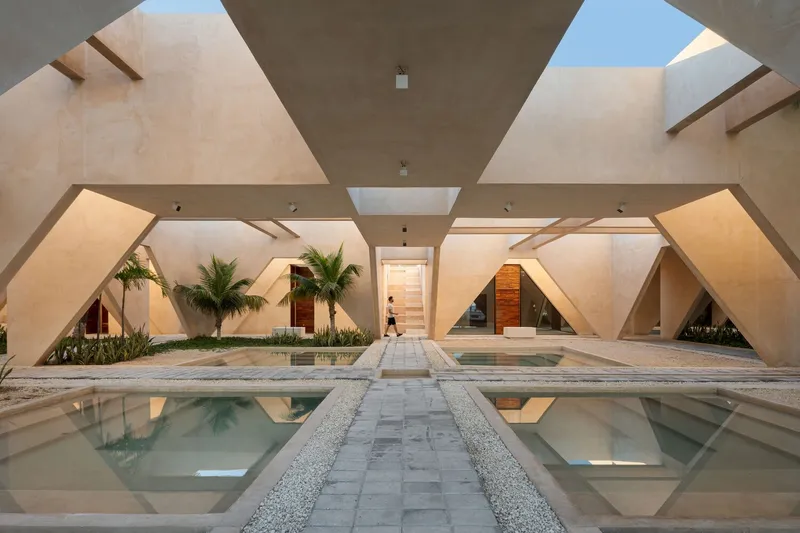
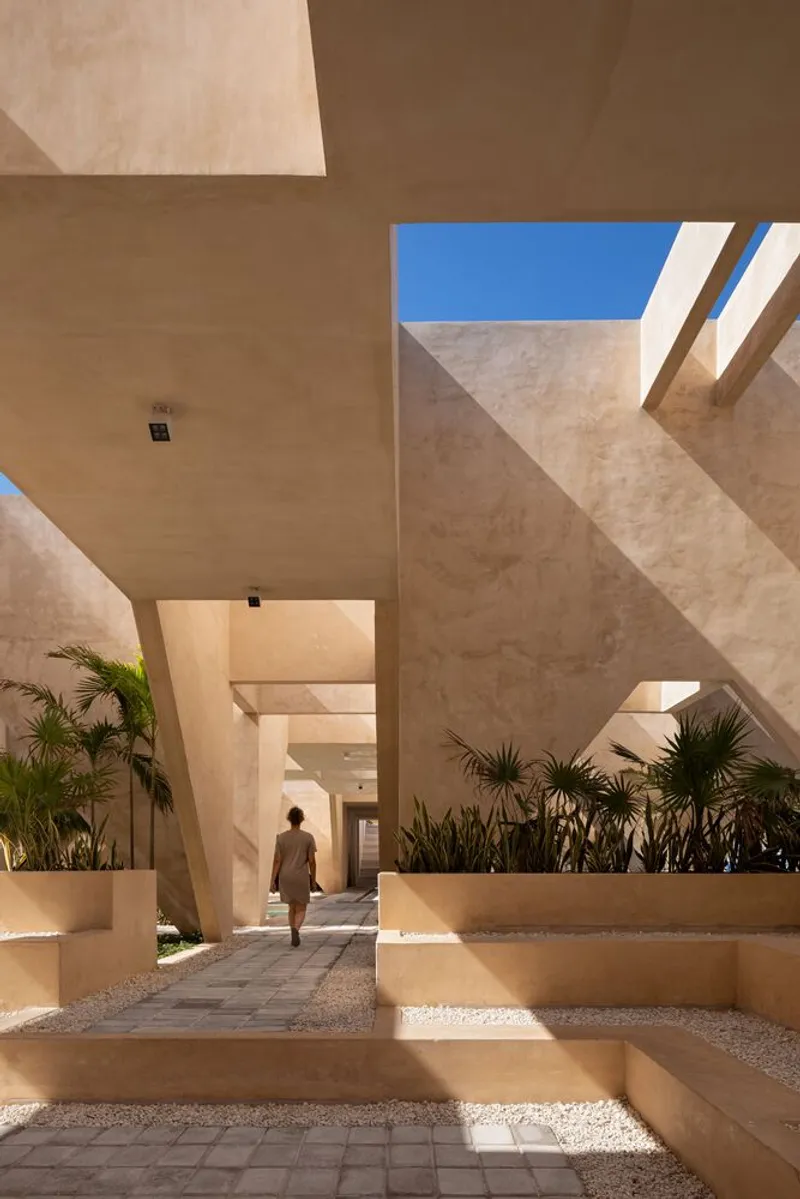
The museum's design is characterized by a series of eight exhibition volumes arranged in an orthogonal grid pattern, occupying the southeast corner of the plaza. These volumes vary in height and are interconnected by a central corridor that extends from north to south, providing access to both the interior spaces and the adjacent boardwalk overlooking the sea. This corridor is flanked by shaded and landscaped areas, creating a dynamic interplay of light, shadow, and vegetation that guides visitors through the site.
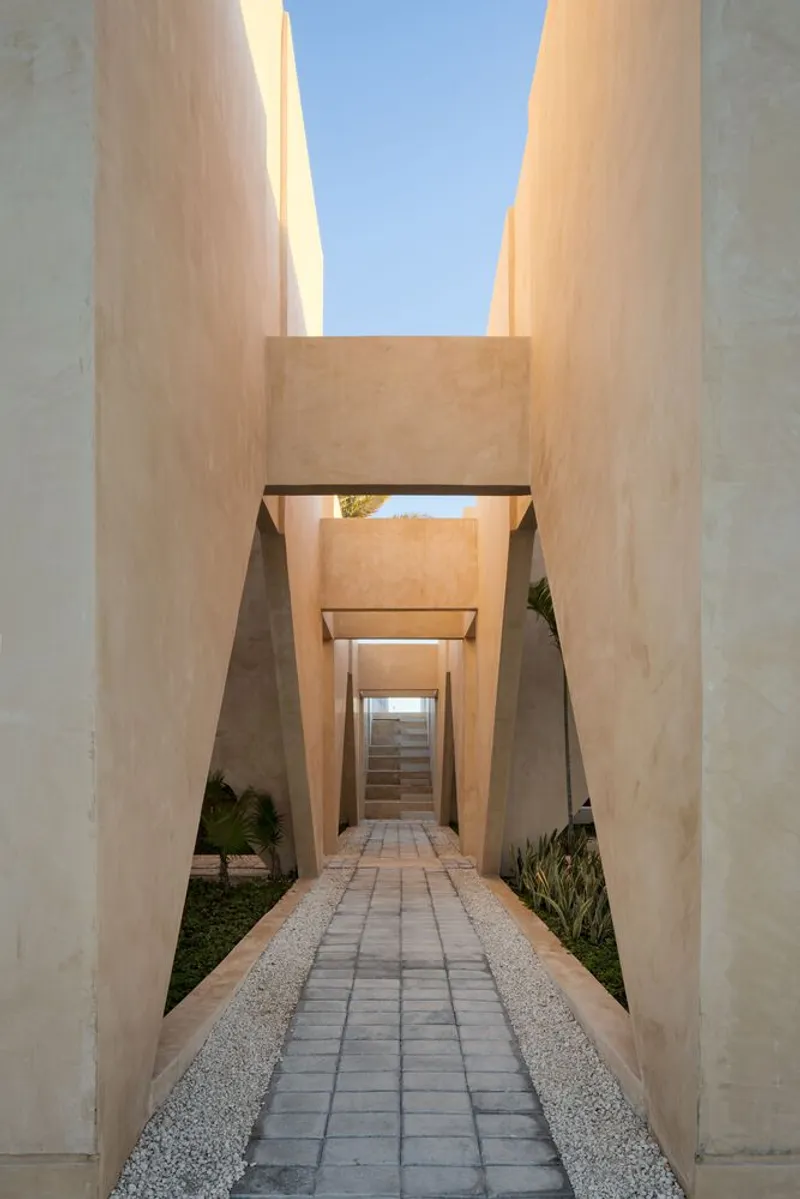
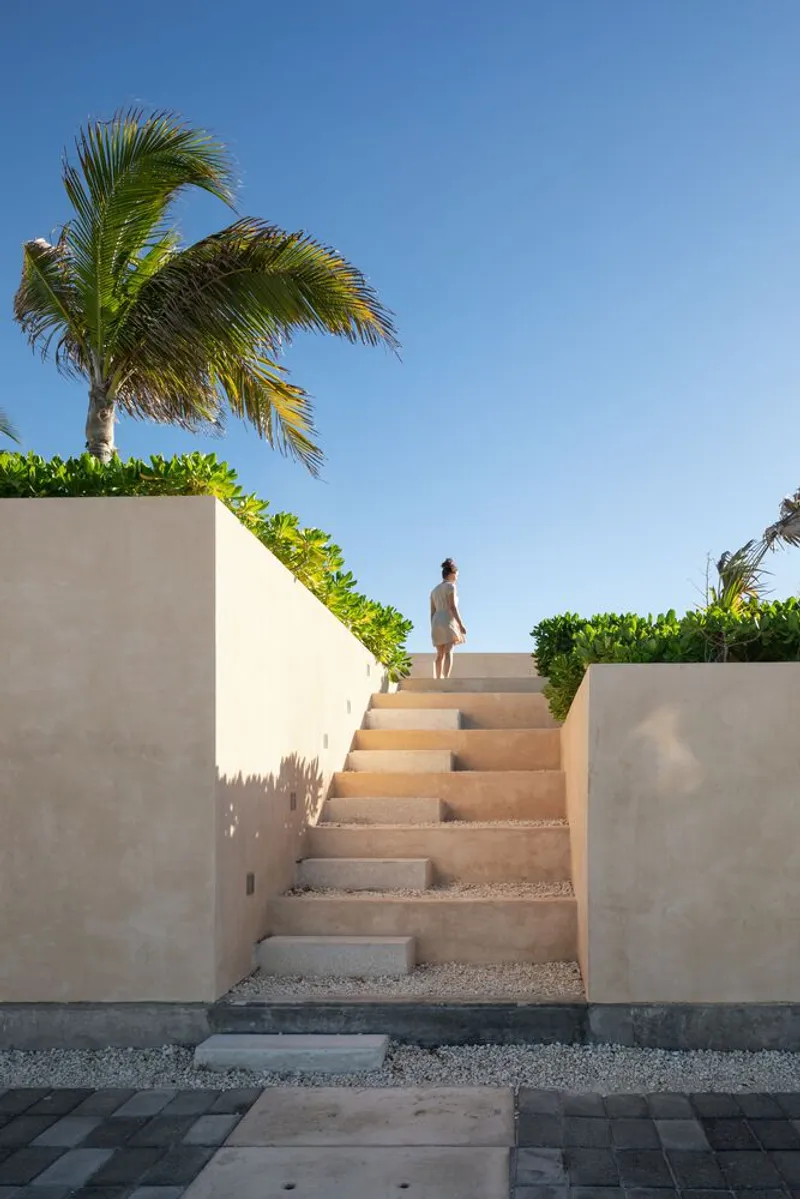
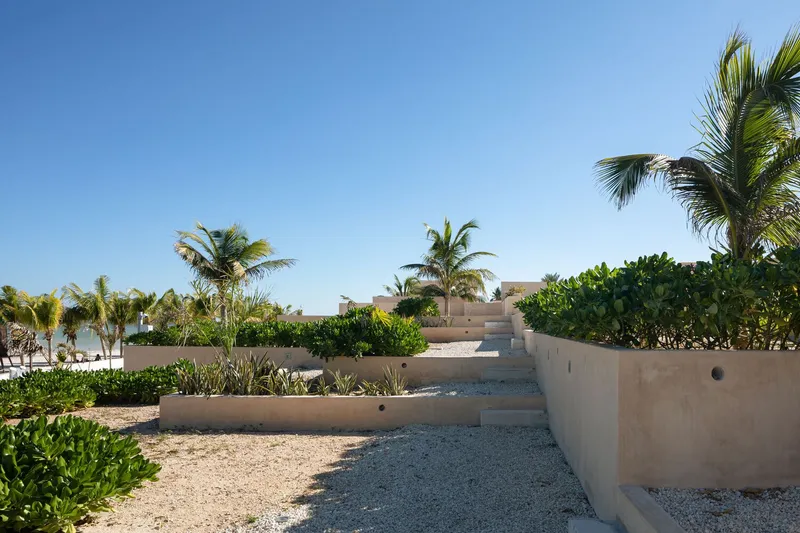
The roof of the museum is designed as a traversable garden, allowing visitors to walk diagonally from corner to corner, offering elevated views of the surrounding area and enhancing the connection between the cultural space and the urban environment. This rooftop path is reminiscent of traditional Mayan terraces, integrating the built environment with the natural landscape.
Materiality and Cultural Resonance
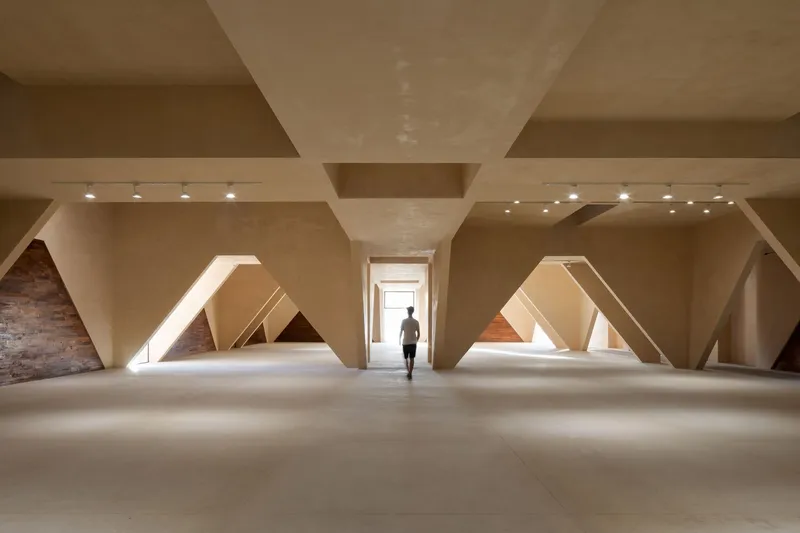
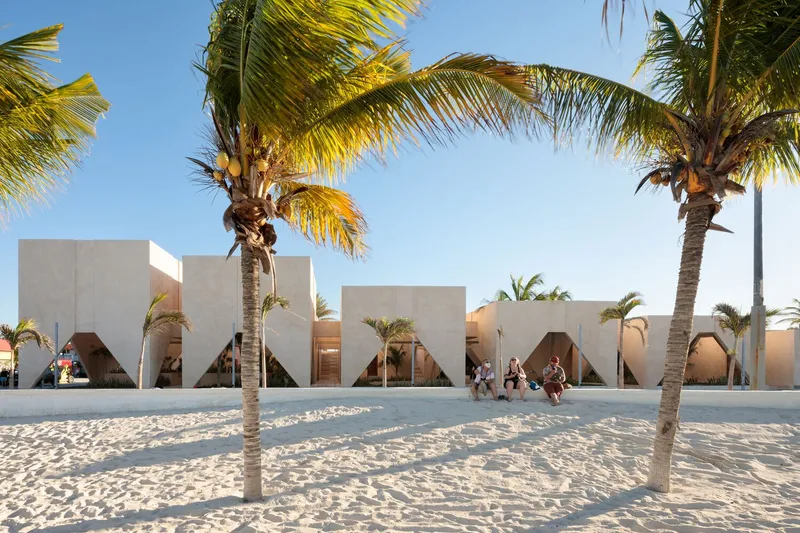
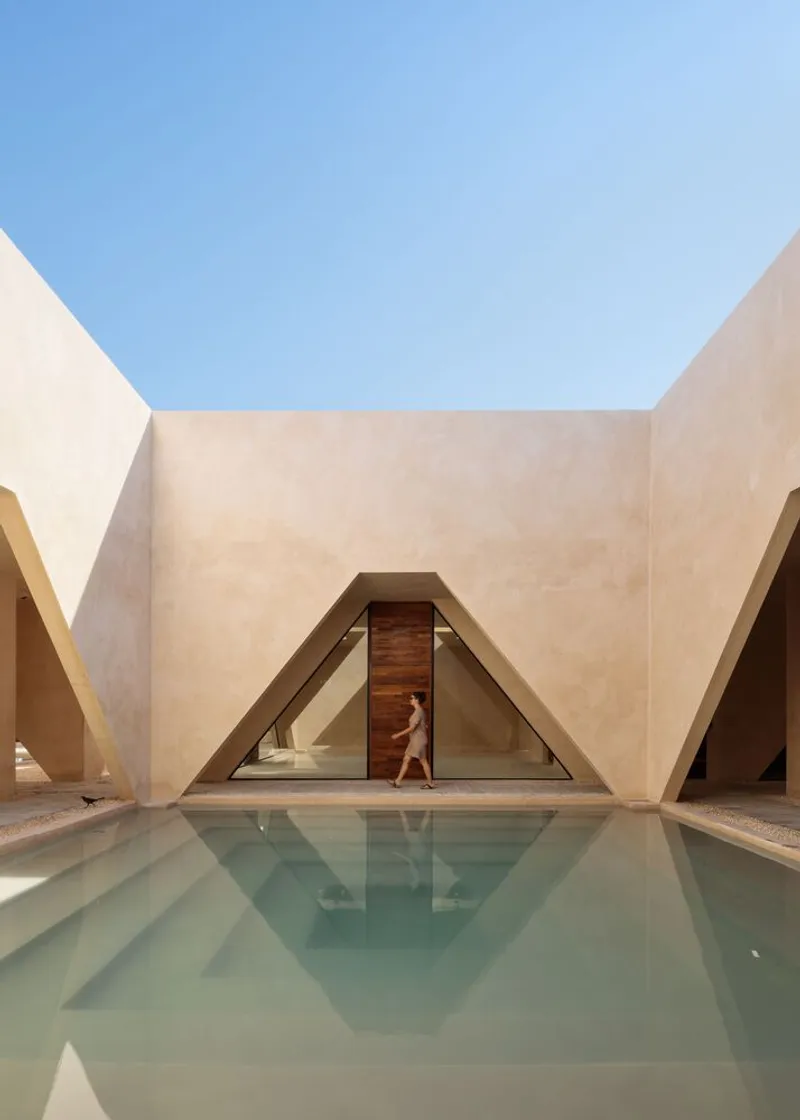
Incorporating elements of Mayan architecture, the museum's monolithic and stepped volumes evoke the forms of ancient structures. The use of chukum—a natural finish of Mayan origin—covers the entire building, ensuring durability and low maintenance costs. This locally sourced material is water-resistant and accessible, aligning with the project's commitment to sustainability and regional craftsmanship.
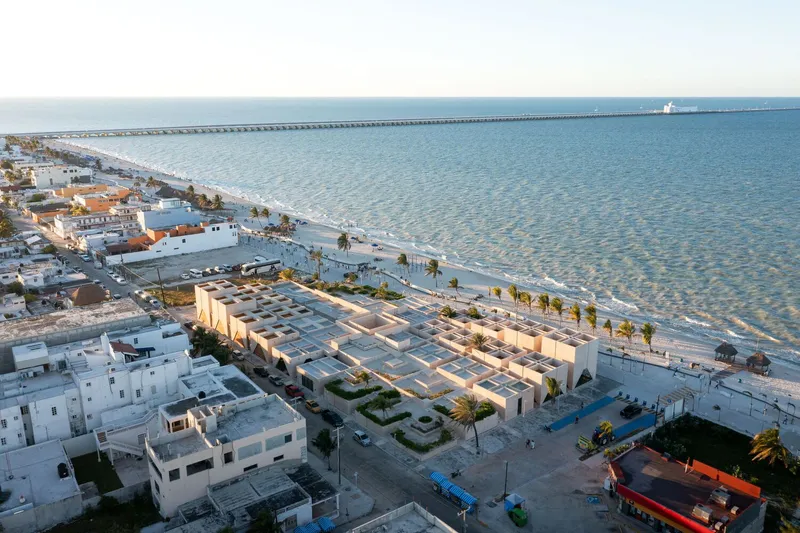
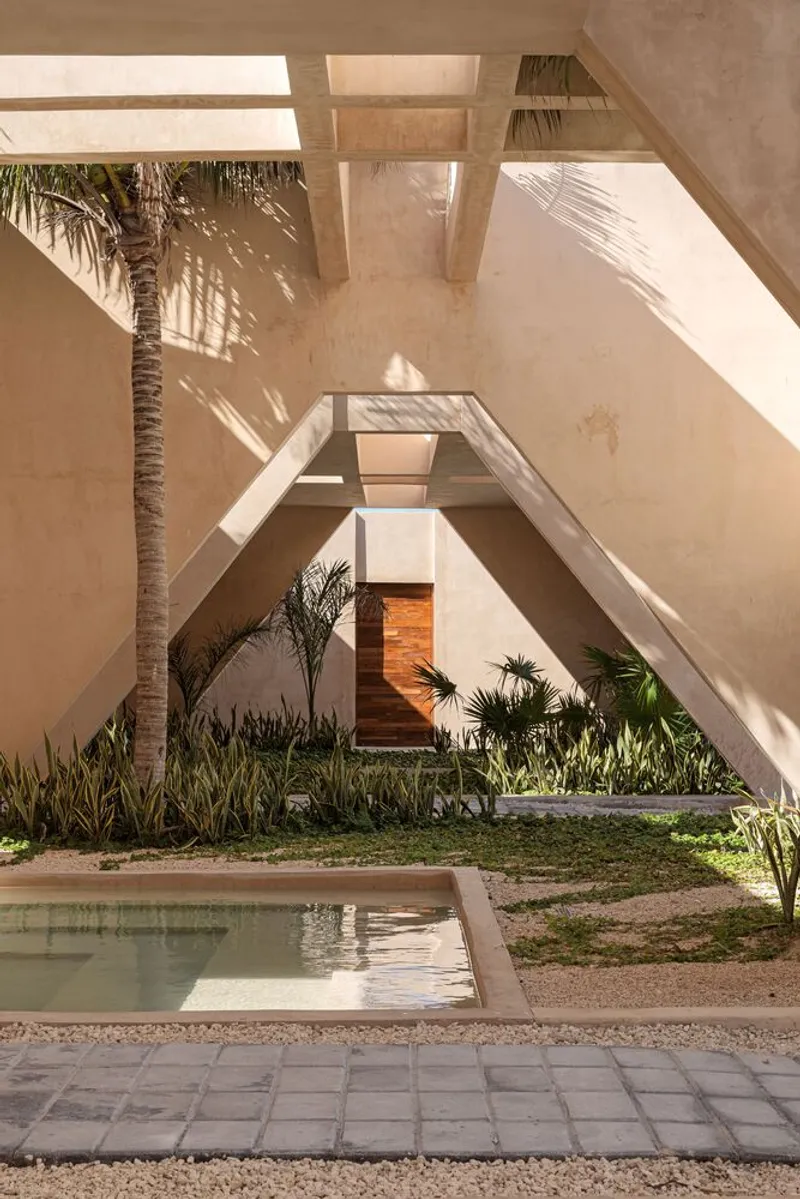
The design also features angled arches and triangular cutouts that not only serve structural purposes but also pay homage to the geometric motifs prevalent in Mayan architecture. These elements are mirrored in the interior, where supports articulate the different spaces, creating a cohesive aesthetic that bridges past and present.
Programmatic Layout and Public Engagement
The museum's program is thoughtfully divided into indoor and outdoor exhibition spaces. The eight exhibition volumes can be subdivided to accommodate permanent, temporary, or event exhibitions, offering flexibility to host a variety of cultural and educational programs. Adjacent to these spaces are facilities for offices, research and cataloging, and storage, ensuring the museum's operational efficiency.
Public amenities such as a cafeteria and workshops are strategically located outside the museum's core areas, serving not only museum visitors but also the general public. This approach fosters a sense of inclusivity and encourages community interaction, making the museum a hub of activity within the urban fabric of Progreso.
Environmental Integration and Sustainability
The museum's design emphasizes environmental sustainability through its integration with the surrounding landscape.The arrangement of volumes creates shaded transit and pause spaces, while the landscaped roof and public gardens incorporate water features inspired by Yucatán's cenotes. These design elements not only enhance the aesthetic appeal but also contribute to the microclimate, providing comfortable spaces for visitors and promoting biodiversity.
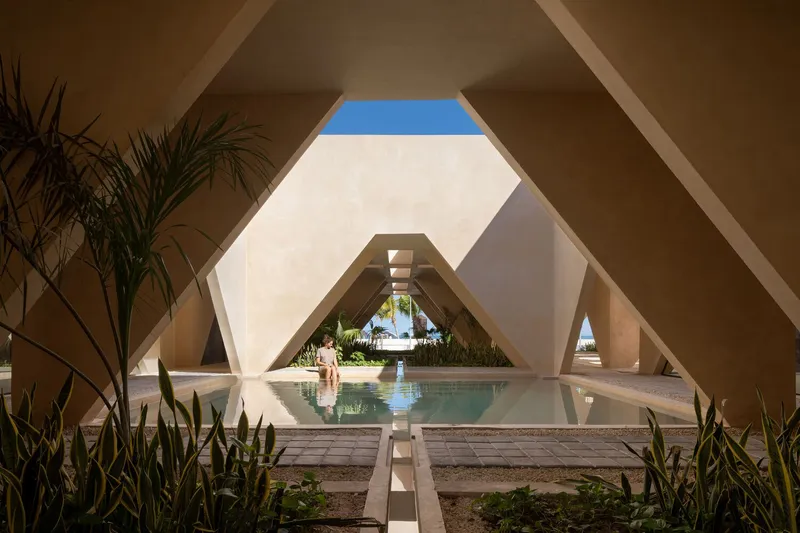
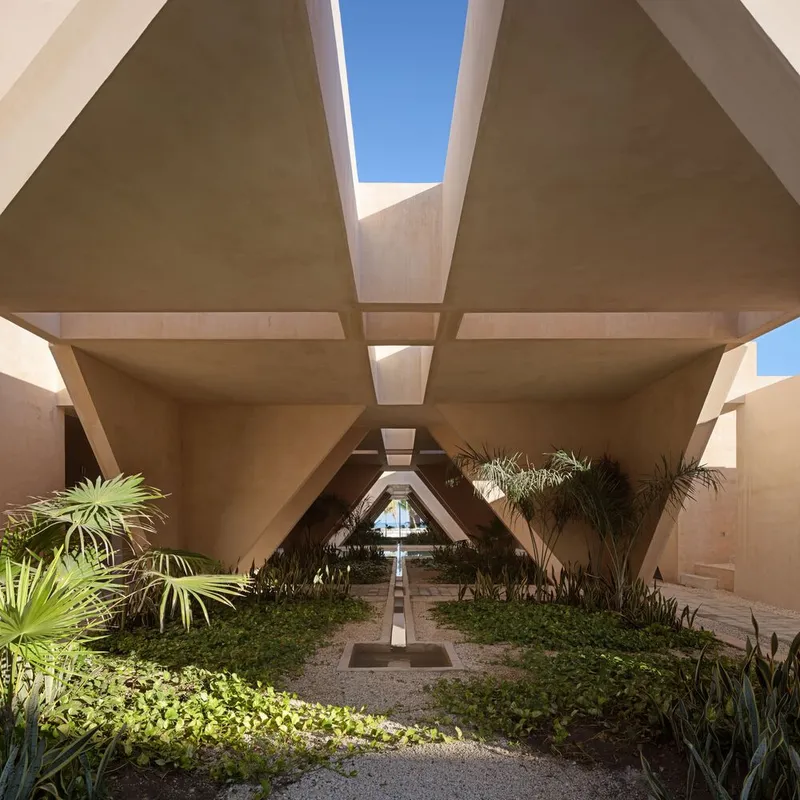
By transforming the existing plaza into a structured, shaded, and appropriable public space, the museum revitalizes the urban environment, offering a place for both cultural enrichment and social interaction. The thoughtful synthesis of local Mayan knowledge with contemporary architectural approaches results in a distinctive and meaningful addition to Progreso's architectural landscape.


Popular Articles
Popular articles from the community


Opera on the Sea: Driftwood Logic Shapes a Timber Opera House on Estonia's Coast
Trevor Orgill's opera house translates the entangled drift of floating timber into a civic building where wood, water, and music converge.

Extended Shell: Retrofitting Kolkata's Balconies as Living Urban Thresholds
A modular retrofit system recovers the social and environmental intelligence of Kolkata's historic verandas for contemporary Park Street residents.

Temporary Home for Dogs: A Reversed Zoo Rethinks Animal Shelter Architecture
In Bucharest, a sinuous corridor and freed landscape flip the logic of containment, designing a shelter that works to make itself unnecessary.

Opera by the Sea Estonia: Three Shells Dissolving Architecture into Tallinn's Coastline
A winning opera house proposal replaces monumental form with interconnected shells that blur the boundary between building, park and Baltic Sea.

Similar Reads
You might also enjoy these articles


Hodi-Mandai Geram
Project Function: Preservation and revitalization of the Intangible heritage and socio-spatial identity of the Hodi by Housing, Cultural Memory Center, Sacred Grove, landscape, local tourism economy


Olio Towers: A Mid-Rise for Performers That Fuses Housing, Rehearsal, and Stage
Located blocks from Houston's Theater District, this modular tower stacks living units around a central performance atrium.

Oasis: Modular Green Housing Carved into Dhaka's Urban Fabric
A shortlisted Plugin Housing entry reclaims unauthorized settlements in Dhaka with stepped concrete volumes, green roofs, and ventilation-driven design.

Black Hole: A Floating Megastructure for the Post-Physical Era
Emiliano Mazzarotto envisions a spherical, self-scaling arena where e-sports, digital hotels, and holographic stadiums replace traditional public space.

Explore Geological Heritage Competitions
Discover active competitions in this discipline

Challenge to design public laboratory

Challenge to reimagine the Iron Throne

Photograph architecture without architects

Illustrate the lost glory of Angkor Wat - Render Challenge
Comments (0)
Please login or sign up to add comments
No comments yet. Be the first to comment!