
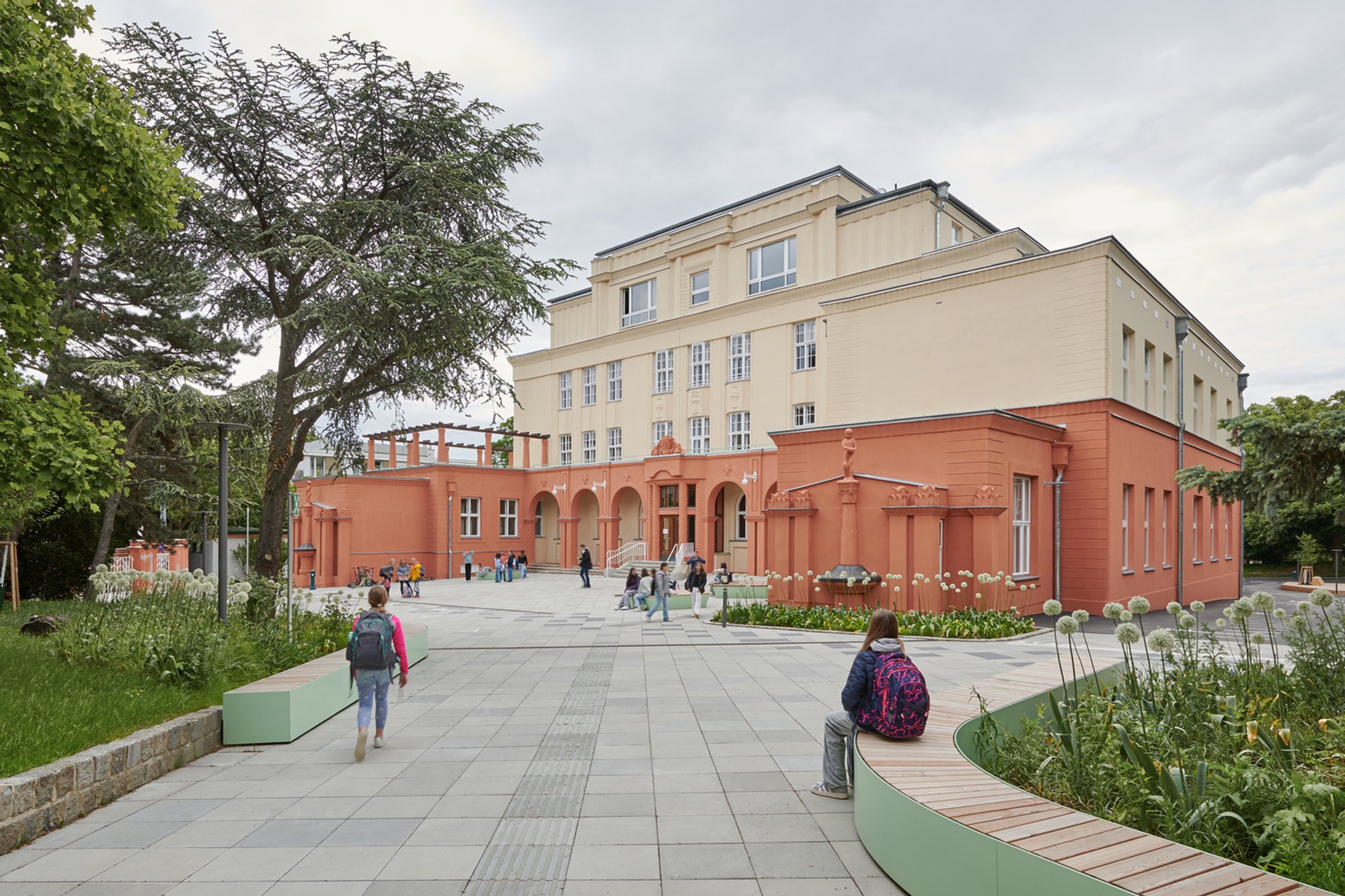
Gersthof Model School Renovation and Conversion by Franz&Sue
Franz&Sue transform a 1920s hospital into a sustainable, light-filled school in Vienna, blending heritage preservation with modern learning environments.

Revitalizing a Historic Hospital into a Contemporary Learning Campus in Vienna
In the heart of Vienna’s Gersthof district, Austrian architecture studio Franz&Sue has transformed the former Gersthof Orthopaedic Hospital into a model school campus that blends historical preservation with innovative educational design. The 7,510-square-meter project exemplifies how adaptive reuse and low-tech sustainability can coexist within the strict parameters of heritage conservation.
From Orthopaedic Hospital to Modern School
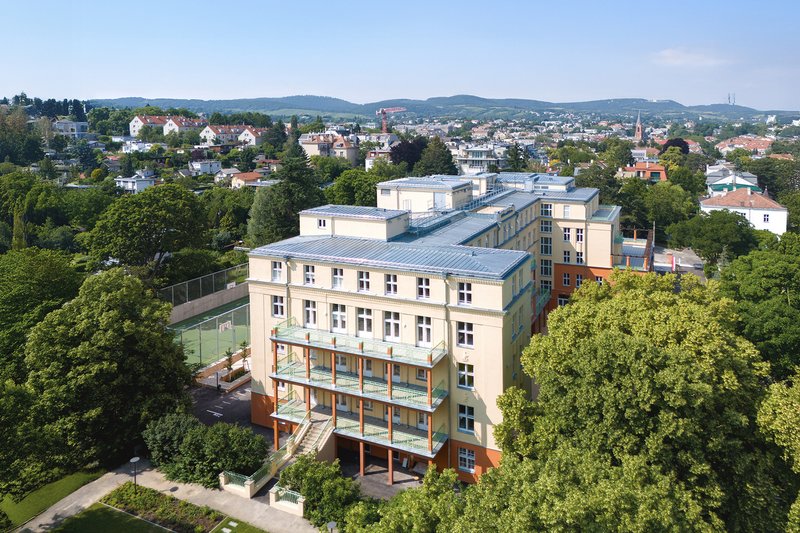
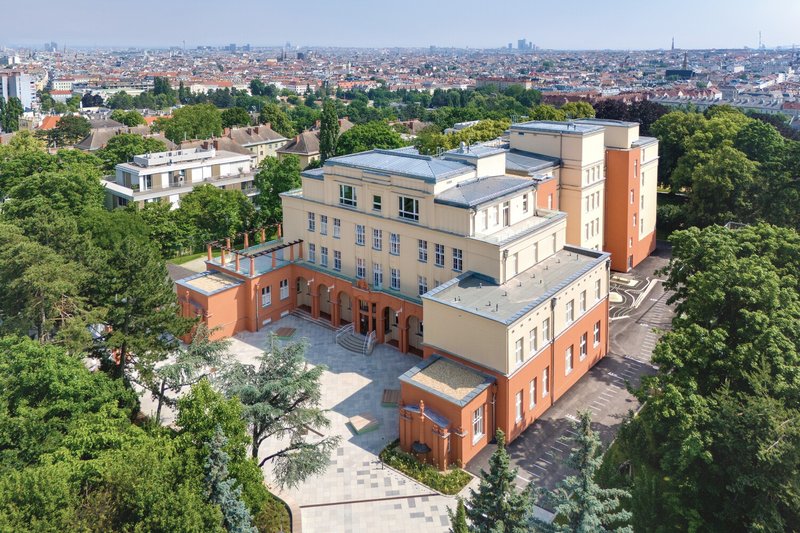
The original 1920s structure, surrounded by a lush park of century-old trees, once served as an orthopedic hospital before being vacated. Initially considered for conversion into luxury housing, the site’s fate took a different direction when it was acquired by Bundesimmobiliengesellschaft (BIG). Instead of private residences, BIG envisioned a flagship educational project—a benchmark for transforming existing buildings into dynamic learning environments accessible to the public.
This decision not only preserved a piece of Vienna’s architectural heritage but also redefined how historic structures can be reimagined for modern educational use.
Heritage Constraints as Design Opportunities
Working within monument protection regulations, Franz&Sue embraced the limitations of the original structure to challenge conventional school design standards. The building’s five-meter wing depth created classrooms that are narrower yet longer than typical layouts. Rather than seeing this as a constraint, the architects used the configuration to introduce flexible learning zones, dedicated areas for group work, and built-in wardrobes—fostering autonomy and collaboration among students.
Light, Openness, and Connectivity
One of the key interventions was the removal of non-load-bearing interior walls to eliminate dark central corridors that once defined the hospital layout. This transformation introduced open, light-filled circulation spaces that now serve as shared learning and break areas, encouraging social interaction and visual connectivity.
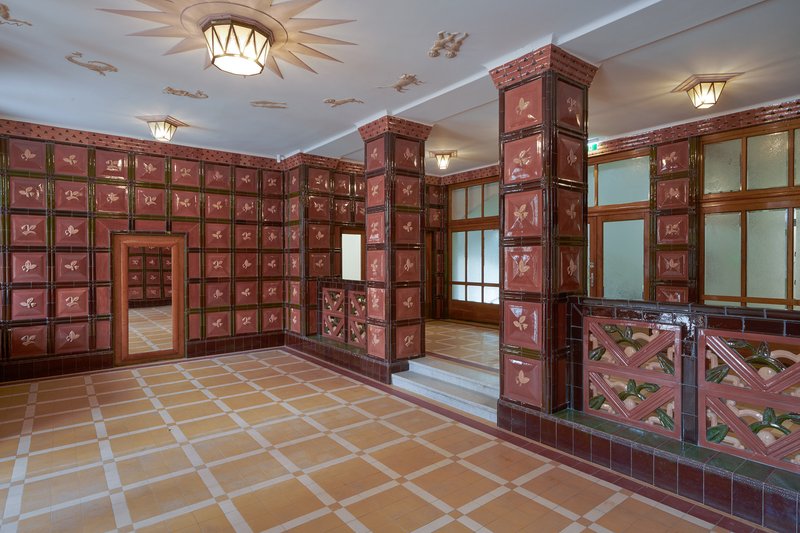
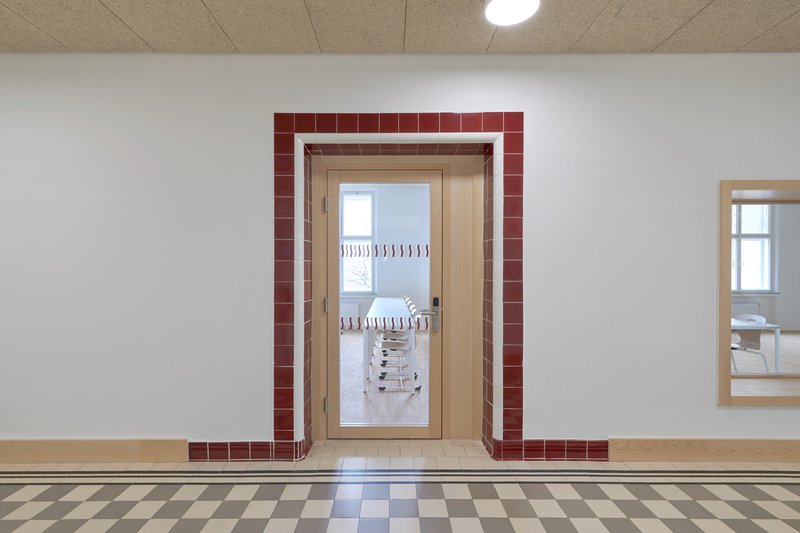
Throughout the renovation, original architectural elements—including red tiled floors, wooden skirting boards, and robust door frames—were preserved and referenced in new design insertions. The dialogue between the old and the new maintains the building’s authenticity while aligning it with contemporary functionality.
Reconnecting Architecture with Landscape
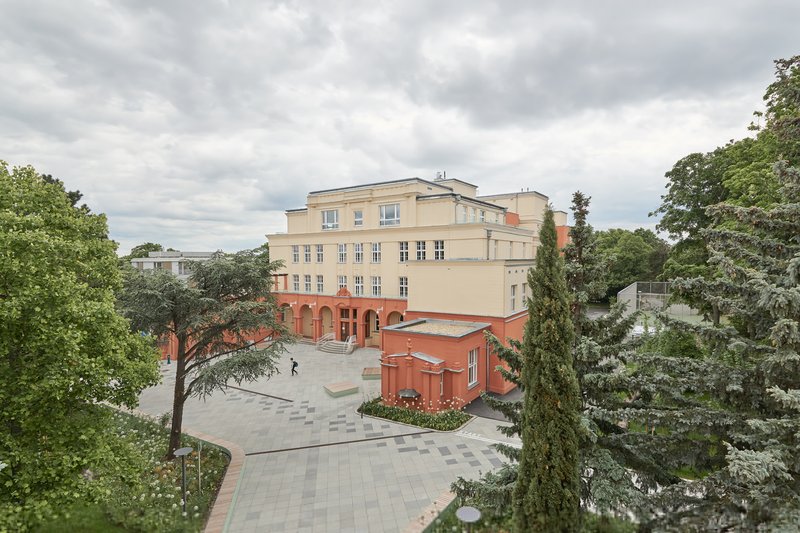
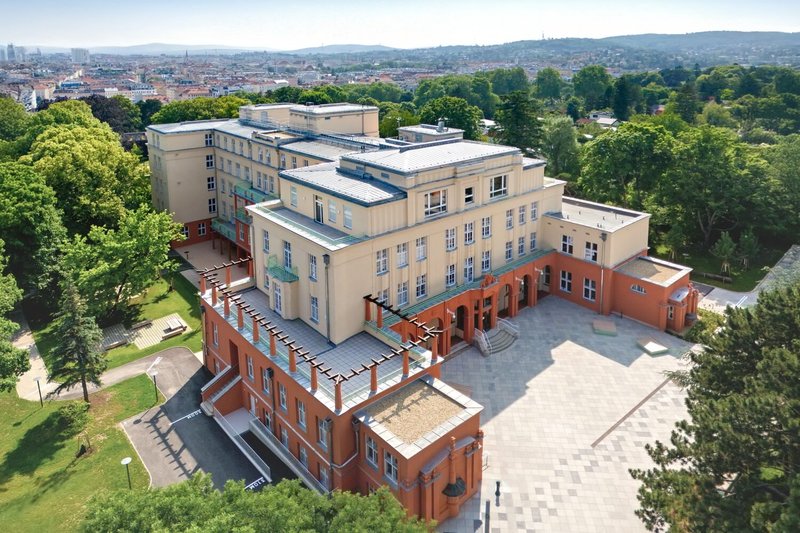
The architects also restructured the ground level by recessing the terrain to establish direct access to the surrounding park. The previously dark basement has been transformed into a bright and active area housing a ground-level cafeteria and after-school supervision spaces, both visually and physically connected to the garden. This reorganization not only enhances accessibility but also promotes interaction with the natural landscape, reinforcing the school’s role as a welcoming community space.
Across from the main building, the former administrative block was adapted into a science center with state-of-the-art laboratories, providing a stimulating environment for experimentation and research.
Sustainability Through Low-Tech Innovation
Instead of imposing a mechanical ventilation system—which would have conflicted with preservation standards—Franz&Sue adopted a low-tech environmental strategy centered on intelligently controlled natural ventilation. Operable windows and responsive airflow systems ensure thermal comfort and indoor air quality while minimizing energy consumption.
This innovative yet simple approach made the Gersthof Model School the first building to achieve “klimaaktiv” certification using such a service concept, underscoring Austria’s commitment to sustainable architecture rooted in ecological sensitivity and practical design.
A Model for Adaptive Educational Architecture
The Gersthof Model School Renovation and Conversion demonstrates how historical preservation, spatial reimagination, and sustainable innovation can intersect to create a new typology of learning spaces. Franz&Sue’s design redefines what a school can be—a place that honors history while enabling forward-thinking education.
All photographs are works of Andreas Buchberger, Julius Silver




Popular Articles
Popular articles from the community

IDIN Architects Wraps a Hua Hin Hotel Around a Private Courtyard to Escape the City
Dusit D2 Hua Hin turns an urban infill site in Thailand's family vacation heartland into a self-contained resort through courtyard planning.
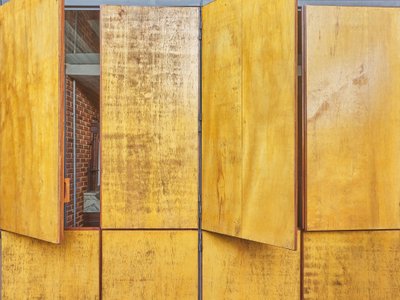
gru.a Builds a 70 m² Timber Shelter That Opens Like a Farm Door in Brazil's Valley of the Vines
In the mountainous region near Rio de Janeiro, a compact retreat uses plywood panels and deep eaves to blur the line between inside and out.
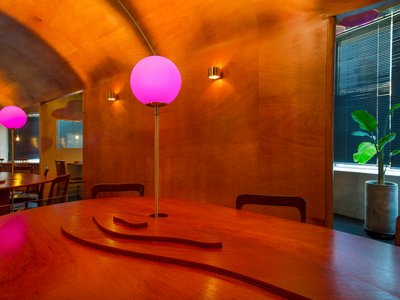
Indiesalon Carves a Plywood Cave into a Seoul Bistro's Second Floor
Munhwa Bistro's second Seongsu branch wraps diners in a laminated timber vault laced with colored light and mirror illusions.
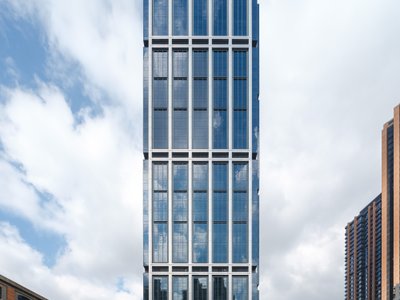
Foster + Partners Wraps a 200-Meter Shanghai Tower in Stainless Steel and Industrial Memory
The Suhe Centre Office Tower anchors a regenerated waterfront district in Shanghai with an all-steel structure that nods to local warehouse heritage.

Similar Reads
You might also enjoy these articles

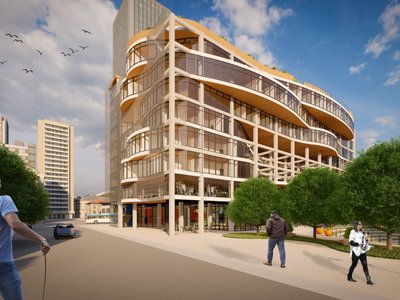
Olio Towers: A Mid-Rise for Performers That Fuses Housing, Rehearsal, and Stage
Located blocks from Houston's Theater District, this modular tower stacks living units around a central performance atrium.
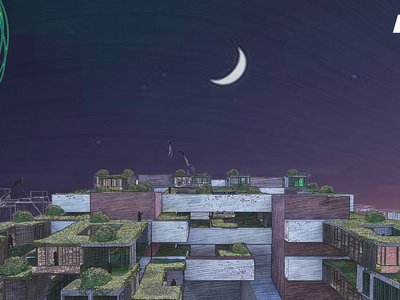
Oasis: Modular Green Housing Carved into Dhaka's Urban Fabric
A shortlisted Plugin Housing entry reclaims unauthorized settlements in Dhaka with stepped concrete volumes, green roofs, and ventilation-driven design.

Black Hole: A Floating Megastructure for the Post-Physical Era
Emiliano Mazzarotto envisions a spherical, self-scaling arena where e-sports, digital hotels, and holographic stadiums replace traditional public space.
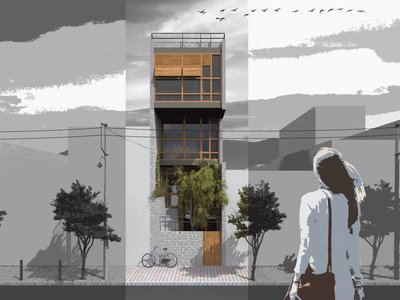
Compact & Sustainable Living in Piraeus: A Four-Level Family Home Built Around Light and Air
A narrow townhouse in one of Greece's densest port cities uses a central atrium and passive strategies to house three generations under one roof.


Explore Architecture Competitions
Discover active competitions in this discipline




The International Standard for Design Portfolios


The Global Benchmark for Architecture Dissertation Awards


The Global Benchmark for Graduation Excellence


Challenge to design public laboratory
Comments (0)
Please login or sign up to add comments
No comments yet. Be the first to comment!