
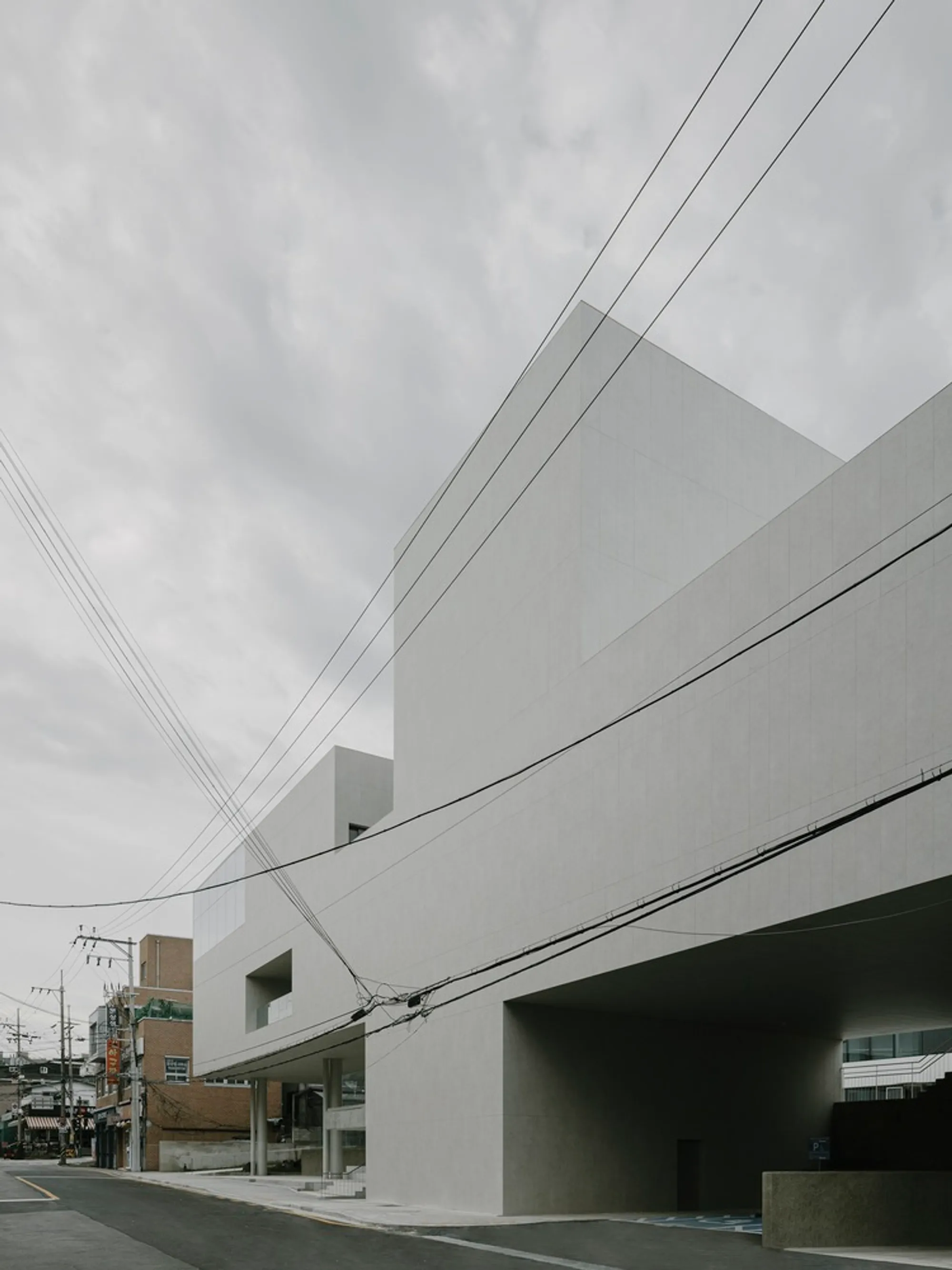
Geumchon Oulim Centre by 818 Architects – A Dynamic Community Hub Reinventing Urban Interaction
A vibrant community center blending market history with modern cultural, educational, and welfare spaces through open courtyards, adaptive design, and seamless urban integration.


The Geumchon Oulim Centre, designed by818 Architects, is a landmark mixed-use community facility in Paju-si, South Korea, redefining how public architecture adapts to ever-changing urban life. Completed in 2024 and spanning 5,660 m², the project integrates cultural, educational, welfare, and entrepreneurial spaces, becoming a vibrant hub for residents of all ages—including children, youth, and military personnel.
Through its thoughtful spatial organization and responsive architecture, the center strengthens the connection between a historic community market and the evolving needs of the modern city.
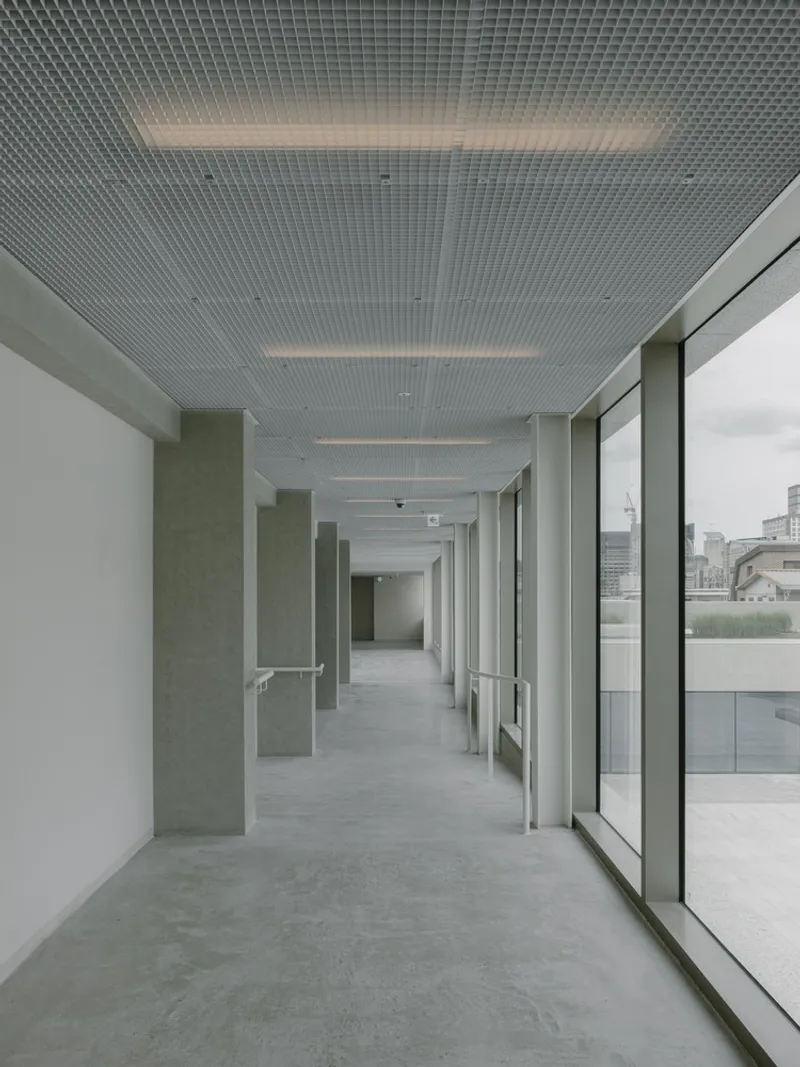
A Living Urban Ecosystem Rooted in Community History
Cities are not static—they evolve through the continuous interactions between people, activities, and places. The architects embraced this concept by designing the Geumchon Oulim Centre as an organic structure, one that gains vitality through interaction rather than remaining rigid and isolated.
The site is uniquely positioned beside a century-old open-air market held every five days. This market, surrounded by a dense mix of small shops and residences, transforms the street into a lively environment filled with temporary tents, food vendors, and local commerce. Its dynamic character became the foundational inspiration for the building’s design.
Although the market and the new community center serve different purposes, their coexistence enriches the public realm. The project’s “dual boundary” concept reflects the street’s vibrant, ever-shifting nature—allowing the architecture to become both a backdrop and a participant in the urban experience.

Respecting the Old While Introducing the New
For over two decades, the site housed a courthouse and registration office elevated 2.7 meters above street level. Instead of demolishing everything, the design preserves existing structures and levels. This strategic decision clears most of the street frontage and creates generous broad steps that naturally connect the elevated site to the pedestrian street below.
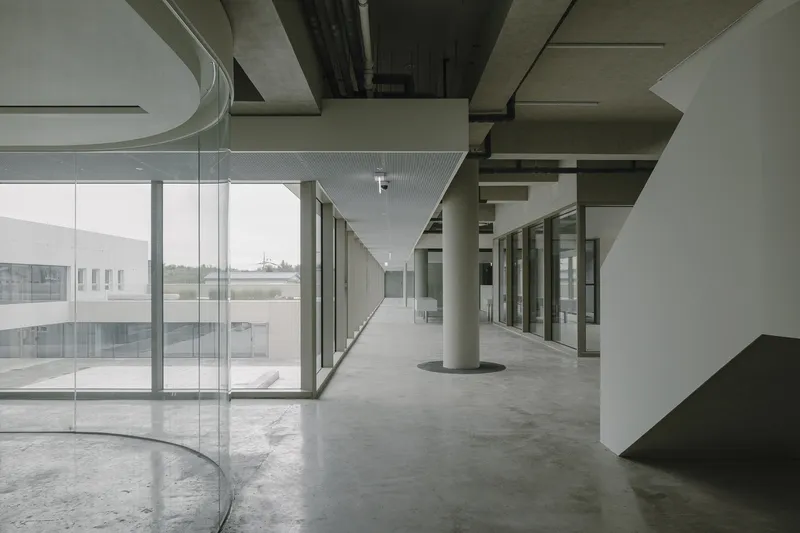
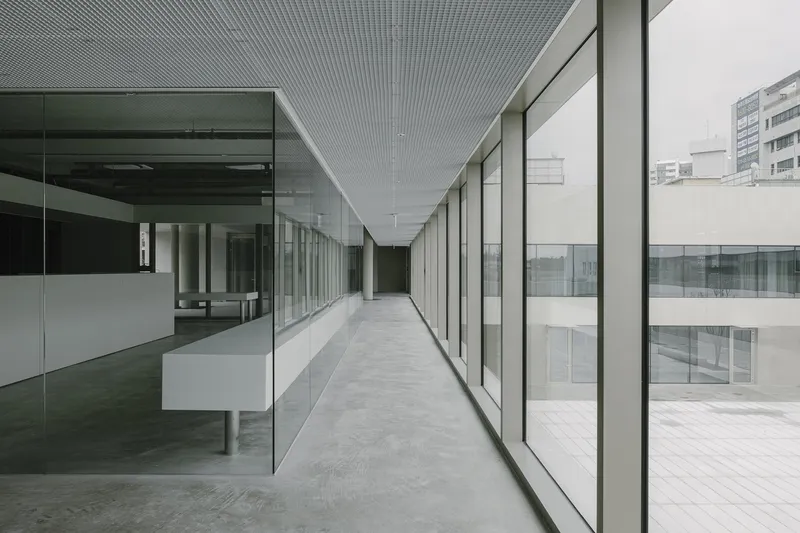
A striking, taut façade distinguishes the center from its surroundings, providing a clean and minimal backdrop for the bustling market. This juxtaposition heightens the spatial experience and maintains a strong visual dialogue between old and new, static and dynamic.


Open Courtyards and Porous Boundaries for Shared Urban Life
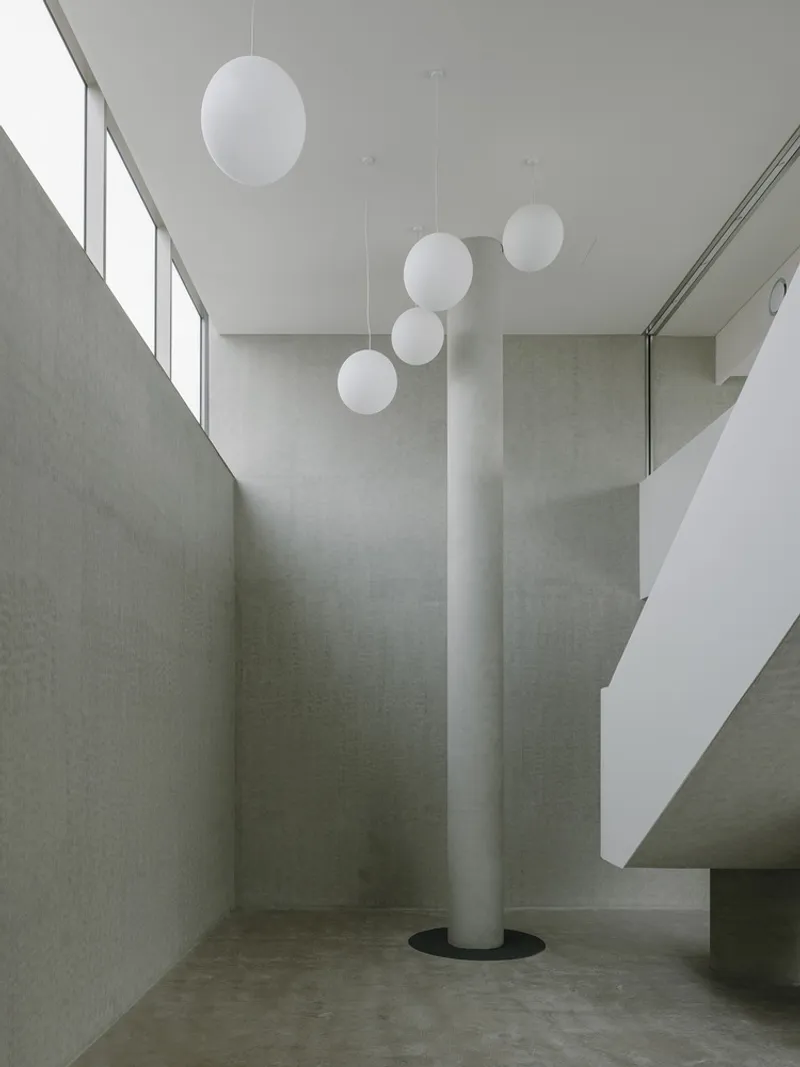
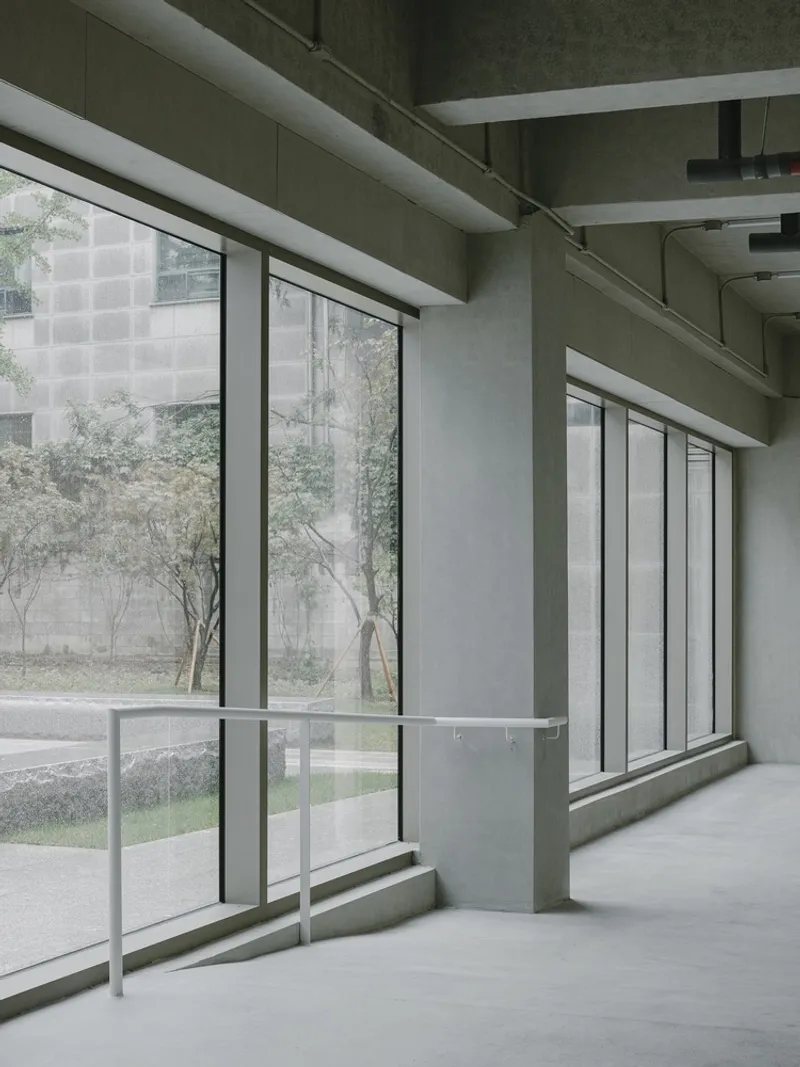
The Geumchon Oulim Centre embodies openness, adaptability, and inclusivity. Rather than creating a closed-off public building with rigid circulation, 818 Architects designed a series of porous courtyards that extend beyond the physical limits of the site.
These open spaces avoid exclusive, single-purpose use. Instead, they invite flexible patterns of occupation—from casual gatherings to cultural events, youth activities, and social support programs. The courtyards function as soft urban boundaries, adapting to changing needs and blending seamlessly with the surrounding city fabric.
By encouraging overlap between users and programs, the architecture fosters community creativity and interaction, reinforcing the idea that the city and its buildings grow through shared experiences.

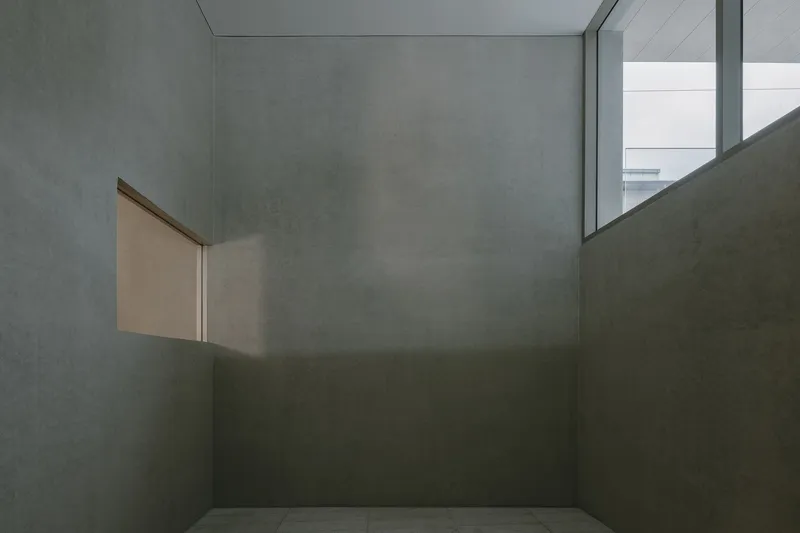
A Multi-Functional Community Center for Modern Urban Life
The center integrates a wide range of facilities, including:
- Children’s education spaces
- Youth programs and cultural rooms
- Entrepreneurship and training spaces
- Welfare and community support programs
- Facilities catering to local military personnel
This multifunctional approach ensures the building remains active throughout the day and serves diverse groups within the community. The blend of uses strengthens the building's role as a central social platform, capable of evolving with the city’s future needs.
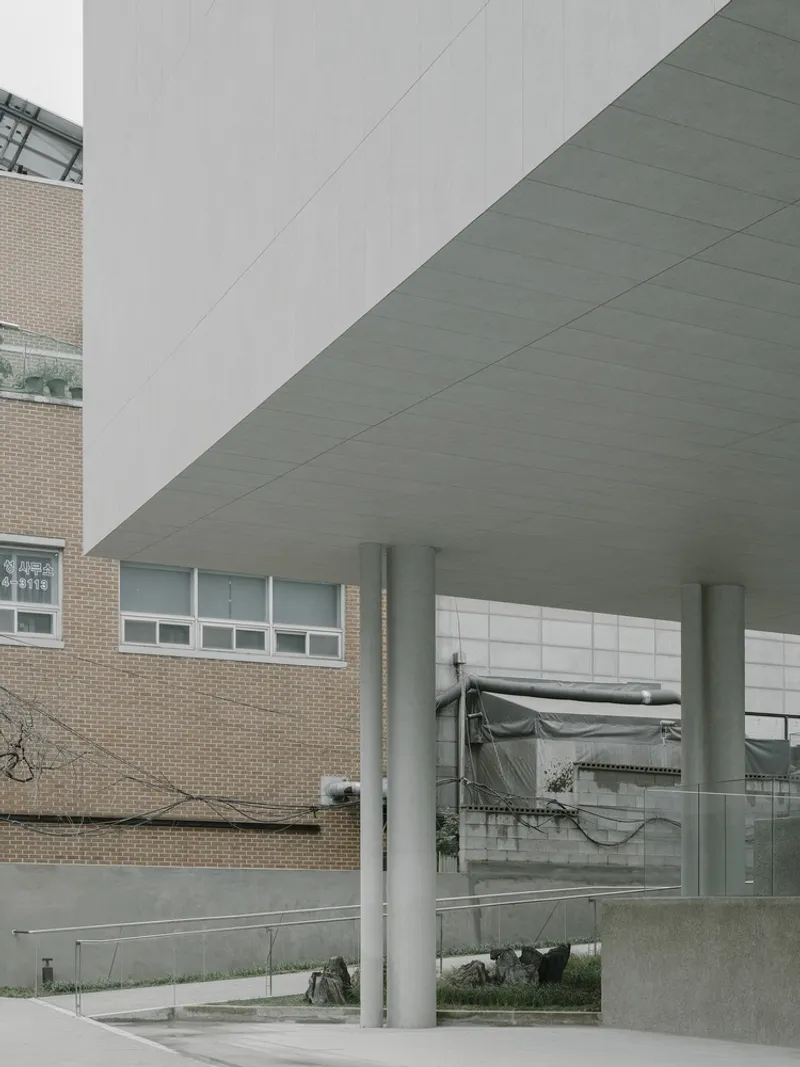
A Responsive Architecture That Belongs to the City
The Geumchon Oulim Centre by 818 Architects is more than a building—it is an architectural framework that absorbs, reflects, and enhances the dynamic life of its environment. By bridging a historic marketplace with contemporary community needs, the project demonstrates how adaptive, inclusive architecture can anchor local identity while supporting long-term urban transformation.
All photographs are works of
Yongbaek Lee




Popular Articles
Popular articles from the community


Hill & Cross Opera: Sculptural Opera House Architecture Shaped by Tallinn’s Landscape and Identity
Hill & Cross Opera reimagines opera house architecture in Tallinn through its sculptural hill, civic plaza, glass wave and a luminous cross.

Play: Fragments of Their World
Familiar architecture becomes modular playground design, creating safe spaces where displaced children can learn, connect, imagine and play.

Conexión: Biophilic Design Reimagines High-Rise Living in Hong Kong
Conexión reimagines high-rise living in Hong Kong through biophilic design, green facades, shared spaces, daylight, water and nature within.

The Earth Pod: 3D Printed Homes for Resilient Refugee Communities
The Earth Pod reimagines refugee housing through 3D printed homes made from clay, combining resilience, self-sufficiency, and rapid shelter.

Similar Reads
You might also enjoy these articles


Hodi-Mandai Geram
Project Function: Preservation and revitalization of the Intangible heritage and socio-spatial identity of the Hodi by Housing, Cultural Memory Center, Sacred Grove, landscape, local tourism economy


Olio Towers: A Mid-Rise for Performers That Fuses Housing, Rehearsal, and Stage
Located blocks from Houston's Theater District, this modular tower stacks living units around a central performance atrium.

Oasis: Modular Green Housing Carved into Dhaka's Urban Fabric
A shortlisted Plugin Housing entry reclaims unauthorized settlements in Dhaka with stepped concrete volumes, green roofs, and ventilation-driven design.

Black Hole: A Floating Megastructure for the Post-Physical Era
Emiliano Mazzarotto envisions a spherical, self-scaling arena where e-sports, digital hotels, and holographic stadiums replace traditional public space.


Explore Public Architecture Competitions
Discover active competitions in this discipline



Challenge to design public laboratory


Challenge to reimagine the Iron Throne


Photograph architecture without architects


Illustrate the lost glory of Angkor Wat - Render Challenge
Comments (0)
Please login or sign up to add comments
No comments yet. Be the first to comment!