
Ghibli House by Nuevo Arquitetura: A Bioclimatic Residential Gem in Brasília
Ghibli House by Nuevo Arquitetura in Brasília features bioclimatic design, suspended modular structure, Studio Ghibli-inspired aesthetics, sustainable systems, and double-height interiors.


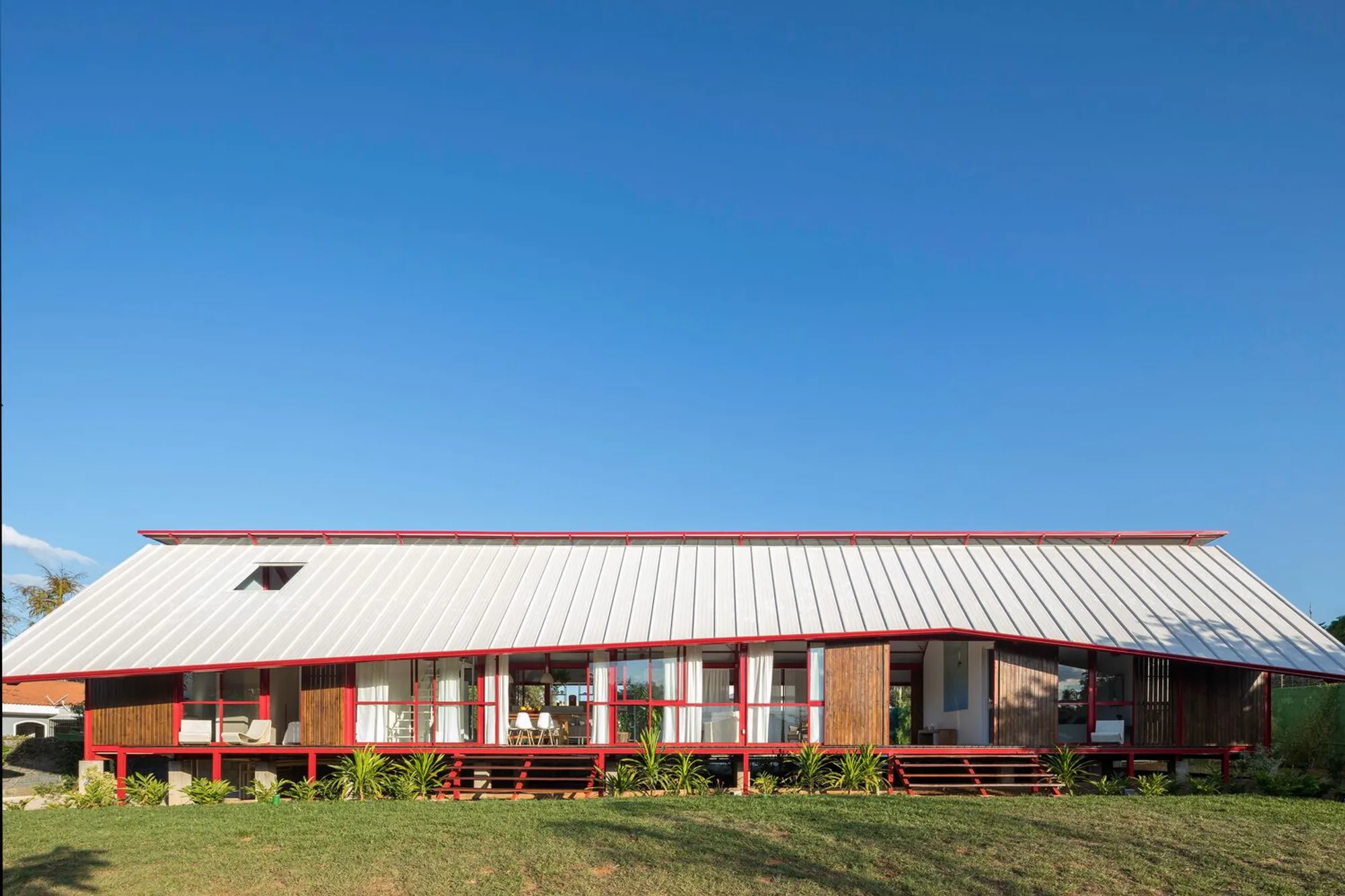
Nestled on the outskirts of Brasília's iconic Pilot Plan, the Ghibli House by Nuevo Arquitetura is a stunning example of residential architecture that harmoniously blends bioclimatic design, sustainability, and Studio Ghibli-inspired aesthetics. Inspired by the magical universe of the renowned Japanese animation studio, the house reflects a poetic narrative that merges architectural precision with environmental sensitivity.
Design Concept and Inspiration
The owners’ admiration for Studio Ghibli’s fantastical worlds inspired the home's whimsical and imaginative design. Beyond its narrative inspiration, the project showcases a sophisticated integration of architecture and climate, employing passive strategies to enhance comfort, energy efficiency, and environmental performance.
The house responds directly to Brasília’s unique climatic conditions, where humidity fluctuates dramatically—from 70–80% in the rainy season to below 20% in the dry season. Nuevo Arquitetura translated these challenges into innovative technical-constructive solutions, ensuring optimal thermal performance and sustainable living.
Architectural Layout and Spatial Organization
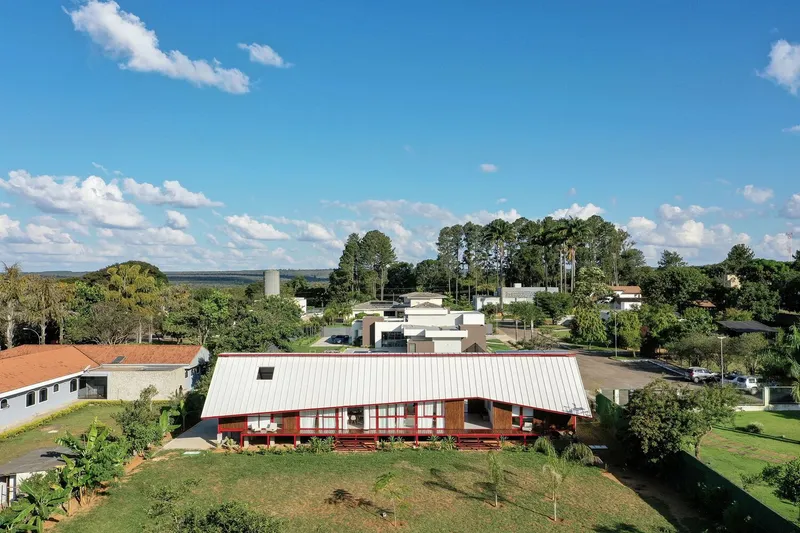
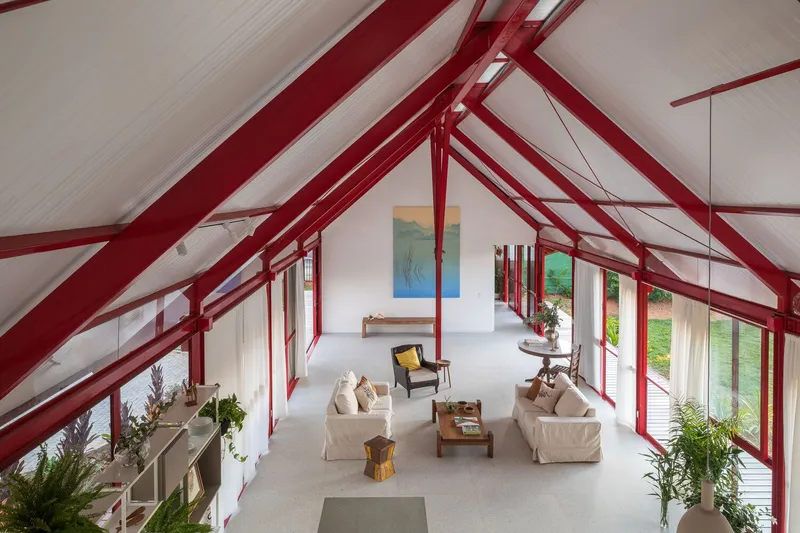
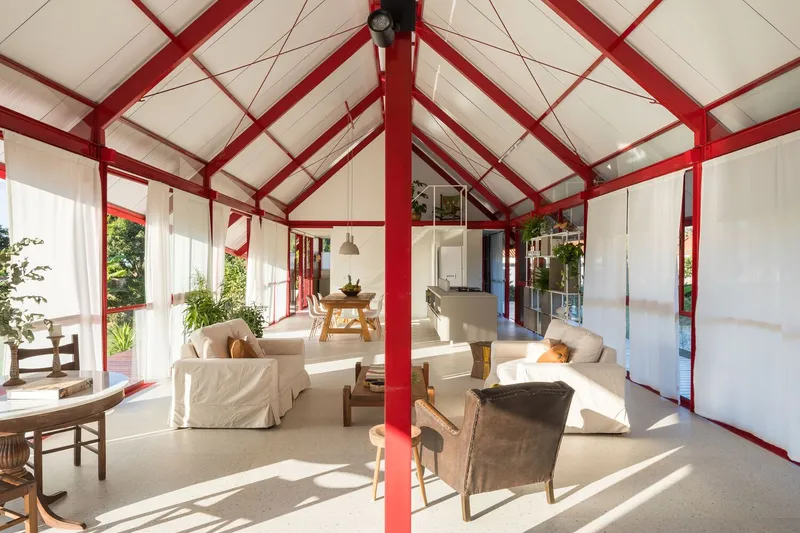
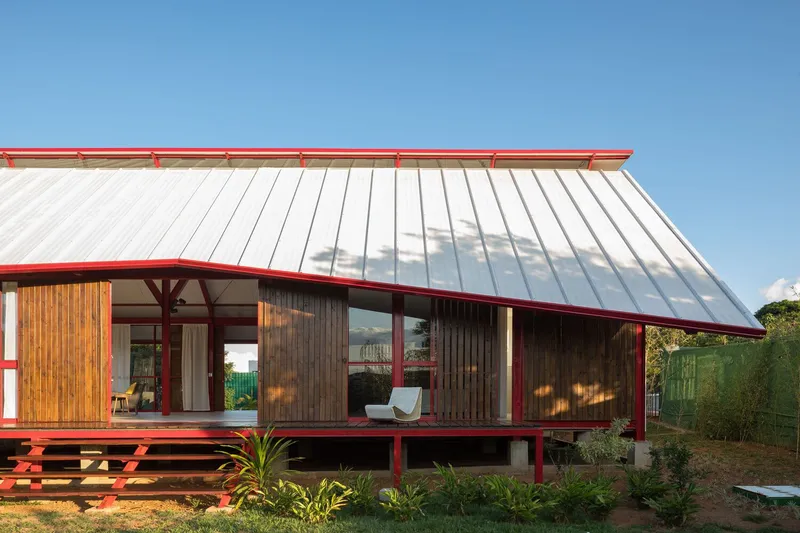
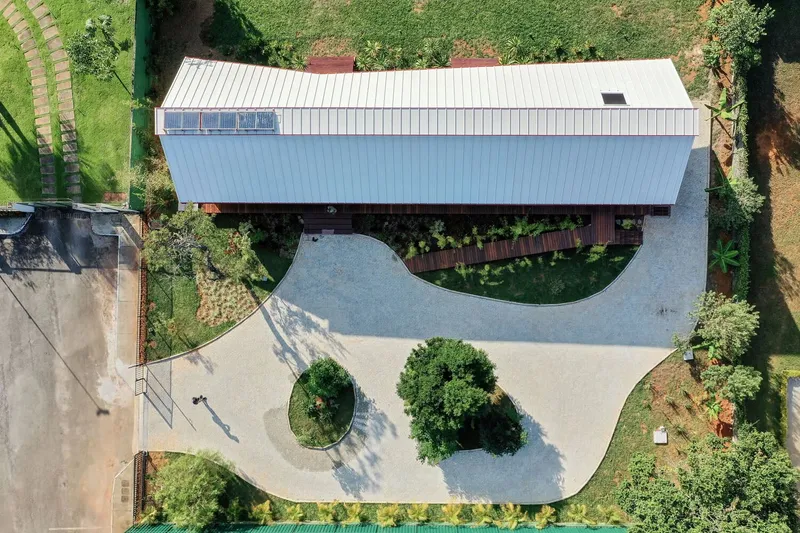
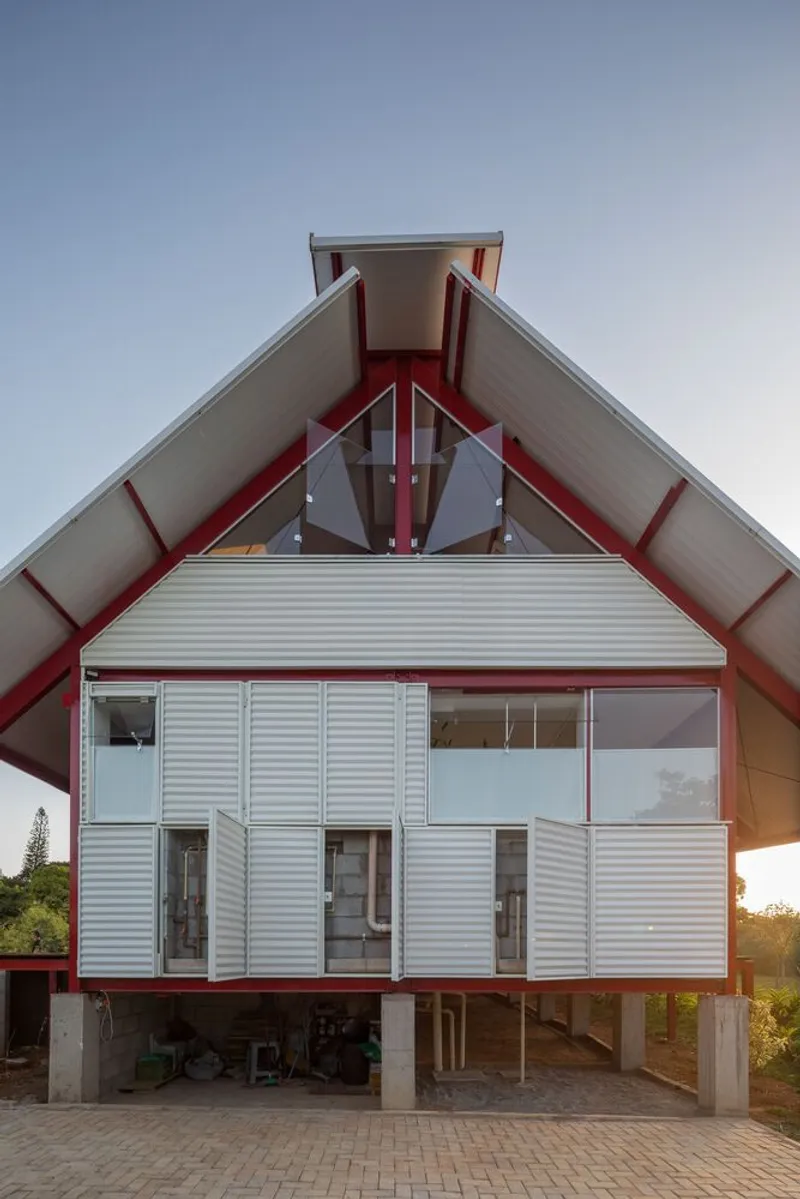
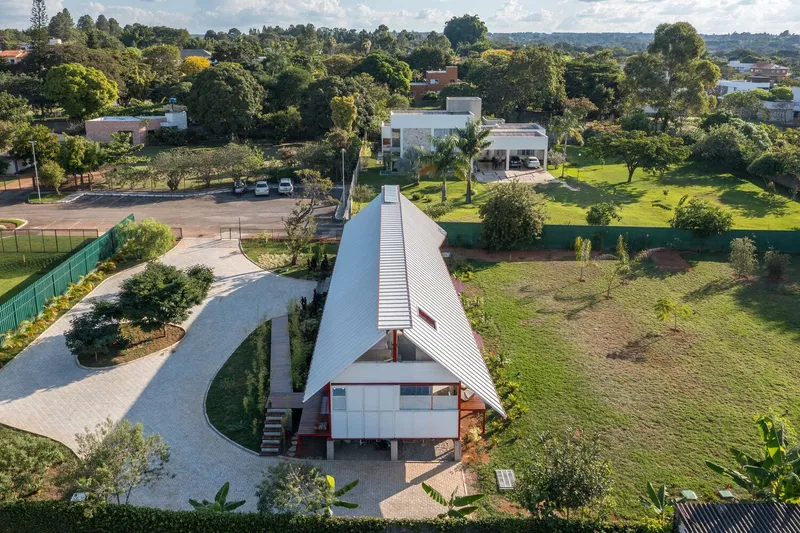
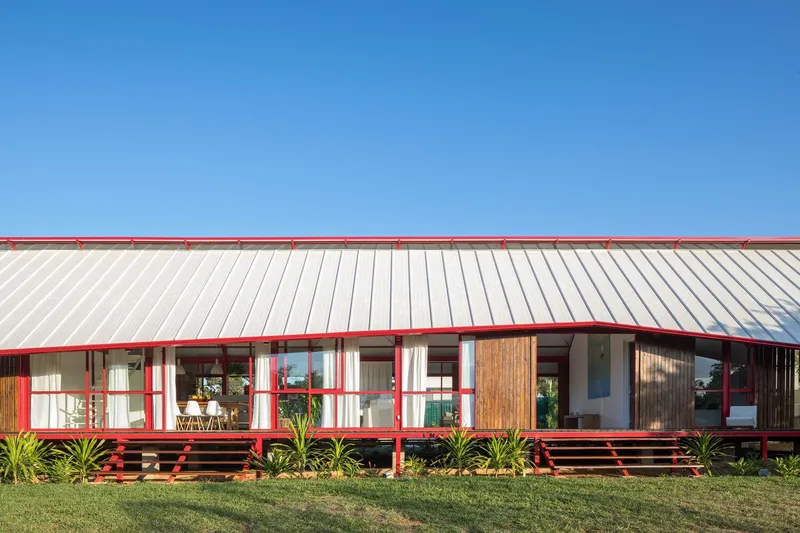
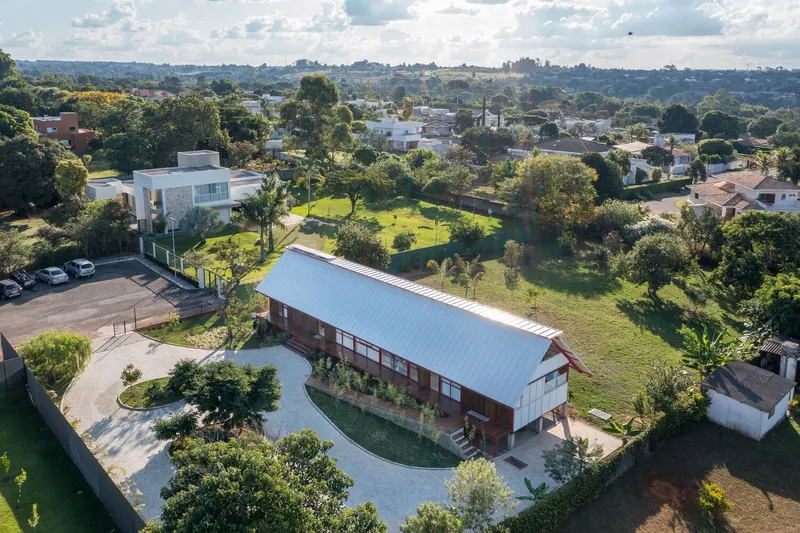
The Ghibli House is thoughtfully suspended above the ground as a longitudinal platform, a design decision aimed at preventing infiltration issues while maximizing thermal efficiency. The spatial program is divided into two intimate modules at the extremities—one for private living spaces and one for service functions—linked by a double-height central volume that acts as the heart of the home.
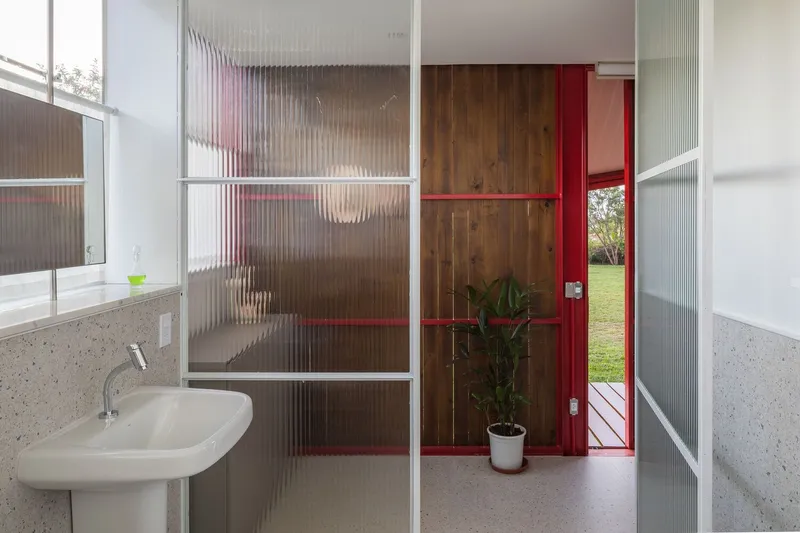
Suspending the house also allows the electrical, plumbing, and sewage systems to remain visible and easily accessible. A strategically excavated pit beneath the platform provides practical maintenance access, while toilets are cleverly positioned on the side gables for sustainable, external maintenance via wall shafts.
Structural System and Materiality
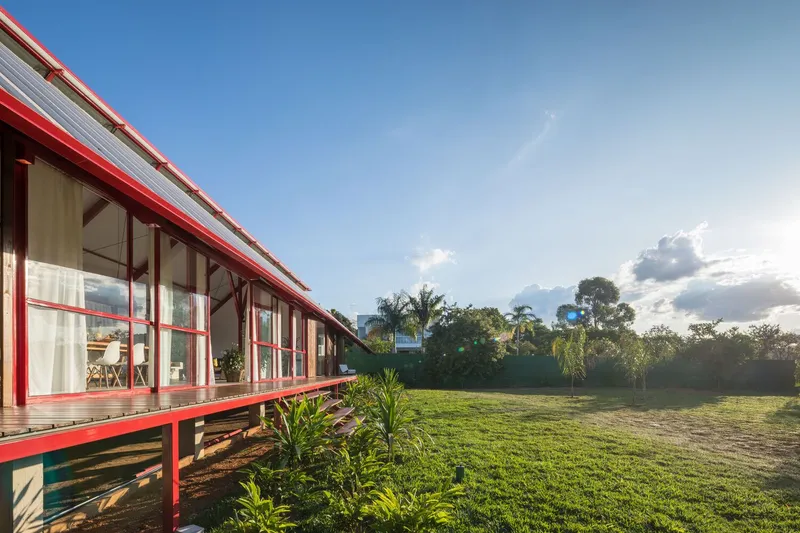
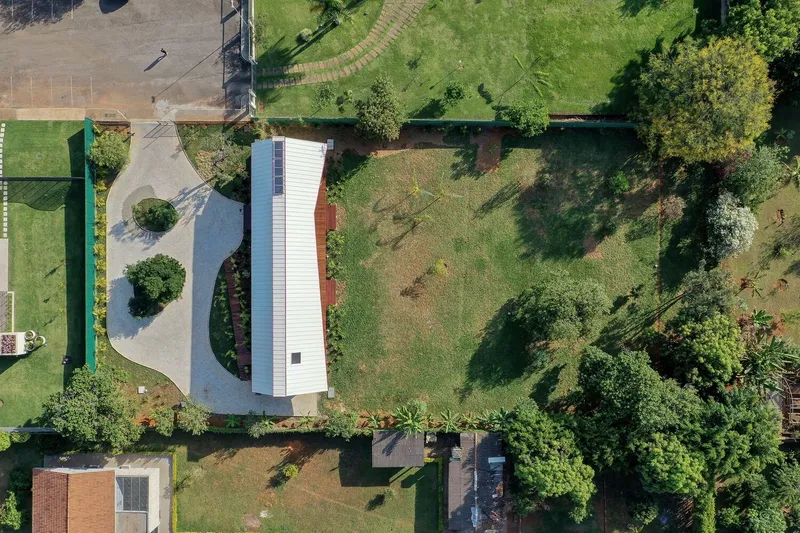
A modular metal construction system was selected, enabling rapid construction with minimal material waste. The house is enveloped by a double-pitch roof, topped by a technical platform that supports photovoltaic modules and facilitates internal air circulation for enhanced ventilation. This approach demonstrates Nuevo Arquitetura’s commitment to eco-friendly, energy-conscious residential design.
Interior Experience
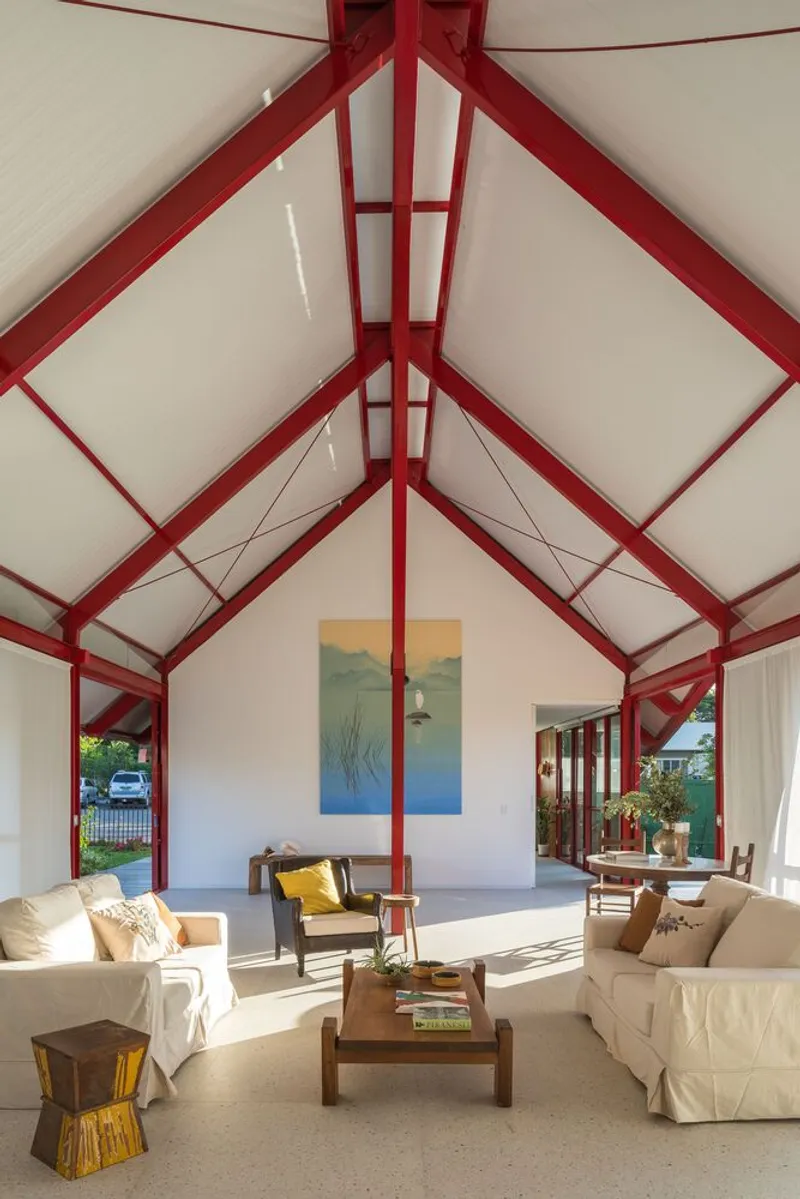
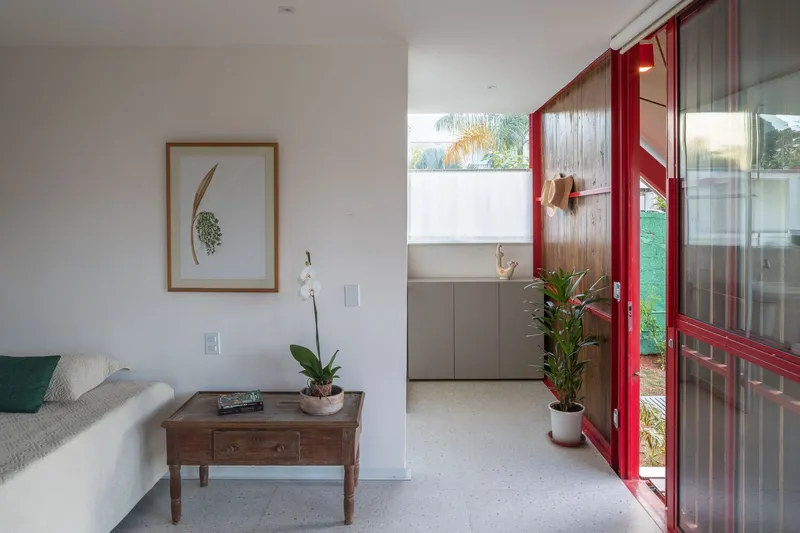
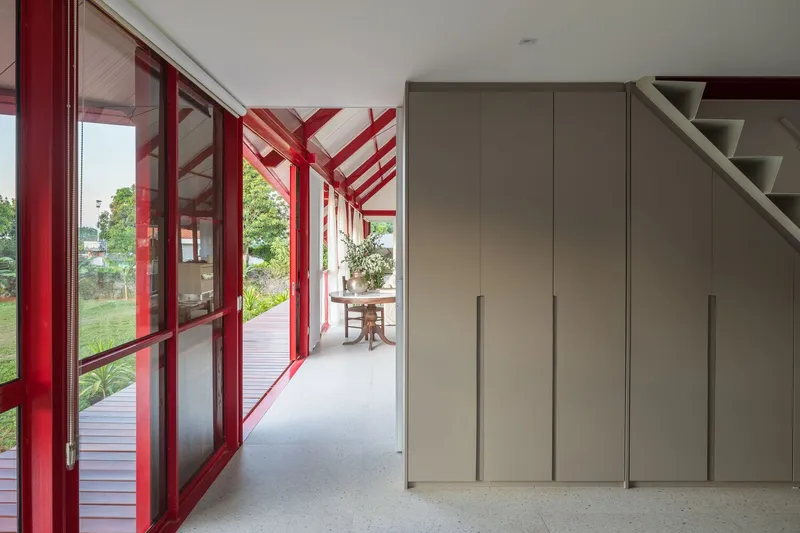
Inside, the Ghibli House is a harmonious blend of functionality and warmth. Exposed beams, natural light flooding through strategically placed windows, and carefully curated furniture create a cozy yet dynamic living environment. The central double-height space serves as a communal hub, connecting the private and service modules seamlessly.
Environmental and Technical Integration
Ghibli House exemplifies bioclimatic architecture, leveraging passive solar strategies, thermal efficiency, and adaptable construction solutions to align with Brasília’s challenging climate. By integrating photovoltaic energy, modular construction, and accessible maintenance systems, the house achieves a balance between aesthetic charm and sustainable performance.
Nuevo Arquitetura’s Ghibli House is a masterpiece of contemporary residential design in Brazil, combining magical inspiration, climatic intelligence, and sustainable innovation. This project highlights the potential of architecture to not only respond to environmental conditions but also create poetic, livable, and energy-efficient homes.
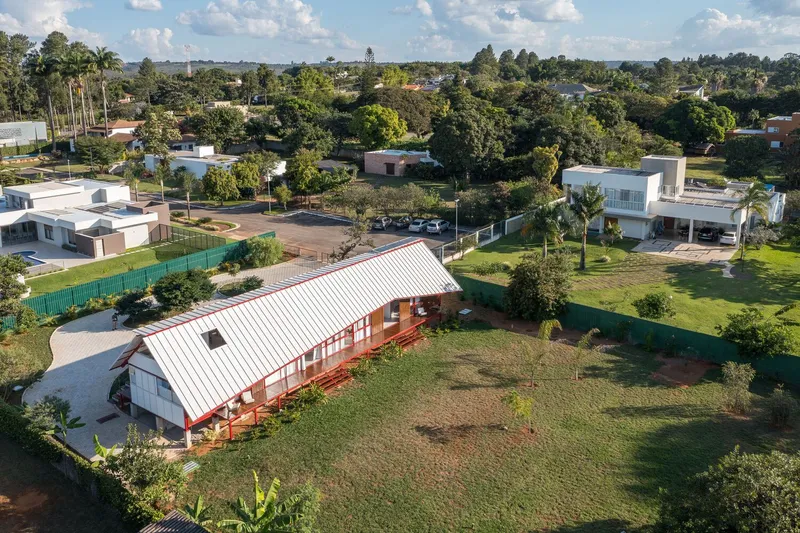
All photographs are works of Haruo Mikami



Popular Articles
Popular articles from the community


Co-Life: Senior Housing Design That Reconnects Older Adults With the City
Co-Life reimagines senior housing design through healing gardens, shared streets, workshops, and a sustainable community across generations.

Lunar Spiral: Space Architecture Shaped by the Mathematics of the Universe
Lunar Spiral reimagines space architecture through Fibonacci geometry, lunar regolith, levitating habitats, and self-sustaining Moon living.

Play: Fragments of Their World
Familiar architecture becomes modular playground design, creating safe spaces where displaced children can learn, connect, imagine and play.

The Ocean Hive: Sustainable Architecture for a Self-Sufficient Civilization at Sea
The Ocean Hive imagines sustainable architecture at sea, where modular habitats, algae, wave power and ocean waste sustain a growing colony.

Similar Reads
You might also enjoy these articles


Hodi-Mandai Geram
Project Function: Preservation and revitalization of the Intangible heritage and socio-spatial identity of the Hodi by Housing, Cultural Memory Center, Sacred Grove, landscape, local tourism economy


Olio Towers: A Mid-Rise for Performers That Fuses Housing, Rehearsal, and Stage
Located blocks from Houston's Theater District, this modular tower stacks living units around a central performance atrium.

Oasis: Modular Green Housing Carved into Dhaka's Urban Fabric
A shortlisted Plugin Housing entry reclaims unauthorized settlements in Dhaka with stepped concrete volumes, green roofs, and ventilation-driven design.

Black Hole: A Floating Megastructure for the Post-Physical Era
Emiliano Mazzarotto envisions a spherical, self-scaling arena where e-sports, digital hotels, and holographic stadiums replace traditional public space.

Explore Architecture Competitions
Discover active competitions in this discipline



Challenge to reimagine the Iron Throne


Photograph architecture without architects


Illustrate the lost glory of Angkor Wat - Render Challenge


Design challenge to reuse E-waste
Comments (0)
Please login or sign up to add comments
No comments yet. Be the first to comment!