

GLC Building ETH Zürich by Boltshauser Architekten
The GLC Building at ETH Zürich by Boltshauser Architekten integrates research, sustainability, and history through innovative glass façade and urban design.


The GLC Building at ETH Zürich, designed by Boltshauser Architekten, is a landmark academic facility that merges health sciences, technology, and research. Completed in 2020, this 22600 m² university building embodies architectural innovation, sustainability, and historical integration within Zürich’s renowned university quarter.
Urban Context and Design Integration
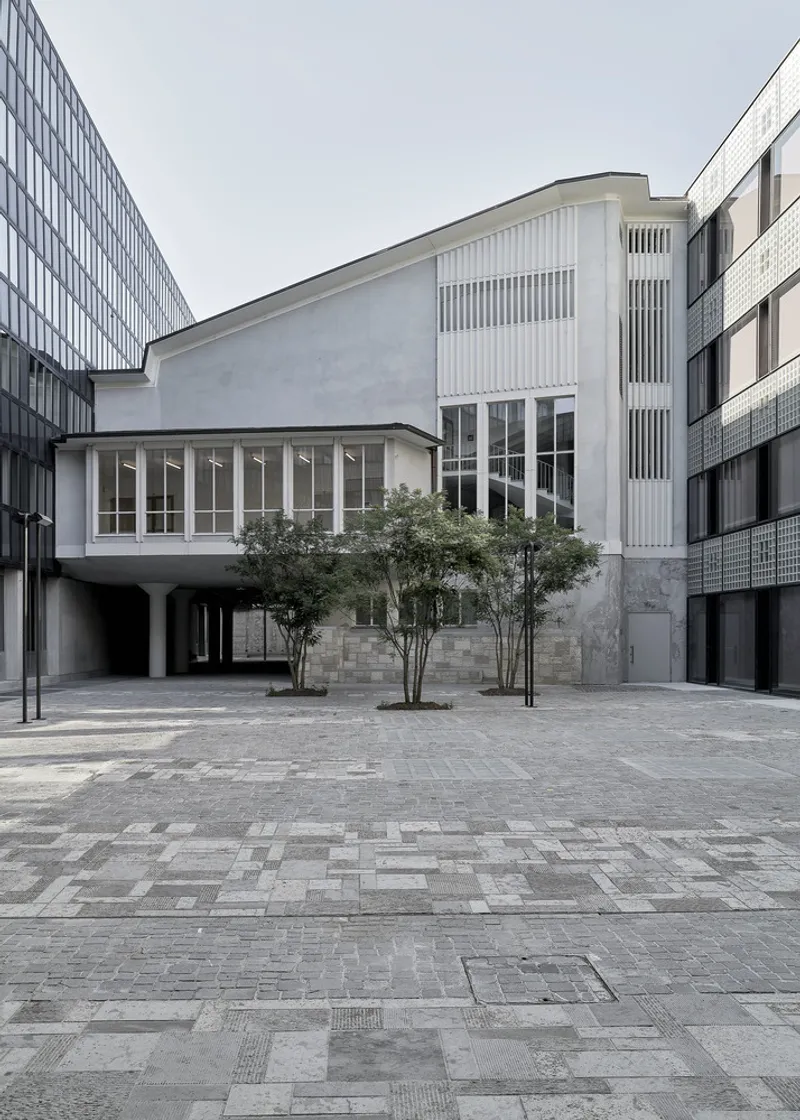
Located in the dense university district, the GLC Building sits alongside ETH’s historic Semper Polytechnic and 19th-century educational structures. As part of ETH Zürich’s 2012–2020 Real Property Strategy, the project consolidated the departments of health sciences, technology, information technology, and electrical engineering.
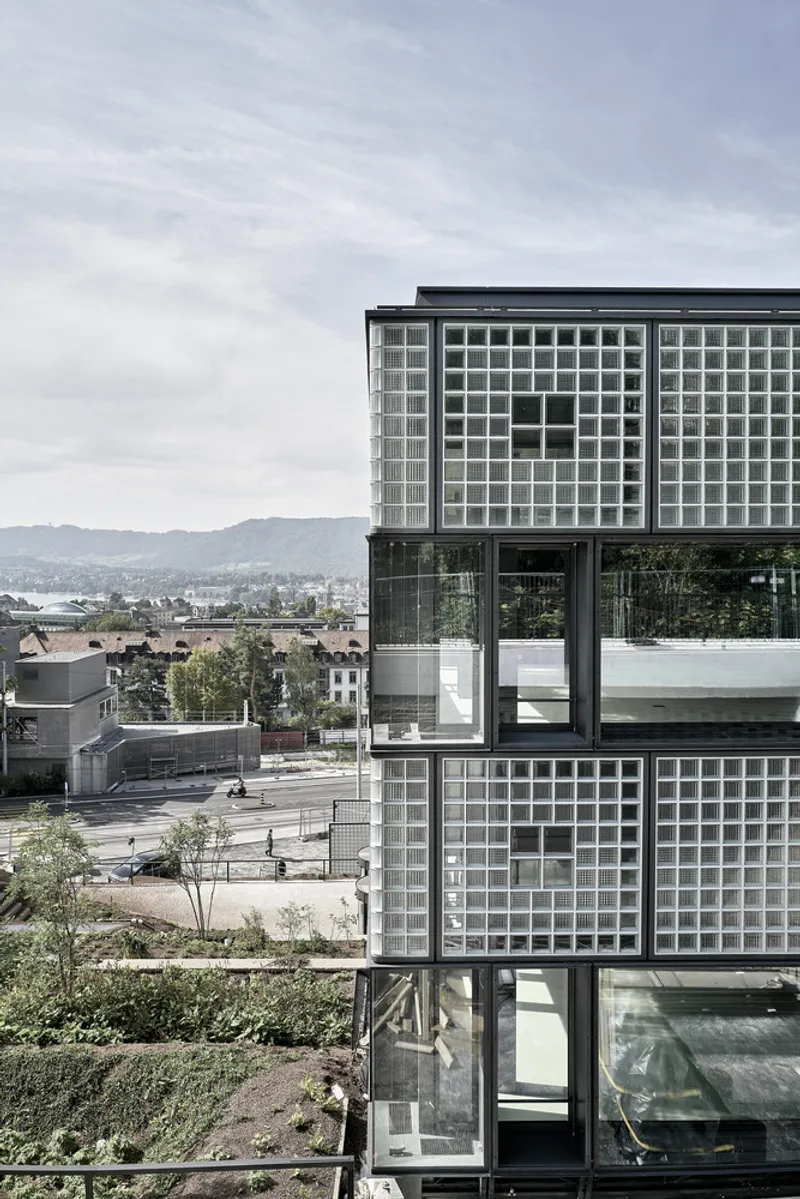
The building’s design responds to its hillside site, balancing urban visibility, lake views, and structural demands. On the street-facing side, only five levels are visible, while the slope-facing side reveals just two, despite the complex being seven stories tall.
Architectural Features and Entrance Design
A defining feature is the curved external staircase along Gloriastrasse. Developed with artist Urs Beat Roth, it forms part of an Art and Architecture collaboration, integrating an existing concrete sculpture by Fredi Thalmann. This creates a striking identity for the complex and establishes a welcoming public entry point.
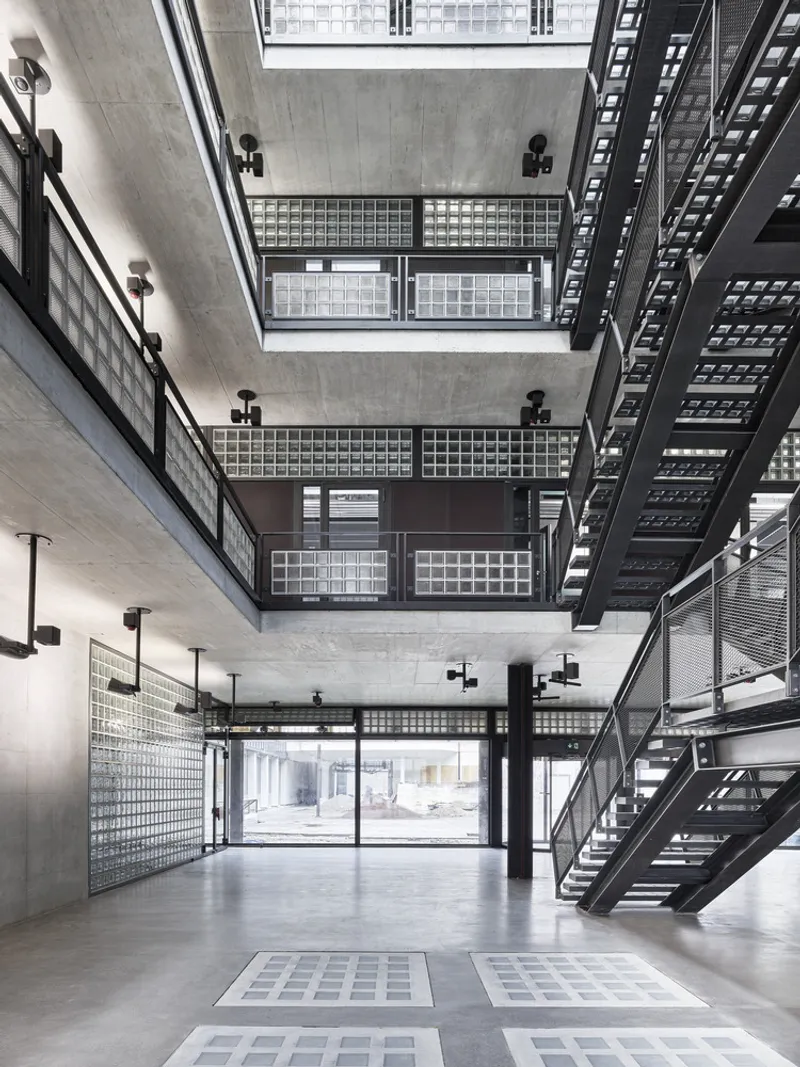
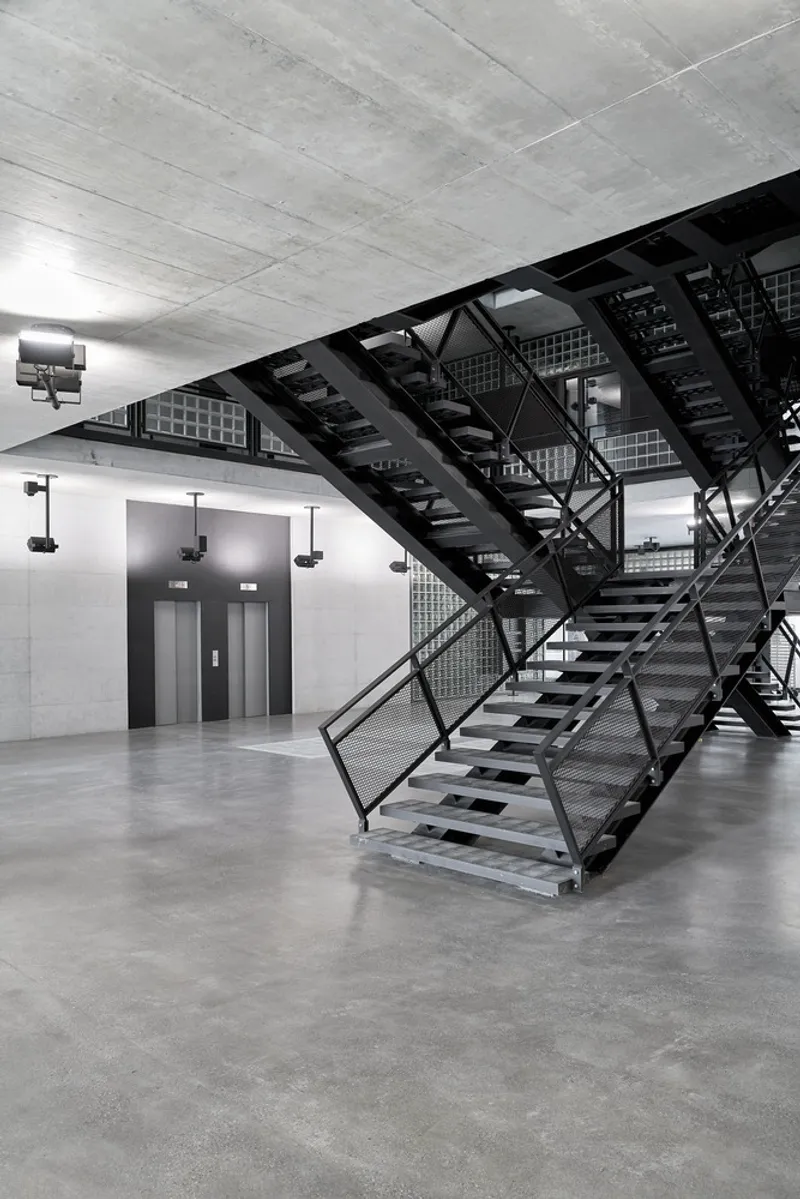
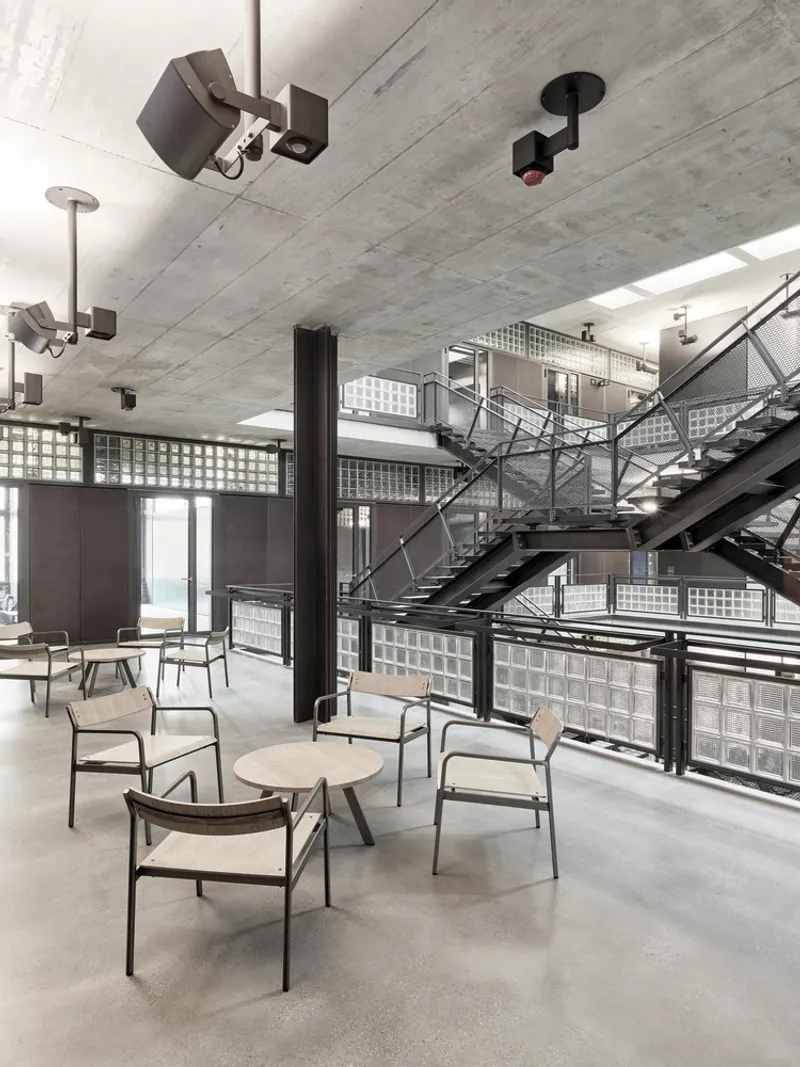
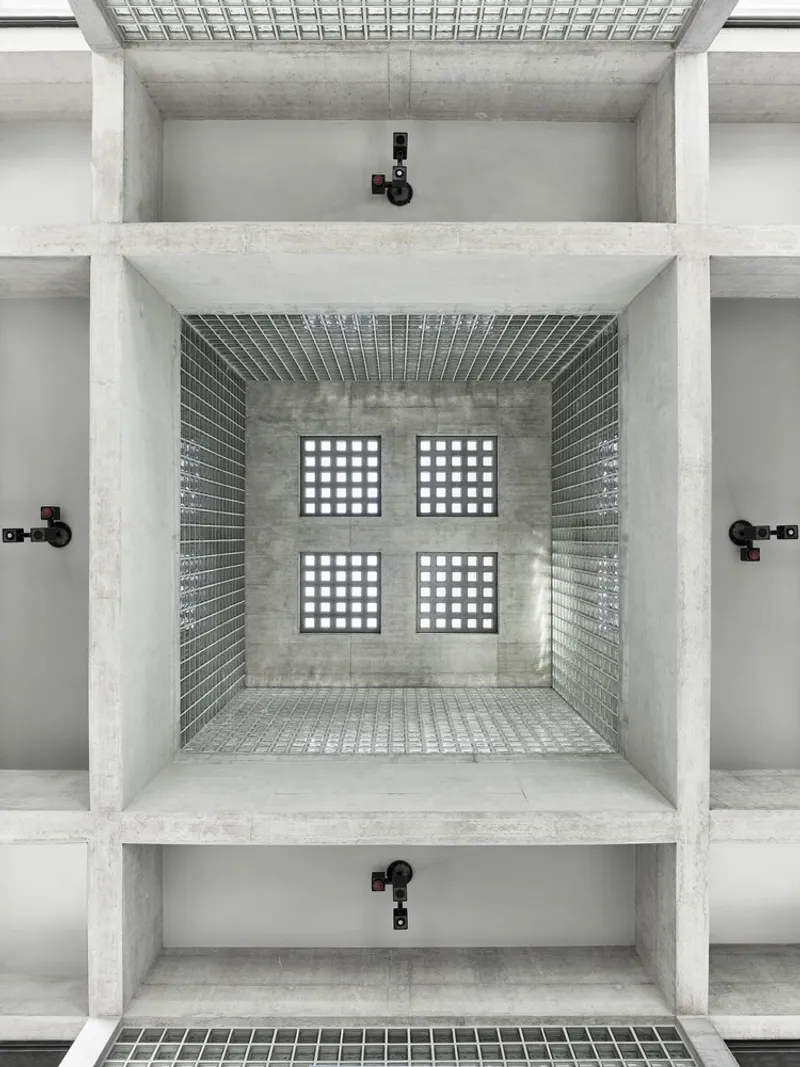
Inside, the atrium with zenithal lighting forms a luminous heart, while a double main staircase connects the entrance to the upper levels. Lounge niches and circulation zones foster both community interaction and functional rhythm.
Program and Spatial Organization
The GLC Building is designed for flexibility and collaboration:
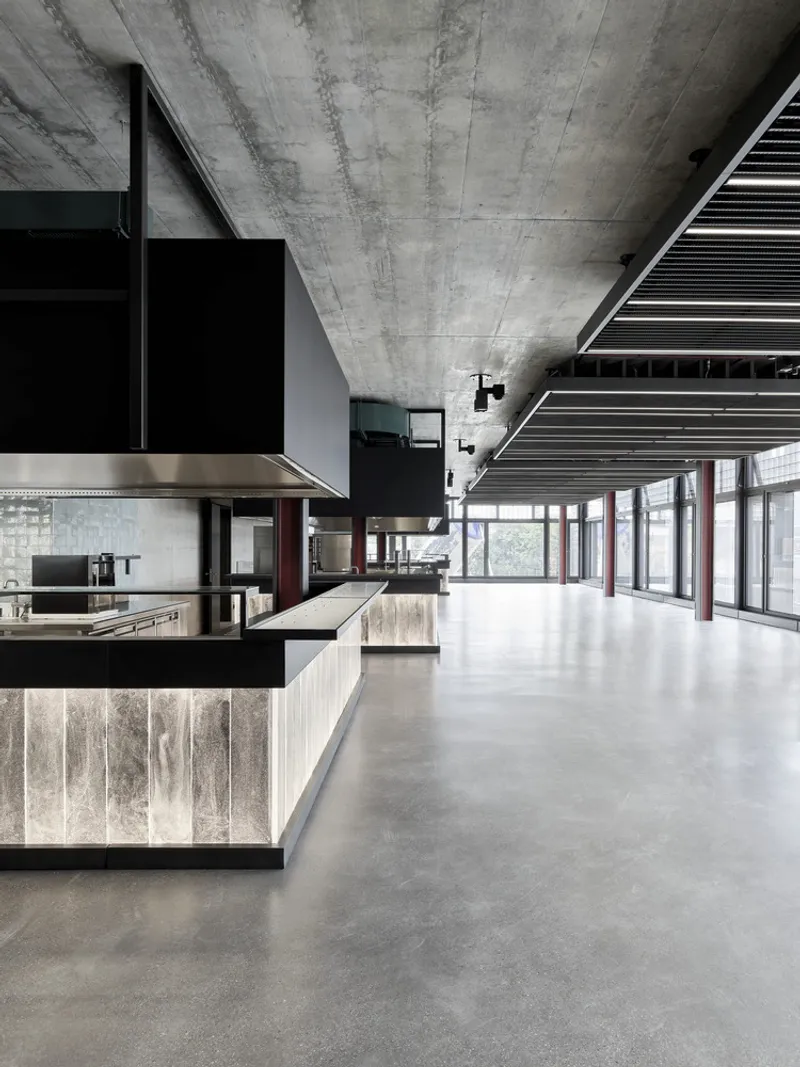
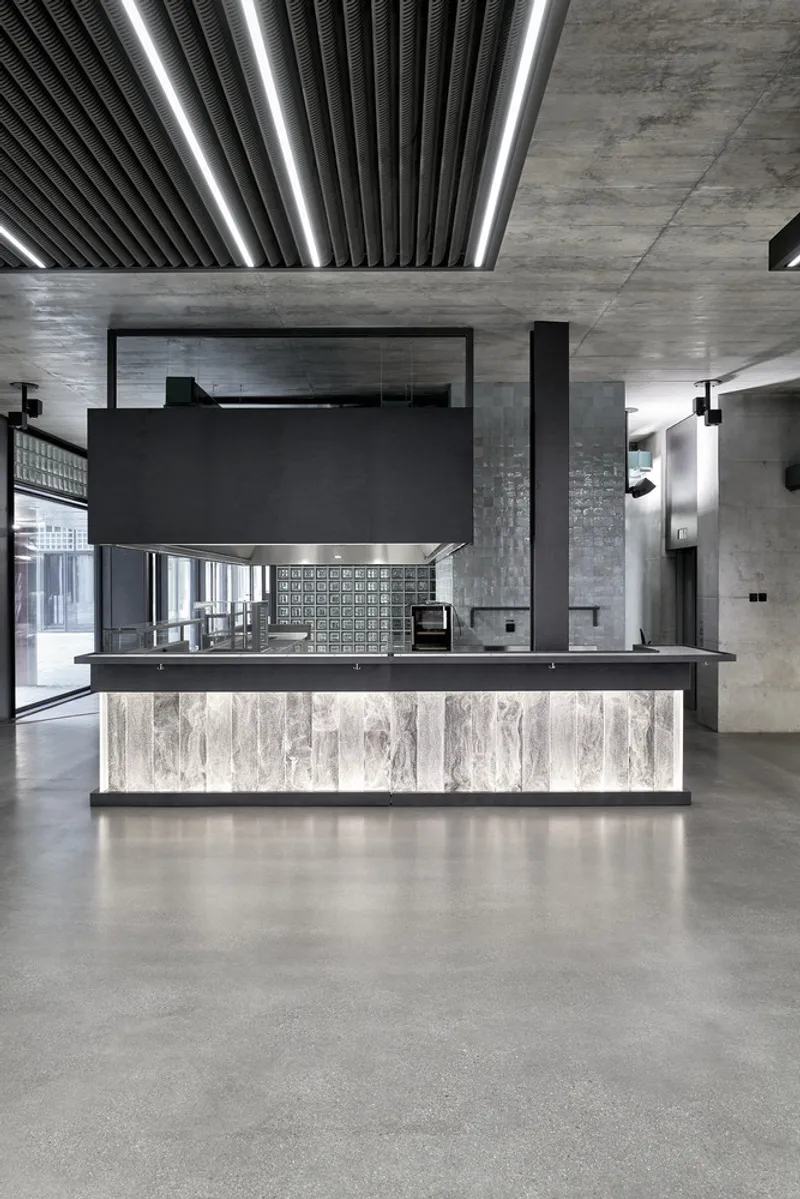
- Ground Floor: public foyer, restaurant, seminar rooms, and student workplaces.
- Upper Floors: laboratories, offices, and research spaces.
- Basement Levels: specialized laboratories, technical equipment, and service infrastructure.
The Paul Scherrer lecture hall, preserved as a historic centerpiece, connects the new complex with ETH’s academic heritage.
Façade Innovation and Materiality
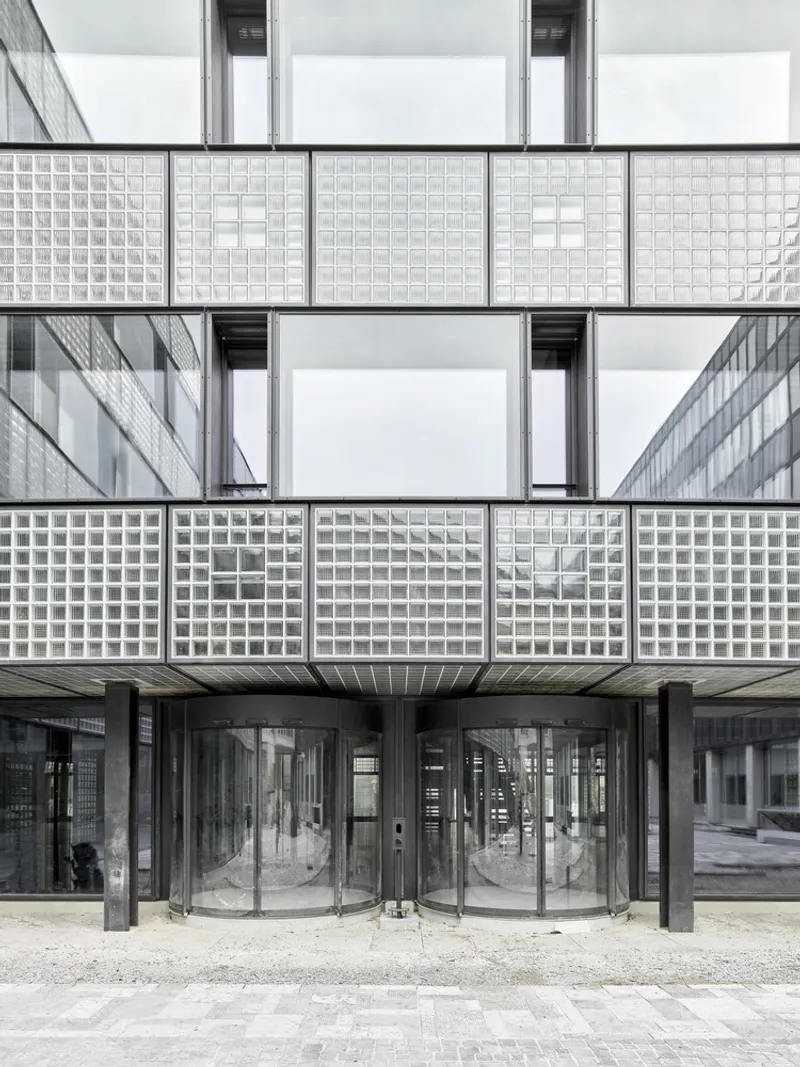
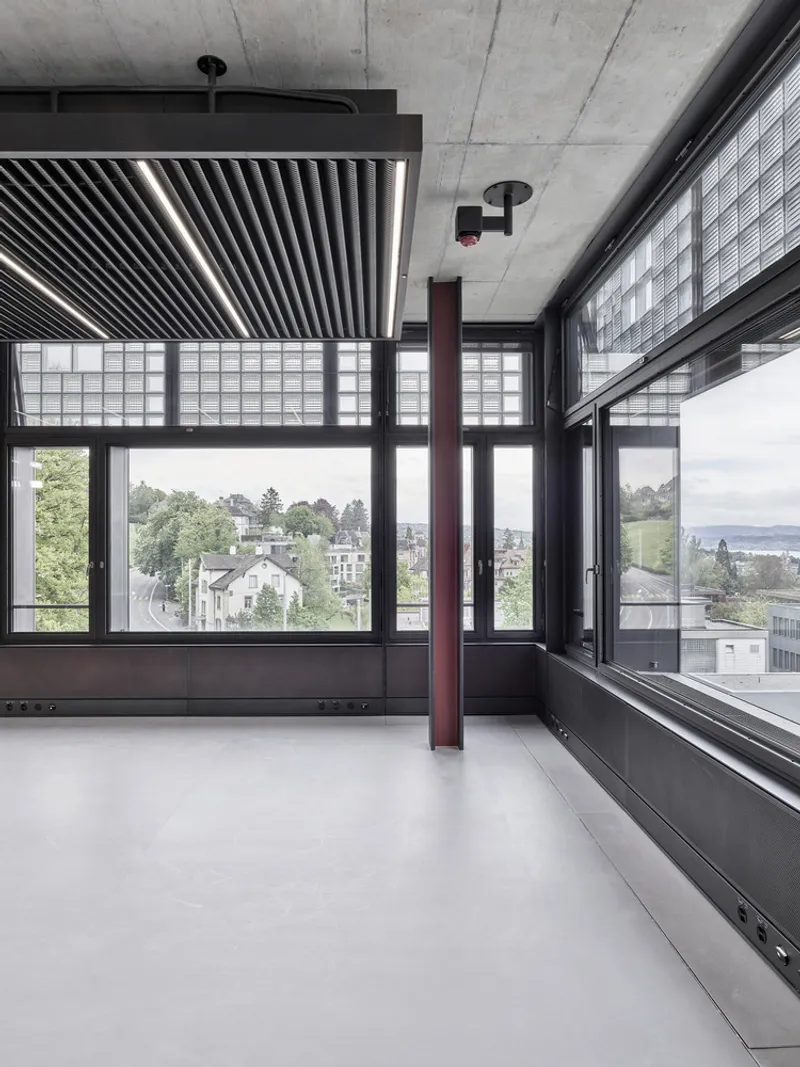
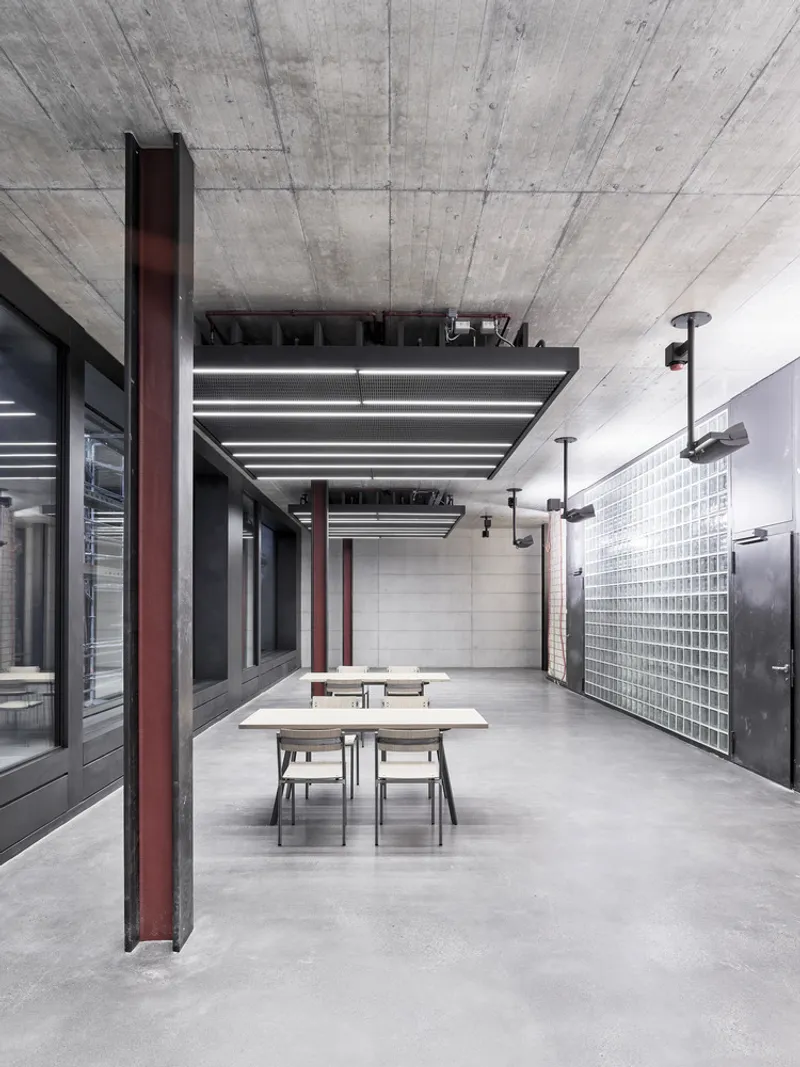
The façade reinterprets modernist glass block traditions, referencing ETH’s Otto Rudolf Salvisberg buildings from the 1930s. Designed as a double-skin system, the façade integrates glass block coffers, strip windows, and steel frames, achieving:
- Daylight optimization
- Brise-soleil shading effects
- Energy efficiency through climate-responsive design
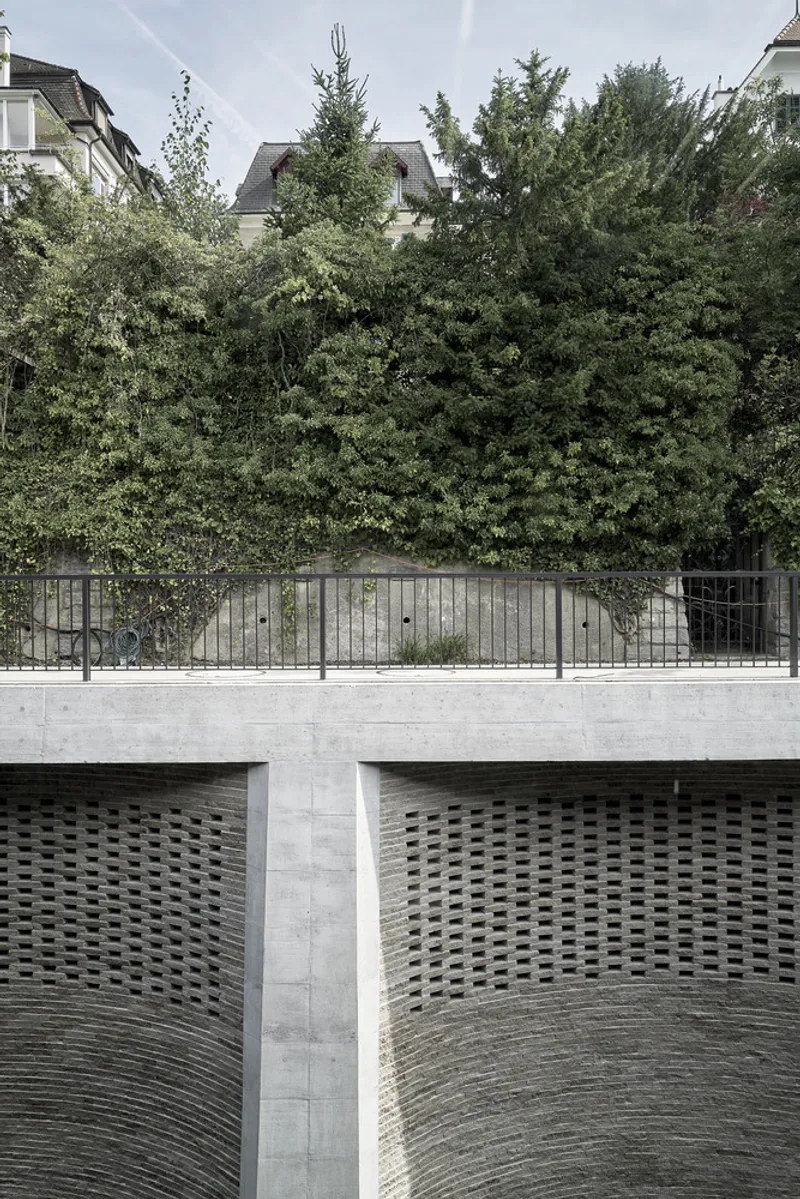
On the slope side, a retaining wall structure anchors the building into the terrain. This massive arc-shaped wall, nearly 18 meters high, also doubles as a passive cooling system, channeling fresh air and utilizing soil mass for energy savings.
Technical Systems and Sustainability
The GLC Building highlights technical transparency through the visible organization of conduits and systems, progressing from concealed public zones to exposed laboratory areas. This architectural hierarchy reflects the building’s functional narrative.
Other sustainable features include:
- District heating and cooling connection
- In-wall cooling via retaining wall cavities
- Daylight-responsive double-skin façade
- Efficient LED lighting integrated with cooling panels
The GLC Building ETH Zürich exemplifies how contemporary academic architecture can merge research functionality, sustainability, and historical continuity. Boltshauser Architekten’s design not only enhances ETH’s urban campus identity but also sets a precedent for energy-efficient educational infrastructure.
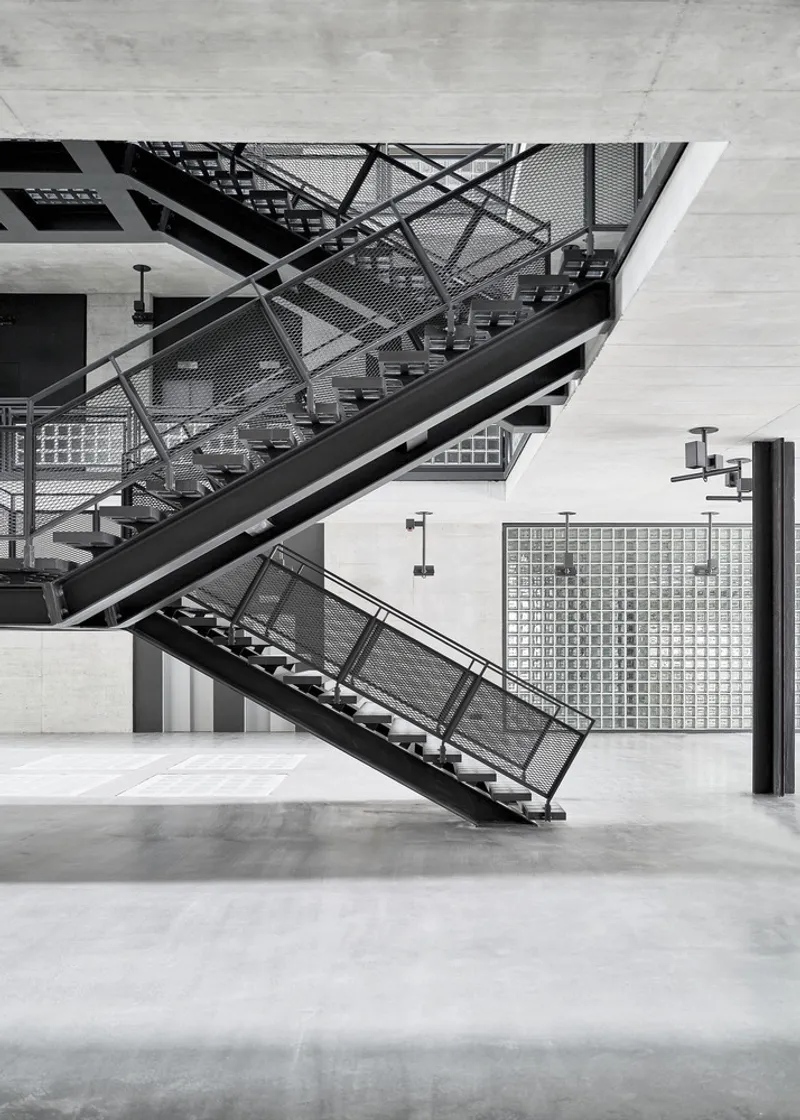
All Photographs are works of Kuster Frey



Popular Articles
Popular articles from the community


The Ocean Hive: Sustainable Architecture for a Self-Sufficient Civilization at Sea
The Ocean Hive imagines sustainable architecture at sea, where modular habitats, algae, wave power and ocean waste sustain a growing colony.

The Earth Pod: 3D Printed Homes for Resilient Refugee Communities
The Earth Pod reimagines refugee housing through 3D printed homes made from clay, combining resilience, self-sufficiency, and rapid shelter.

Hill & Cross Opera: Sculptural Opera House Architecture Shaped by Tallinn’s Landscape and Identity
Hill & Cross Opera reimagines opera house architecture in Tallinn through its sculptural hill, civic plaza, glass wave and a luminous cross.
AL-JANNAH: Sustainable Architecture and Permaculture for Afghan Widows
AL-JANNAH uses sustainable architecture and permaculture to create resilient oasis of housing, learning, work and renewal for Afghan widows.


Similar Reads
You might also enjoy these articles


Hodi-Mandai Geram
Project Function: Preservation and revitalization of the Intangible heritage and socio-spatial identity of the Hodi by Housing, Cultural Memory Center, Sacred Grove, landscape, local tourism economy


Olio Towers: A Mid-Rise for Performers That Fuses Housing, Rehearsal, and Stage
Located blocks from Houston's Theater District, this modular tower stacks living units around a central performance atrium.

Oasis: Modular Green Housing Carved into Dhaka's Urban Fabric
A shortlisted Plugin Housing entry reclaims unauthorized settlements in Dhaka with stepped concrete volumes, green roofs, and ventilation-driven design.

Black Hole: A Floating Megastructure for the Post-Physical Era
Emiliano Mazzarotto envisions a spherical, self-scaling arena where e-sports, digital hotels, and holographic stadiums replace traditional public space.
Explore Educational Building Competitions
Discover active competitions in this discipline



Challenge to design public laboratory


Challenge to reimagine the Iron Throne


Photograph architecture without architects


Illustrate the lost glory of Angkor Wat - Render Challenge
Comments (0)
Please login or sign up to add comments
No comments yet. Be the first to comment!