
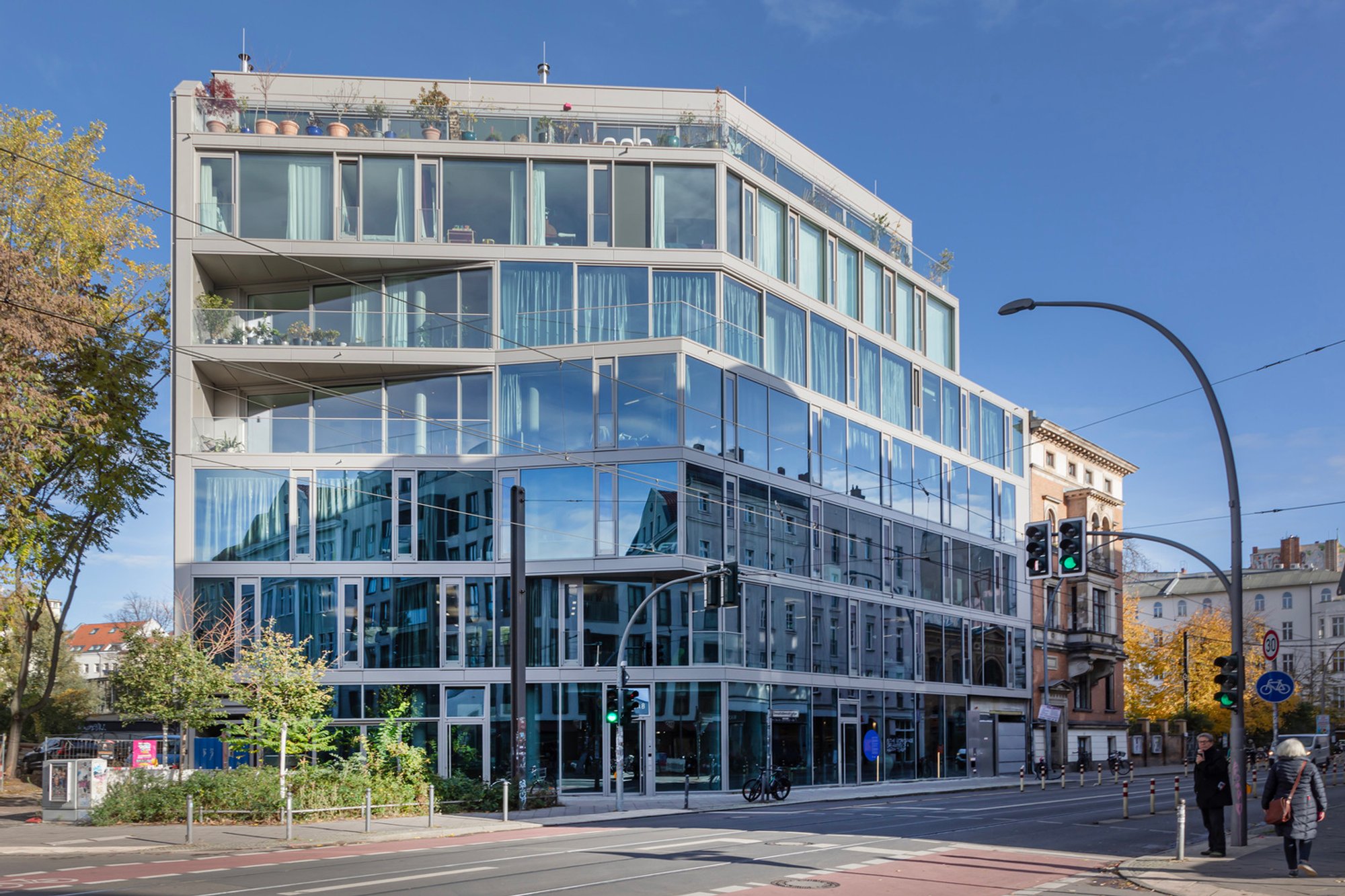
GRAFTLAB by GRAFT – Innovative Mixed-Use Architecture in Berlin
GRAFTLAB in Berlin is a mixed-use, sustainable building blending flexible offices, residential units, and collaborative spaces within a vibrant, historic context.

GRAFTLAB, designed by GRAFT Architects, is a pioneering mixed-use architectural project that merges contemporary office environments, residential living, and cultural spaces within the heart of Berlin’s Mitte district. Conceived as a laboratory for modern work formats, GRAFTLAB embodies flexibility, collaboration, and innovation, reflecting the city’s vibrant creative industry.
Strategically located at the intersection of Invalidenstrasse and Ackerstrasse, the project transforms a complex L-shaped plot into a dynamic urban landmark. The building seamlessly integrates residential apartments, office spaces, and commercial units, fostering a lively mixed community while respecting the historical context of Berlin’s classical quarters. Its design creates a striking contrast between the bustling city streets and the serene inner landscaped courtyard.
Innovative Design & Urban Integration
The building’s L-shaped volume maximizes the plot geometry, enclosing a generous green space to the rear and mediating between neighboring historical structures, including a listed church ensemble by Karl Friedrich Schinkel. The set-back upper stories and thoughtful cubature create harmony between historic and modern elements. The façade along Ackerstrasse, with its folding and unfolding elements, visually references the neighboring clergy house, while the calm, continuous glass shell with sand-colored horizontal metal cladding complements local heritage.
GRAFTLAB’s six floors house the GRAFT offices, other cultural and architectural firms, and five residential apartments. This mixed-use approach creates a cultural hub that revitalizes the neighborhood, promotes social interaction, and supports Berlin’s thriving creative sector.
Flexible Work Environments & Community Spaces
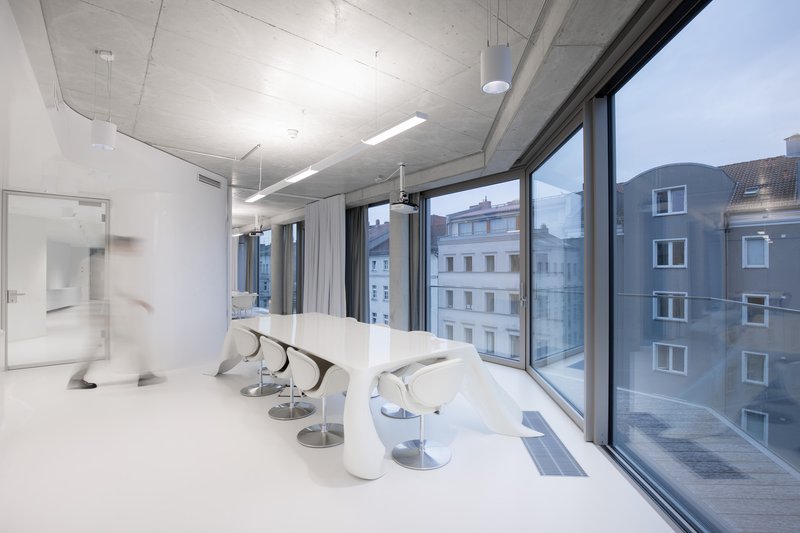
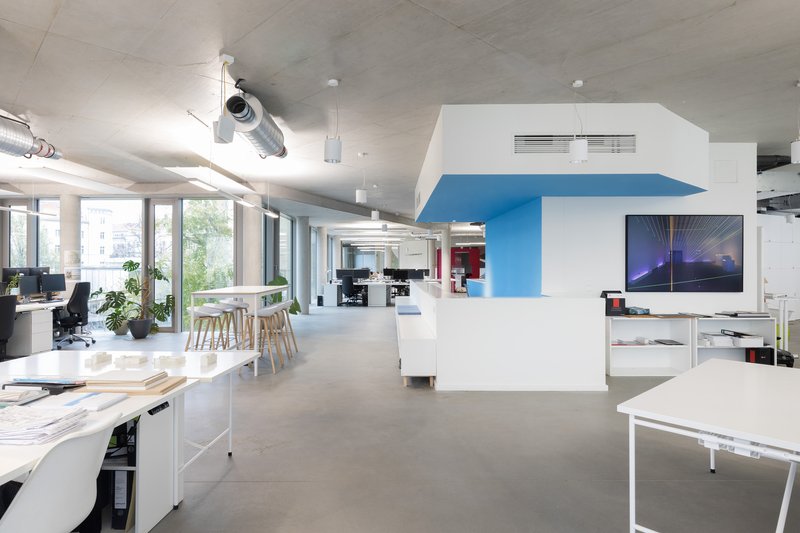
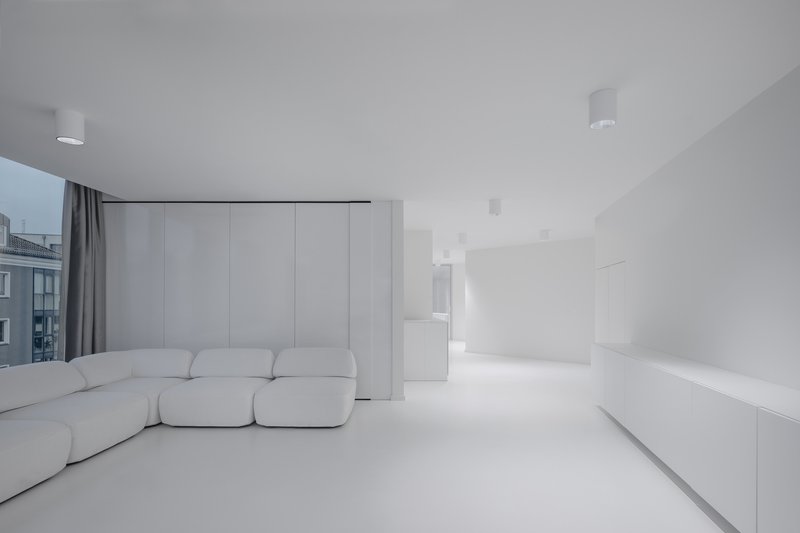
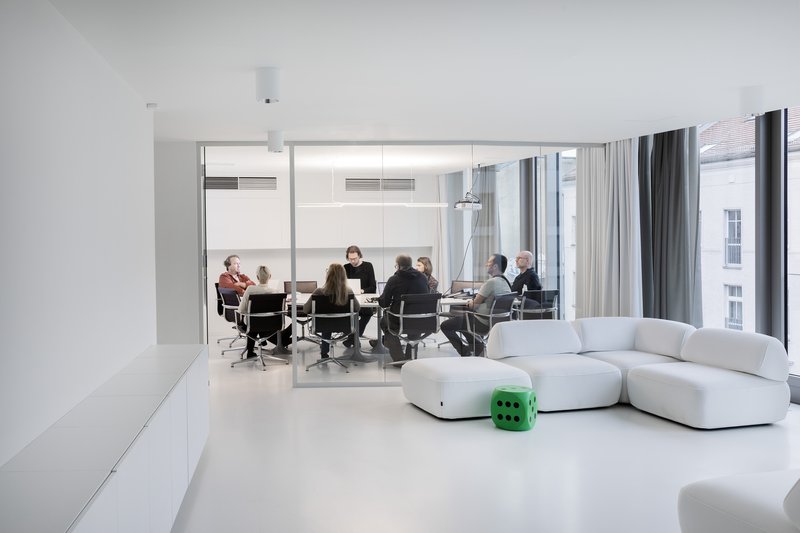
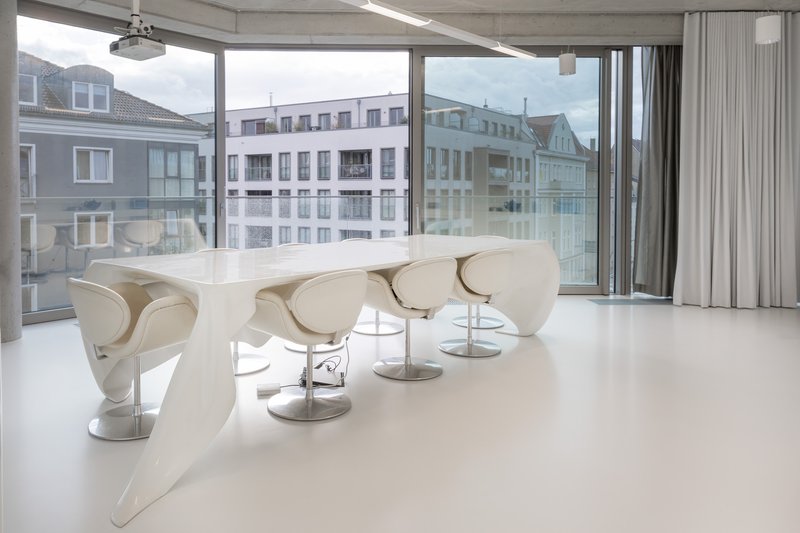
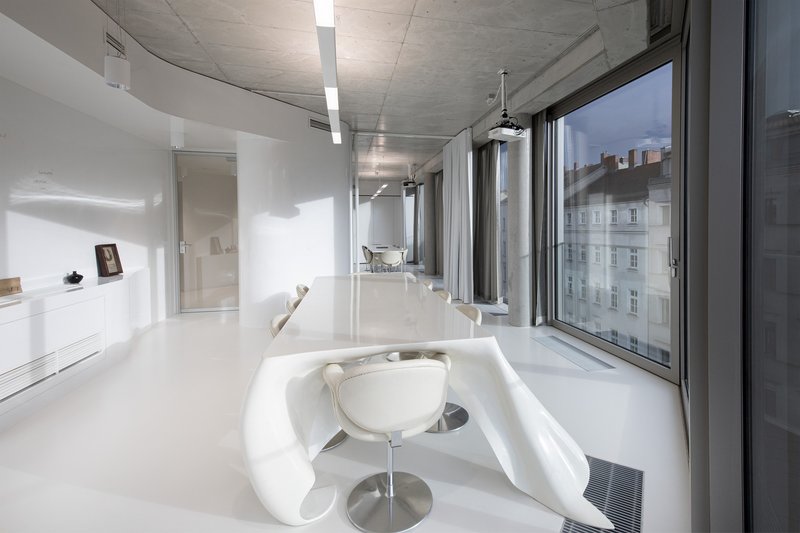
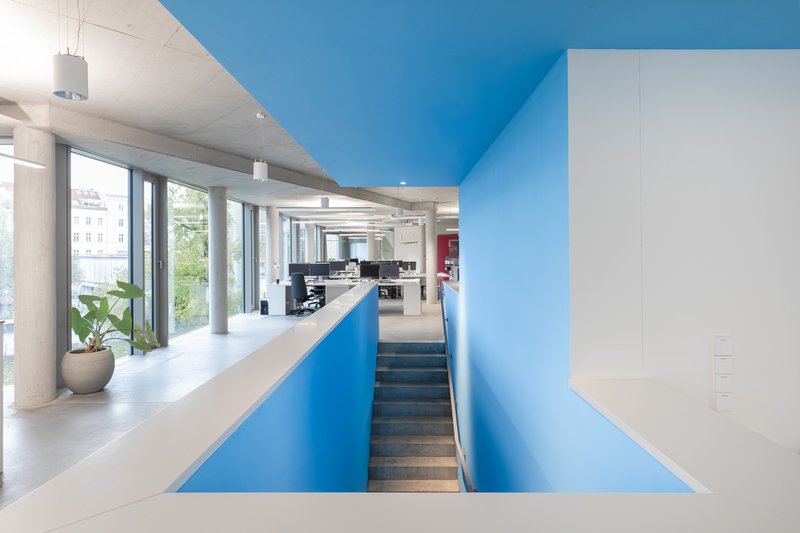
The GRAFT office extends across three interconnected floors, offering variable open-plan workspaces with phone boxes, lounges, kitchenettes, and meeting zones. The fourth floor is dedicated to a conference level, featuring fluid forms in eggshell white, allowing tenants and external partners to use the space independently.
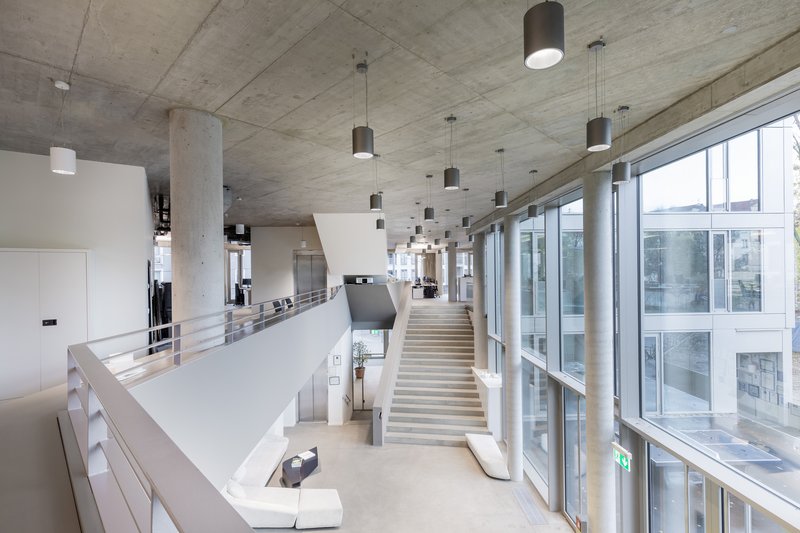
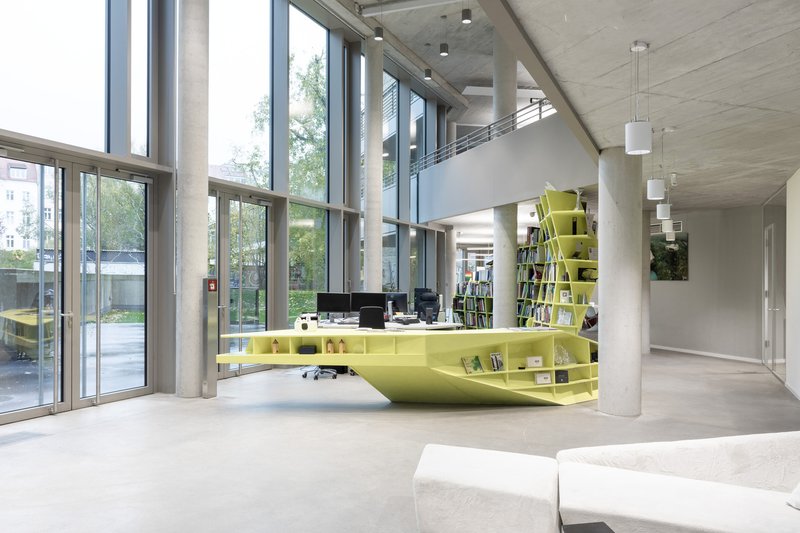
A central staircase doubles as an auditorium, fostering presentations, workshops, and collaborative activities. The ground floor merges indoor and outdoor spaces, enhancing community interaction, physical activity, and informal meetings. Every floor enjoys panoramic views of the landscaped courtyard and adjacent park, creating a seamless connection with nature.
Sustainable Building Systems
GRAFTLAB’s innovative building services combine high- and low-technology solutions. Natural airflow is utilized from the underground carpark to cool the office floors, while air from the building’s cooler north side circulates during summer nights. A biogas-powered CHP system supplements cooling, and surplus energy supports e-charging stations, linking energy efficiency to sustainable urban mobility.
A Prototype for the Future of Work
GRAFTLAB stands as a prototype for next-generation office buildings. Its flexible floor plans, mixed-use typology, integration with natural landscapes, and promotion of collaborative work highlight the advantages of architectural heterogeneity. This project exemplifies how modern architecture can simultaneously honor history, foster community, and drive innovation.
All photographs are works of Patricia Parinejad, Henrik Schipper



Popular Articles
Popular articles from the community

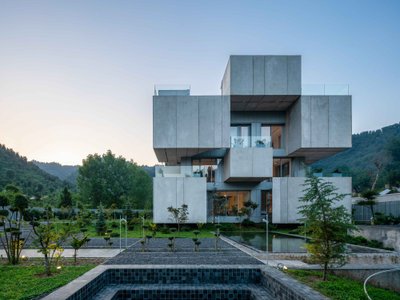
Bood Design Bureau Splits a Gilan Residence in Two to Let the Forest In
Double Side House negotiates privacy and openness through interlocking concrete volumes and planted courtyards in northern Iran's humid Caspian lowlands.
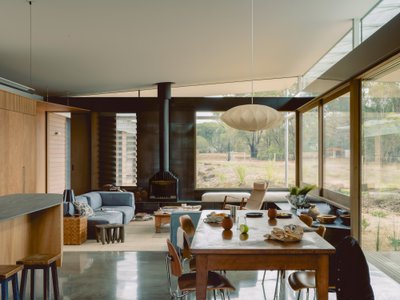
Not All Architecture Grounds a Timber Retreat in Victoria's Coastal Bushland
Ironbark House stretches low beneath eucalyptus canopy, threading a quiet domestic life between courtyard, deck, and landscape.
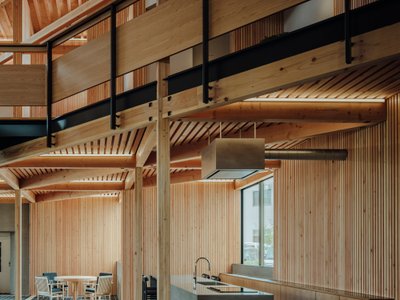
ure LLC Builds a Timber-Framed Suburban Office That Doubles as a Community Living Room in Hiroshima
KItoNOKO wraps sawtooth roofs and corrugated metal around an exposed timber frame to give a commercial district a new civic anchor.
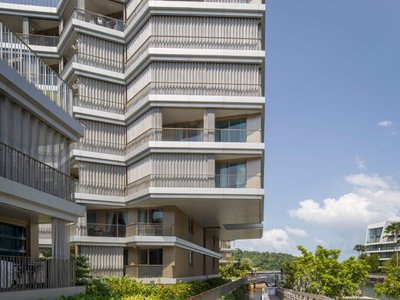
KCAP and DCA Architects Build a Stepped Urban Village on Singapore's King's Dock Waterfront
A 26,000 square meter residential development in Singapore trades tower isolation for terraced courtyards and a planted promenade along the harbor.

Similar Reads
You might also enjoy these articles

Filtering Space: A Gradual Spatial Experience
From urban intensity to spatial calm.


The Ken Roberts Memorial Delineation Competition (Krob)
As the most senior architectural drawing competition currently in operation anywhere in the world, it draws hundreds of entries each year, awarding the very best submissions in a series of medium-based categories.


Waterfront Redevelopment and Urban Revitalization in Mumbai: Forging a New Dawn for Darukhana
A transformative waterfront redevelopment project reimagining Darukhana’s shipbreaking heritage into an inclusive urban future.

OUT-OF-MAP: A Call for Postcards on Feminist Narratives of Public Space
Rhizoma Design and Research Lab invites artists, designers, architects, researchers, and students to reflect on how feminist perspectives can reshape public space. Selected works will be exhibited in Barcelona, October 2026. Submissions open until 15 April 2026.


Explore Architecture Competitions
Discover active competitions in this discipline




The International Standard for Design Portfolios


The Global Benchmark for Architecture Dissertation Awards


The Global Benchmark for Graduation Excellence

Challenge to design mud housing for contemporary communities
Comments (0)
Please login or sign up to add comments
No comments yet. Be the first to comment!