

GuestHouse 50: A Stunning Renovation in Luxembourg by Kaell Architecte
A detailed look at GuestHouse 50, a restored Luxembourg townhouse blending heritage with modern multifunctional design by Kaell Architecte.


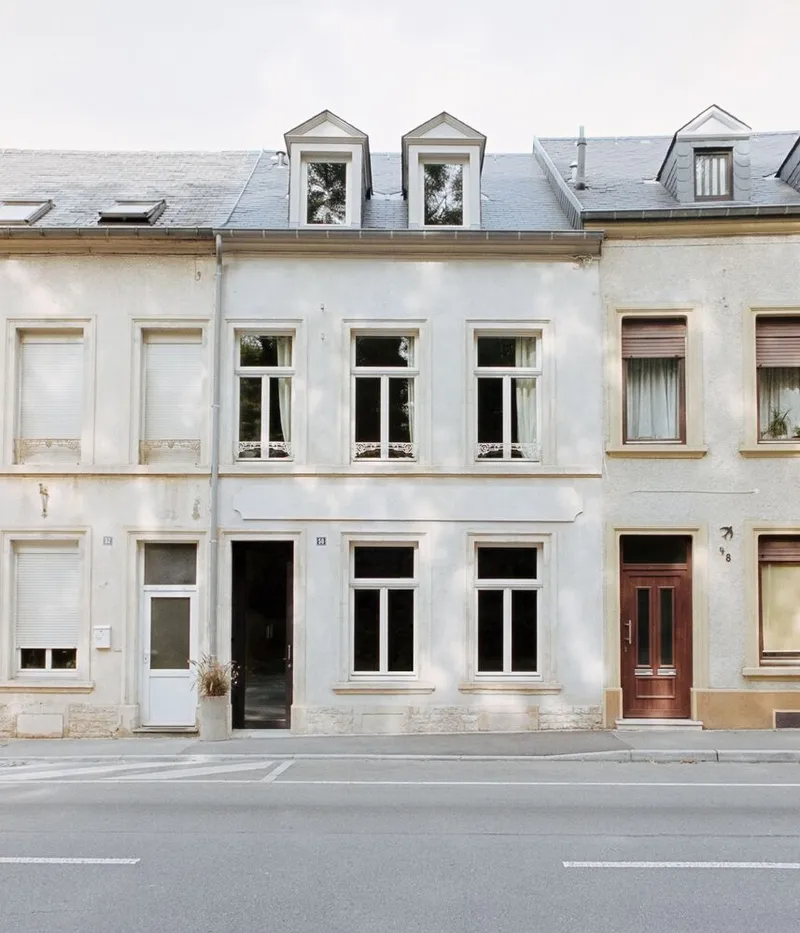
GuestHouse 50, designed by Kaell Architecte, is a remarkable example of thoughtful restoration and adaptive reuse in Luxembourg. This historic townhouse, originally constructed in 1880, has been transformed into a vibrant space that harmoniously blends private and communal areas. The design highlights the preservation of architectural heritage while introducing modern functionality.

The Journey of Restoration
Discovering Hidden Treasures
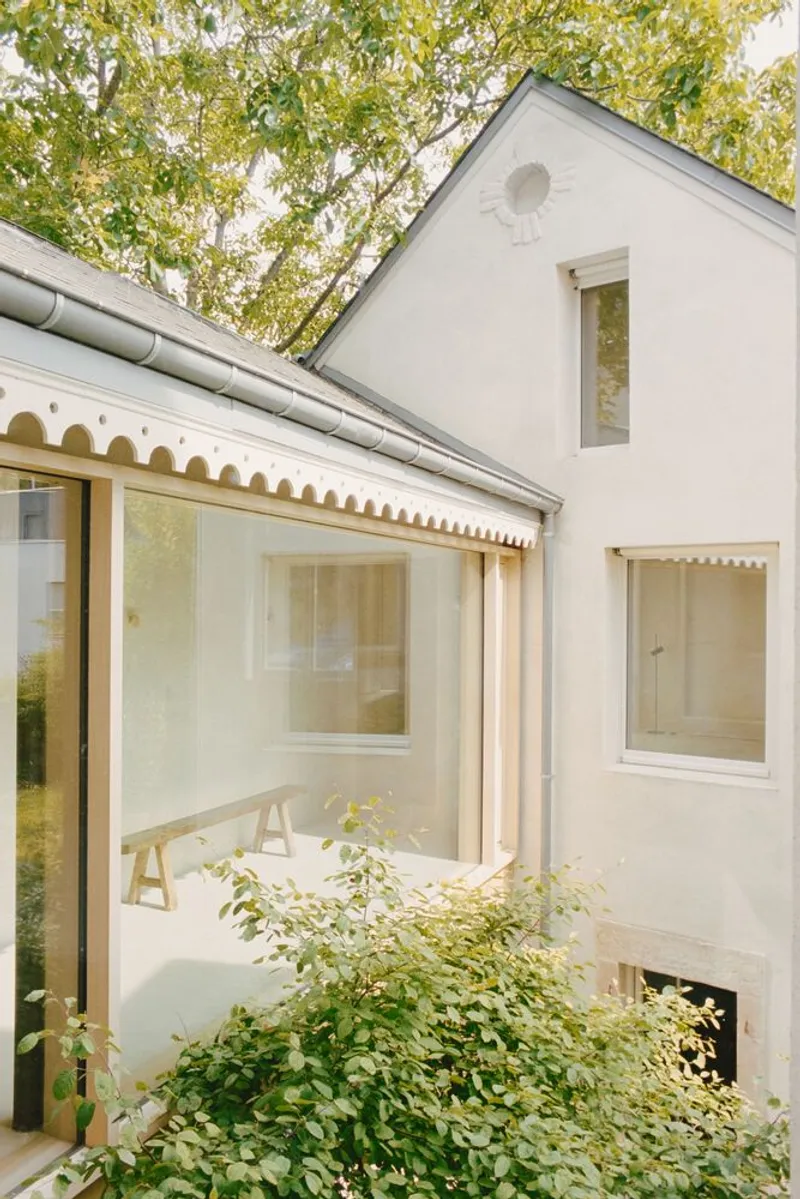
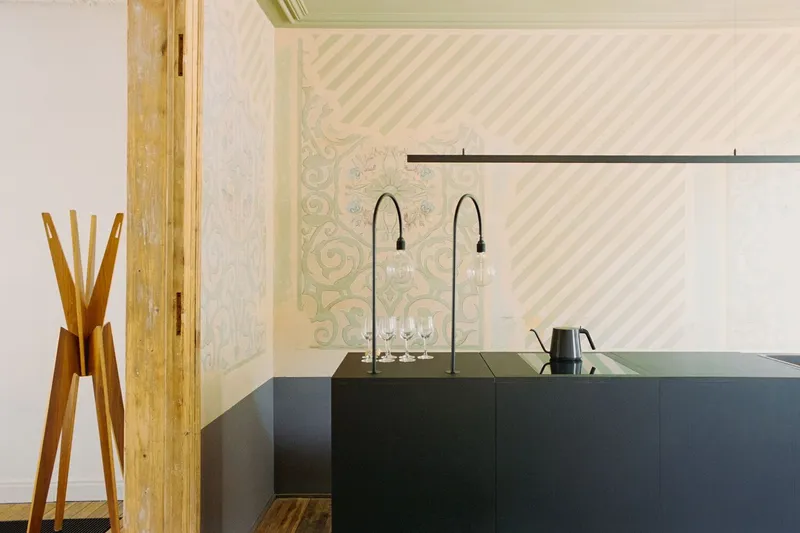
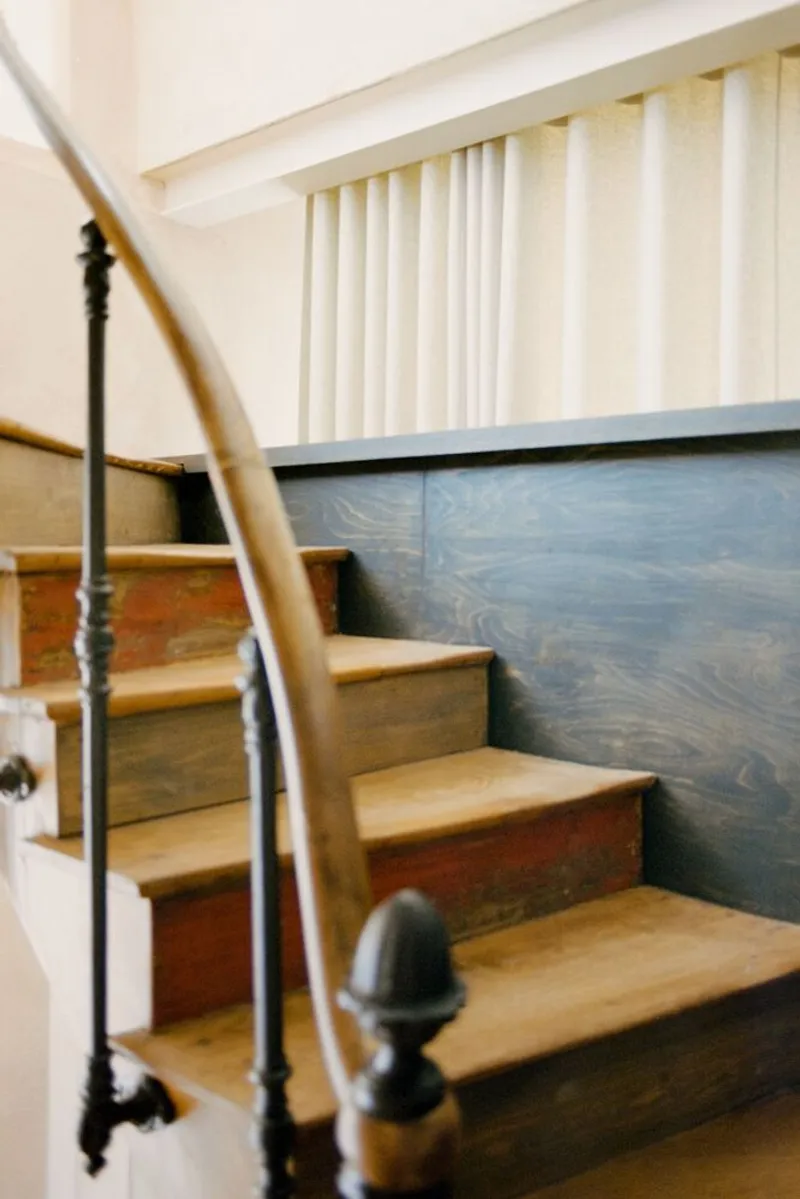
After a fire in 2012 left the house inhabitable, it was on the brink of demolition. A group of neighbors intervened to save the property, uncovering unique features like the original sandstone structure and decorative elements beneath layers of wallpaper and carpets. These discoveries inspired a sensitive restoration that celebrated the building's historic charm.


Structural and Design Highlights
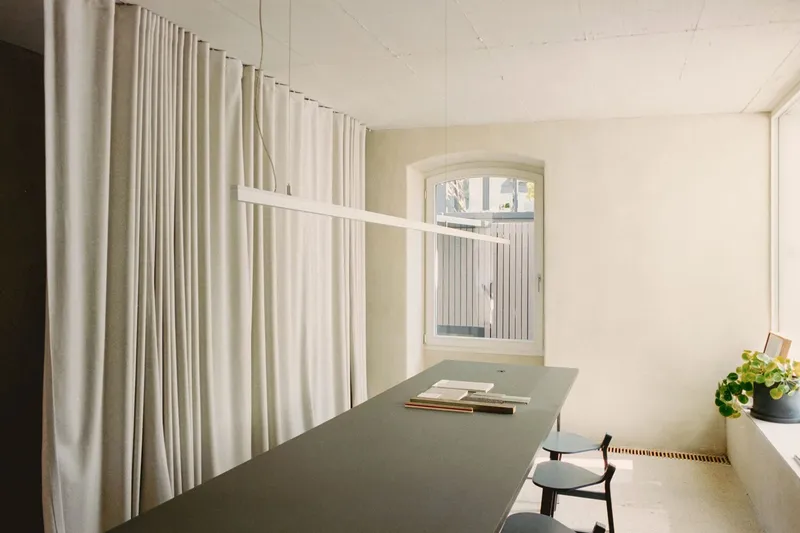
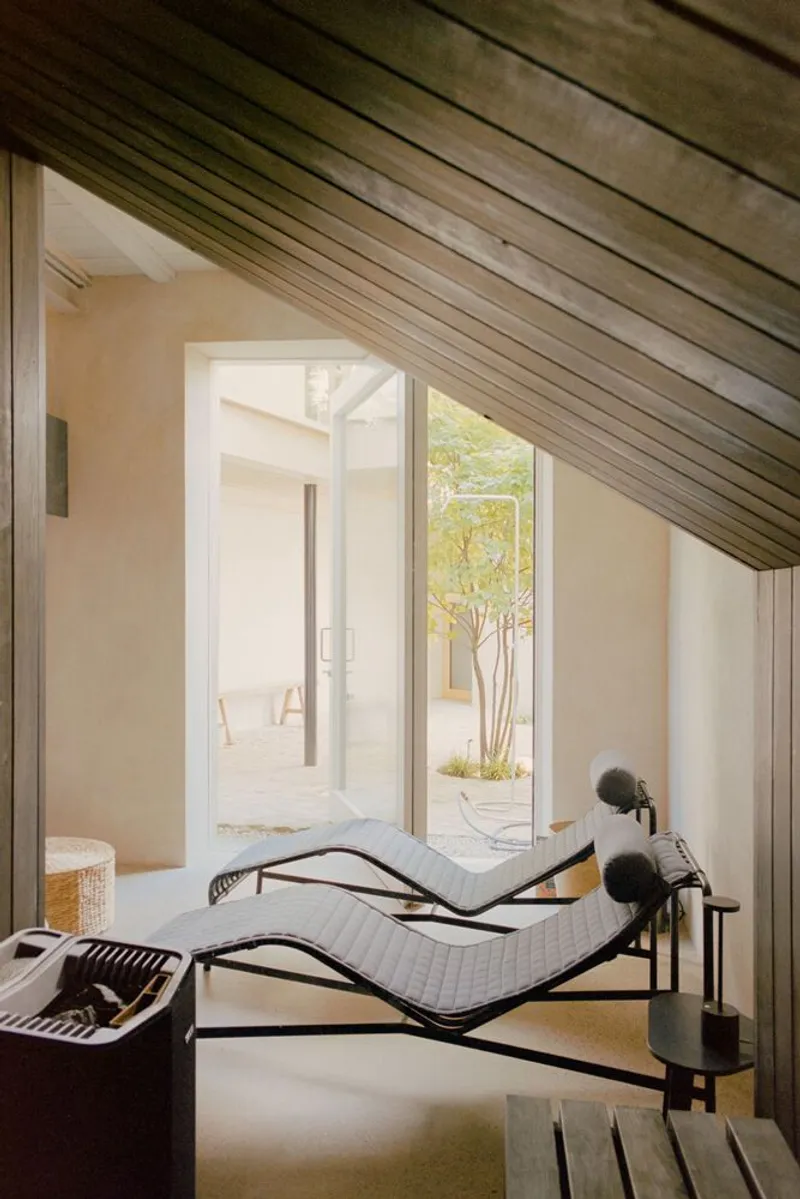
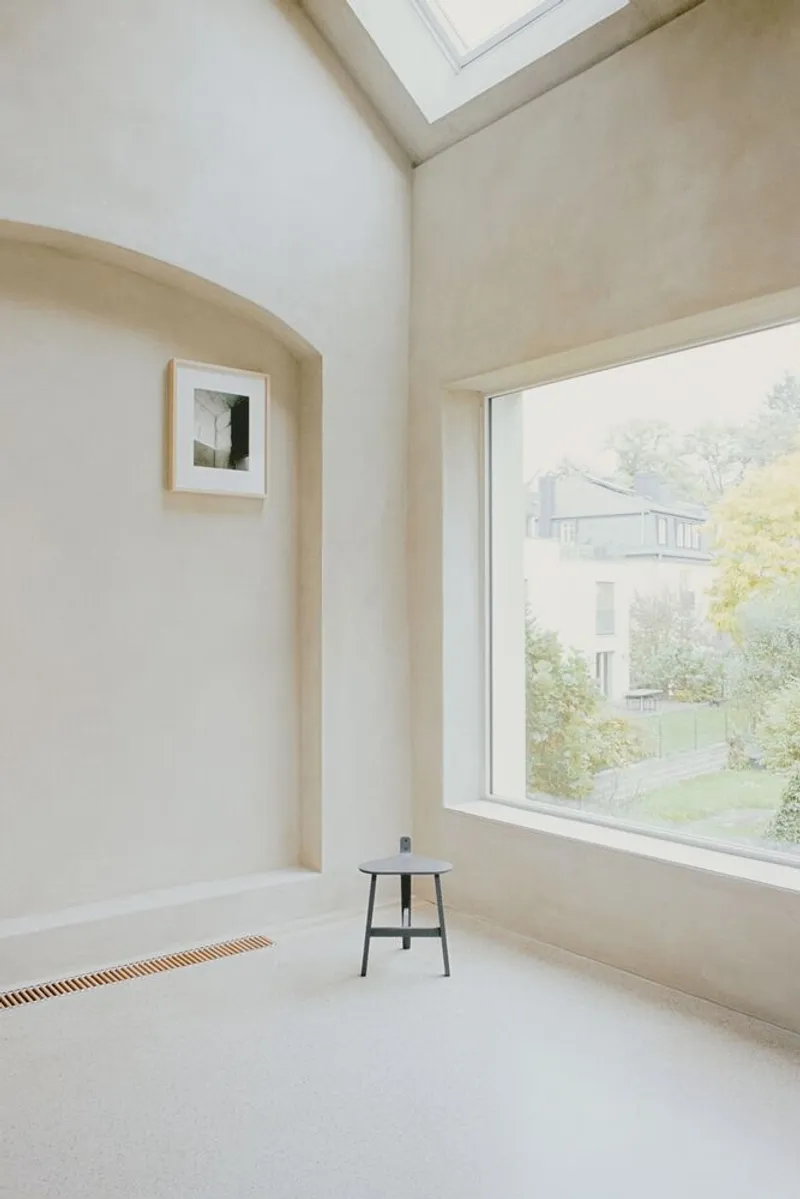
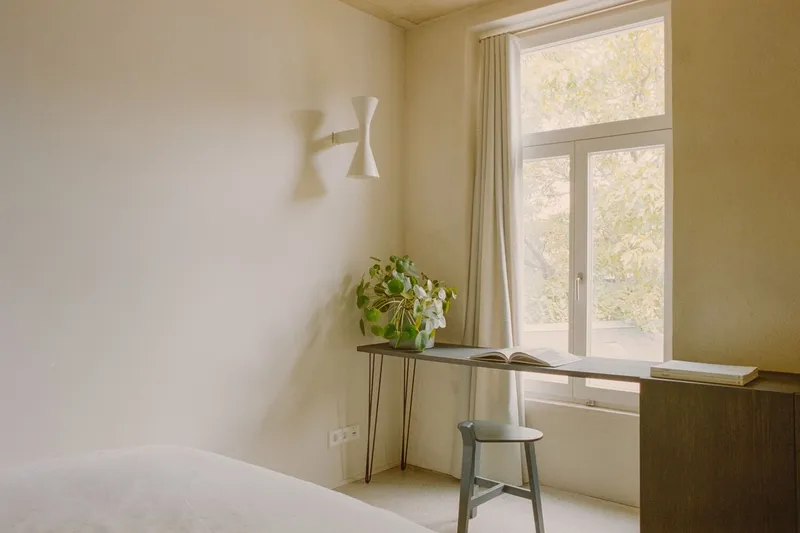
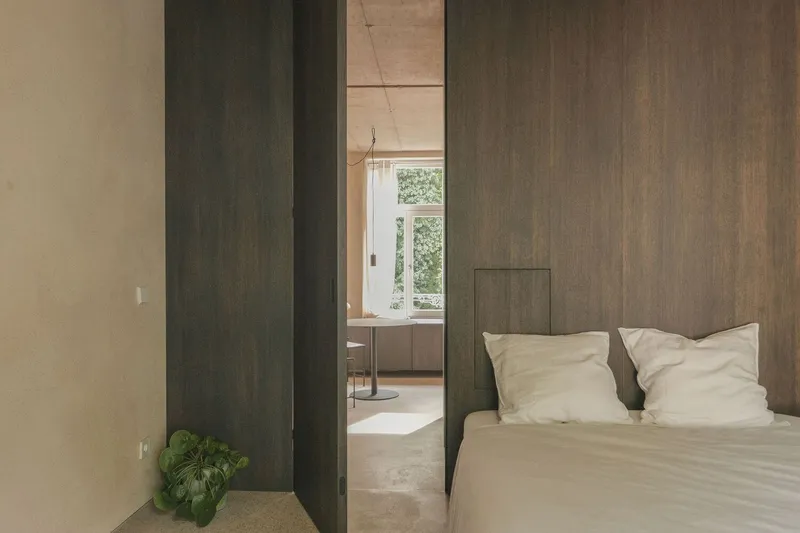
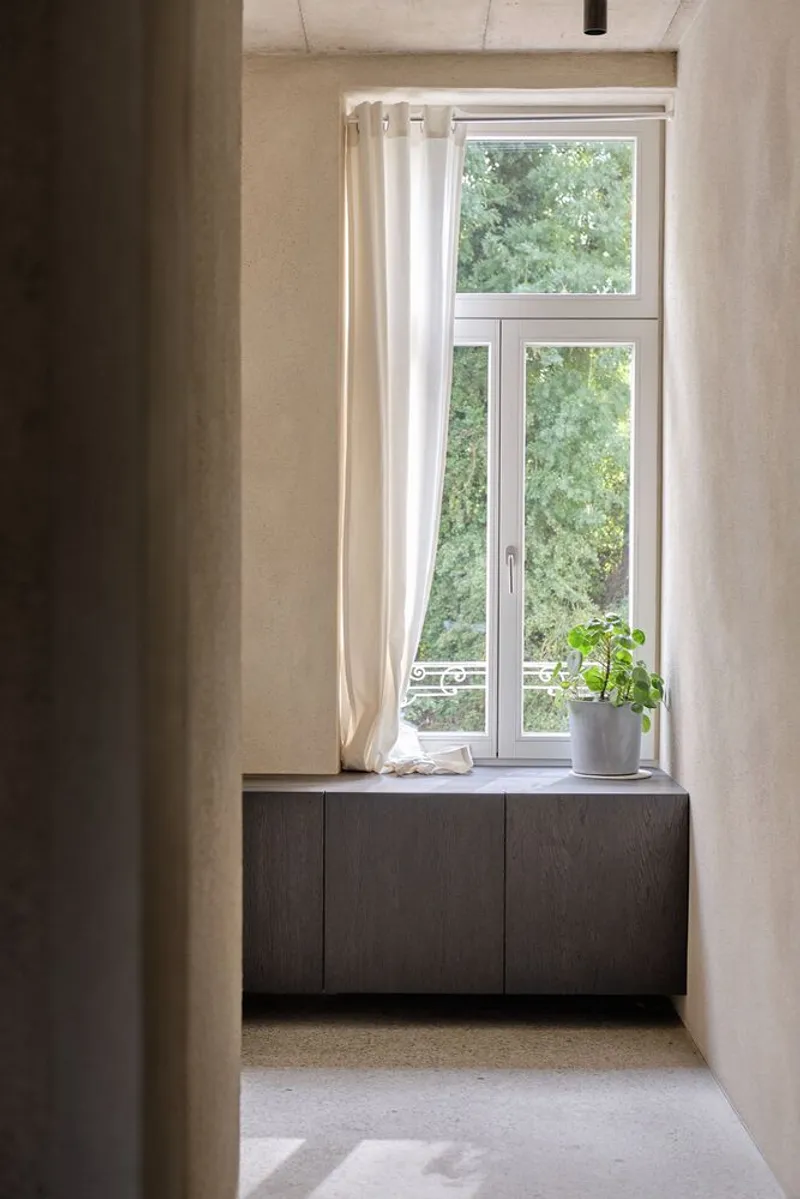
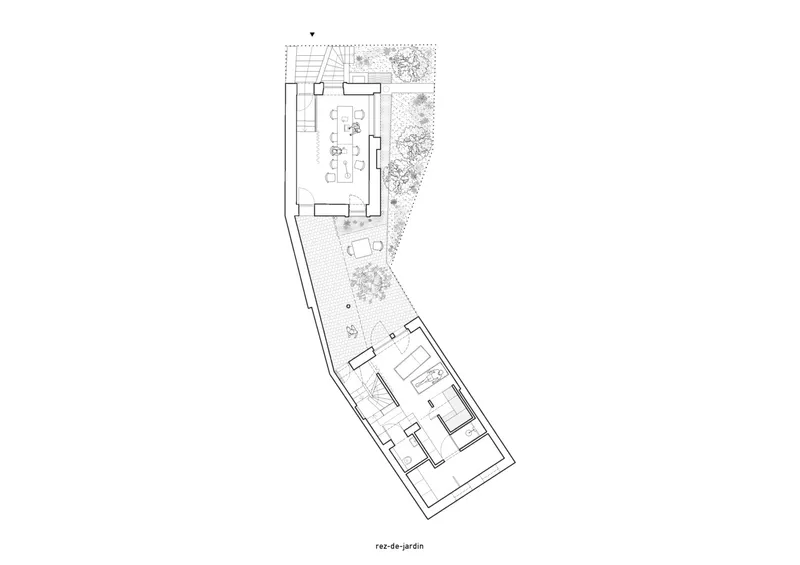
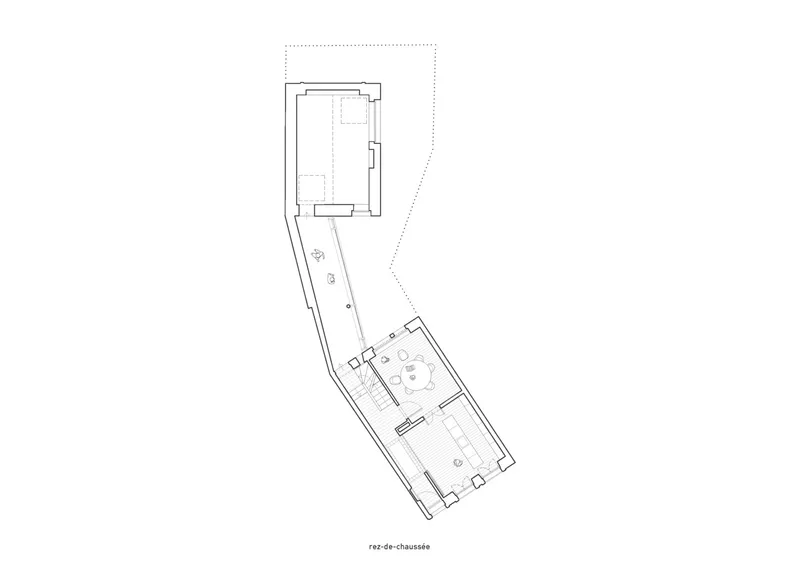
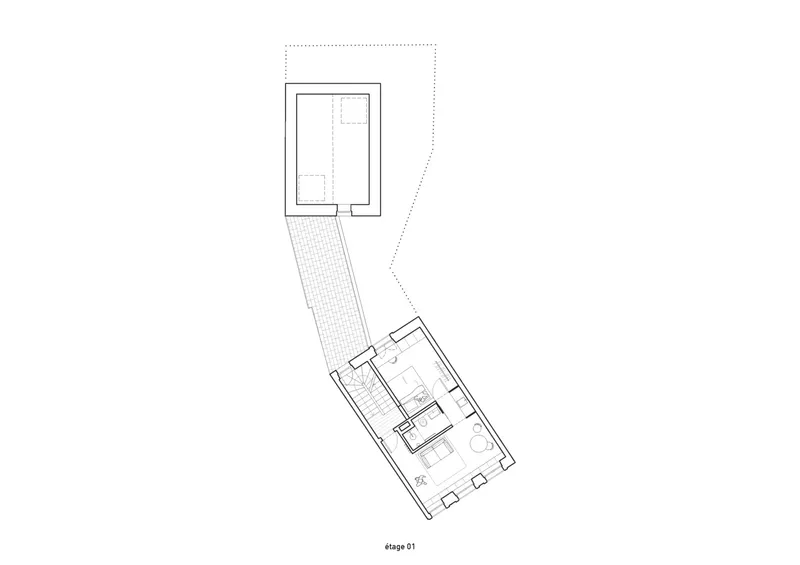
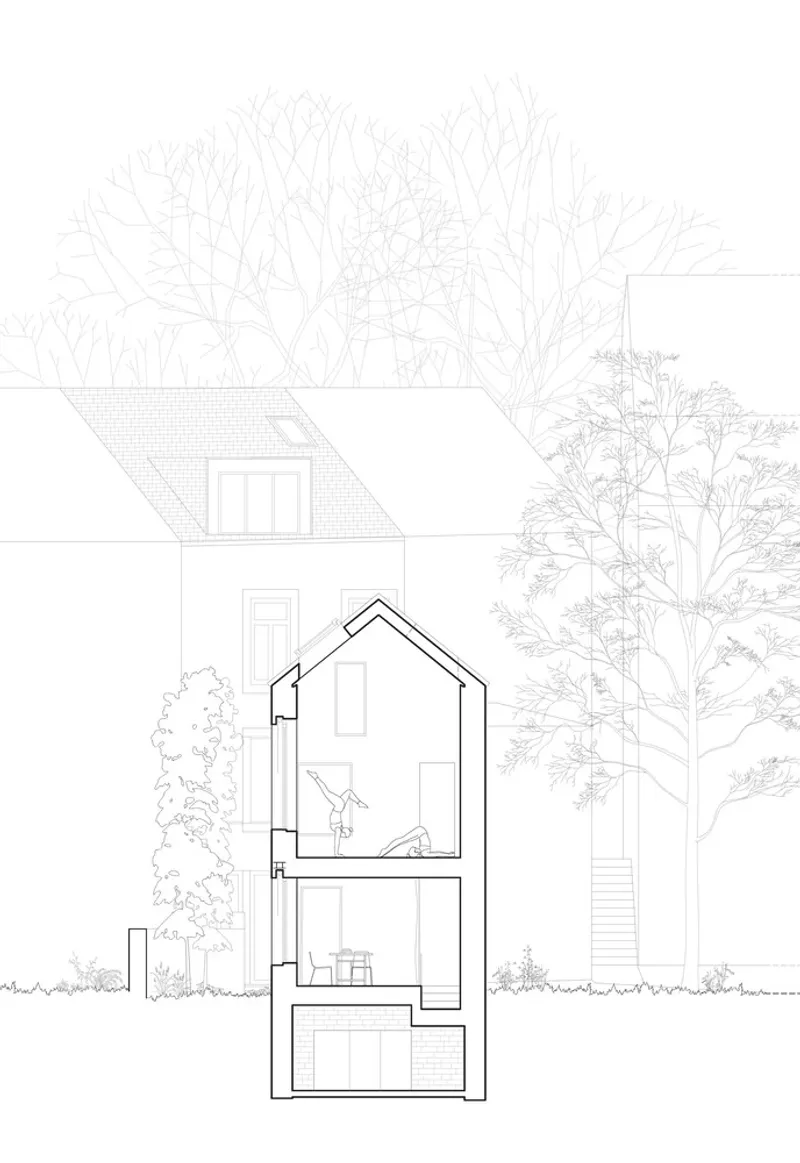
The building underwent a complete transformation, restoring its original sandstone walls and enhancing its functionality. Spanning four levels, the townhouse features minimalist interiors characterized by natural materials like lime plaster and dark brown wood. These design choices create a timeless aesthetic that complements the building’s history.

Multifunctional Spaces for Modern Living
A New Purpose for a Historic Home
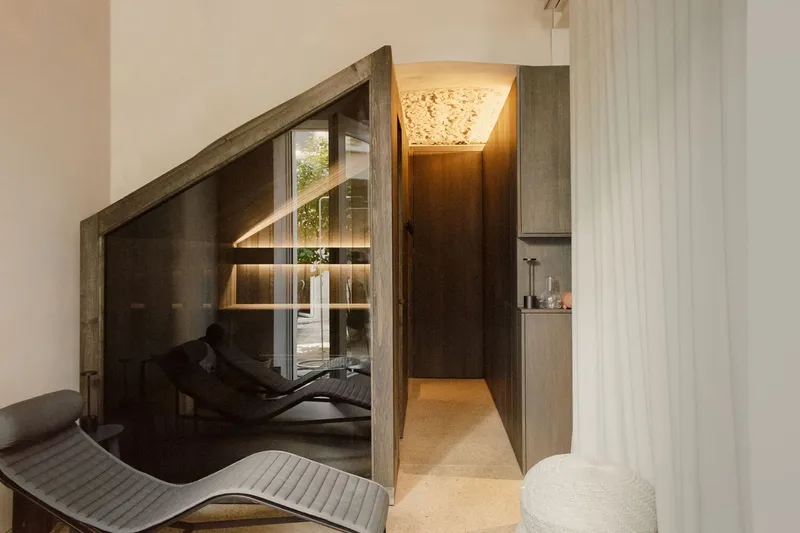
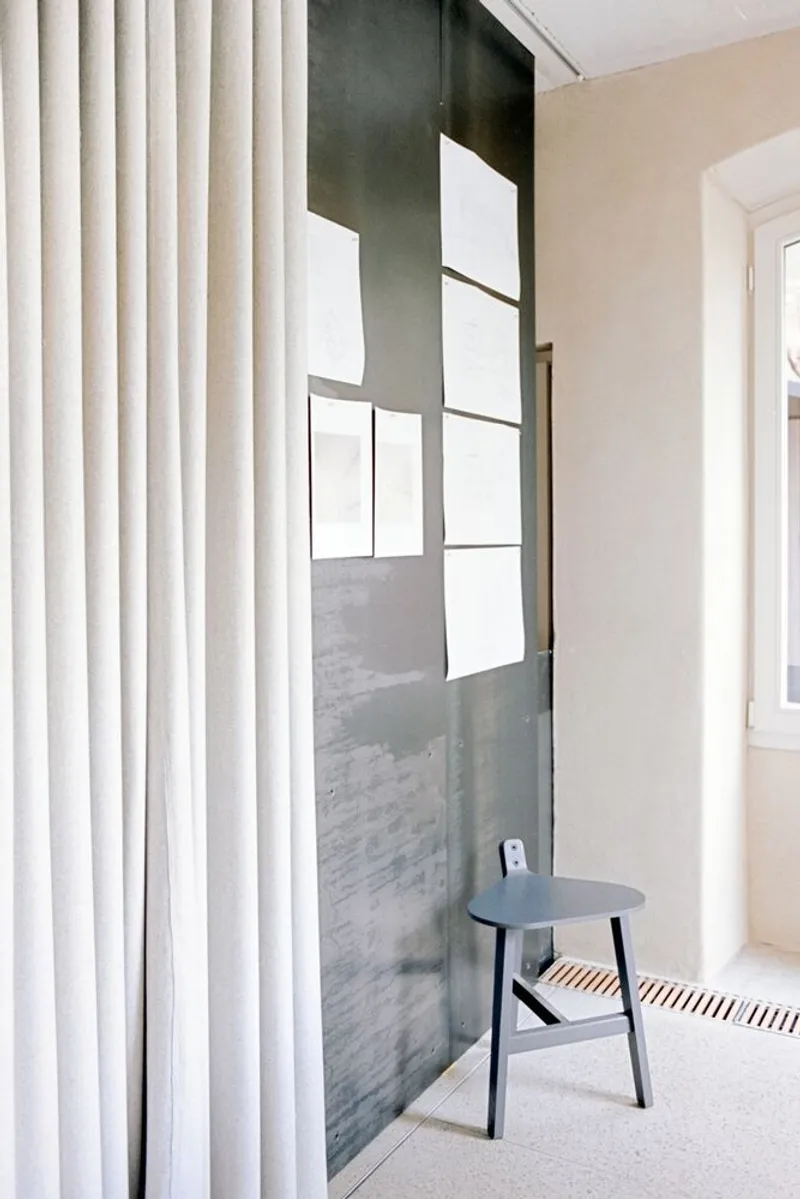
GuestHouse 50 seamlessly integrates its historic character with modern uses. It serves as a family residence while also hosting a variety of activities. The spaces are designed for hosting exhibitions, yoga classes, and collaborative work sessions, showcasing its adaptability.
Thoughtful Additions
The property includes a passageway that connects the main house to a rear courtyard and atelier. This extension enhances the flow between indoor and outdoor spaces, offering an ideal setting for creative endeavors.


Sustainability and Heritage Preservation
Sustainable Materials
The renovation prioritized eco-friendly materials, such as Miscanthus clay for insulation in the studio. The use of natural lime for interior and exterior finishes ensures a healthy indoor environment and highlights the building's sustainable credentials.


Collaboration with Heritage Authorities
Luxembourg's heritage protection authorities (INPA) supported the restoration project, ensuring that the architectural integrity of this historic building was preserved. This collaboration underscores the importance of maintaining cultural heritage while adapting to contemporary needs.

All Photographs are work of Sebastian Peršurić




Popular Articles
Popular articles from the community

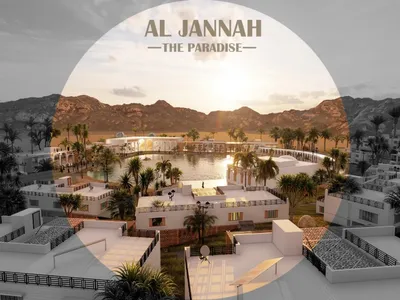
AL-JANNAH: Sustainable Architecture and Permaculture for Afghan Widows
AL-JANNAH uses sustainable architecture and permaculture to create resilient oasis of housing, learning, work and renewal for Afghan widows.

The Ocean Hive: Sustainable Architecture for a Self-Sufficient Civilization at Sea
The Ocean Hive imagines sustainable architecture at sea, where modular habitats, algae, wave power and ocean waste sustain a growing colony.

The Musturak Paradise: Senior Living Architecture for a Connected Future in Temara, Morocco
The Musturak Paradise reimagines senior living architecture in Temara via private homes, social spaces, culture, community, and shared care.
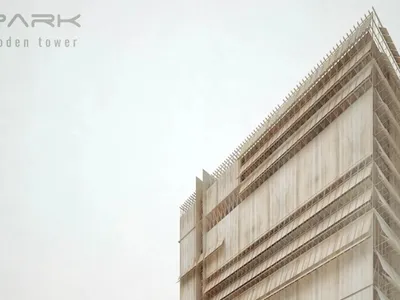
EW PARK: Sustainable Architecture Reimagines the Future of Urban Parking
EW PARK reimagines city parking as a modular wooden tower combining automation, solar energy, electric mobility, and adaptable urban design.


Similar Reads
You might also enjoy these articles


Hodi-Mandai Geram
Project Function: Preservation and revitalization of the Intangible heritage and socio-spatial identity of the Hodi by Housing, Cultural Memory Center, Sacred Grove, landscape, local tourism economy


Olio Towers: A Mid-Rise for Performers That Fuses Housing, Rehearsal, and Stage
Located blocks from Houston's Theater District, this modular tower stacks living units around a central performance atrium.

Oasis: Modular Green Housing Carved into Dhaka's Urban Fabric
A shortlisted Plugin Housing entry reclaims unauthorized settlements in Dhaka with stepped concrete volumes, green roofs, and ventilation-driven design.

Black Hole: A Floating Megastructure for the Post-Physical Era
Emiliano Mazzarotto envisions a spherical, self-scaling arena where e-sports, digital hotels, and holographic stadiums replace traditional public space.


Explore Architecture Competitions
Discover active competitions in this discipline



Challenge to reimagine the Iron Throne


Photograph architecture without architects


Illustrate the lost glory of Angkor Wat - Render Challenge


Design challenge to reuse E-waste
Comments (0)
Please login or sign up to add comments
No comments yet. Be the first to comment!