

Hagen-House Nendeln: Adaptive Reuse for Music Education in Liechtenstein
Historic farmstead transformed into a music academy with restored timber structures, new courtyard house, student housing, practice rooms, and chamber concert hall.


Historic Farmstead Transformed into Cultural & Educational Campus
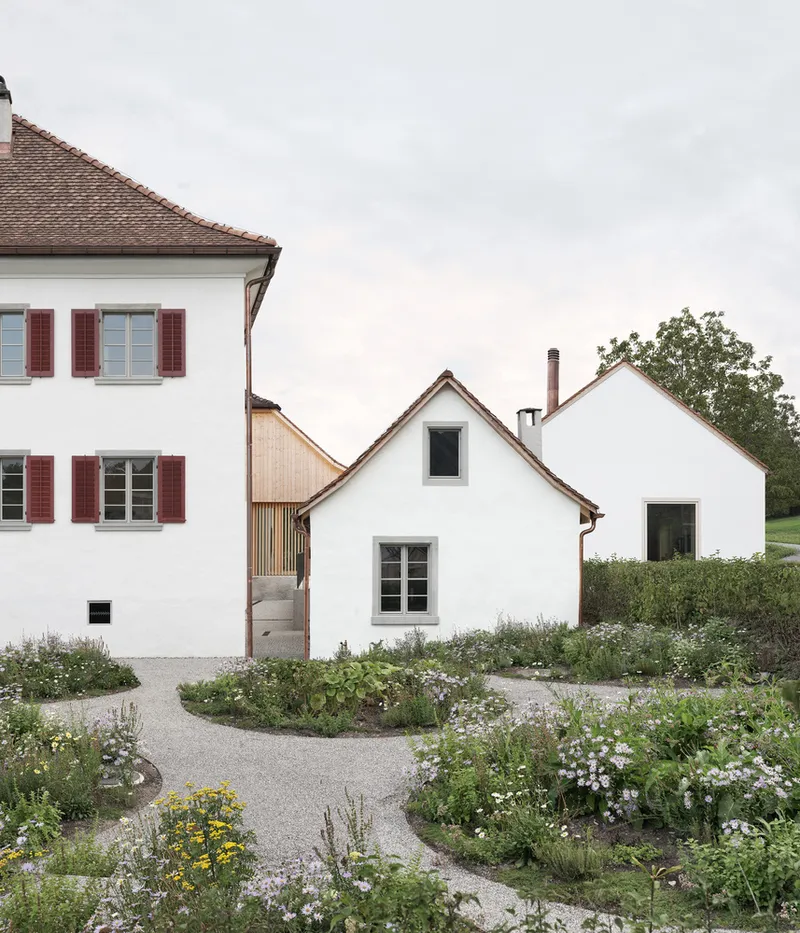
In Nendeln, Liechtenstein, Cukrowicz Nachbaur Architekten revitalizes the historic Hagen-House — a landmark neo-classical farmstead — into an inspiring campus for the International Music Academy Liechtenstein. Completed in 2024, the 555-square-meter project represents a thoughtful blend of cultural heritage preservation, contemporary timber design, and adaptive reuse for performing arts education.
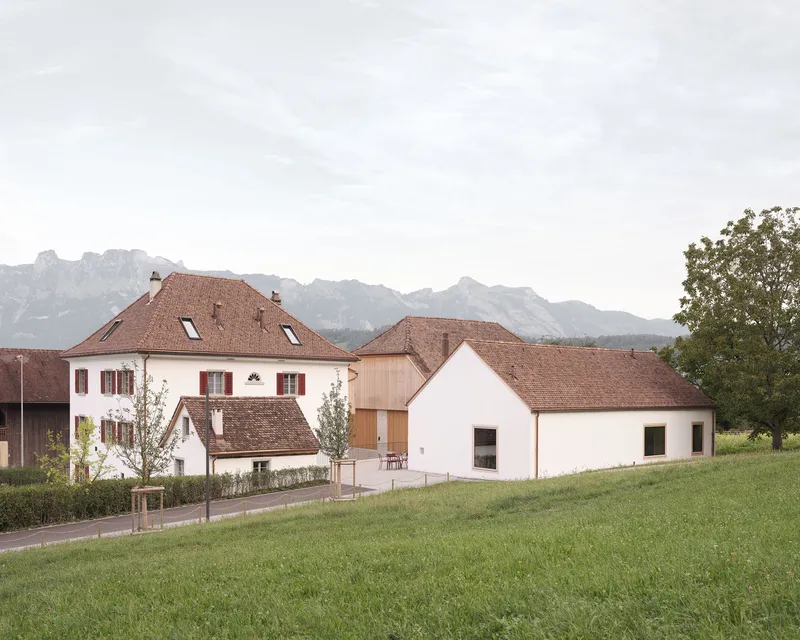
Originally built in 1837 by master builder Joseph Anton Seger, the semi-detached residence once included a stable, wash house, and shooting lodge. From 1864 to 1912, this ensemble on Feldkircher Strasse functioned as the imperial post station serving much of Liechtenstein. Today, the revitalized site welcomes young musicians from around the world, offering a space to live, practice, and perform.
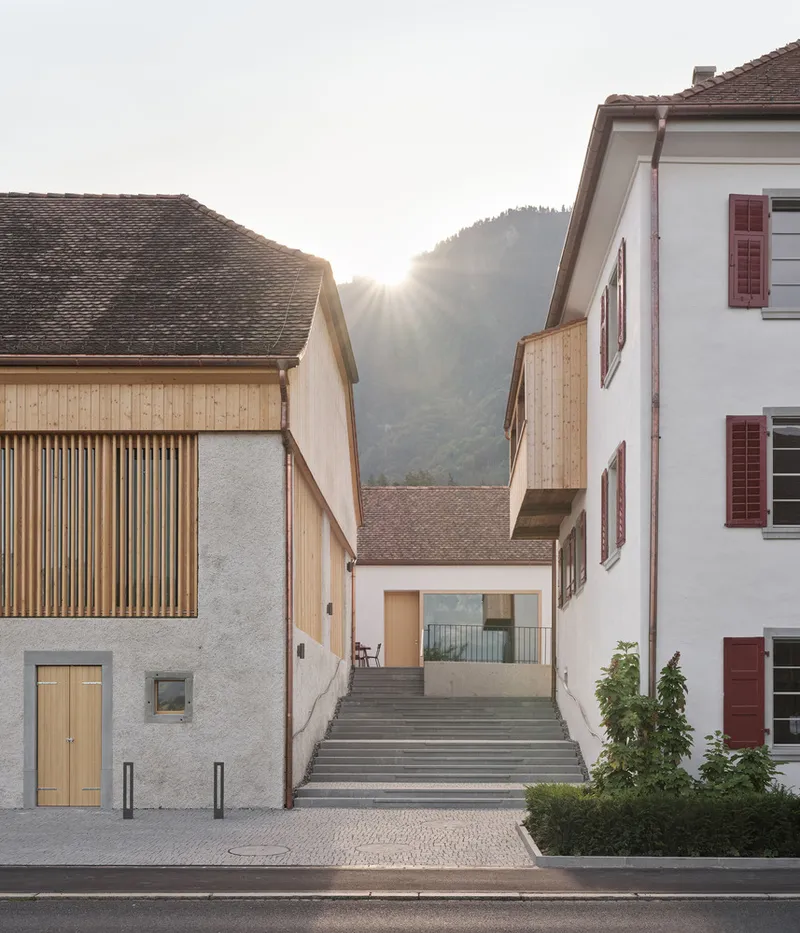
Preserving History, Enabling the Arts
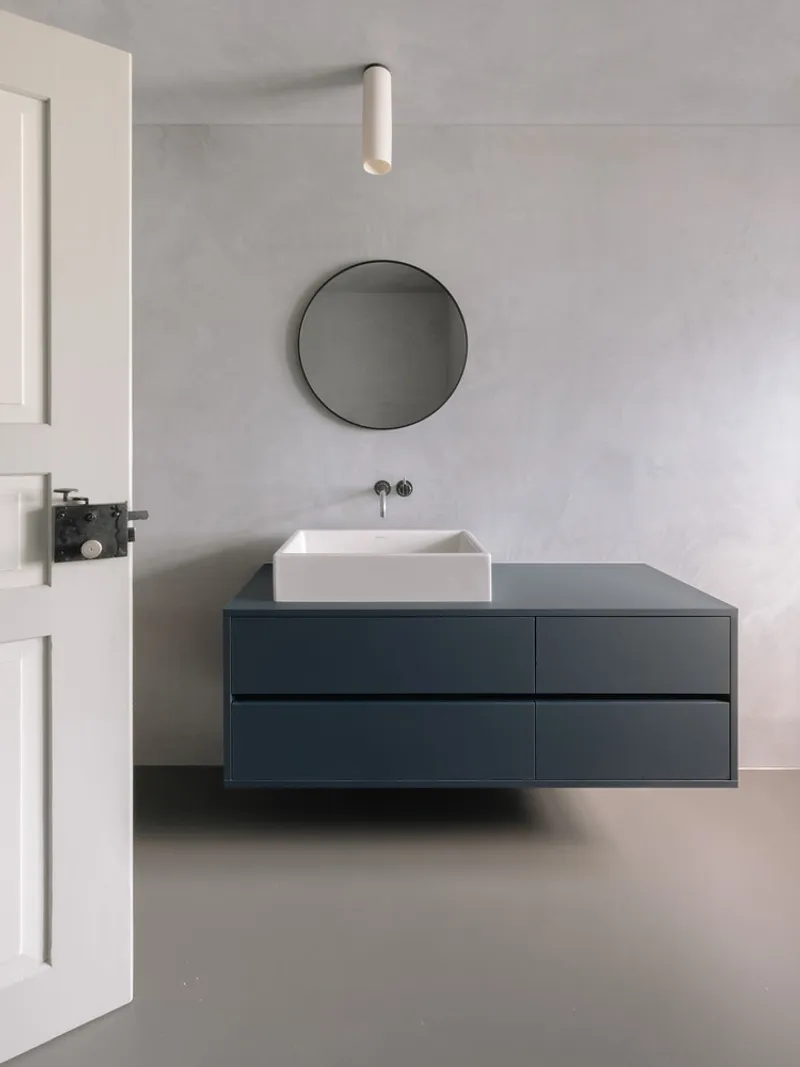
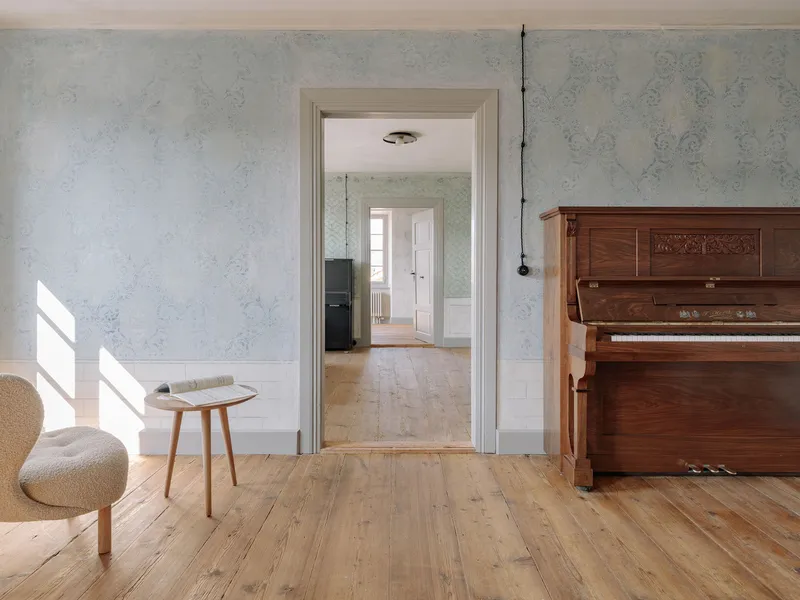
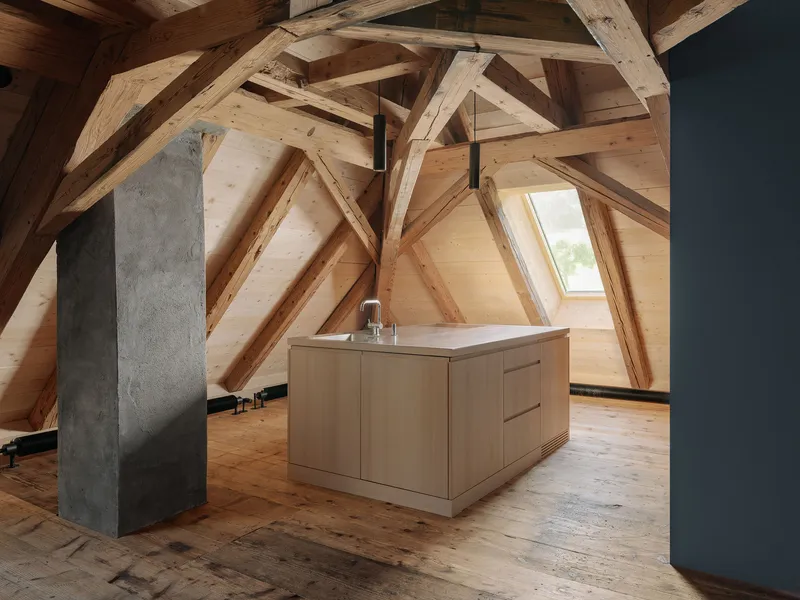
The design approach centers on maintaining the estate’s historical character while adapting it to support modern academic and cultural use. Key heritage elements — from the original residential rooms to the timber roof structure — are carefully restored.

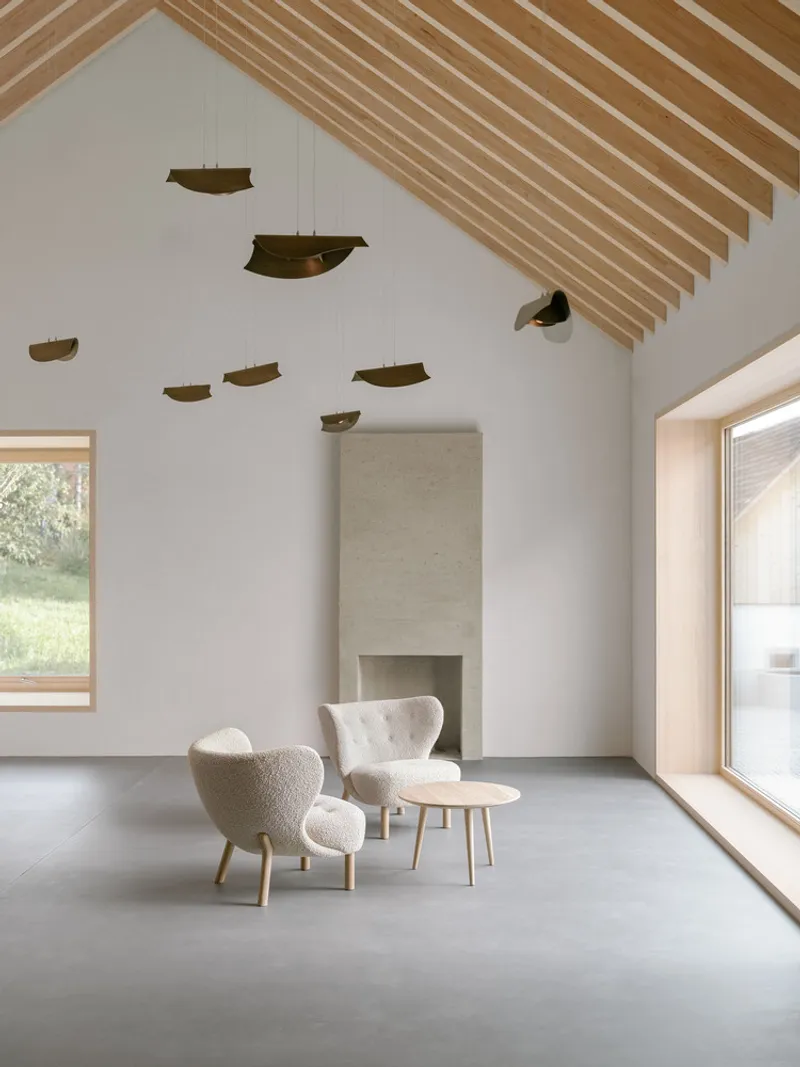
Program & Spatial Transformation
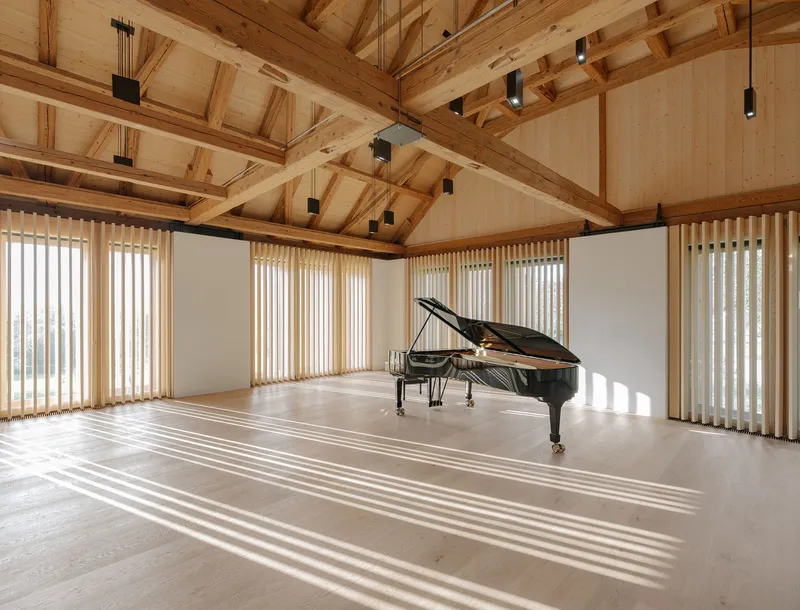
• The former residential house becomes student housing and practice rooms • The attic transforms into a professor’s loft • The traditional pillar-barn stable is converted into a chamber music hall • A newly added courtyard house provides foyer, social, and service functions
This sensitive evolution honors the original spatial language while enabling new forms of artistic interaction, reimagining the rural landmark as a contemporary cultural hub.

Wood-Focused Architecture and Contemporary Craftsmanship
A defining material narrative runs through the project: timber as both history and future. The historic façade’s wooden cladding is reinterpreted through adjustable timber slats, balancing tradition with environmental responsiveness and visual warmth.
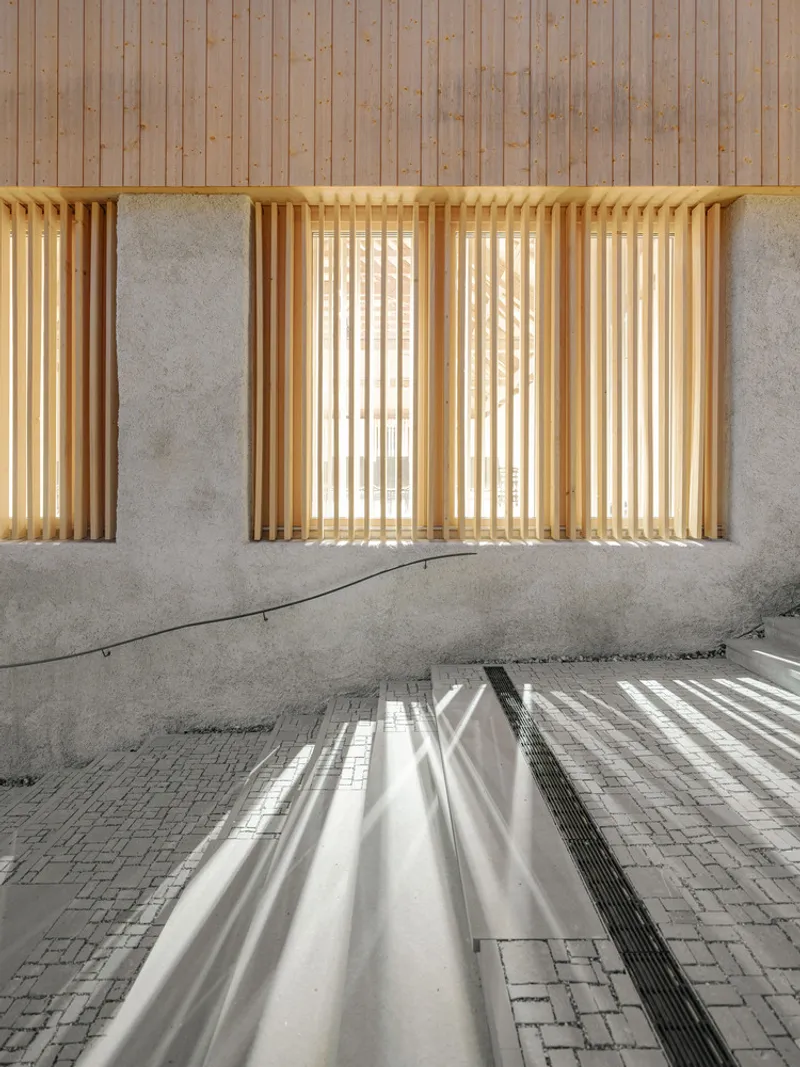
The new courtyard building takes the role of a communal lounge and gathering space, fostering social connection through soft natural materials, controlled light, and simple spatial volumes. Together, all structures form a unified ensemble organized around a central courtyard — a typology deeply rooted in regional rural architecture.
Landscape and Community Connection
The complex is anchored by a lush central courtyard, strengthened by native planting and layered greenery that connect the ensemble to its surrounding landscape. Green spaces soften circulation paths and provide quiet outdoor rooms for reflection, practice breaks, and informal performances, reinforcing the academy’s mission of nurturing creativity.
A Model for Heritage-Driven Cultural Architecture
Hagen-House Nendeln demonstrates how adaptive reuse can preserve architectural identity while catalyzing contemporary cultural life. Through thoughtful restoration, precise interventions, and a commitment to material authenticity, Cukrowicz Nachbaur Architekten delivers a campus that respects its past while empowering the next generation of musicians.




Popular Articles
Popular articles from the community


Co-life: Sustainable Architecture for Age-Friendly Community Living
Co-life reimagines sustainable architecture for seniors through courtyards, rammed earth, shared gardens, and spaces designed for belonging.

The Earth Pod: 3D Printed Homes for Resilient Refugee Communities
The Earth Pod reimagines refugee housing through 3D printed homes made from clay, combining resilience, self-sufficiency, and rapid shelter.

EW PARK: Sustainable Architecture Reimagines the Future of Urban Parking
EW PARK reimagines city parking as a modular wooden tower combining automation, solar energy, electric mobility, and adaptable urban design.

Conexión: Biophilic Design Reimagines High-Rise Living in Hong Kong
Conexión reimagines high-rise living in Hong Kong through biophilic design, green facades, shared spaces, daylight, water and nature within.


Similar Reads
You might also enjoy these articles


Hodi-Mandai Geram
Project Function: Preservation and revitalization of the Intangible heritage and socio-spatial identity of the Hodi by Housing, Cultural Memory Center, Sacred Grove, landscape, local tourism economy


Olio Towers: A Mid-Rise for Performers That Fuses Housing, Rehearsal, and Stage
Located blocks from Houston's Theater District, this modular tower stacks living units around a central performance atrium.

Oasis: Modular Green Housing Carved into Dhaka's Urban Fabric
A shortlisted Plugin Housing entry reclaims unauthorized settlements in Dhaka with stepped concrete volumes, green roofs, and ventilation-driven design.

Black Hole: A Floating Megastructure for the Post-Physical Era
Emiliano Mazzarotto envisions a spherical, self-scaling arena where e-sports, digital hotels, and holographic stadiums replace traditional public space.

Explore Educational Building Competitions
Discover active competitions in this discipline



Challenge to design public laboratory


Challenge to reimagine the Iron Throne


Photograph architecture without architects


Illustrate the lost glory of Angkor Wat - Render Challenge
Comments (0)
Please login or sign up to add comments
No comments yet. Be the first to comment!