
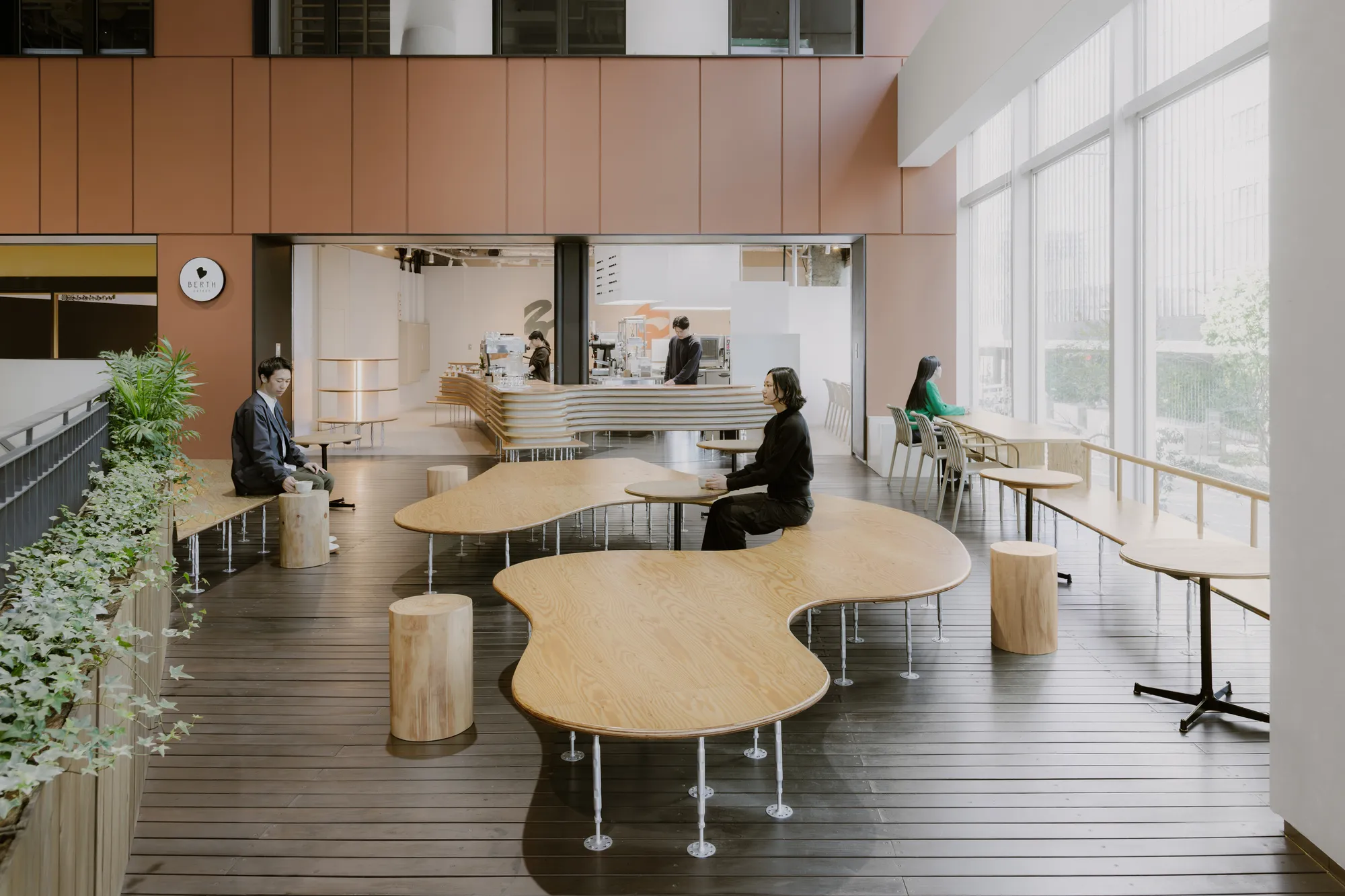
HAGISO Carves a Landscape of Laminated Plywood Inside Yokohama's Third BERTH COFFEE
A 146 square meter café in Minatomirai sculpts curving plywood forms and split levels into a double-height waterfront space.


Backpackers' Japan has built a hospitality brand on the principle that gathering spaces should feel loose, layered, and a little bit generous. Their venues, from the hostel Nui to the hotel CITAN, treat interior architecture as a social instrument rather than a backdrop. BERTH COFFEE Minatomirai, the brand's third café location, continues that logic inside a 146 square meter unit in Yokohama's waterfront district. Designed by HAGISO, the space converts a double-height commercial shell into something that reads more like a constructed landscape than a typical coffee shop.
What makes this project worth studying is the commitment to a single material gesture, laminated plywood, carried across every scale of the interior. Counters, tables, shelving, and bench surfaces all share the same ribbed, stacked language, giving the entire space a topographic continuity. HAGISO treats the plywood not as cladding but as structure and furniture at once, shaping organic, kidney-like forms that resist the rectilinear grid of the building envelope. The result is a café that feels carved from a single block of timber, even as it negotiates split levels, a mezzanine, and an outdoor terrace overlooking the harbor.
A Single Material, Many Scales


The service counter is the project's centerpiece and its clearest statement of intent. Horizontal layers of laminated plywood are stacked into a monolithic form, the exposed edges creating a fine ribbing that catches light and shadow in equal measure. Steel legs raise the mass off the floor just enough to keep it from feeling heavy. Behind it, baristas work beneath exposed concrete ceilings and mechanical services that HAGISO wisely left raw, letting the industrial bones of the building provide a counterpoint to the warmth of the timber.
The decision to use the same lamination technique at the scale of a long counter and again at the scale of individual stools and shelves creates visual coherence without uniformity. Each element has a slightly different profile, a slightly different curve, so the eye moves through the space reading variations on a theme rather than repetitions.
Split Levels and the Double-Height Section


The double-height volume is the space's biggest asset, and HAGISO exploits it by splitting the floor into distinct levels connected by short changes in grade. From the lower seating zone, you look up past planted railings toward clerestory windows that wash the upper level in diffused daylight. The upper mezzanine, furnished with cantilevered plywood shelves and tubular steel chairs, faces a gridded window wall that frames Minatomirai's skyline without competing with the interior's material palette.
This sectional strategy gives a small café the experiential complexity of a much larger building. You move through it vertically as much as horizontally, encountering different light conditions and different social densities at each level. It is a technique familiar from HAGISO's broader hospitality work: compress the plan, then open the section.
Organic Geometry Against a Rigid Shell
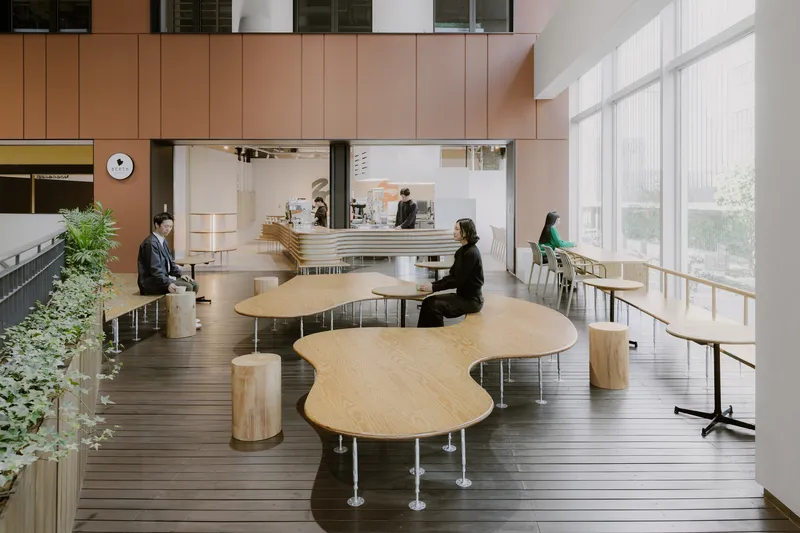
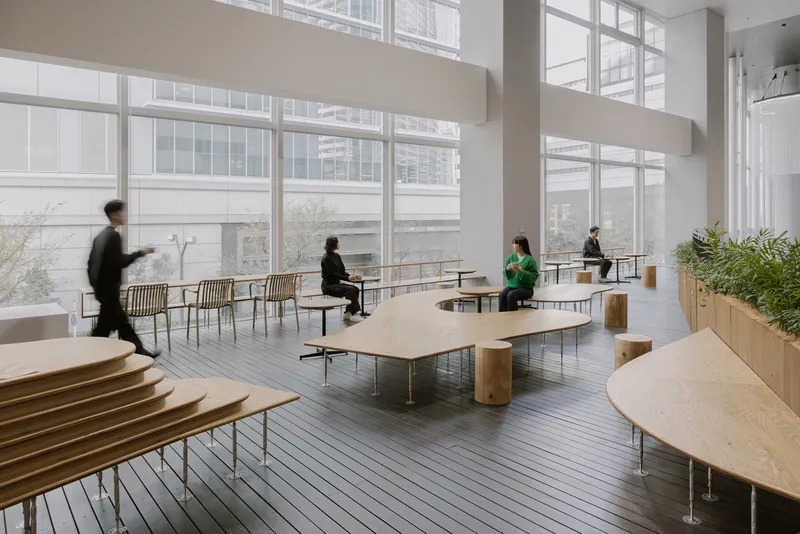
The most striking spatial decision is the shape of the tables and seating zones. Kidney-shaped plywood surfaces curve through the room on dark timber decking, their amoebic outlines softening the hard right angles of the commercial unit. Pink paneled wall sections add a quiet warmth without tipping into whimsy. Wire-backed chairs, deliberately lightweight and visually transparent, ensure the heavy plywood forms remain the dominant presence.
There is a disciplined tension here between the organic furniture and the orthogonal architecture. HAGISO does not try to reshape the building itself. The exposed ceiling grid, the column lines, the window mullions all remain legible. The curving plywood world simply inhabits the shell, and the friction between the two registers gives the interior its energy.
The Terrace and the Waterfront

An angled timber deck terrace extends the café outward, offering a curved table that seats two facing snow-dusted trees and the harbor beyond. It is a small gesture, but it matters: it confirms that the project's landscape logic is not purely decorative. The curving, organic forms continue past the threshold, linking the interior topography to the actual ground plane. In a district dominated by tower lobbies and retail podiums, a terrace that feels handmade is a quiet act of resistance.
Plans and Drawings
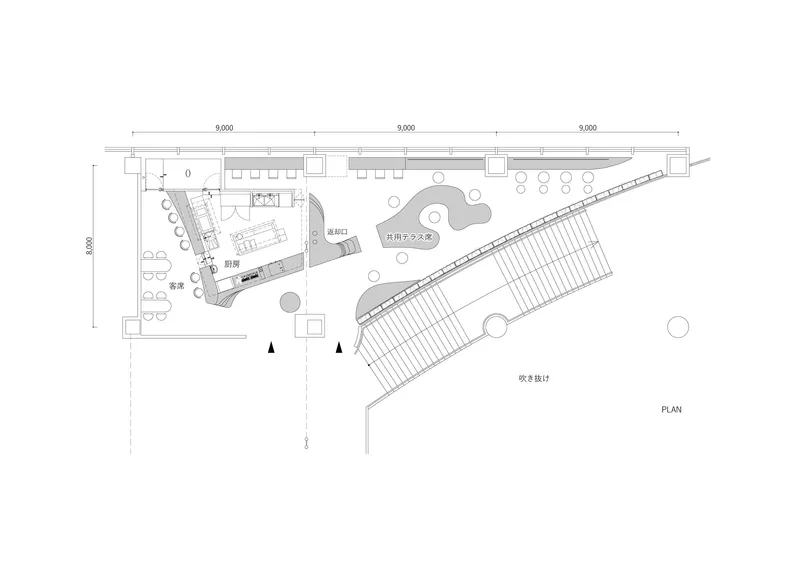


The floor plan reveals how the curved seating zones and angled terrace negotiate the rectangular footprint. Kidney-shaped table clusters occupy the center of the room while circulation hugs the perimeter, a strategy that maximizes seating density without creating a crowded feeling. The building section shows the relationship between the double-height interior and the multi-story glazed facade, clarifying how HAGISO stacks the mezzanine to capture upper-level daylight. A sketch elevation, with its undulating roofline and scale figures, suggests early conceptual ambitions for a more dramatic exterior profile, one that may or may not have been realized but that clearly informed the interior's topographic character.
Why This Project Matters
Coffee shops are among the most frequently designed and least frequently interesting interiors in contemporary architecture. The brief is tight, the budgets are modest, and the temptation to default to exposed brick and Edison bulbs remains strong. BERTH COFFEE Minatomirai avoids every one of those traps by committing fully to a material strategy and a sectional idea, then executing both with real craft. The laminated plywood is not a surface treatment. It is the architecture.
For HAGISO, a studio that has long operated at the intersection of hospitality and placemaking, the project demonstrates that small commercial interiors can carry as much spatial ambition as buildings ten times their size. The 146 square meters feel expansive because the section is generous, the material is consistent, and the geometry keeps you looking. That is not an accident. It is a design position, and it holds.
BERTH COFFEE Minatomirai, designed by HAGISO for Backpackers' Japan. Yokohama, Japan. 146 m². Completed 2024. Photography by Keishin Horikoshi / SS.
About the Studio
Share Your Own Work on uni.xyz
If projects like this are the kind of work you want to make, uni.xyz is a place to publish your own, find collaborators, and enter design competitions.




Popular Articles
Popular articles from the community

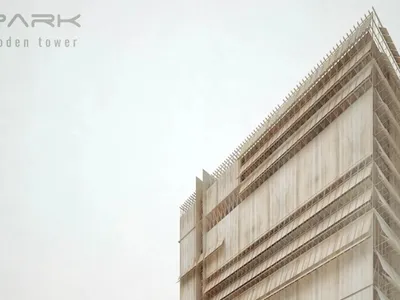
EW PARK: Sustainable Architecture Reimagines the Future of Urban Parking
EW PARK reimagines city parking as a modular wooden tower combining automation, solar energy, electric mobility, and adaptable urban design.
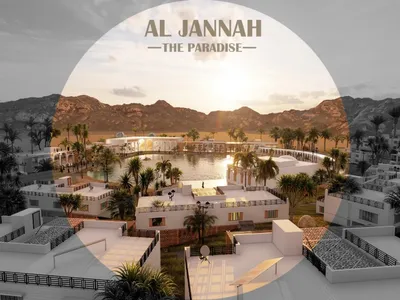
AL-JANNAH: Sustainable Architecture and Permaculture for Afghan Widows
AL-JANNAH uses sustainable architecture and permaculture to create resilient oasis of housing, learning, work and renewal for Afghan widows.

The Musturak Paradise: Senior Living Architecture for a Connected Future in Temara, Morocco
The Musturak Paradise reimagines senior living architecture in Temara via private homes, social spaces, culture, community, and shared care.

Riyadh For All: Intergenerational Urban Design for Active Aging in Rabat
Riyadh For All reimagines urban design in Rabat with intergenerational co-living, adaptive courtyards, and Moroccan cultural exchange today.


Similar Reads
You might also enjoy these articles

Bao Huynh Watercolor Atelier: A Serene Art Retreat in Hội An
Bao Huynh Watercolor Atelier in Hội An blends multifunctional art spaces, sustainable design, local materials, and family-friendly living in a serene environment.

Atelier Macri Concept Store Interior Design by CASE-REAL
Atelier Macri store features a "ko" counter, walnut wood details, cork displays, blending retail, gallery, and seamless customer experiences.

Manuel Vargas Izquierdo Stadium and High-Performance Sports Center: Architectural Excellence in Jalpa de Méndez
The Manuel Vargas Izquierdo Stadium blends sustainable design, inclusive sports facilities, and cultural-inspired architecture, revitalizing Jalpa de Méndez’s public spaces.

KAKR Buluh Awar Hall: Revitalizing Community and Ecology Through Bamboo Architecture
Community built bamboo hall revitalizes Buluh Awar village, empowering youth, restoring ecology, celebrating vernacular craftsmanship through sustainable architecture and culture.
Comments (0)
Please login or sign up to add comments
No comments yet. Be the first to comment!