
Half of A House Pavilion: A Sustainable Architecture Project by i/thee + RAWstudio
Half of A House Pavilion combines rammed earth and recycled formwork, promoting sustainable, circular construction through innovative architectural design.


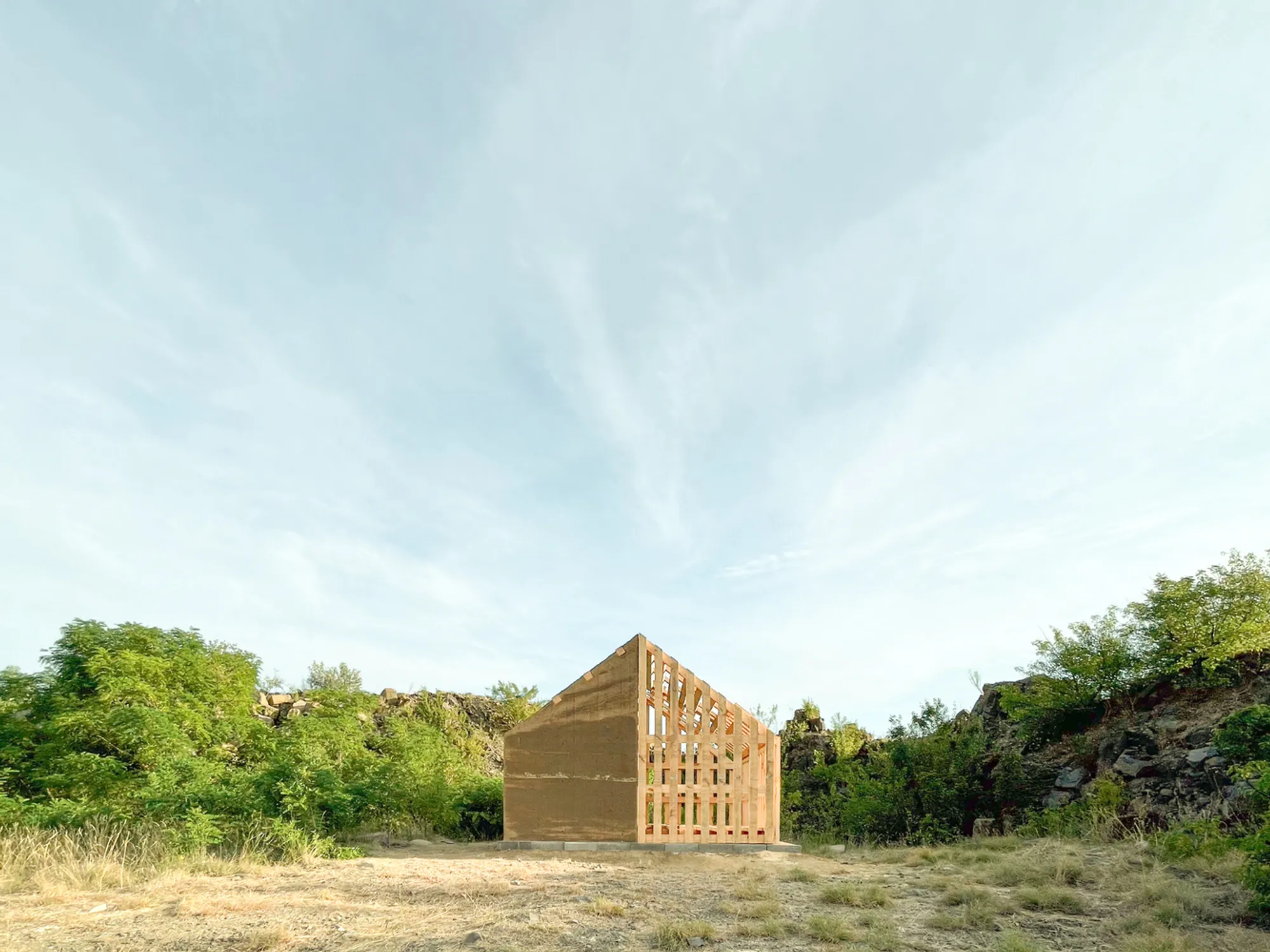
Half of A House Pavilion, a striking architectural installation designed by RAWstudio, i/thee explores innovative construction techniques that challenge traditional building practices. Situated in rural Hungary, the pavilion was created as part of the Hello Wood Builder Summit, an annual event focused on reimagining construction, material reuse, and circular design.
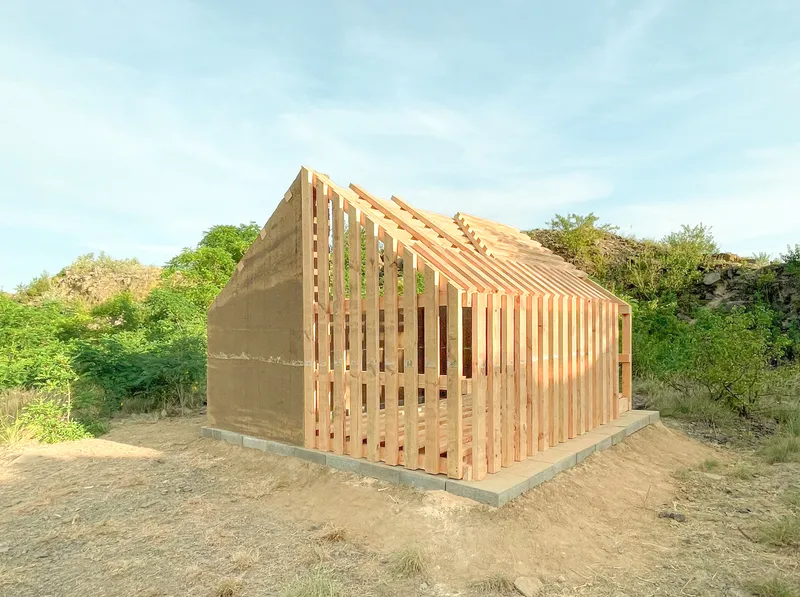
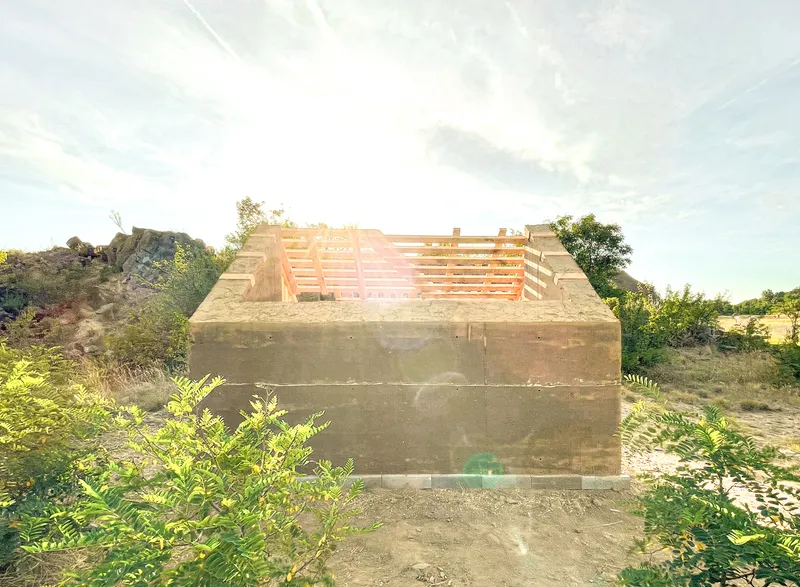
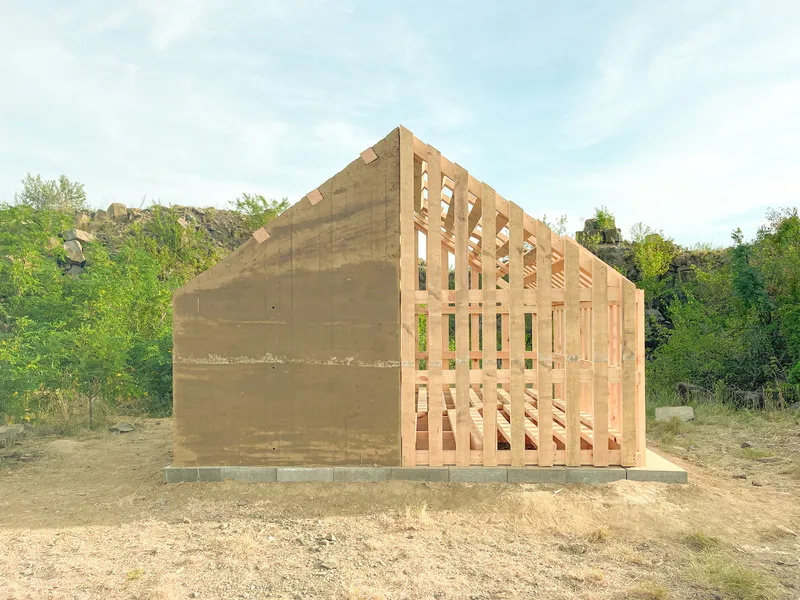
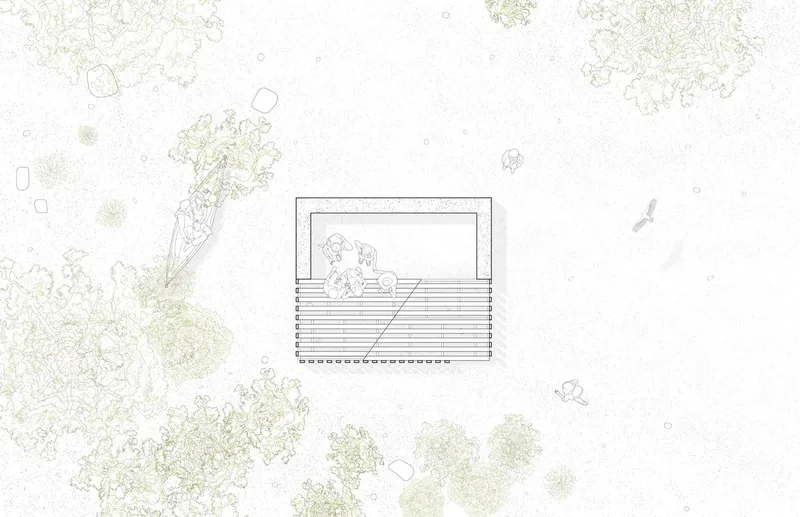
The project presents a thought-provoking approach to sustainable architecture, showcasing a structure split down the middle—each side constructed from entirely different materials, yet harmoniously integrated. On one side, unstabilized rammed earth is used to form the walls, while the other side incorporates reconstructed formwork from the rammed earth casting process. This design seeks to embody a more circular construction system, reducing waste and optimizing materials for reuse.
Sustainable Design and Material Innovation
The pavilion is a prime example of circular architecture, utilizing parametrically designed rammed earth formwork that not only supports the structure but is also recycled into its components. By employing earth-based materials and construction debris, the project highlights the potential for more sustainable building cycles, challenging linear material economies.
Through pragmatic parametrization techniques, the design team optimized the formwork to ensure its reuse, pushing the boundaries of computational design in architecture. This approach is not just about aesthetics but also about creating meaningful, functional structures from sustainable practices.
Construction Process
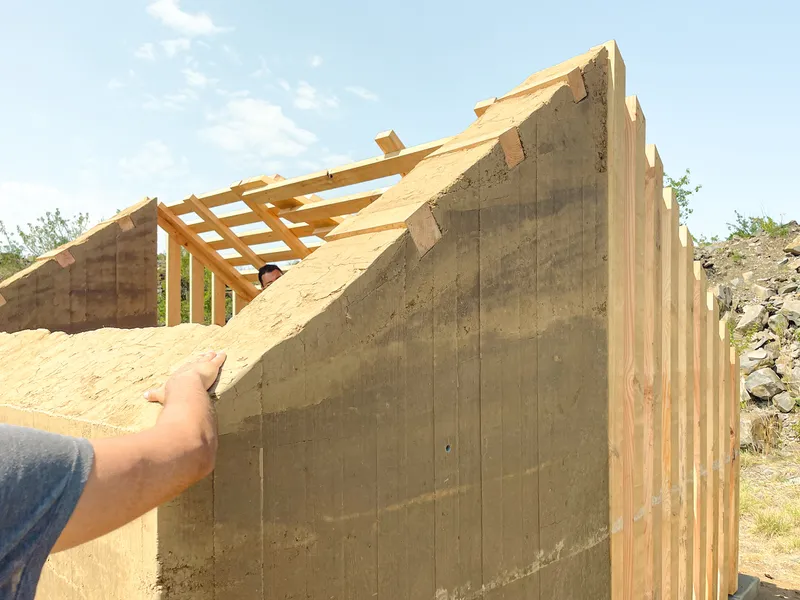
The construction of Half of A House began with the fabrication of eight cross-laminated timber panels that formed the basis of the formwork for an archetypal gable roof house. Local earth was rammed into the formwork by hand, with no stabilizing additives, to create the rammed earth walls. After the ramming process, the formwork was removed, revealing one side of the pavilion's walls.
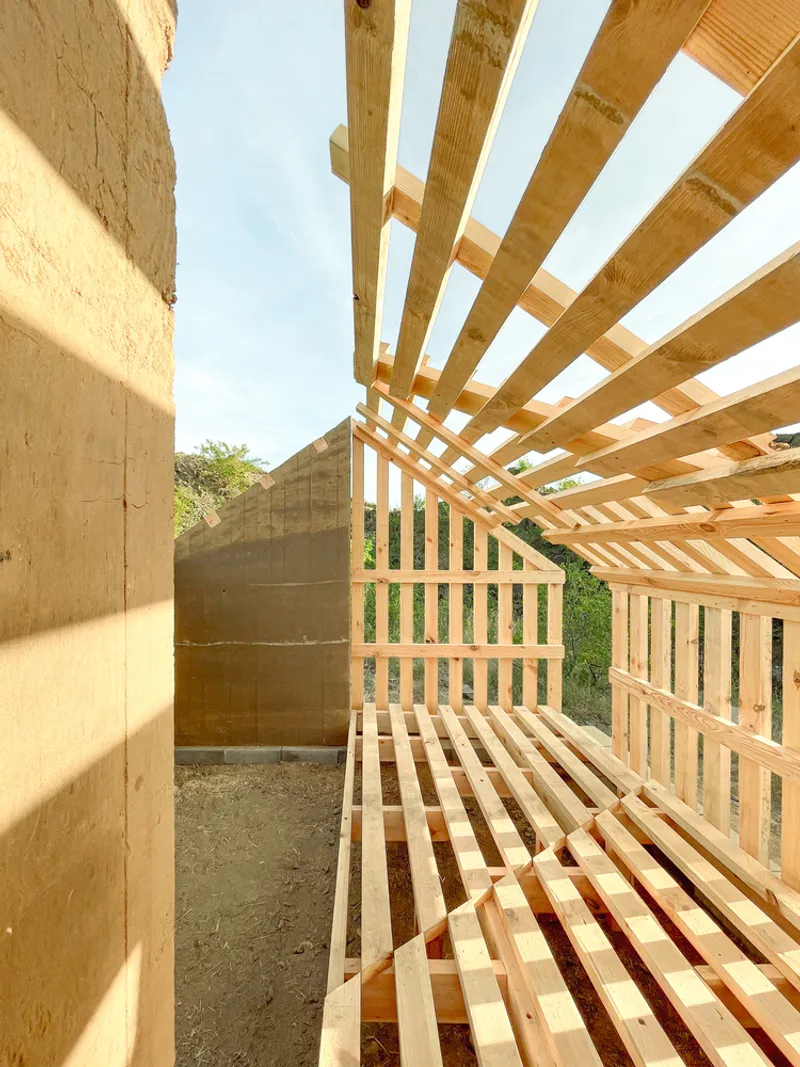
Next, the formwork was partially disassembled and carefully reassembled to form the second half of the structure. This half was constructed using the same formwork, now repurposed to create the roof and walls of the opposite side of the pavilion. The result is a two-faced structure that seamlessly integrates earth materials with wooden formwork, each side bearing the marks of its origin.
Circular Design Philosophy
At the heart of Half of A House is the concept of a closed-loop system in construction. The project not only aims to reuse materials but also to reduce the environmental impact of construction by sourcing materials directly from the site and using them in multiple stages of the building process. The project demonstrates the possibility of sustainable architecture that minimizes waste and maximizes the potential of materials at every stage—from sourcing to construction and eventual reuse.
This pavilion represents a step toward circular construction ecosystems, where every material has a purpose and every action contributes to reducing environmental impact. The project blends conceptual design with sustainable thinking, creating a space that is both innovative and responsible.
Architectural Features
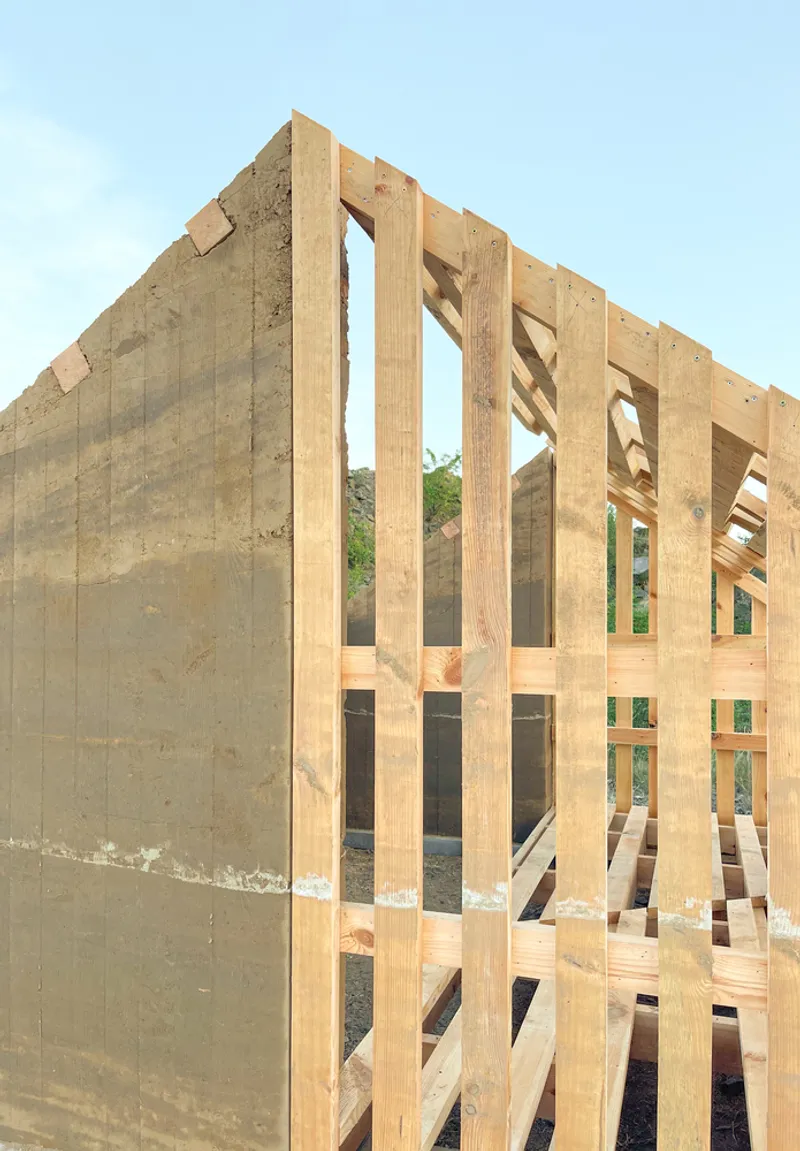
- Earth-based materials: The smooth, cool-to-the-touch surface of the rammed earth walls contrasts beautifully with the intricate wooden formwork, creating a tactile and visually engaging space.
- Reconstructed formwork: The disassembled formwork retains the stains of the earth it once contained, adding a unique texture to the structure and emphasizing the recycled materials used.
- Sustainable building practices: The use of rammed earth and the recycling of construction debris reflects a commitment to eco-friendly architecture and material reuse.
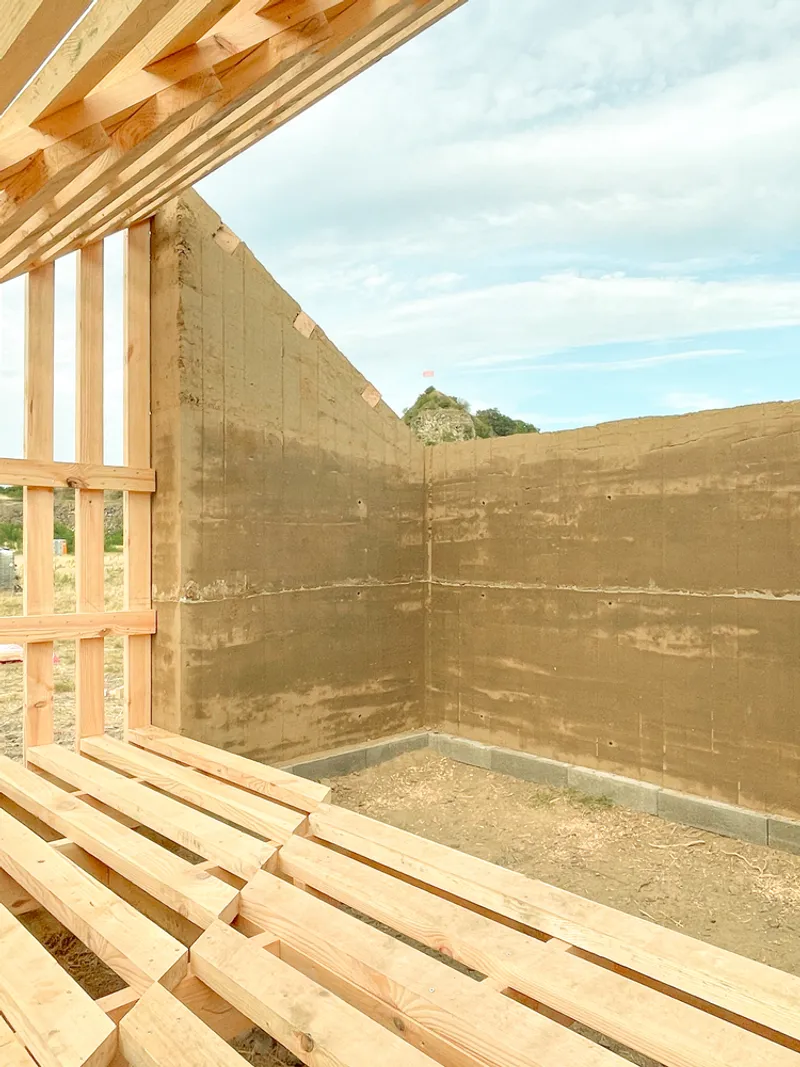
Half of A House Pavilion is more than just a physical structure—it is a statement on the future of sustainable architecture. By embracing innovative material reuse, parametric design, and a circular construction philosophy, this pavilion presents a new paradigm for how buildings can be constructed with minimal environmental impact. The project demonstrates the potential for earth materials and recycled construction elements to coexist in a way that is both sustainable and aesthetically compelling.
All Photographs are works of Neal Lucas Hitch



Popular Articles
Popular articles from the community


EW PARK: Sustainable Architecture Reimagines the Future of Urban Parking
EW PARK reimagines city parking as a modular wooden tower combining automation, solar energy, electric mobility, and adaptable urban design.
AL-JANNAH: Sustainable Architecture and Permaculture for Afghan Widows
AL-JANNAH uses sustainable architecture and permaculture to create resilient oasis of housing, learning, work and renewal for Afghan widows.

The Musturak Paradise: Senior Living Architecture for a Connected Future in Temara, Morocco
The Musturak Paradise reimagines senior living architecture in Temara via private homes, social spaces, culture, community, and shared care.

Conexión: Biophilic Design Reimagines High-Rise Living in Hong Kong
Conexión reimagines high-rise living in Hong Kong through biophilic design, green facades, shared spaces, daylight, water and nature within.


Similar Reads
You might also enjoy these articles


Hodi-Mandai Geram
Project Function: Preservation and revitalization of the Intangible heritage and socio-spatial identity of the Hodi by Housing, Cultural Memory Center, Sacred Grove, landscape, local tourism economy


Olio Towers: A Mid-Rise for Performers That Fuses Housing, Rehearsal, and Stage
Located blocks from Houston's Theater District, this modular tower stacks living units around a central performance atrium.

Oasis: Modular Green Housing Carved into Dhaka's Urban Fabric
A shortlisted Plugin Housing entry reclaims unauthorized settlements in Dhaka with stepped concrete volumes, green roofs, and ventilation-driven design.

Black Hole: A Floating Megastructure for the Post-Physical Era
Emiliano Mazzarotto envisions a spherical, self-scaling arena where e-sports, digital hotels, and holographic stadiums replace traditional public space.


Explore Eco-concrete Competitions
Discover active competitions in this discipline



Challenge to design a portable theatre


Challenge to design a portable music platform


Challenge to design an open learning module for the elderly


Challenge to reimagine the Iron Throne
Comments (0)
Please login or sign up to add comments
No comments yet. Be the first to comment!