
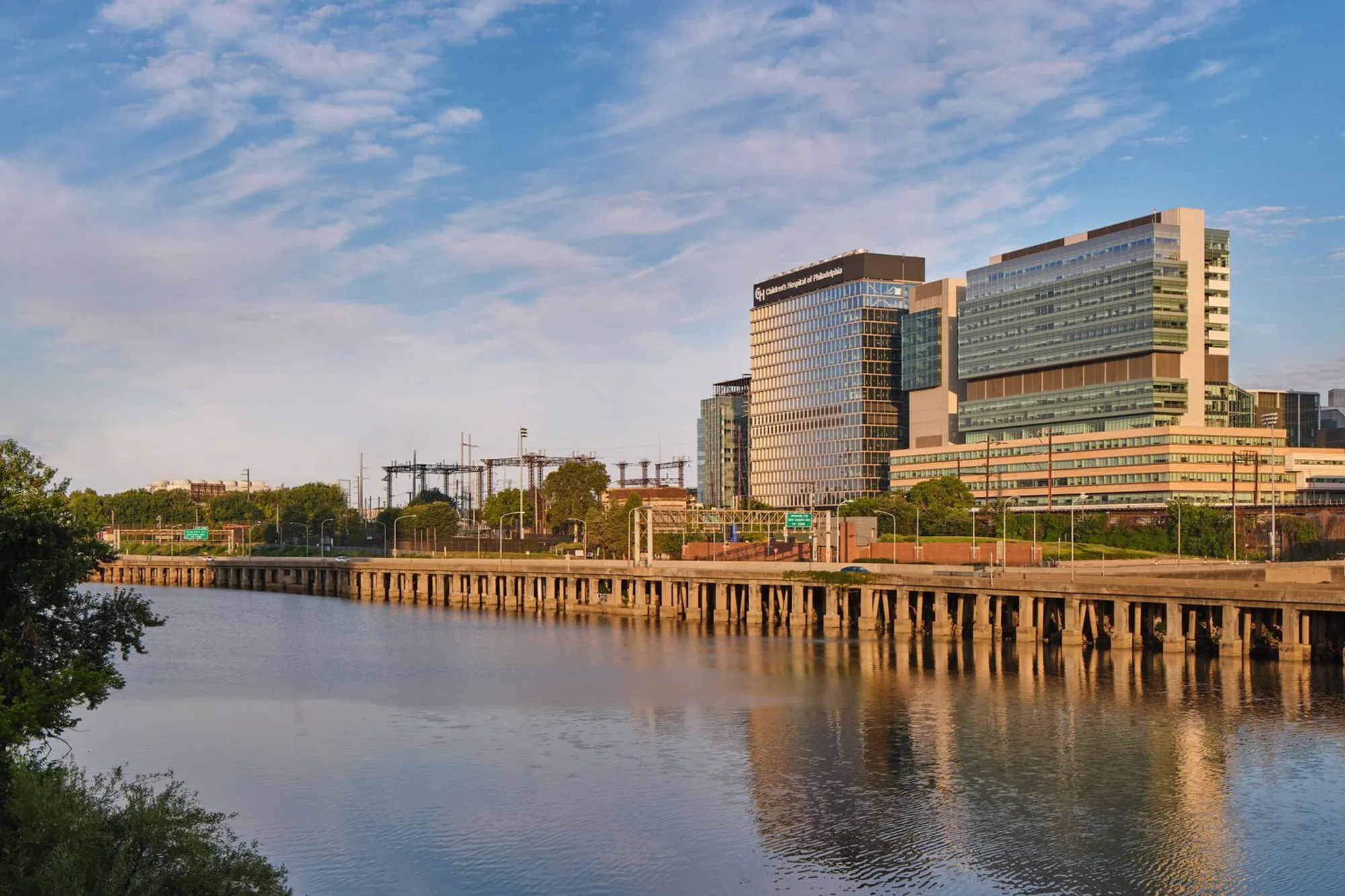
Healthcare Architecture Design: The Hub for Clinical Collaboration at the Children’s Hospital of Philadelphia
Clinical Collaboration at the Children’s Hospital of Philadelphia, highlighting its focus on practitioner well-being, sustainable architect


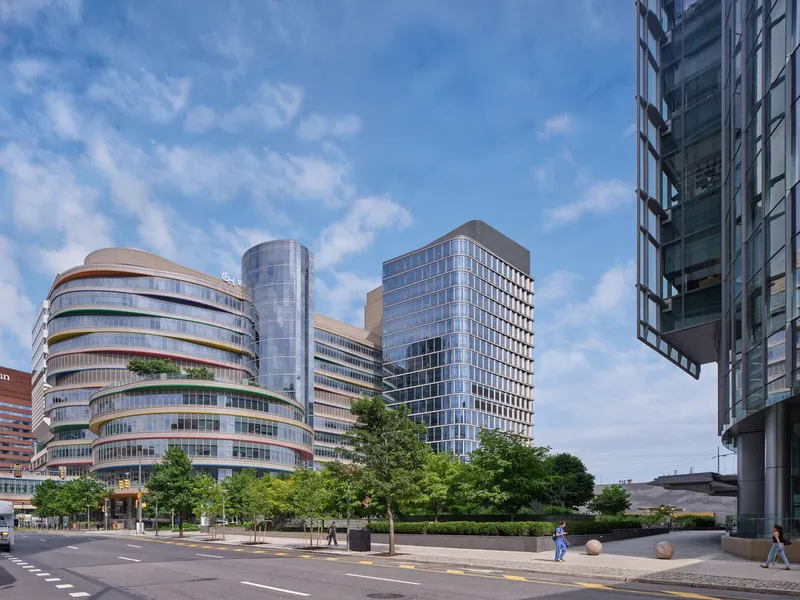
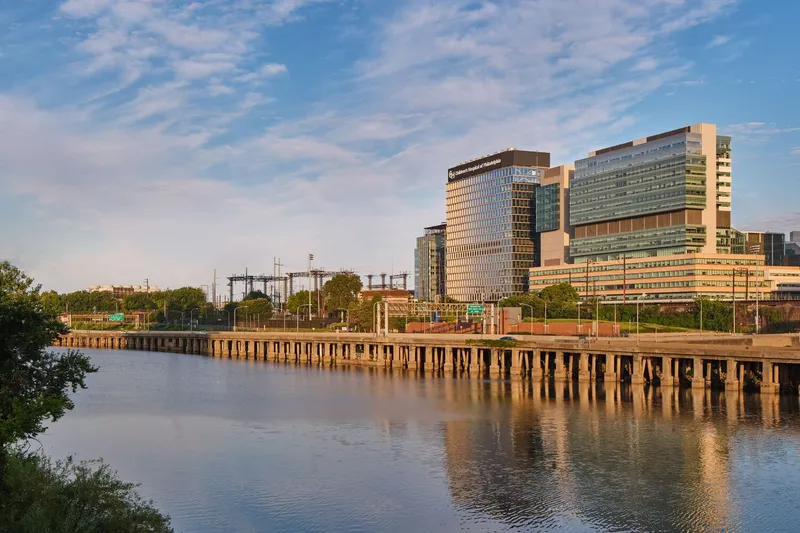
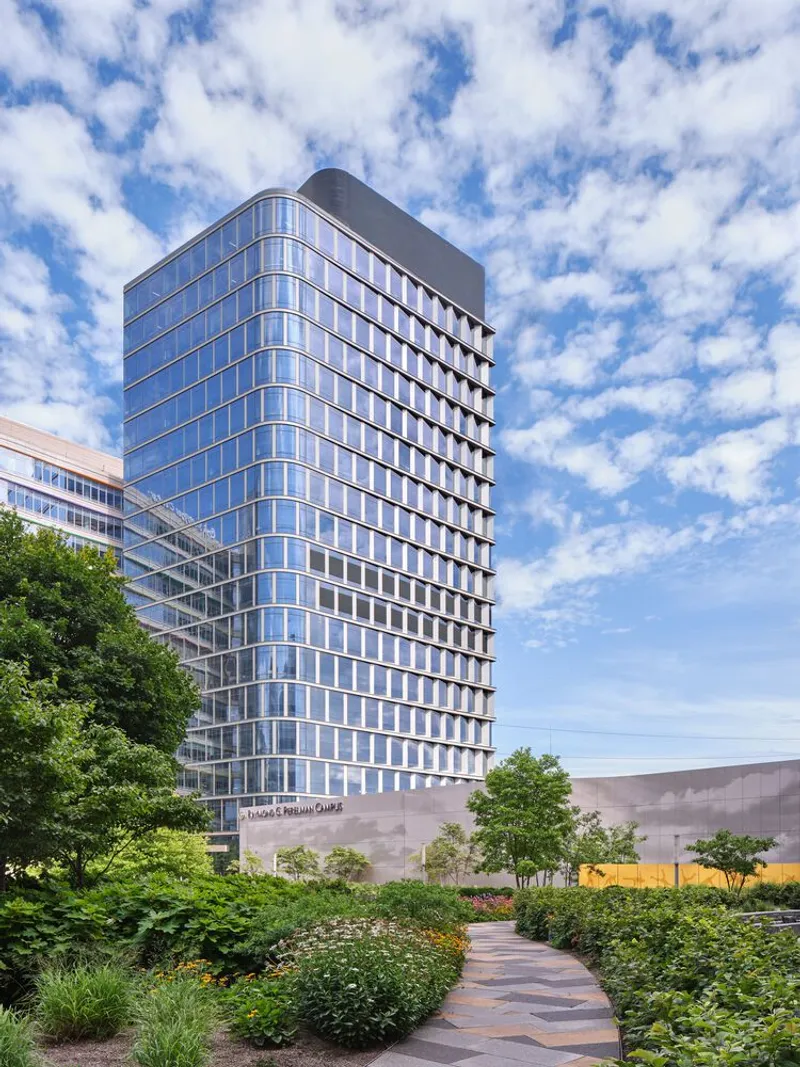
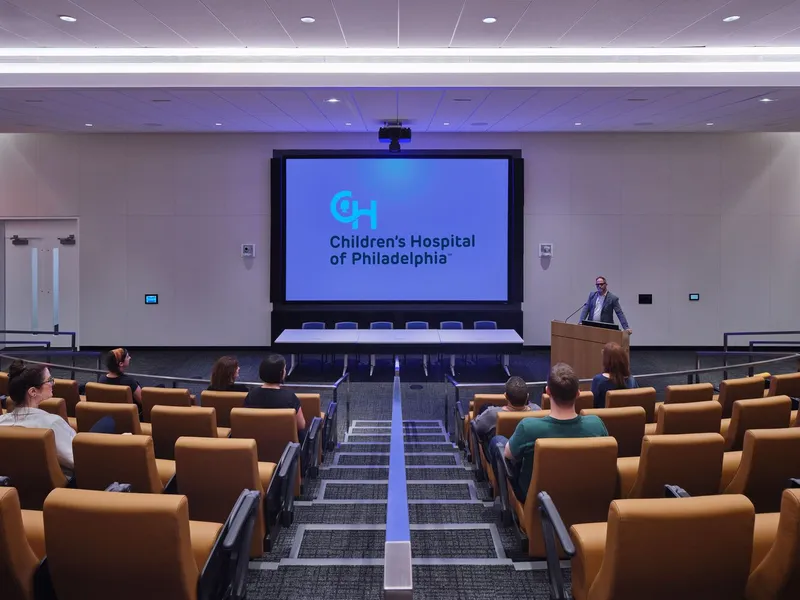
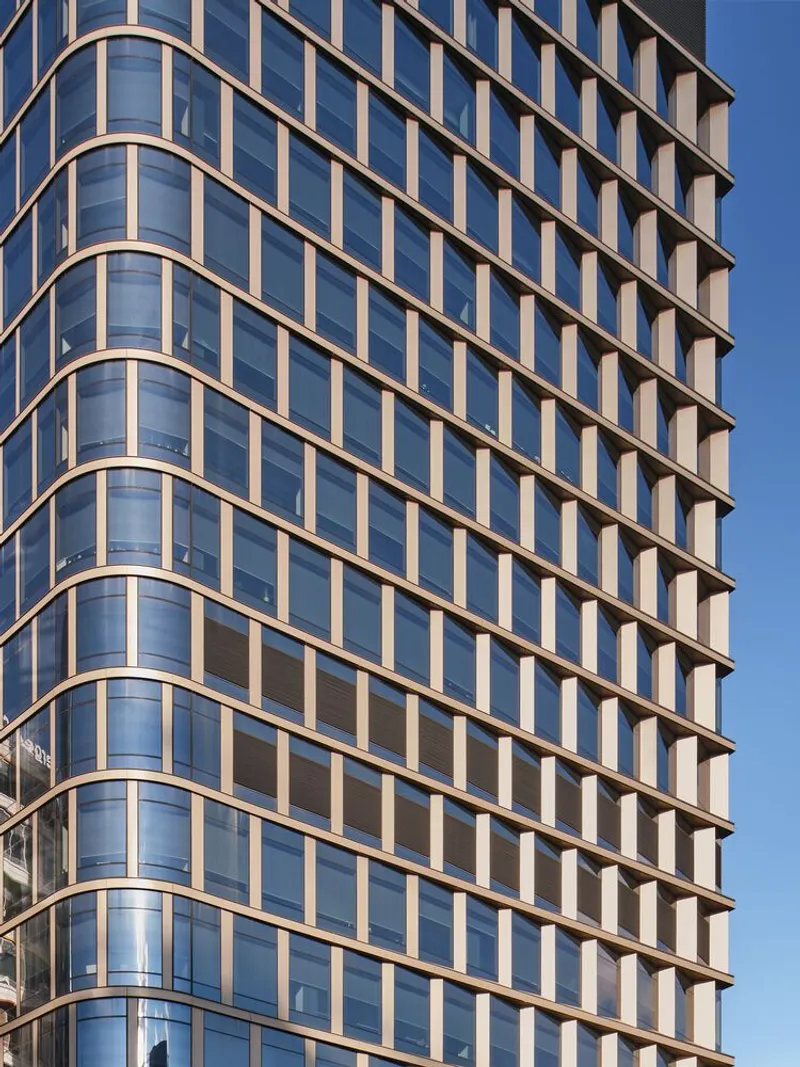
The Hub for Clinical Collaboration at the Children’s Hospital of Philadelphia (CHOP) is a cutting-edge example of healthcare architecture design, built to optimize both practitioner wellness and collaborative workspaces. This 17-story academic office tower, designed by Perkins&Will, stands as a symbol of innovative thinking in medical facility design. It integrates seamlessly into the CHOP campus, connecting with clinical and research buildings to create a space that is not just functional but also conducive to the health of healthcare providers.
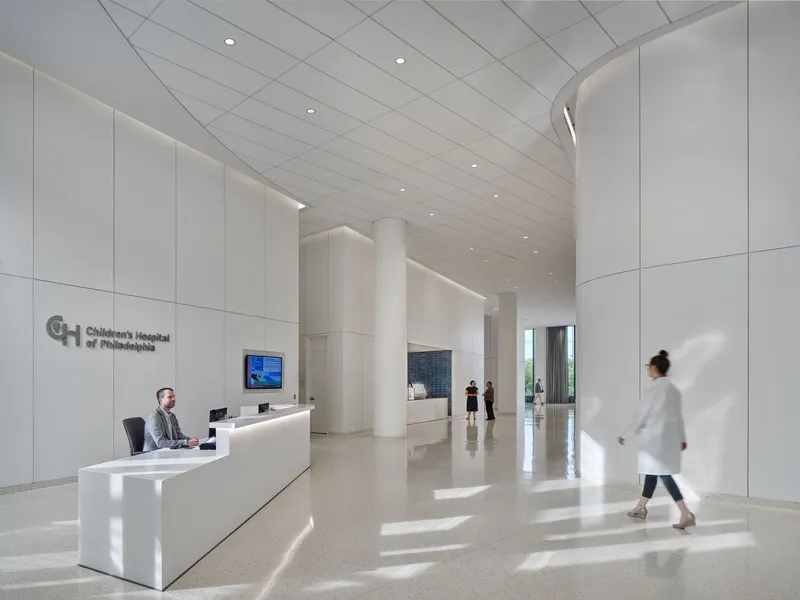
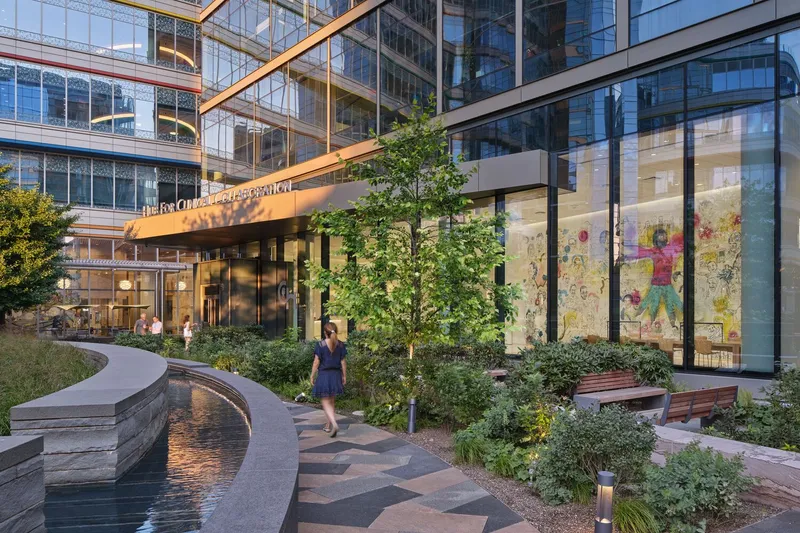
Purpose and Design Philosophy
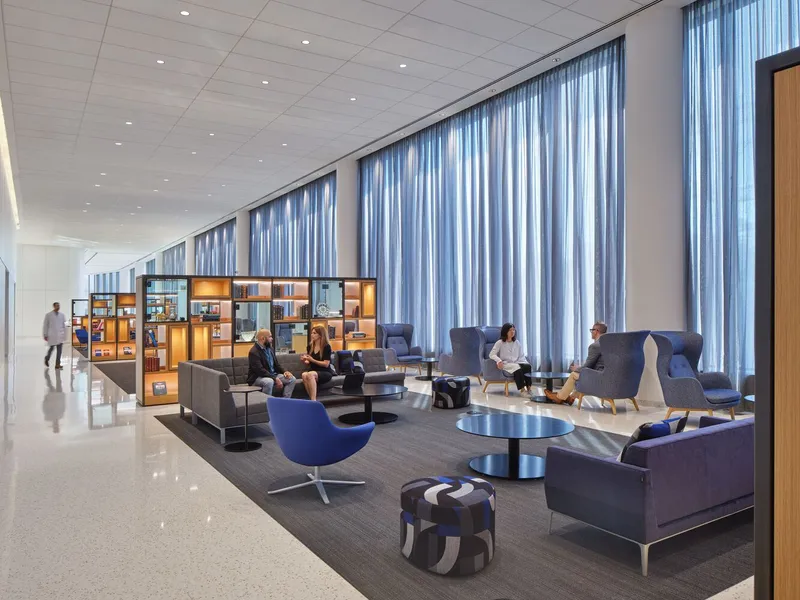
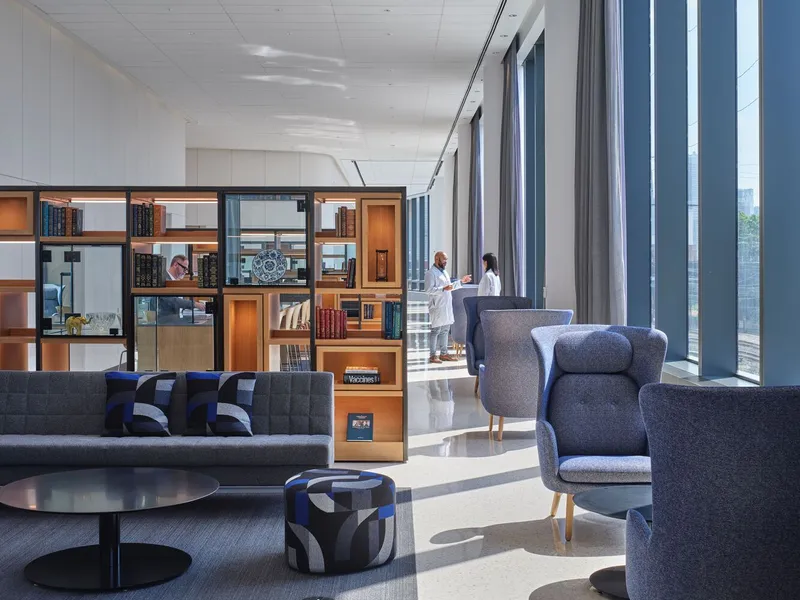
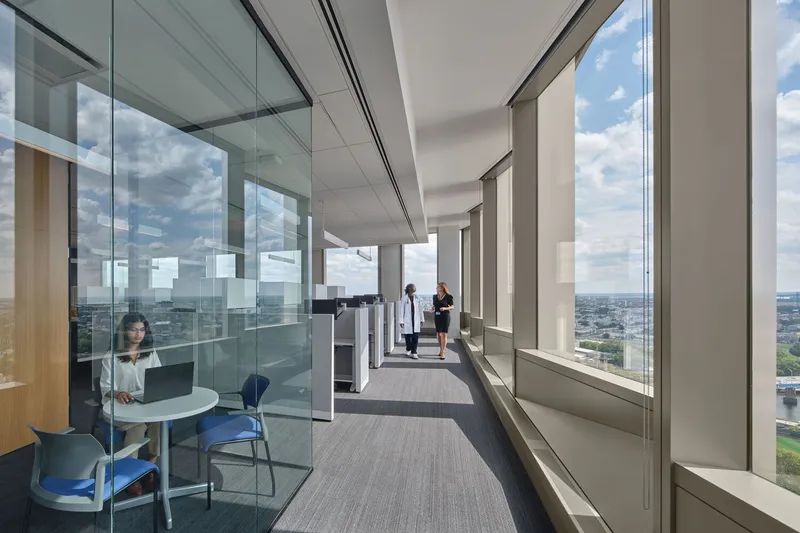
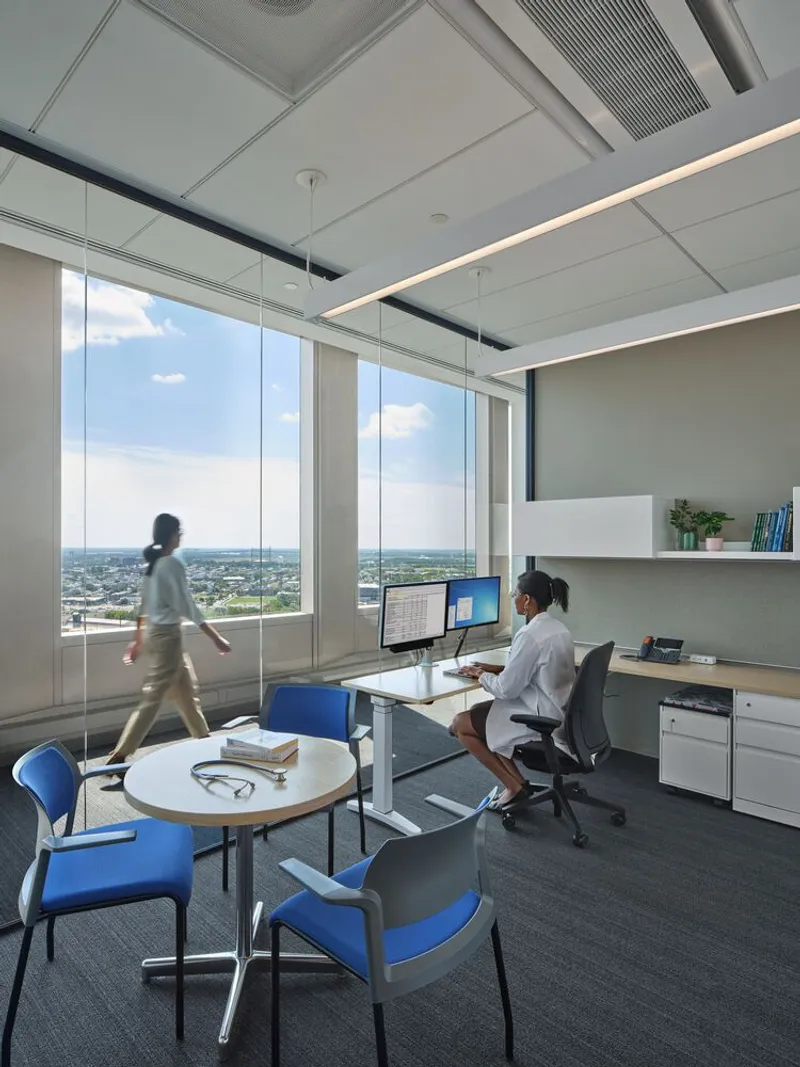
Incorporating practitioner well-being at the heart of the design, the Hub for Clinical Collaboration emphasizes the connection between the work environment and healthcare outcomes. The building offers flexible workspaces that promote collaboration and privacy, while also ensuring that staff members have access to natural light, wellness areas, and respite spaces. The design was informed by extensive research into the needs of healthcare workers, with hospital leadership guiding the process to ensure the spaces truly support the physical and mental health of practitioners.
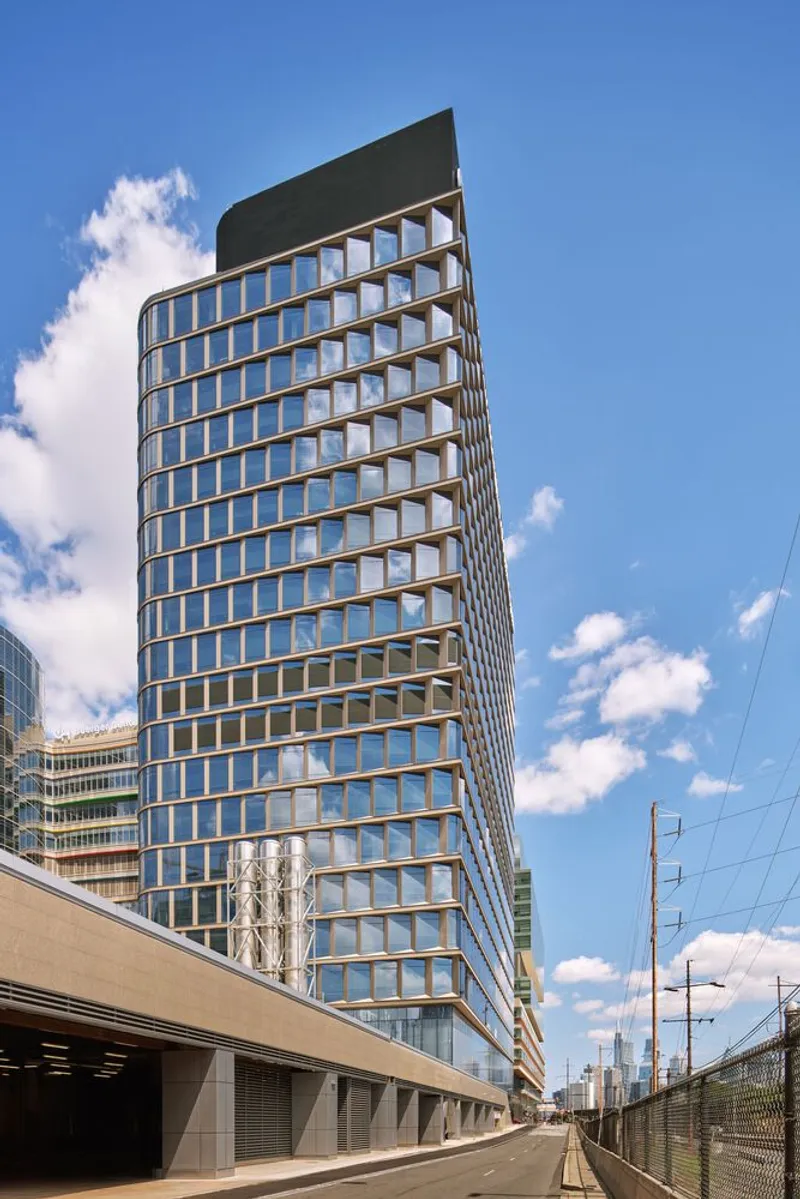
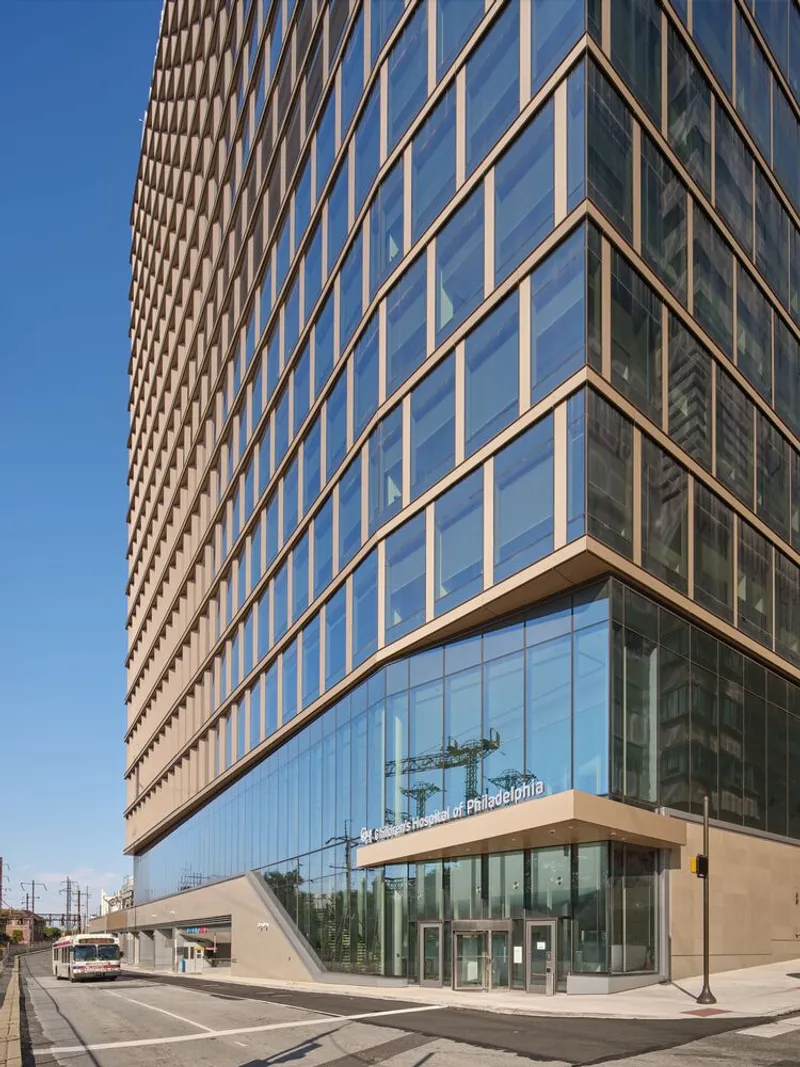
Sustainable and Solar-Responsive Architecture
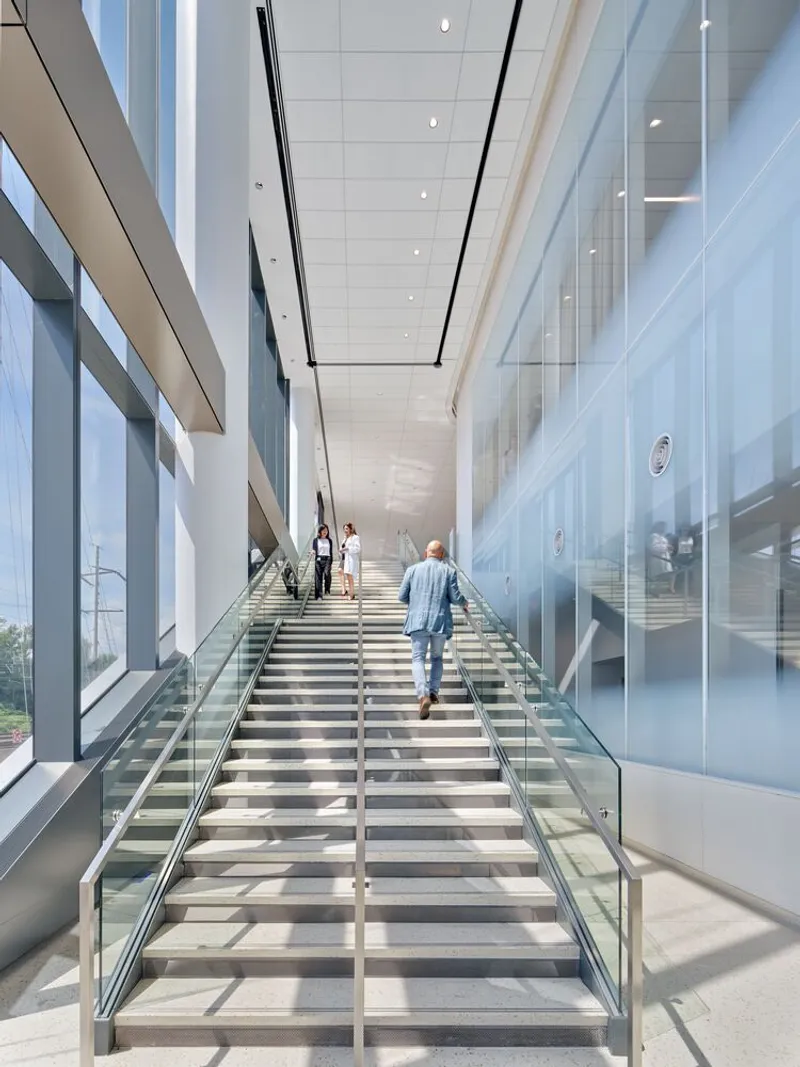
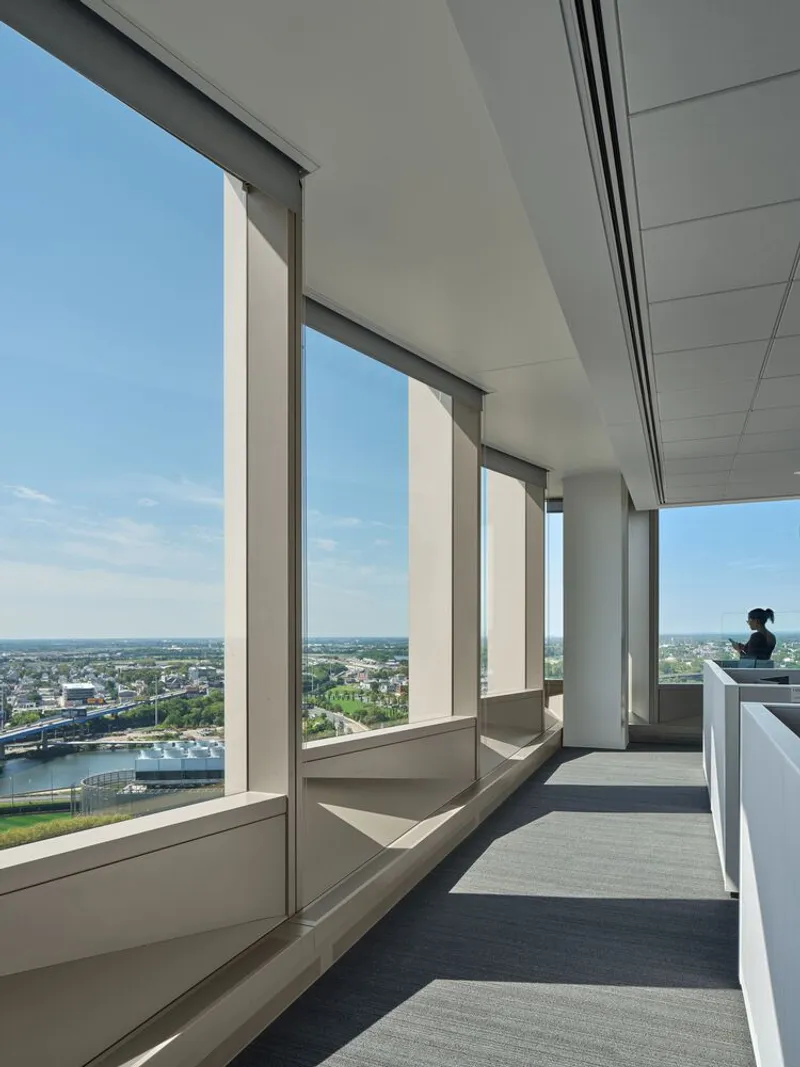
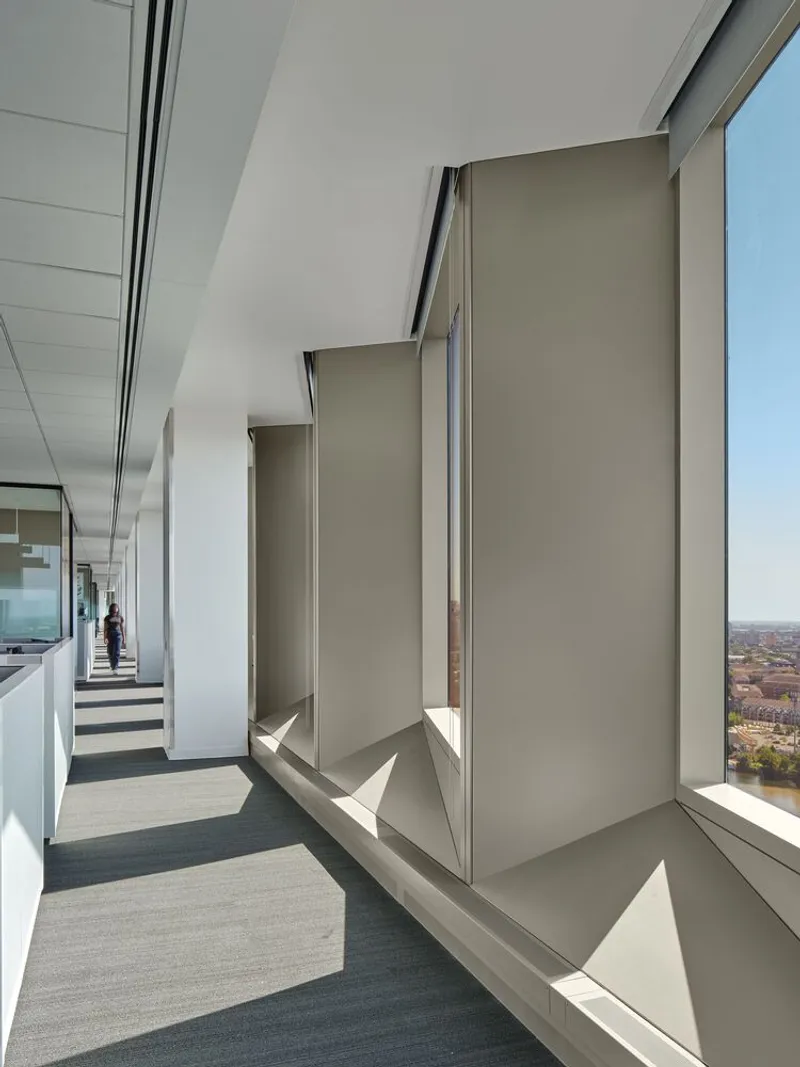
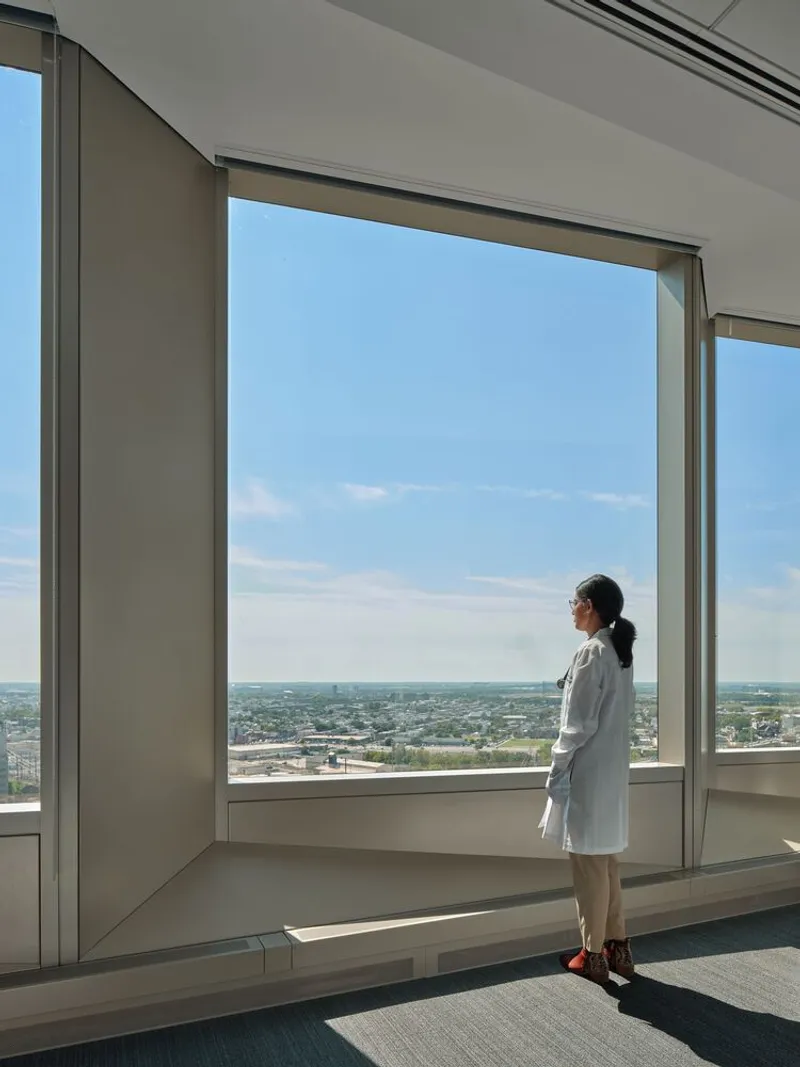
A key element of the design is the solar-responsive façade, which maximizes natural light while minimizing the impact of heat and glare. The building’s use of full-height glass curtain walls and modular shading systems adapts to the changing intensity of sunlight, offering dynamic and aesthetic views of the city. This approach not only enhances the visual appeal of the tower but also contributes to its energy efficiency and overall sustainability.
Interior Design for Flexibility and Collaboration
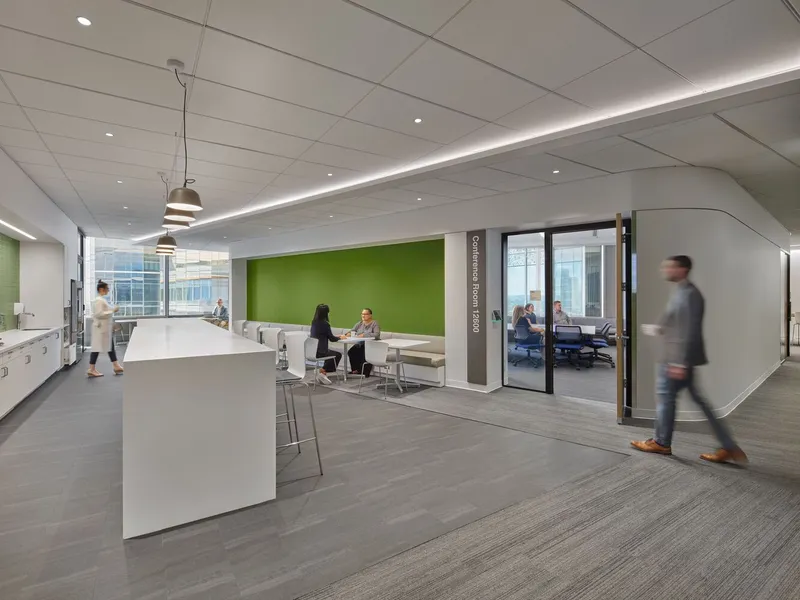
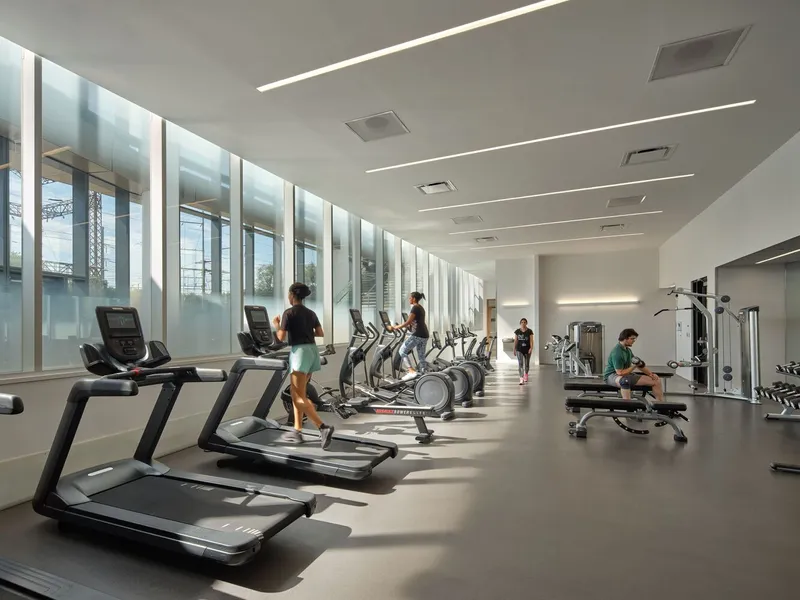
Inside, the layout promotes dynamic shifts in personnel, ensuring spaces can evolve based on the needs of the healthcare teams. The building's modular design, with 20-foot ceilings and abundant natural light, allows for a balance between private spaces and collaborative areas. Wellness features such as fitness centers, pantries, and break rooms ensure that the staff’s health and happiness are prioritized throughout the day.
The Future of Healthcare Architecture
The Hub for Clinical Collaboration is more than just an office tower—it is a model of modern healthcare architecture that acknowledges the integral role of practitioner well-being in patient care. By combining sustainability, flexibility, and collaboration-focused design, the building is setting new standards for healthcare environments. As such, it provides an invaluable template for future healthcare facility design projects worldwide.

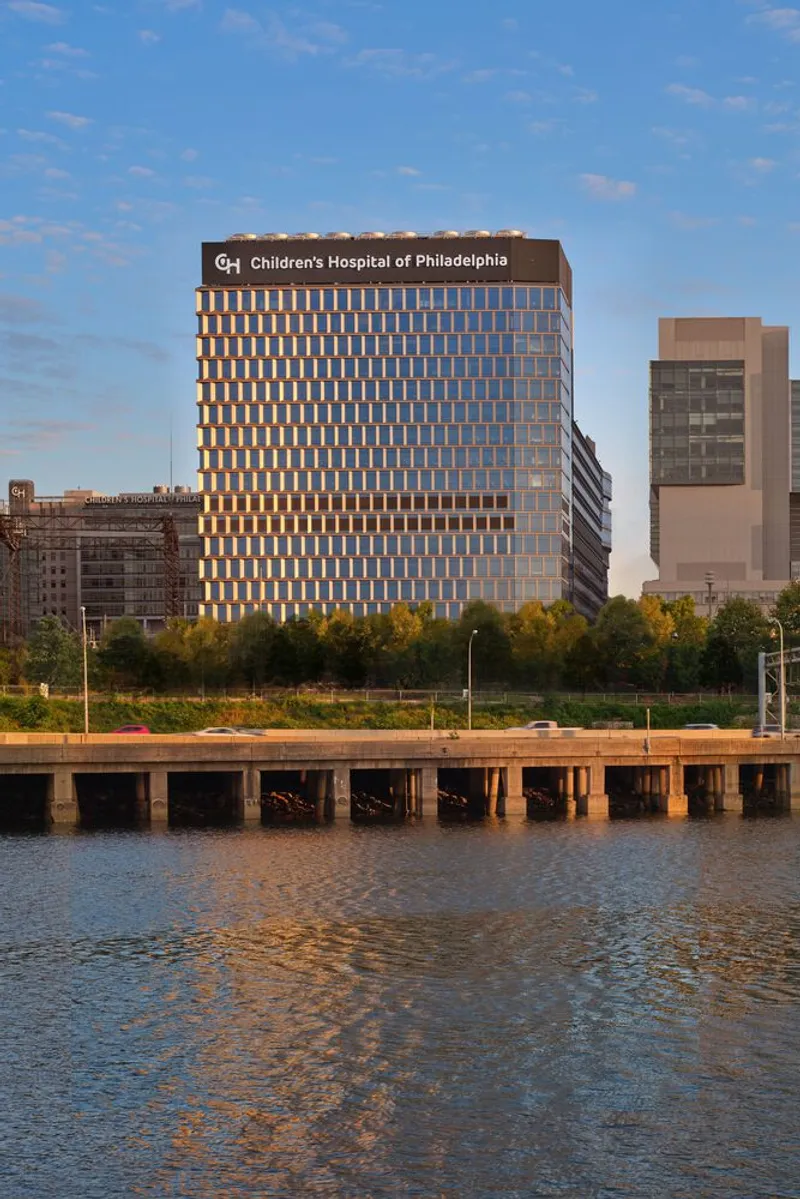
All Photographs are work of Halkin Mason




Popular Articles
Popular articles from the community


Co-Life: Senior Housing Design That Reconnects Older Adults With the City
Co-Life reimagines senior housing design through healing gardens, shared streets, workshops, and a sustainable community across generations.

The Earth Pod: 3D Printed Homes for Resilient Refugee Communities
The Earth Pod reimagines refugee housing through 3D printed homes made from clay, combining resilience, self-sufficiency, and rapid shelter.

The Musturak Paradise: Senior Living Architecture for a Connected Future in Temara, Morocco
The Musturak Paradise reimagines senior living architecture in Temara via private homes, social spaces, culture, community, and shared care.

Riyadh For All: Intergenerational Urban Design for Active Aging in Rabat
Riyadh For All reimagines urban design in Rabat with intergenerational co-living, adaptive courtyards, and Moroccan cultural exchange today.


Similar Reads
You might also enjoy these articles


Hodi-Mandai Geram
Project Function: Preservation and revitalization of the Intangible heritage and socio-spatial identity of the Hodi by Housing, Cultural Memory Center, Sacred Grove, landscape, local tourism economy


Olio Towers: A Mid-Rise for Performers That Fuses Housing, Rehearsal, and Stage
Located blocks from Houston's Theater District, this modular tower stacks living units around a central performance atrium.

Oasis: Modular Green Housing Carved into Dhaka's Urban Fabric
A shortlisted Plugin Housing entry reclaims unauthorized settlements in Dhaka with stepped concrete volumes, green roofs, and ventilation-driven design.

Black Hole: A Floating Megastructure for the Post-Physical Era
Emiliano Mazzarotto envisions a spherical, self-scaling arena where e-sports, digital hotels, and holographic stadiums replace traditional public space.


Explore Healthcare Building Competitions
Discover active competitions in this discipline



Challenge to reimagine the Iron Throne


Photograph architecture without architects


Illustrate the lost glory of Angkor Wat - Render Challenge


Design challenge to reuse E-waste
Comments (0)
Please login or sign up to add comments
No comments yet. Be the first to comment!