
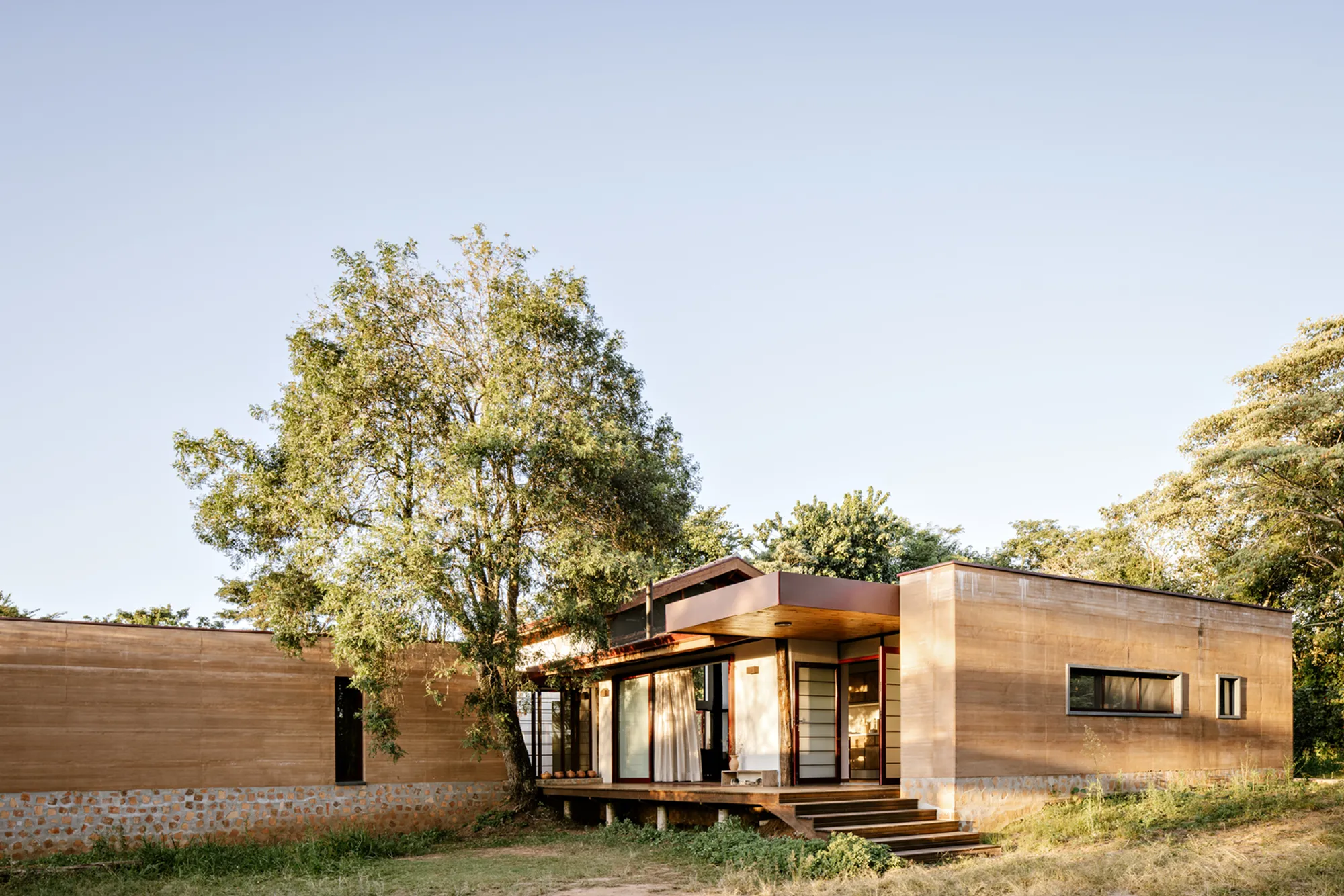
Hibiscus House by F.studio Arquitetura + Design: A Sustainable Retreat in Brazil
Hibiscus House blends sustainable architecture with nature, featuring rammed earth walls, recycled materials, and an artist residency in Brazil.


Blending Architecture with Nature
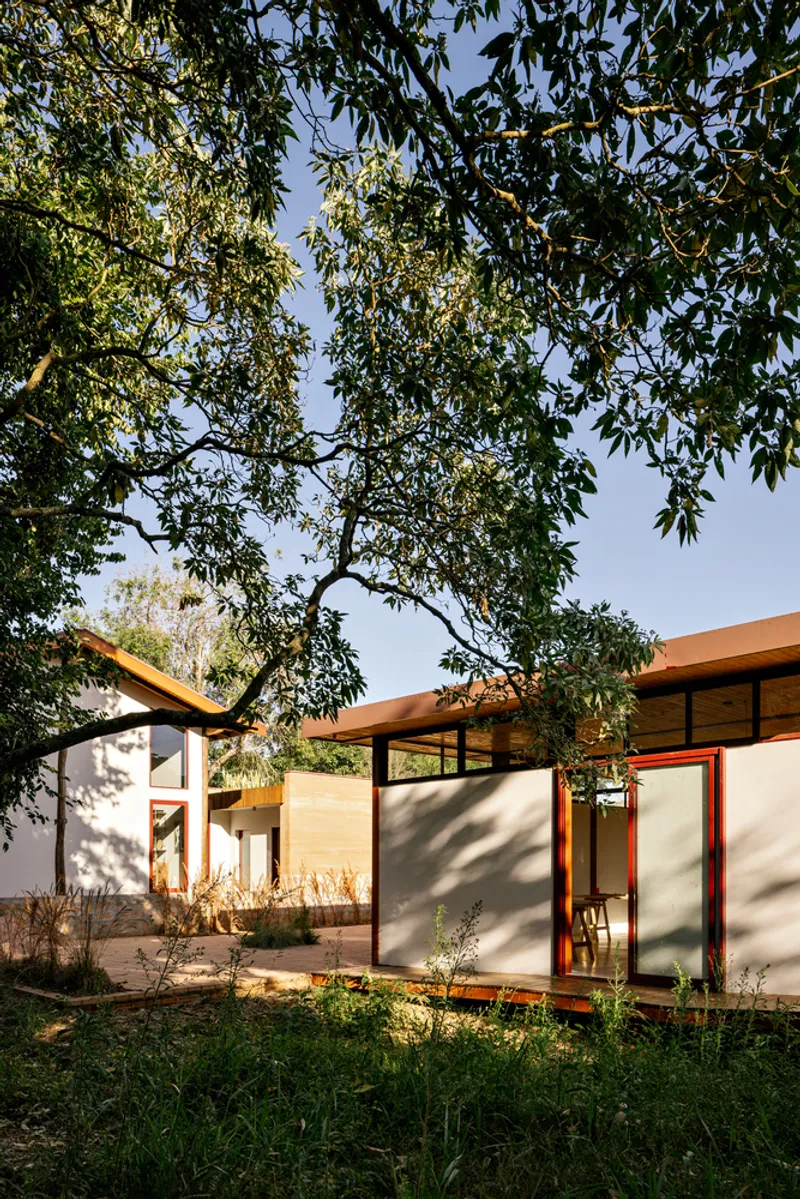
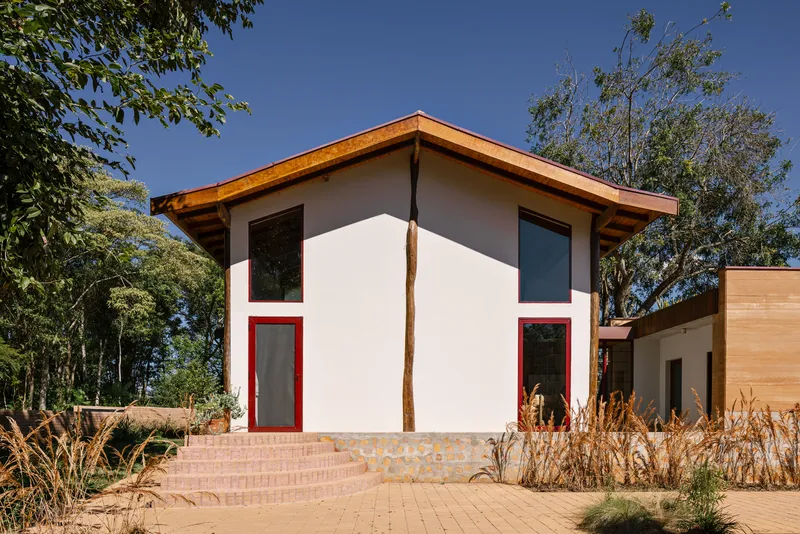
Nestled in the lush landscapes of the Demétria de Botucatu region in São Paulo, Brazil, Hibiscus House is a striking architectural masterpiece designed by F.studio Arquitetura + Design. Situated on a 5,000m² plot, this 420m² residence seamlessly integrates into the surrounding Cerrado biome and the Atlantic Forest, emphasizing sustainable design and minimal environmental impact.
A Sustainable Architectural Approach
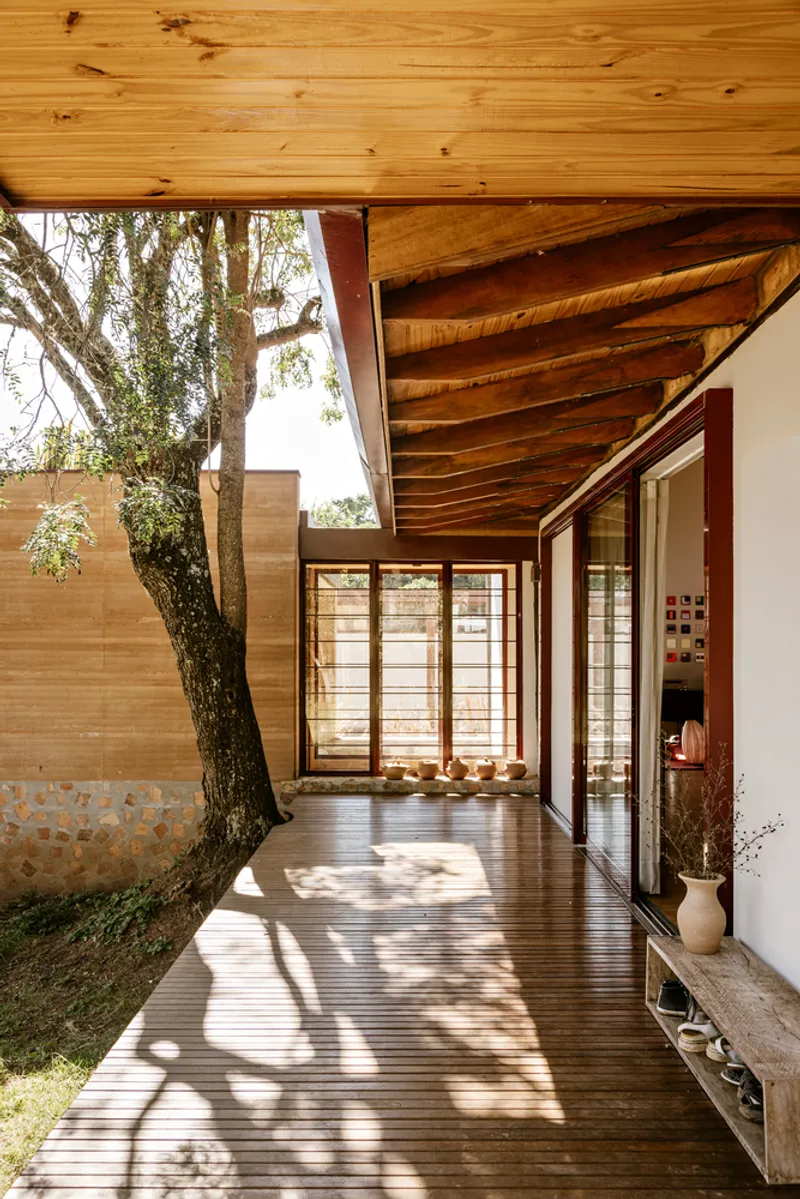
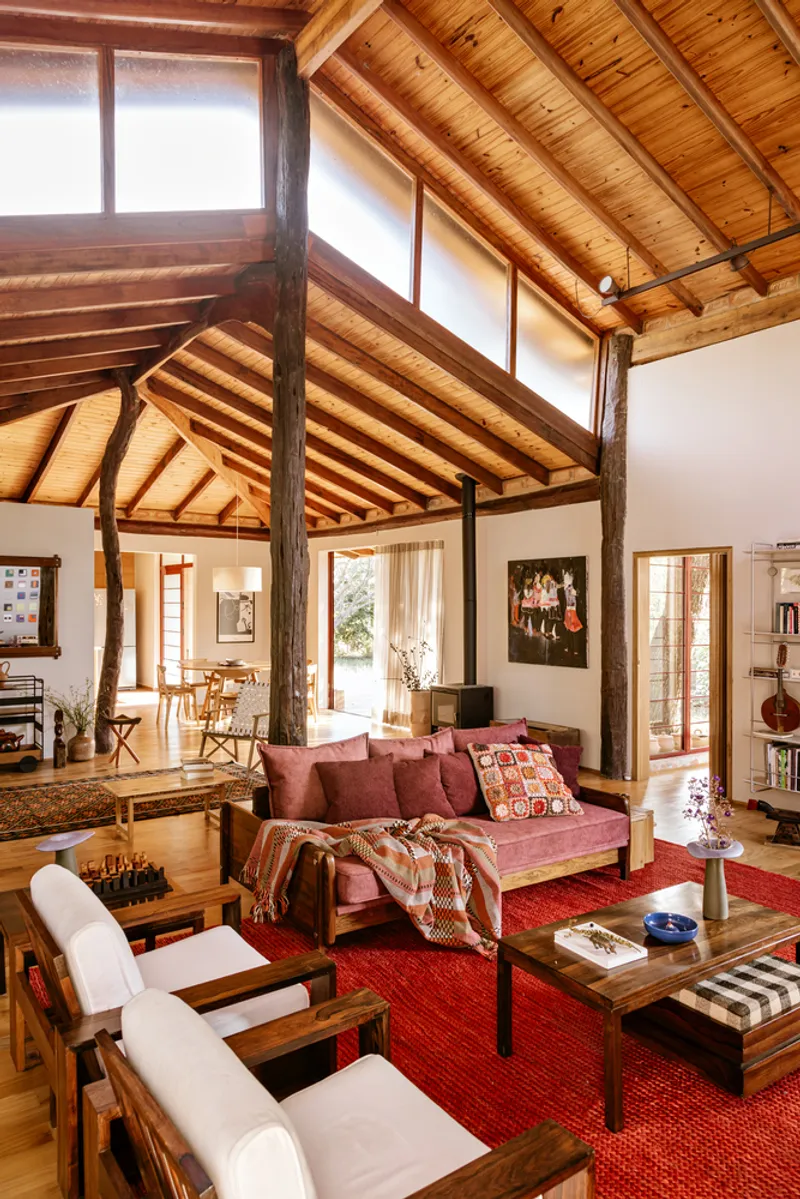
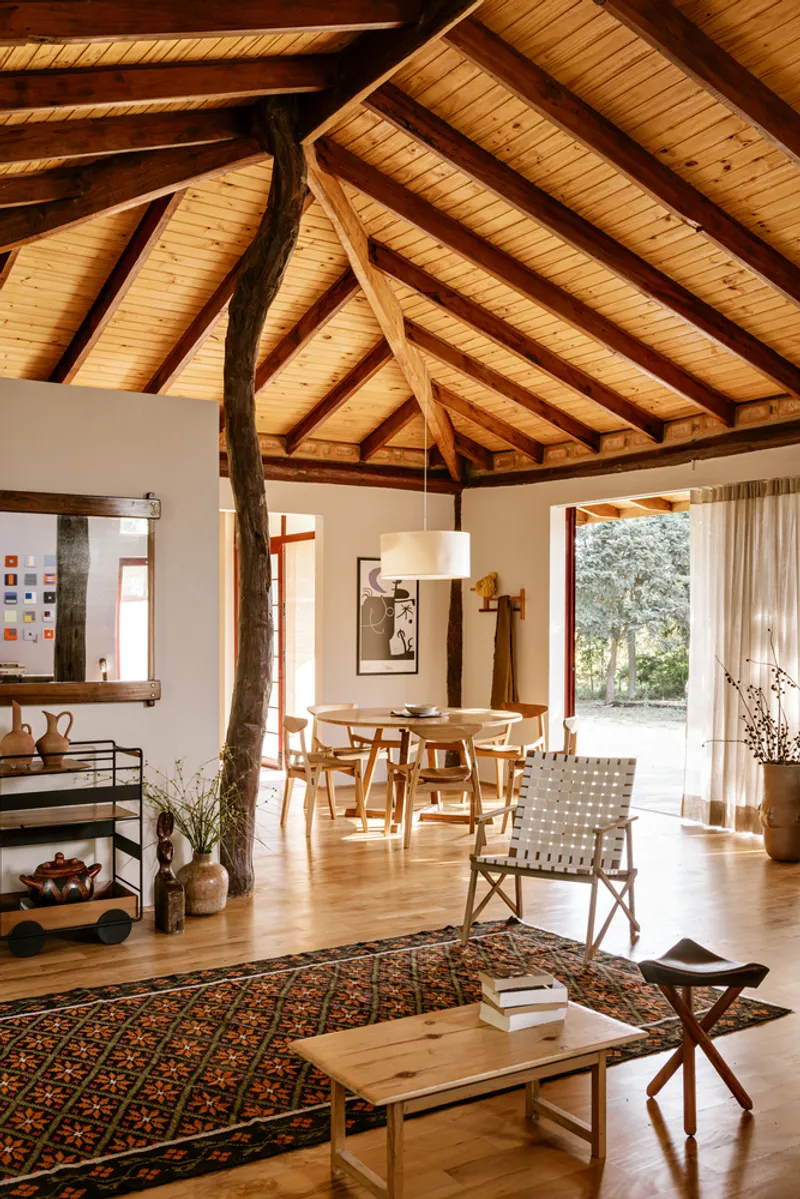
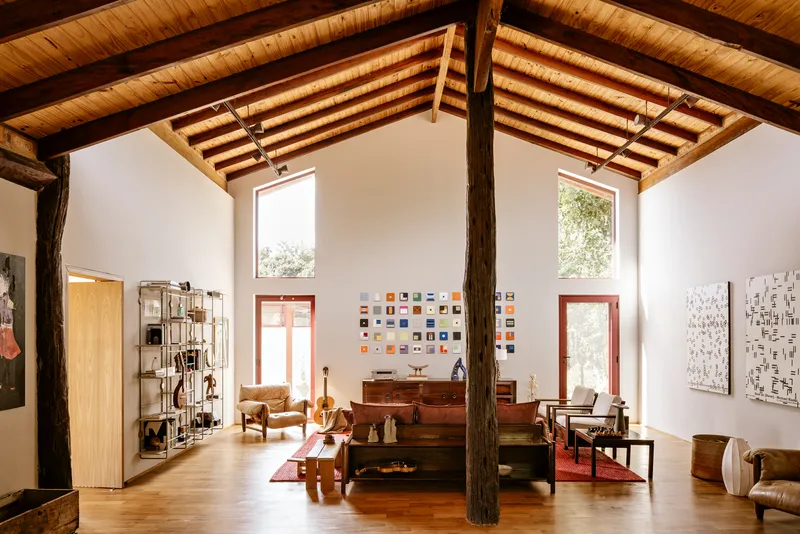
At the core of Hibiscus House's design is a deep respect for local materials and ecological balance. The project utilizes Aroeira (pepper tree) pillars, repurposed from an old building previously occupying the site. This sustainable reuse of materials is a defining feature of the residence, preserving history while reducing construction waste.
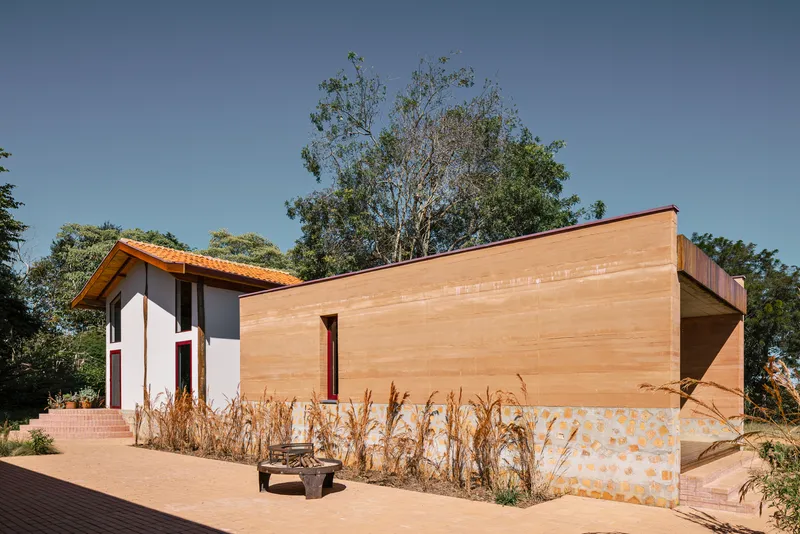
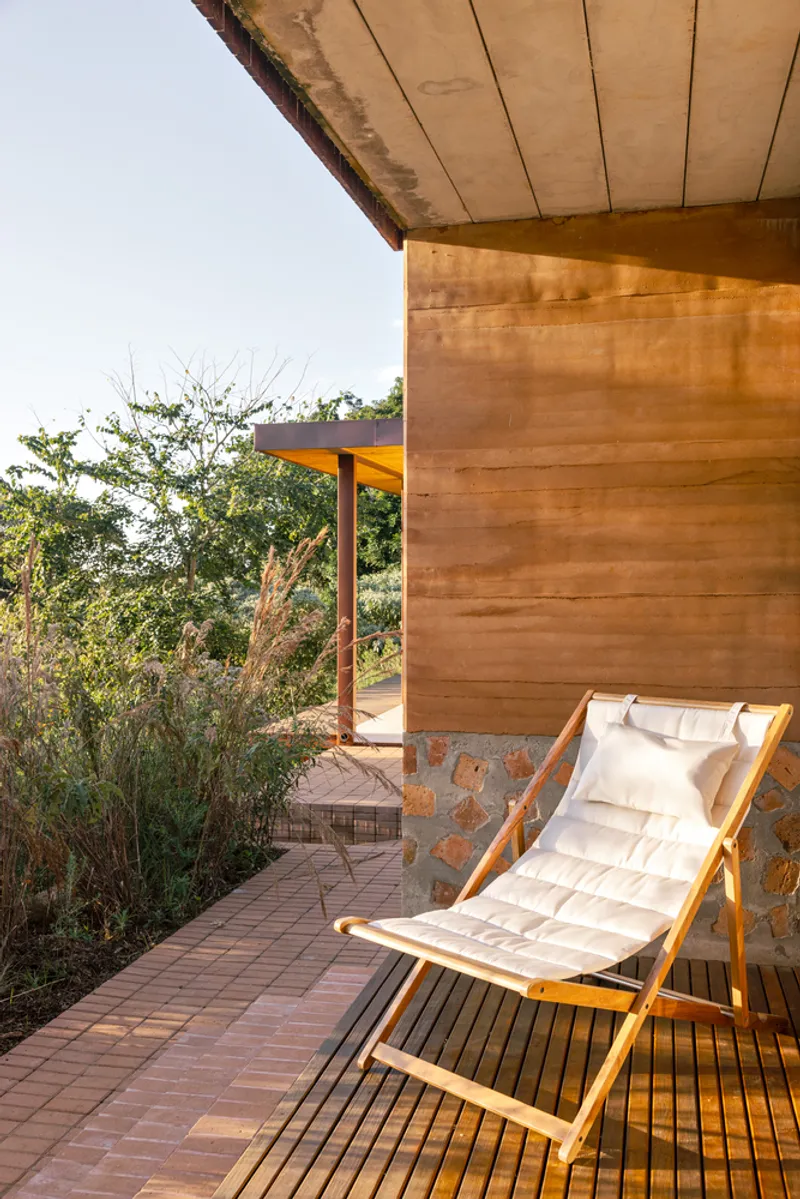
Another standout element is the use of rammed earth walls, a traditional construction technique that enhances thermal insulation and aesthetic harmony with the surrounding environment. The earth used for these walls was sourced directly from the region, ensuring that the residence reflects the natural tones of the São Paulo Cerrado. The structural walls are supported by cyclopean concrete, made from recycled bricks salvaged from the demolition of the original house—further reinforcing the project's commitment to circular construction methods.
A Home for Art and Community
The project is divided into two main sections:
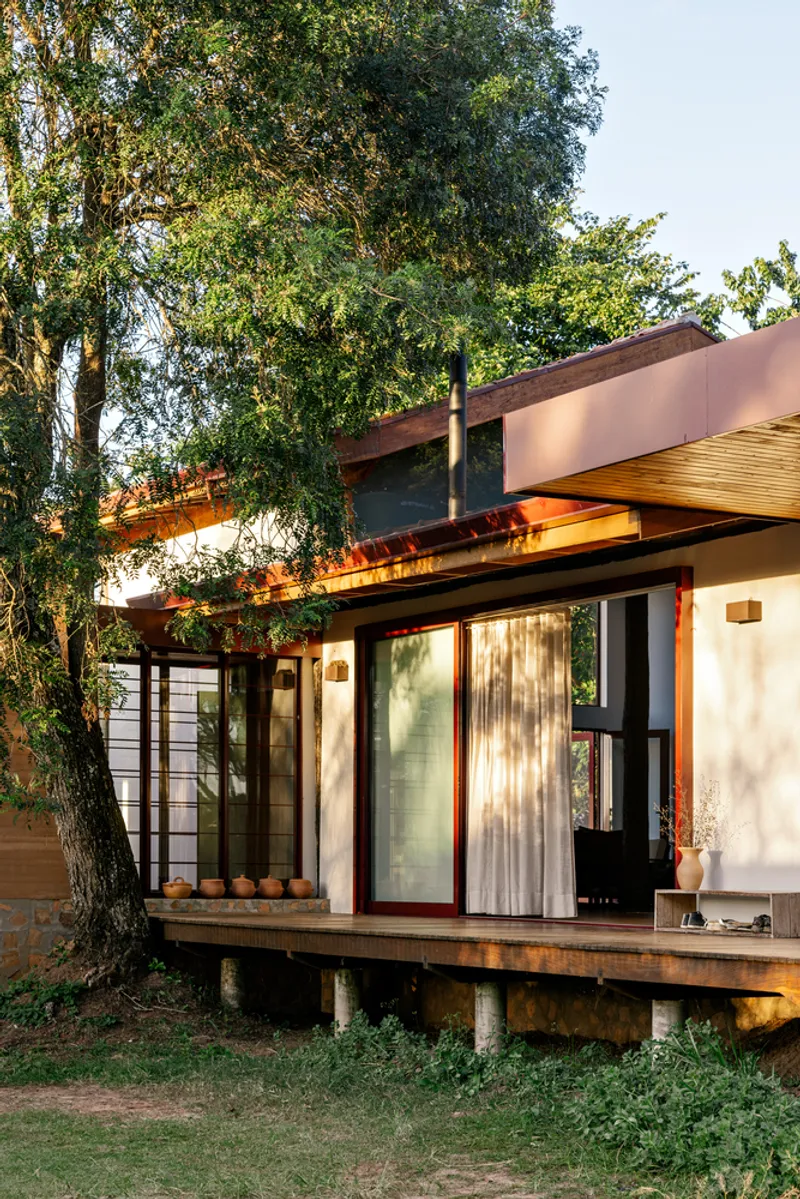
- The primary residence – a private home designed for comfort and connection with nature, featuring an elevated wooden deck that creates a seamless indoor-outdoor living experience.
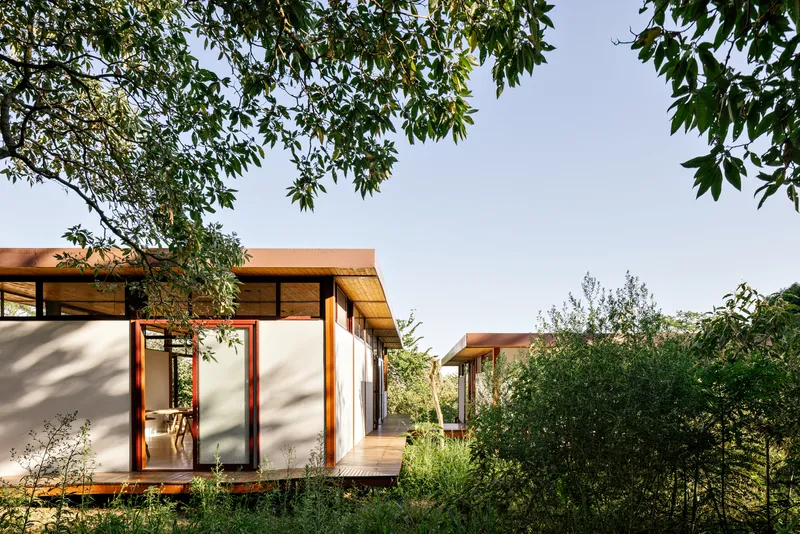
- The Saúva Institute – an artist residency and studio space that promotes cultural and creative exchange. The institute’s buildings, constructed with a metallic structure in deep burgundy red tones, were designed for fast assembly and low maintenance, minimizing their impact on the local ecosystem.
Minimalist Aesthetic with Natural Materials
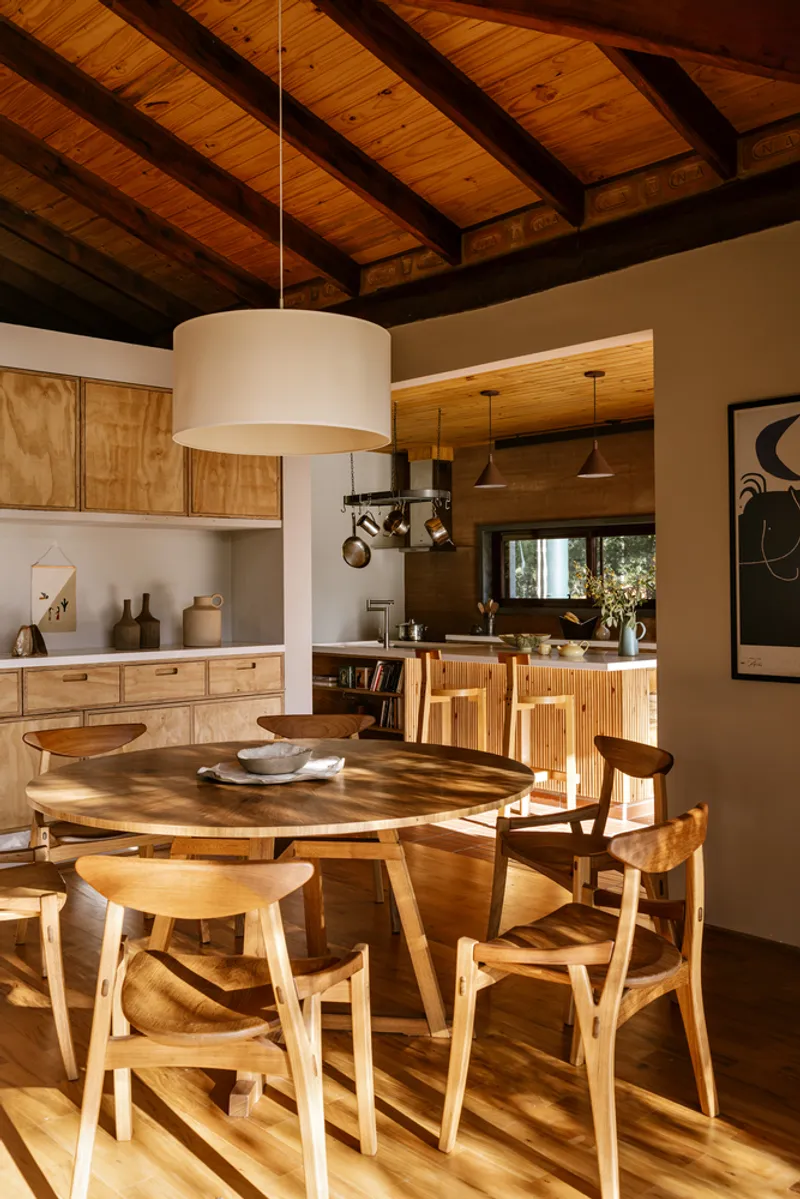
Hibiscus House's interior design is characterized by large windows, exposed wooden beams, and handcrafted furniture that celebrate the beauty of natural materials. The use of locally sourced wood, custom furnishings, and elements from renowned manufacturers like Carlos Motta, Dalato Marcenaria, and Julia Krantz further enhance the organic aesthetic. The interplay of light, shadow, and raw textures creates a warm, inviting atmosphere that fosters creativity and relaxation.
Eco-Conscious Design for a Lasting Impact
This project exemplifies how architecture can merge sustainability with contemporary design, offering a model for low-impact construction in sensitive ecosystems. Through resource conservation, adaptive reuse, and a strong connection to the natural environment, Hibiscus House stands as a beacon of responsible design in Brazil.
All Photographs are works of Fran Parente




Popular Articles
Popular articles from the community


Play: Fragments of Their World
Familiar architecture becomes modular playground design, creating safe spaces where displaced children can learn, connect, imagine and play.

Conexión: Biophilic Design Reimagines High-Rise Living in Hong Kong
Conexión reimagines high-rise living in Hong Kong through biophilic design, green facades, shared spaces, daylight, water and nature within.

Hill & Cross Opera: Sculptural Opera House Architecture Shaped by Tallinn’s Landscape and Identity
Hill & Cross Opera reimagines opera house architecture in Tallinn through its sculptural hill, civic plaza, glass wave and a luminous cross.

Riyadh For All: Intergenerational Urban Design for Active Aging in Rabat
Riyadh For All reimagines urban design in Rabat with intergenerational co-living, adaptive courtyards, and Moroccan cultural exchange today.


Similar Reads
You might also enjoy these articles


Hodi-Mandai Geram
Project Function: Preservation and revitalization of the Intangible heritage and socio-spatial identity of the Hodi by Housing, Cultural Memory Center, Sacred Grove, landscape, local tourism economy


Olio Towers: A Mid-Rise for Performers That Fuses Housing, Rehearsal, and Stage
Located blocks from Houston's Theater District, this modular tower stacks living units around a central performance atrium.

Oasis: Modular Green Housing Carved into Dhaka's Urban Fabric
A shortlisted Plugin Housing entry reclaims unauthorized settlements in Dhaka with stepped concrete volumes, green roofs, and ventilation-driven design.

Black Hole: A Floating Megastructure for the Post-Physical Era
Emiliano Mazzarotto envisions a spherical, self-scaling arena where e-sports, digital hotels, and holographic stadiums replace traditional public space.

Explore Architecture Competitions
Discover active competitions in this discipline



Challenge to reimagine the Iron Throne


Photograph architecture without architects


Illustrate the lost glory of Angkor Wat - Render Challenge


Design challenge to reuse E-waste
Comments (0)
Please login or sign up to add comments
No comments yet. Be the first to comment!