
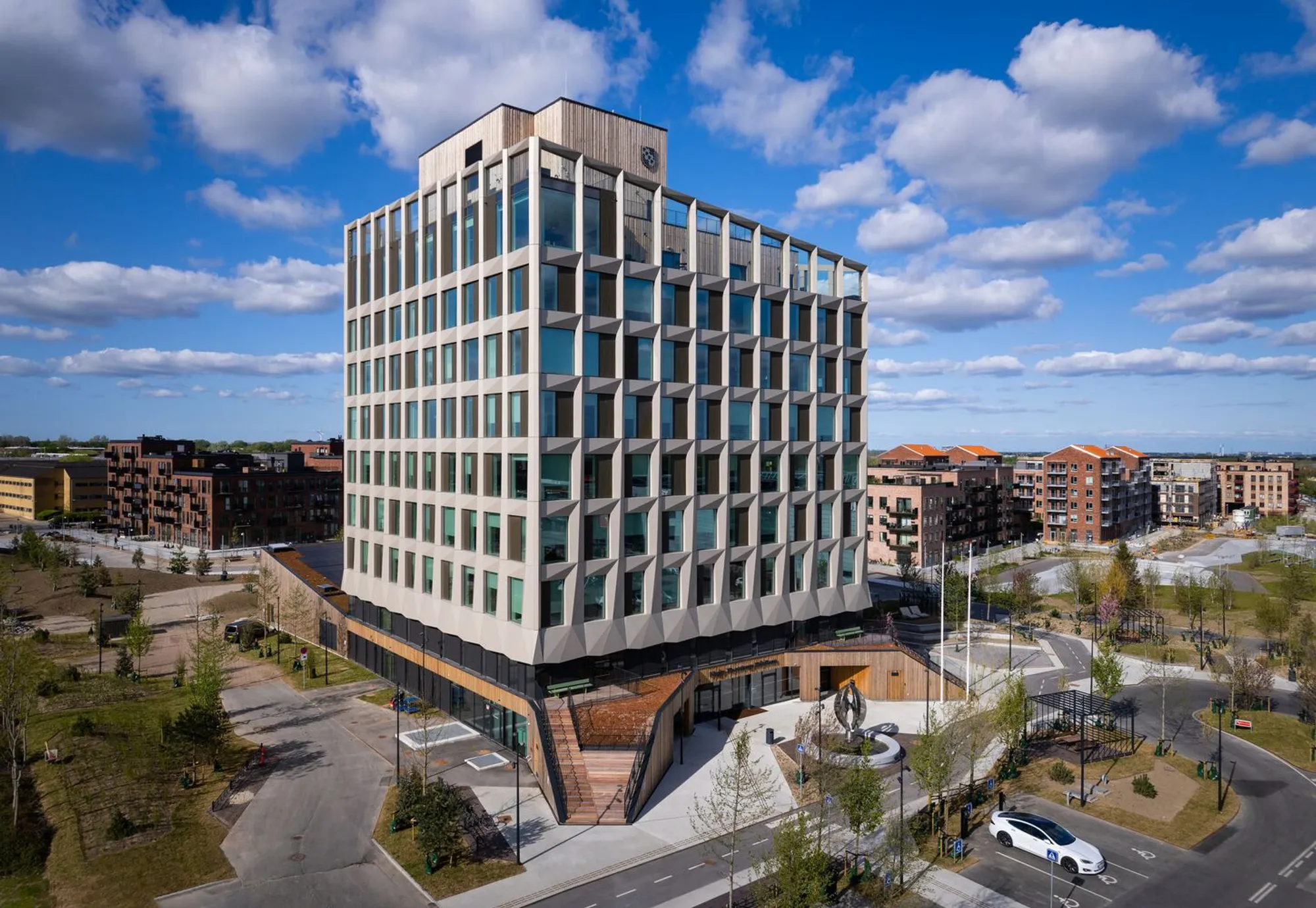
Høje-Taastrup City Hall by PLH Arkitekter: A Transparent Beacon for Civic Life and Sustainable Urban Development
A transparent, sustainable city hall in Taastrup blending civic services, flexible workspaces, and public spaces with recycled materials and greenery.


Located in the heart of Taastrup, Denmark, the newly completed Høje-Taastrup City Hall redefines the traditional concept of municipal architecture. Designed by PLH Arkitekter in collaboration with ALL and COWI, the building—also known as the “Citizens' House”—is a nine-story civic landmark that fuses transparency, sustainability, and community engagement into one coherent urban gesture. Completed in 2022, this 9,659 m² city hall not only supports a modern work environment but also serves as an inviting and accessible public space for the community.
A Transparent and Welcoming Urban Icon
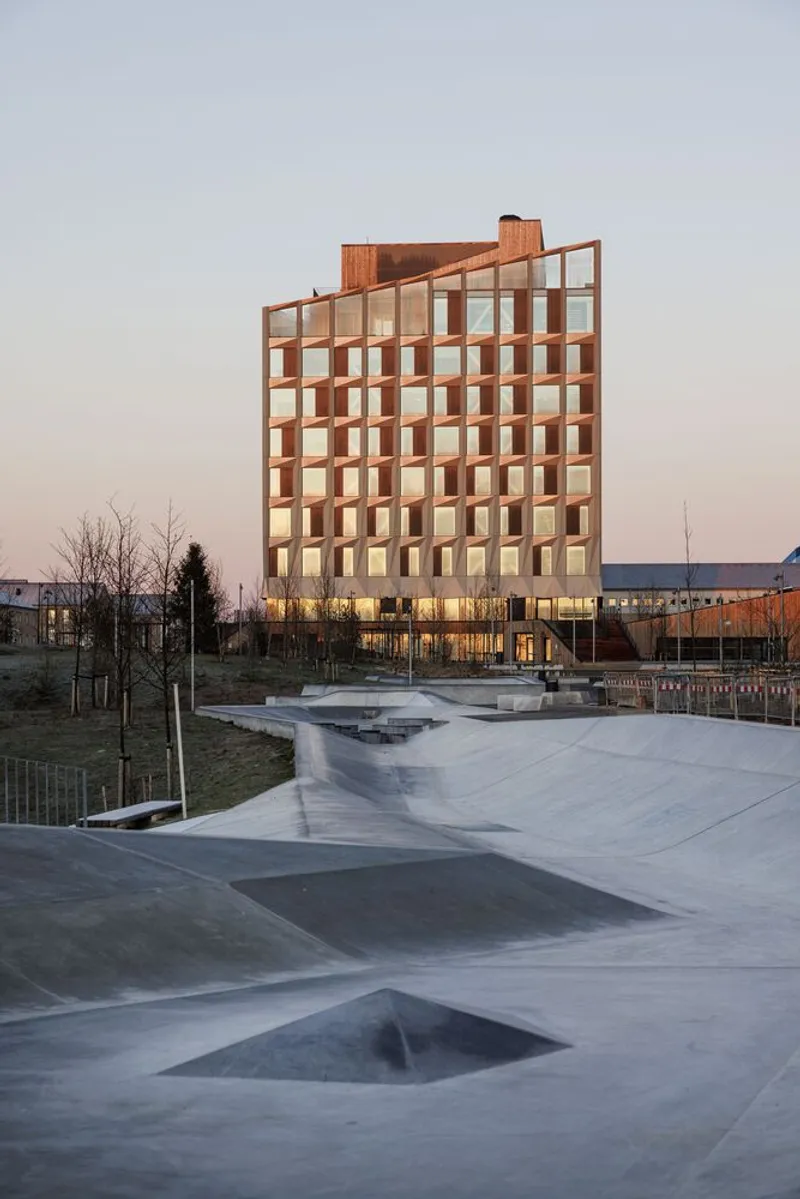
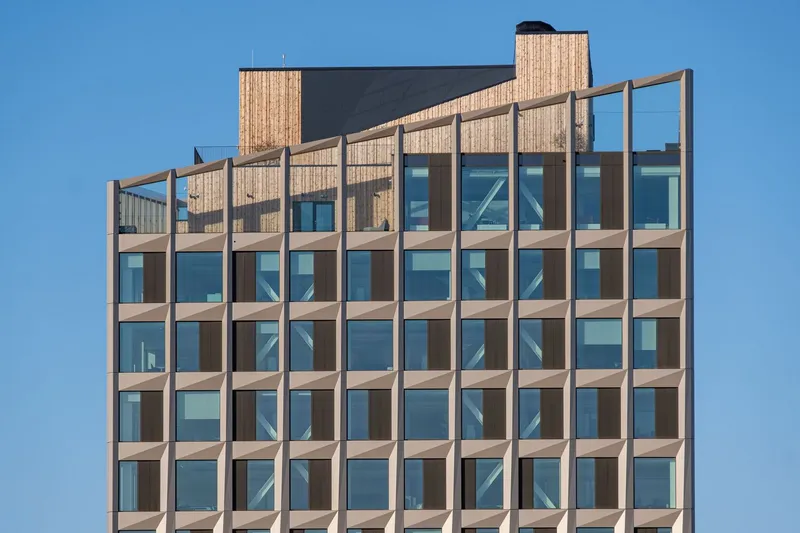
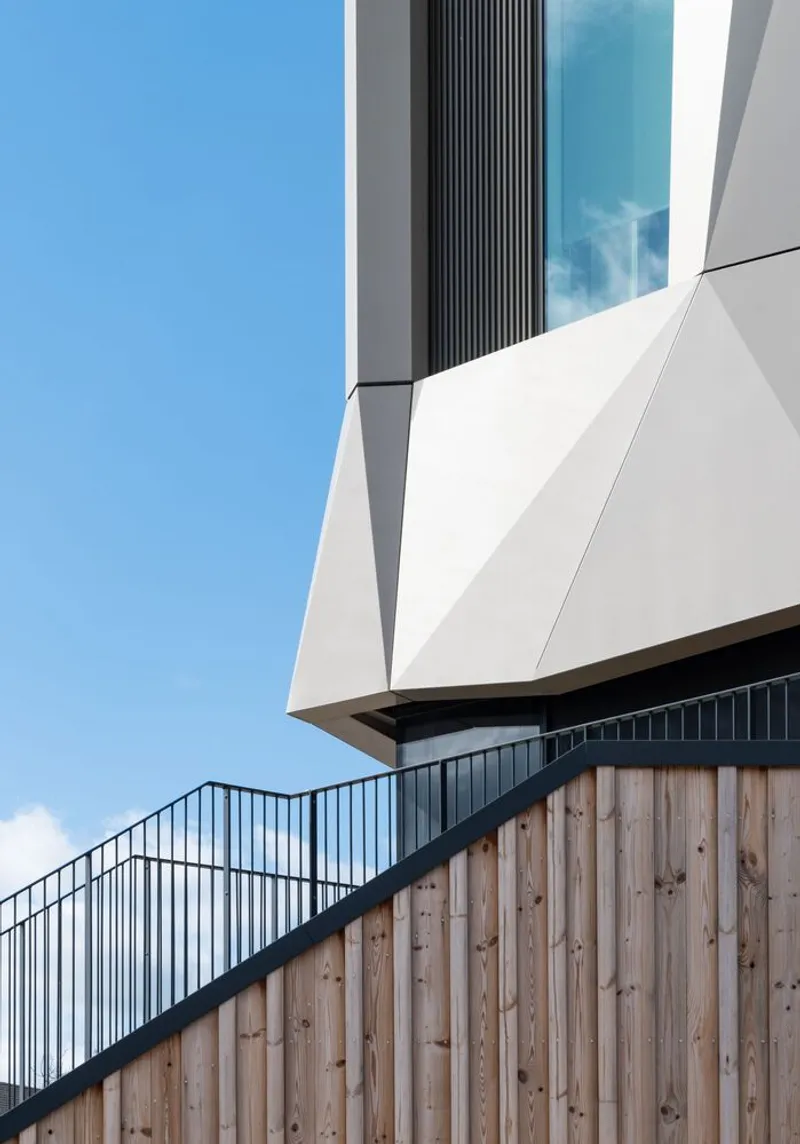
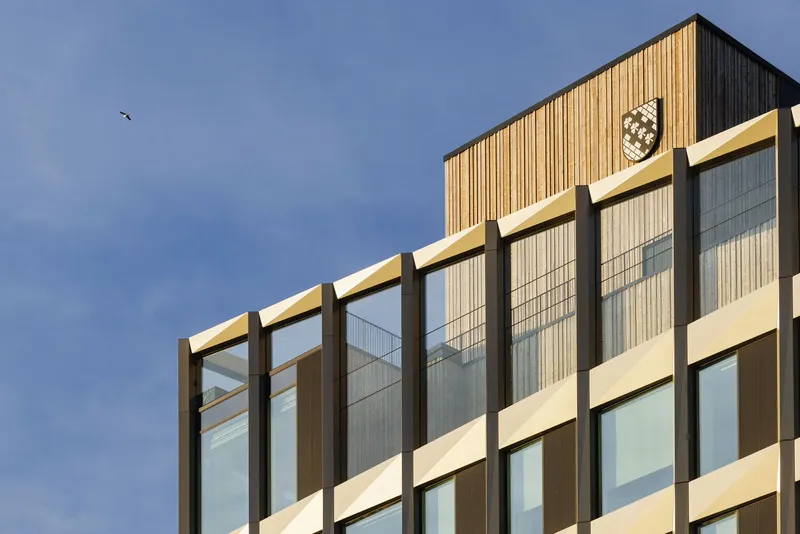
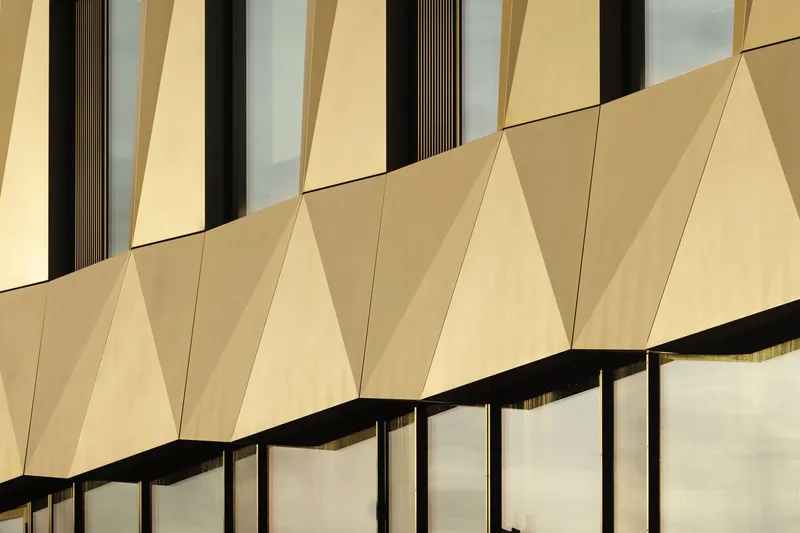
From afar, the building’s striking facade captures attention with its champagne-toned cladding and expansive glass panels, which are angled to create a dynamic rhythm and visual lightness. These reflective surfaces allow the city hall to shift visually with the movement of the sun, giving the building a vibrant presence in the urban fabric.
Framed by landscaped terraces, sun decks, and thoughtfully designed seating areas, the building is closely tied to the adjacent city park, blurring boundaries between architecture and public realm. Three large staircases, meandering pathways, and native plantings reinforce this connection, offering a cohesive civic environment that encourages exploration and interaction.
A Civic Hub for Citizens and Public Life
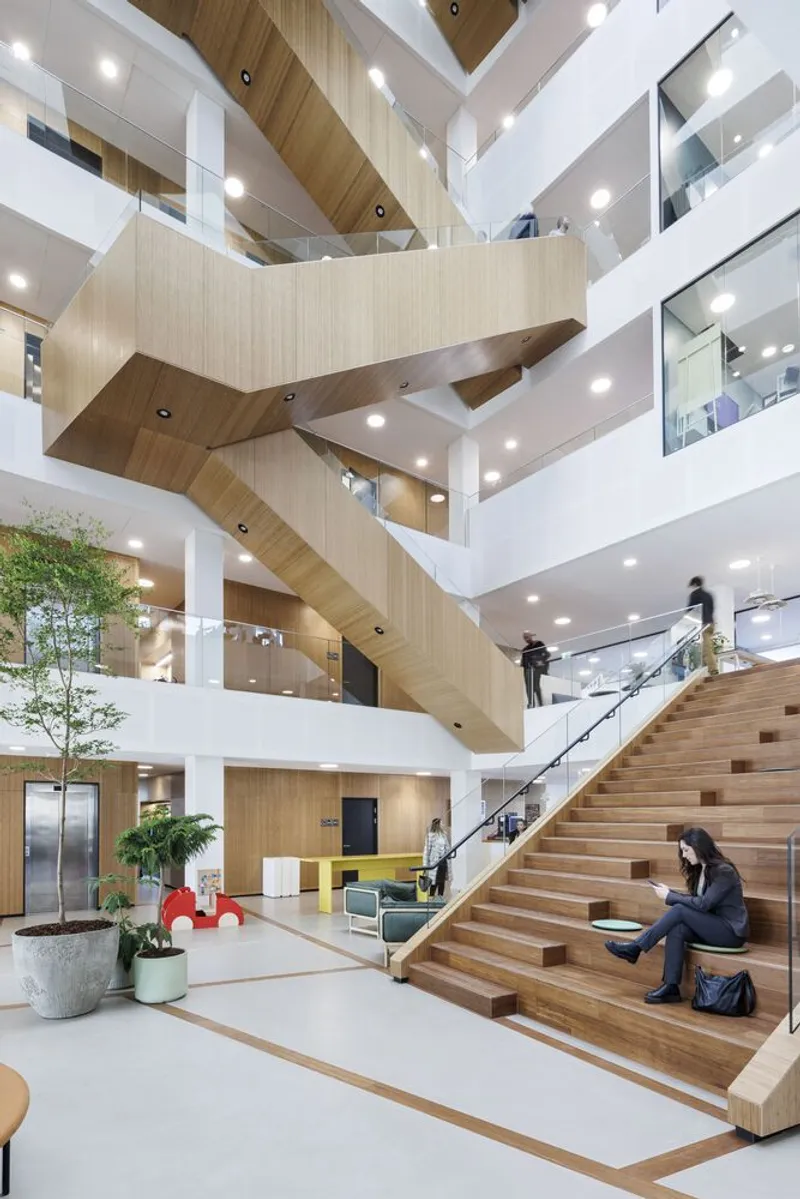
Stepping into the dramatic 37-meter-high atrium, visitors are welcomed by essential citizen-facing services, including a reception, citizen service center, job center, and the council chamber—which is not only used for governance but also made available to residents for events like weddings. This spatial openness reinforces the city hall's role as a gathering place and community catalyst.
The building’s central staircase doubles as a social tribune—supporting performances, informal meetings, or daily moments of rest. This sculptural stair also connects directly to the multi-meeting hall on the first floor, a versatile space designed for public events, community forums, and municipal meetings.
Flexible Workspaces for Future-Ready Governance
Above the public floors, open-plan office spaces are arranged around the atrium with clear sightlines between levels—encouraging transparency, collaboration, and cross-departmental knowledge sharing. The design strategically places workstations near the facade, maximizing natural light and reducing energy consumption.
Importantly, the office floors are conceived with flexibility in mind. As working methods evolve, these spaces can be easily reconfigured to accommodate new teams, technologies, or ways of working—ensuring that the building remains adaptable for future municipal needs.

Sustainability and Reuse at the Core
Sustainability is not just a feature of the Høje-Taastrup City Hall—it is foundational. The building employs recycled concrete in its base structure, sourced from demolished apartment blocks within the municipality, effectively reducing its embodied carbon footprint.
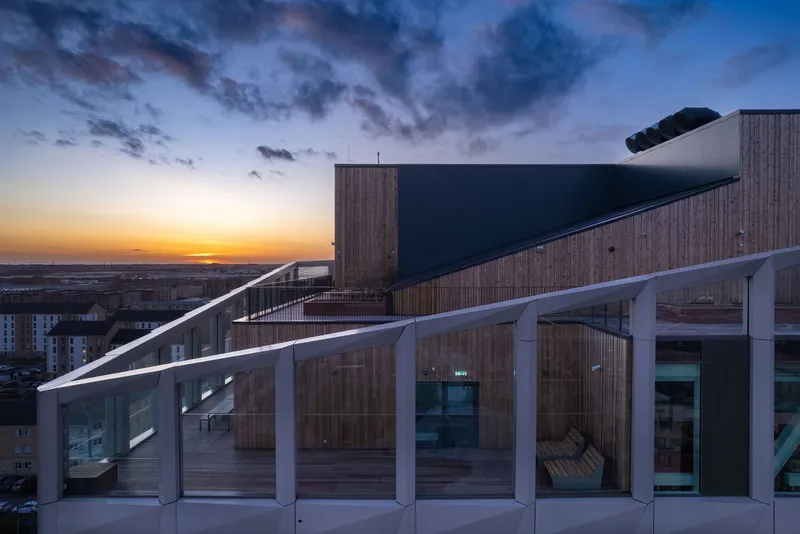
Landscaped outdoor areas and a rooftop terrace designed as a multi-level architectural landscape contribute to urban biodiversity and act as climate-mitigating green infrastructure. The rooftop can also be opened to the public for events, further reinforcing the city hall's commitment to community openness and ecological responsibility.

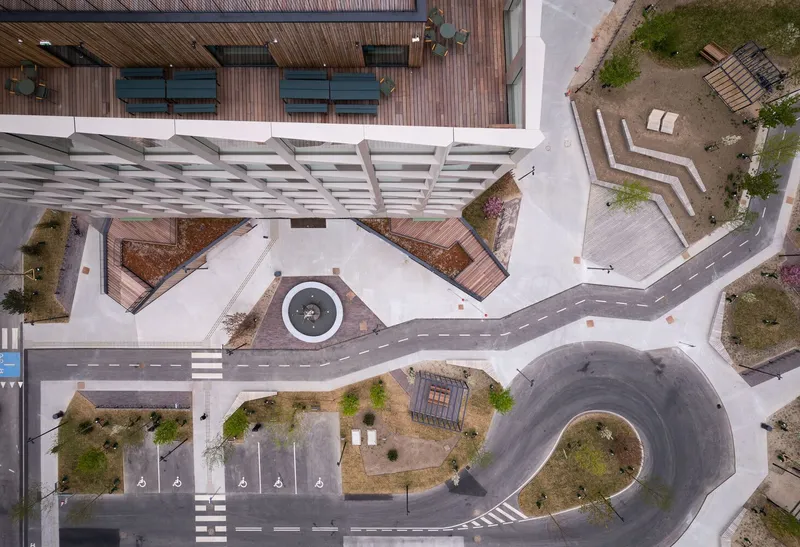
All Photographs are works of Emil Lund Pedersen, Kontraframe



Popular Articles
Popular articles from the community


Riyadh For All: Intergenerational Urban Design for Active Aging in Rabat
Riyadh For All reimagines urban design in Rabat with intergenerational co-living, adaptive courtyards, and Moroccan cultural exchange today.

Conexión: Biophilic Design Reimagines High-Rise Living in Hong Kong
Conexión reimagines high-rise living in Hong Kong through biophilic design, green facades, shared spaces, daylight, water and nature within.

Co-life: Sustainable Architecture for Age-Friendly Community Living
Co-life reimagines sustainable architecture for seniors through courtyards, rammed earth, shared gardens, and spaces designed for belonging.

Hill & Cross Opera: Sculptural Opera House Architecture Shaped by Tallinn’s Landscape and Identity
Hill & Cross Opera reimagines opera house architecture in Tallinn through its sculptural hill, civic plaza, glass wave and a luminous cross.


Similar Reads
You might also enjoy these articles


Hodi-Mandai Geram
Project Function: Preservation and revitalization of the Intangible heritage and socio-spatial identity of the Hodi by Housing, Cultural Memory Center, Sacred Grove, landscape, local tourism economy


Olio Towers: A Mid-Rise for Performers That Fuses Housing, Rehearsal, and Stage
Located blocks from Houston's Theater District, this modular tower stacks living units around a central performance atrium.

Oasis: Modular Green Housing Carved into Dhaka's Urban Fabric
A shortlisted Plugin Housing entry reclaims unauthorized settlements in Dhaka with stepped concrete volumes, green roofs, and ventilation-driven design.

Black Hole: A Floating Megastructure for the Post-Physical Era
Emiliano Mazzarotto envisions a spherical, self-scaling arena where e-sports, digital hotels, and holographic stadiums replace traditional public space.
Explore Urban Planning Competitions
Discover active competitions in this discipline



Challenge to reimagine the Iron Throne


Photograph architecture without architects


Illustrate the lost glory of Angkor Wat - Render Challenge


Design challenge to reuse E-waste
Comments (0)
Please login or sign up to add comments
No comments yet. Be the first to comment!