
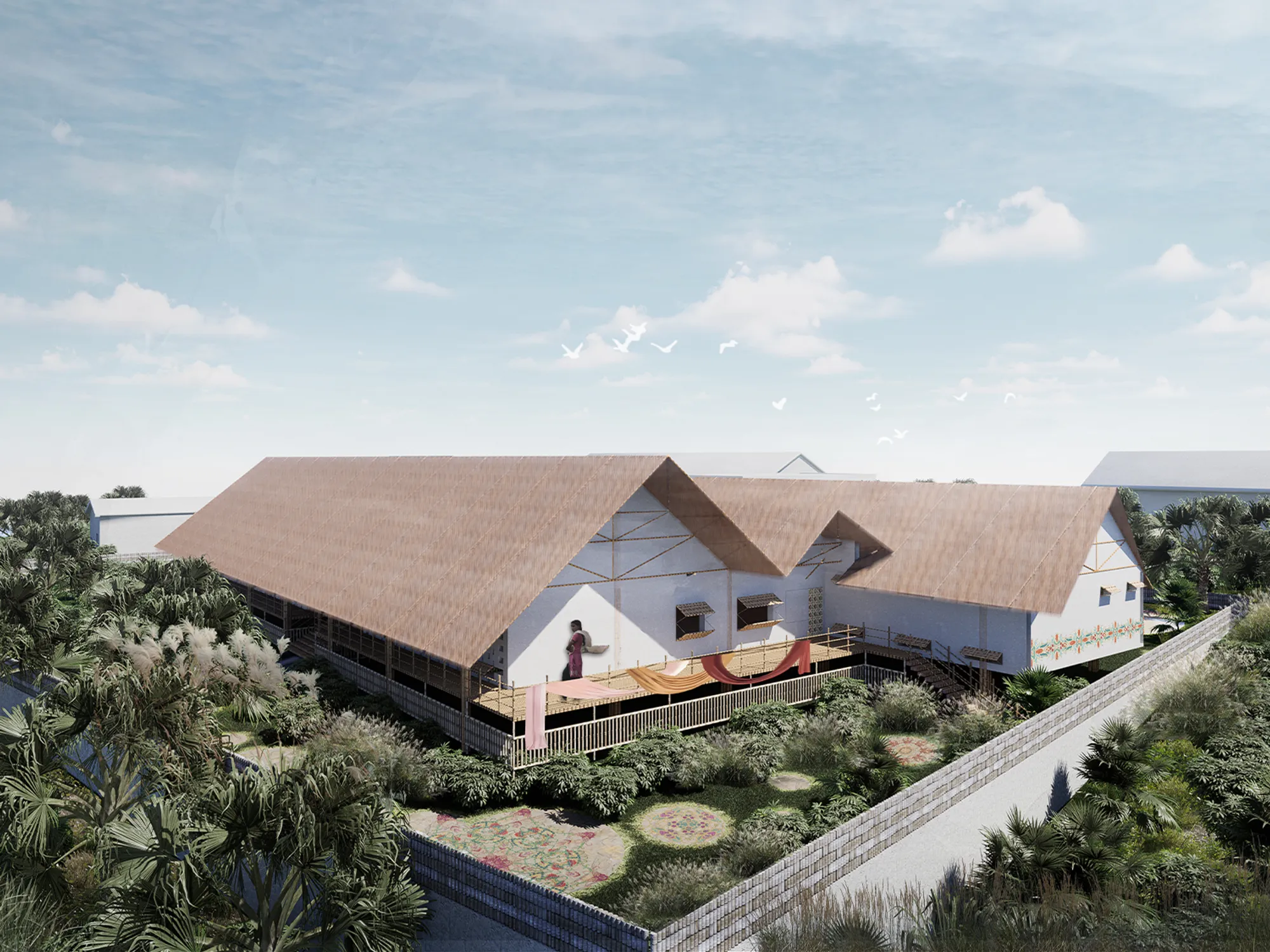
Home is Where the Heart is
the design of After the Storm

Bangladesh faces frequent natural disasters, affecting over 10 million citizens annually. Particularly vulnerable are the inhabitants of the Sundarbans, a Bay of Bengal marsh delta, who face increasing risks due to environmental challenges and illegal deforestation. The government has implemented disaster management policies, including shelters and improved analysis, to protect its citizens. However, despite progress, many residents remain vulnerable, indicating the need for further strengthening of these efforts.
Rescue centers are where disaster recovery efforts are supported. They give people the opportunity to store essentials, collect assets and personnel, and even provide emergency shelter. In countries prone to natural disasters, these spaces are essential to support sensitive populations in emergency situations.
Out of the countryside, in the drift, in fact, what we are looking for is – ‘’An’’, a sense of stab-
ility. But where is ‘An’, the place of true peace, no longer in the countryside, but in the heart.
"Heart" is our only home, no matter the cape or the end of the world, peace of mind is home.
The design aims to create a shelter that adapts to the local climate, uses local materials, and can withstand natural disasters, facilitate construction, movement, and demolition, and provide convenient and stable shelter for local disaster victims.The issues that need to be addressed are as follows:
1. Functionality: Mode of operation in the face of national emergencies.
2. Comfort: Pay attention to the impact of architecture on people's psychology, and eliminate the fear and sadness of the people after the disaster to the greatest extent.
3.Robustness: The he space itself must be able to sustain itself in the face of disaster.
4.Publicity: The second operating modes-in the year free of natural disasters, the space can provide valuable public space for city dwellers.
5. Ecology: The building that grows from the ground.
We found out from the internet and asking questions from the competition organising committee that Khulna, Bangladesh is industrially underdeveloped and the people are mainly engaged in the tertiary sector, with a low standard of living, but the local government has been steadily pushing forward a multi-faceted non-income poverty reduction programme. The site is surrounded by abundant greenery and is easily accessible by public transport. The design of the centre was based on the local economic and cultural conditions, and we decided to use locally available building materials such as bamboo, jute and handmade fabrics as the main structural materials and finishes, as well as concrete, which is inexpensive and stable, as the secondary building material.
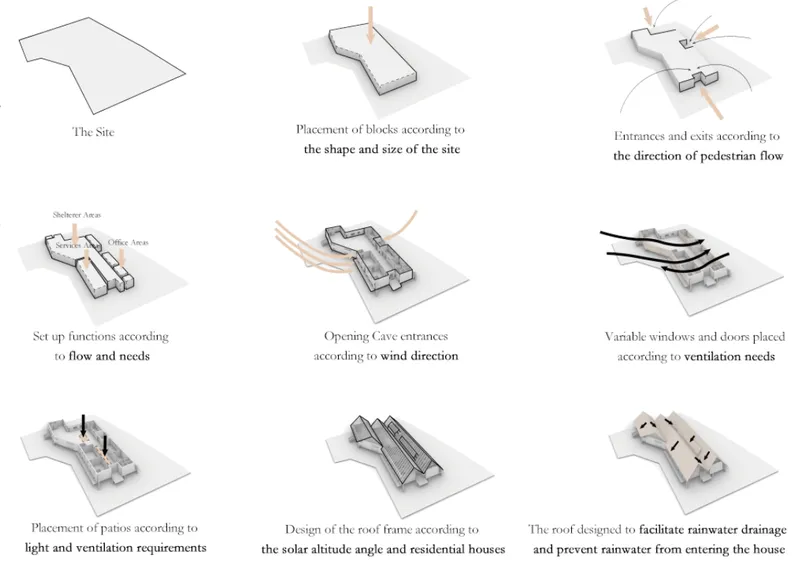
The process of creating our disaster relief centre is shown in the diagram below.,first of all Placement of blocks according to the shape and size of the site,then the entrances and exits are accorded to the direction of pedestrian flow,thirdly set up functions according to flow and needs,then opening cave entrances according to wind direction,variable windows and doors placed according to ventilation needs,at last the roof designed to facilitate rainwater drainage and prevent rainwater from entering the house,and the roof frame is accorded to the solar altitude angle and residential houses.
The durability and good mechanical properties of concrete were taken into account, so it was used as the foundation and the enclosure, and in order to avoid uncomfortable humid climate, the enclosure was made of hollow concrete to maximise natural ventilation. The interior partitions and decorative materials are supported by local bamboo partitions and decorated with local handmade fabrics, the roof covering is made from locally available jute.Using these means makes the building friendly, avoiding the feeling of strangeness and panic when people enter the shelter in the event of a disaster, and maximising the peace of mind of the affected people. At the same time, the hollow concrete walls and the large roof with eaves not only allow sunlight to enter the interior, but also avoid high indoor temperatures caused by direct sunlight, creating a bright and comfortable indoor environment. The creation of the atrium is not only to achieve good lighting and ventilation, but also to provide a place for people to organise community activities, not only for recreational activities, gatherings and prayers during normal times, but also as the best shelter in times of disaster.
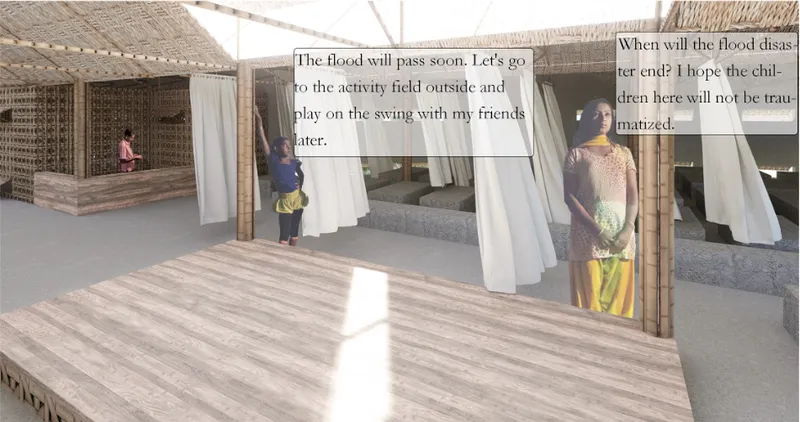
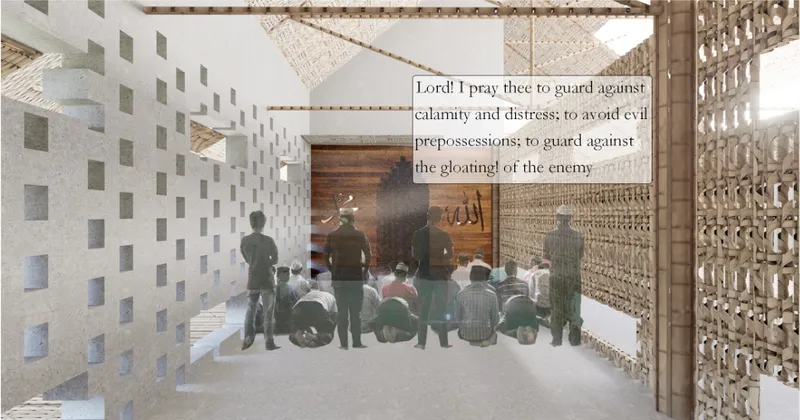
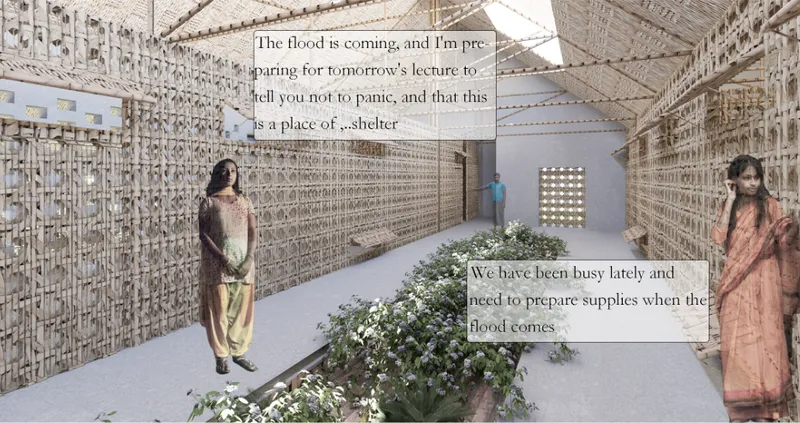
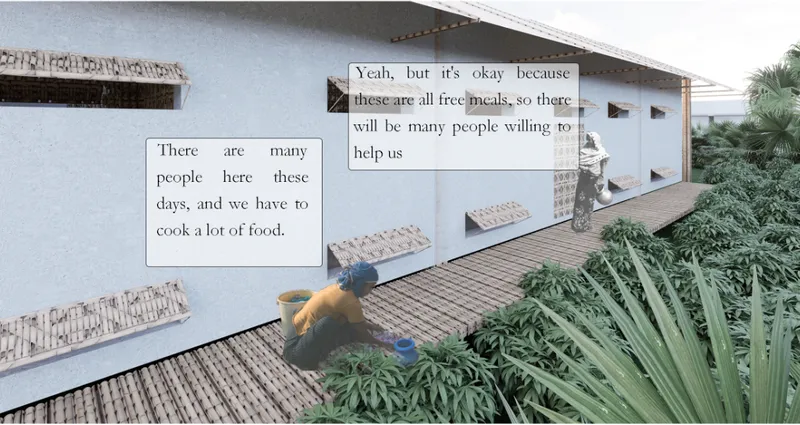
In addition, during the construction of our shelters, as we use local materials and technology, we can provide employment opportunities for local people during the construction process. Once in operation, local people will take the lead in running the disaster relief centre, and during floods, local people's autonomy will be brought into play to ensure that the daily and spiritual needs of the people in the shelter are met.


Popular Articles
Popular articles from the community


Hill & Cross Opera: Sculptural Opera House Architecture Shaped by Tallinn’s Landscape and Identity
Hill & Cross Opera reimagines opera house architecture in Tallinn through its sculptural hill, civic plaza, glass wave and a luminous cross.

Play: Fragments of Their World
Familiar architecture becomes modular playground design, creating safe spaces where displaced children can learn, connect, imagine and play.

Co-Life: Senior Housing Design That Reconnects Older Adults With the City
Co-Life reimagines senior housing design through healing gardens, shared streets, workshops, and a sustainable community across generations.

The Musturak Paradise: Senior Living Architecture for a Connected Future in Temara, Morocco
The Musturak Paradise reimagines senior living architecture in Temara via private homes, social spaces, culture, community, and shared care.

Similar Reads
You might also enjoy these articles
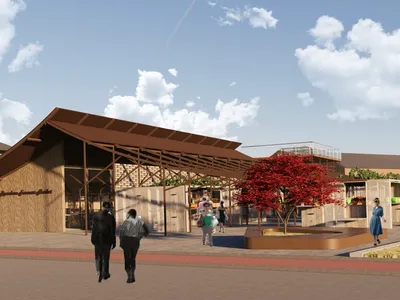
The Rhythm of Seasons
A Farmers' Market Connecting Nature and the City
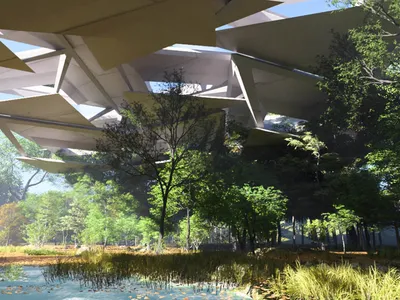

More Than a Building-Designing a Living System
More Than a Building-Designing a Living System
Base Beyond
DESERT COMPOUND ARID: TOURISM OF ABSENCE AND ABUNDANCE
Explore Disaster Resilient Competitions
Discover active competitions in this discipline




Challenge to reimagine the Iron Throne


Photograph architecture without architects


Illustrate the lost glory of Angkor Wat - Render Challenge


Design challenge to reuse E-waste
Comments (0)
Please login or sign up to add comments
No comments yet. Be the first to comment!