
Hongdam Studio Seoul: A Modern Renovation by HOFFICE | Mixed-Use Architecture in Haebangchon,
Hongdam Studio in Seoul blends heritage and modern design, offering mixed-use spaces with stunning Namsan views and functional layouts.


Hongdam Studio in Haebangchon: A Fusion of Heritage and Modernity
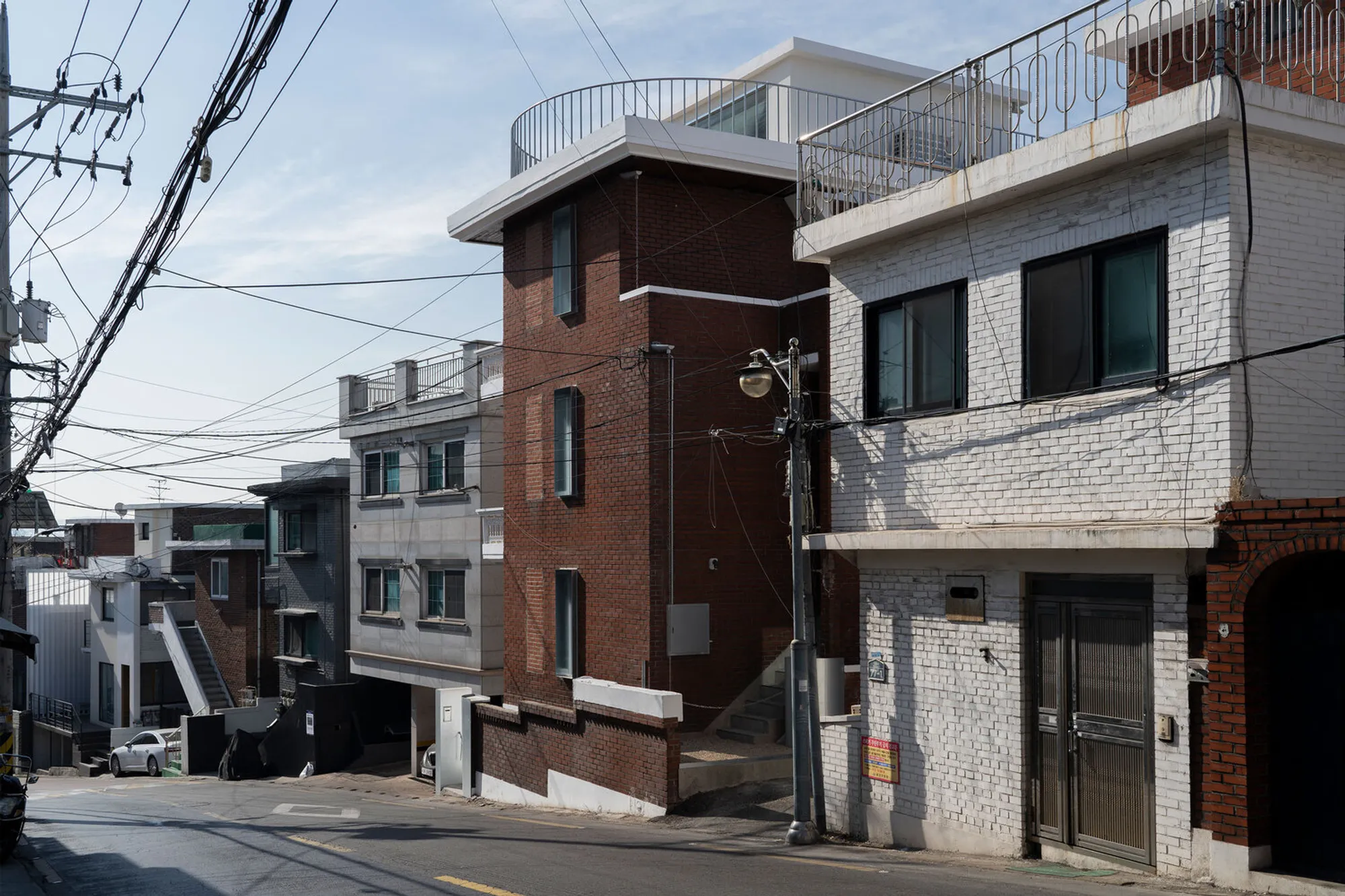
Nestled adjacent to a steep slope on the outskirts of Namsan Mountain, Hongdam Studio is strategically located along the winding road that leads from the historic Yongsan Garrison to Huam-dong. The site, situated in the dynamic Haebangchon district, reflects the neighborhood’s historical evolution from its post-liberation settlement by refugees to its current status as a vibrant urban hub. Influenced by nearby Itaewon’s U.S. military culture, Haebangchon has transformed into a commercial zone, interwoven with both indigenous culture and modern urban revitalization projects.
Architectural Evolution: From 1980s Apartment to Contemporary Studio
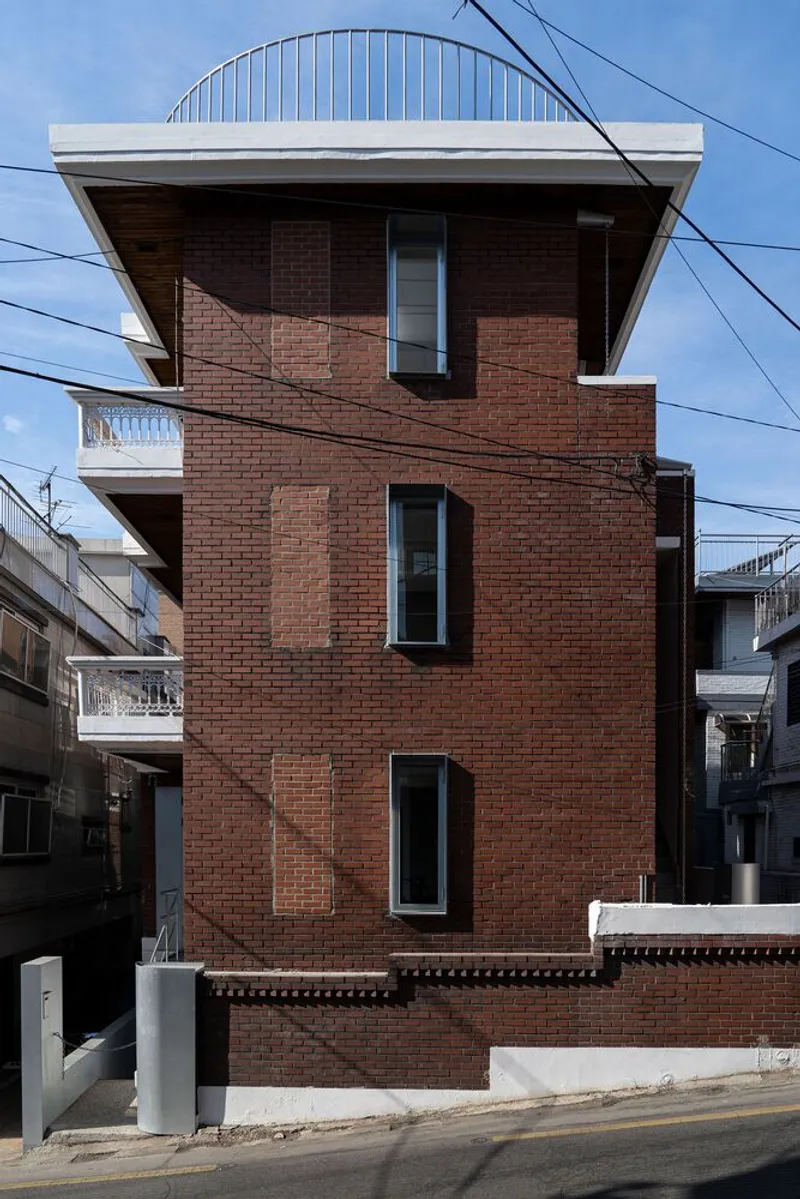
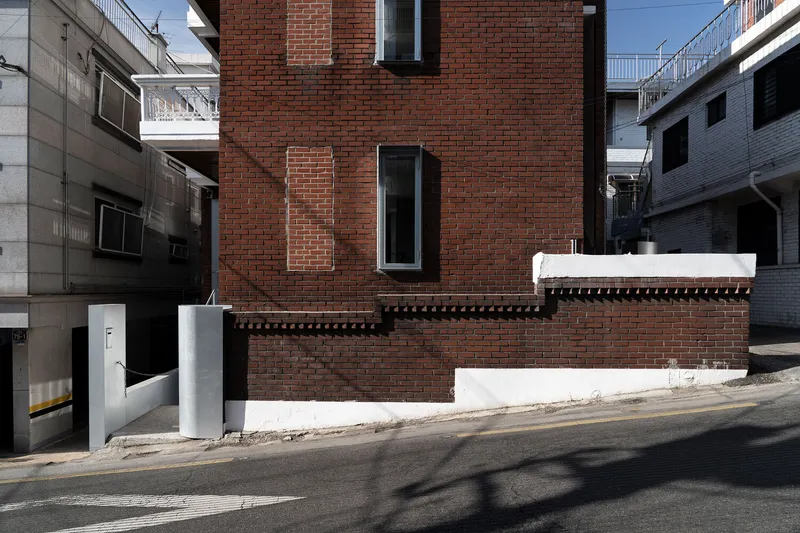
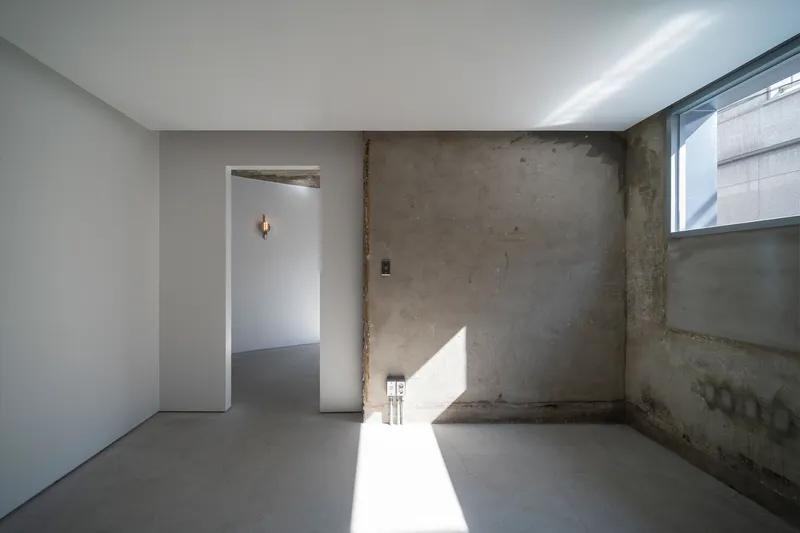
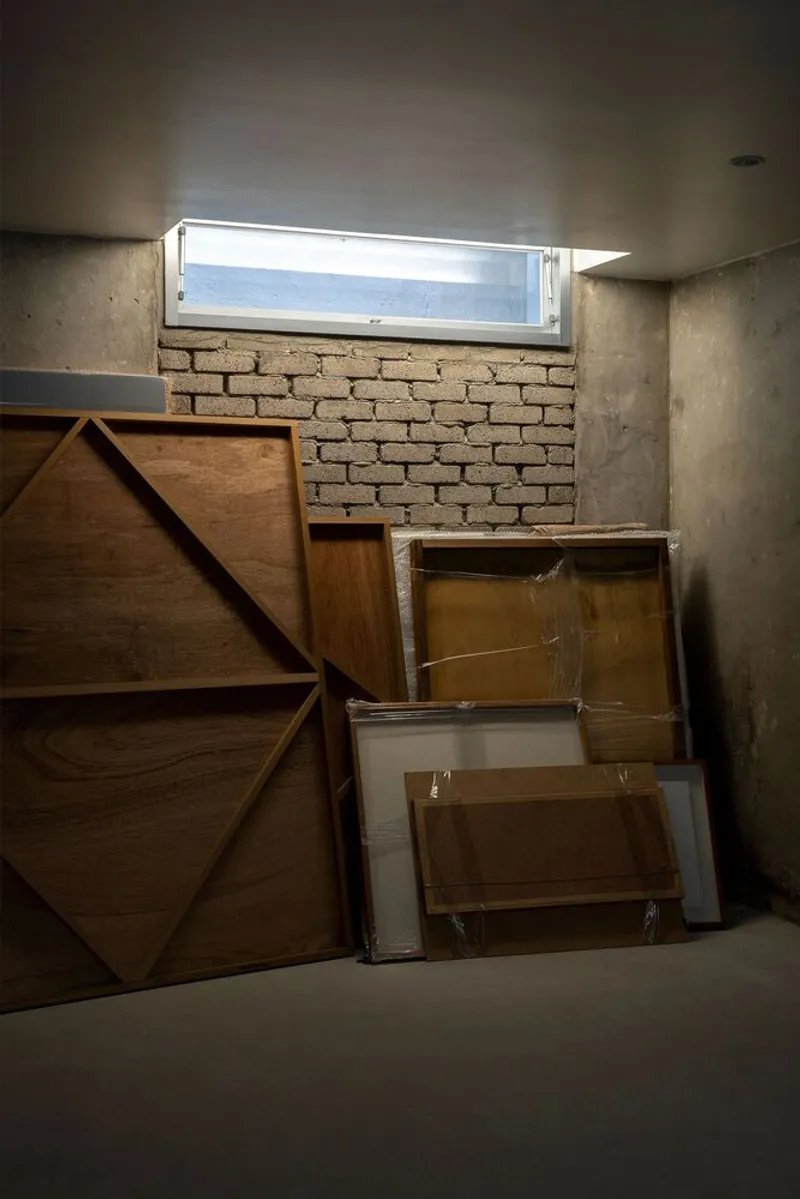
Originally constructed in the 1980s, the building that now houses Hongdam Studio was a modest apartment building spanning one underground floor and four above-ground levels. Over the years, this building underwent several renovations, transitioning from residential to mixed-use, mirroring the layered complexity of Seoul’s urban fabric. The result is a vertical hierarchy, where shared artist studios occupy the lower levels, while the upper floors are dedicated to the owner's private retreat.
This stratified transformation symbolizes Seoul’s architectural history and urban evolution. The lower floors house commercial and public spaces, while the third floor and rooftop serve as the private sanctuary for the owner, designed for frequent overseas trips. This thoughtful vertical division enhances both functionality and accessibility, offering panoramic views of the surrounding cityscape and Namsan Mountain.
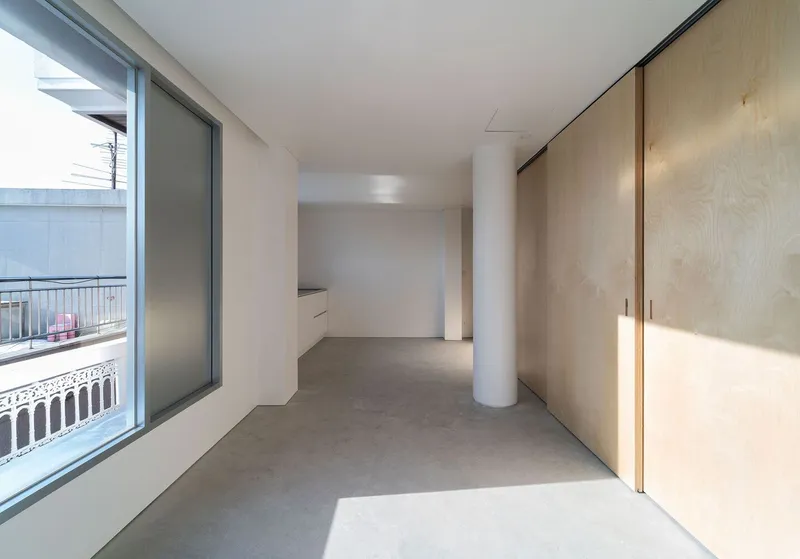
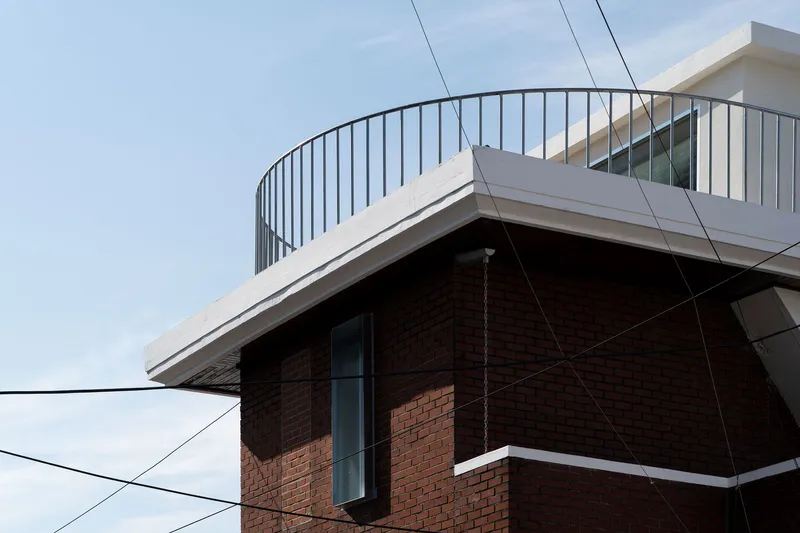
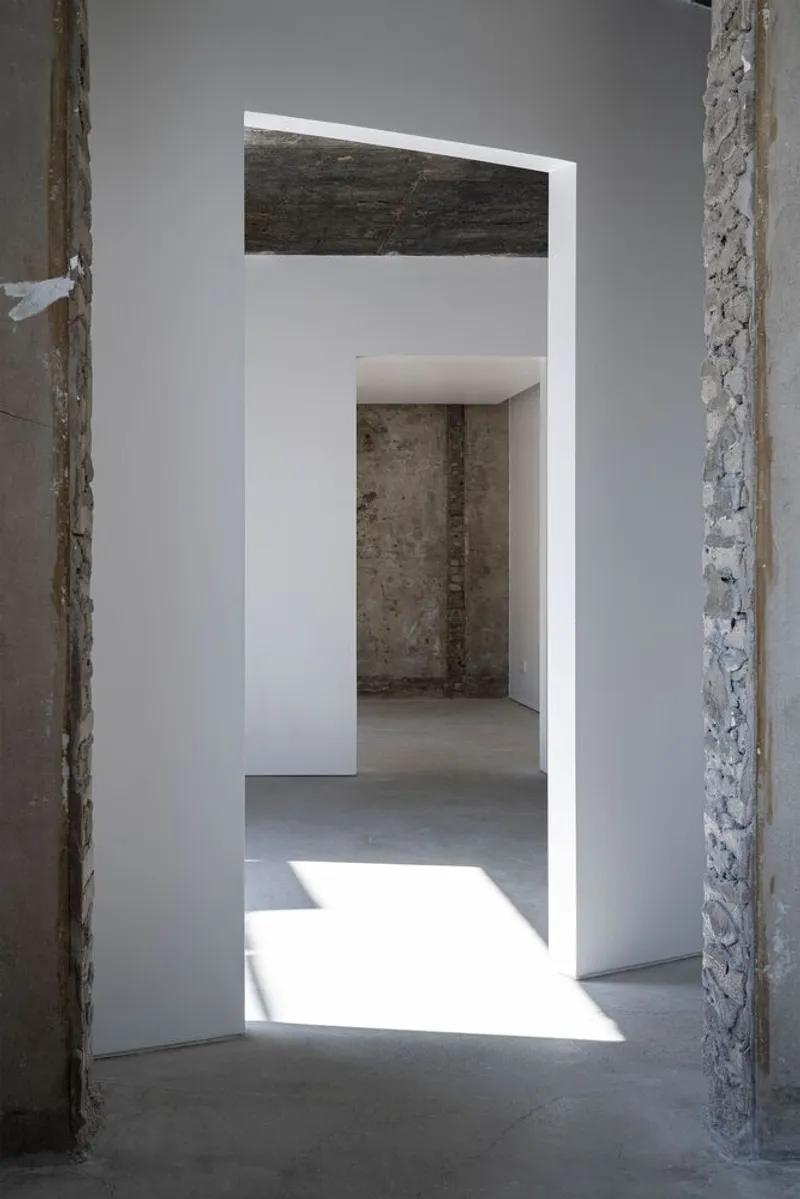
A Harmonious Blend of Old and New The architectural design incorporates a unified vocabulary of white walls on the ground and second floors, which serve as public spaces and commercial facilities. These spaces are designed to respect the building’s historical layers while introducing contemporary functional requirements. To differentiate the residential spaces, contrasting materials are used on the third and rooftop levels, marking a clear division between public and private zones.
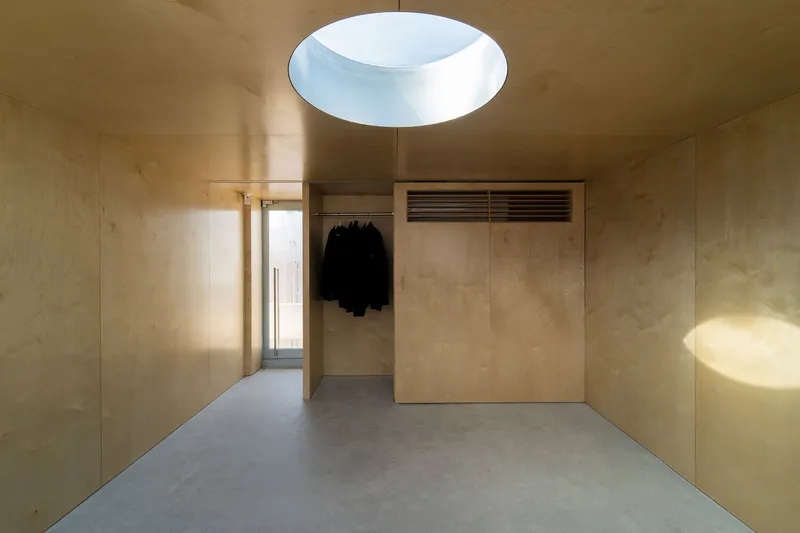
The residential portion on the third floor features a thoughtfully designed 1-bedroom layout (1LDK), where a sequence of five sliding doors cleverly conceals auxiliary spaces, such as the bathroom, entrance, and storage. This spatial arrangement ensures the privacy of the owner while maintaining an open, fluid living environment. The rooftop annex functions as both a guest reception area and the owner’s workspace, with large windows that frame the stunning views of Namsan and the city of Seoul.
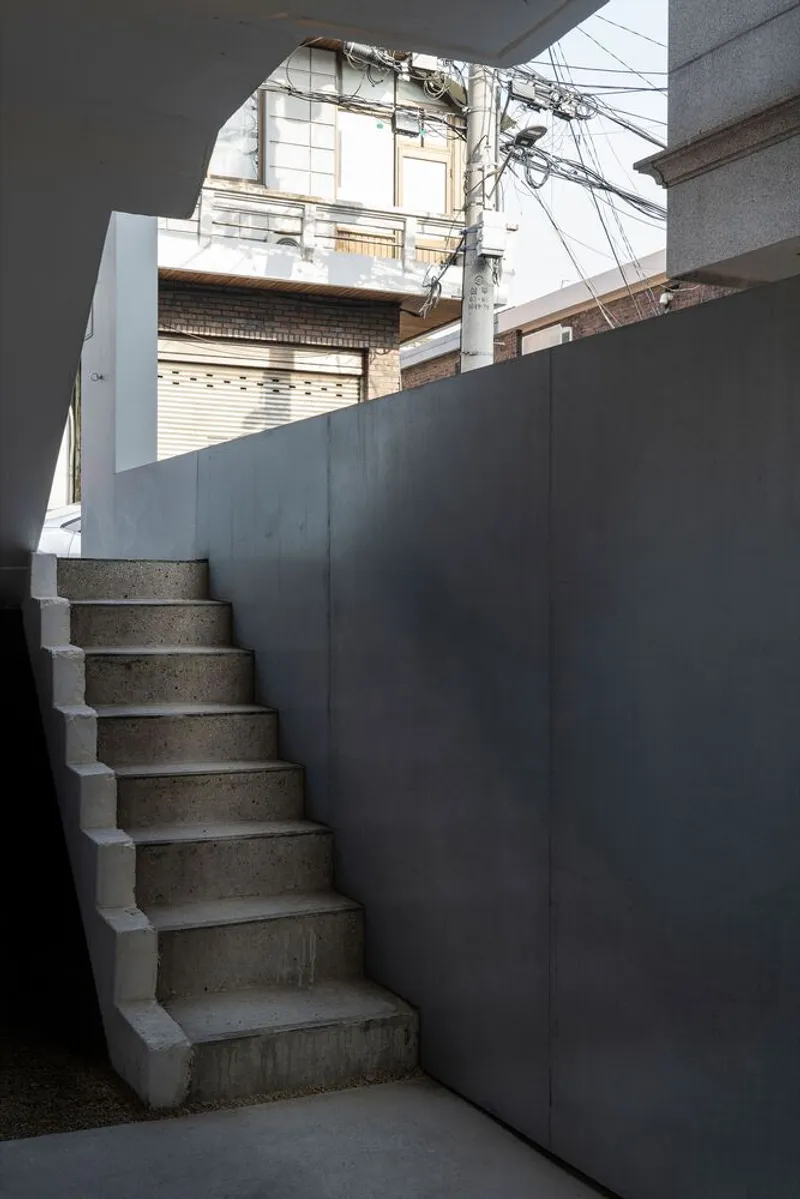
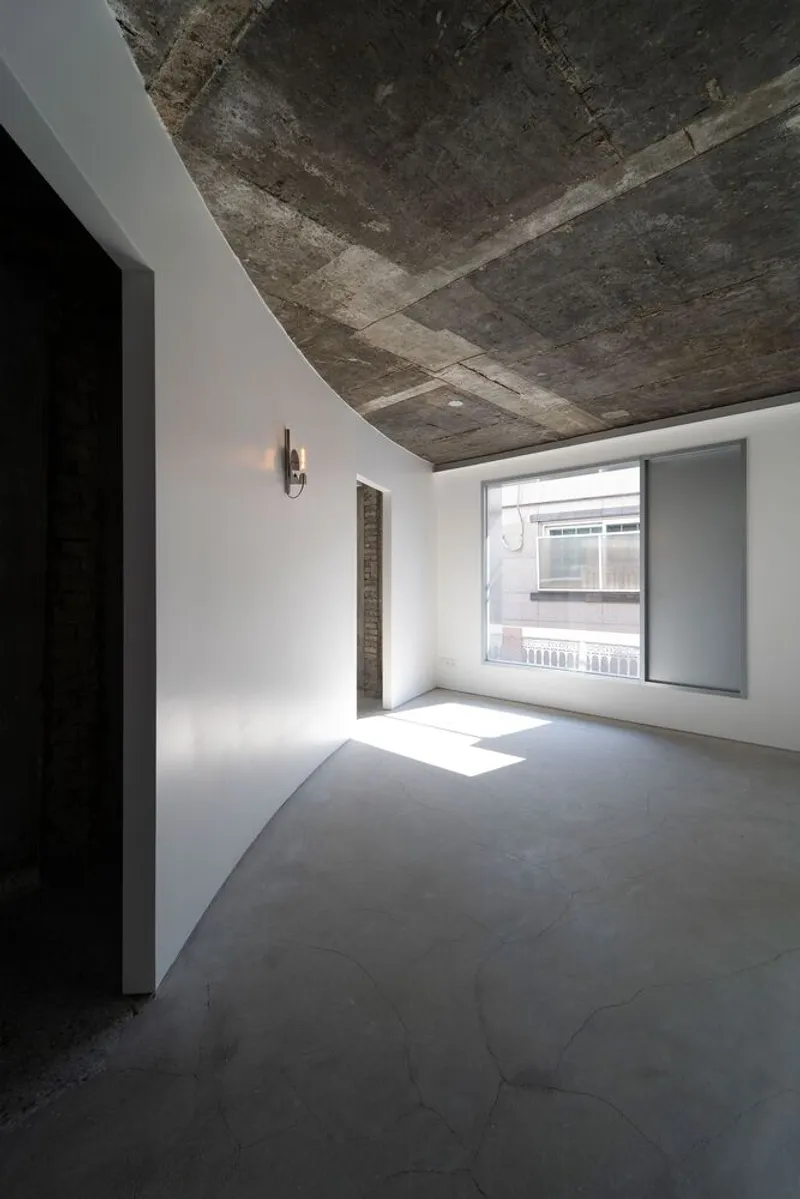
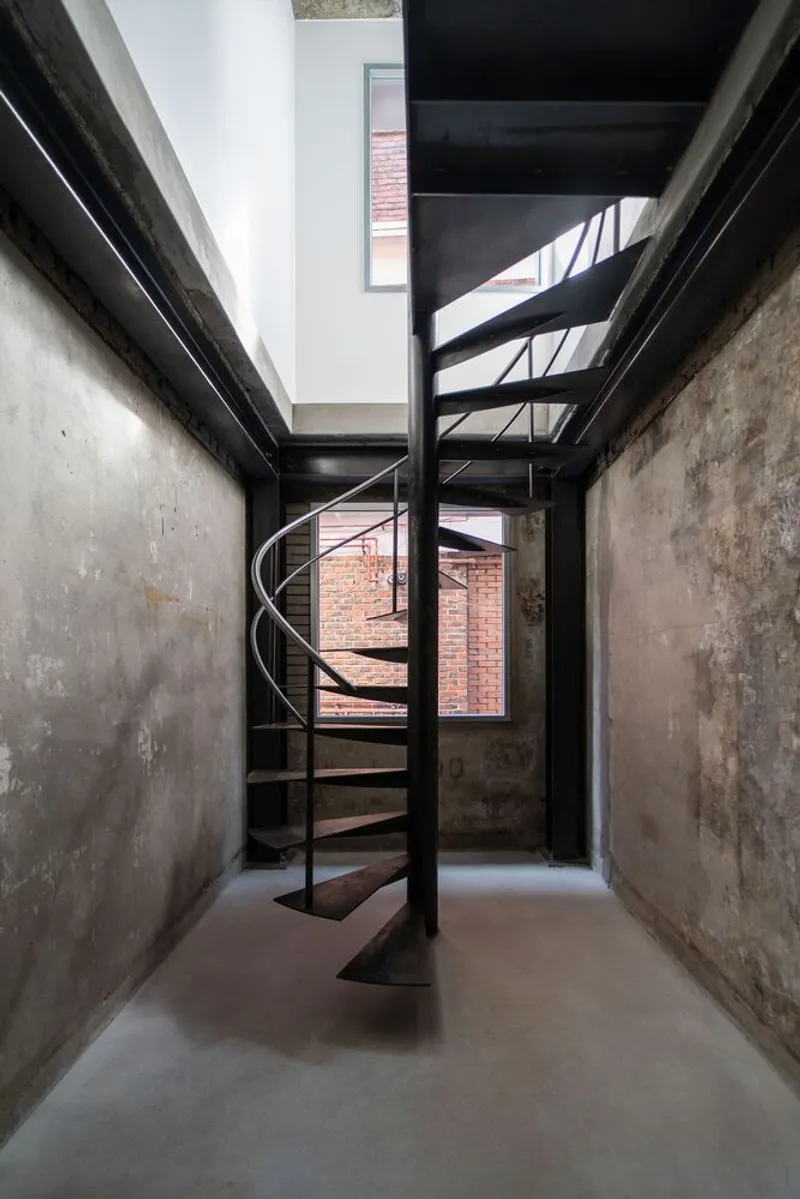
The Pathway to Serenity: Connecting Function and Aesthetics Accessing the rooftop is a journey itself, as the pathway meanders along a gracefully curved railing, leading to a space where panoramic vistas of Seoul’s skyline and Namsan Mountain unfold. The rear facade entrance opens into an inviting space where large windows and a well-placed table allow for uninterrupted views of the surrounding landscape. The design ensures that every moment spent in this space is connected to the serene beauty of Seoul’s natural and urban environment.
All Photographs are works of Ho Han




Popular Articles
Popular articles from the community


The Musturak Paradise: Senior Living Architecture for a Connected Future in Temara, Morocco
The Musturak Paradise reimagines senior living architecture in Temara via private homes, social spaces, culture, community, and shared care.

The Ocean Hive: Sustainable Architecture for a Self-Sufficient Civilization at Sea
The Ocean Hive imagines sustainable architecture at sea, where modular habitats, algae, wave power and ocean waste sustain a growing colony.

Co-Life: Senior Housing Design That Reconnects Older Adults With the City
Co-Life reimagines senior housing design through healing gardens, shared streets, workshops, and a sustainable community across generations.

Conexión: Biophilic Design Reimagines High-Rise Living in Hong Kong
Conexión reimagines high-rise living in Hong Kong through biophilic design, green facades, shared spaces, daylight, water and nature within.

Similar Reads
You might also enjoy these articles


Hodi-Mandai Geram
Project Function: Preservation and revitalization of the Intangible heritage and socio-spatial identity of the Hodi by Housing, Cultural Memory Center, Sacred Grove, landscape, local tourism economy


Olio Towers: A Mid-Rise for Performers That Fuses Housing, Rehearsal, and Stage
Located blocks from Houston's Theater District, this modular tower stacks living units around a central performance atrium.

Oasis: Modular Green Housing Carved into Dhaka's Urban Fabric
A shortlisted Plugin Housing entry reclaims unauthorized settlements in Dhaka with stepped concrete volumes, green roofs, and ventilation-driven design.

Black Hole: A Floating Megastructure for the Post-Physical Era
Emiliano Mazzarotto envisions a spherical, self-scaling arena where e-sports, digital hotels, and holographic stadiums replace traditional public space.

Explore Architecture Competitions
Discover active competitions in this discipline



Challenge to reimagine the Iron Throne


Photograph architecture without architects


Illustrate the lost glory of Angkor Wat - Render Challenge


Design challenge to reuse E-waste
Comments (0)
Please login or sign up to add comments
No comments yet. Be the first to comment!