
HỚP Cafe by HÔM ARCHITECTS: A Café Renovation that Reimagines Urban Emotion in Tây Ninh, Vietnam
HỚP Cafe transforms a neglected townhouse in Vietnam into a soulful retreat through emotional, sensory-driven architectural renovation.


Reviving a Forgotten Townhouse through Emotional Architecture
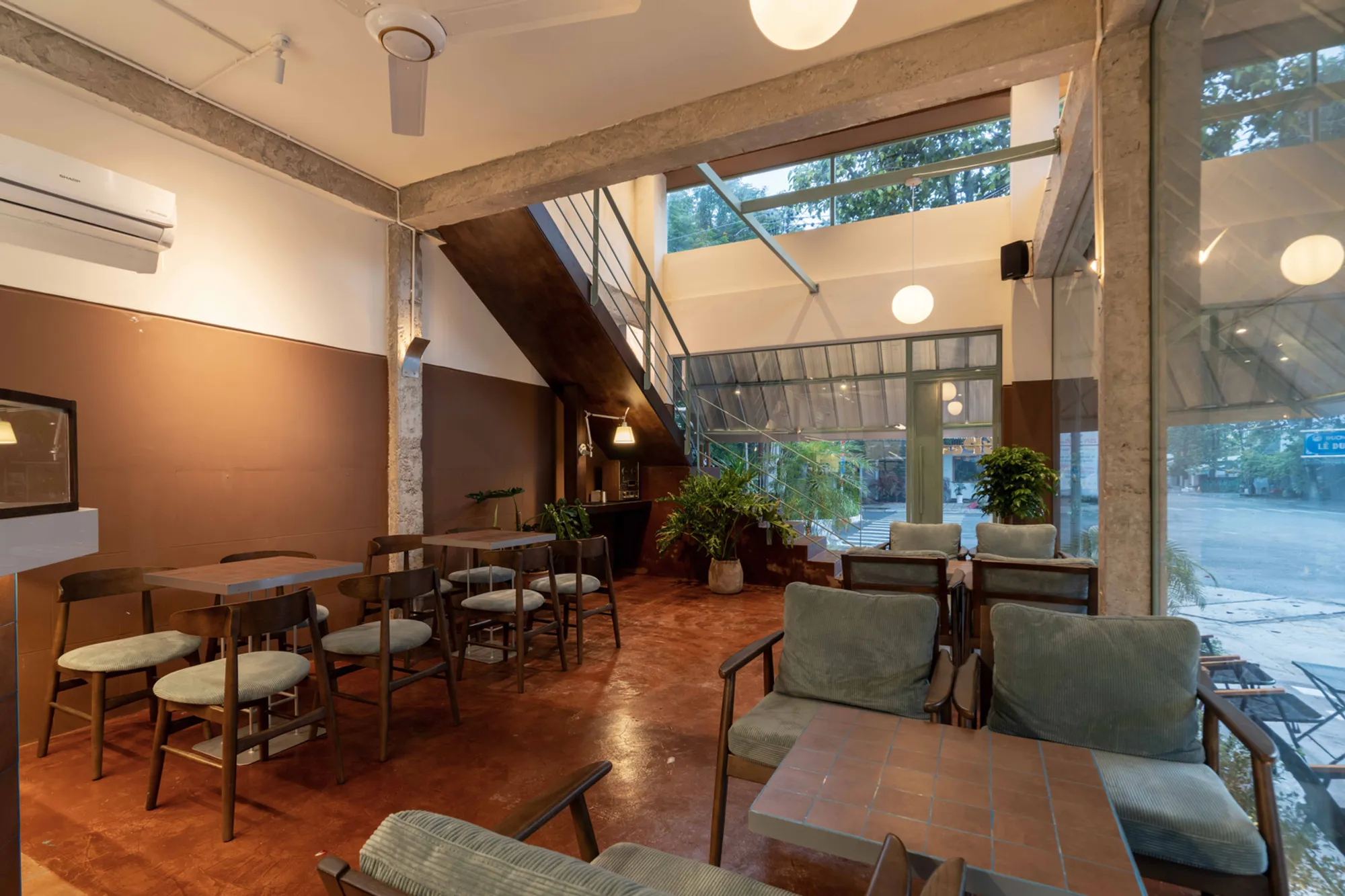
Nestled at a lively corner of Tây Ninh City, HỚP Cafe by HÔM ARCHITECTS is a profound example of café renovation architecture in Vietnam that transcends conventional aesthetic goals. The project reclaims a formerly dim, fragmented townhouse and transforms it into a warm, contemplative space through thoughtful design and emotional storytelling. Designed by Nguyen Gia Hung and Nguyen Chi Tai, the 178-square-meter café embodies a tactile and symbolic response to the city’s contemporary emotional landscape.
From Neglect to Potential: The Design Narrative
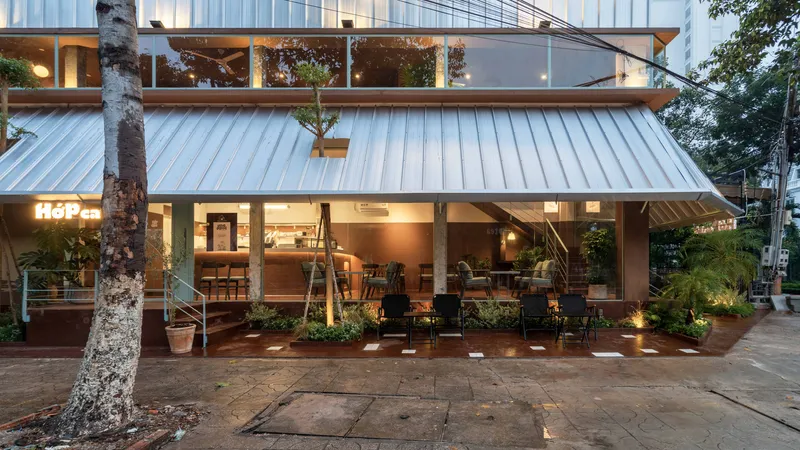
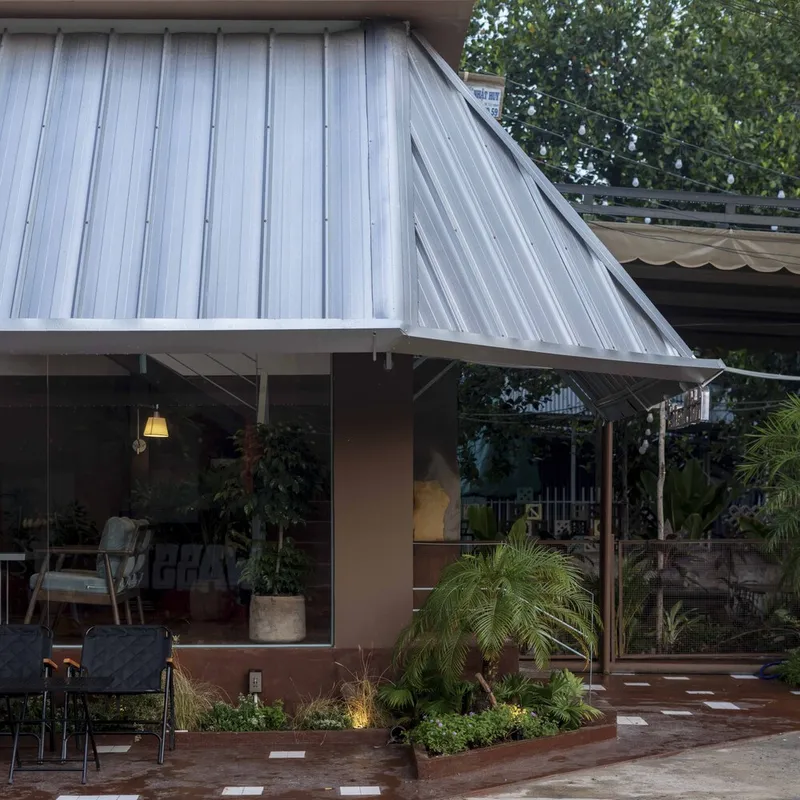
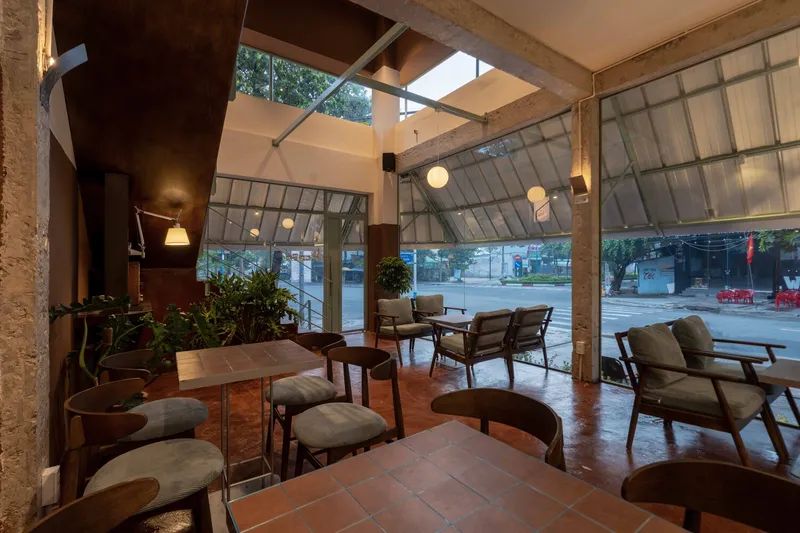
The original structure was a typical Vietnamese townhouse—dark, segmented, and stripped of character. Instead of imposing a new identity, HÔM ARCHITECTS listened to the existing space. Their intervention began not with demolition but with reflection. They embraced the rawness of the concrete frame and redefined it with metal cladding—cold, sharp, and aloof—mirroring the impersonal rush of modern urban life. This hard exterior represents how people often experience cities: distantly and superficially.
A Gentle Interior: Emotions Rendered in Material
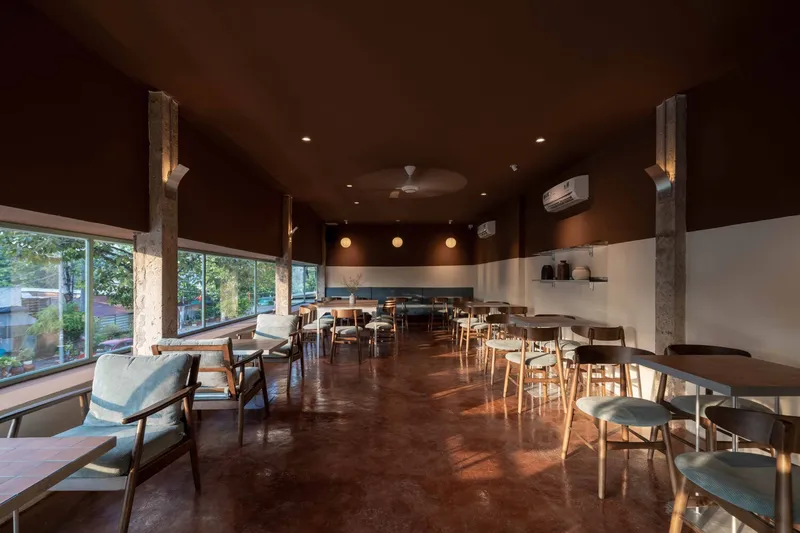
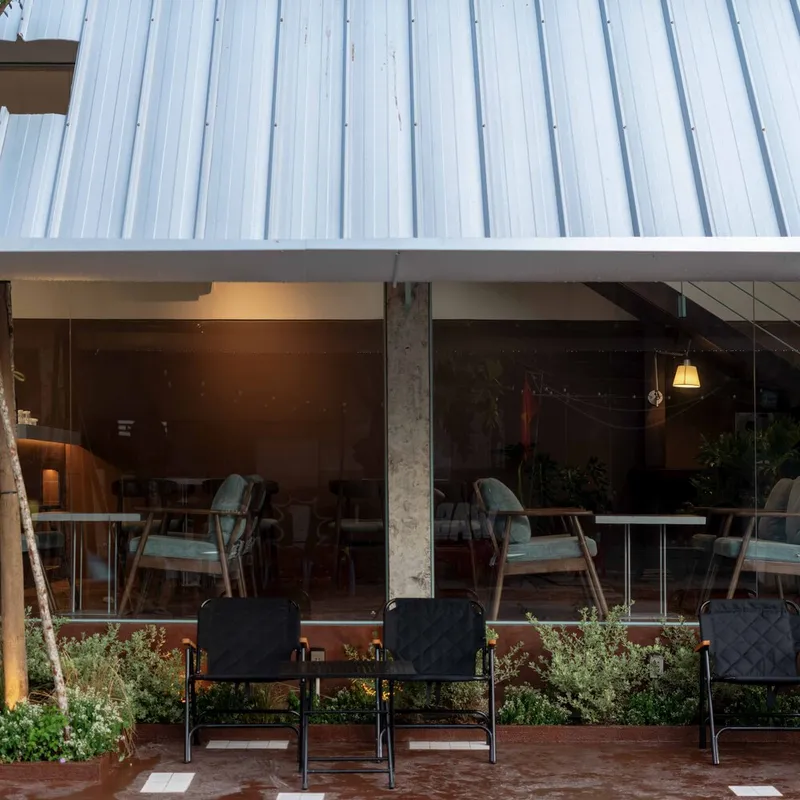
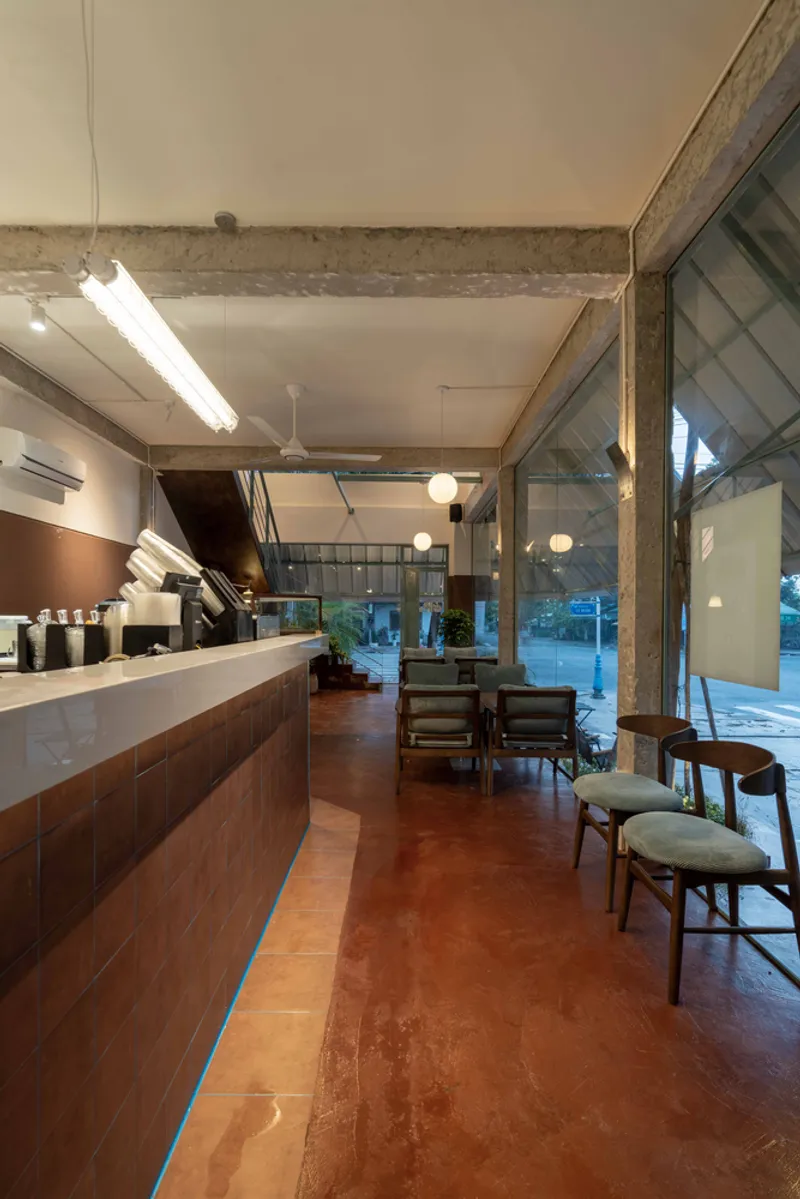
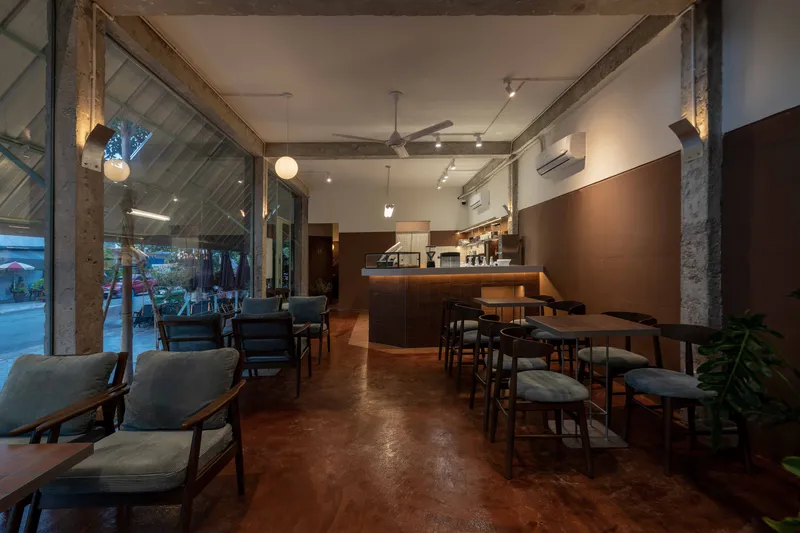
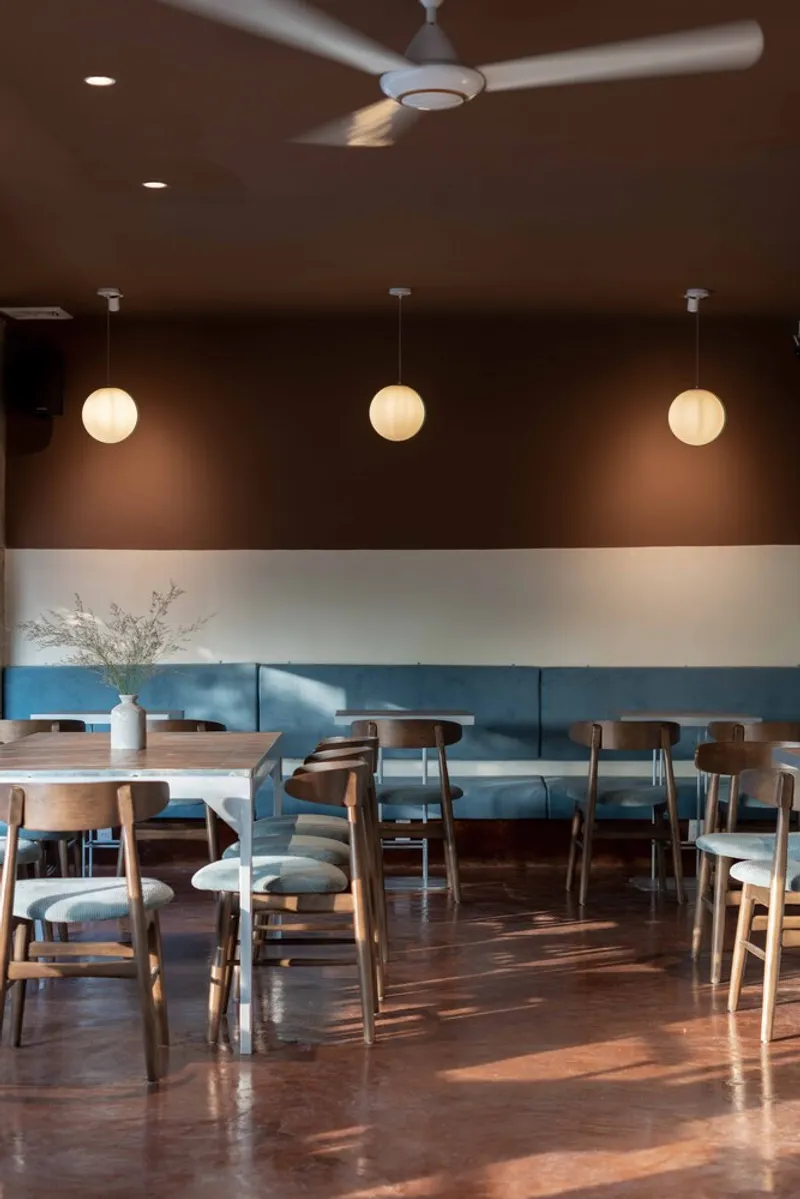
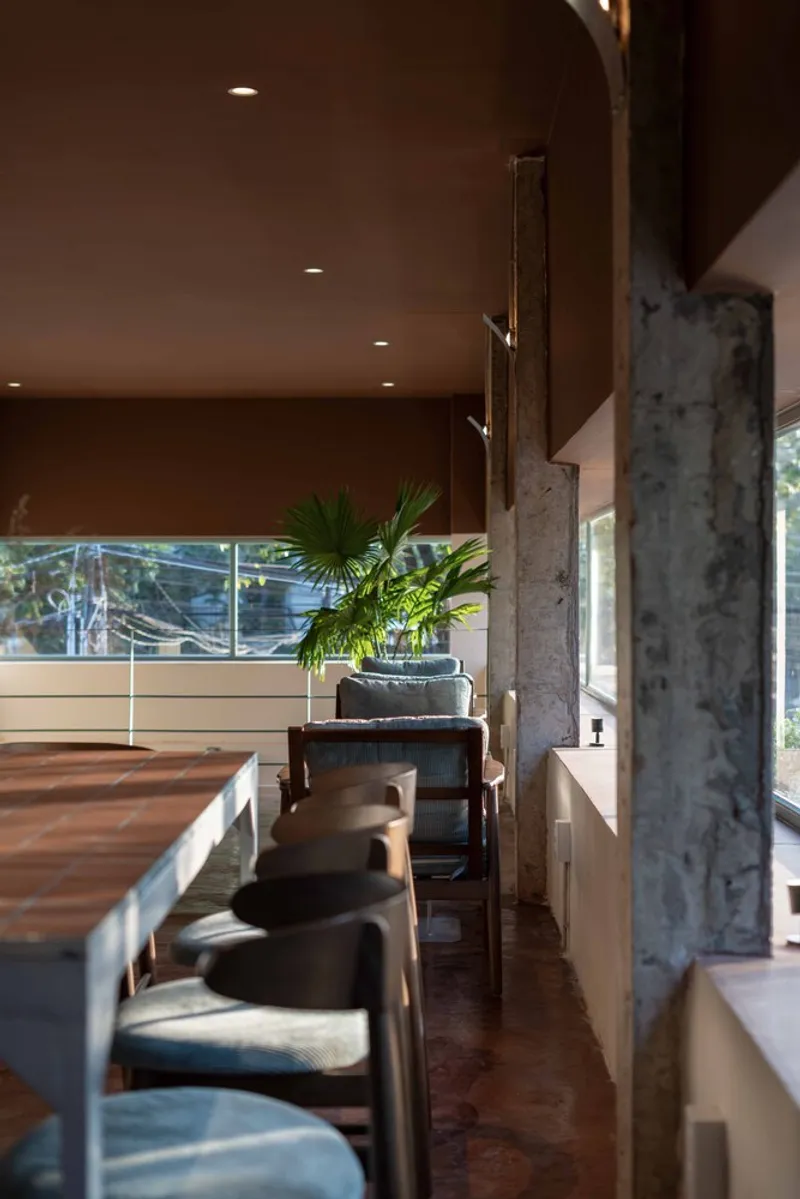
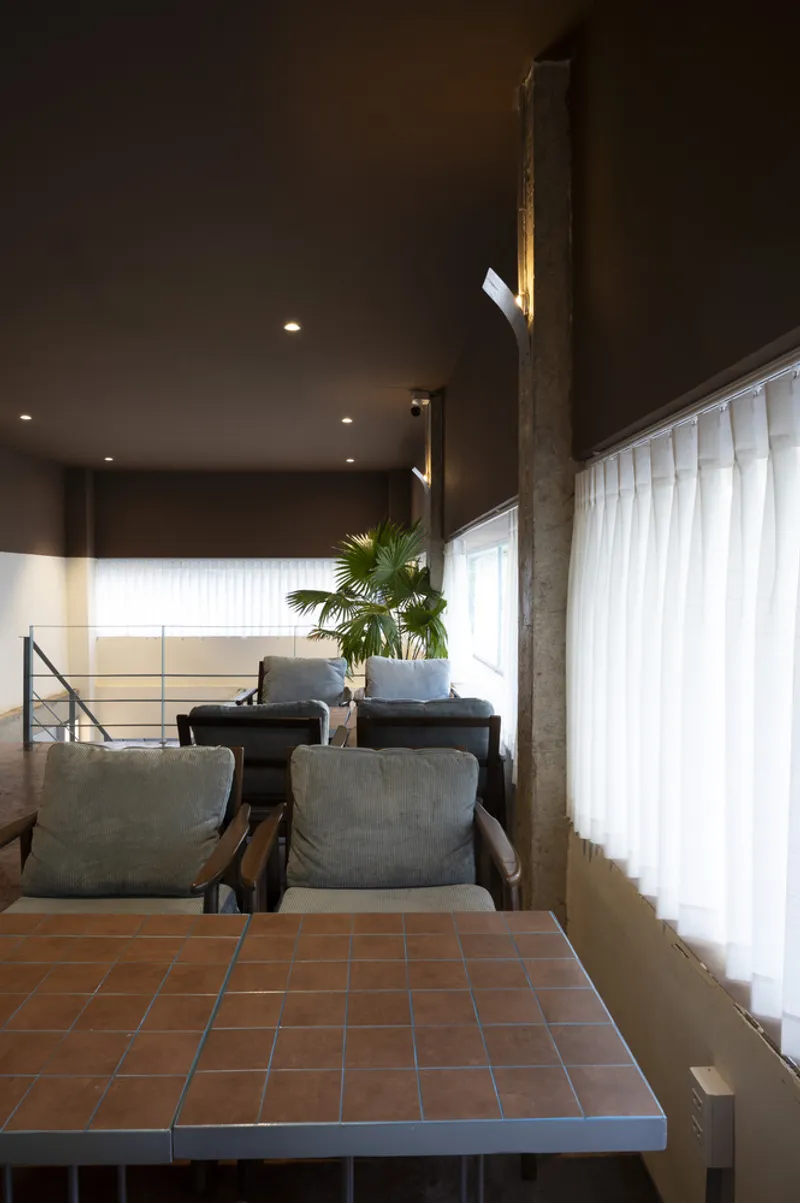
The transformation inside HỚP Cafe is quietly dramatic. Warm dark wood, soft fabric furnishings, and an earthy palette of browns and greens invite visitors into a space of tranquility and emotional depth. Rather than make a bold visual statement, the design whispers, drawing attention inward.
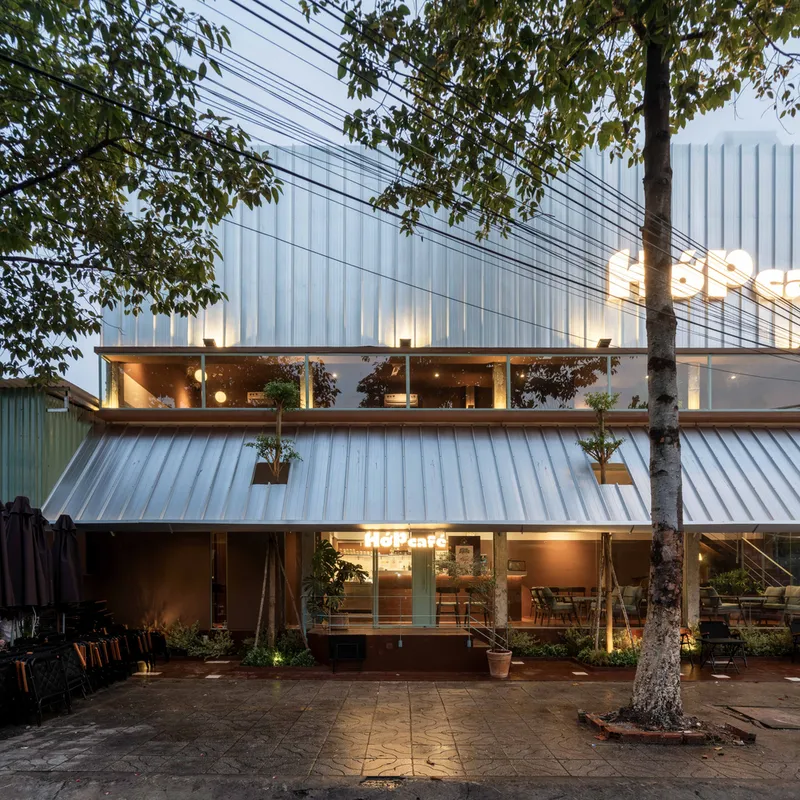
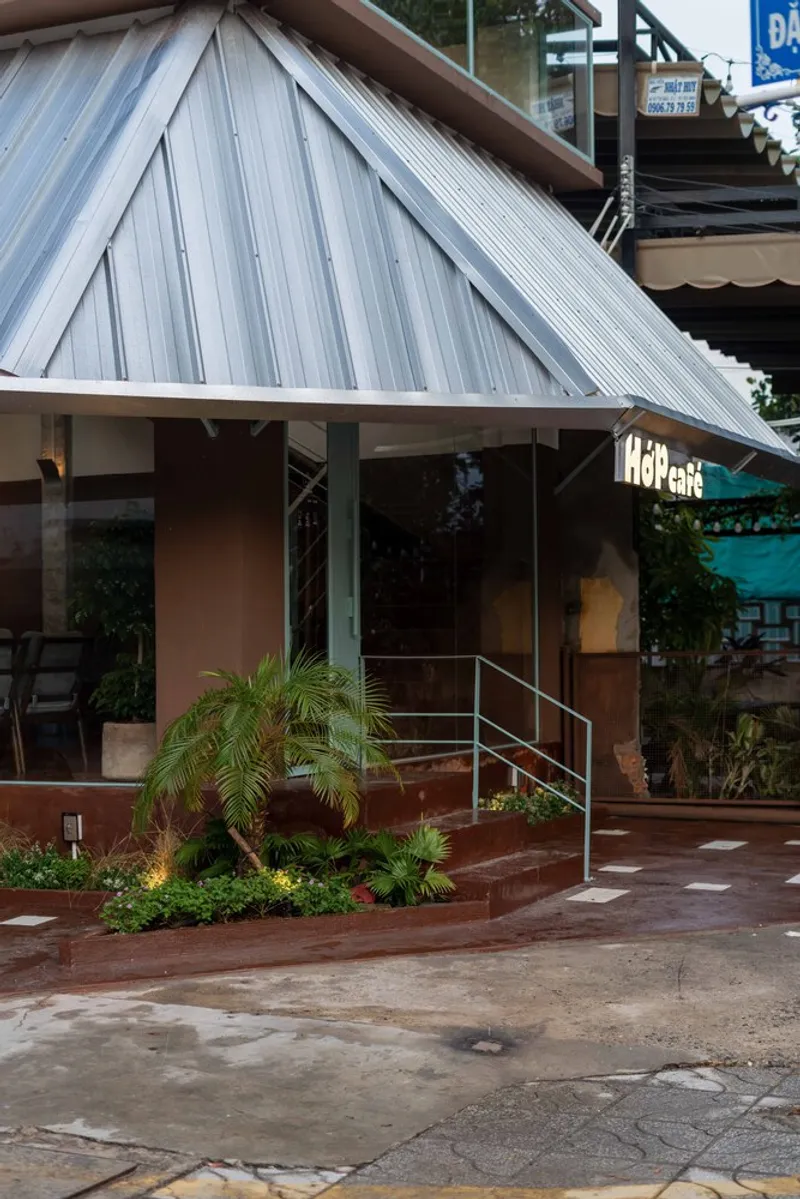
Each element—carefully selected and sensitively placed—reinforces the idea of emotional shelter. The contrast between the stark exterior and the soft interior isn’t just aesthetic; it is philosophical. The building itself becomes a metaphor: distant at first glance, but full of richness once entered. This duality is central to HÔM ARCHITECTS' renovation approach, where space is designed not only to function, but to evoke feeling and reflection.
An Urban Pause: Architecture as Invitation
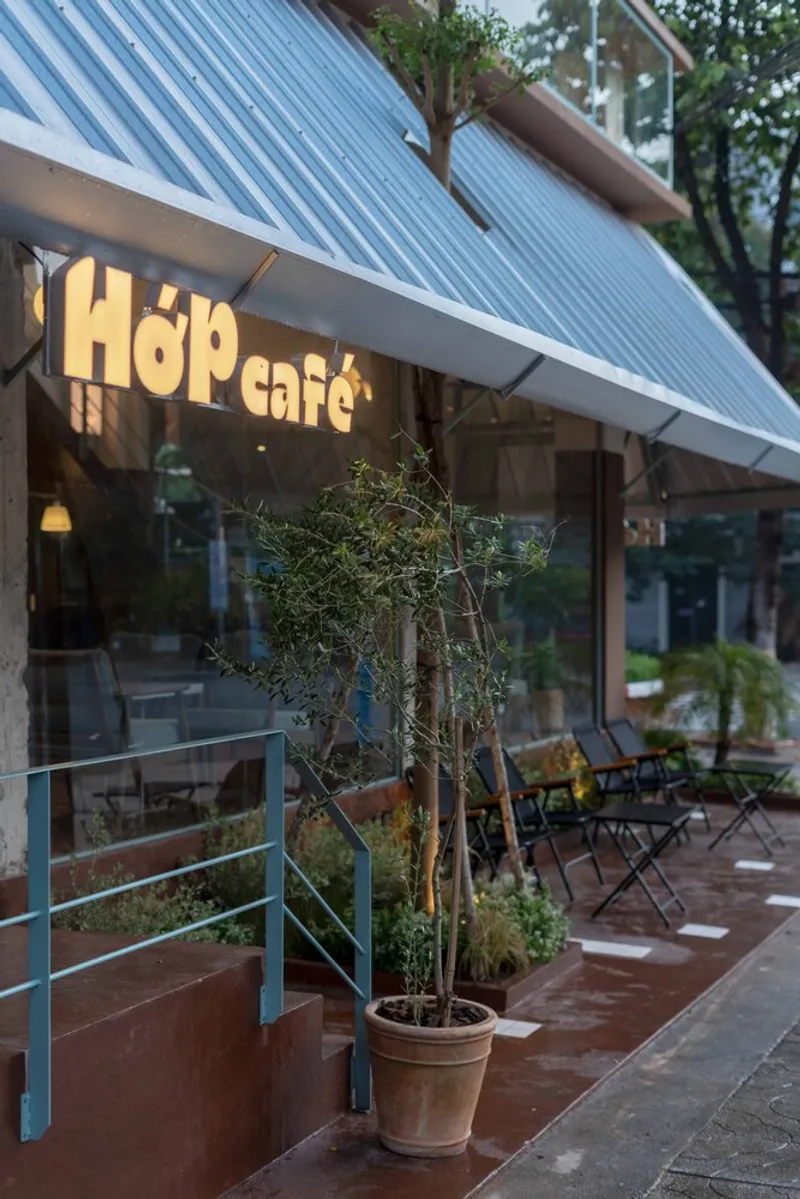
Rather than isolating itself from the city, HỚP Cafe offers a pause within it. One step inside initiates a subtle shift in pace and perception. The rush of city life is traded for a slower rhythm—a space designed for quiet interaction, for truly seeing one another. This design approach challenges the prevailing notion of the café as a transactional space. Here, architecture facilitates emotional resonance, offering a setting where visitors can linger, reflect, and reconnect.
Material Layers as Emotional Language
The design communicates through material layers. The outer envelope—concrete and metal—is stoic and unyielding, representing the public face of the urban individual. In contrast, the interior—wood, plants, warm lighting—speaks to intimacy, care, and the human need for sanctuary. The result is not a disjointed duality, but a complete narrative that unfolds gradually as one moves through the space.
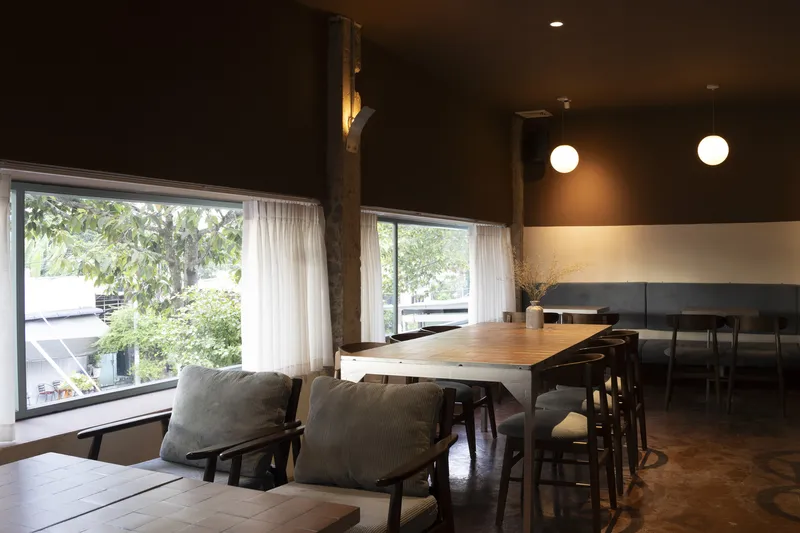
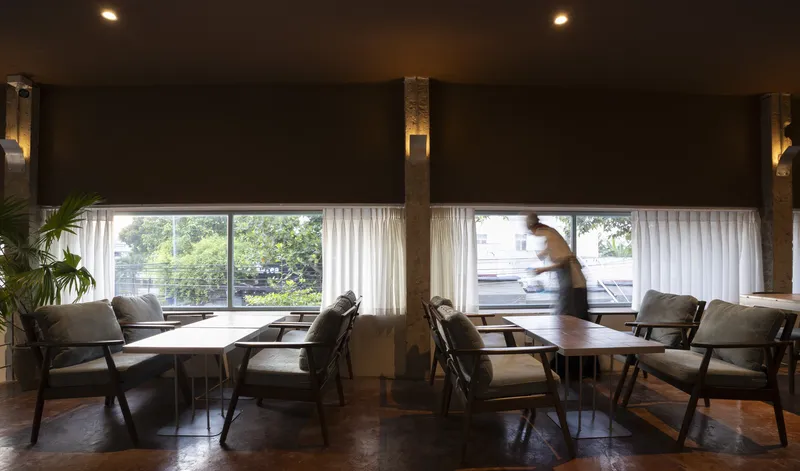
The experience of HỚP Cafe aligns with the belief that architecture is not just physical, but emotional. It does not demand attention but earns it. It does not separate from its surroundings but offers an alternative mode of being within them.
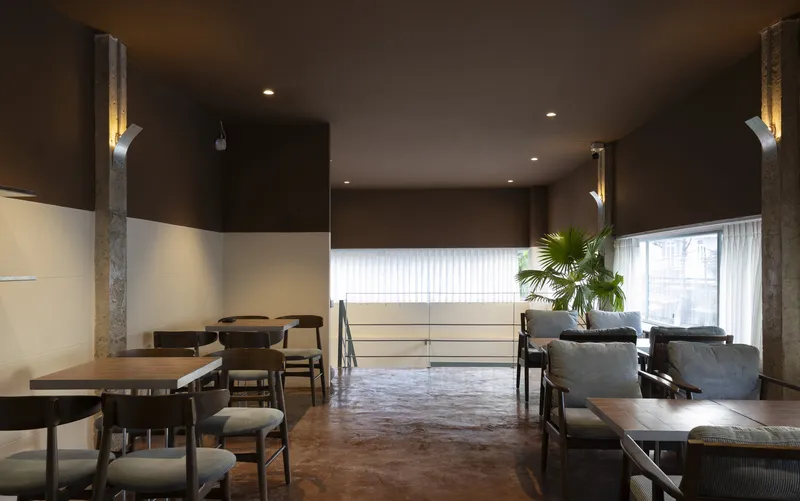
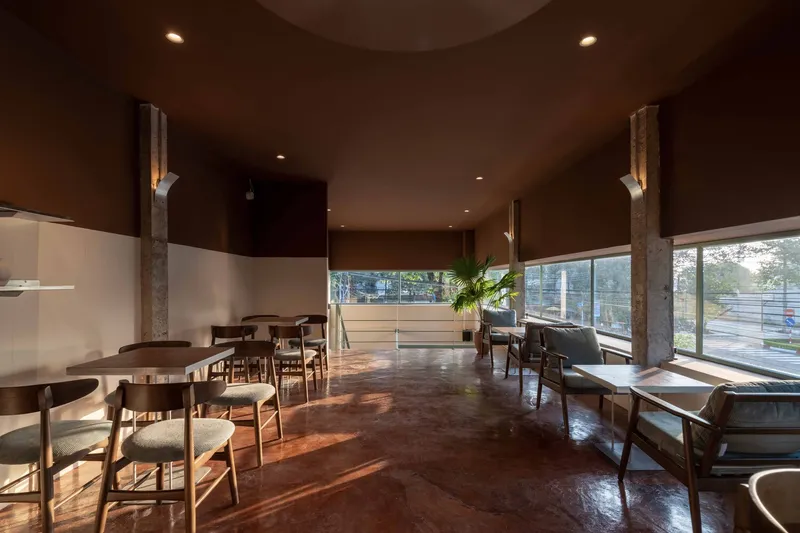
A Model for Urban Renewal in Vietnam
HỚP Cafe is more than a café; it is a model for architectural renewal in Vietnamese cities. In a rapidly modernizing context, where speed and efficiency often eclipse intimacy and meaning, this project suggests a different way forward. By reusing existing urban fabric and inserting emotional depth, HÔM ARCHITECTS create architecture that encourages pause, reflection, and connection.
As Vietnam’s cities continue to evolve, projects like HỚP Cafe highlight the potential of small-scale architectural interventions to redefine urban living—not through spectacle, but through sensitivity.
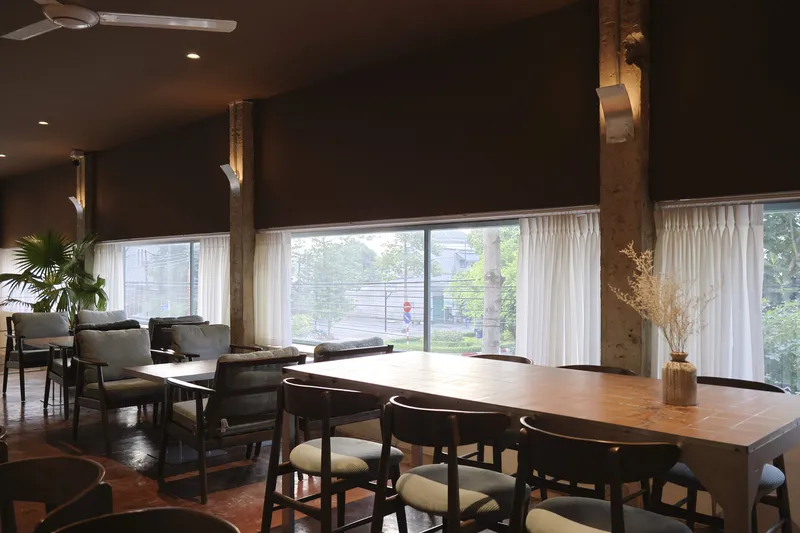
All Photographs are works of Anh Chuong



Popular Articles
Popular articles from the community


Riyadh For All: Intergenerational Urban Design for Active Aging in Rabat
Riyadh For All reimagines urban design in Rabat with intergenerational co-living, adaptive courtyards, and Moroccan cultural exchange today.

The Ocean Hive: Sustainable Architecture for a Self-Sufficient Civilization at Sea
The Ocean Hive imagines sustainable architecture at sea, where modular habitats, algae, wave power and ocean waste sustain a growing colony.

The Musturak Paradise: Senior Living Architecture for a Connected Future in Temara, Morocco
The Musturak Paradise reimagines senior living architecture in Temara via private homes, social spaces, culture, community, and shared care.

Co-life: Sustainable Architecture for Age-Friendly Community Living
Co-life reimagines sustainable architecture for seniors through courtyards, rammed earth, shared gardens, and spaces designed for belonging.

Similar Reads
You might also enjoy these articles

FAMM Arquitectura Organizes Ten Villas Around Courtyards and Jungle in Nosara, Costa Rica
El Molino pairs two elongated volumes with deep overhangs and timber louvers to build a compact coastal community five minutes from the beach.
Oscar Niemeyer's Ibirapuera Park Pavilions Define São Paulo's Cultural Identity in Concrete and Curve
A constellation of modernist volumes set within São Paulo's most important urban park, conceived for the city's 400th anniversary in 1954.
How Henri Picq's 1889 Paris Pavilion Traveled 11,000 Kilometers to Become Santiago's Artequín Museum
A prefabricated iron and glass pavilion built for the Paris Universal Exposition found a second life as a children's art museum in Chile.
Sanjay Puri Architects Wraps a Jaipur Office Tower in Capsule-Shaped Green Buffers
A nine-level climate-responsive workplace near Jaipur Airport uses stacked planter terraces and aluminium screens to fight 40°C heat.


Explore Architecture Competitions
Discover active competitions in this discipline



Challenge to reimagine the Iron Throne


Photograph architecture without architects


Illustrate the lost glory of Angkor Wat - Render Challenge


Design challenge to reuse E-waste
Comments (0)
Please login or sign up to add comments
No comments yet. Be the first to comment!