
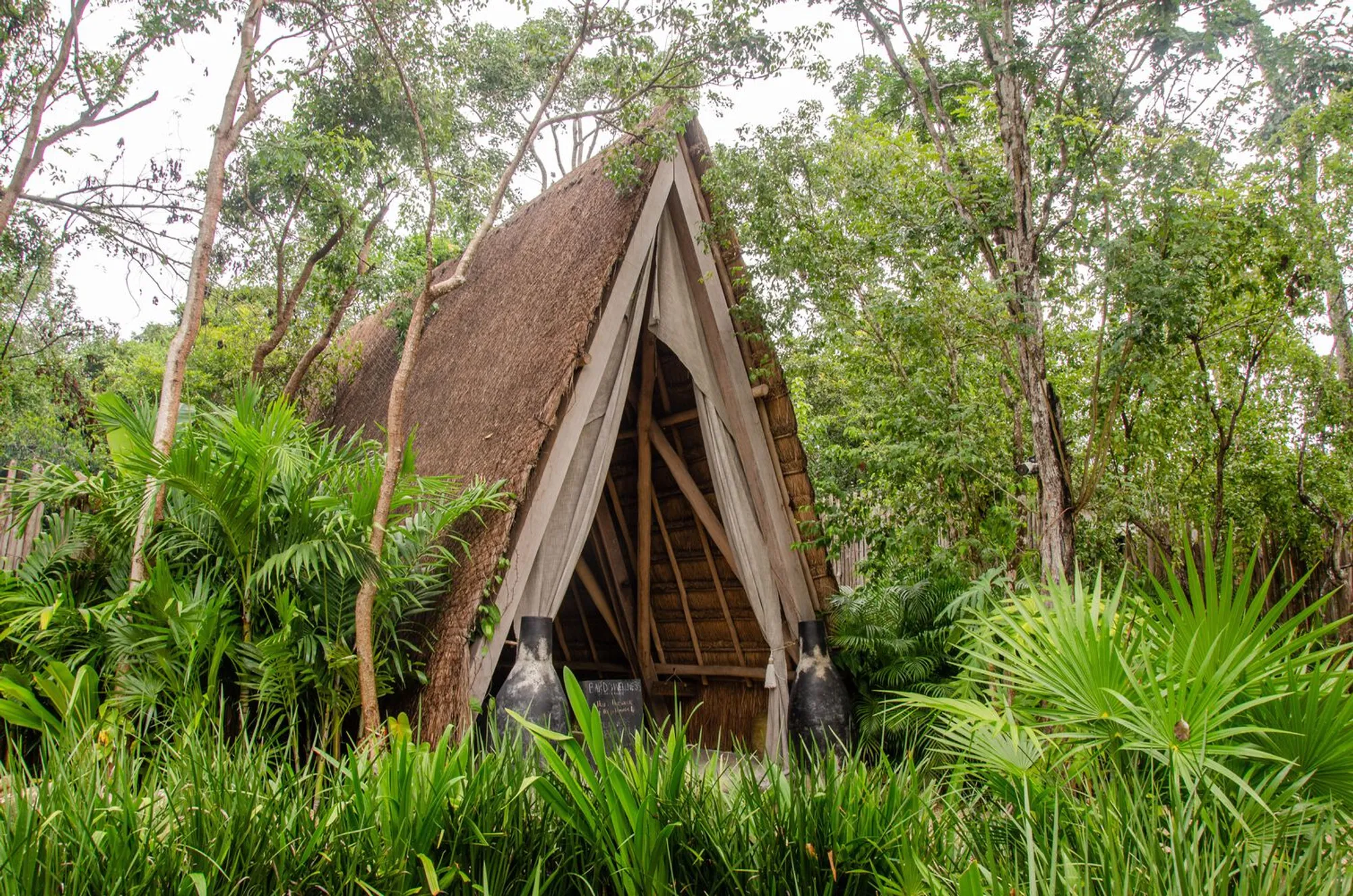
Hotel Bardo by Taller de Arquitectura Viva: A Sanctuary of Conscious Design in the Mayan Jungle
Hotel Bardo blends contemporary Mexican design with spiritual calm, offering eco-luxury villas nestled in Tulum’s serene Mayan jungle.


Nestled deep within the lush, untamed landscapes of Tulum, Mexico, Hotel Bardo by Taller de Arquitectura Viva redefines the concept of luxury hospitality through introspective design, spiritual depth, and ecological harmony. Designed by architect José Edeza, the boutique hotel offers a deeply transformative experience rooted in Mexican tradition and contemporary architectural sensibility.
A Space for Stillness, Transformation, and Awakening
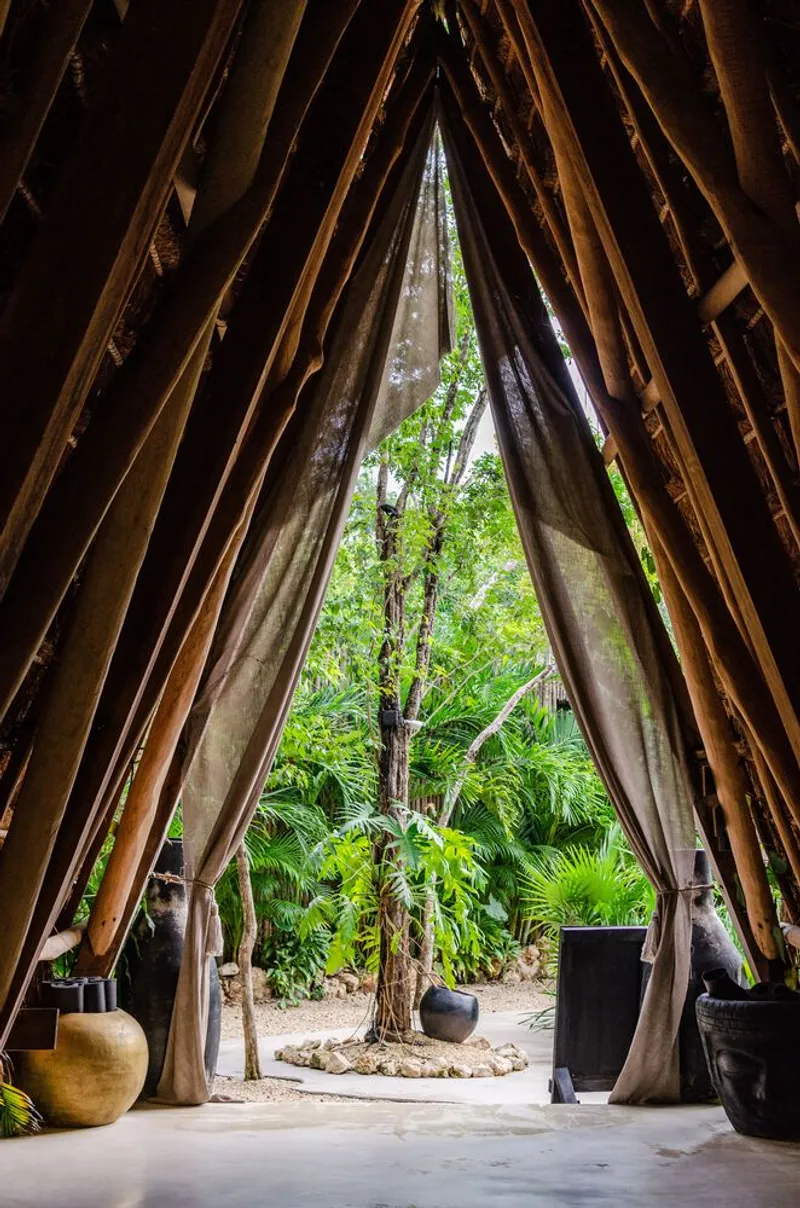
Hotel Bardo is more than a retreat—it's a spatial manifestation of the human journey through transition and reflection. Drawing inspiration from the Buddhist concept of “bardo”—a liminal state of existence between death and rebirth—the hotel creates an architectural and emotional threshold where guests disconnect from the external world to reconnect with their inner selves.
Every element of the design supports this journey. Set amid the dense Mayan jungle, the hotel presents itself as a natural refuge for the curious traveler, blending earthy materiality with minimalist elegance.
Immersive Architecture in Harmony with Nature
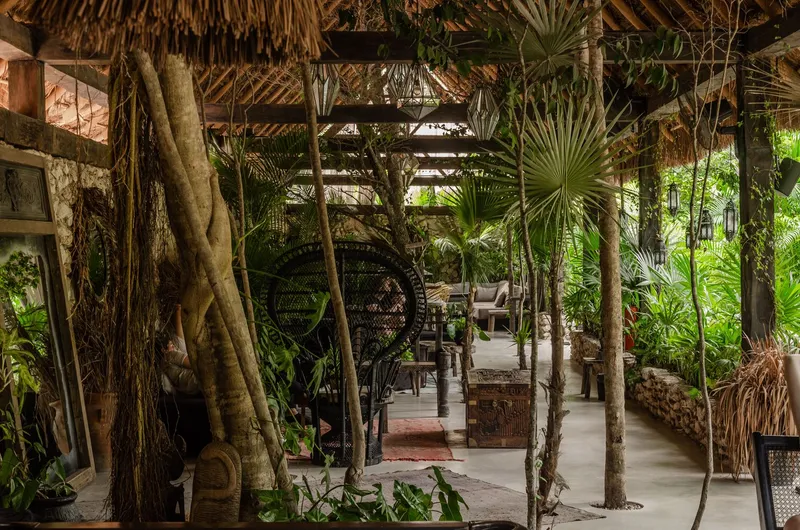
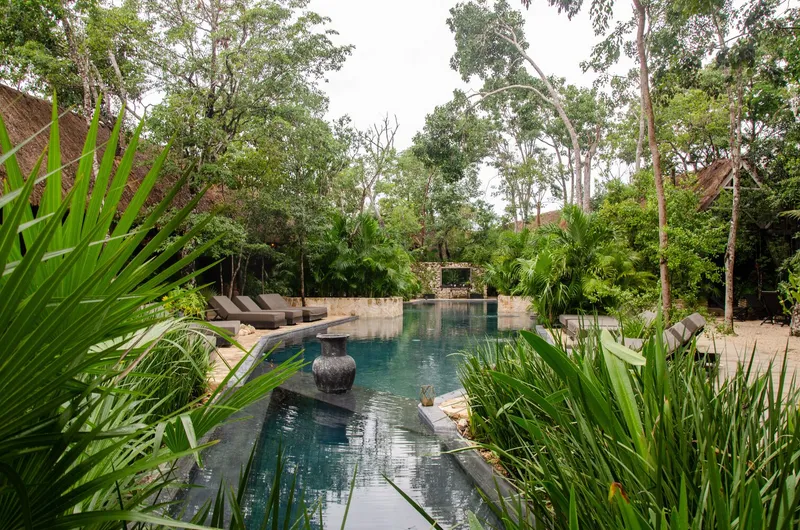
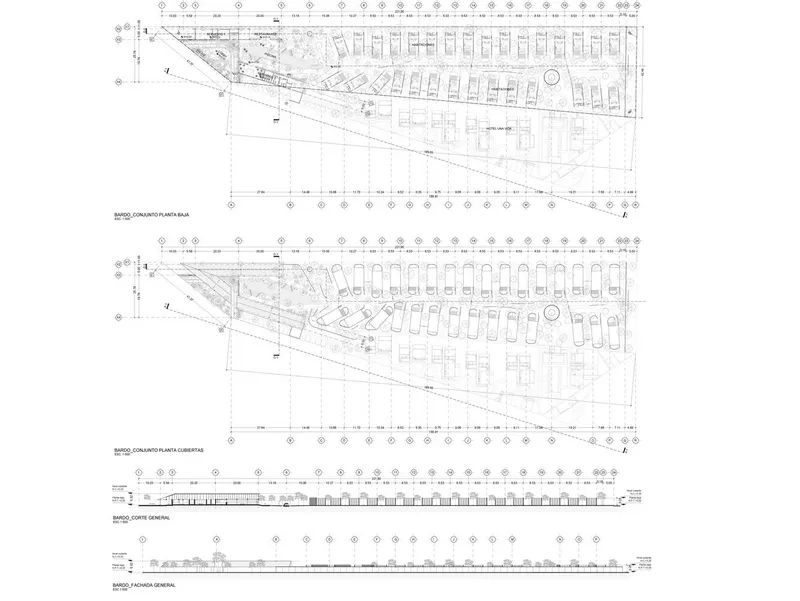
Spanning a total area of 2060 square meters, the architectural program comprises 29 individual villas, each designed as an open loft-style volume with seamless indoor-outdoor connections. These 60m² villas include a private pool, semi-open shower, living area, bedroom, and garden, fostering intimate interaction with nature while maintaining comfort and privacy.
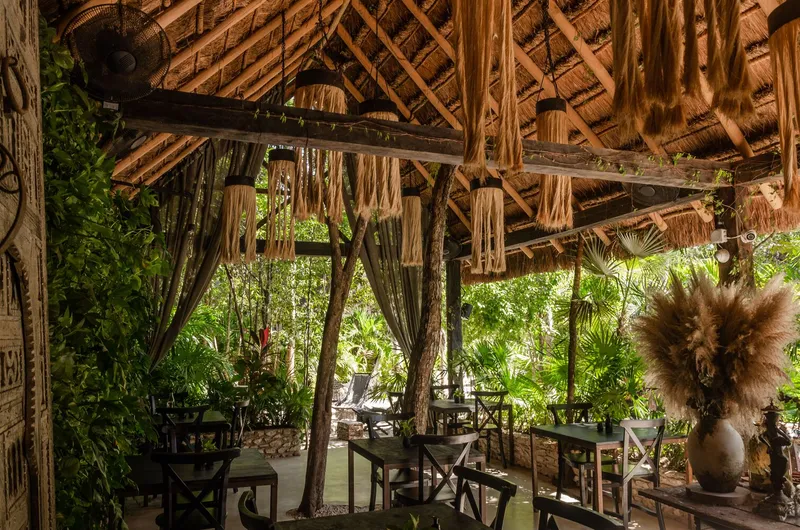
The common amenities—including a central pool, holistic spa, temazcal (traditional sweat lodge), restaurant, bar, lounge areas, game zones, and reception—are thoughtfully distributed and unified by landscape pathways, creating organic transitions between private retreat and communal engagement.
Material Simplicity, Cultural Depth
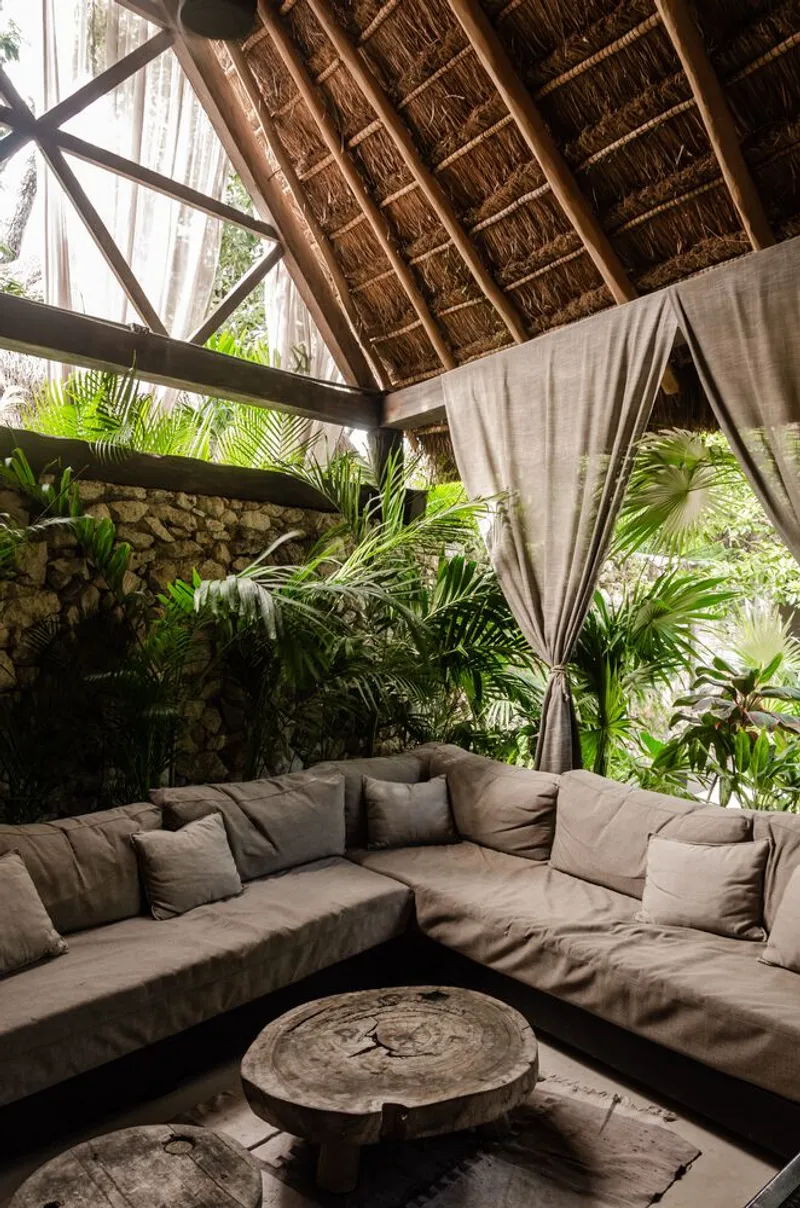
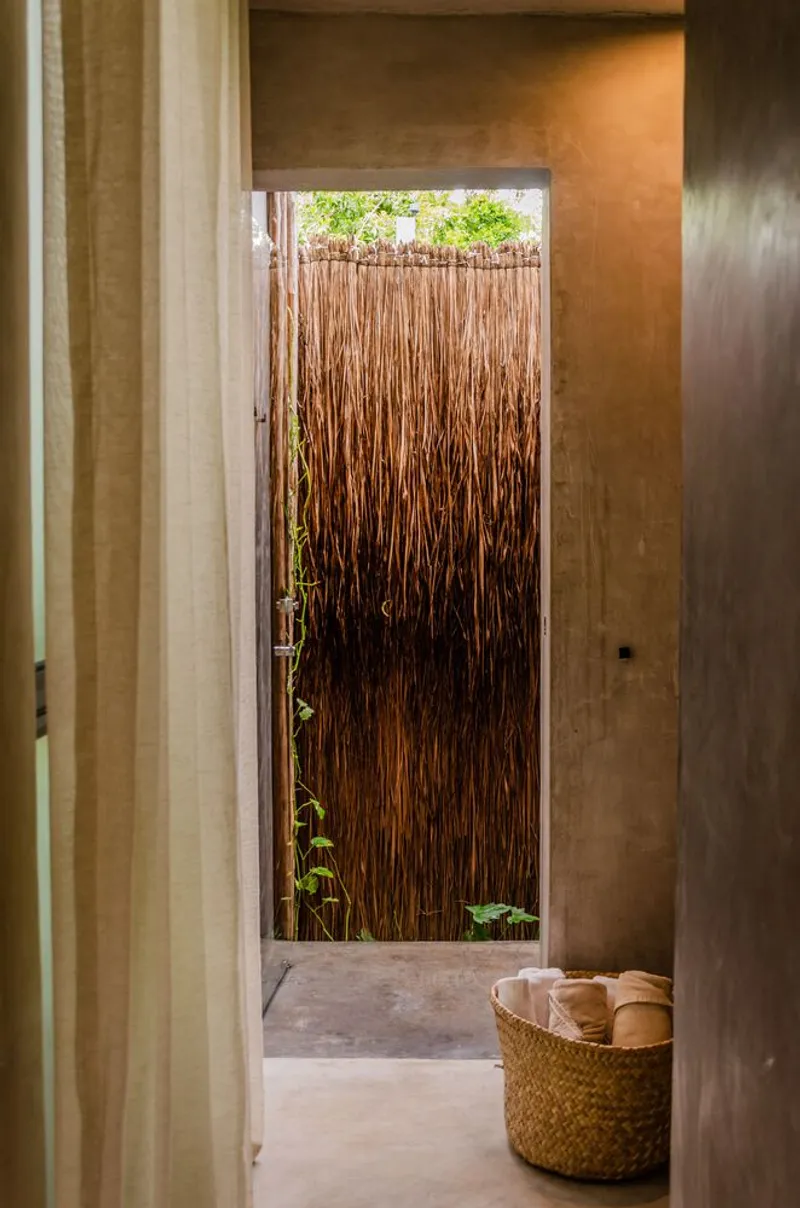
Hotel Bardo’s architecture reflects contemporary Mexican vernacular, constructed using locally sourced, low-impact materials such as chukum, polished concrete, and tropical hardwoods. These materials were chosen not only for their durability and aesthetics but also for their ability to weather gracefully with the humid jungle environment, allowing the architecture to age alongside its surroundings.
The design prioritizes sensory experience over decorative excess. Openings frame the natural world, while beams and textures echo indigenous construction methods. This strategy anchors the project deeply within its geographical and cultural context.
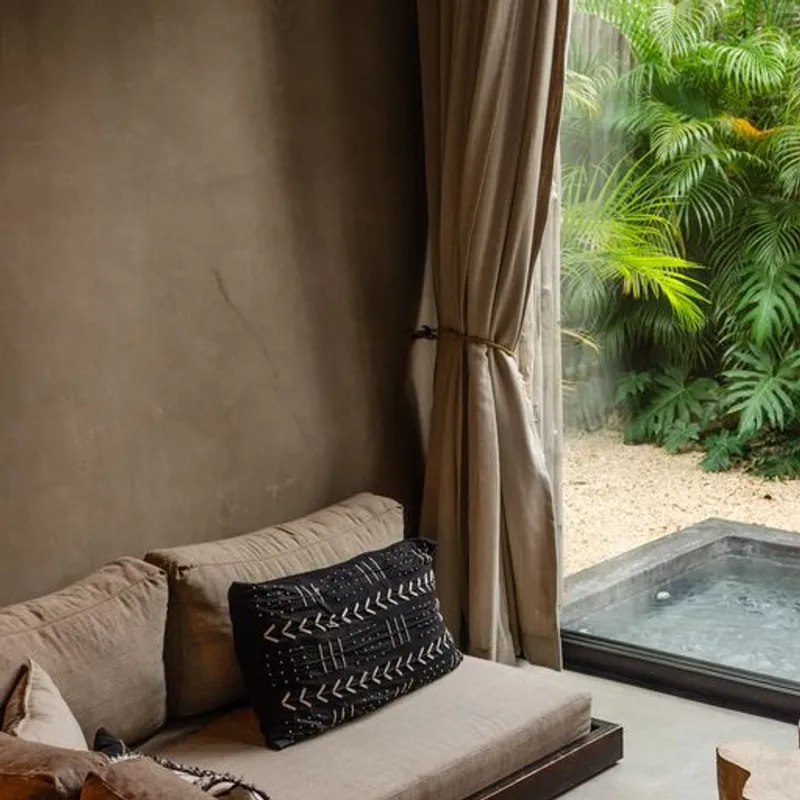
Interior Design as Spiritual Metaphor
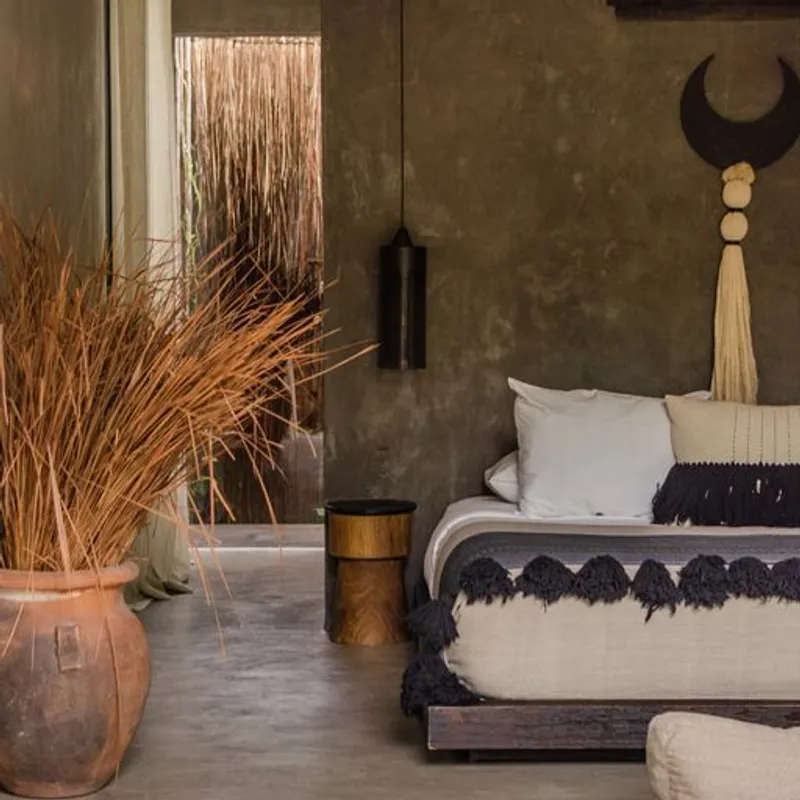
The interior concept extends the theme of spiritual transition, subtly echoing the Buddhist origins of the name “Bardo.” Interior spaces are minimalist yet ritualistic, combining handcrafted furniture, earthy tones, and Mexican artisanal elements to create a meditative atmosphere.
This refined material palette and atmospheric lighting invite guests to slow down and inhabit the moment, aligning with the broader architectural goal of offering pure, unstructured experiences in an otherwise overstimulated world.
A Model for Conscious Tourism
Hotel Bardo exemplifies a shift in luxury hospitality—from indulgence to intentionality. Through sustainable design practices, respect for local culture, and deep philosophical inspiration, Taller de Arquitectura Viva has created a place of stillness and growth. It's a hotel designed not just to be seen or stayed in, but to be felt and remembered.
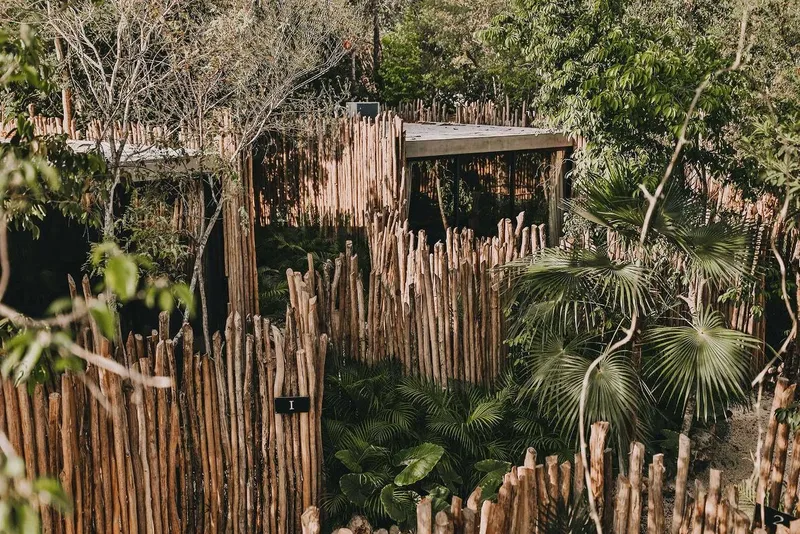
All Photographs are works of Leandro Bulzzano



Popular Articles
Popular articles from the community


Co-Life: Senior Housing Design That Reconnects Older Adults With the City
Co-Life reimagines senior housing design through healing gardens, shared streets, workshops, and a sustainable community across generations.

Hill & Cross Opera: Sculptural Opera House Architecture Shaped by Tallinn’s Landscape and Identity
Hill & Cross Opera reimagines opera house architecture in Tallinn through its sculptural hill, civic plaza, glass wave and a luminous cross.

Play: Fragments of Their World
Familiar architecture becomes modular playground design, creating safe spaces where displaced children can learn, connect, imagine and play.

Lunar Spiral: Space Architecture Shaped by the Mathematics of the Universe
Lunar Spiral reimagines space architecture through Fibonacci geometry, lunar regolith, levitating habitats, and self-sustaining Moon living.


Similar Reads
You might also enjoy these articles


Hodi-Mandai Geram
Project Function: Preservation and revitalization of the Intangible heritage and socio-spatial identity of the Hodi by Housing, Cultural Memory Center, Sacred Grove, landscape, local tourism economy


Olio Towers: A Mid-Rise for Performers That Fuses Housing, Rehearsal, and Stage
Located blocks from Houston's Theater District, this modular tower stacks living units around a central performance atrium.

Oasis: Modular Green Housing Carved into Dhaka's Urban Fabric
A shortlisted Plugin Housing entry reclaims unauthorized settlements in Dhaka with stepped concrete volumes, green roofs, and ventilation-driven design.

Black Hole: A Floating Megastructure for the Post-Physical Era
Emiliano Mazzarotto envisions a spherical, self-scaling arena where e-sports, digital hotels, and holographic stadiums replace traditional public space.


Explore Hospitality Building Competitions
Discover active competitions in this discipline



Challenge to reimagine the Iron Throne


Photograph architecture without architects


Illustrate the lost glory of Angkor Wat - Render Challenge


Design challenge to reuse E-waste
Comments (0)
Please login or sign up to add comments
No comments yet. Be the first to comment!