

Hotel Casa Zamná Tulum: A Boutique Beachfront Sanctuary by Studio Arquitectos
Casa Zamná blends sustainable design, local materials, and serene luxury, creating a nature-immersed boutique hotel experience overlooking Tulum’s Caribbean coastline.


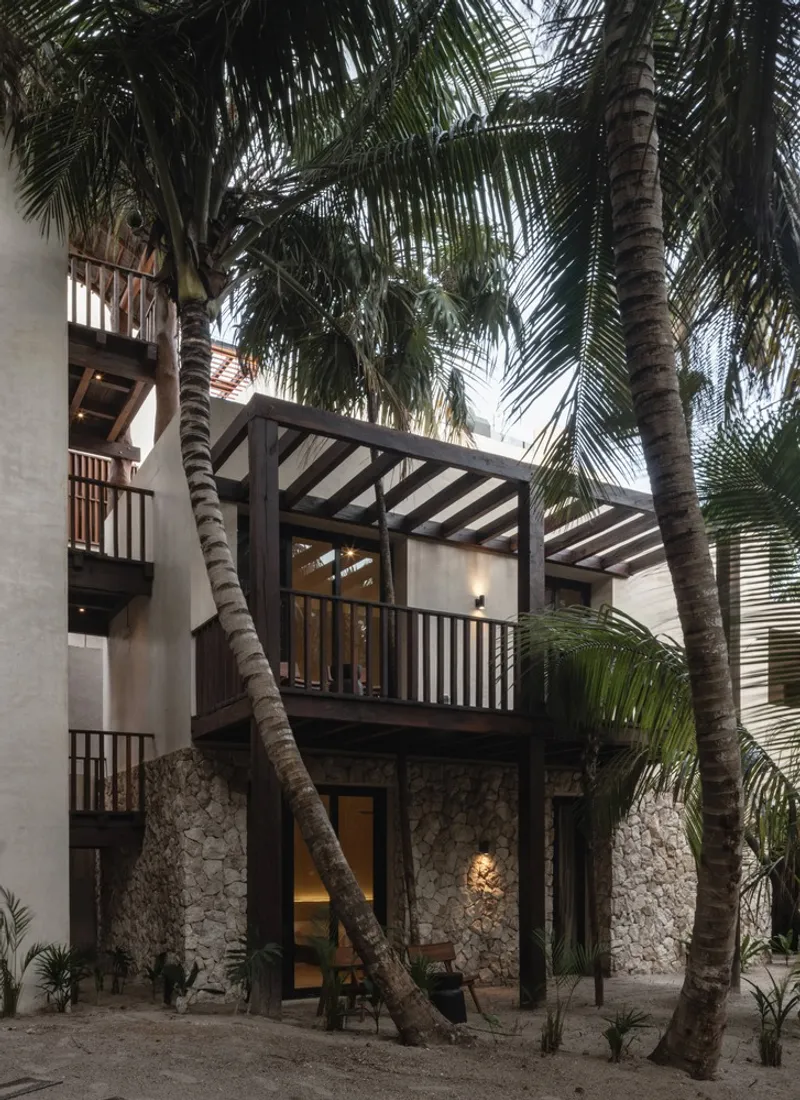
Located along the pristine coastline of Tulum, Hotel Casa Zamná is a contemporary boutique retreat that merges Mexican cultural heritage with sustainable, nature-driven architecture. Designed by Studio Arquitectos, the 3,647 m² hotel sits on a lush 5,160 m² beachfront plot overlooking the turquoise waters of the Caribbean Sea. The project celebrates local craftsmanship, natural materials, and the region’s timeless aesthetics, creating an immersive guest experience deeply rooted in Tulum’s identity.
A Design Vision Rooted in Nature and Tradition
Casa Zamná is conceived as an architectural dialogue between tradition and modernity. Studio Arquitectos emphasizes natural textures, regional materials, and soft forms that echo the surrounding landscapes. The hotel’s spatial layout fosters calmness, privacy, and sensory connection, offering guests the signature barefoot luxury for which Tulum is known.
From the start, the design team committed to preserving existing structures, minimizing new construction, and respecting the fragile coastal ecosystem. This approach ensures that Casa Zamná not only enhances the beachfront environment but also aligns with sustainable tourism principles.
Phase One: A Private Villa Crafted Around Existing Foundations
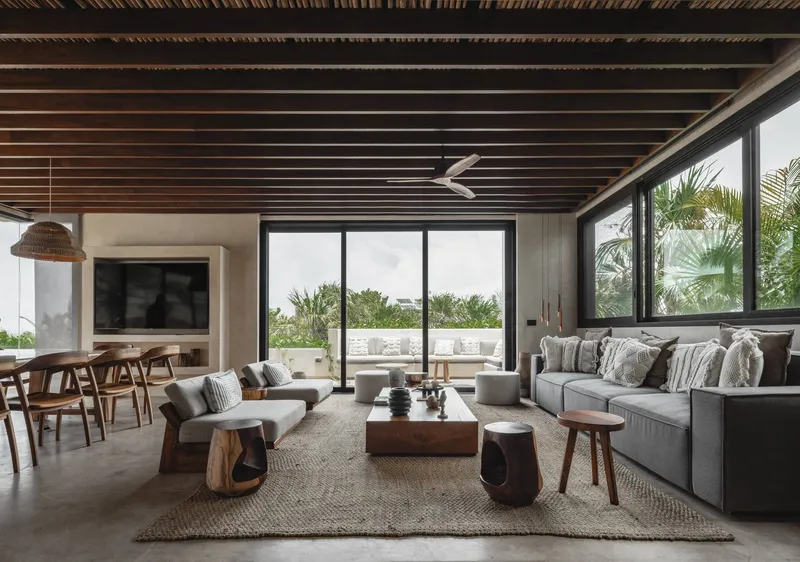
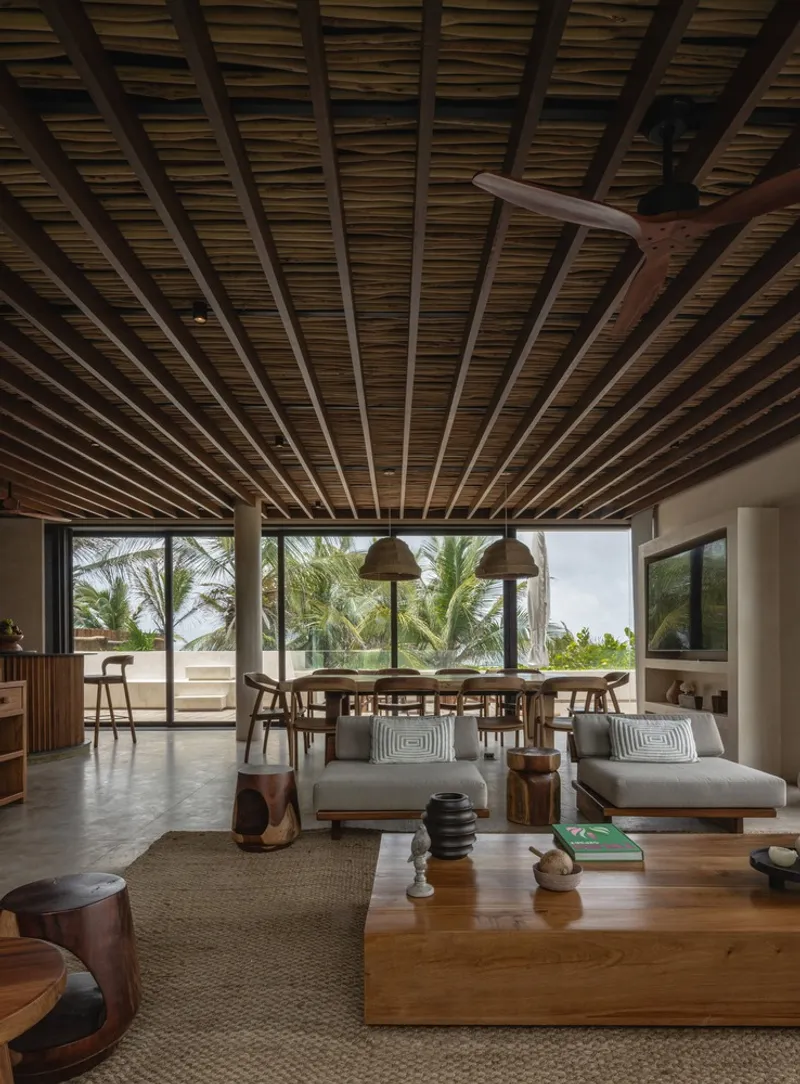
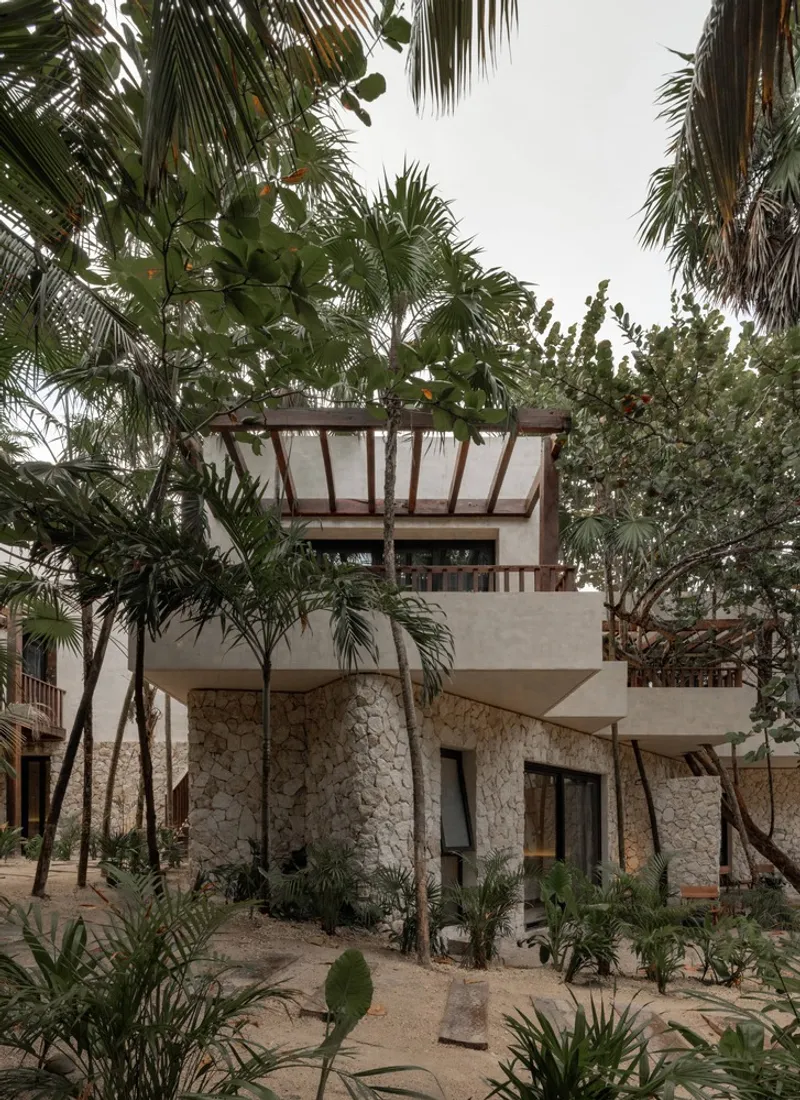
The first phase of the project transformed the footprint of an old hotel into an exclusive private villa. This intimate refuge features five serene guest rooms, each surrounded by lush vegetation. Generous openings allow natural light, greenery, and ocean breezes to permeate the interiors.
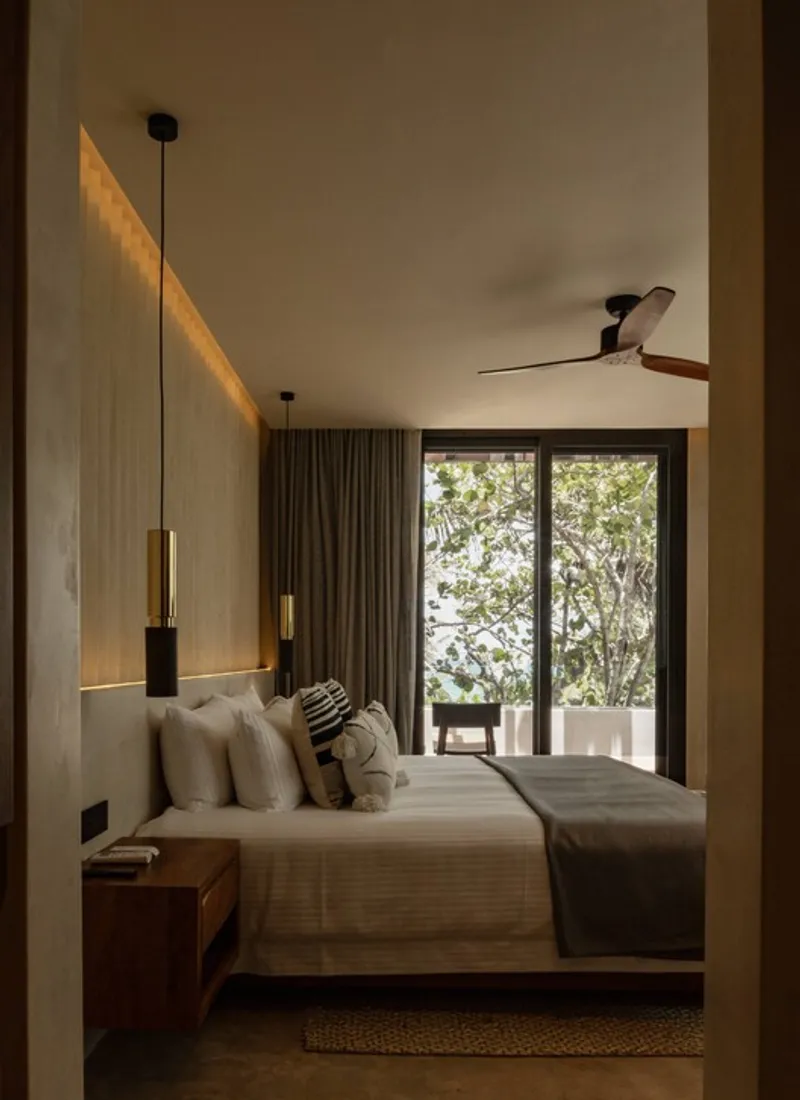
Rooms are designed to offer maximum privacy and comfort, integrating artisanal finishes, locally sourced materials, and warm textures that reflect the atmosphere of the Yucatán Peninsula. The villa becomes a retreat within a retreat—ideal for travelers seeking calm, rejuvenation, and sheltered luxury.

Phase Two: A Four-Level Beachfront Structure Embracing Panoramic Views
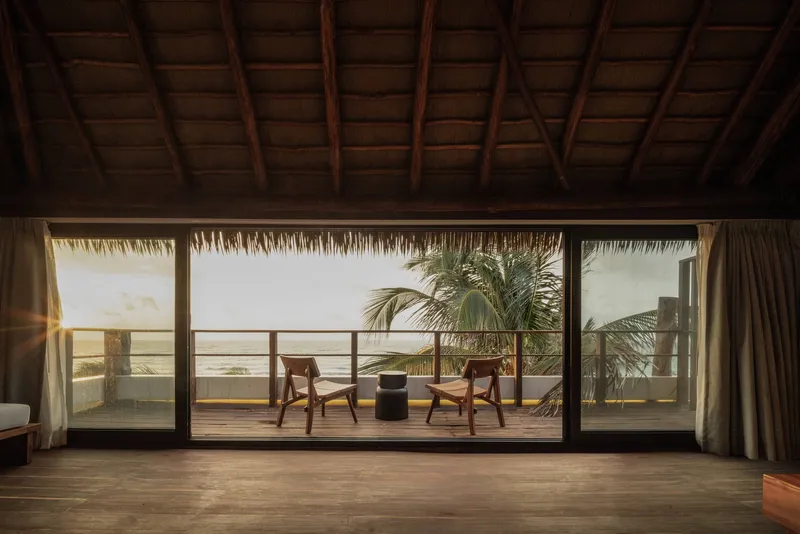
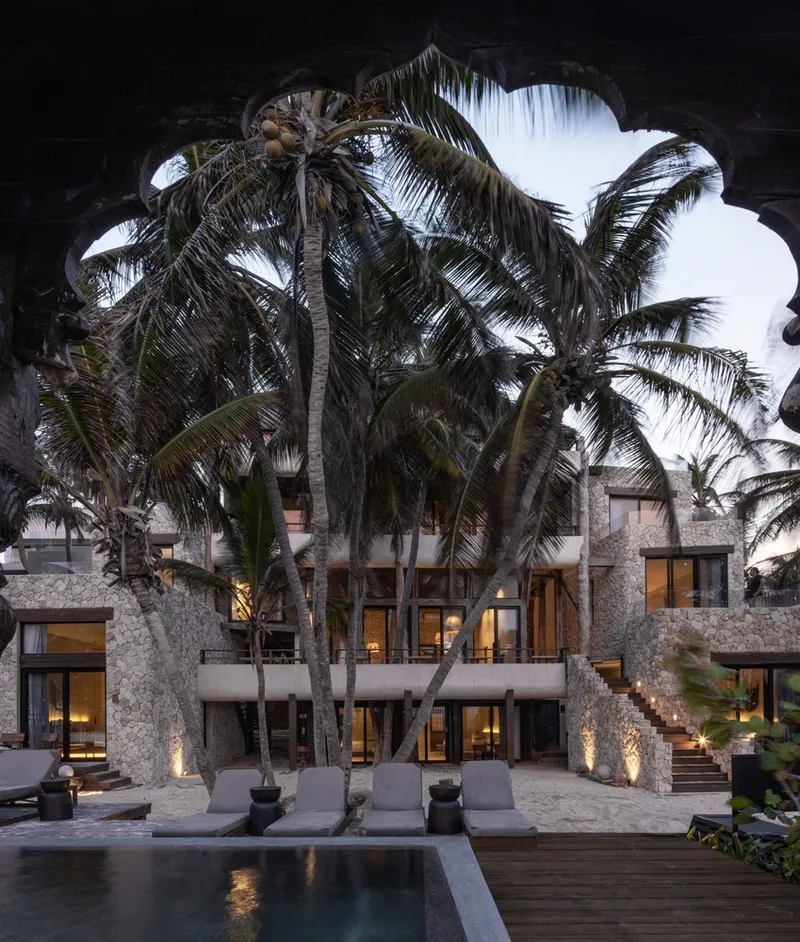
The second phase revitalizes a distinctive four-story wooden structure, expanding the hotel to a total of 26 guestrooms. The architectural intent focuses on capturing sweeping views of the Caribbean Sea. Floor-to-ceiling windows, expansive terraces, and open layouts blur the boundary between interior spaces and the natural environment.
Each room is curated under a concept of “discreet luxury”—elegant, intimate, and rooted in simplicity. Natural ventilation, soft lighting, and immersive views allow guests to feel continuously connected with the beach and its rhythms. The design reinforces Tulum’s ethos of minimalistic, nature-led living.
A Beach Club at the Heart of Social Life
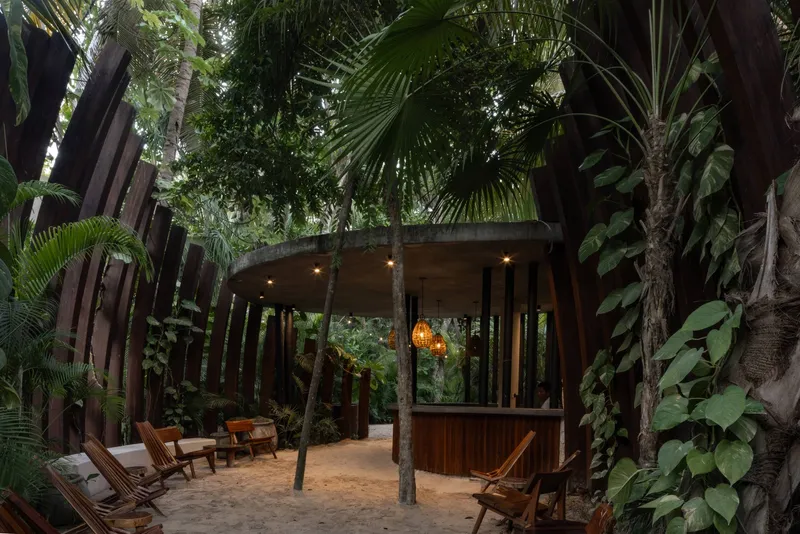
Serving as the project’s central gathering space, the beach club extends the hotel’s atmosphere of refined relaxation. Overlooking the horizon, it features:
- Two pools visually blending with the Caribbean Sea
- A beachfront cocktail bar
- Restaurants offering regional flavors
- A spa dedicated to wellness rituals
- Carefully placed amenities designed for intuitive guest flow
This social hub becomes an essential part of the guest experience—connecting travelers, culture, and the natural beauty of Tulum.
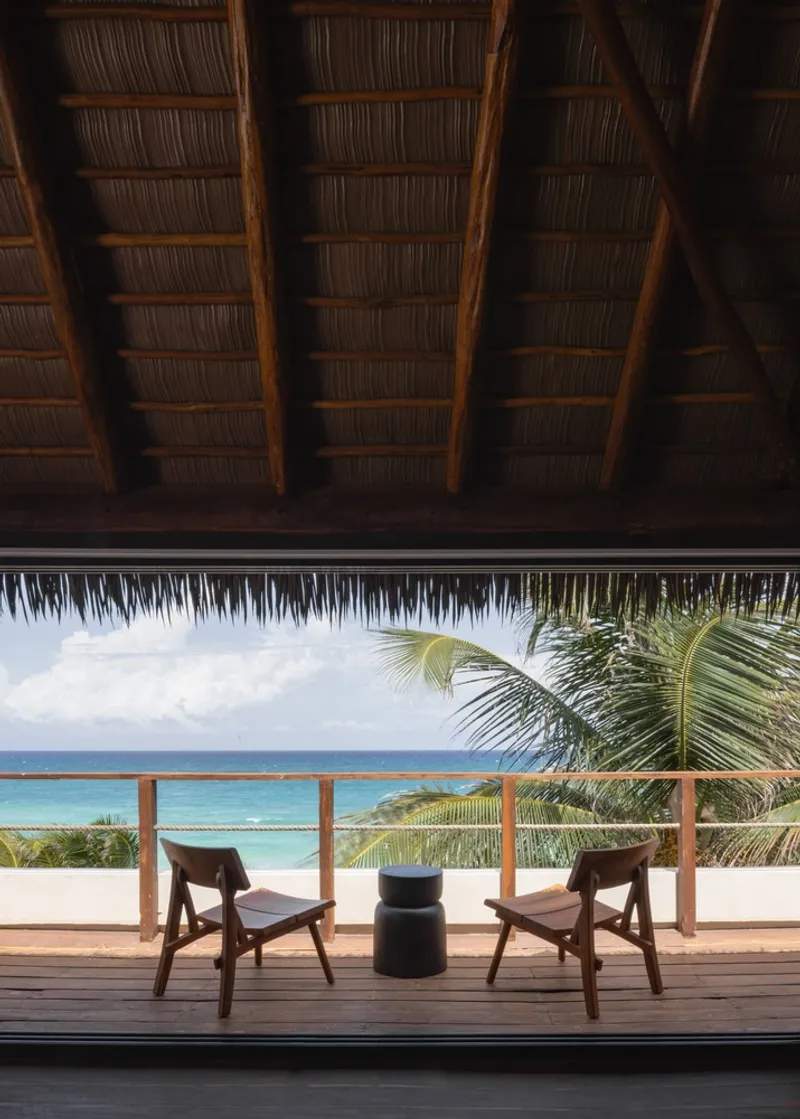
Materiality: A Tribute to Local Craftsmanship
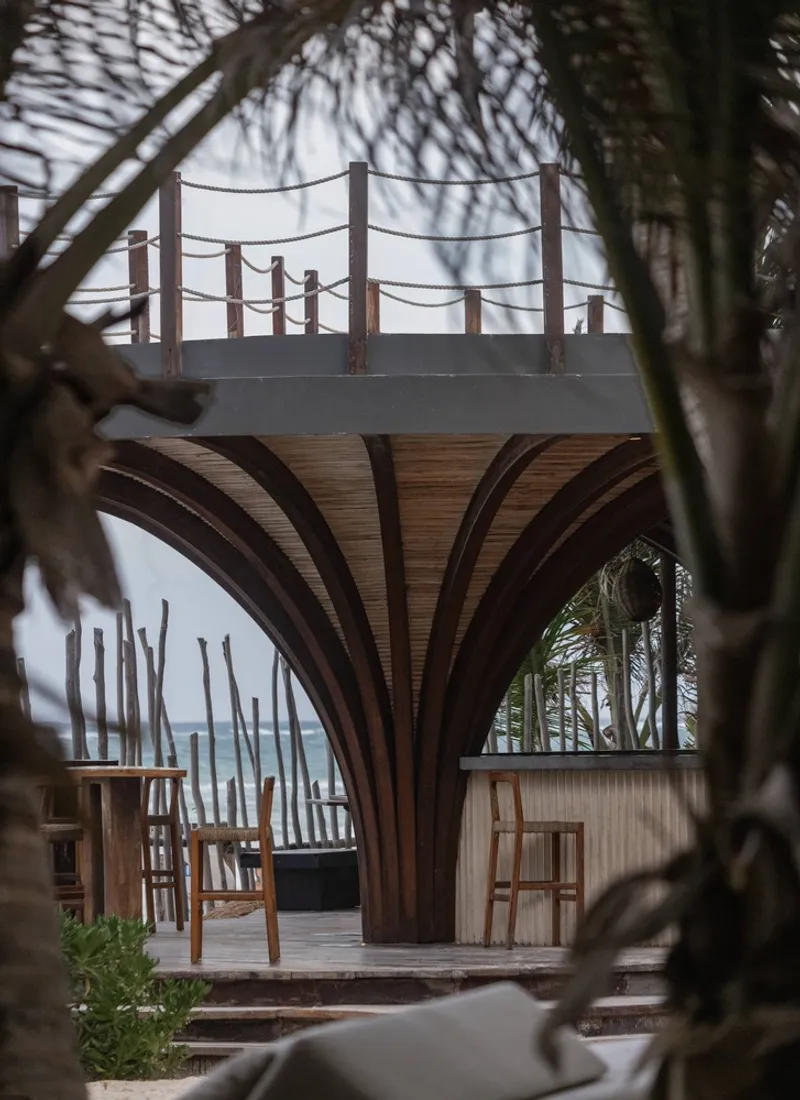
Material selection plays a defining role in the architectural narrative. Studio Arquitectos integrates:
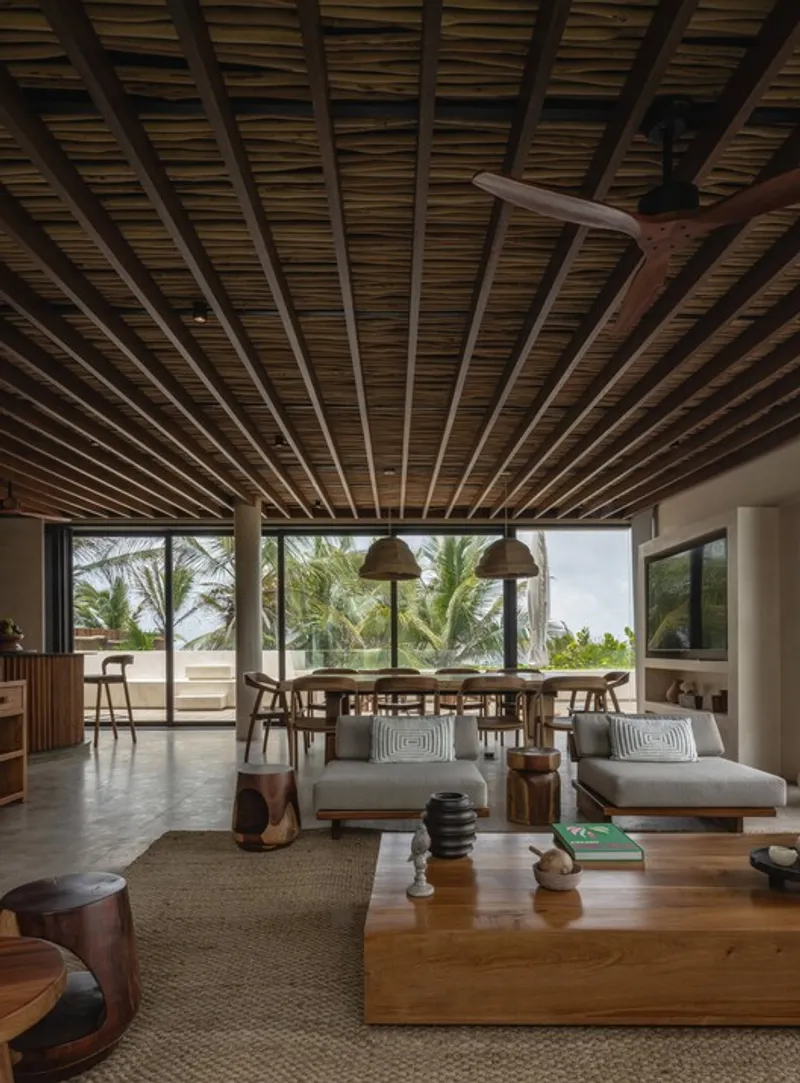
- Local woods that age gracefully in tropical climates
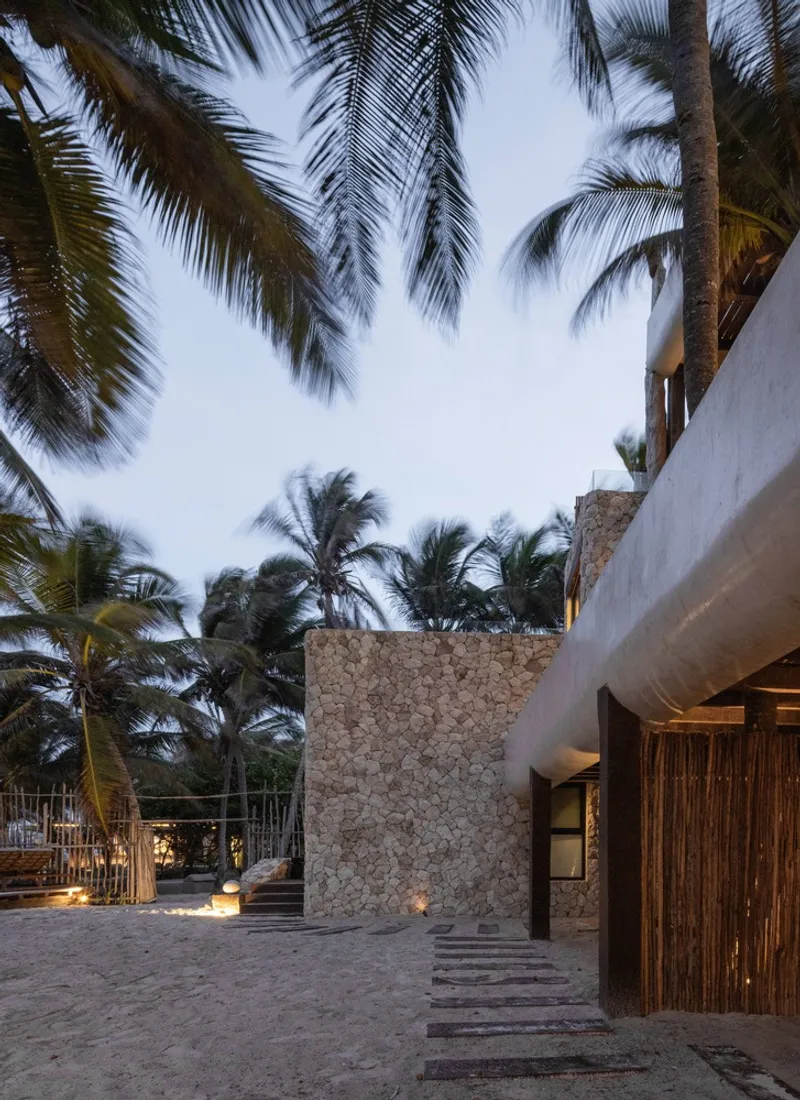
- Stone elements that anchor spaces with organic solidity
- Chukum, the ancestral Maya finish known for its texture, durability, and natural tones
These materials harmonize with Tulum’s environment, offering a warm, tactile, and authentic atmosphere throughout the hotel. Interiors feel grounded and timeless, reinforcing a sense of belonging and connection to place.

A Model of Responsible, Low-Impact Luxury
Casa Zamná stands as a thoughtful example of sustainable coastal architecture. Instead of adding new volume, the design team revitalized existing structures to reduce environmental impact and preserve the natural landscape. Their approach elevates the project aesthetically and ethically—embracing contemporary comfort while honoring the ancestral roots of the region.





Popular Articles
Popular articles from the community


The Earth Pod: 3D Printed Homes for Resilient Refugee Communities
The Earth Pod reimagines refugee housing through 3D printed homes made from clay, combining resilience, self-sufficiency, and rapid shelter.

Hill & Cross Opera: Sculptural Opera House Architecture Shaped by Tallinn’s Landscape and Identity
Hill & Cross Opera reimagines opera house architecture in Tallinn through its sculptural hill, civic plaza, glass wave and a luminous cross.

Co-life: Sustainable Architecture for Age-Friendly Community Living
Co-life reimagines sustainable architecture for seniors through courtyards, rammed earth, shared gardens, and spaces designed for belonging.

EW PARK: Sustainable Architecture Reimagines the Future of Urban Parking
EW PARK reimagines city parking as a modular wooden tower combining automation, solar energy, electric mobility, and adaptable urban design.


Similar Reads
You might also enjoy these articles


Hodi-Mandai Geram
Project Function: Preservation and revitalization of the Intangible heritage and socio-spatial identity of the Hodi by Housing, Cultural Memory Center, Sacred Grove, landscape, local tourism economy


Olio Towers: A Mid-Rise for Performers That Fuses Housing, Rehearsal, and Stage
Located blocks from Houston's Theater District, this modular tower stacks living units around a central performance atrium.

Oasis: Modular Green Housing Carved into Dhaka's Urban Fabric
A shortlisted Plugin Housing entry reclaims unauthorized settlements in Dhaka with stepped concrete volumes, green roofs, and ventilation-driven design.

Black Hole: A Floating Megastructure for the Post-Physical Era
Emiliano Mazzarotto envisions a spherical, self-scaling arena where e-sports, digital hotels, and holographic stadiums replace traditional public space.


Explore Sustainable Design Competitions
Discover active competitions in this discipline



Challenge to reimagine the Iron Throne


Photograph architecture without architects


Illustrate the lost glory of Angkor Wat - Render Challenge


Design challenge to reuse E-waste
Comments (0)
Please login or sign up to add comments
No comments yet. Be the first to comment!