
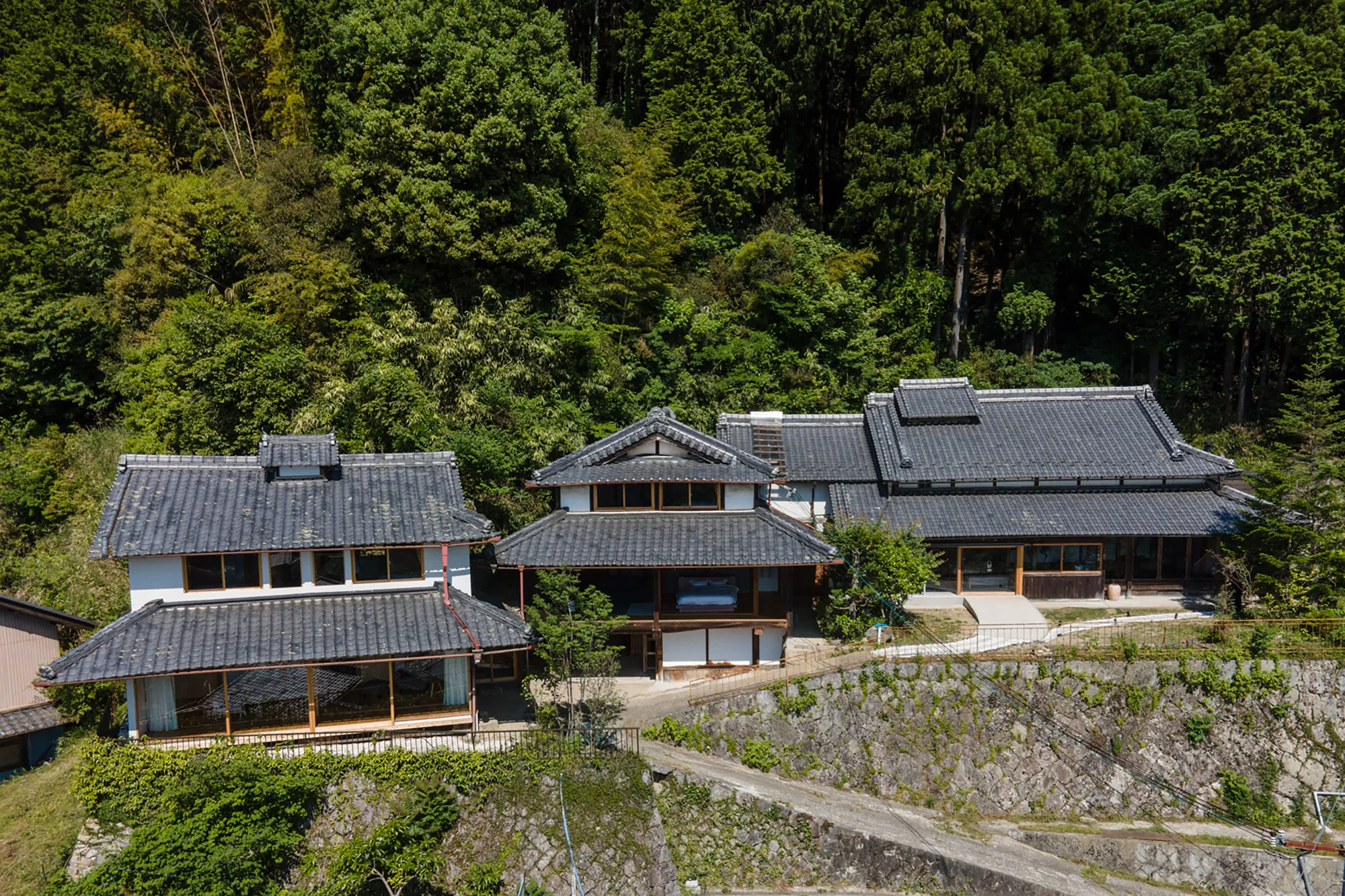
Hotel of Yamazoe by OHArchitecture
Hotel of Yamazoe by OHArchitecture blends tradition and nature, transforming a Kominka into a serene retreat embracing rural Japanese lifestyle.


A Serene Retreat in the Heart of Nature
Nestled in the tranquil landscape of Yamazoe Village in Nara Prefecture, Japan, the Hotel of Yamazoe by OHArchitecture redefines the meaning of hospitality in harmony with nature. Designed in 2019, this 339 m² project transforms a traditional Kominka (Japanese farmhouse) into a modern yet deeply rooted rural retreat. With architectural direction led by Tatsuya Horii, the hotel seamlessly blends Japanese tradition, contemporary design, and the natural environment.
Location & Concept
Yamazoe Village lies within the Okuyamato region of Nara, a remote area untouched by commercial development—there are no shops, no tourist landmarks, and no convenience stores. The simplicity of its surroundings inspired the project’s core philosophy: creating a place where guests reconnect with authentic rural life, natural rhythms, and community culture.
The project began when the client, a sushi maker from Nara Prefecture, purchased a Kominka with the vision of establishing a unique lodging business rooted in the area’s traditions. The goal was not just to build a hotel, but to curate an experience of slow living—one that encourages guests to rediscover the value of everyday life, from food cultivation to artisanal crafts.
Design Approach
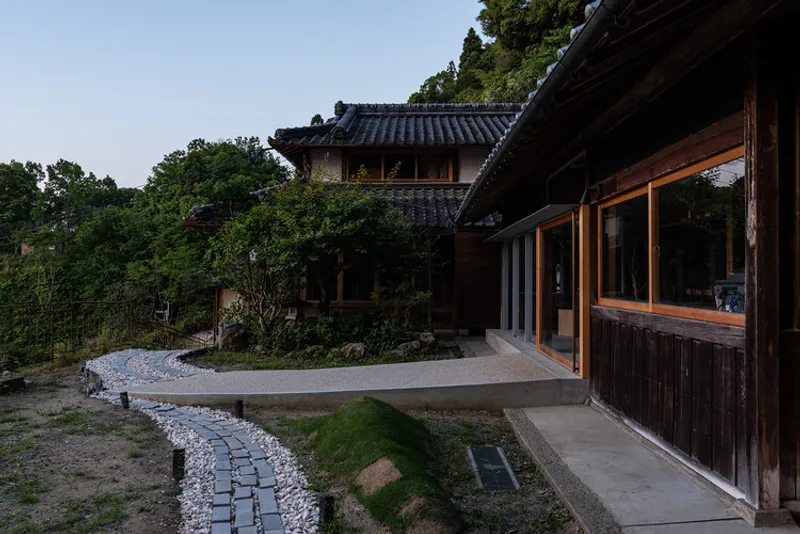
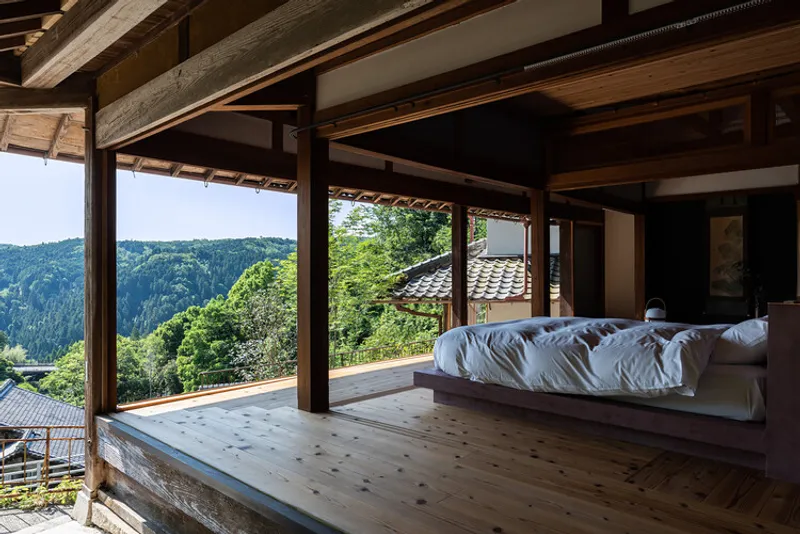
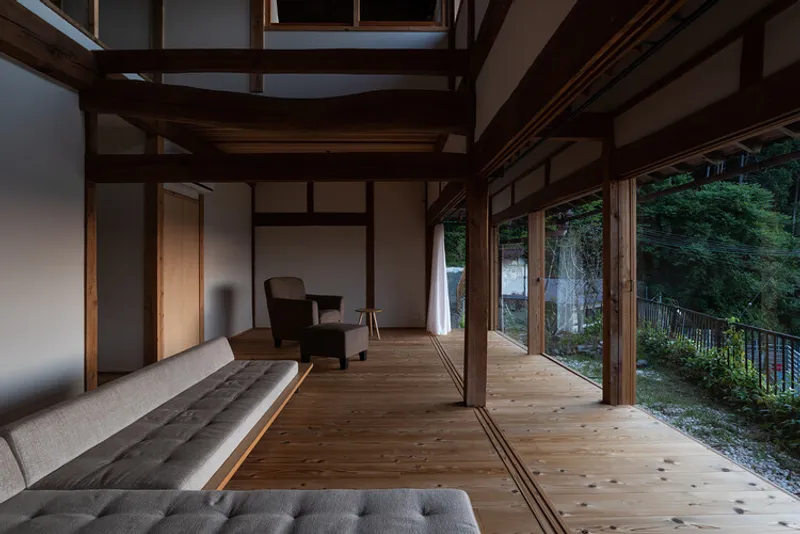
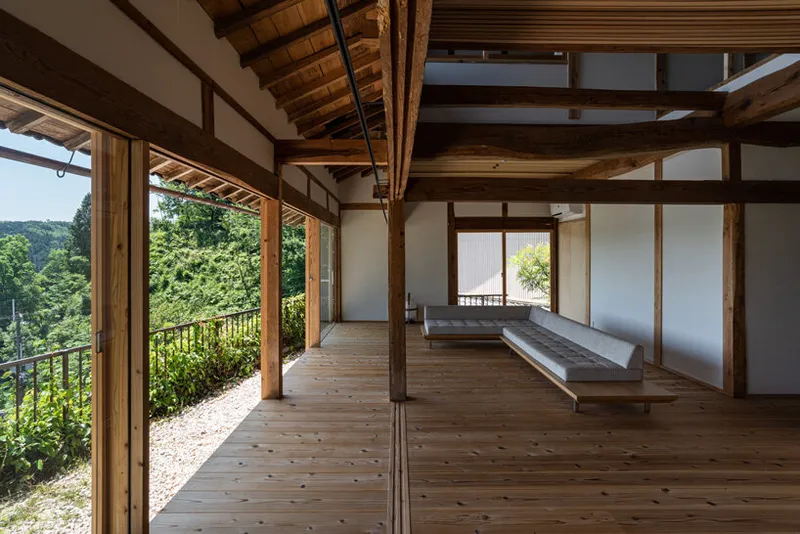
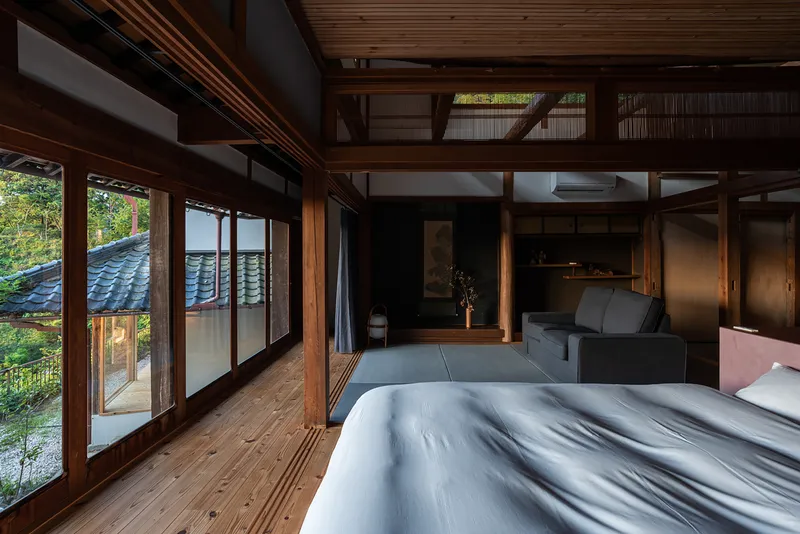
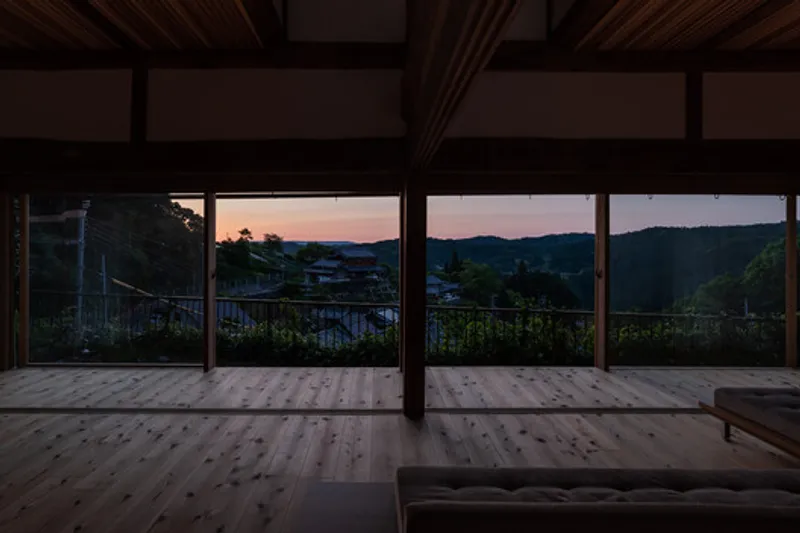
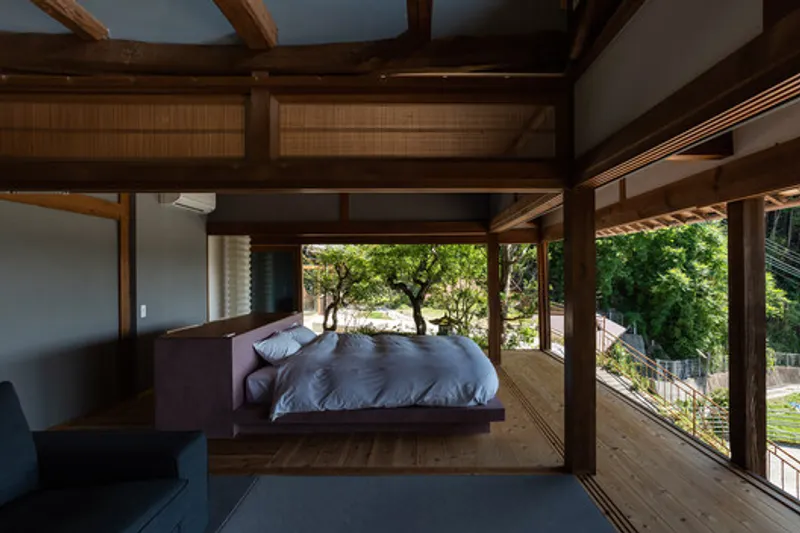
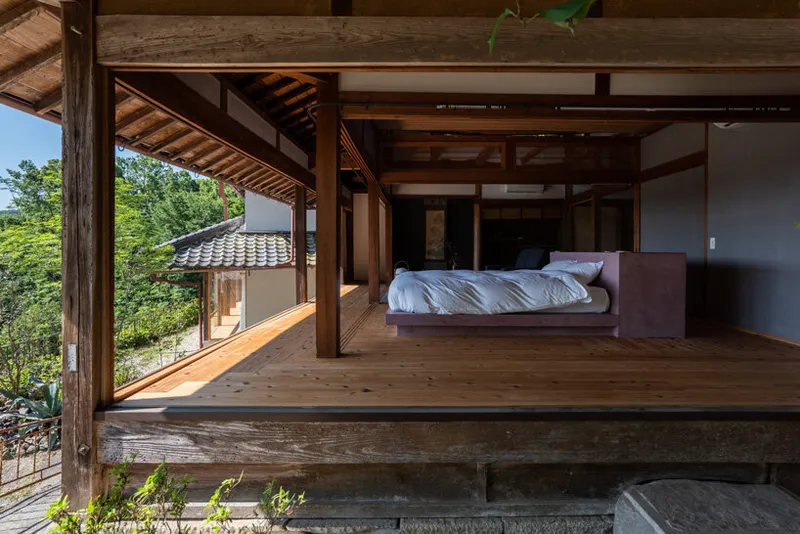
Unlike conventional hotels designed for privacy and enclosure, the Hotel of Yamazoe embraces openness. The architecture blurs the boundaries between indoors and outdoors, inviting the natural environment—light, breeze, and climate—into the living spaces.
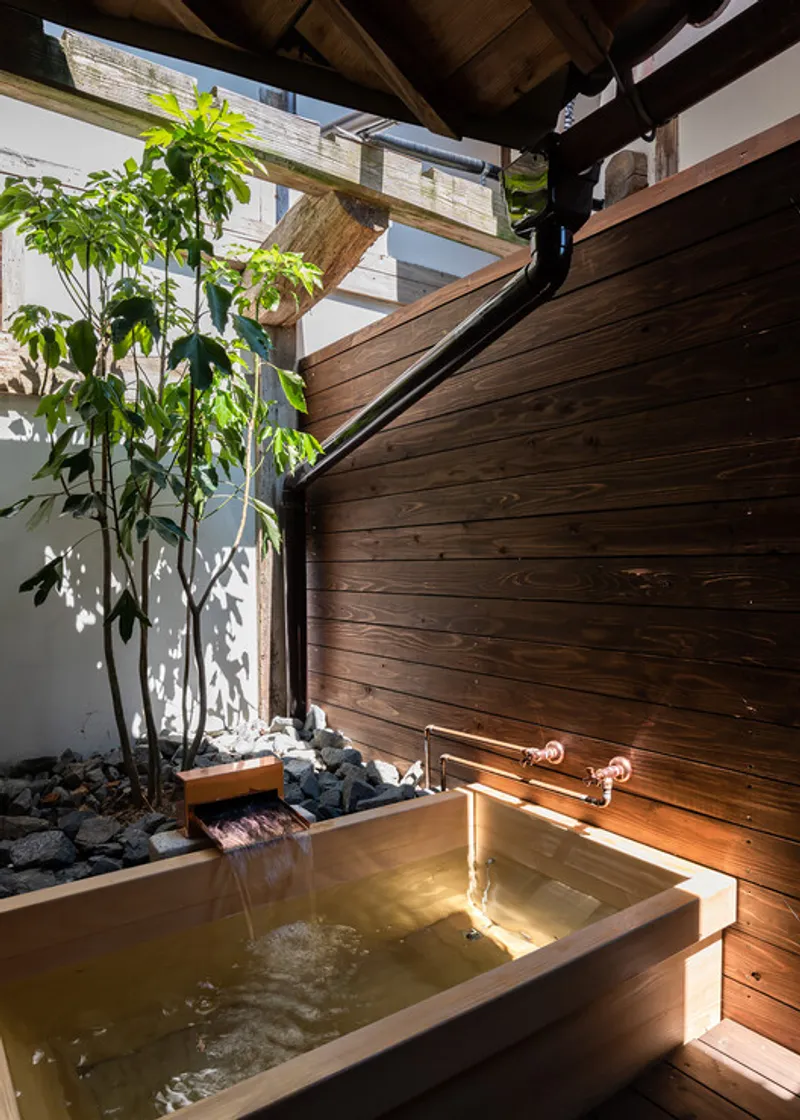
The hotel consists of a main building (including reception, kitchen, and communal spaces) along with individual lodgesfor guest accommodations. Each structure is carefully designed to balance private comfort with semi-public interaction, reflecting the communal spirit of the village.
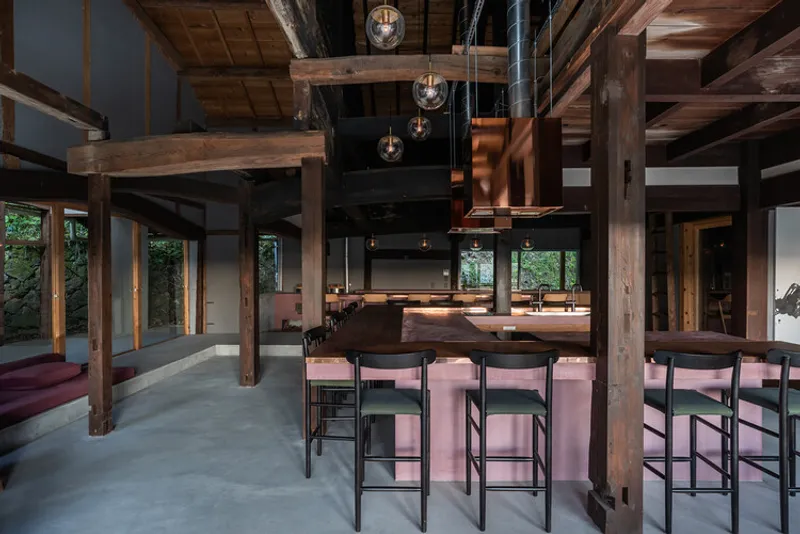
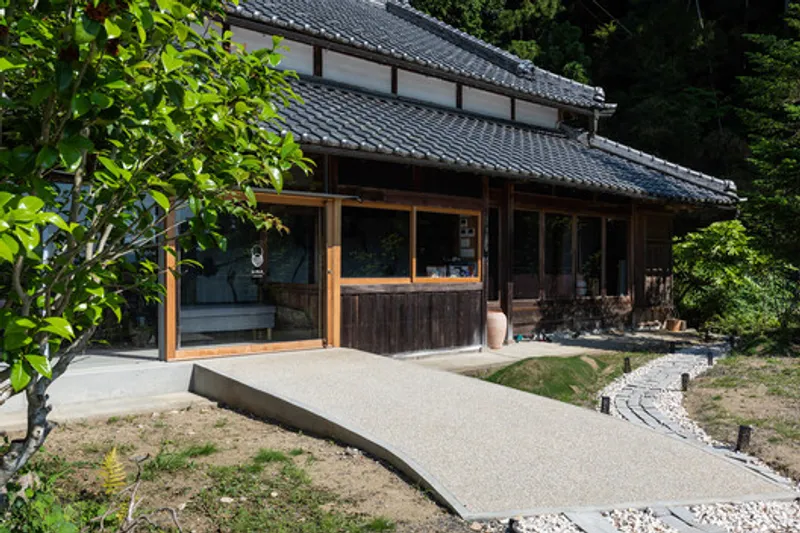
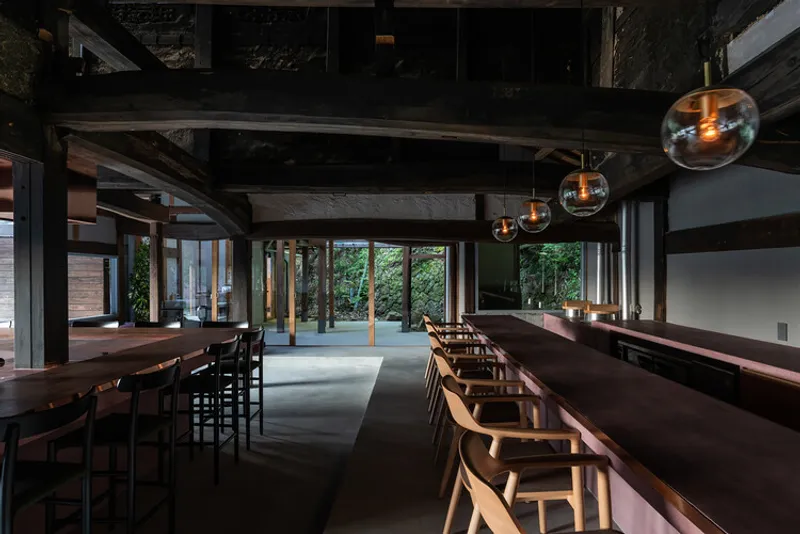
- Main Building: At its heart is a counter kitchen, where guests can watch chefs prepare seasonal dishes using local ingredients. The lobby flows naturally from the entrance approach, guiding visitors toward panoramic views of Yamazoe’s vast landscapes.
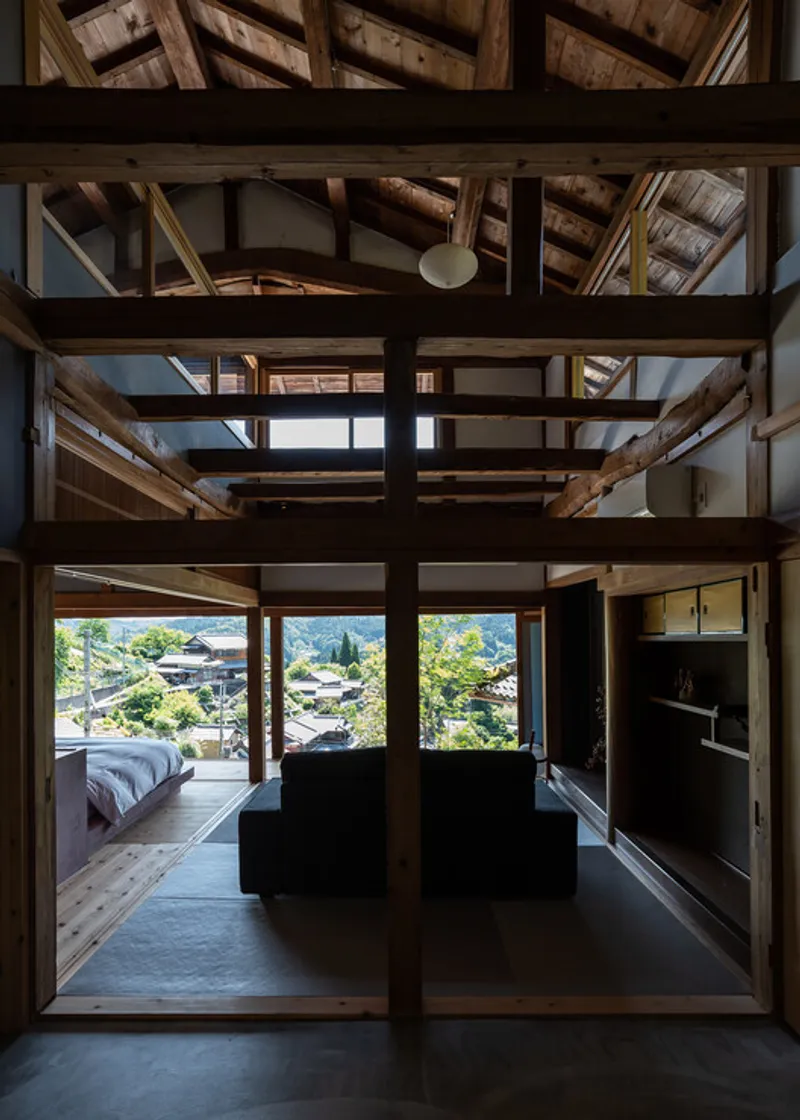
- Guest Lodges: These intimate spaces are designed to connect guests with the surrounding scenery. Large windows frame sunrises, sunsets, and rolling fields, creating moments of stillness and reflection.
- Semi-public Spaces: Courtyards and open zones encourage interaction between locals and travelers. Villagers often stop by to deliver fresh produce or simply share stories, creating a cultural exchange that enriches the stay.
Living with Nature
The hotel reflects the essence of Japanese hospitality—Omotenashi—through architecture. Each design decision fosters a connection with the environment:
- Openings in walls capture natural light and ventilation.
- Timber beams and natural finishes highlight the Kominka’s craftsmanship.
- Outdoor transitions invite the landscape into daily living.
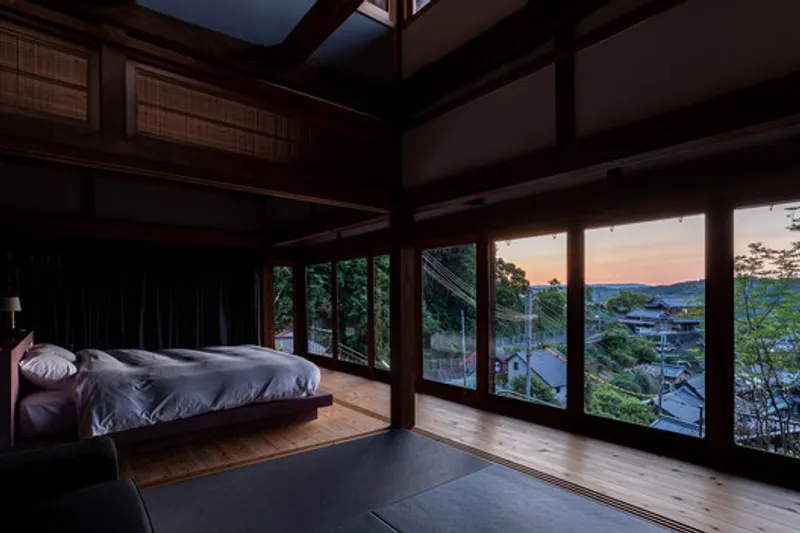
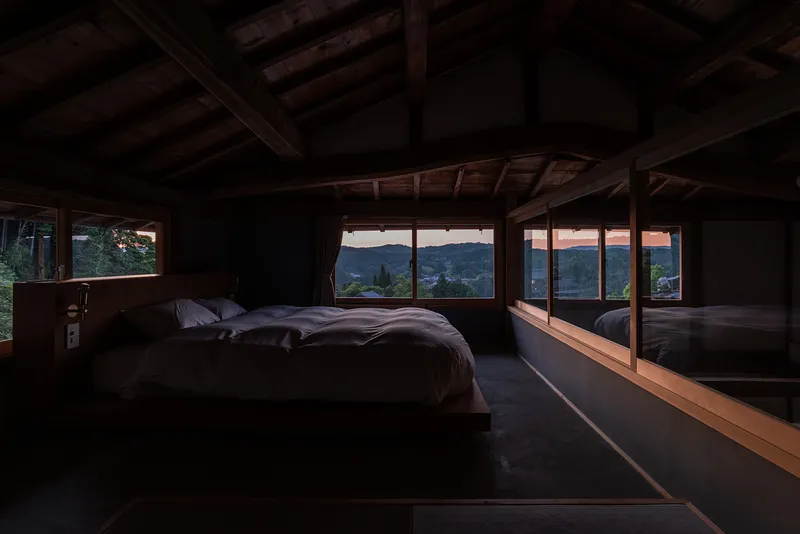
The architecture emphasizes the cyclical rhythms of life—ending the day with sunsets over the valley, awakening to soft morning light, and experiencing the seasonal changes of Yamazoe’s countryside.
Cultural & Culinary Experience
The Hotel of Yamazoe is not only a place to stay but also a cultural retreat. The design philosophy draws parallels with preparing a dish: behind each meal lies the unseen work of farmers, artisans, chefs, and nature itself. Guests are invited to reflect on these connections while enjoying local cuisine, handmade pottery, and crafted interiors.
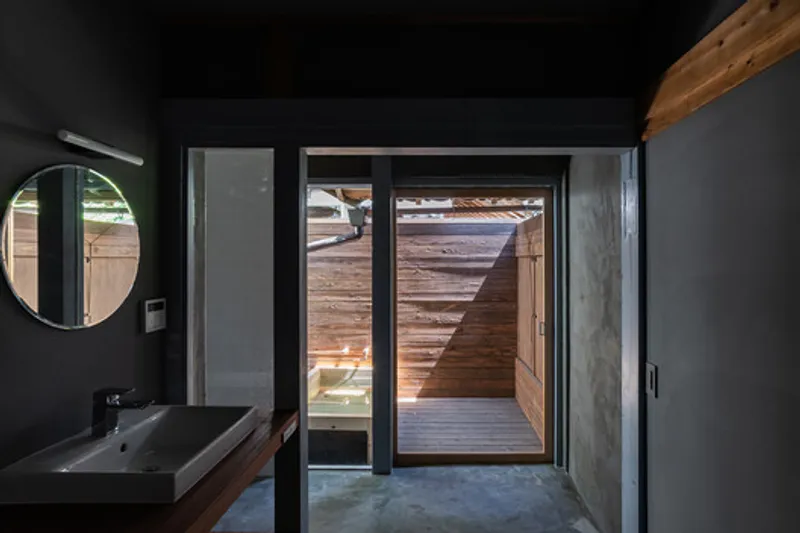
All the photographs are works of Atsushi Shiotani




Popular Articles
Popular articles from the community


Play: Fragments of Their World
Familiar architecture becomes modular playground design, creating safe spaces where displaced children can learn, connect, imagine and play.

Riyadh For All: Intergenerational Urban Design for Active Aging in Rabat
Riyadh For All reimagines urban design in Rabat with intergenerational co-living, adaptive courtyards, and Moroccan cultural exchange today.

The Ocean Hive: Sustainable Architecture for a Self-Sufficient Civilization at Sea
The Ocean Hive imagines sustainable architecture at sea, where modular habitats, algae, wave power and ocean waste sustain a growing colony.

Co-Life: Senior Housing Design That Reconnects Older Adults With the City
Co-Life reimagines senior housing design through healing gardens, shared streets, workshops, and a sustainable community across generations.


Similar Reads
You might also enjoy these articles


Hodi-Mandai Geram
Project Function: Preservation and revitalization of the Intangible heritage and socio-spatial identity of the Hodi by Housing, Cultural Memory Center, Sacred Grove, landscape, local tourism economy


Olio Towers: A Mid-Rise for Performers That Fuses Housing, Rehearsal, and Stage
Located blocks from Houston's Theater District, this modular tower stacks living units around a central performance atrium.

Oasis: Modular Green Housing Carved into Dhaka's Urban Fabric
A shortlisted Plugin Housing entry reclaims unauthorized settlements in Dhaka with stepped concrete volumes, green roofs, and ventilation-driven design.

Black Hole: A Floating Megastructure for the Post-Physical Era
Emiliano Mazzarotto envisions a spherical, self-scaling arena where e-sports, digital hotels, and holographic stadiums replace traditional public space.


Explore Hospitality Building Competitions
Discover active competitions in this discipline



Challenge to reimagine the Iron Throne


Photograph architecture without architects


Illustrate the lost glory of Angkor Wat - Render Challenge


Design challenge to reuse E-waste
Comments (0)
Please login or sign up to add comments
No comments yet. Be the first to comment!