
Hotel Osmolis by Damir Vitković: A Dialogue Between Concrete, Light, and the Adriatic Landscape
Hotel Osmolis blends concrete strength with warm interiors, terraces inspired by Croatian “dolac,” framing Adriatic views through modern, nature-integrated design.


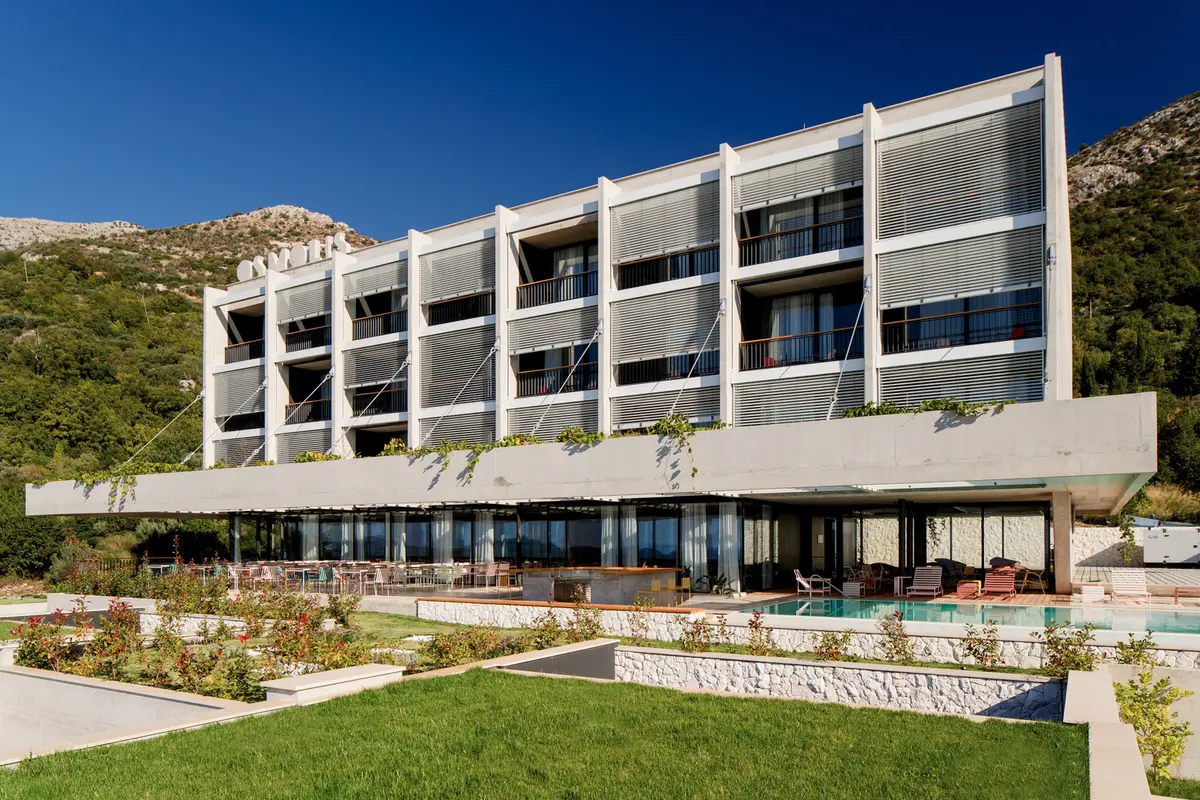
Perched on the steep coastal terrain of Brsečine, Croatia, Hotel Osmolis designed by U.O.A. Damir Vitković is a striking architectural response to the dualities of nature and modern living. Completed in 2022, the 2,925 m² boutique hotel redefines the relationship between architecture, landscape, and cultural tradition.
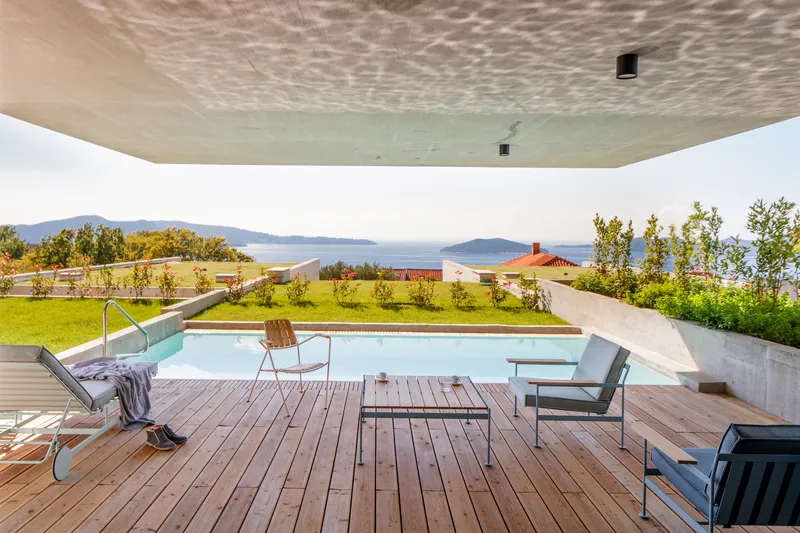
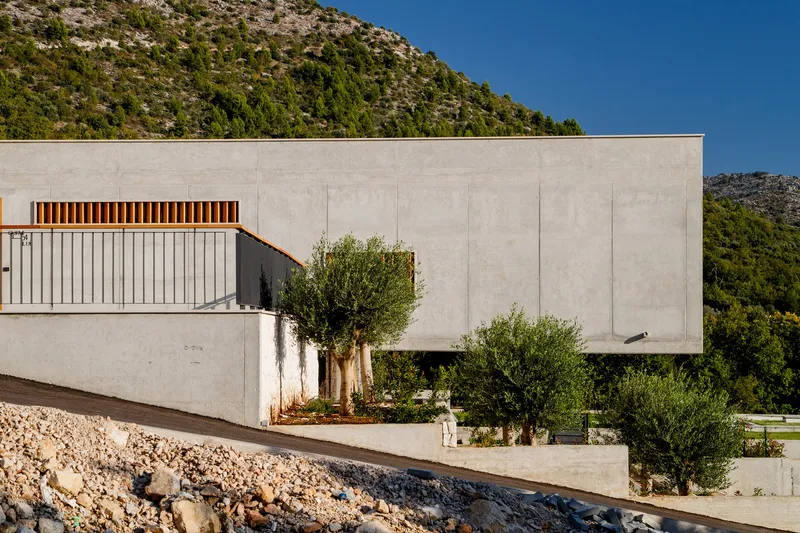
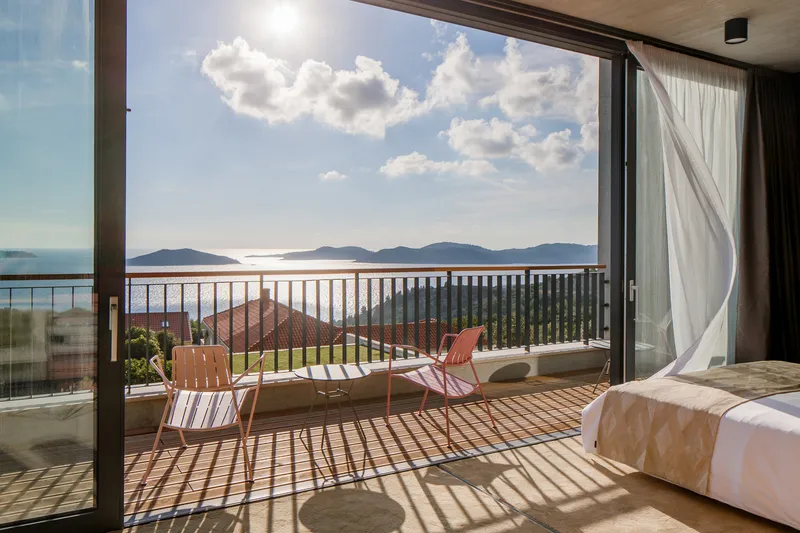
The design centers on the interplay of heaviness and lightness, light and shade—a philosophy embedded in both its material choices and spatial strategies. The robust concrete structure forms massive cantilevers that shield inhabitants from the intense Adriatic sun, while simultaneously framing panoramic views of the sea and nearby islands. These deliberate architectural gestures transform the horizon into an integral element of the hotel’s interior experience.
Concrete Brutality Meets Warm Interiors
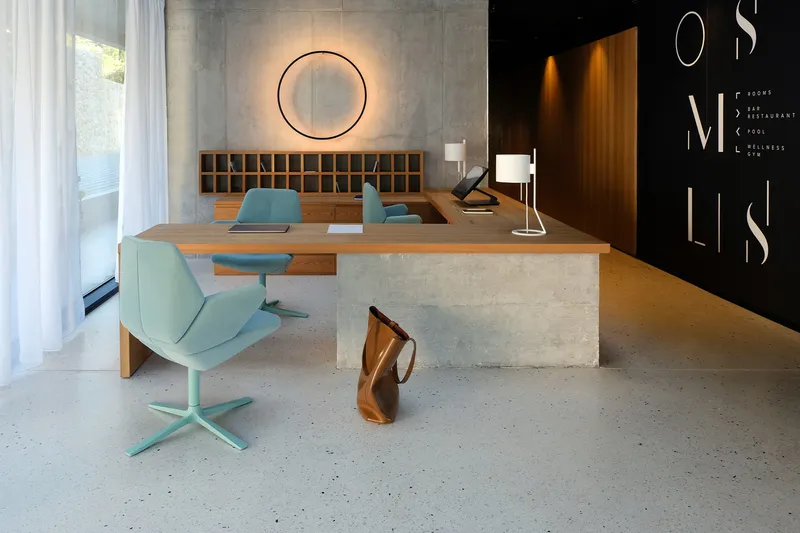
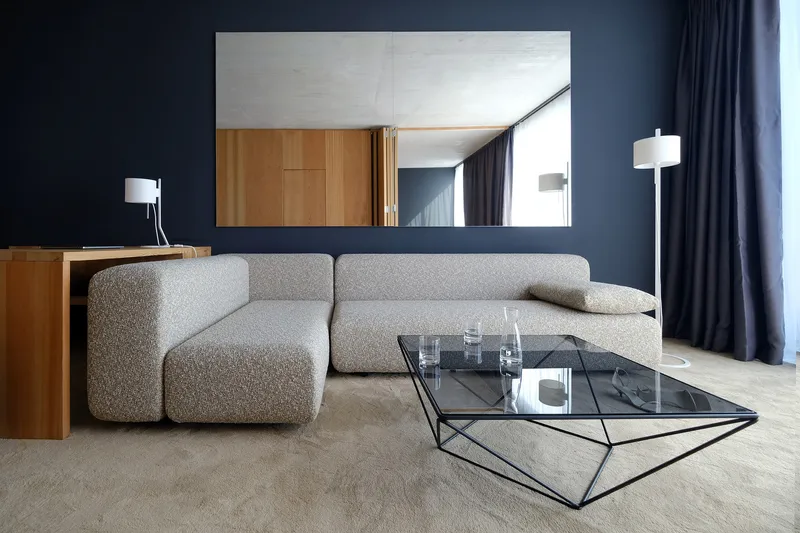
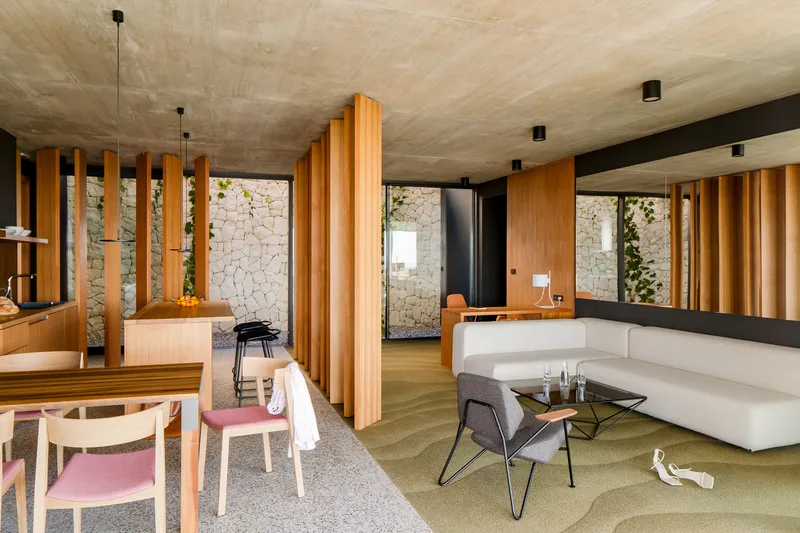
The raw expression of exposed concrete on the exterior is softened by the hotel’s interior design, which features wooden cladding, neutral furniture, and tactile finishes. This balance creates overlapping atmospheres at the threshold of interior and exterior spaces. Throughout the day, the changing arc of sunlight enriches the surfaces with varied shades, intensities, and textures, offering guests a constantly shifting sensory experience.
Furniture and fixtures—marked by their subtlety, delicate forms, and discreet chromatic playfulness—further emphasize the contrast between architectural weight and interior refinement. This careful orchestration results in a serene yet contemporary hospitality environment.

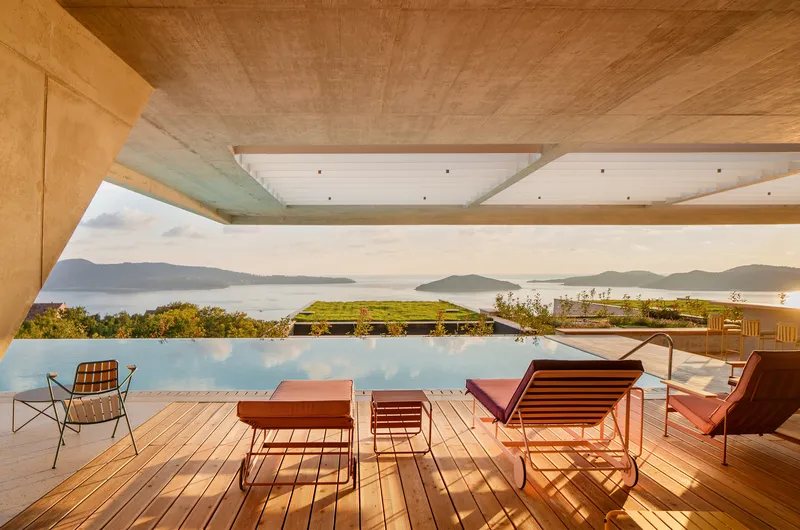
Rooted in Croatian Tradition: The “Dolac” Principle
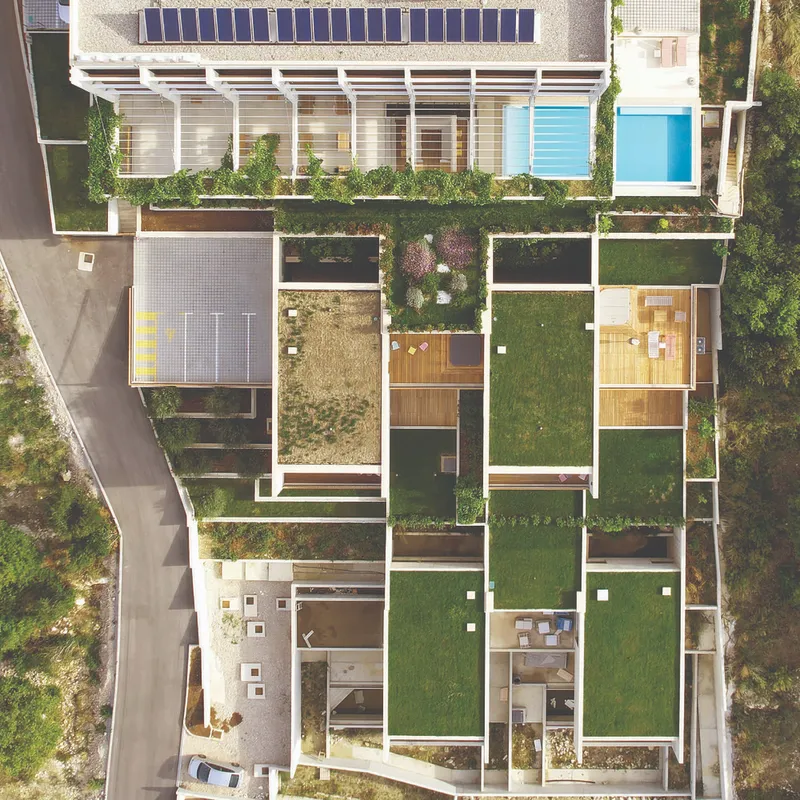
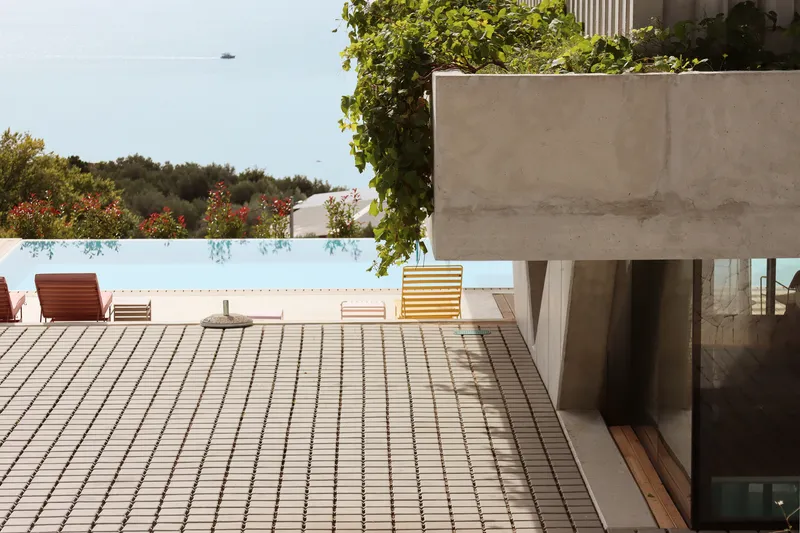
One of the most defining features of the project is its integration with the steep hillside through the local principle of “dolac”—a traditional method of shaping slopes into terraces for agriculture. Hotel Osmolis adopts this logic to create terraces that cascade gently toward the sea.
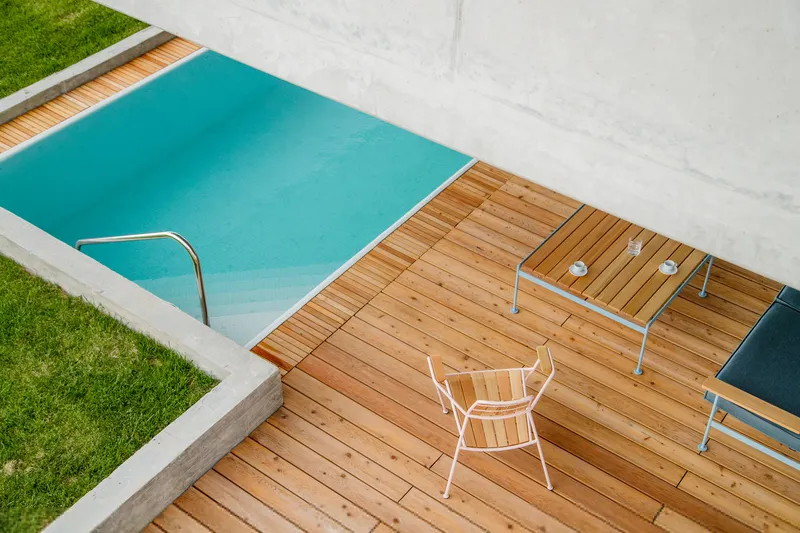
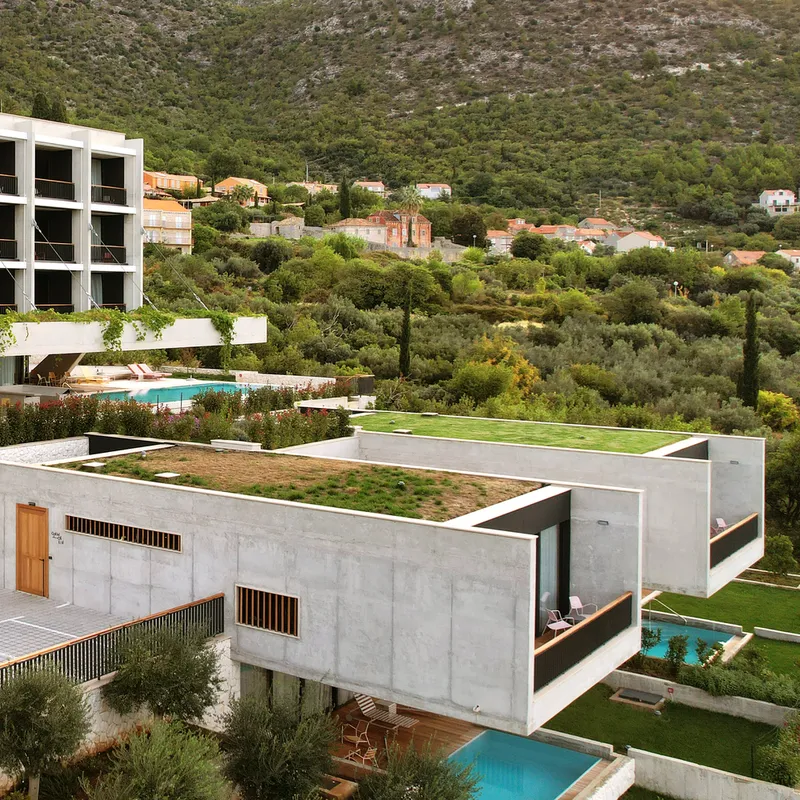
By aligning the hotel’s roofs with the slope, every level retains uninterrupted views, blending the building seamlessly into its natural context. This design decision also highlights the hotel’s respect for vernacular traditions while delivering a contemporary reinterpretation.
Modern Heritage and Functional Clarity
While rooted in tradition, the project simultaneously reflects the legacy of 20th-century modernism. Clear lines, functional modular rooms, and distinct brise-soleils echo modernist design principles. The heavy concrete canopy over shared spaces not only provides shade and structural emphasis but also orients the entire architectural composition toward the Adriatic horizon.
The glazed ground floor, designed to feel as though it floats above the hillside, houses the hotel’s shared spaces. Here, open plans and visual connections merge seamlessly with the surrounding vegetation, fostering a dialogue between built form and nature.
Material Harmony and Human Scale
The wooden panel compositions follow the rhythm of the concrete slabs, bridging monumental architectural gestures with more intimate, human-scaled interiors. Natural materials—wood, fabric, and soft lighting—create warmth and comfort within, counterbalancing the raw strength of the concrete exterior.


Popular Articles
Popular articles from the community


Conexión: Biophilic Design Reimagines High-Rise Living in Hong Kong
Conexión reimagines high-rise living in Hong Kong through biophilic design, green facades, shared spaces, daylight, water and nature within.

Little Red Riding Hood: Architectural Design as a Journey Through Fear, Light, and Storytelling
Little Red Riding Hood reimagines the fairy tale through architectural design shaped by fear, light, scale, memory, uncertainty, and choice.

Hill & Cross Opera: Sculptural Opera House Architecture Shaped by Tallinn’s Landscape and Identity
Hill & Cross Opera reimagines opera house architecture in Tallinn through its sculptural hill, civic plaza, glass wave and a luminous cross.

Co-Life: Senior Housing Design That Reconnects Older Adults With the City
Co-Life reimagines senior housing design through healing gardens, shared streets, workshops, and a sustainable community across generations.

Similar Reads
You might also enjoy these articles


Hodi-Mandai Geram
Project Function: Preservation and revitalization of the Intangible heritage and socio-spatial identity of the Hodi by Housing, Cultural Memory Center, Sacred Grove, landscape, local tourism economy


Olio Towers: A Mid-Rise for Performers That Fuses Housing, Rehearsal, and Stage
Located blocks from Houston's Theater District, this modular tower stacks living units around a central performance atrium.

Oasis: Modular Green Housing Carved into Dhaka's Urban Fabric
A shortlisted Plugin Housing entry reclaims unauthorized settlements in Dhaka with stepped concrete volumes, green roofs, and ventilation-driven design.

Black Hole: A Floating Megastructure for the Post-Physical Era
Emiliano Mazzarotto envisions a spherical, self-scaling arena where e-sports, digital hotels, and holographic stadiums replace traditional public space.

Explore Architecture Competitions
Discover active competitions in this discipline

Challenge to reimagine the Iron Throne

Photograph architecture without architects

Illustrate the lost glory of Angkor Wat - Render Challenge

Design challenge to reuse E-waste
Comments (0)
Please login or sign up to add comments
No comments yet. Be the first to comment!