
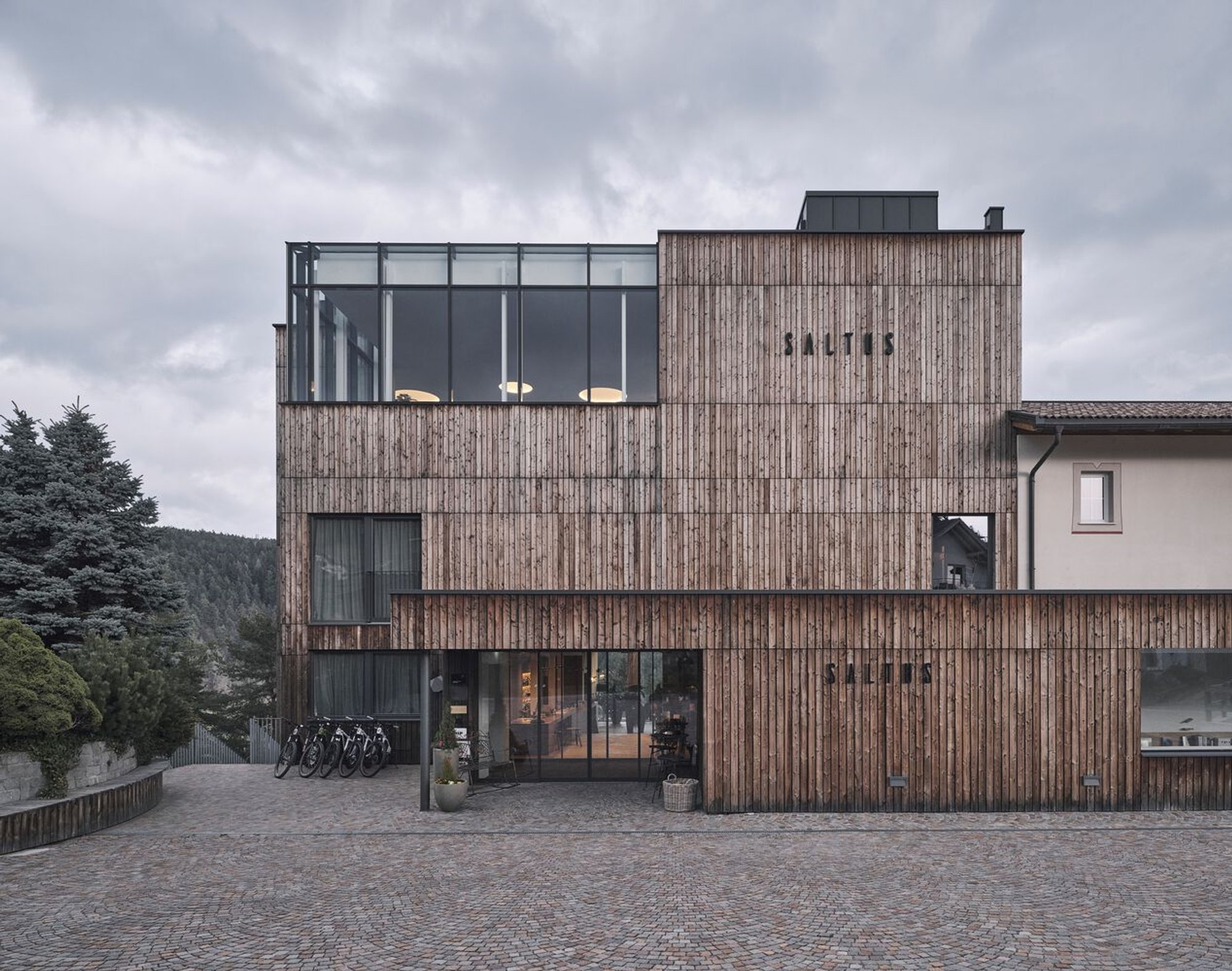
Hotel Saltus by Tara Architekten: A Harmonious Blend of Nature and Luxury in San Genesio Atesino
Hotel Saltus by Tara Architekten blends alpine luxury and minimalism, using wood, walnut, and cement to harmonize interiors with nature.

Nestled in the serene landscapes of San Genesio Atesino, Italy, Hotel Saltus is a masterclass in contemporary hospitality architecture, designed by Tara Architekten. Completed in 2019, this 2,683 m² retreat seamlessly integrates luxury, sustainability, and a profound connection to nature, creating an immersive experience for guests seeking tranquility and grounding.
Architecture That Resonates With Nature
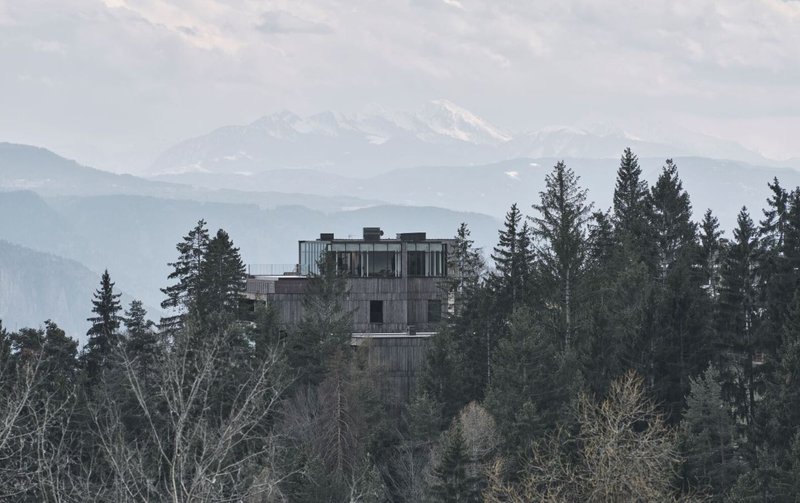
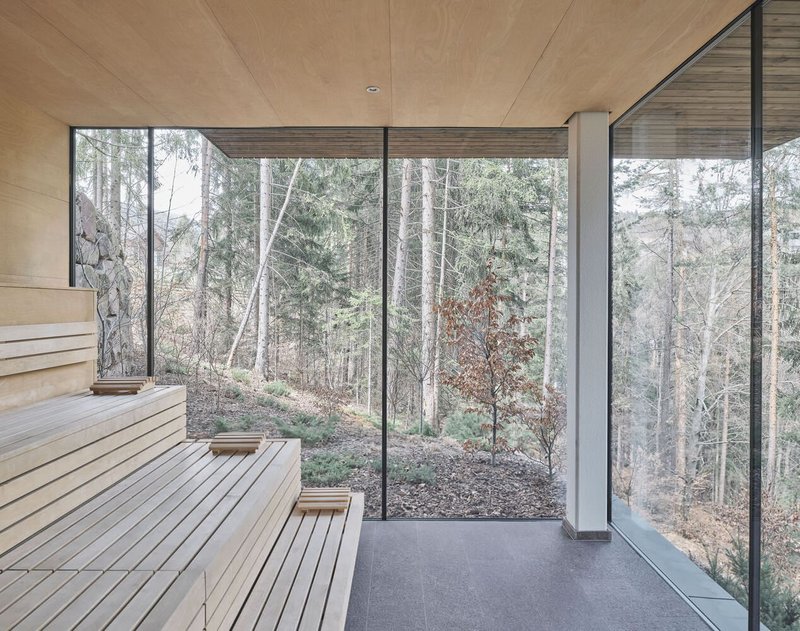
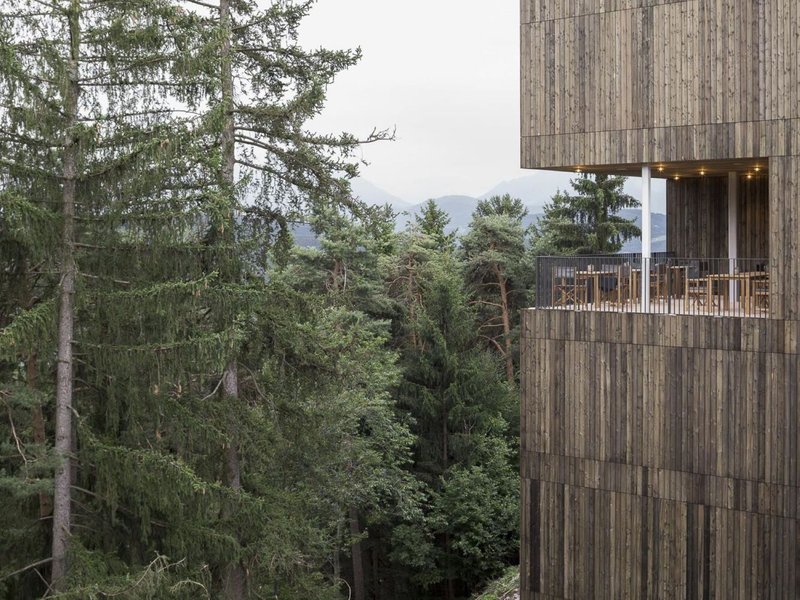
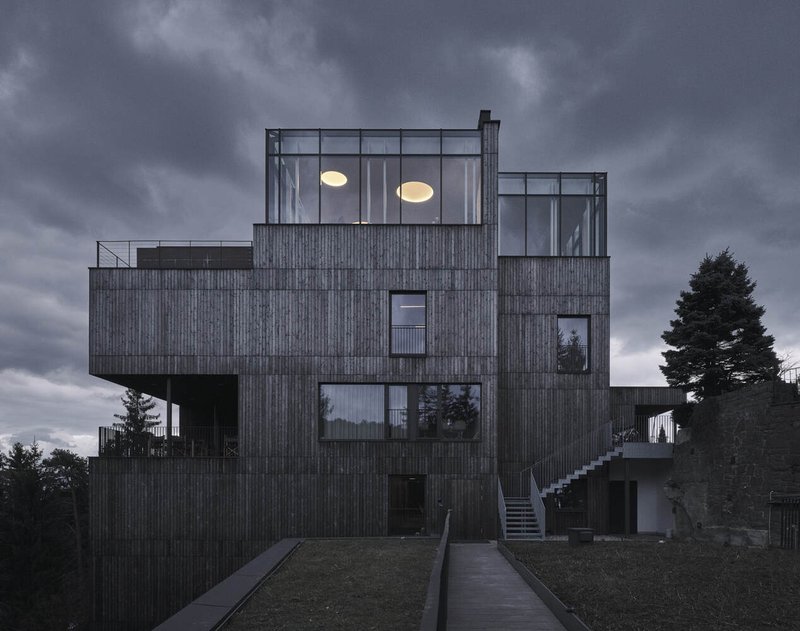
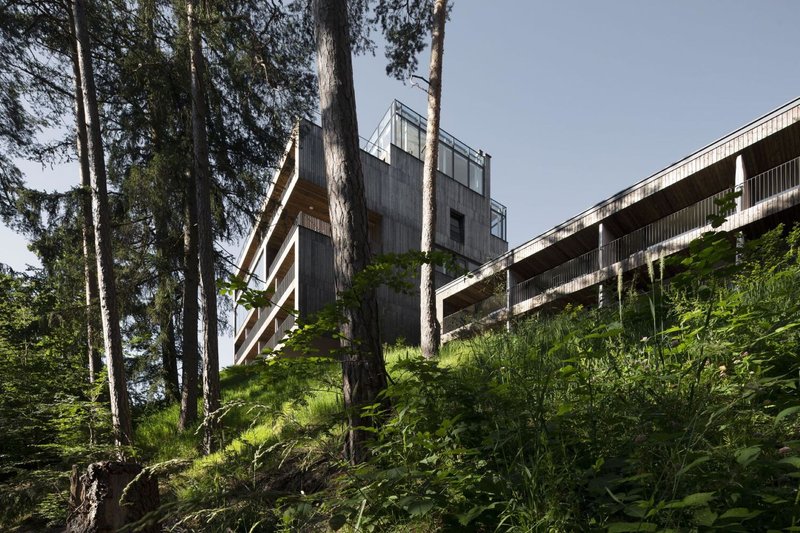
Hotel Saltus is thoughtfully composed of three interconnected volumes, each carefully positioned along the steep slope of the site. This strategic placement ensures that every interior space maintains maximum visual and spatial connectivity with the surrounding forested landscape. Guests are invited to catch their breath, feel grounded, and dive into nature with every step inside the hotel.
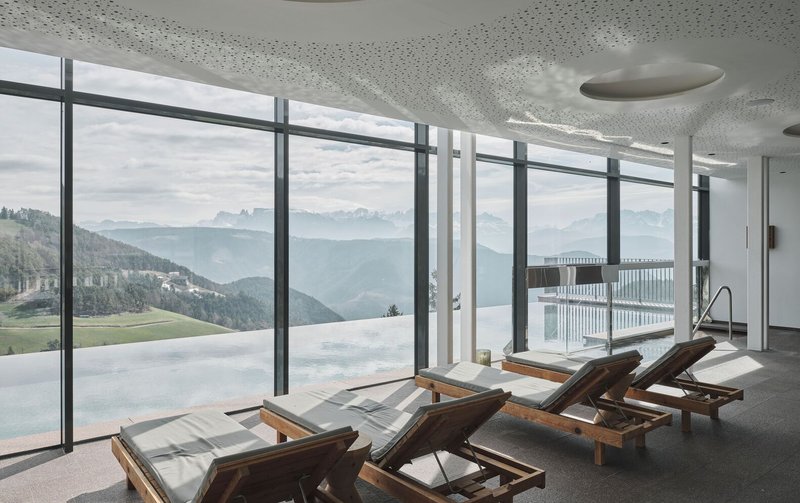
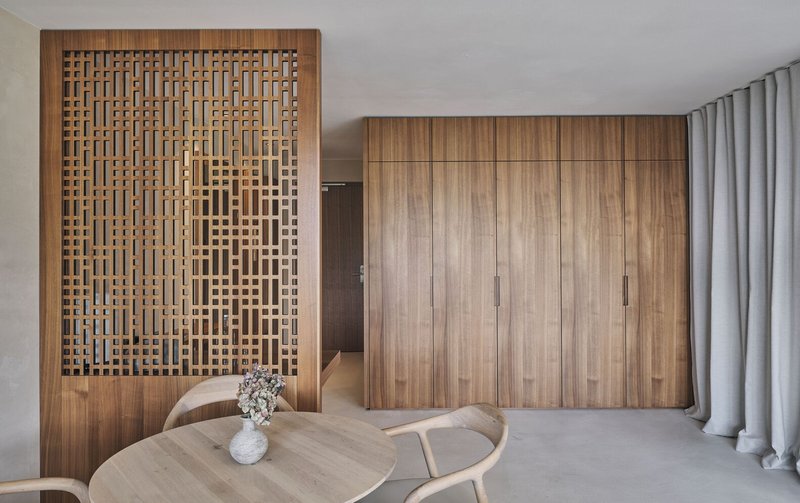
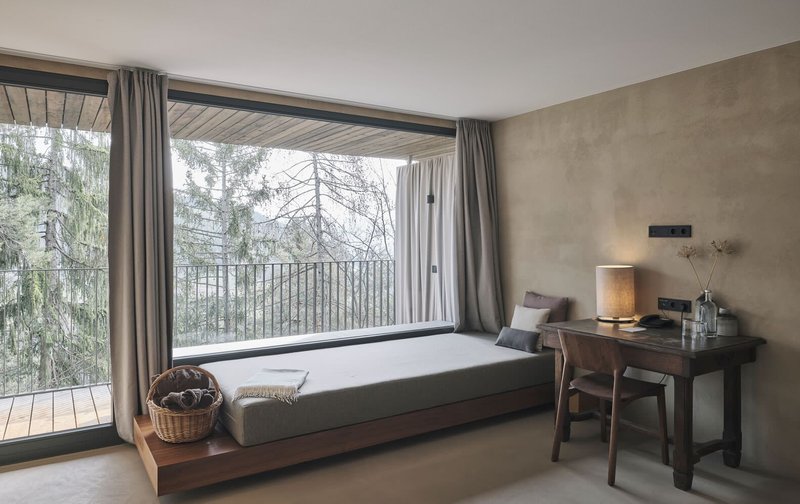
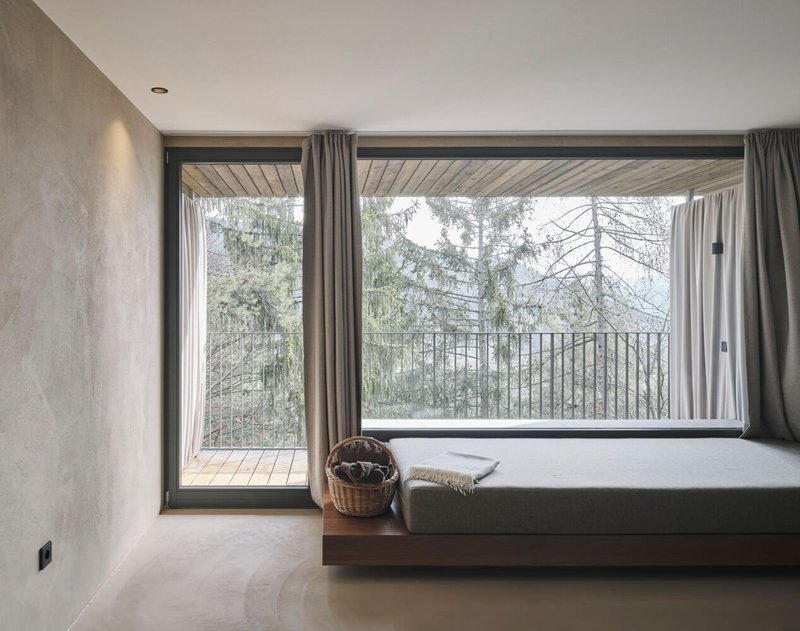
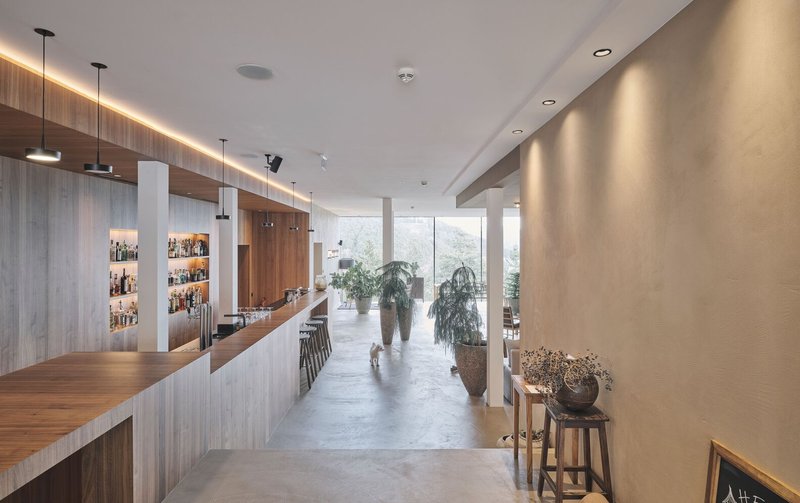
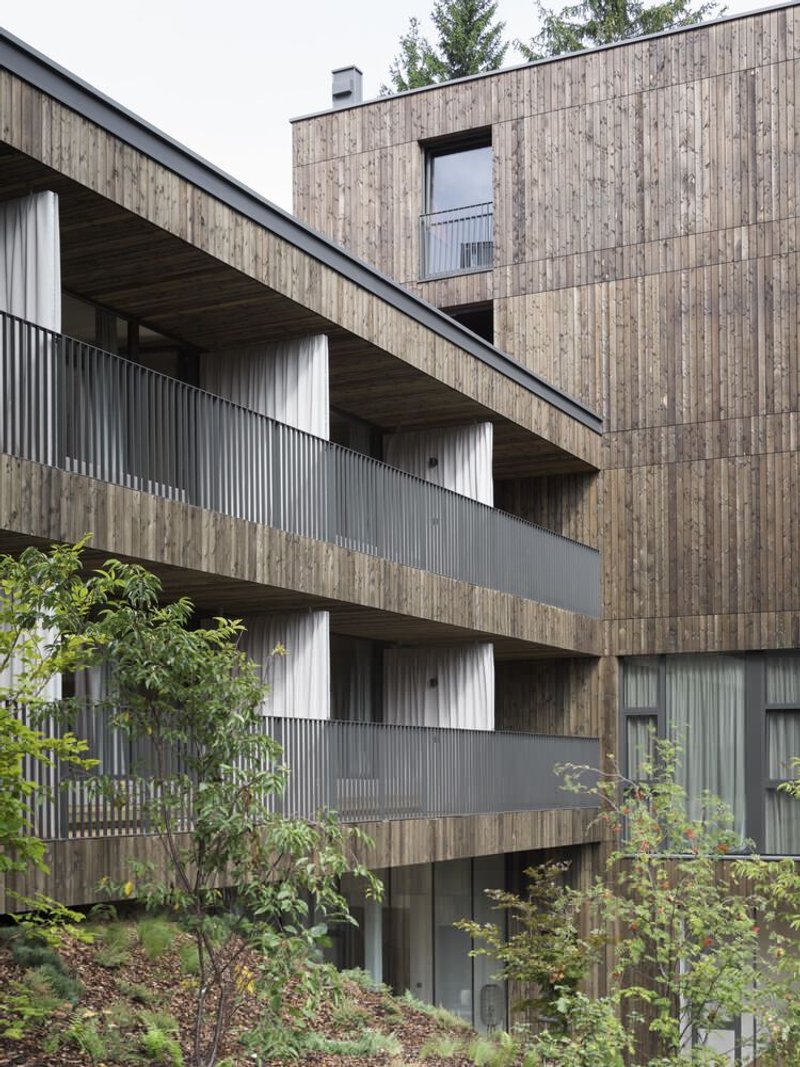
The façade, clad in locally sourced larch wood panels, reflects a commitment to sustainable design while harmonizing with the natural environment. Inside, the interiors feature a refined palette of walnut fixtures, smooth cement surfaces, and minimalist furnishings, creating spaces that feel both warm and calming. The intentional absence of superfluous decoration enhances a sense of deep relaxation, allowing guests to fully immerse themselves in the serene atmosphere.
Interior Design: Minimalism Meets Comfort
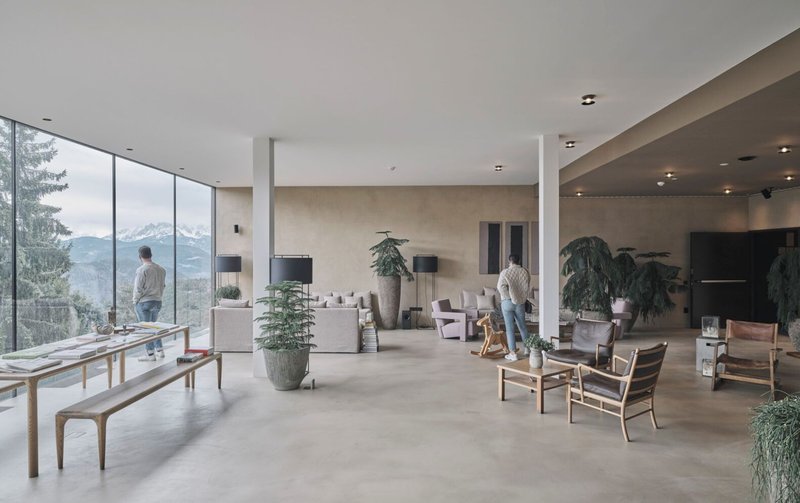
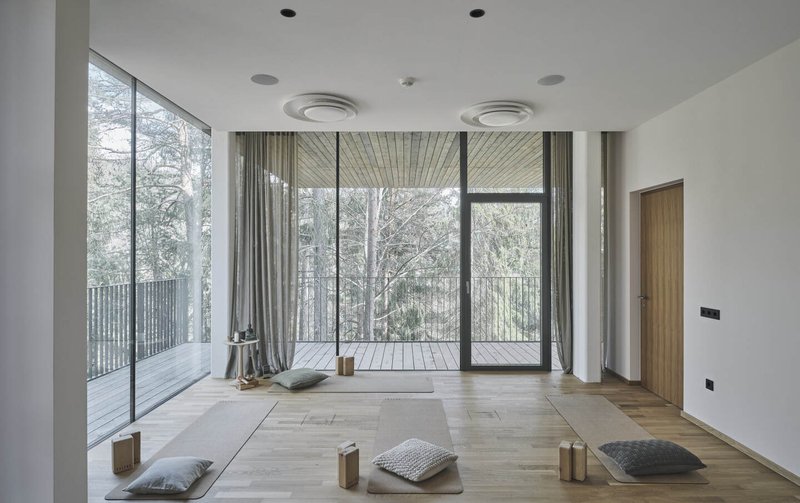
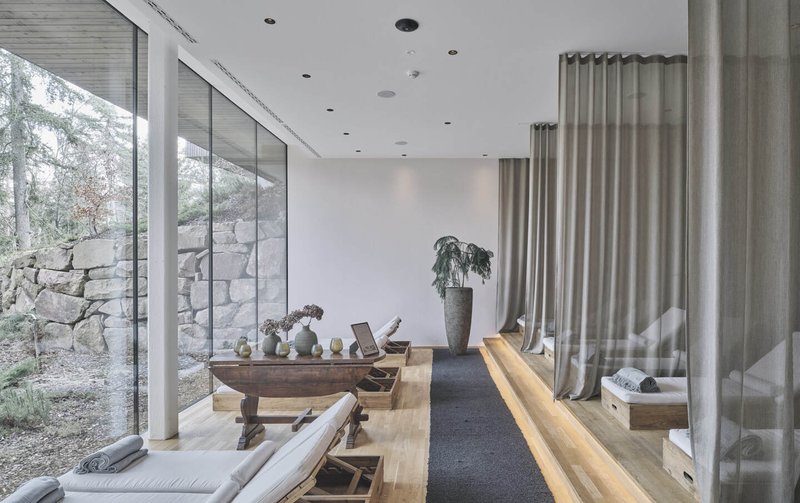
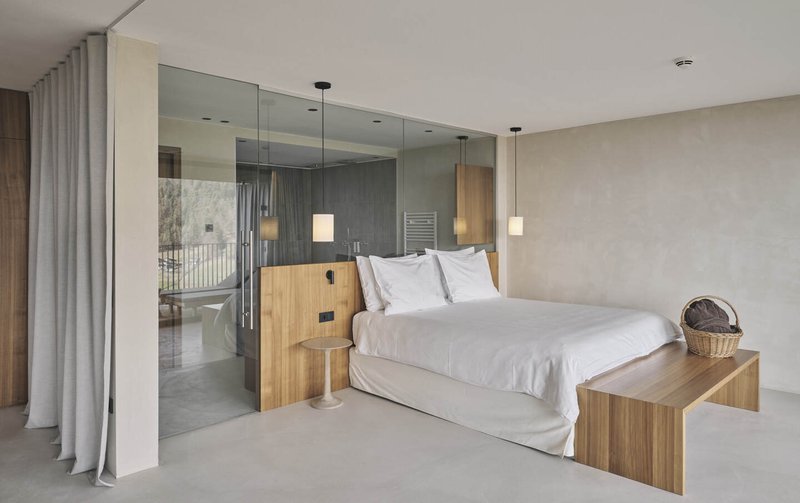
Every design choice at Hotel Saltus is guided by principles of simplicity, functionality, and harmony with nature. Spacious living areas and guest rooms are flooded with natural light through expansive windows, providing uninterrupted views of the surrounding forests and mountains. Custom furniture by &Tradition, Artisan, and Carl Hansen complements the natural materials, emphasizing comfort without compromising aesthetic elegance.
Lighting and spatial planning further reinforce the feeling of connection to the outdoors. Carefully placed light fixtures accentuate architectural lines while maintaining a soft, organic ambiance. The combination of walnut wood, natural cement, and neutral tones creates interiors that are both luxurious and understated, ideal for moments of relaxation and contemplation.
Sustainability and Material Authenticity
Hotel Saltus exemplifies a thoughtful approach to sustainable hospitality design. By using local materials such as larch wood and walnut, the architects reduce environmental impact while ensuring that the building naturally blends with its alpine setting. The minimalist design avoids excess, fostering a mindful experience for guests while showcasing the intrinsic beauty of natural materials.
Experiencing Hotel Saltus
Hotel Saltus is more than just accommodation, it is an immersive architectural experience. From the moment guests arrive, the building’s integration into the steep slope, the natural material palette, and the carefully curated interiors communicate a strong sense of place, comfort, and serenity. Every corner of the hotel encourages guests to pause, reflect, and connect with the surrounding landscapeWhether exploring the forested trails outside or relaxing in the elegantly designed interiors, visitors to Hotel Saltus experience a unique combination of luxury, minimalism, and nature-inspired design, making it a benchmark for contemporary alpine hospitality architecture.
.
All photographs are works of David Schreyer, Davide Perbellini, Samuel Holzner




Popular Articles
Popular articles from the community

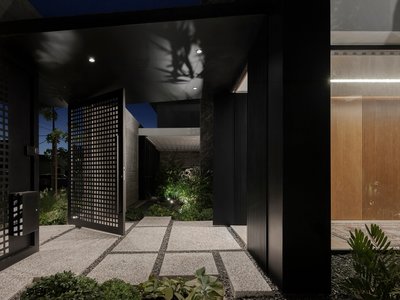
Constanti Architects Builds a Fortress of Privacy in Nicosia with House 345
A concrete and timber residence in Cyprus reinterprets the traditional introverted courtyard house for a new urban landscape.
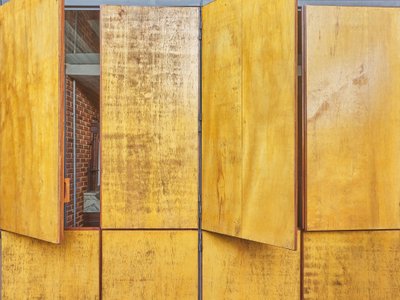
gru.a Builds a 70 m² Timber Shelter That Opens Like a Farm Door in Brazil's Valley of the Vines
In the mountainous region near Rio de Janeiro, a compact retreat uses plywood panels and deep eaves to blur the line between inside and out.
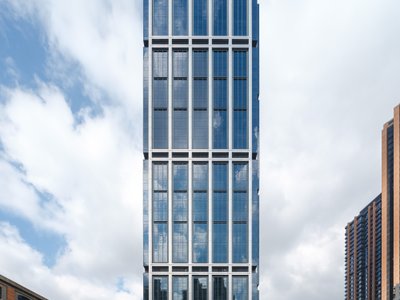
Foster + Partners Wraps a 200-Meter Shanghai Tower in Stainless Steel and Industrial Memory
The Suhe Centre Office Tower anchors a regenerated waterfront district in Shanghai with an all-steel structure that nods to local warehouse heritage.
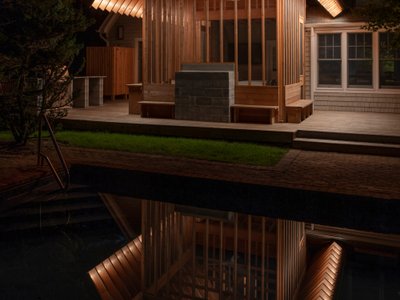
BLDUS Turns a 250-Square-Foot Screened Porch into a Pine Forest Temple in East Hampton
A gabled cedar pavilion mimics the rhythm of surrounding pines, anchoring a 1990s wooded home to its hollow in Long Island.

Similar Reads
You might also enjoy these articles

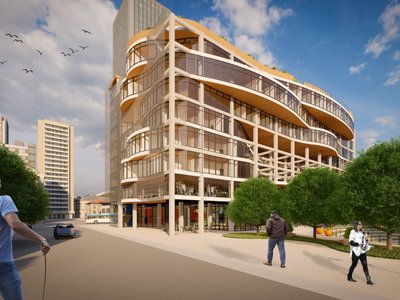
Olio Towers: A Mid-Rise for Performers That Fuses Housing, Rehearsal, and Stage
Located blocks from Houston's Theater District, this modular tower stacks living units around a central performance atrium.
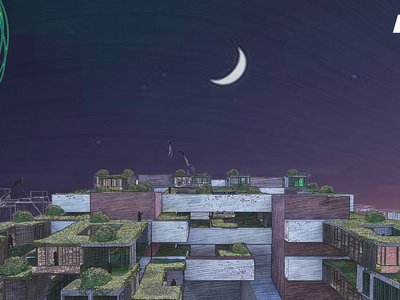
Oasis: Modular Green Housing Carved into Dhaka's Urban Fabric
A shortlisted Plugin Housing entry reclaims unauthorized settlements in Dhaka with stepped concrete volumes, green roofs, and ventilation-driven design.

Black Hole: A Floating Megastructure for the Post-Physical Era
Emiliano Mazzarotto envisions a spherical, self-scaling arena where e-sports, digital hotels, and holographic stadiums replace traditional public space.
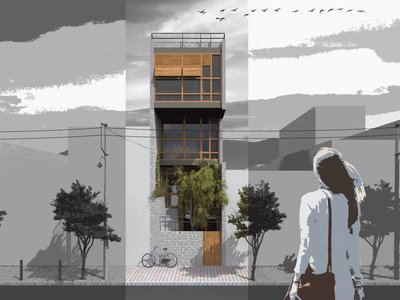
Compact & Sustainable Living in Piraeus: A Four-Level Family Home Built Around Light and Air
A narrow townhouse in one of Greece's densest port cities uses a central atrium and passive strategies to house three generations under one roof.


Explore Architecture Competitions
Discover active competitions in this discipline




The International Standard for Design Portfolios


The Global Benchmark for Architecture Dissertation Awards


The Global Benchmark for Graduation Excellence


Challenge to reimagine the Iron Throne
Comments (0)
Please login or sign up to add comments
No comments yet. Be the first to comment!