

House 1923 Urban Hotel by PAr Plataforma de ARquitectura | Faro, Portugal
House 1923 in Faro is an Art Nouveau boutique hotel restored with traditional materials, sustainable design, versatile spaces, and contemporary heritage adaptation.


Architects: PAr Plataforma de ARquitectura
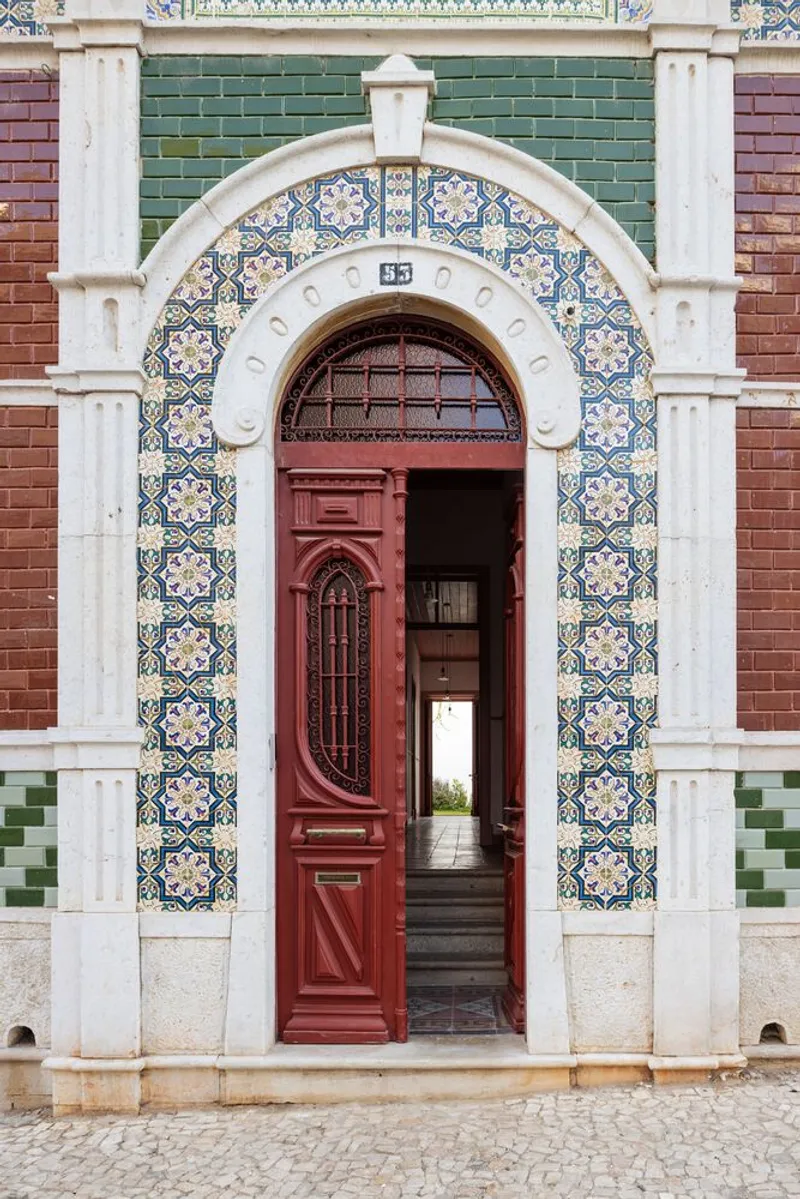
House 1923 is an exceptional example of Art Nouveau architecture in Faro, blending historical preservation with contemporary design strategies. Originally built in 1923, this rare bourgeois building has been meticulously restored and adapted into a hybrid urban hotel and residential space, preserving its unique 1920s character while introducing modern functionality and sustainable living principles.
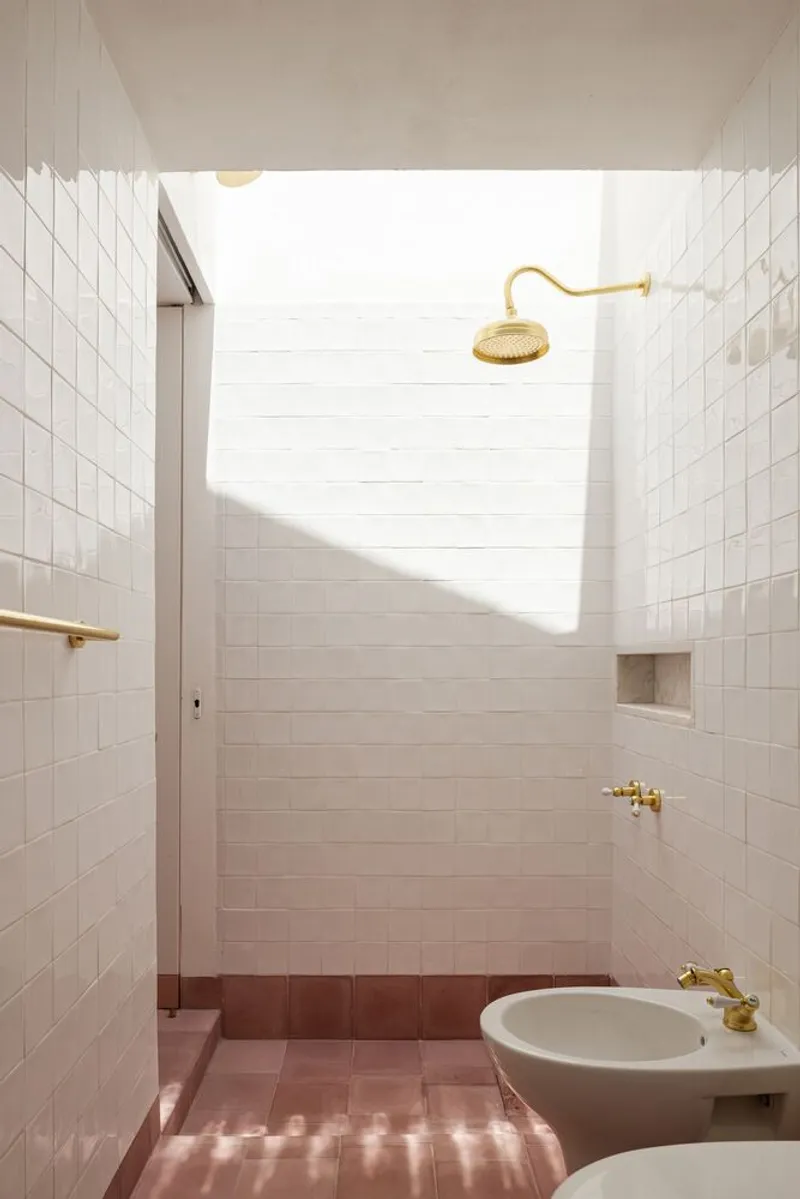
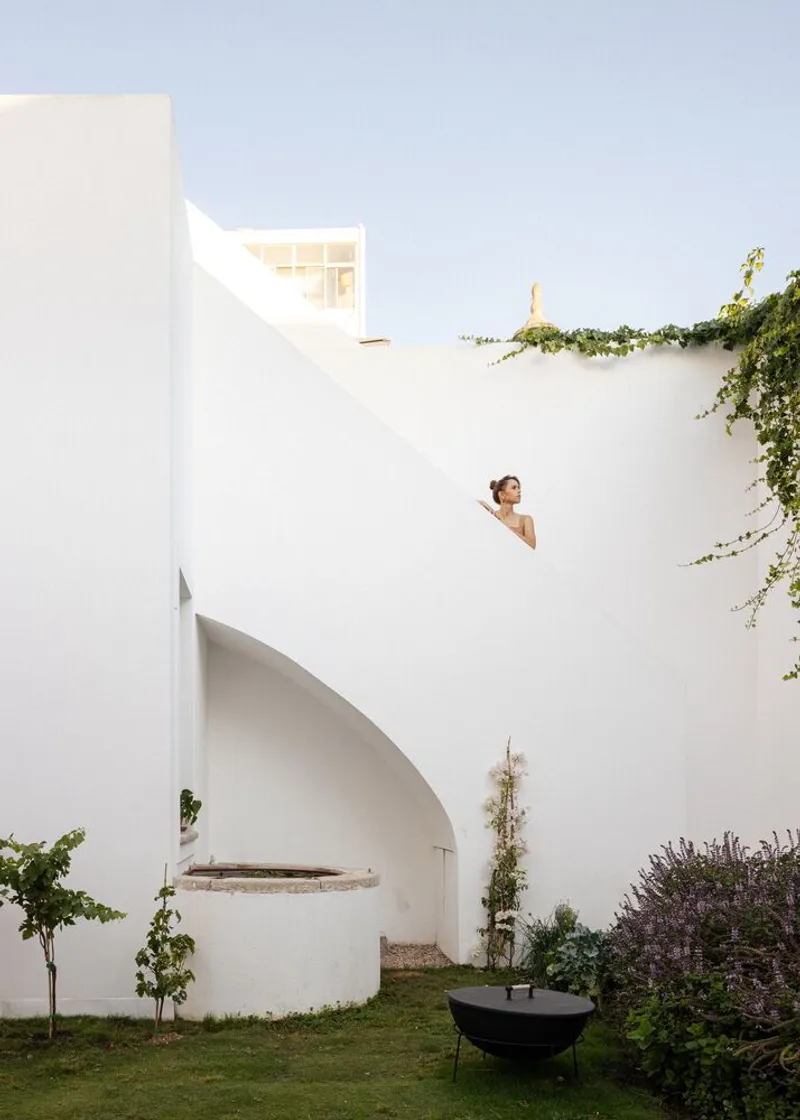
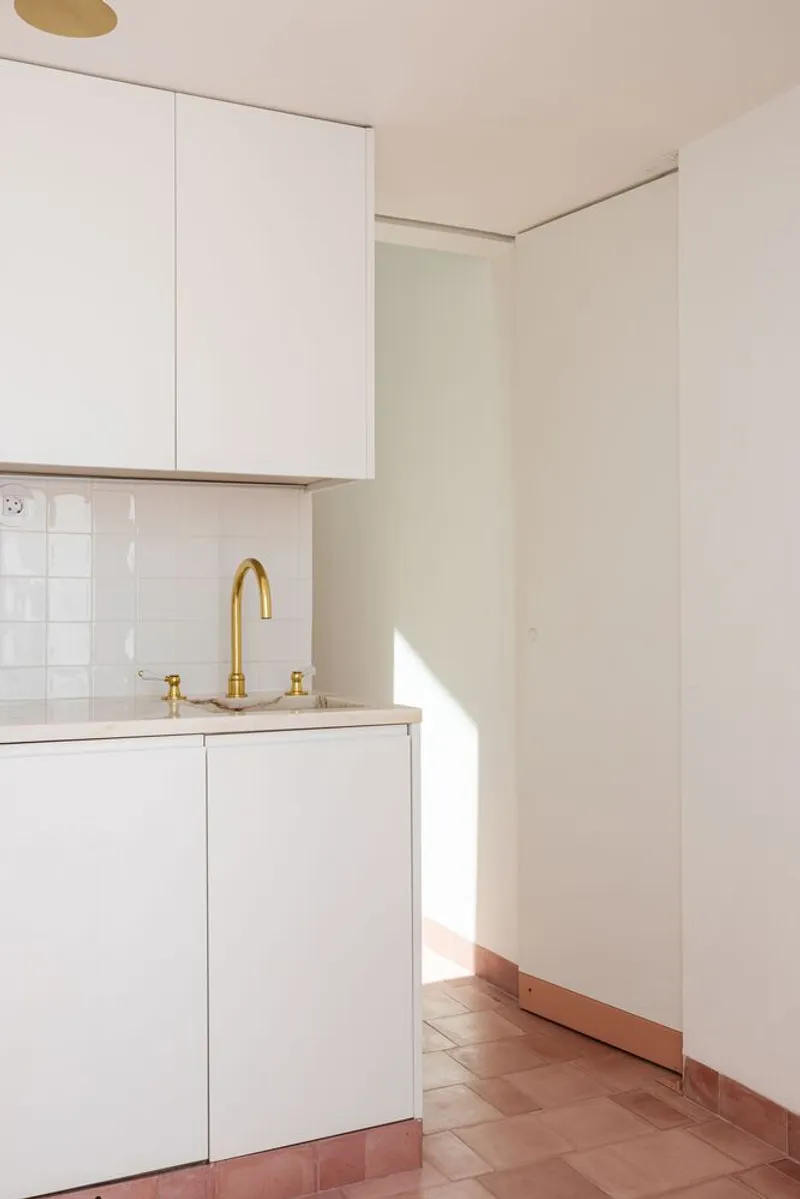
A Journey into History and Art Nouveau Heritage
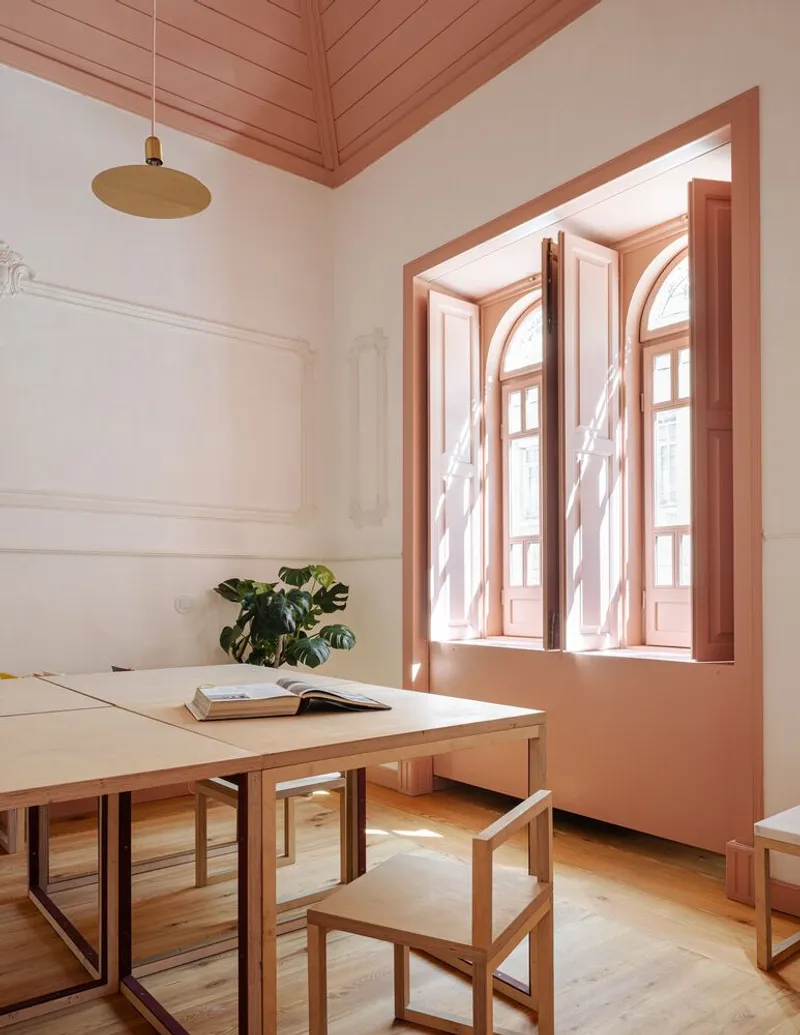
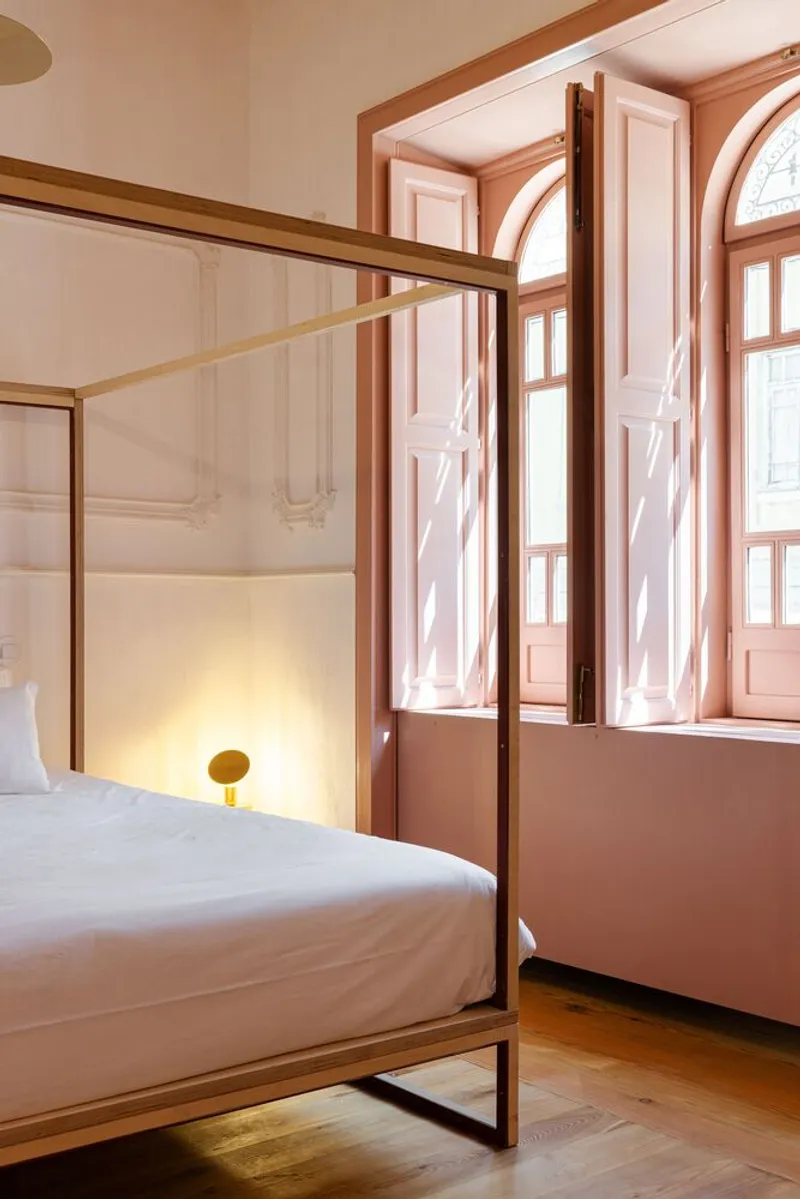
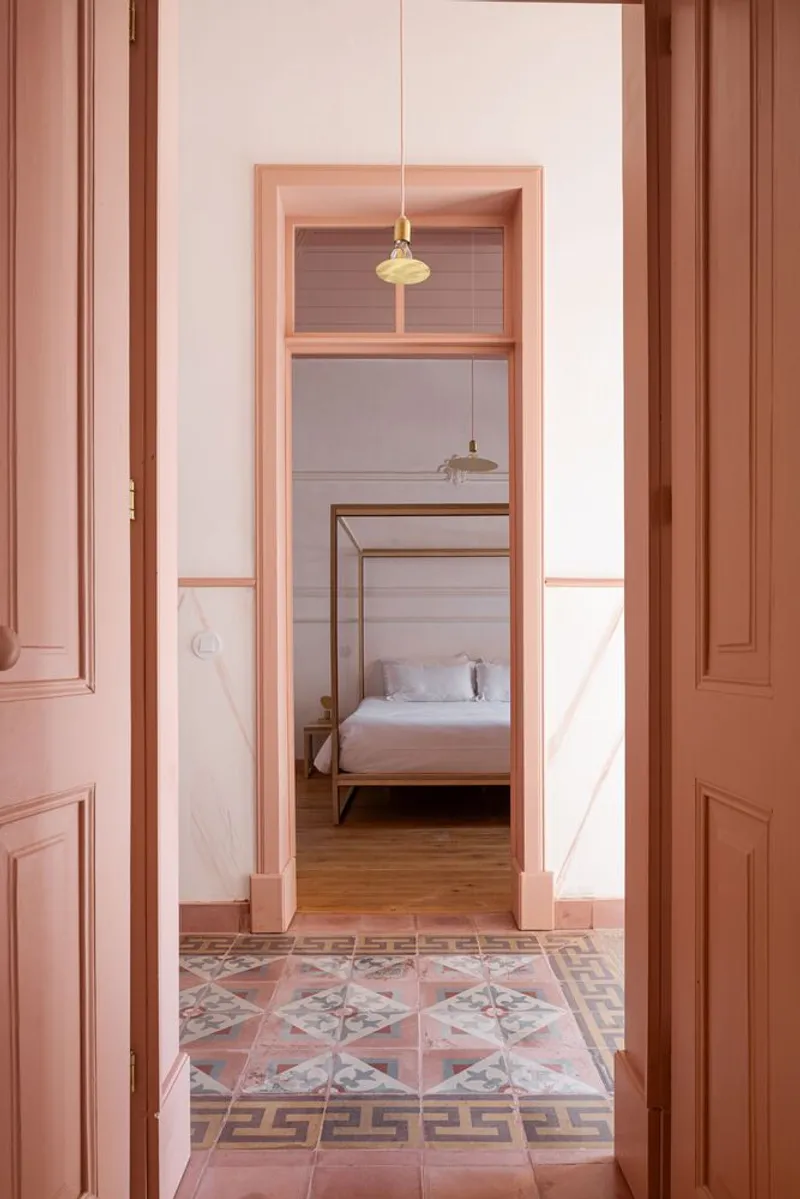
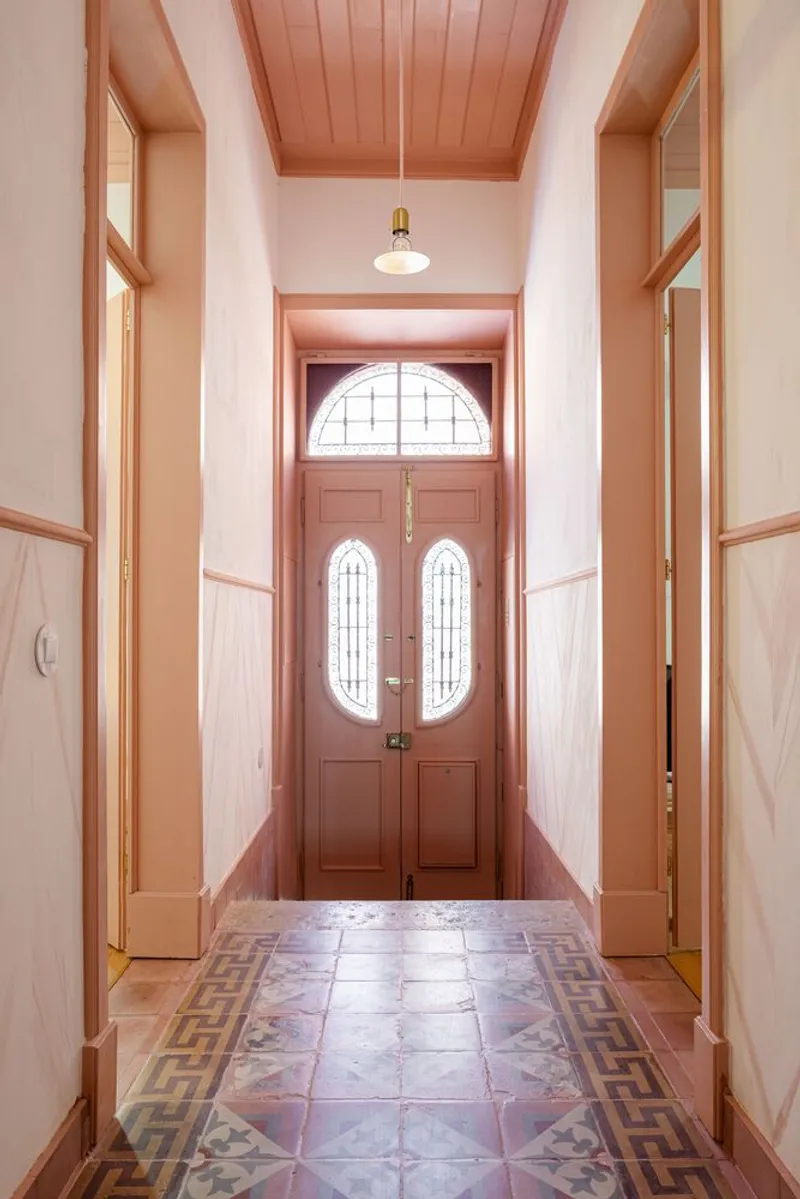
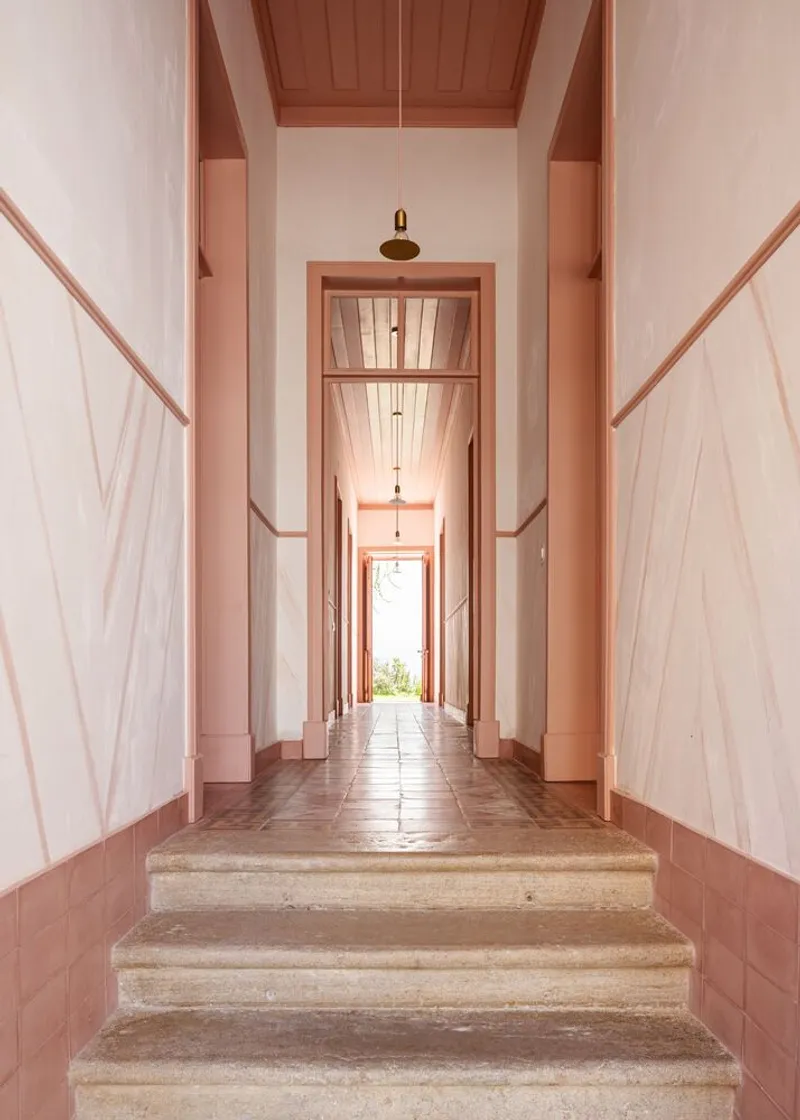
From the moment visitors pass through its historic doors, House 1923 evokes the charm and elegance of the early 20th century. The project pays homage to the magical and ancestral atmosphere of the 1920s, where every architectural element tells a story. The design preserves the volumetry of the original house while maintaining the spatial relationships between rooms and emphasizing key Art Nouveau elements, including stained glass, wrought metalwork, and decorative tiles.
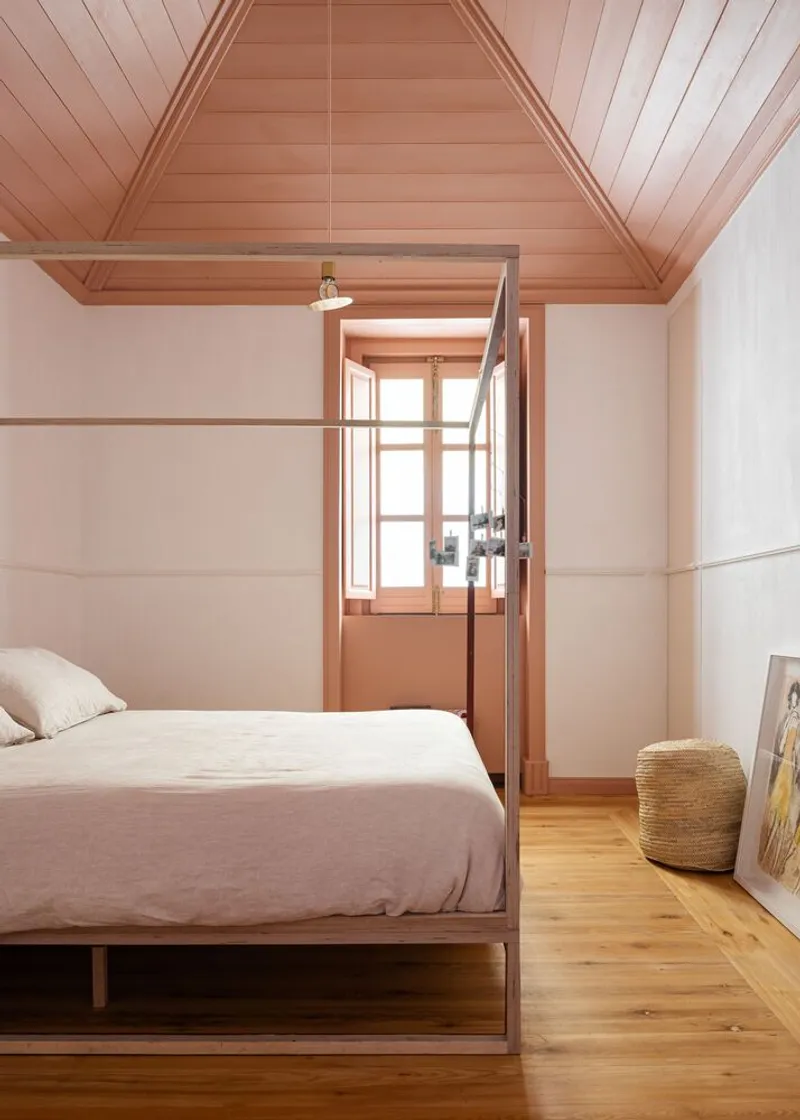
Materials such as wood, stone, marble, and brass are celebrated throughout the interiors. Floors feature hydraulic and marseille tiles, walls are treated with scaiola, plaster, or whitewash, and ceilings showcase intricately worked wood and traditional carpentry, creating a rich tactile and visual experience. Sustainability is woven into the design through cork insulation, natural ventilation, and a rooftop green space, making environmental responsibility an intrinsic part of the building’s ethos.
Contemporary Adaptation for Versatile Living
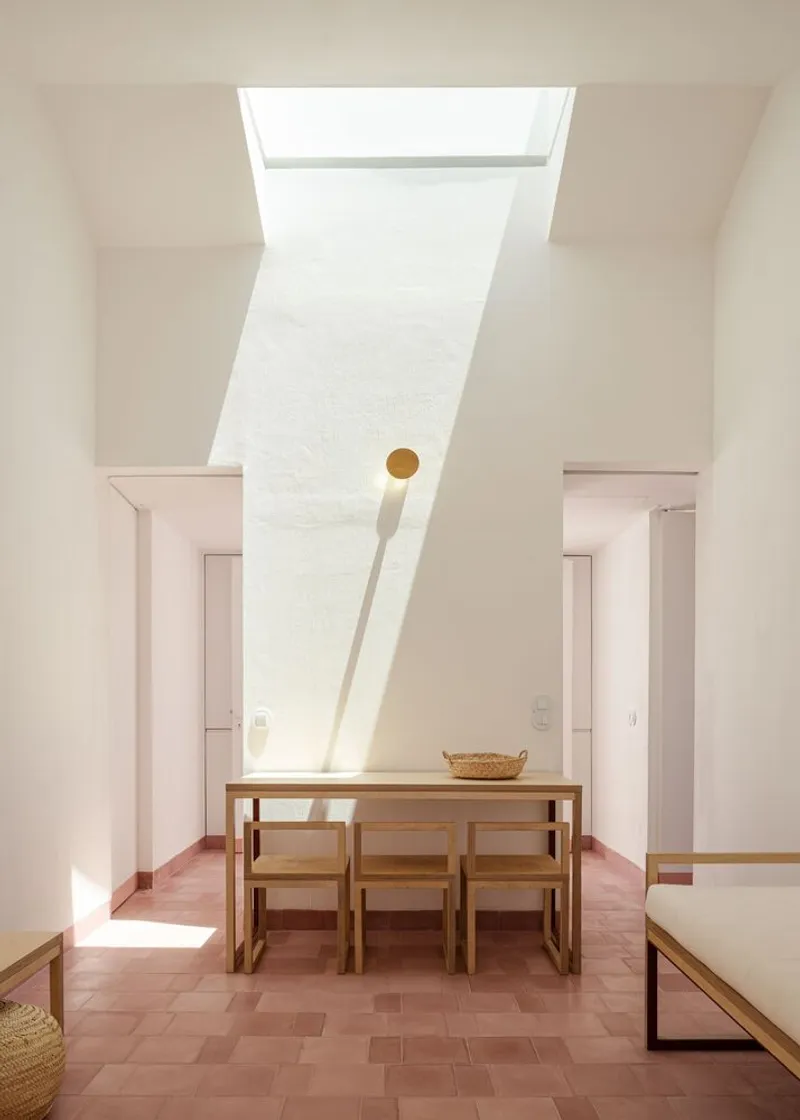
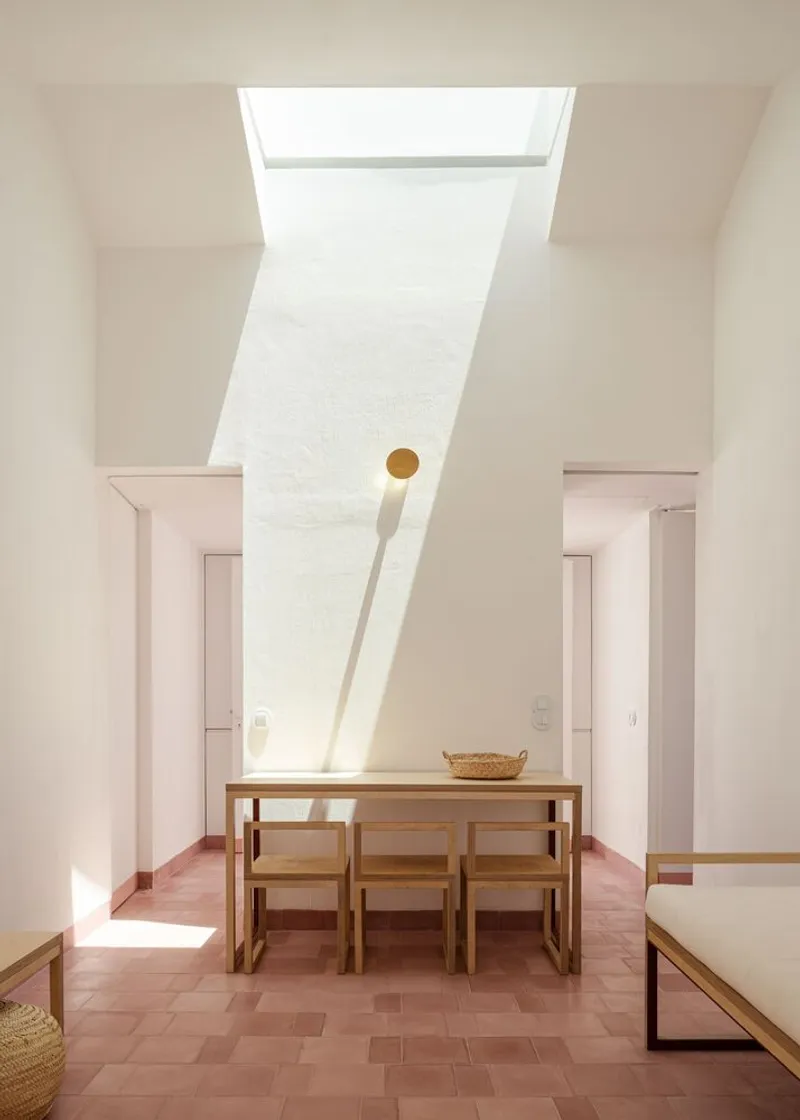
House 1923 is not merely a restoration but a contemporary reinterpretation of the historical context. The ground floor accommodates the main living spaces, including a kitchen, dining, and living rooms, complemented by two versatile studios. Each studio can function independently or merge into a single T1 apartment, providing flexibility for residential or hospitality use.
The upper floor hosts two modern accommodation units that connect to a central multipurpose space equipped with a kitchen. This central area allows the upper level to function as a T2 apartment, ensuring the project meets modern lifestyle demands while respecting the historical narrative.
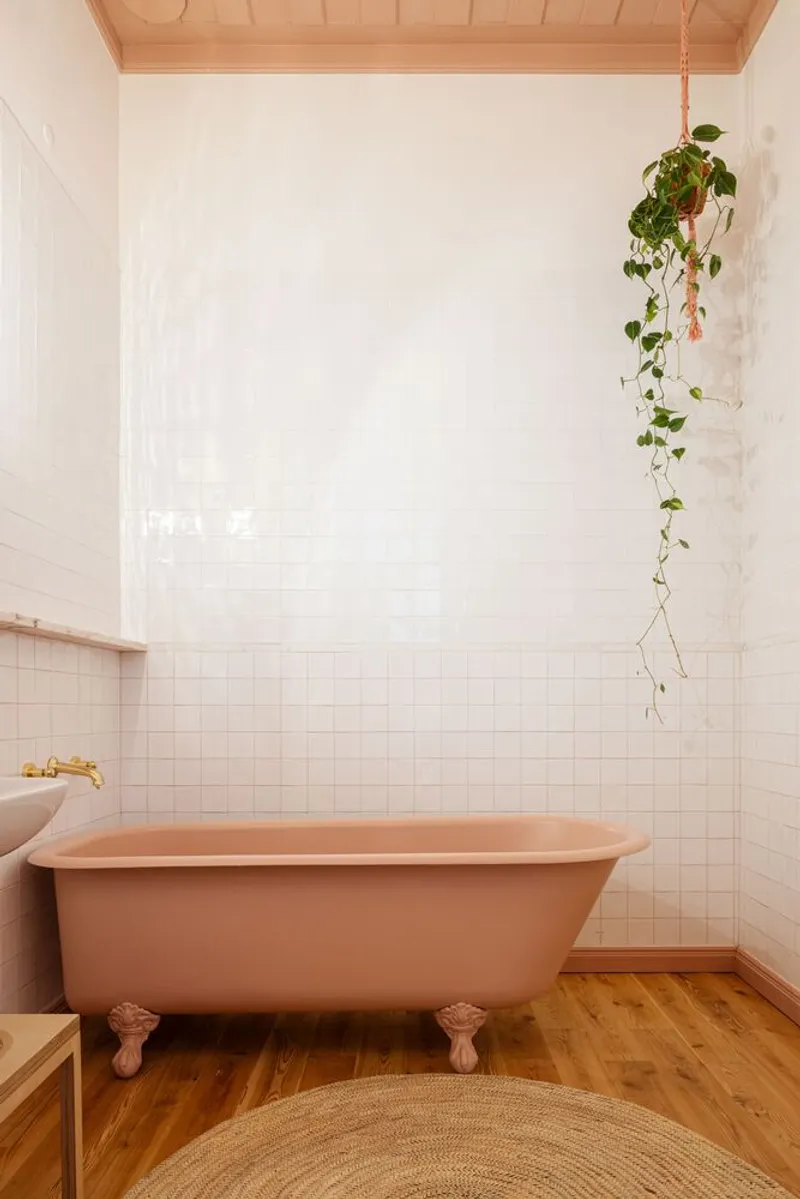
Integration of Nature and Sustainability
Sustainability is not an afterthought but a lifestyle within House 1923. An organic vegetable garden and edible landscaping extend into the rooftop and outdoor spaces, while a water well on the ground floor and a tank above maintain a self-sustaining water system. These features enhance the connection between the interior and exterior, blending historic architecture with contemporary ecological living.
Design Philosophy
The restoration and adaptation of House 1923 reflect a careful balance between authentic historical preservation and modern innovation. The project emphasizes the recovery of lost architectural authenticity while integrating contemporary materials, spatial versatility, and sustainable strategies, resulting in a boutique urban hotel that embodies Faro’s cultural and architectural heritage.
All photographs are works of
Alexander Bogorodskiy


Popular Articles
Popular articles from the community


Opera on the Sea: Driftwood Logic Shapes a Timber Opera House on Estonia's Coast
Trevor Orgill's opera house translates the entangled drift of floating timber into a civic building where wood, water, and music converge.

Temporary Home for Dogs: A Reversed Zoo Rethinks Animal Shelter Architecture
In Bucharest, a sinuous corridor and freed landscape flip the logic of containment, designing a shelter that works to make itself unnecessary.

The Amber Palace Opera: A Geological Fiction Surfaces on Tallinn's Baltic Waterfront
Pierre Brillard reimagines a Baltic legend as a public landscape, opera house, and waterfront promenade rooted in Tallinn's coastal identity.

Cloaked Colonization: A Mobile Underwater Habitat That Moves Like a Fish
Micah Abaya's shortlisted EHC Pacific entry reimagines ocean settlement as a dispersed network of self-sustaining architectural organisms.

Similar Reads
You might also enjoy these articles

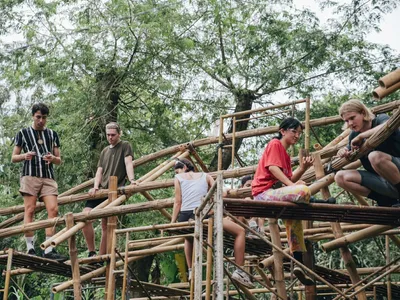
Bamboo Housing Challenge 2026: Design Affordable, Sustainable Homes Using Bamboo
An international design competition by Bamboo U and IBUKU inviting architects and designers to reimagine affordable housing using bamboo — with the winning design built full-scale in Bali.

Computational Design & Education: Beegraphy Design Awards Introduces 7th Category (Featuring Jiyun's Innovative Approach)
Dive into Beegraphy’s 7th Design Awards category, where computational design meets education to create immersive, interactive learning tools, inspired by Jiyun’s work.
From Parametric Lighting to Urban Furniture: Join the 2nd Workshop in Beegraphy’s Computational Design Series
Dive into Cutting-Edge Design Techniques and Practical Applications with Industry Experts

Last Call: Unleash Your Architectural Genius in SHAK's Kindergarten Design Competition
Urgent call for architects to join SHAK's kindergarten design competition before the looming deadline

Explore Art Nouveau Competitions
Discover active competitions in this discipline

Challenge to design mud housing for contemporary communities

Challenge to reimagine the Iron Throne

Photograph architecture without architects

Illustrate the lost glory of Angkor Wat - Render Challenge
Comments (0)
Please login or sign up to add comments
No comments yet. Be the first to comment!