
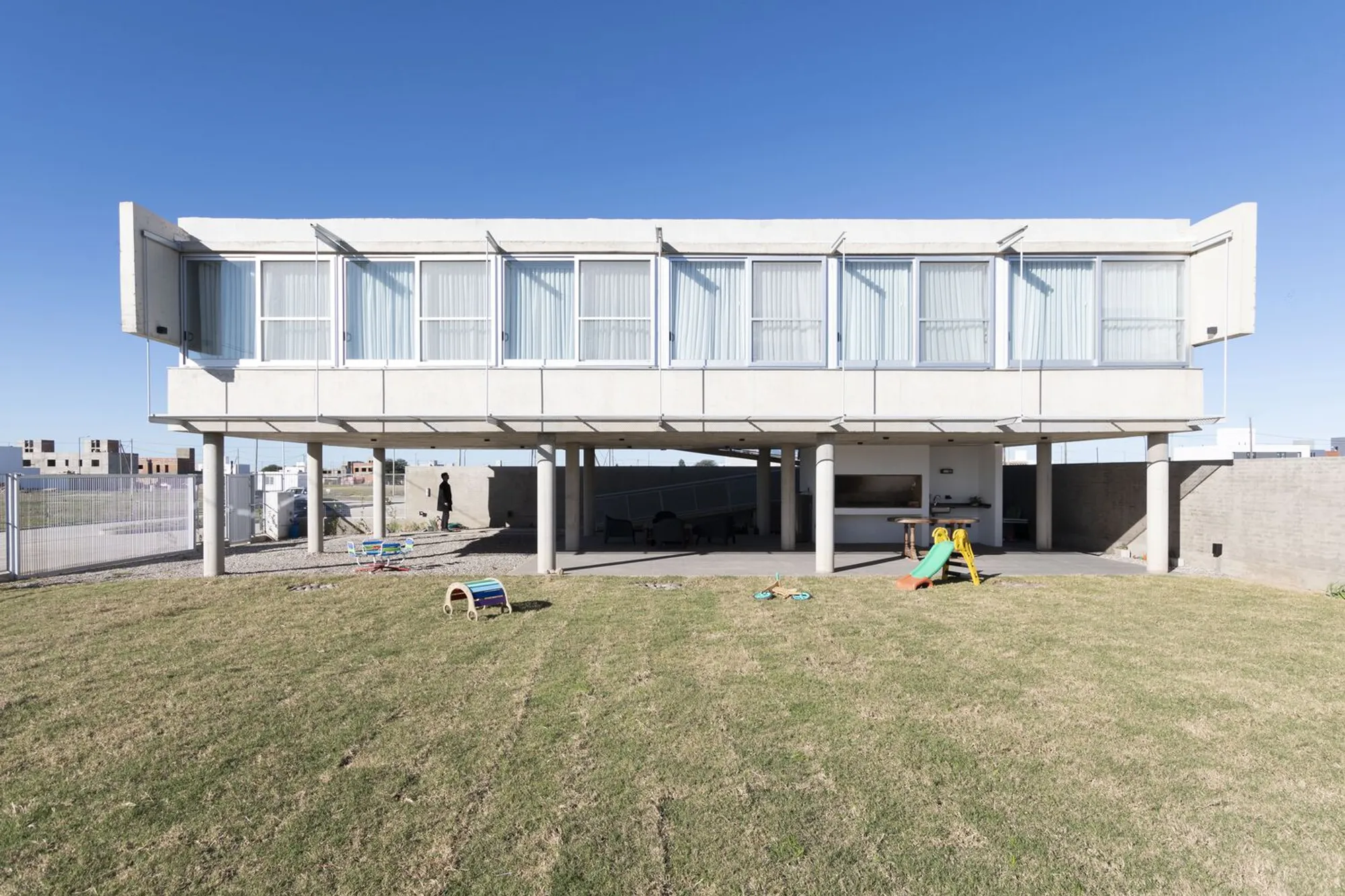
House Between Columns by Esteras Perrote: Innovative Residential Design in Córdoba, Argentina
House Between Columns by Esteras Perrote in Córdoba features 12 circular columns, elevated living, open ground, ramps, concrete structure, and sustainable family-focused design.


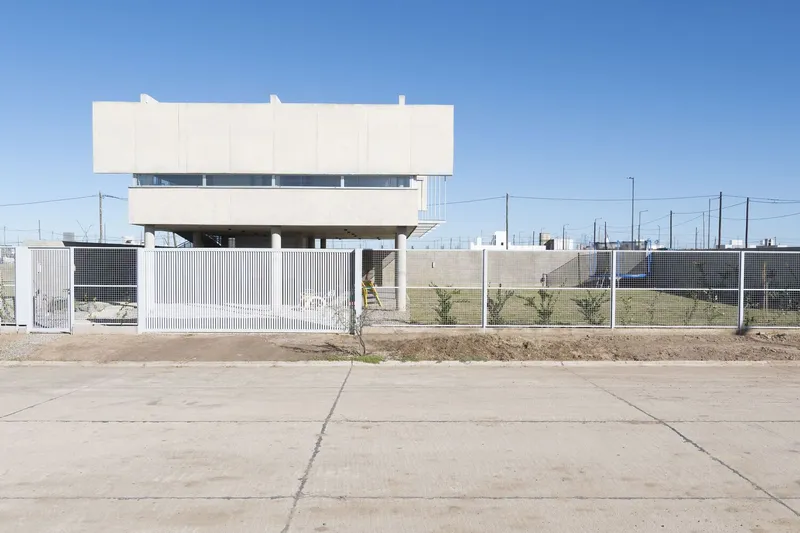
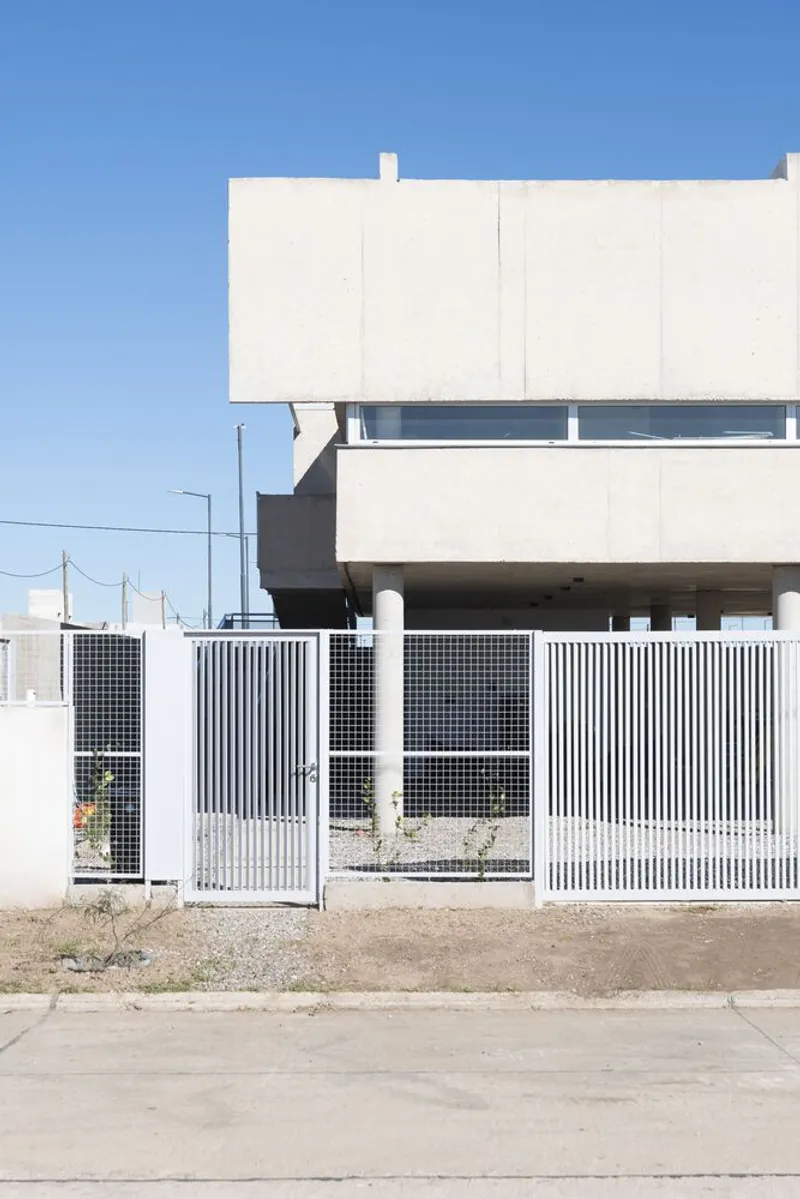
Nestled in a peripheral neighborhood southwest of Córdoba, Argentina, the House Between Columns by Esteras Perrote redefines contemporary residential architecture through spatial innovation and experiential design. Completed in 2023, this 150 m² home exemplifies how thoughtful planning and structural clarity can harmonize with both context and lifestyle, offering a young family an environment that balances openness, privacy, and connection to nature.
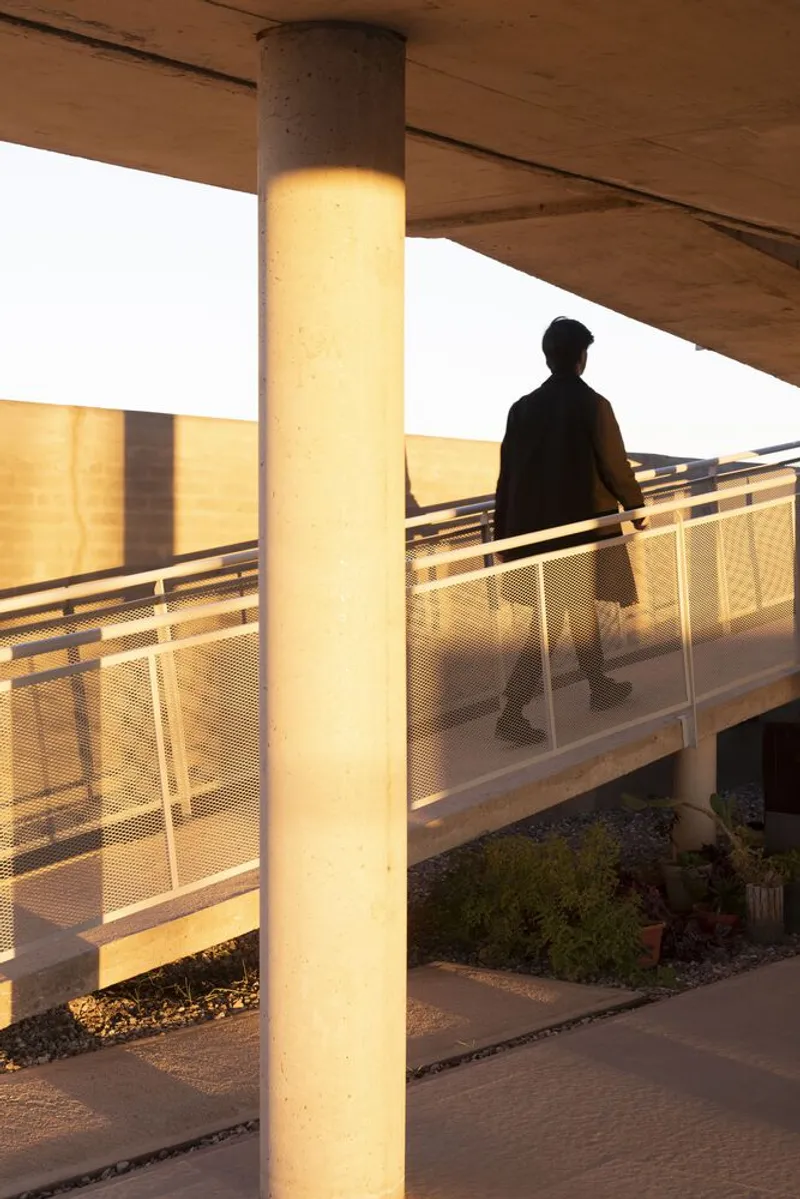
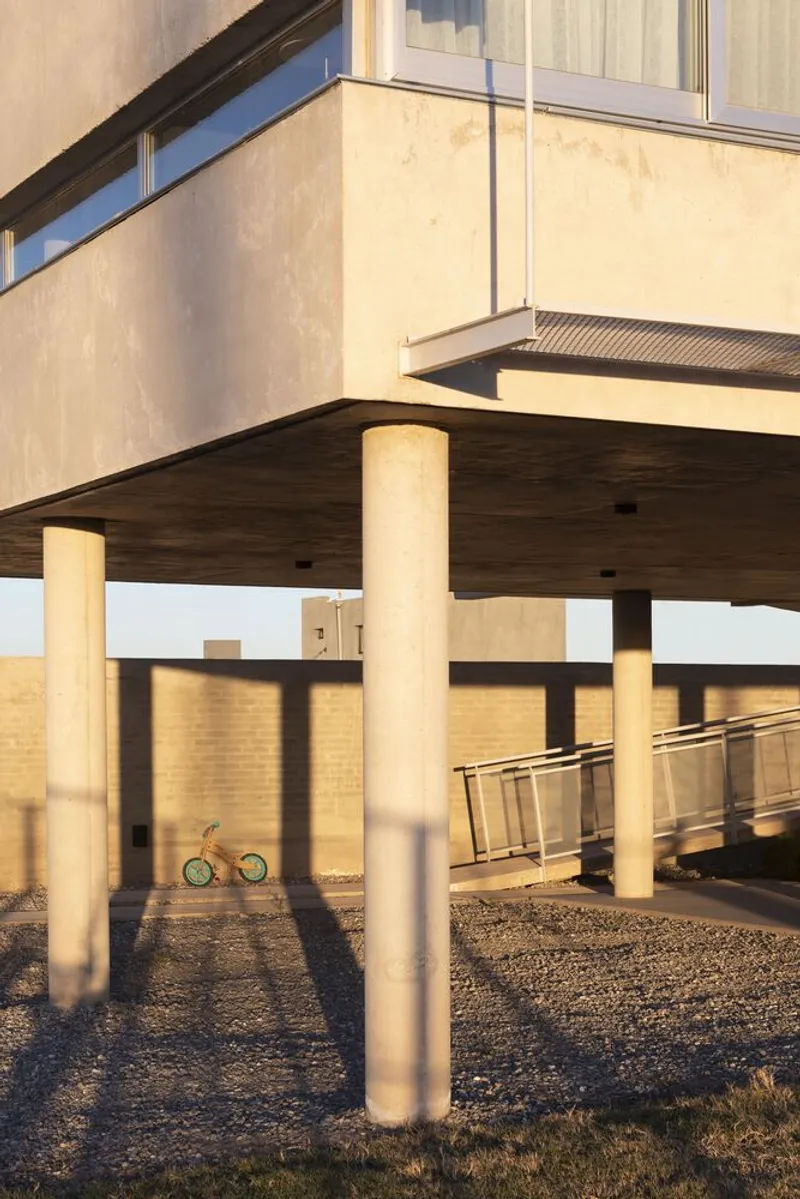

Architectural Concept: Columns as Spatial Experience
The design explores the concept of continuous space, dissolving the traditional boundaries between street and residence. A grid of 12 circular columns, each 30 cm in diameter, forms the structural and conceptual backbone of the home. Rather than focusing on objects or decorative elements, the architects emphasize experience over form, allowing residents to engage with the house through movement, perspective, and interaction with the surrounding landscape.
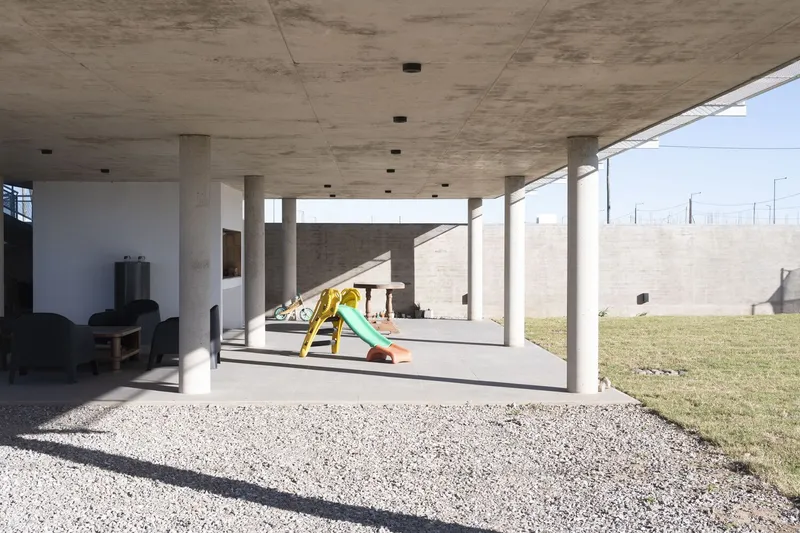
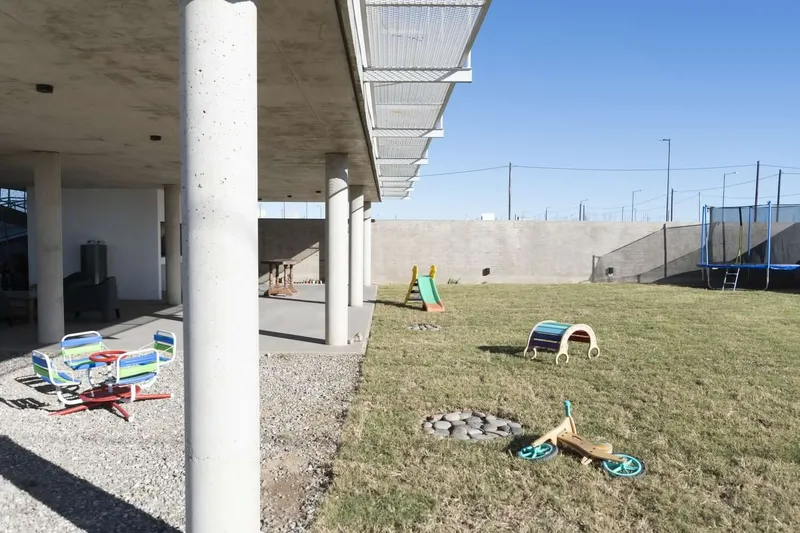
The columns elevate the residential program above ground level, freeing the lower floor for communal and outdoor activities. This arrangement transforms the home into a flexible environment where family life occurs naturally around shared green spaces and open-air circulation.

Site and Context
Located in a developing neighborhood of Córdoba, the house occupies two contiguous lots measuring 24 meters by 22 meters. Oriented north toward the main neighborhood artery and facing a large community green space, the property integrates seamlessly into its environment while maximizing sunlight exposure and natural ventilation.
Ground Floor: Public and Communal Spaces
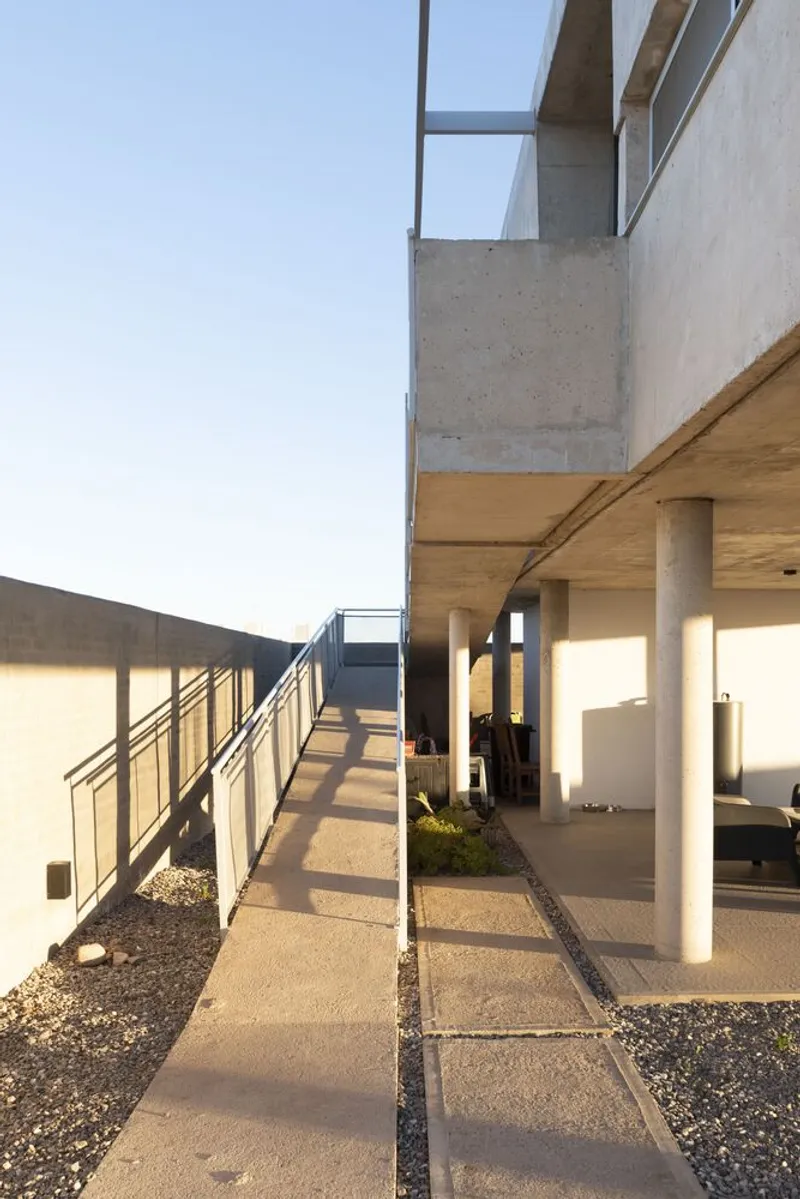
By raising the main living areas to the upper floor, the ground level is entirely dedicated to public and flexible programs. One lot becomes a verdant outdoor space, while the other houses practical functions including parking, laundry, and a barbecue area. These programs are organized around a compact interior core, ensuring the open ground remains a lively and functional extension of the home.

The Ramp: Journey and Connection
A defining architectural feature is the ramp, which acts as a bridge between public and private, upper and lower, interior and exterior. The ramp extends the ground, guiding residents through a dynamic journey that culminates at the main entrance. A recessed landing reveals a column, creating a sense of arrival while maintaining a fluid connection to the landscape.
Program and Interior Layout
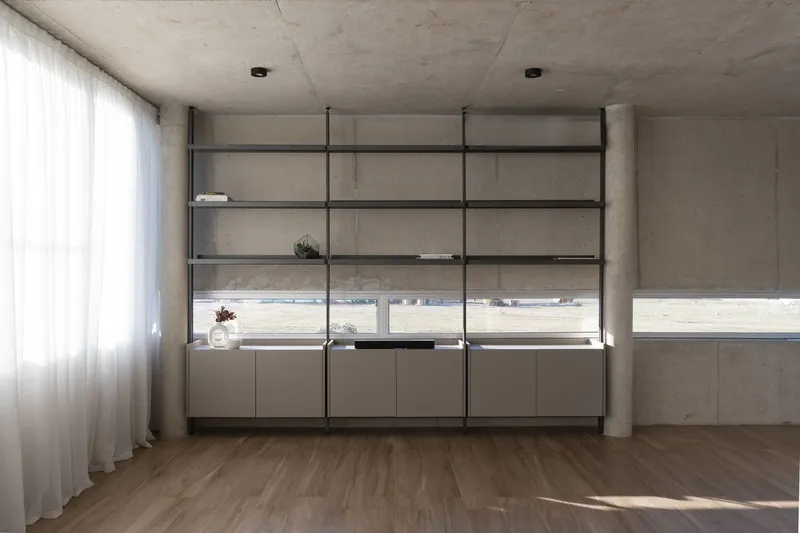
Designed for a young family with two daughters, the home balances private and communal needs. The upper floor contains flexible, traditional spaces including bedrooms and bathroom cores, but circulation and experiential flow remain central. Kitchens and bathrooms are strategically located to enhance movement through the home, encouraging interaction while maintaining privacy.
Structure and Materiality
Concrete serves as both the structural system and aesthetic identity of the home. The architects highlight the material’s technical and expressive qualities, embracing its weight, gravity, and inherent honesty. Living among columns becomes an immersive experience, emphasizing the artistry of building and the clarity of structural logic.
Sustainability and Environmental Integration
Sustainability in the House Between Columns is expressed through minimal environmental impact, natural ventilation, and daylight optimization. By elevating the main program and freeing the ground plane, the design preserves the lot’s permeability and natural condition. Open circulation and flowing spaces ensure air and light penetrate every corner of the home, creating a healthy, low-maintenance, and energy-efficient environment.
The House Between Columns by Esteras Perrote demonstrates how contemporary residential architecture can merge structural innovation, sustainability, and experiential design. Through its thoughtful use of columns, ramps, and open spaces, the home fosters family interaction, celebrates natural context, and transforms ordinary lots into extraordinary living experiences.
All photographs are works of
Juan Cruz Paredes




Popular Articles
Popular articles from the community


The Ocean Hive: Sustainable Architecture for a Self-Sufficient Civilization at Sea
The Ocean Hive imagines sustainable architecture at sea, where modular habitats, algae, wave power and ocean waste sustain a growing colony.

AL-JANNAH: Sustainable Architecture and Permaculture for Afghan Widows
AL-JANNAH uses sustainable architecture and permaculture to create resilient oasis of housing, learning, work and renewal for Afghan widows.

Co-life: Sustainable Architecture for Age-Friendly Community Living
Co-life reimagines sustainable architecture for seniors through courtyards, rammed earth, shared gardens, and spaces designed for belonging.

Conexión: Biophilic Design Reimagines High-Rise Living in Hong Kong
Conexión reimagines high-rise living in Hong Kong through biophilic design, green facades, shared spaces, daylight, water and nature within.


Similar Reads
You might also enjoy these articles


FAMM Arquitectura Organizes Ten Villas Around Courtyards and Jungle in Nosara, Costa Rica
El Molino pairs two elongated volumes with deep overhangs and timber louvers to build a compact coastal community five minutes from the beach.

Oscar Niemeyer's Ibirapuera Park Pavilions Define São Paulo's Cultural Identity in Concrete and Curve
A constellation of modernist volumes set within São Paulo's most important urban park, conceived for the city's 400th anniversary in 1954.
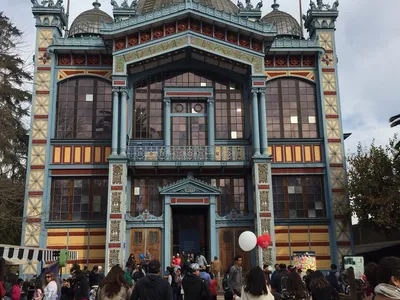
How Henri Picq's 1889 Paris Pavilion Traveled 11,000 Kilometers to Become Santiago's Artequín Museum
A prefabricated iron and glass pavilion built for the Paris Universal Exposition found a second life as a children's art museum in Chile.

Sanjay Puri Architects Wraps a Jaipur Office Tower in Capsule-Shaped Green Buffers
A nine-level climate-responsive workplace near Jaipur Airport uses stacked planter terraces and aluminium screens to fight 40°C heat.

Explore Architecture Competitions
Discover active competitions in this discipline



Challenge to reimagine the Iron Throne


Photograph architecture without architects


Illustrate the lost glory of Angkor Wat - Render Challenge


Design challenge to reuse E-waste
Comments (0)
Please login or sign up to add comments
No comments yet. Be the first to comment!