
House Comet By GAISS: A Sustainable and Dynamic Family Home in Riga
House Comet by GAISS in Riga is a sustainable, vibrant family home featuring timber construction, red cladding, open terraces, and adaptable living spaces.


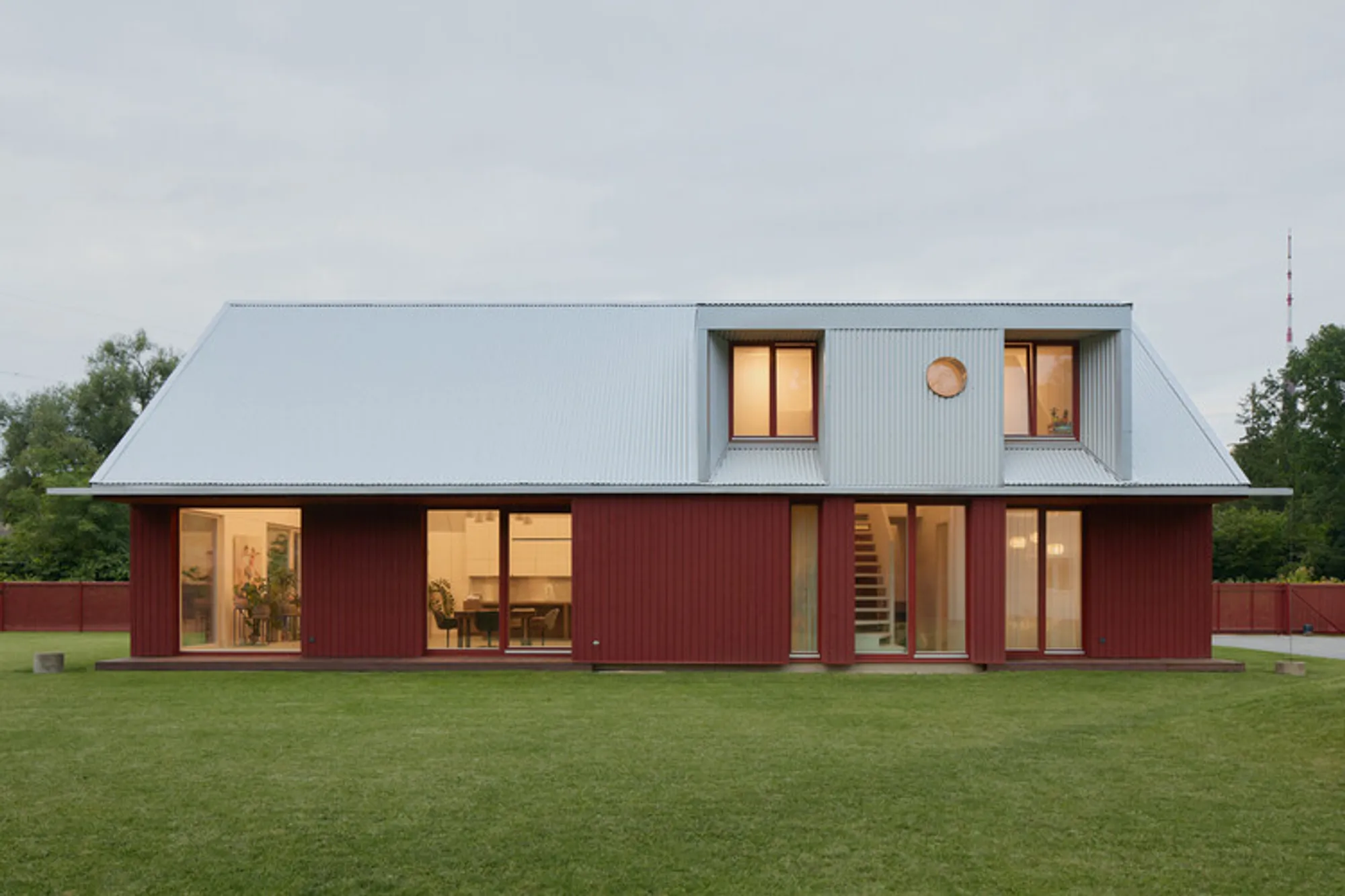
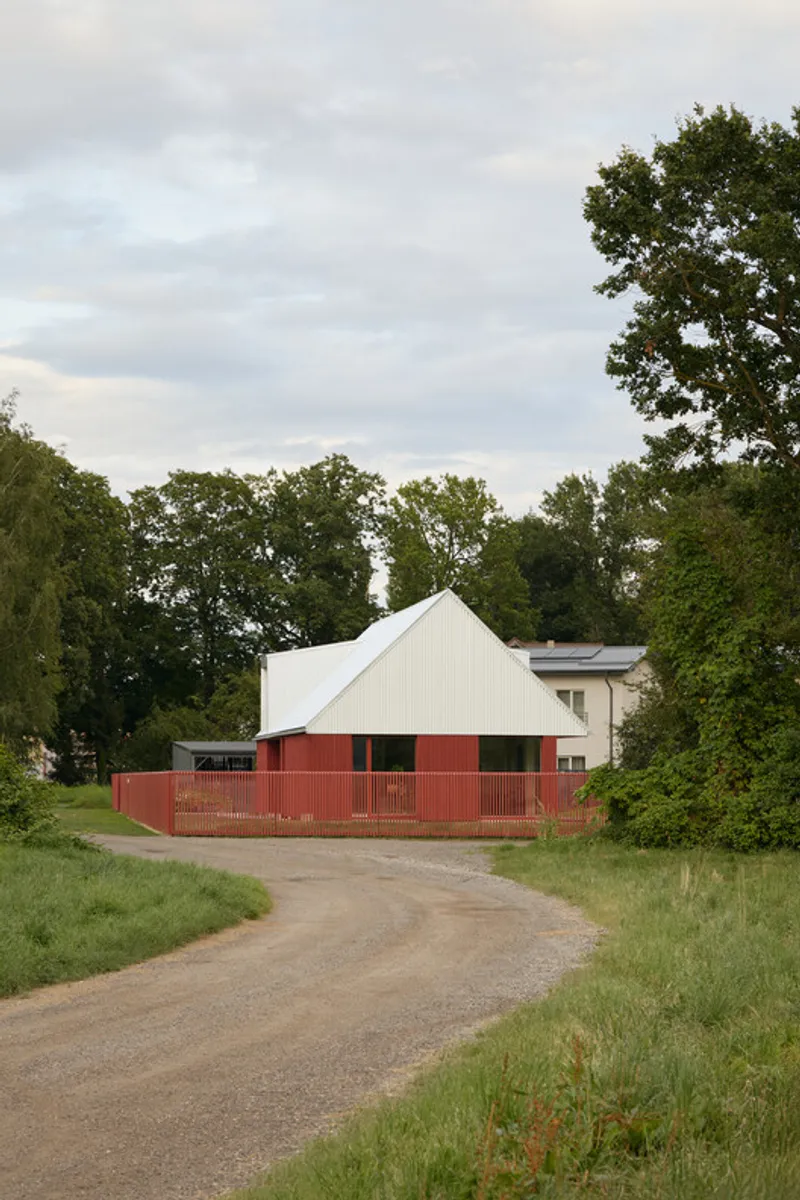
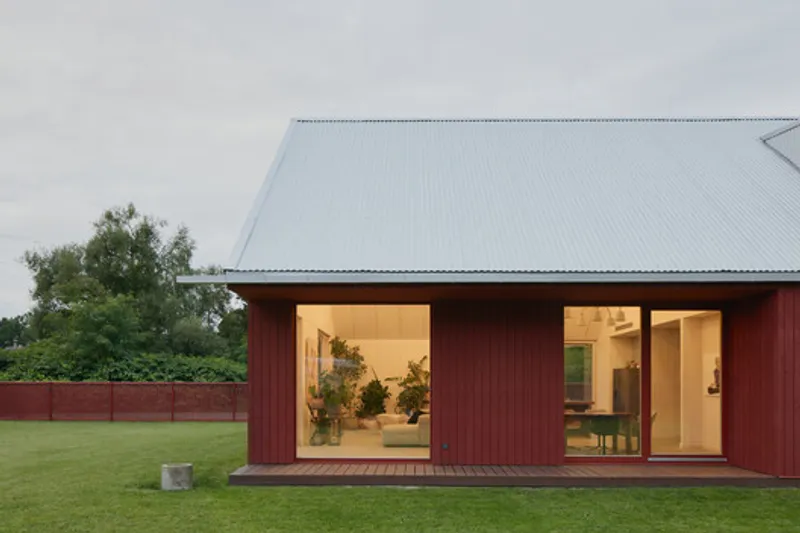
House Comet, designed by GAISS Architects, is a striking contemporary residence located in a green, secluded neighborhood near the Daugava River in Riga, Latvia. Completed in 2024 with an area of 175 m², the home is tailored for a young, creative family, emphasizing flexibility, sustainability, and a strong connection to nature. Its bold red exterior, angular roof, and seamless indoor-outdoor integration make it a vivid architectural statement within the tranquil surroundings.
Architectural Concept and Design Intent
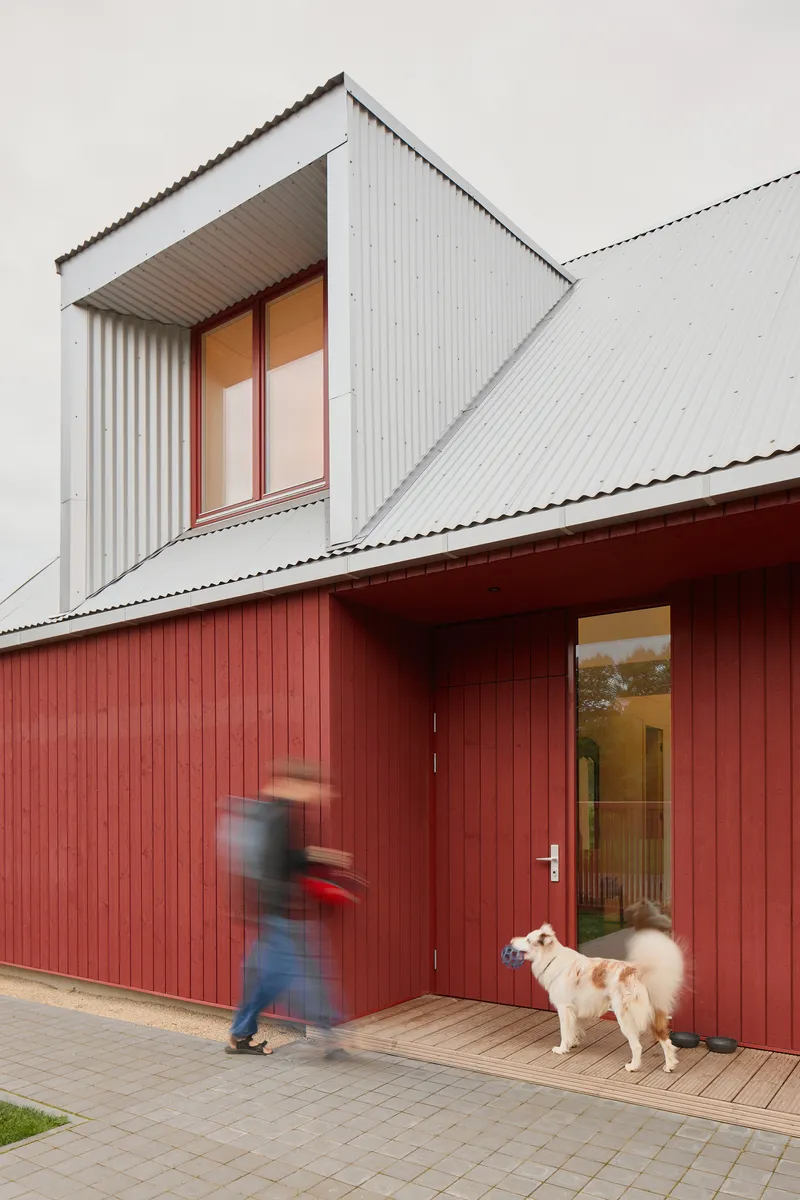
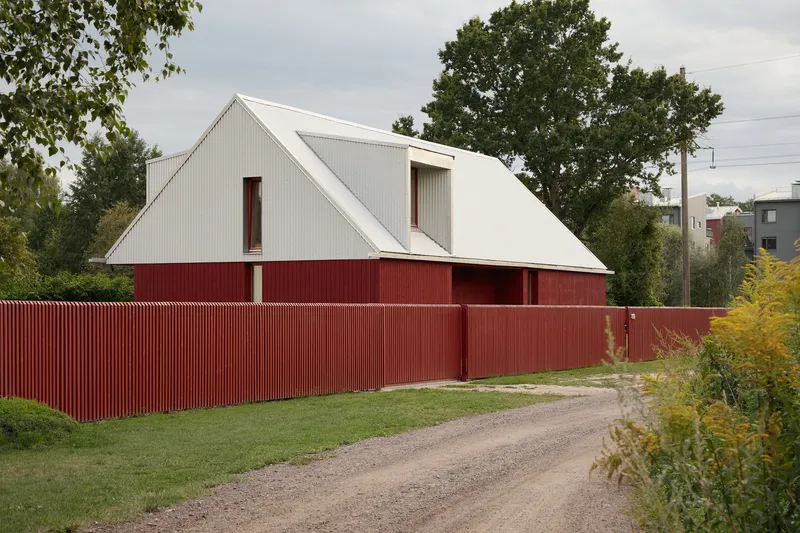
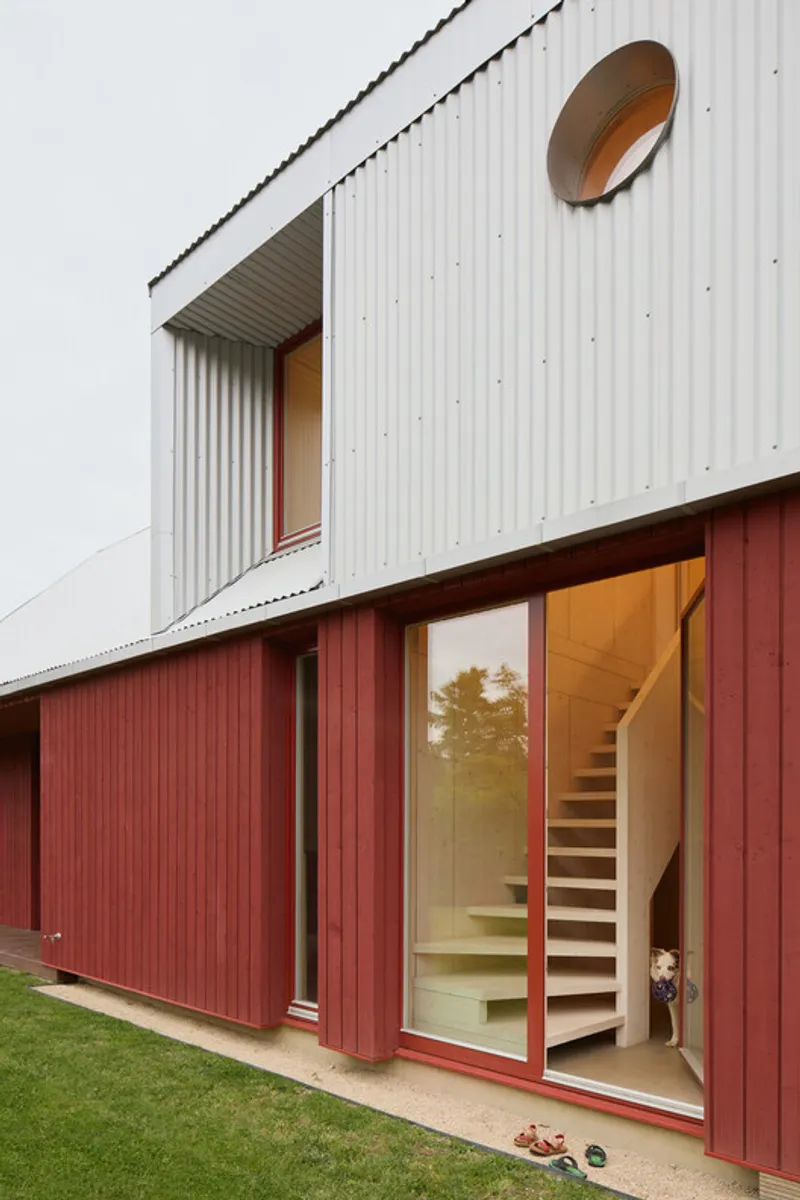
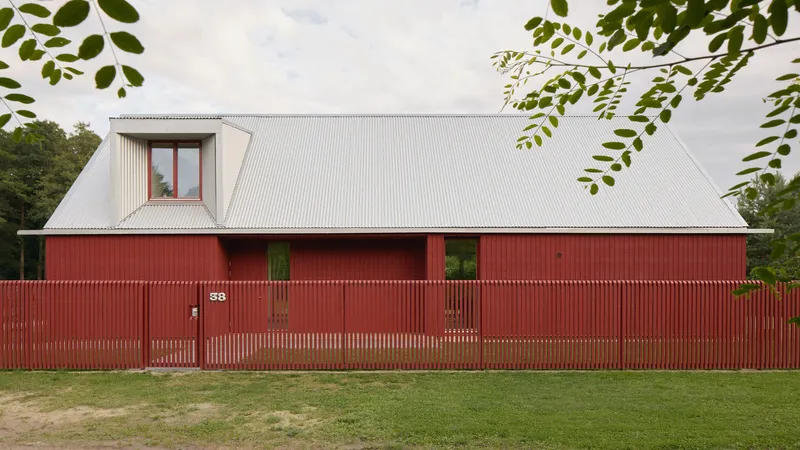
The design of House Comet draws inspiration from the interaction between urban and rural landscapes, creating a dynamic dialogue between the home and its environment. The building’s triangular metallic roof and red vertical timber cladding give it a distinct identity while fostering a playful and vibrant character. The cladding folds inward to form sheltered terraces and a welcoming entrance, visually blurring the boundaries between the house and its garden. The bright hue extends to the garden fence, further merging architecture with landscape.
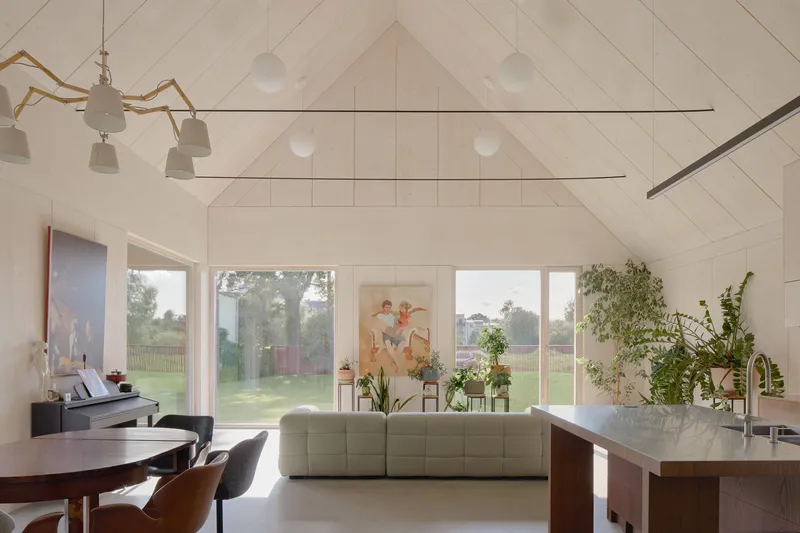
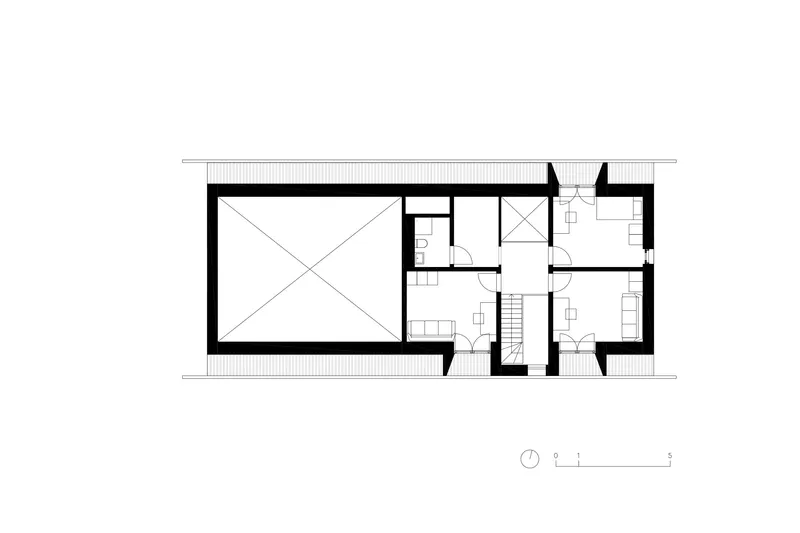
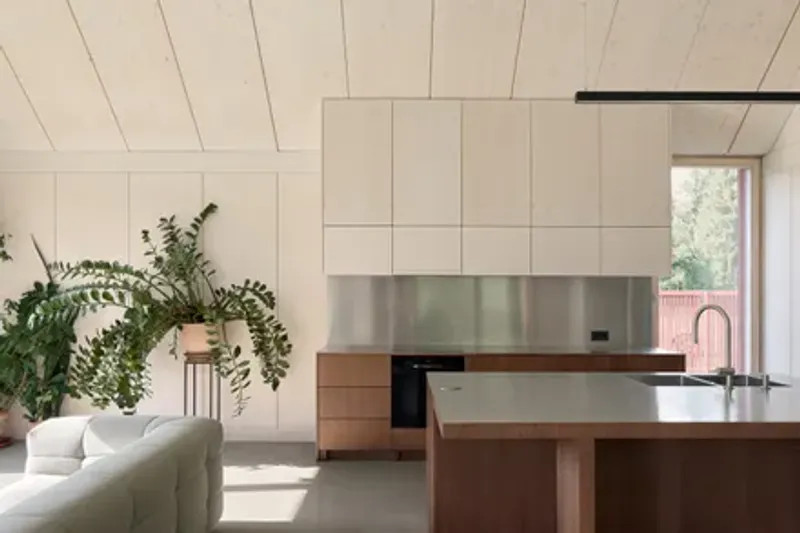
The linear layout supports a gradual transition from private to communal spaces, accommodating the family’s evolving needs over time. Compact children's bedrooms can be combined or reconfigured as they grow, while large, open living areas on the eastern side serve as shared family hubs. The full-height living room integrates the kitchen and dining spaces, creating a generous and open communal environment.
Materials, Structure, and Sustainability
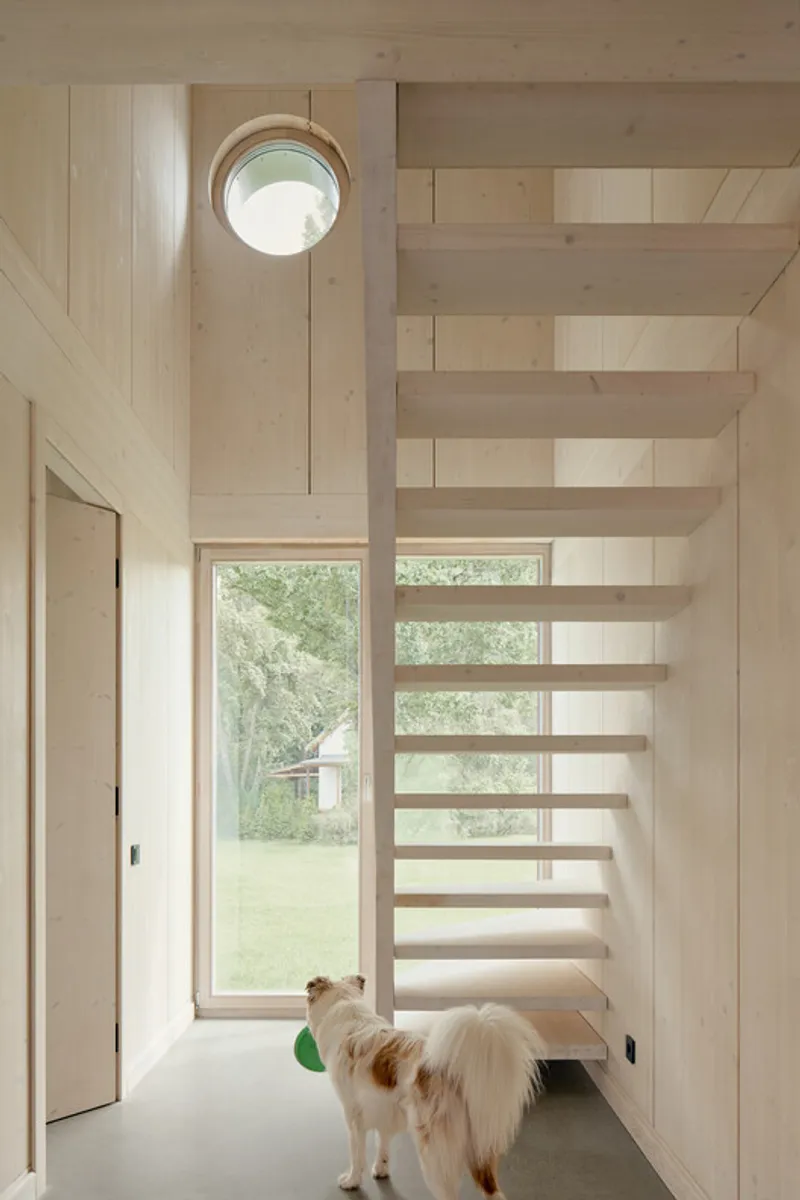
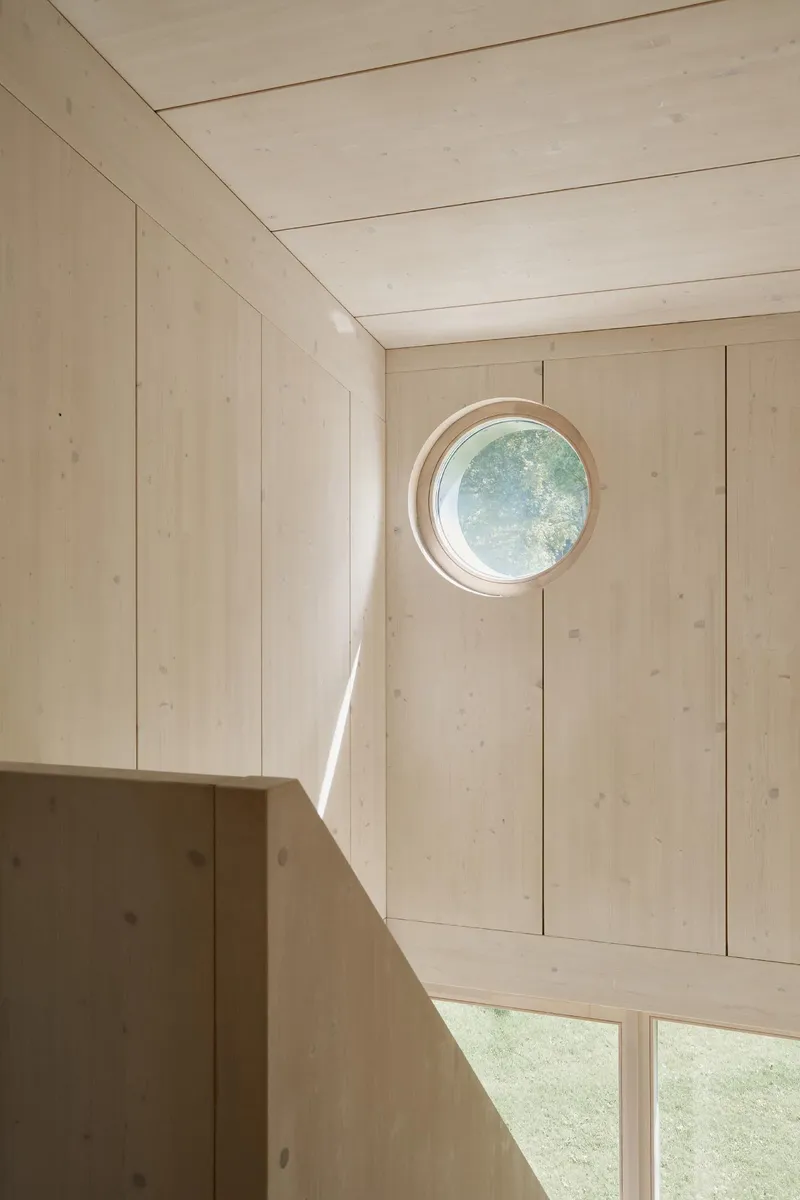
Constructed primarily from solid timber panels, the home combines structural integrity with aesthetic warmth. Exposed glued laminated timber panels inside reveal the building’s framework, enhancing the material honesty and tactile quality of the interiors. Concrete flooring flows seamlessly into wooden-deck terraces surrounding the southern and western facades, ensuring a strong visual and physical connection to the outdoor spaces.
Sustainability is a core principle in the design:
- Maximized solar gain via strategically placed windows.
- Extended roof overhangs for passive shading in summer.
- High energy efficiency and healthy indoor microclimate.
- Wood is used extensively in structure, finishes, and insulation, reinforcing the ecological strategy.
Spatial Organization and Lifestyle Integration
The entrance hall functions as the central circulation node, linking all zones of the house, both floors, the front courtyard, and the garden. This thoughtful spatial arrangement encourages interaction while maintaining privacy. The house also incorporates flexible living spaces designed to adapt to the family’s changing needs over time, reflecting long-term planning and functional adaptability.
Outdoor living is emphasized through wraparound terraces and multiple openings that connect the interior to the natural environment. The design encourages an active, playful, and communal lifestyle, aligning with the family’s creative approach to daily living.
Aesthetic Identity
House Comet stands out for its vivid red exterior, minimalist forms, and natural material palette, blending modernist clarity with practical family living. The triangular roof acts as both a functional and visual anchor, while the overall composition demonstrates a balance between simplicity, material richness, and spatial creativity.
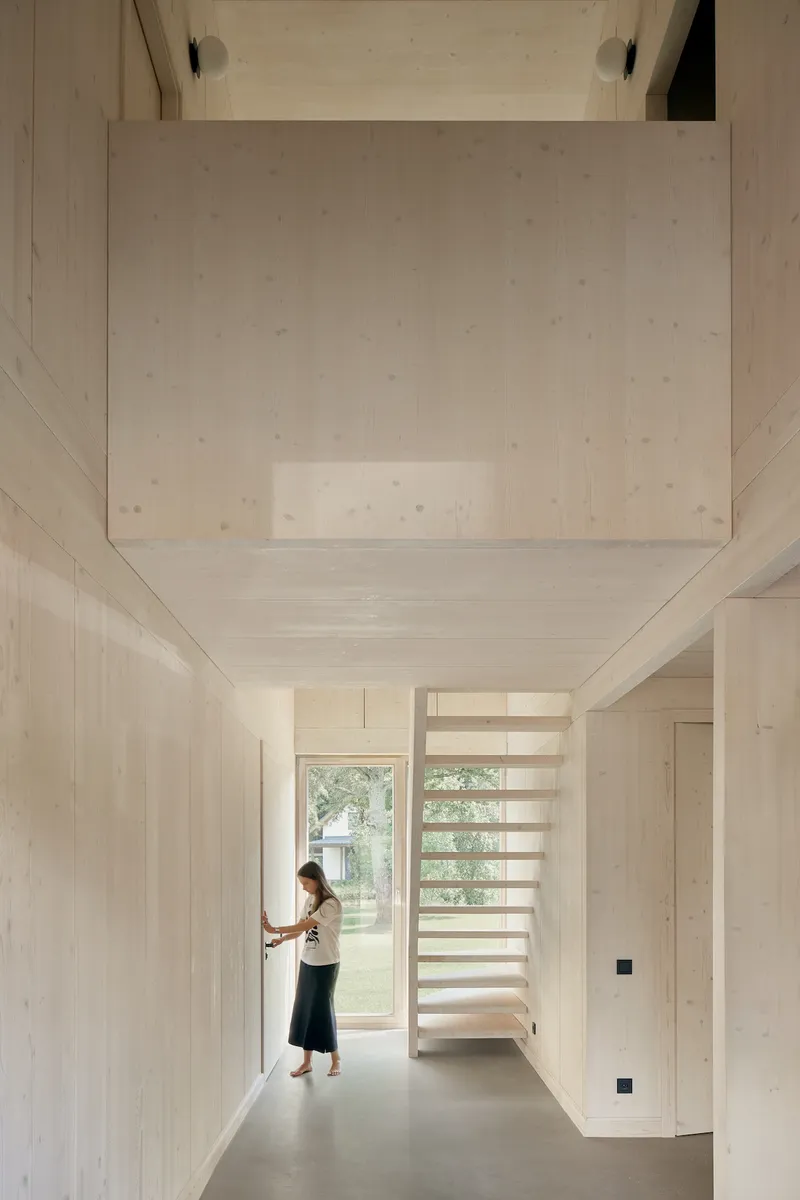
All the photographs are works of Madara Kuplā




Popular Articles
Popular articles from the community

EW PARK: Sustainable Architecture Reimagines the Future of Urban Parking
EW PARK reimagines city parking as a modular wooden tower combining automation, solar energy, electric mobility, and adaptable urban design.

The Musturak Paradise: Senior Living Architecture for a Connected Future in Temara, Morocco
The Musturak Paradise reimagines senior living architecture in Temara via private homes, social spaces, culture, community, and shared care.

The Earth Pod: 3D Printed Homes for Resilient Refugee Communities
The Earth Pod reimagines refugee housing through 3D printed homes made from clay, combining resilience, self-sufficiency, and rapid shelter.

AL-JANNAH: Sustainable Architecture and Permaculture for Afghan Widows
AL-JANNAH uses sustainable architecture and permaculture to create resilient oasis of housing, learning, work and renewal for Afghan widows.


Similar Reads
You might also enjoy these articles


Hodi-Mandai Geram
Project Function: Preservation and revitalization of the Intangible heritage and socio-spatial identity of the Hodi by Housing, Cultural Memory Center, Sacred Grove, landscape, local tourism economy


Olio Towers: A Mid-Rise for Performers That Fuses Housing, Rehearsal, and Stage
Located blocks from Houston's Theater District, this modular tower stacks living units around a central performance atrium.

Oasis: Modular Green Housing Carved into Dhaka's Urban Fabric
A shortlisted Plugin Housing entry reclaims unauthorized settlements in Dhaka with stepped concrete volumes, green roofs, and ventilation-driven design.

Black Hole: A Floating Megastructure for the Post-Physical Era
Emiliano Mazzarotto envisions a spherical, self-scaling arena where e-sports, digital hotels, and holographic stadiums replace traditional public space.


Explore Residential Building Competitions
Discover active competitions in this discipline


Challenge to design mud housing for contemporary communities


Challenge to reimagine the Iron Throne


Photograph architecture without architects


Illustrate the lost glory of Angkor Wat - Render Challenge
Comments (0)
Please login or sign up to add comments
No comments yet. Be the first to comment!