
House in Cauquén: A Modern House Design by Federico Craig & Jesica Bava
The article explores the innovative design of the House in Cauquén, highlighting its modern, sustainable architecture and unique features.


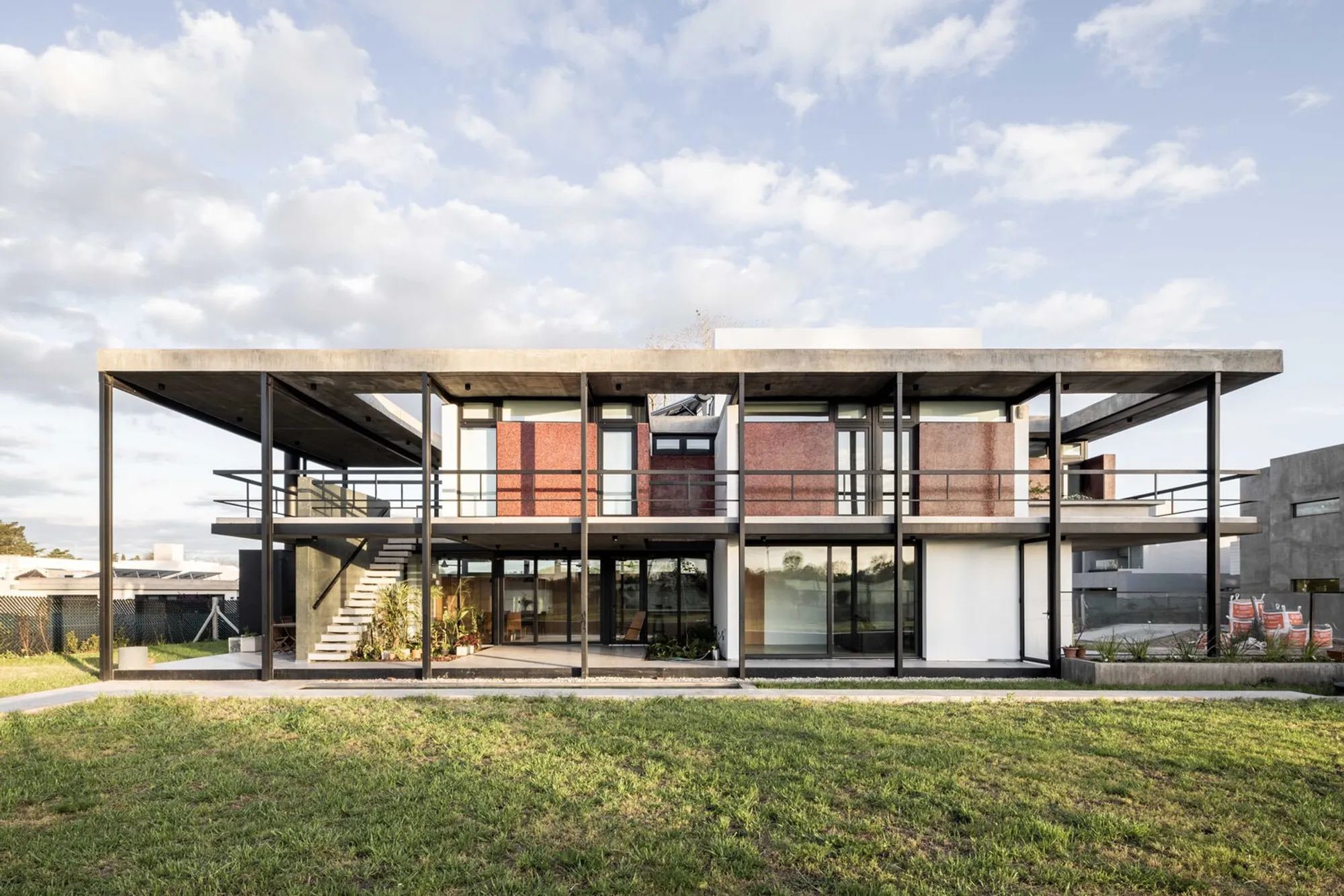
The House in Cauquén, designed by architects Federico Craig and Jesica Bava, is an exemplary modern house design that fuses aesthetic beauty with functional architecture. Located in La Plata, Argentina, the residence showcases cutting-edge architectural techniques, focusing on openness, light, and integration with the surrounding landscape. The project, completed in 2023, features an innovative layout, a unique use of materials, and a design concept that prioritizes sustainable living.

Key Design Elements of the House in Cauquén
Prismatic Form and Orientation
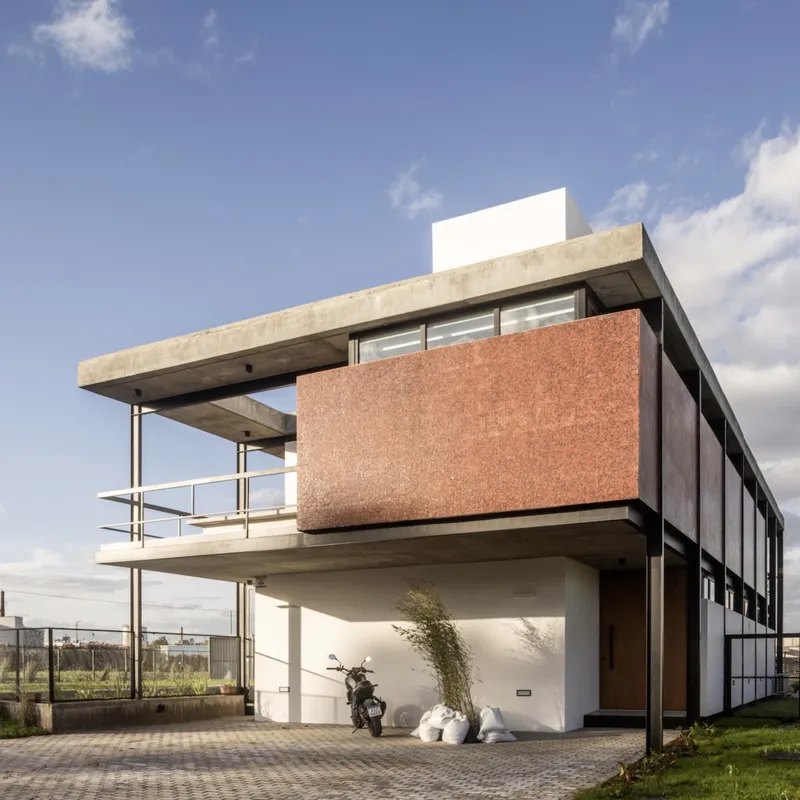
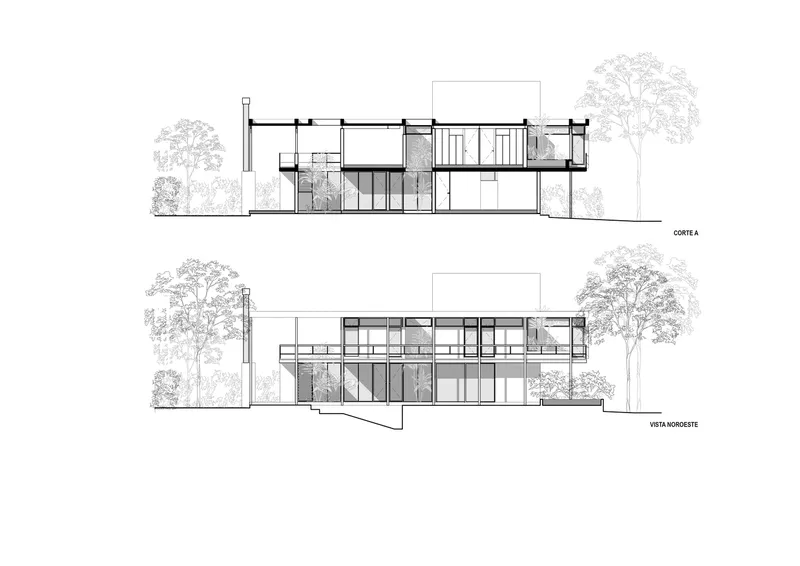
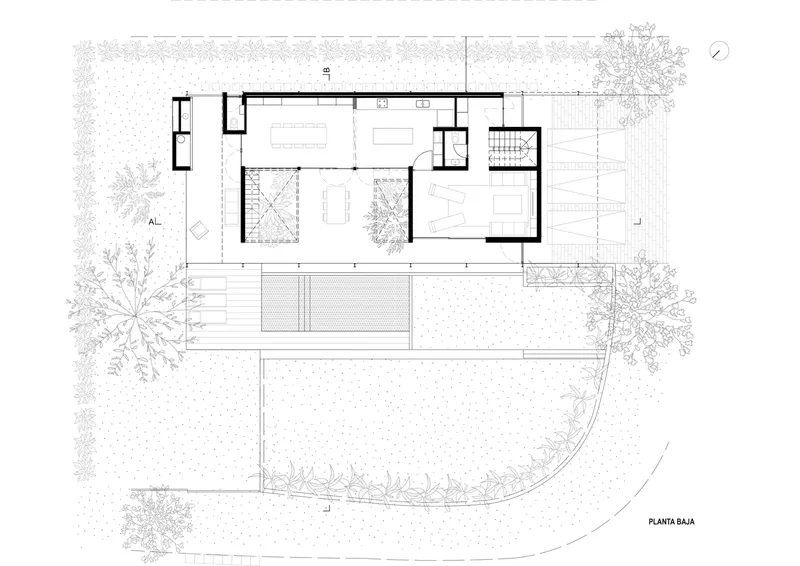
The house is designed as a prismatic structure leaning against the southern side of a square corner lot. The orientation of the house maximizes natural light and views towards the north. By releasing a large void on the north side, the building opens itself to optimal sunlight and panoramic vistas. The strategic positioning allows the house to harness the benefits of its environment, providing a sense of openness and tranquility.
Porous Design for Ventilation and Shade
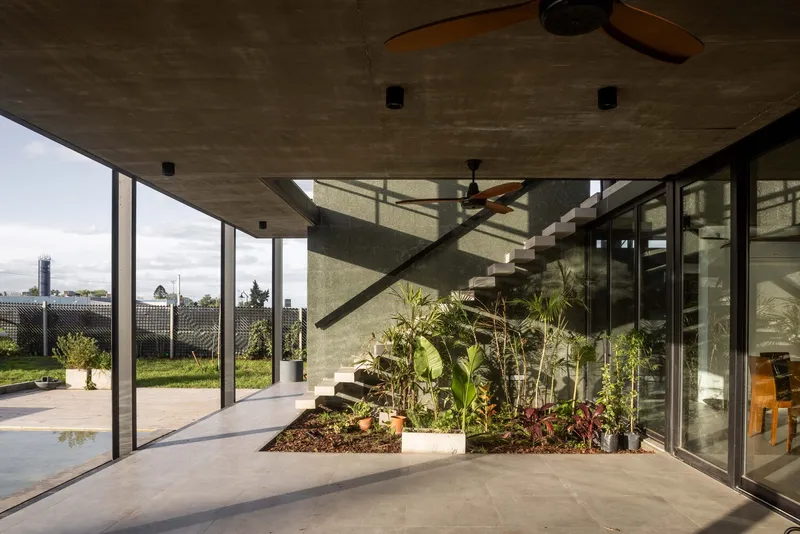
Given the new private urbanizations in the area, which lack pre-existing vegetation, the architects aimed to create a porous house design. This involved including a large number of intermediate shaded spaces, offering areas that act as transitional zones between the interior and exterior. These shaded areas enhance ventilation while keeping the internal environment cool in the hot Argentine climate.
Metallic Grid and Geometric Precision
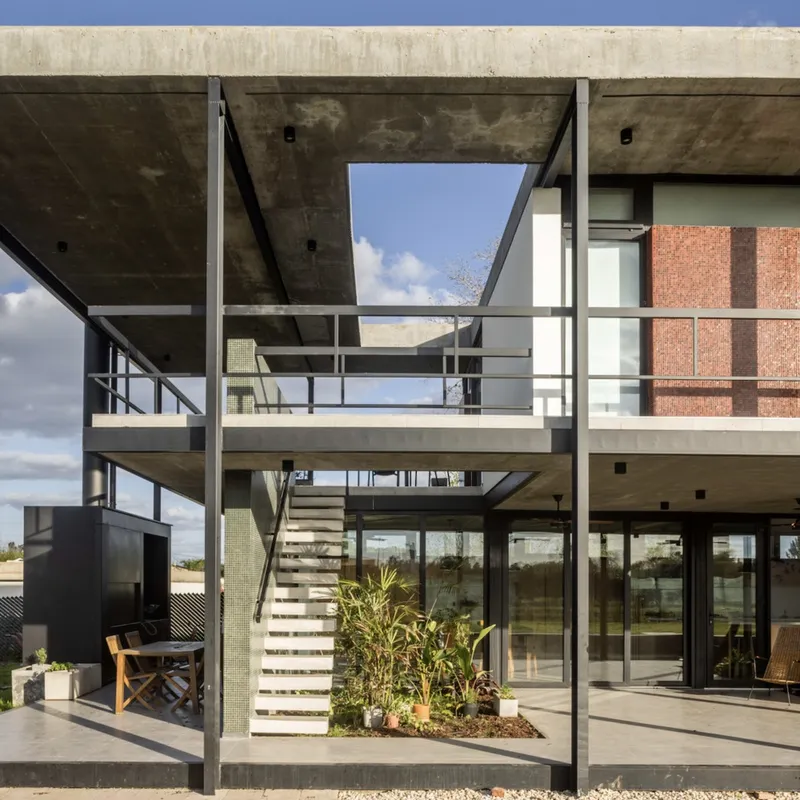
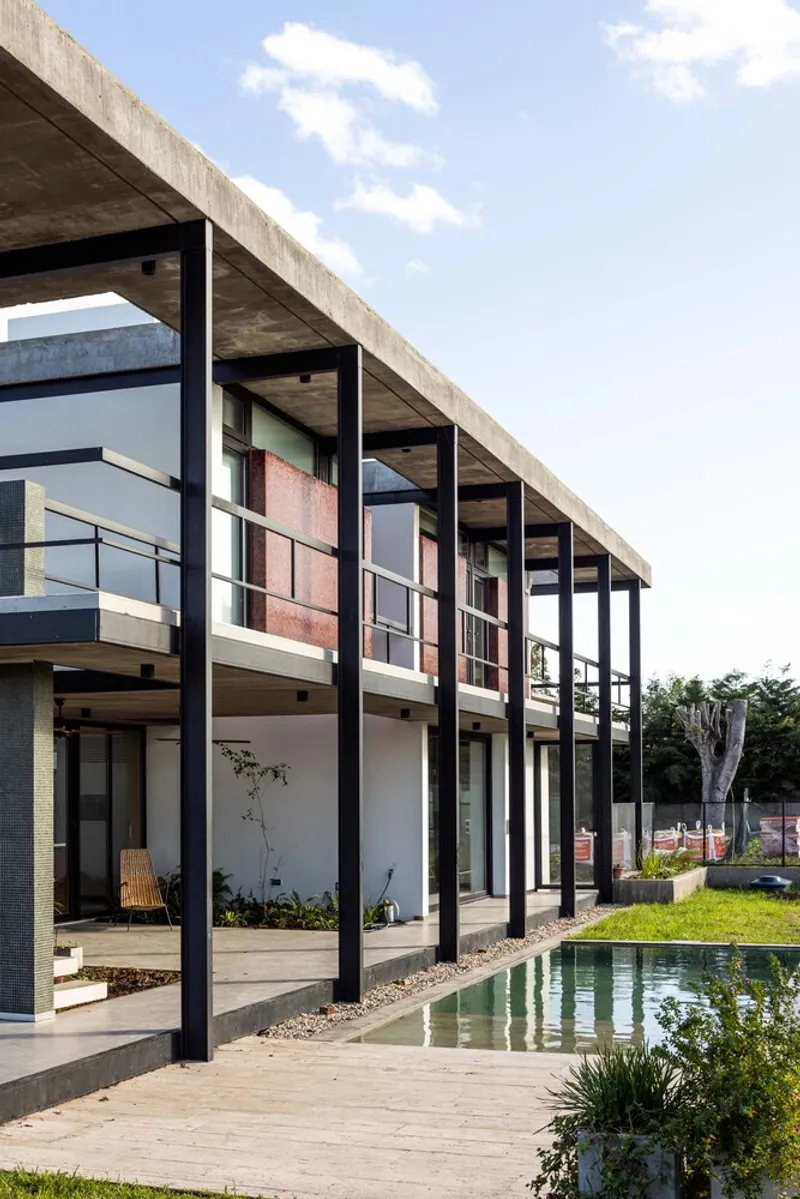
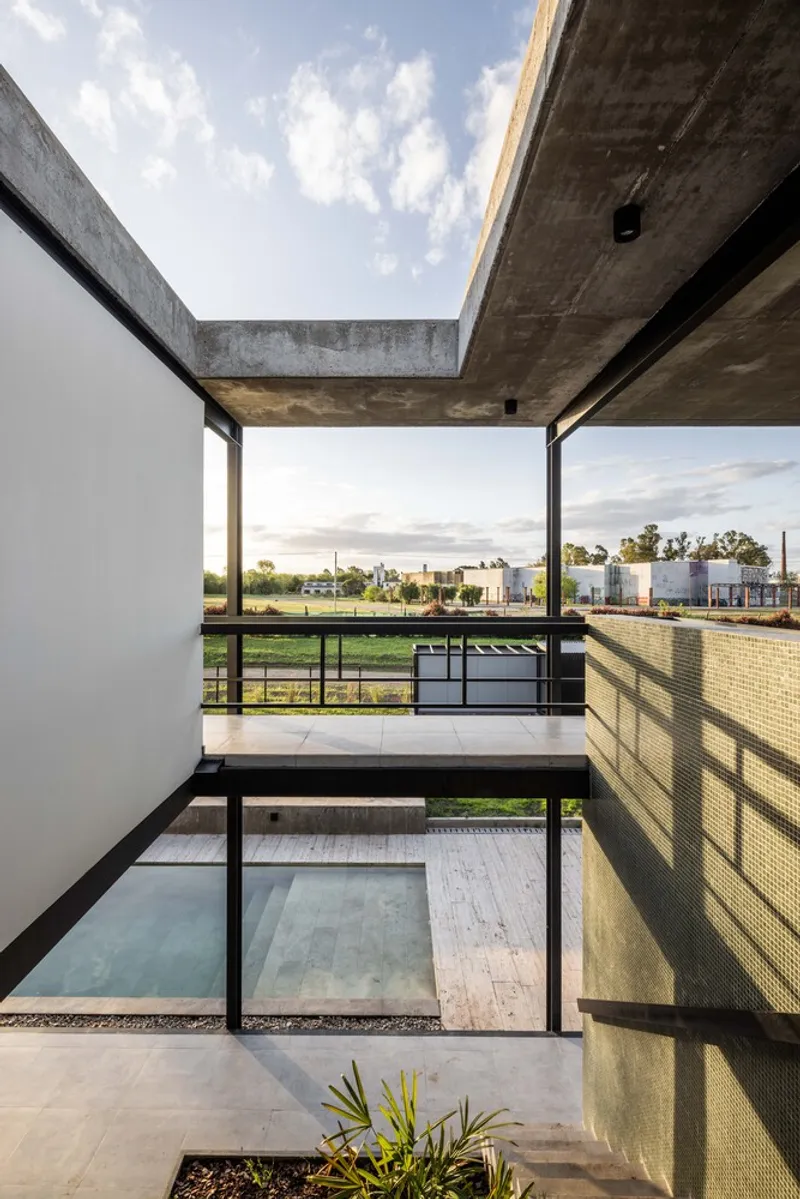
A distinctive feature of the House in Cauquén is its metallic grid, made from I-Profiles painted in matte black. This grid not only serves as an aesthetic boundary but also inscribes the geometry of the design. The grid includes terraces, galleries, voids, and green patios, effectively creating a "virtual volume" around the house. These spaces open towards the north, ensuring cross-ventilation and the protection of the house from harsh external elements.
Sustainability and Materiality
The mixed construction system was vital for this project, allowing flexibility in its development stages. The building’s structure was first assembled with dry metal assembly techniques. The integration of in-situ concrete slabs linked to the metallic frame ensured durability and energy efficiency. This construction method allowed the client to customize the building over time, facilitating a sustainable approach to housing development.
Design for Cross-Ventilation
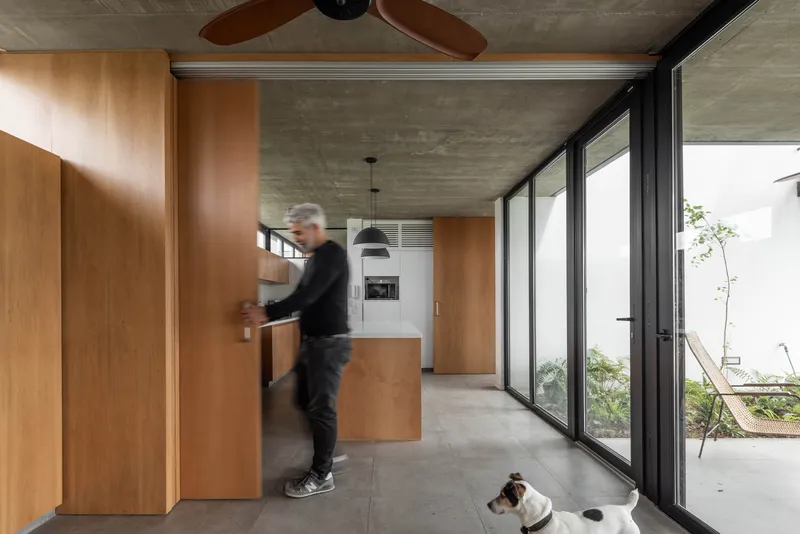
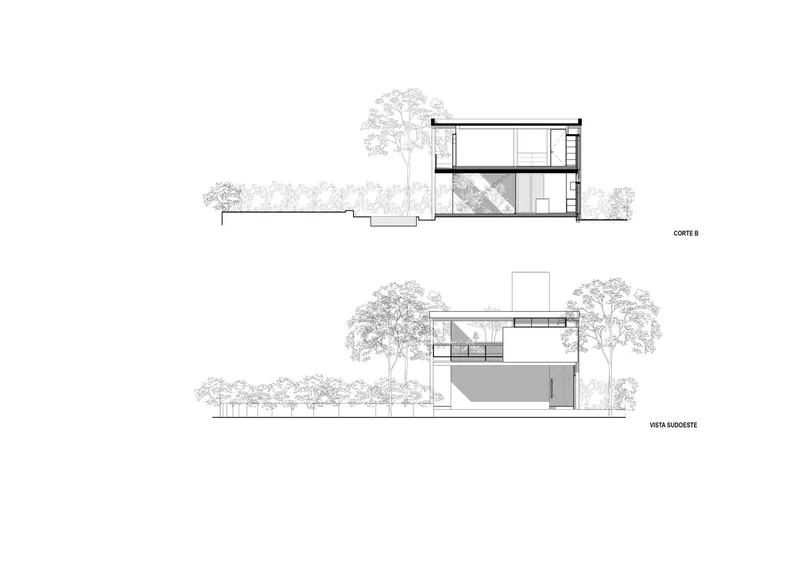
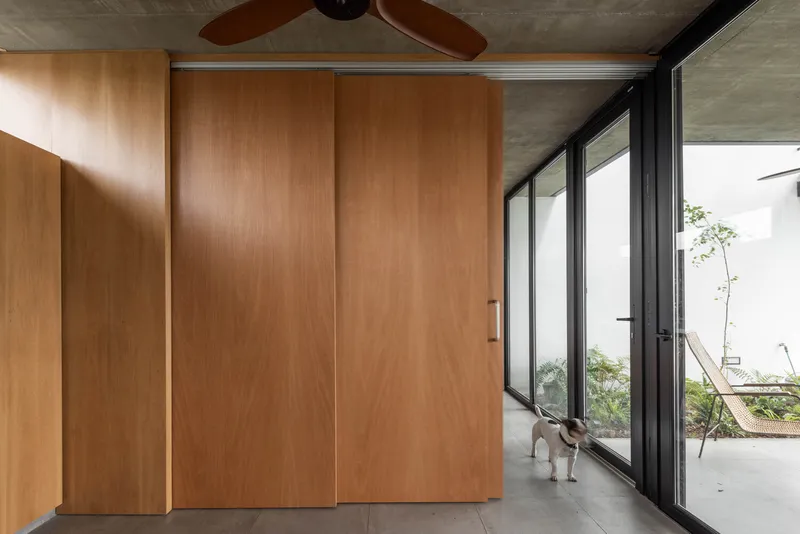
On the south side of the house, a blinder facade was designed to address the mandatory perimeter withdrawal. The continuous windows on this side are specifically placed to guarantee natural cross-ventilation. This feature ensures that the social areas of the ground floor and private spaces on the first floor benefit from a constant airflow, improving air quality and reducing reliance on artificial cooling.
Integration with the Landscape
The House in Cauquén does not simply sit on its plot—it becomes part of the landscape. The green patios and open terraces integrate the natural environment with the living spaces, promoting a connection between indoor and outdoor areas. This aspect of the design ensures that residents experience the beauty of the surrounding environment while maintaining privacy and comfort.
Architectural Innovation: A Sustainable Future for Modern Living
Federico Craig and Jesica Bava's design philosophy for the House in Cauquén integrates form, function, and sustainability. By using advanced construction techniques and emphasizing natural elements, they’ve created a house that doesn’t just provide shelter but enhances the quality of life for its inhabitants. The project is a remarkable example of modern house design that addresses the needs of contemporary living while respecting the environment.


Final Thoughts
The House in Cauquén stands as a testament to the power of thoughtful, modern house design. Through its innovative use of space, materials, and environmental considerations, this residence offers a vision of how architecture can evolve to meet the demands of the future.
If you're seeking inspiration for a modern house design, this project is a prime example of how architects can integrate sustainability, style, and functionality into one harmonious structure.
All the photographs are work of Luis Barandiarán




Popular Articles
Popular articles from the community

EW PARK: Sustainable Architecture Reimagines the Future of Urban Parking
EW PARK reimagines city parking as a modular wooden tower combining automation, solar energy, electric mobility, and adaptable urban design.

AL-JANNAH: Sustainable Architecture and Permaculture for Afghan Widows
AL-JANNAH uses sustainable architecture and permaculture to create resilient oasis of housing, learning, work and renewal for Afghan widows.

The Ocean Hive: Sustainable Architecture for a Self-Sufficient Civilization at Sea
The Ocean Hive imagines sustainable architecture at sea, where modular habitats, algae, wave power and ocean waste sustain a growing colony.

Hill & Cross Opera: Sculptural Opera House Architecture Shaped by Tallinn’s Landscape and Identity
Hill & Cross Opera reimagines opera house architecture in Tallinn through its sculptural hill, civic plaza, glass wave and a luminous cross.


Similar Reads
You might also enjoy these articles


Hodi-Mandai Geram
Project Function: Preservation and revitalization of the Intangible heritage and socio-spatial identity of the Hodi by Housing, Cultural Memory Center, Sacred Grove, landscape, local tourism economy


Olio Towers: A Mid-Rise for Performers That Fuses Housing, Rehearsal, and Stage
Located blocks from Houston's Theater District, this modular tower stacks living units around a central performance atrium.

Oasis: Modular Green Housing Carved into Dhaka's Urban Fabric
A shortlisted Plugin Housing entry reclaims unauthorized settlements in Dhaka with stepped concrete volumes, green roofs, and ventilation-driven design.

Black Hole: A Floating Megastructure for the Post-Physical Era
Emiliano Mazzarotto envisions a spherical, self-scaling arena where e-sports, digital hotels, and holographic stadiums replace traditional public space.


Explore Housing Competitions
Discover active competitions in this discipline



Challenge to reimagine the Iron Throne


Photograph architecture without architects


Illustrate the lost glory of Angkor Wat - Render Challenge


Design challenge to reuse E-waste
Comments (0)
Please login or sign up to add comments
No comments yet. Be the first to comment!