
House in Hakusan by KENTA HIRAYAMA ARCHITECT & ASSOCIATES: Compact Living with Light, Nature, and Material Contrast in Tokyo
House in Hakusan is a compact Tokyo condo renovation, blending exposed concrete, warm wood, natural light, and family-centered, spacious design.


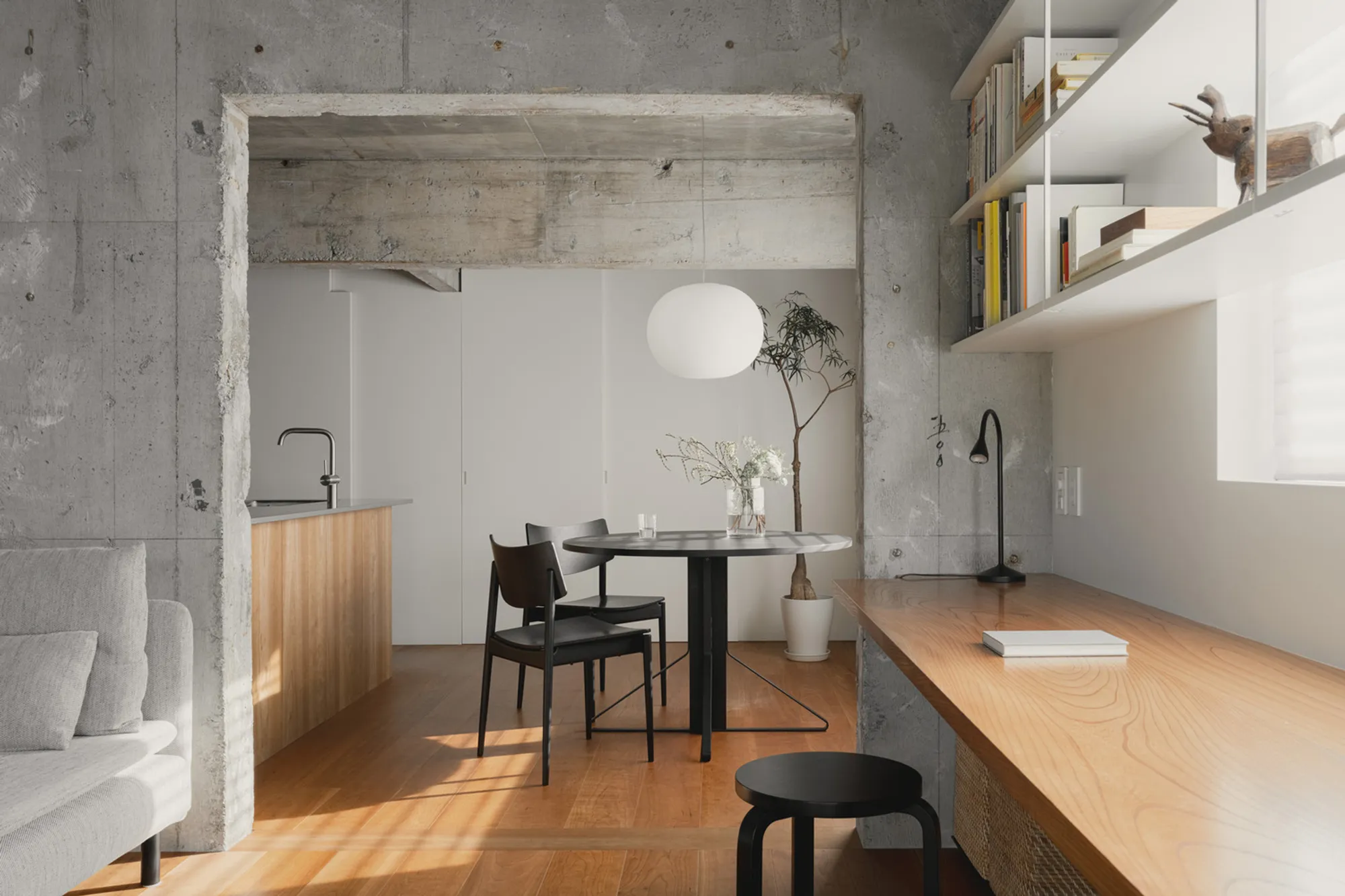
Located in the heart of Tokyo’s Bunkyo City, the House in Hakusan is a masterful renovation by KENTA HIRAYAMA ARCHITECT & ASSOCIATES, transforming a compact 57-square-meter condominium into a sun-filled, nature-connected, and thoughtfully designed urban home. Completed in 2024, this project showcases how small living spaces can feel expansive, functional, and aesthetically striking through careful planning, material selection, and interior detailing. Photographed by Tomooki Kengaku, the residence highlights a harmonious balance between exposed concrete structure, warm wood finishes, and natural light.
Renovation of a Mid-Century Concrete Structure
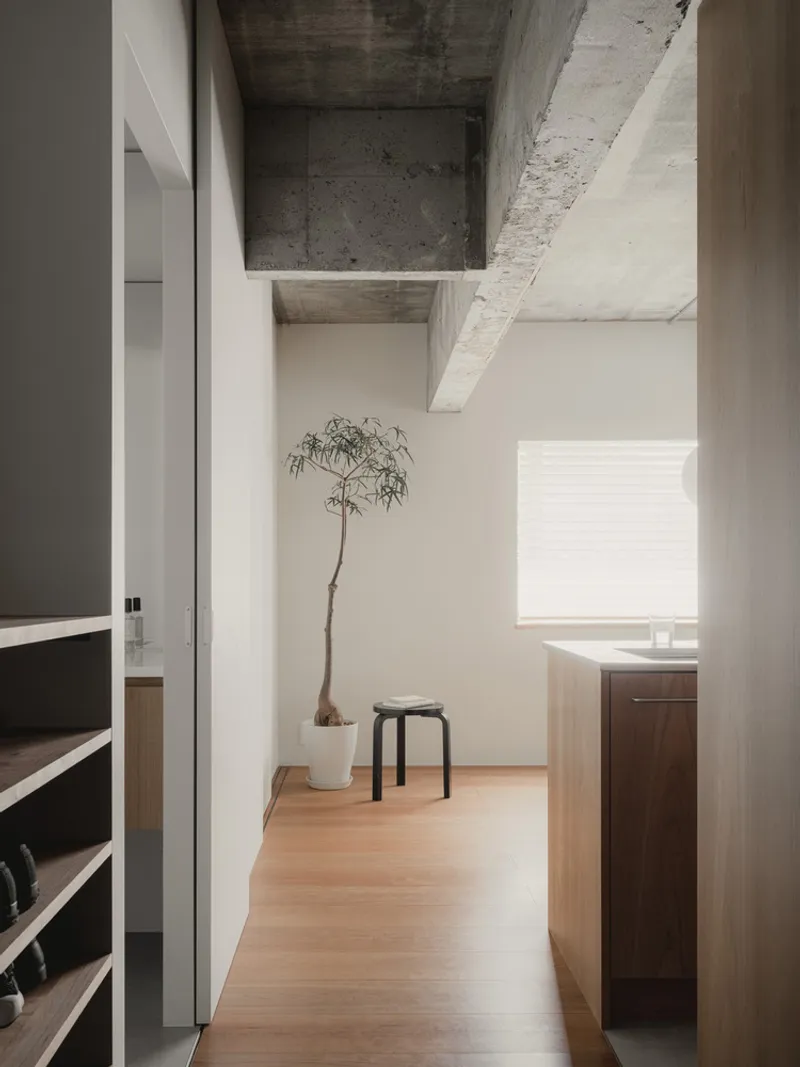
Originally a 50-year-old concrete building, the residence underwent a full-scale interior renovation. The architects stripped away all old finishing materials, exposing the original concrete framework and emphasizing the building’s structural authenticity. This raw concrete serves as a striking backdrop for newly introduced materials, creating a contrast and juxtaposition that defines the home’s interior character.
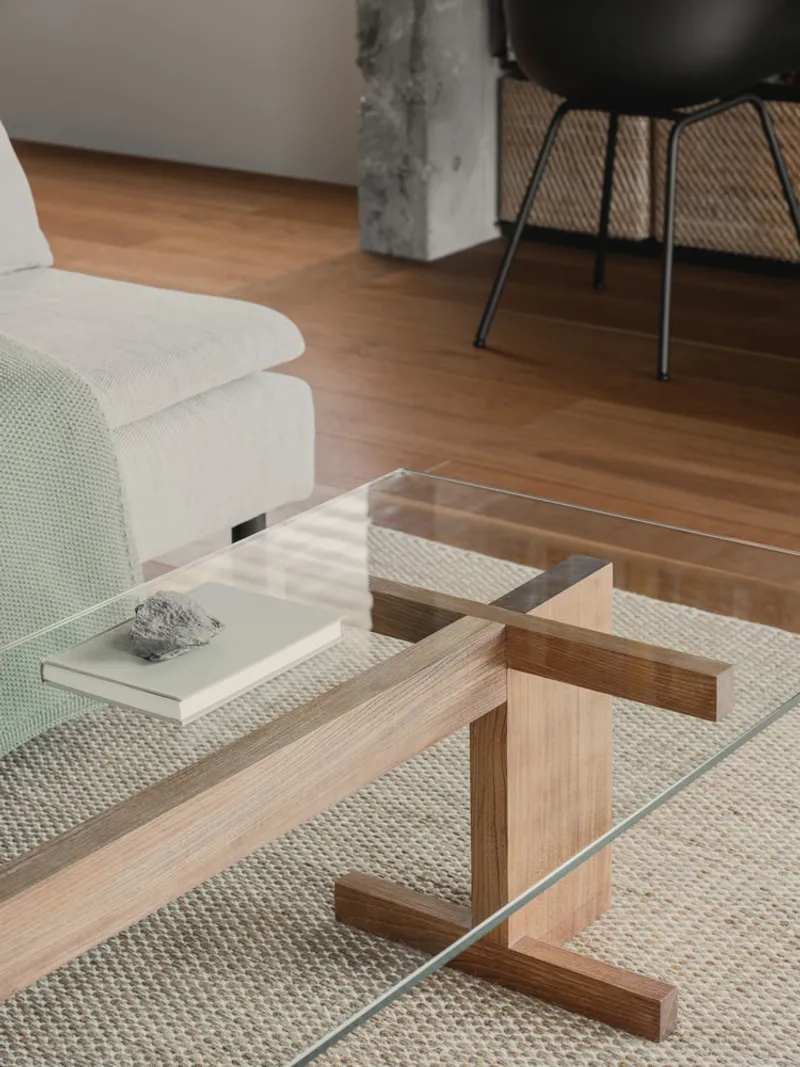
The renovation approach not only celebrates the aged concrete but also allows for a seamless integration of modern design elements, resulting in a space that feels both grounded and contemporary. By intentionally leaving the concrete exposed, the architects created a sense of textural richness and architectural depth, enhancing the small unit’s spatial experience.
Maximizing Lightness and Spaciousness
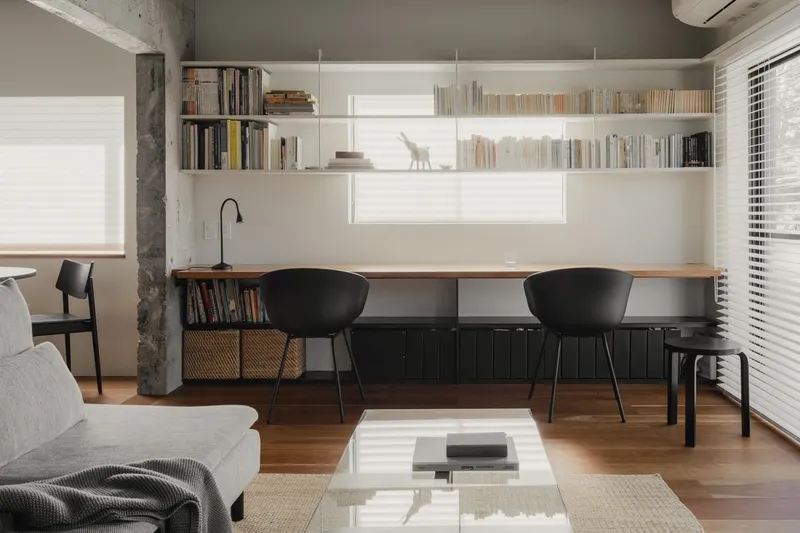
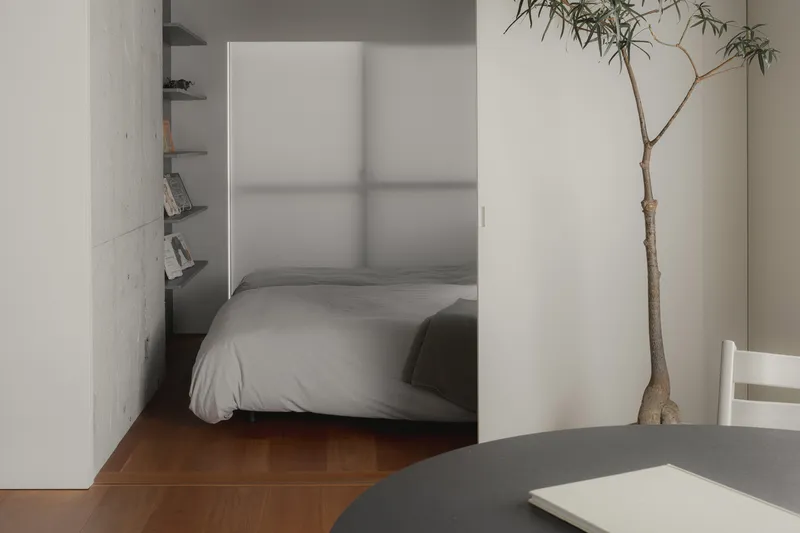
Despite the compact footprint, the interior layout was designed to feel open and airy. Furniture placement and sliding doors define the spatial organization, minimizing unnecessary walls that could clutter the floor plan. This strategy ensures that every area, from the living room to the bedrooms, feels light-filled and expansive, while simplifying the construction process and creating a rational, functional home.
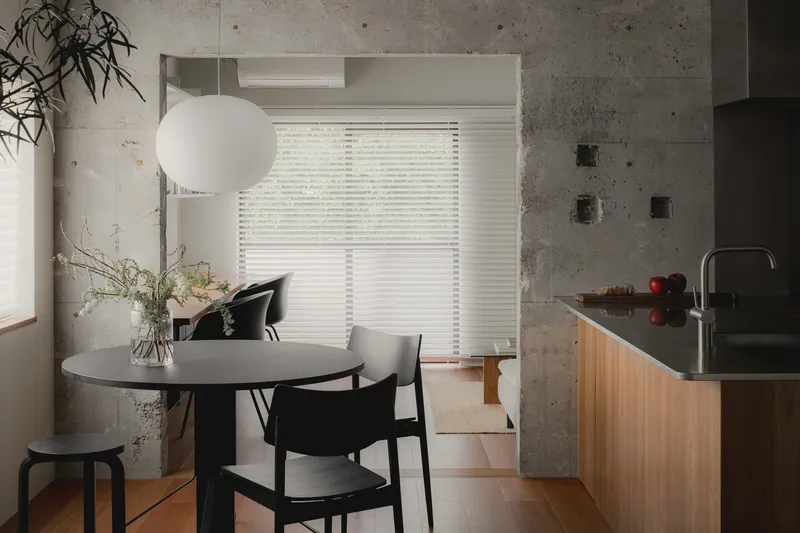
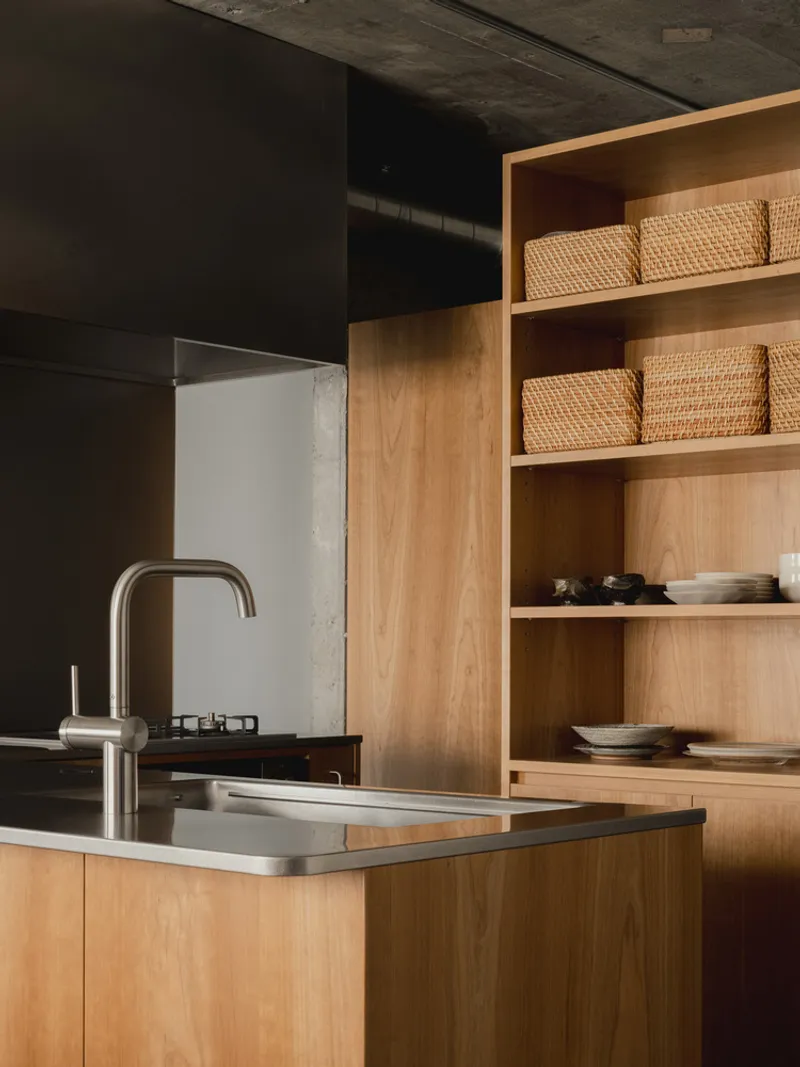
At the center of this family-oriented residence is the kitchen, envisioned as the hub of daily life. Positioned strategically, the kitchen allows unobstructed sightlines into the dining area, desk space, and bedrooms, while a circulation path connects the kitchen to the living room, preventing dead ends and encouraging natural movement throughout the home. This thoughtful layout demonstrates how careful planning can make even a small urban residence feel open, functional, and cohesive.
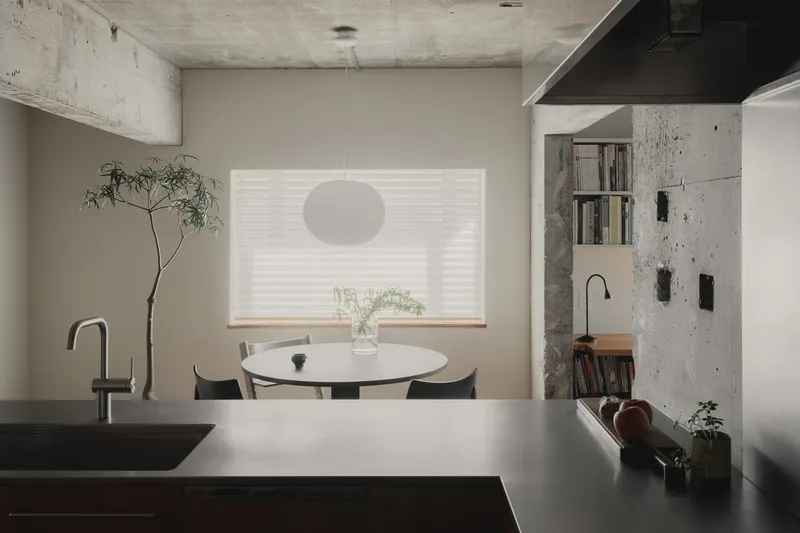
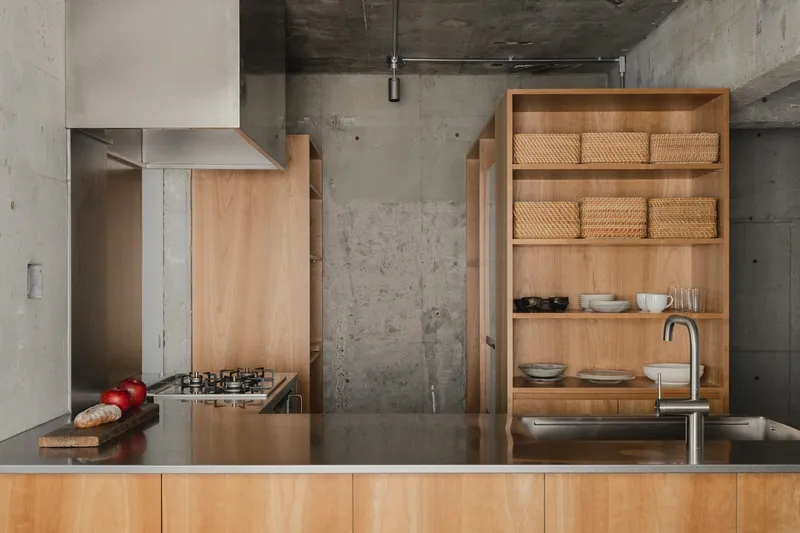
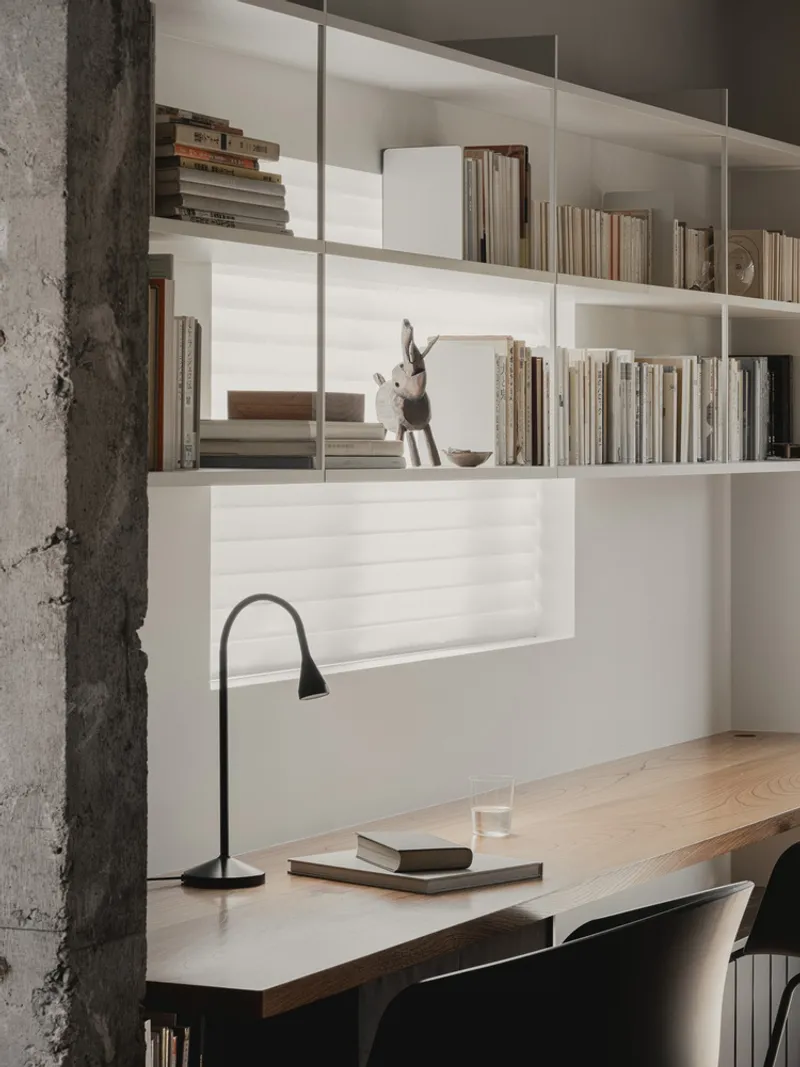
Material Contrast and Nature Integration
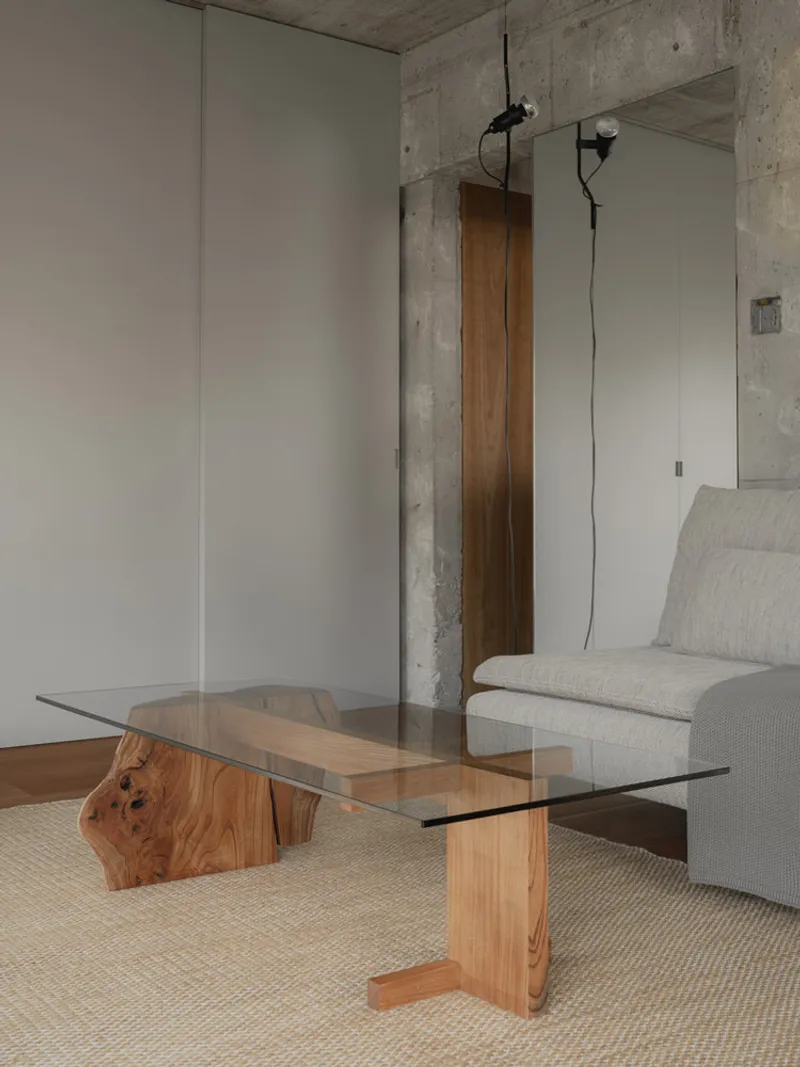
Material selection plays a key role in the home’s design narrative. Cherry wood, with its fine grain and warm texture, contrasts beautifully with the rough concrete frame, creating a sophisticated balance between rawness and refinement. In harmony with the zelkova forest visible from the windows, zelkova wood is used for a long desk and coffee table, blending natural elegance with functional design. Notably, the zelkova coffee tables incorporate recycled materials, reflecting the architects’ commitment to sustainability and thoughtful material use.
A large mirror behind the kitchen counter enhances visual depth, minimizes the kitchen’s physical footprint, and cleverly reflects the lush outdoor greenery, bringing the serene botanical garden into the home’s interior environment. This connection to nature amplifies the sense of calm and spaciousness in the compact residence.
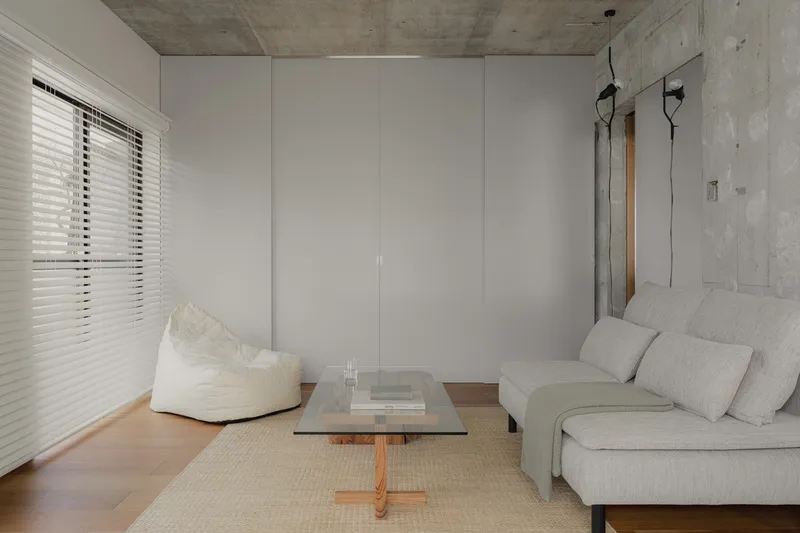
A Thoughtful, Family-Centered Urban Home
The House in Hakusan demonstrates how meticulous renovation, strategic planning, and material contrast can transform a small condominium into a dynamic, functional, and visually compelling home. For a couple and their small child, the space provides a light-filled, nature-connected, and efficient living environment, proving that even compact Tokyo apartments can offer comfort, warmth, and architectural sophistication.
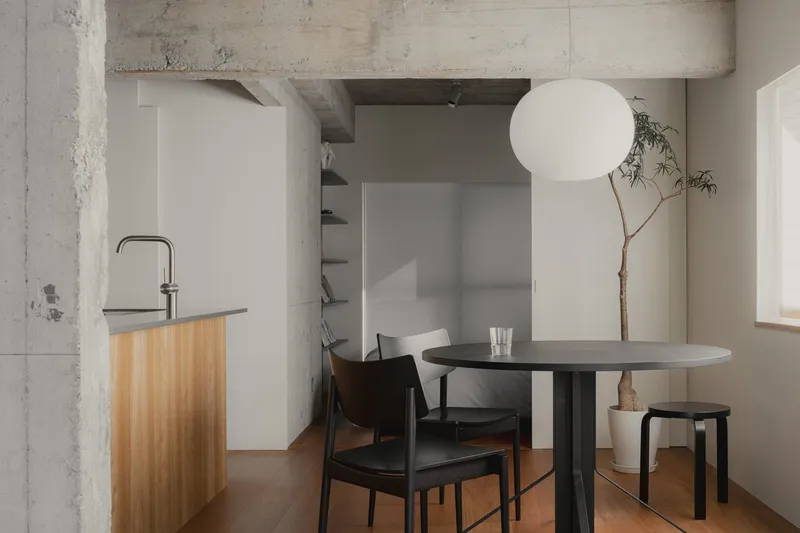
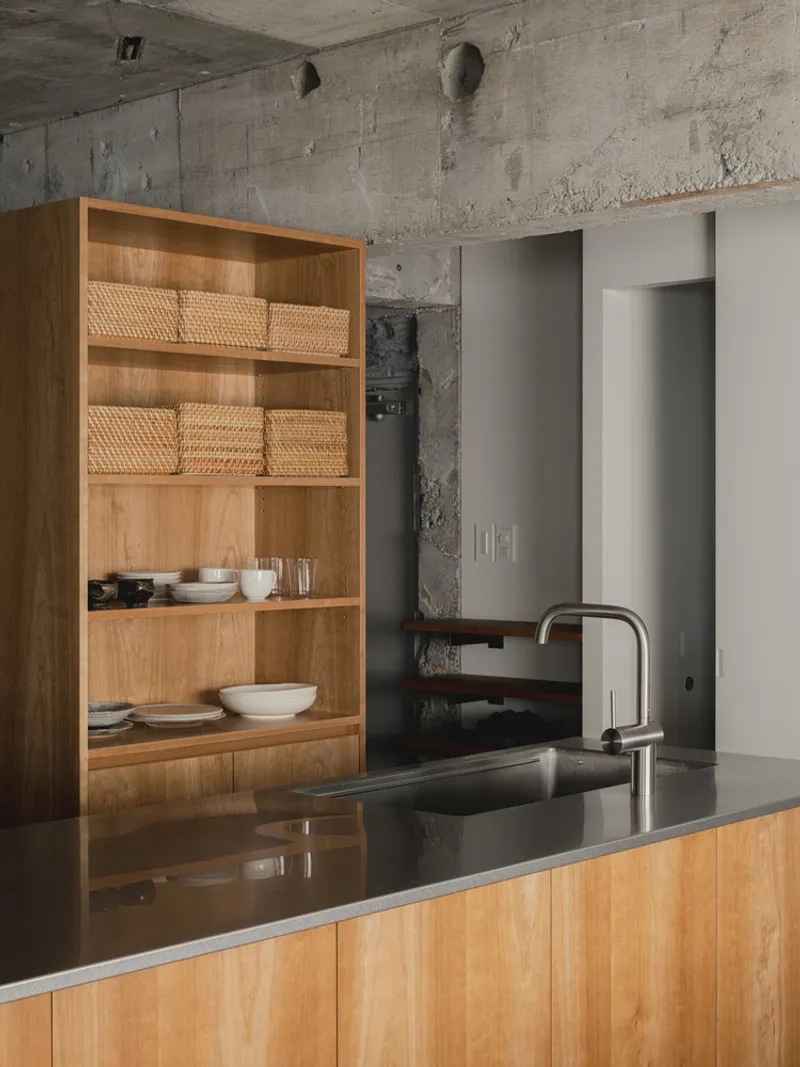
All photographs are works of Tomooki Kengaku




Popular Articles
Popular articles from the community


Hill & Cross Opera: Sculptural Opera House Architecture Shaped by Tallinn’s Landscape and Identity
Hill & Cross Opera reimagines opera house architecture in Tallinn through its sculptural hill, civic plaza, glass wave and a luminous cross.

The Ocean Hive: Sustainable Architecture for a Self-Sufficient Civilization at Sea
The Ocean Hive imagines sustainable architecture at sea, where modular habitats, algae, wave power and ocean waste sustain a growing colony.

Co-Life: Senior Housing Design That Reconnects Older Adults With the City
Co-Life reimagines senior housing design through healing gardens, shared streets, workshops, and a sustainable community across generations.

Riyadh For All: Intergenerational Urban Design for Active Aging in Rabat
Riyadh For All reimagines urban design in Rabat with intergenerational co-living, adaptive courtyards, and Moroccan cultural exchange today.

Similar Reads
You might also enjoy these articles


Hodi-Mandai Geram
Project Function: Preservation and revitalization of the Intangible heritage and socio-spatial identity of the Hodi by Housing, Cultural Memory Center, Sacred Grove, landscape, local tourism economy


Olio Towers: A Mid-Rise for Performers That Fuses Housing, Rehearsal, and Stage
Located blocks from Houston's Theater District, this modular tower stacks living units around a central performance atrium.

Oasis: Modular Green Housing Carved into Dhaka's Urban Fabric
A shortlisted Plugin Housing entry reclaims unauthorized settlements in Dhaka with stepped concrete volumes, green roofs, and ventilation-driven design.

Black Hole: A Floating Megastructure for the Post-Physical Era
Emiliano Mazzarotto envisions a spherical, self-scaling arena where e-sports, digital hotels, and holographic stadiums replace traditional public space.

Explore Architecture Competitions
Discover active competitions in this discipline



Challenge to reimagine the Iron Throne


Photograph architecture without architects


Illustrate the lost glory of Angkor Wat - Render Challenge


Design challenge to reuse E-waste
Comments (0)
Please login or sign up to add comments
No comments yet. Be the first to comment!