
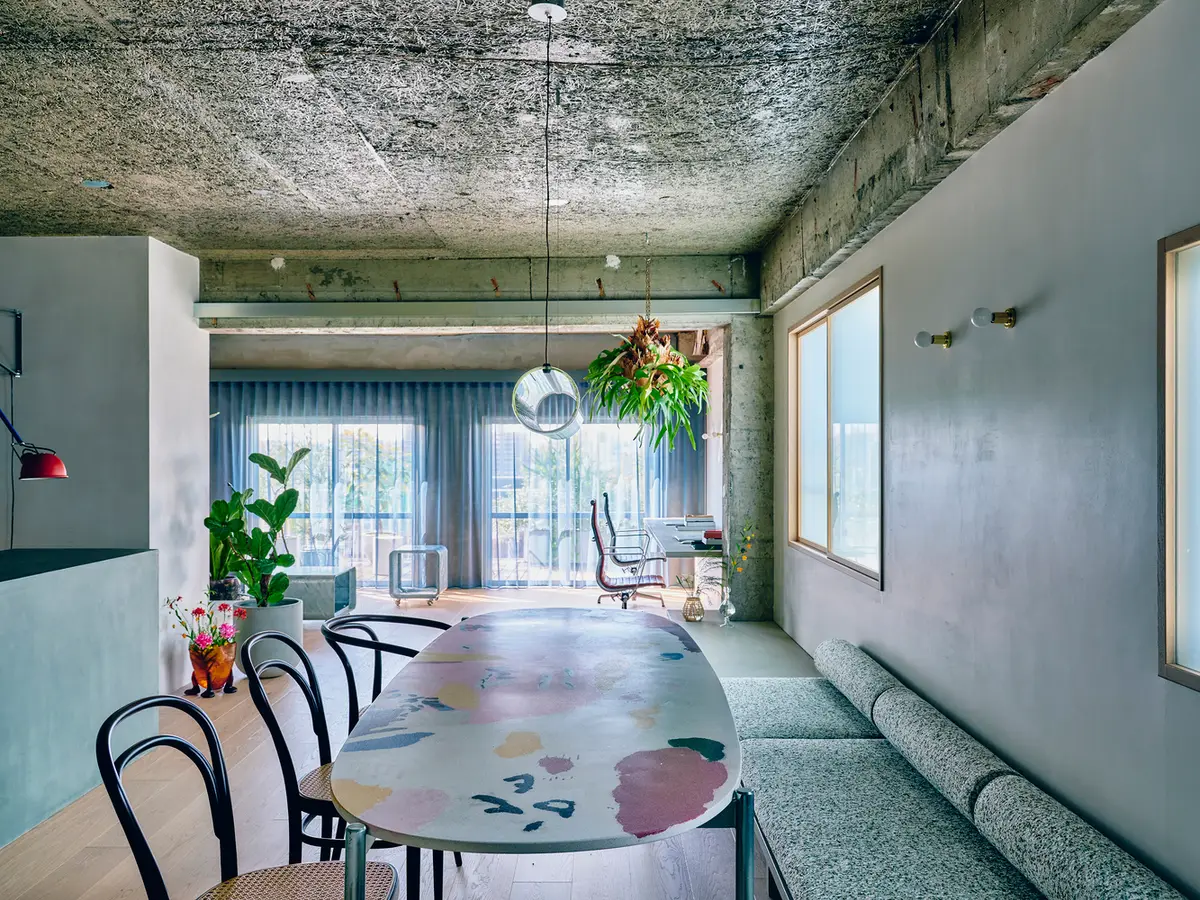
House K by Kii inc.: A Harmonious Blend of Work, Living, and Nature in Meguro City
House K by Kii inc. transforms a 50-year-old Meguro apartment into a bright, flexible, nature-connected home blending old and new.


House K, designed by the innovative Japanese architecture firm Kii inc., is a masterful renovation of a 50-year-old apartment building located in the heart of Meguro City, Japan. Completed in 2022, this 97 m² residence seamlessly combines work and living spaces, creating a dynamic yet comfortable environment that celebrates natural light, ventilation, and the surrounding urban landscape.
A Unique Urban Setting
Perched on a hillside with a mortar-shaped orientation, the building overlooks a nearby river and enjoys uninterrupted city views. The zoning regulations across the road prevent tall buildings from obstructing the sightlines, allowing the balcony to merge the cityscape with the horizon, creating a rare urban panorama. This thoughtful positioning maximizes both privacy and openness, giving residents a sense of spaciousness uncommon in dense city environments.
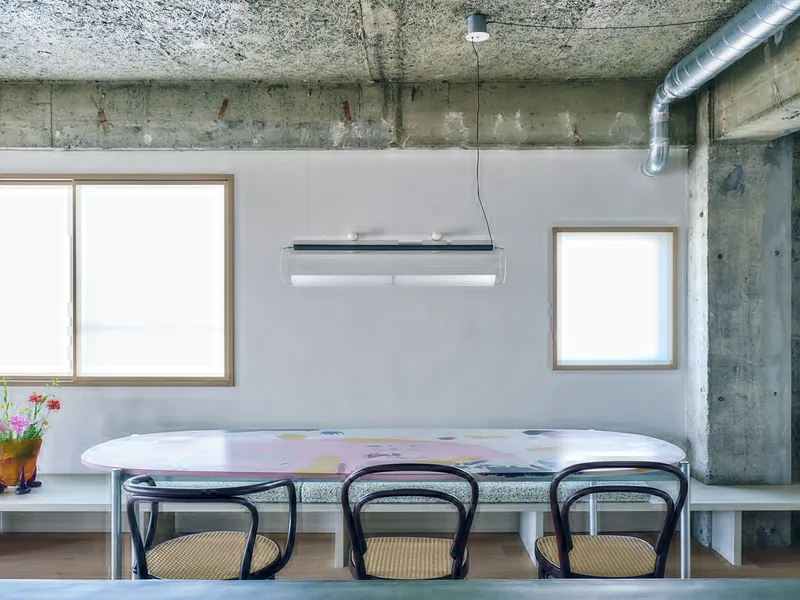
Daylight and Airflow: A U-Shaped Design
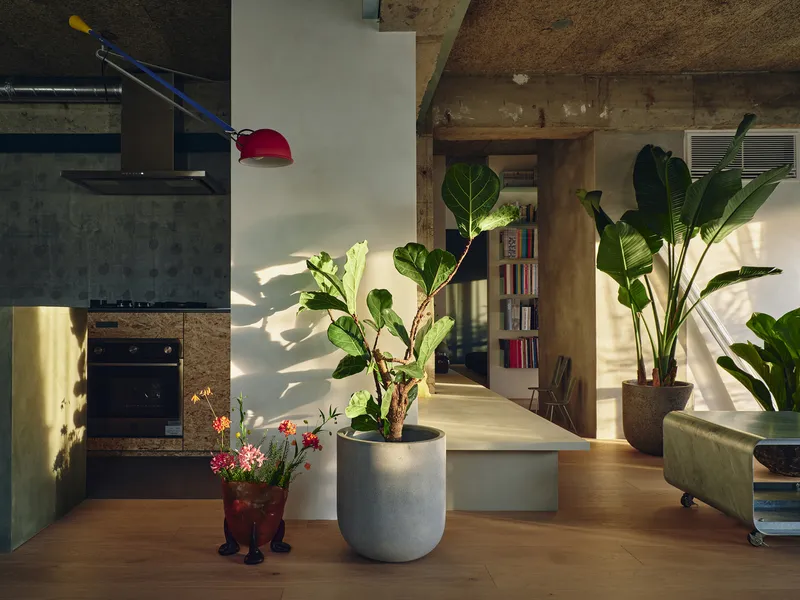
The U-shaped floor plan is a central feature of House K, with windows on three sides ensuring continuous daylight penetration and natural ventilation. The design encourages a connection with the outdoors, allowing residents to experience the changing seasons, weather patterns, and surrounding nature from within the home. By embracing the site's topography and historical context, Kii inc. created a living environment with a unique spatial quality rooted in its location.
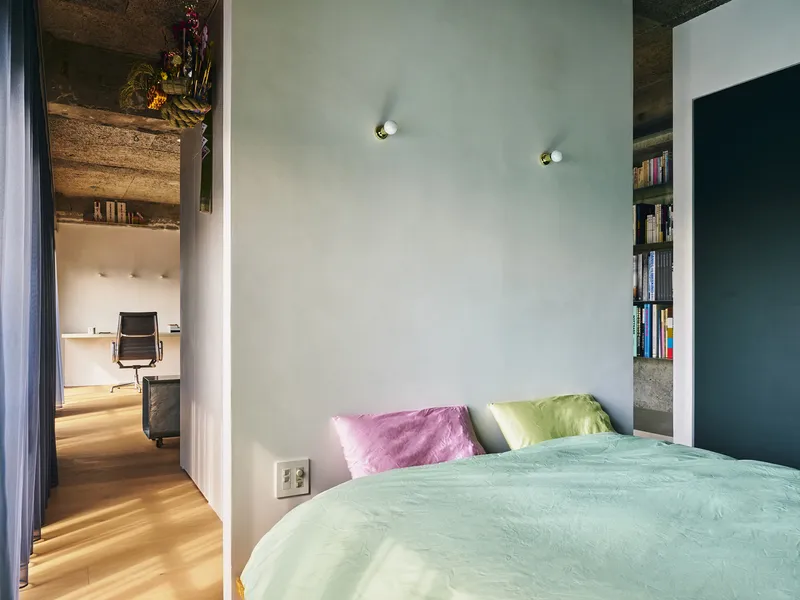
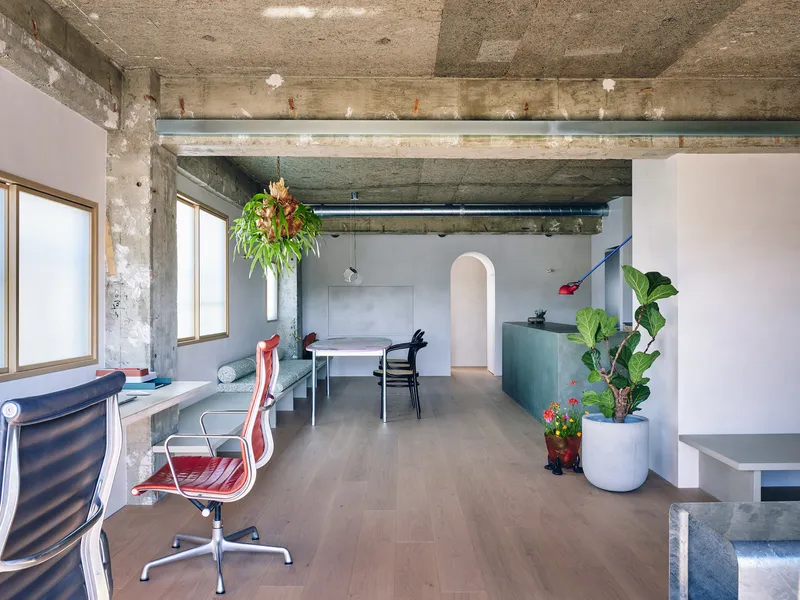
Seamless Integration of Spaces
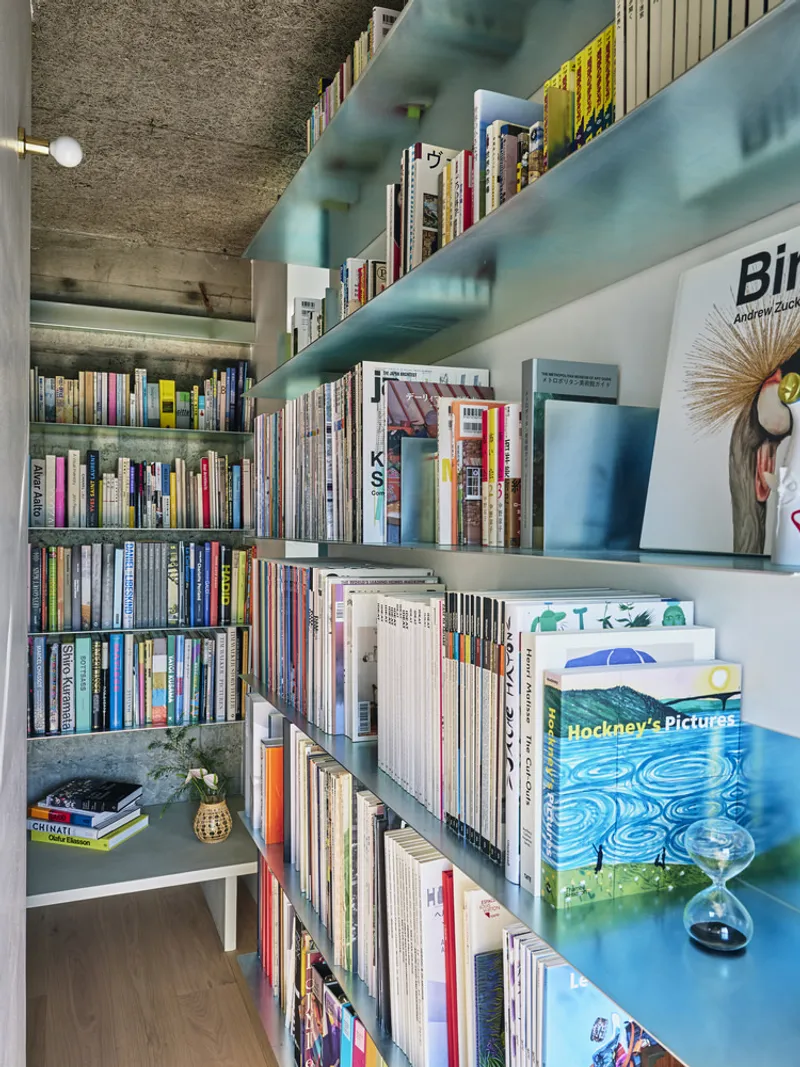
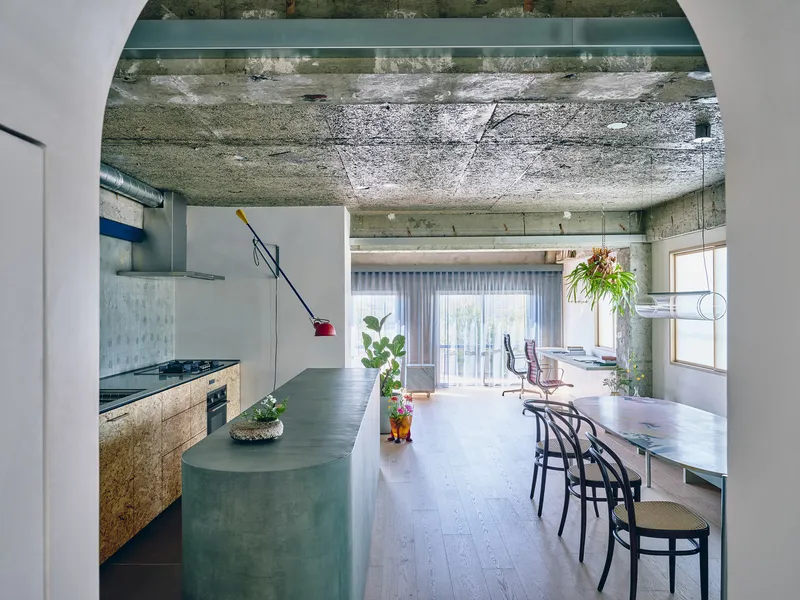
House K reinvents the existing apartment layout by utilizing gaps and empty spaces to create a unified environment. Instead of traditional compartmentalization, the design connects different areas to form one cohesive living space, allowing residents to choose their preferred spots while maintaining a shared atmosphere. The result is a flexible, open-plan residence that feels expansive, yet intimate, encouraging both communal interaction and personal retreat.
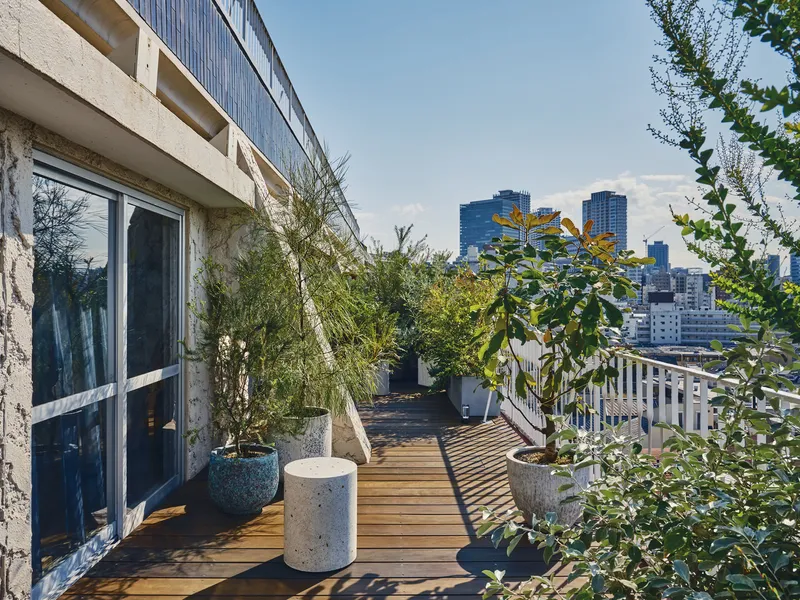
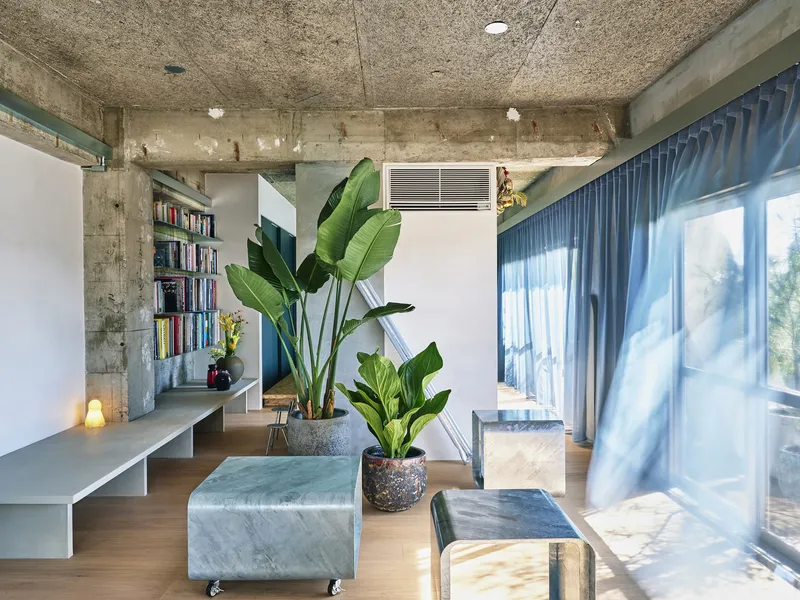
Layering Old and New
The architectural strategy of House K emphasizes a dialogue between past and present. Craftsmen’s work is preserved and highlighted, combining rough textures with delicate finishes. The layering of materials: old and new, coarse and refined: adds depth, warmth, and a tactile quality that enriches the living experience. This approach transforms the apartment into a comfortable, inviting home that tells a story of continuity and adaptation.
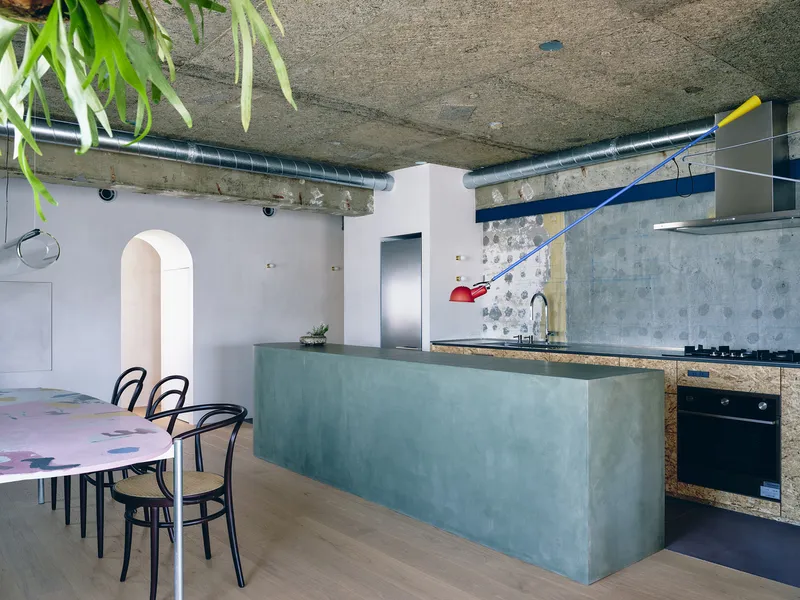
Climate-Responsive Features
To enhance thermal comfort, double-paned wooden sash windows were installed on the west side, minimizing heat gain from strong sunlight while maintaining insulation. Fixtures and interior elements were carefully positioned to create a stable, year-round indoor climate. On the south-facing side, transparent curtains filter sunlight, changing hues throughout the day and reflecting the seasonal rhythm of nearby trees. Residents can observe leaves changing color, flowers blooming, and fruits ripening, making every day an intimate connection with nature.
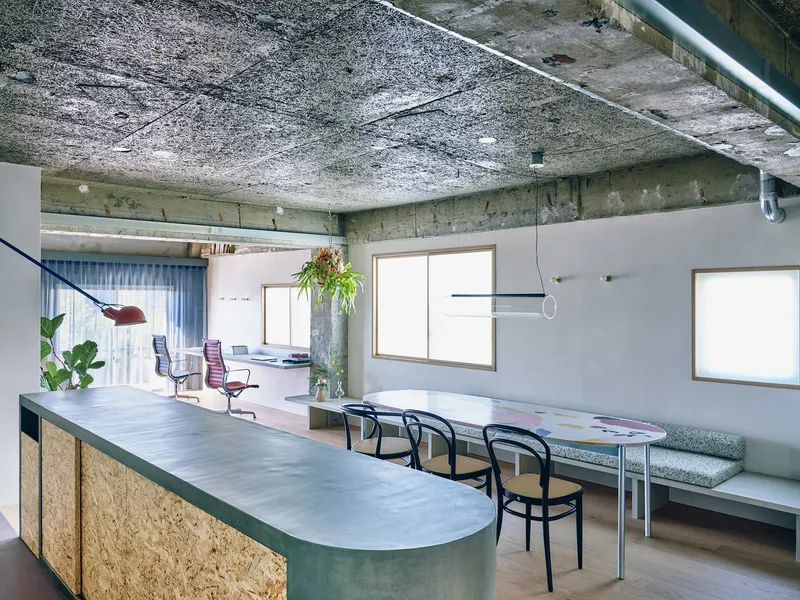
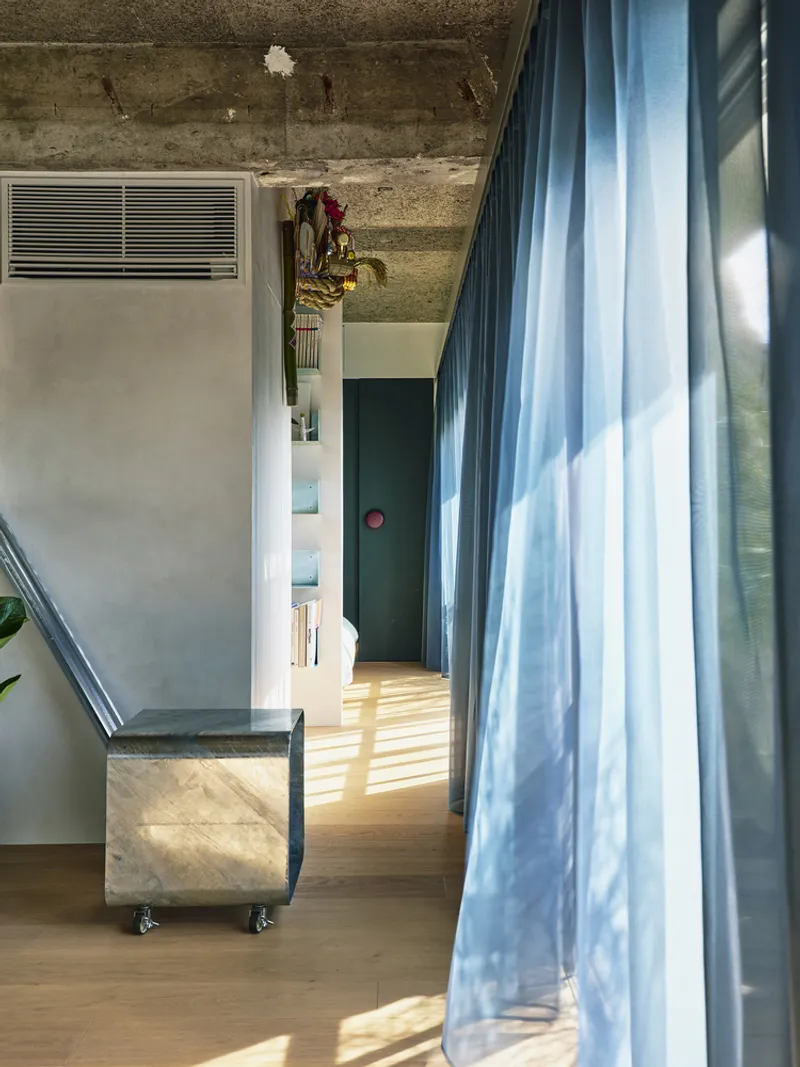
A Living, Evolving Space
House K exemplifies a design philosophy that respects both the existing urban fabric and the evolving life of its residents. By blending functional workspaces with serene living areas, integrating light, air, and natural views, and layering materials with intention, Kii inc. has created a residence that grows richer over time. This is not just a home; it is a living canvas where daily experiences, environmental changes, and human presence continuously enrich the space.
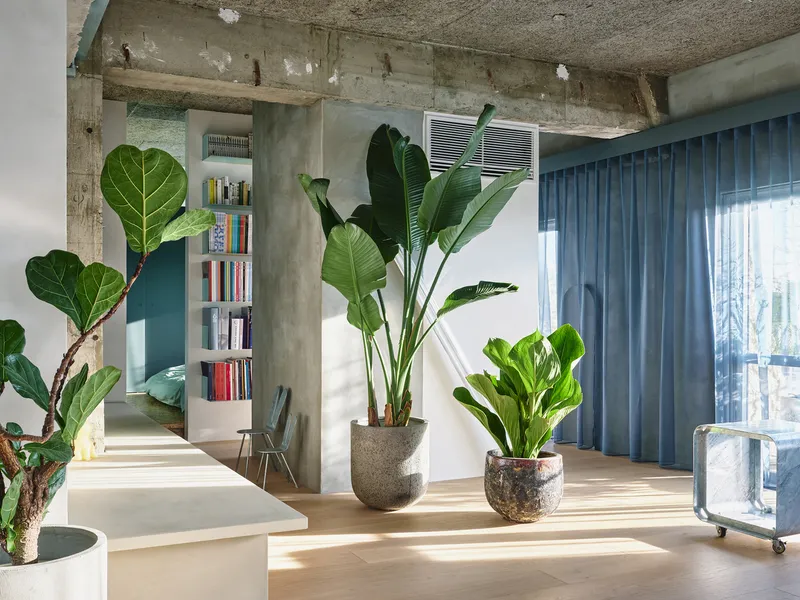
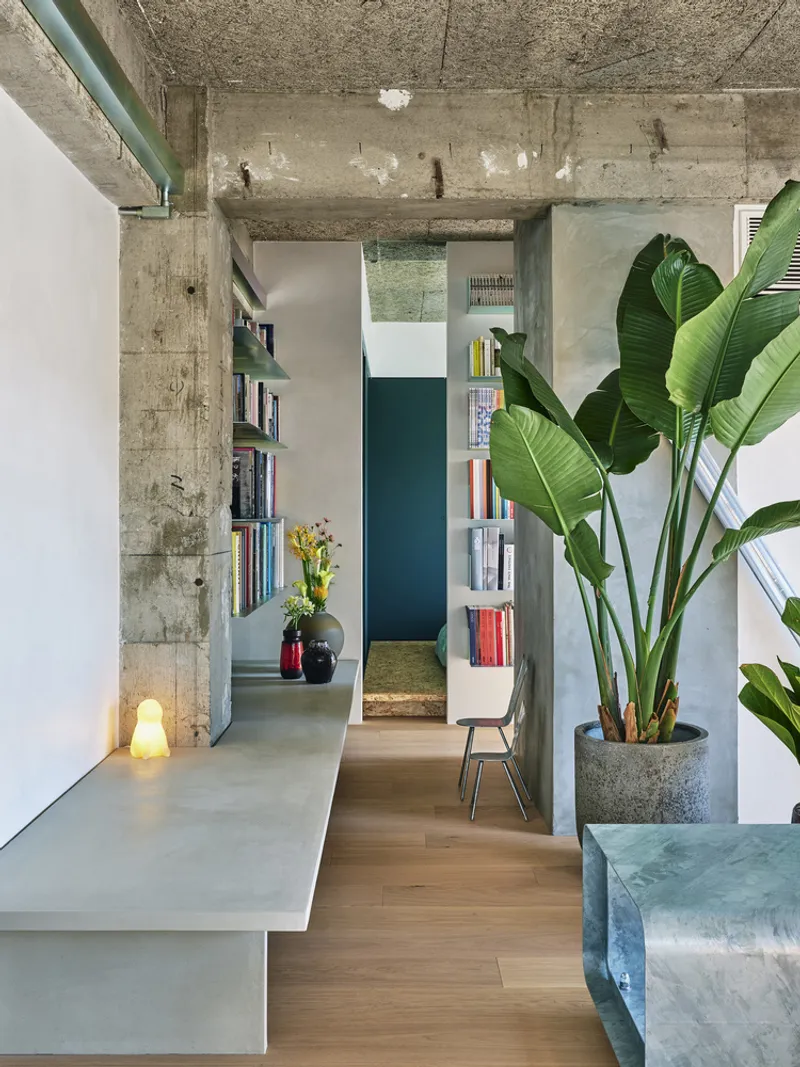
All photographs are works of
Masanori Kaneshita


Popular Articles
Popular articles from the community


Lunar Spiral: Space Architecture Shaped by the Mathematics of the Universe
Lunar Spiral reimagines space architecture through Fibonacci geometry, lunar regolith, levitating habitats, and self-sustaining Moon living.

Conexión: Biophilic Design Reimagines High-Rise Living in Hong Kong
Conexión reimagines high-rise living in Hong Kong through biophilic design, green facades, shared spaces, daylight, water and nature within.
ALGAL REALM: A Bio-Integrated Lunar Habitat Design for Life Beyond Earth
ALGAL REALM reimagines lunar habitat design with algae-powered life support, 3D-printed regolith, and vertical living for a lunar future.

Play: Fragments of Their World
Familiar architecture becomes modular playground design, creating safe spaces where displaced children can learn, connect, imagine and play.

Similar Reads
You might also enjoy these articles

FAMM Arquitectura Organizes Ten Villas Around Courtyards and Jungle in Nosara, Costa Rica
El Molino pairs two elongated volumes with deep overhangs and timber louvers to build a compact coastal community five minutes from the beach.
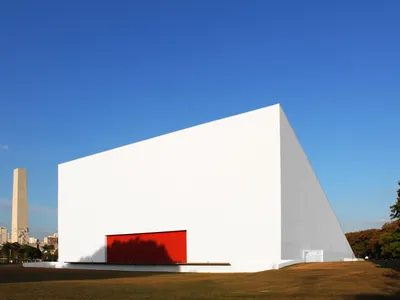
Oscar Niemeyer's Ibirapuera Park Pavilions Define São Paulo's Cultural Identity in Concrete and Curve
A constellation of modernist volumes set within São Paulo's most important urban park, conceived for the city's 400th anniversary in 1954.
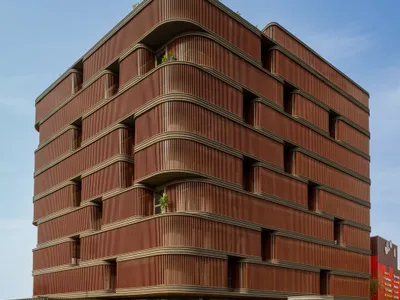
Sanjay Puri Architects Wraps a Jaipur Office Tower in Capsule-Shaped Green Buffers
A nine-level climate-responsive workplace near Jaipur Airport uses stacked planter terraces and aluminium screens to fight 40°C heat.
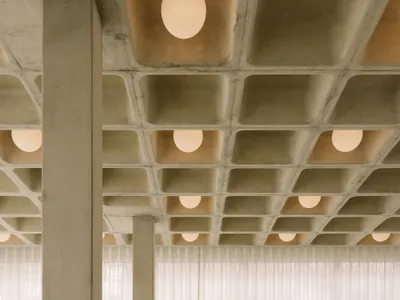
RHO Converts a Berlin Spree-Side Industrial Courtyard into Enkime's 1,000 m² Agency Headquarters
A social media agency's new home in Charlottenburg trades glossy branding for concrete waffle ceilings, glazed tile, and sheer curtains.

Explore Japanese Architecture Competitions
Discover active competitions in this discipline

Challenge to reimagine the Iron Throne

Photograph architecture without architects

Illustrate the lost glory of Angkor Wat - Render Challenge

Design challenge to reuse E-waste
Comments (0)
Please login or sign up to add comments
No comments yet. Be the first to comment!