
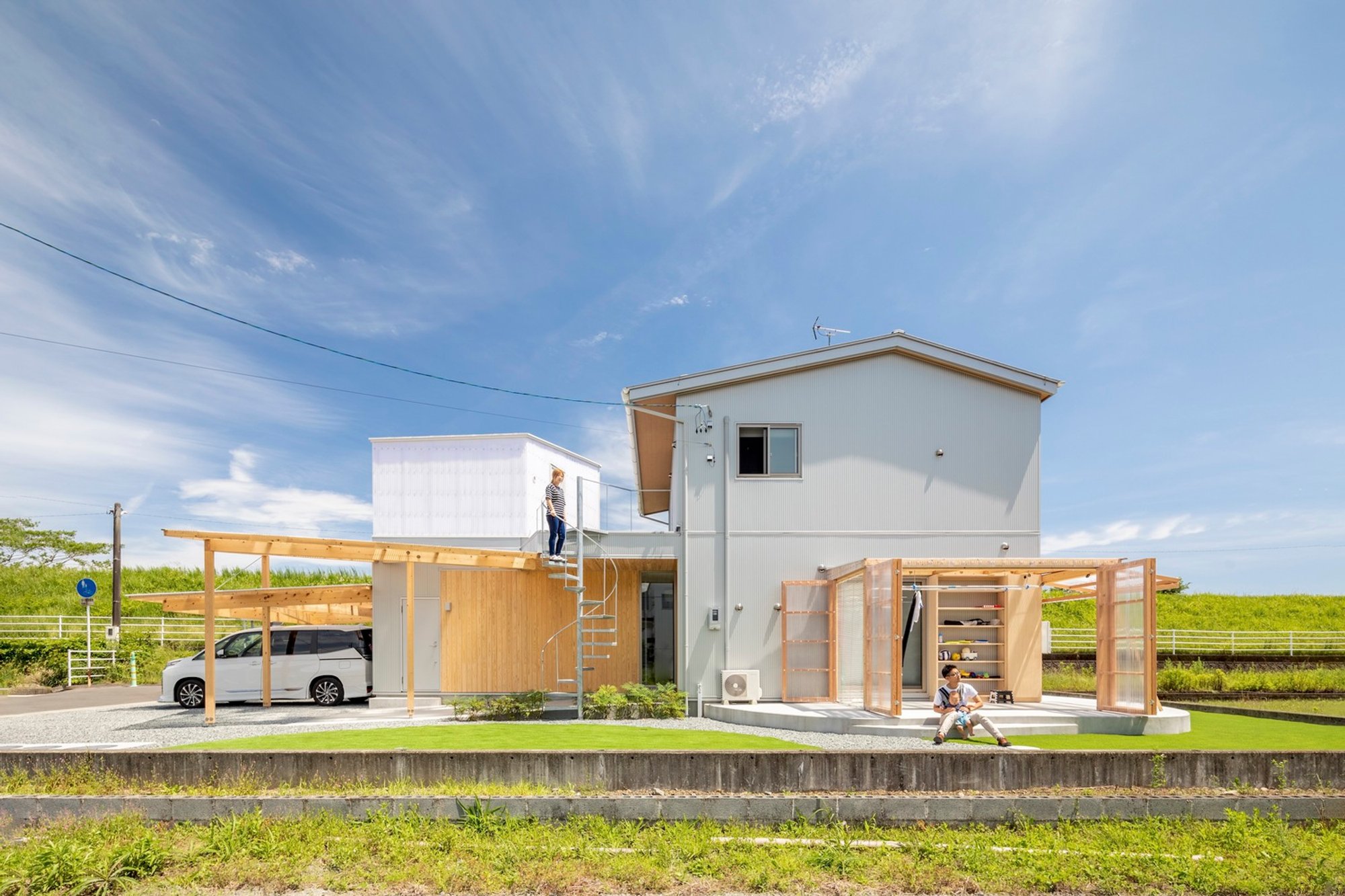
House M by Ayami Takada Architects: A Transparent Boundary Between Nature and Domesticity
Transparent, polycarbonate-clad home in rural Shizuoka integrates light, landscape, and sustainable design through renovation and spatial layering.

A Contemporary Renovation Rooted in Context
Situated on the edge of an urbanization control area in Shizuoka, House M by Ayami Takada Architects responds thoughtfully to its distinct environmental context. With no immediate neighbors and surrounded by vast roads and agricultural fields, the site feels both open and occupied—imbued with a fluid spatial character. Although the original residence was relatively new, it lacked spatial and technical efficiency. Instead of opting for a full rebuild, the architects proposed a sensitive expansion and renovation strategy aimed at creating a completely new living environment—one that engages deeply with the surrounding landscape.
Architecture Inspired by Rural Landscape and Light
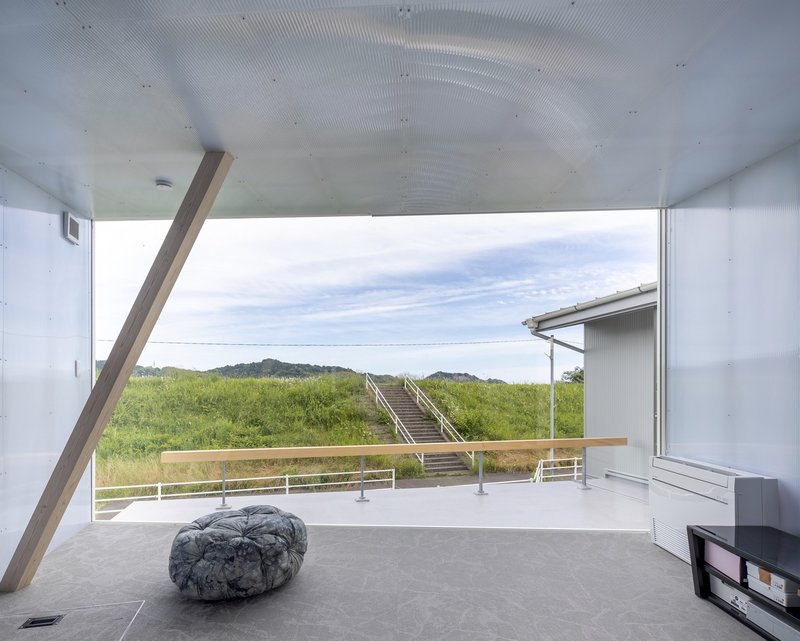
House M’s transformation hinges on the concept of transparency and layering. Leveraging the topography of the adjacent riverbank, the architects added a transparent polycarbonate volume that blurs the boundary between interior and exterior. The first floor was extended to form a generous open-plan living area, while three distinct translucent volumes—crafted from varying types of polycarbonate—serve as buffers between the indoor space and the garden terraces. These translucent additions function much like rural greenhouses, each tailored for different uses, light conditions, and spatial performance.
Passive Light, Thermal Comfort, and Sustainable Features
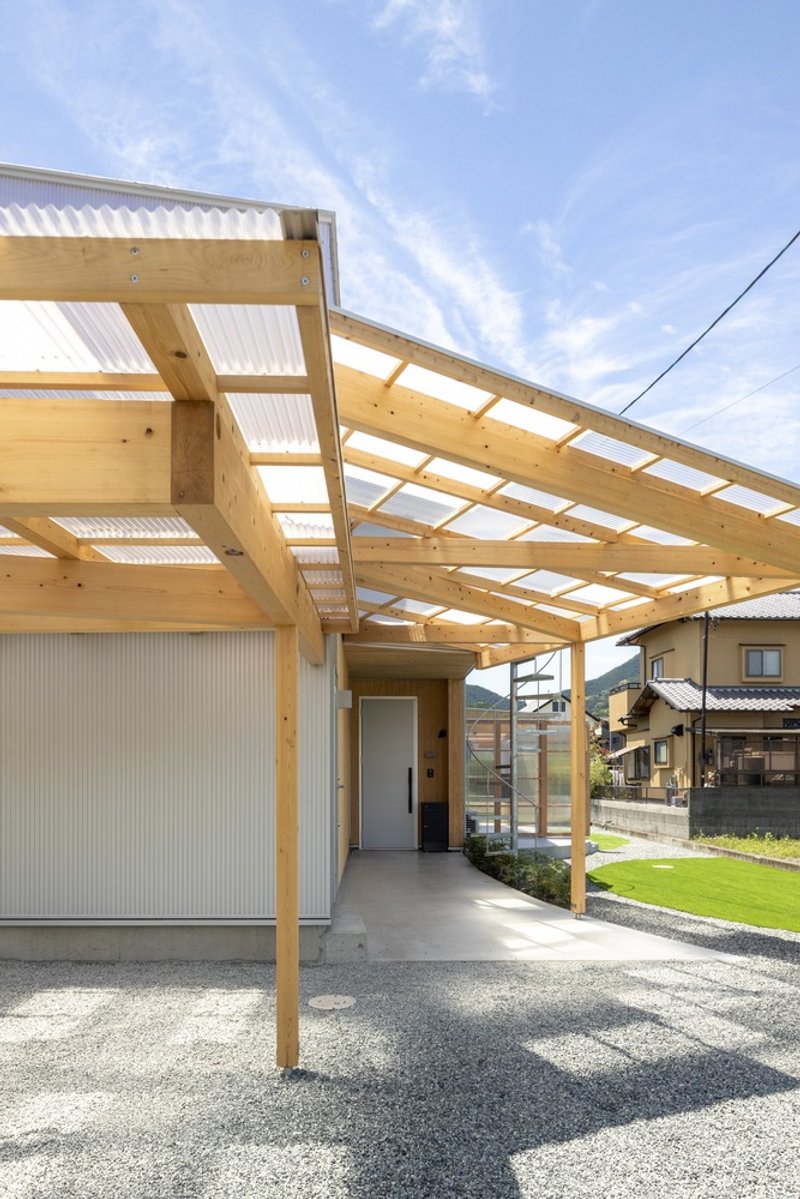
Natural light plays a central role in the spatial design of House M. The approach roof, made of varying transparencies of polycarbonate, allows dappled light to filter through nearby trees, creating a serene transition into the home. The carport, designed as an architectural extension of the house, offers shaded protection without compromising the overall aesthetic.
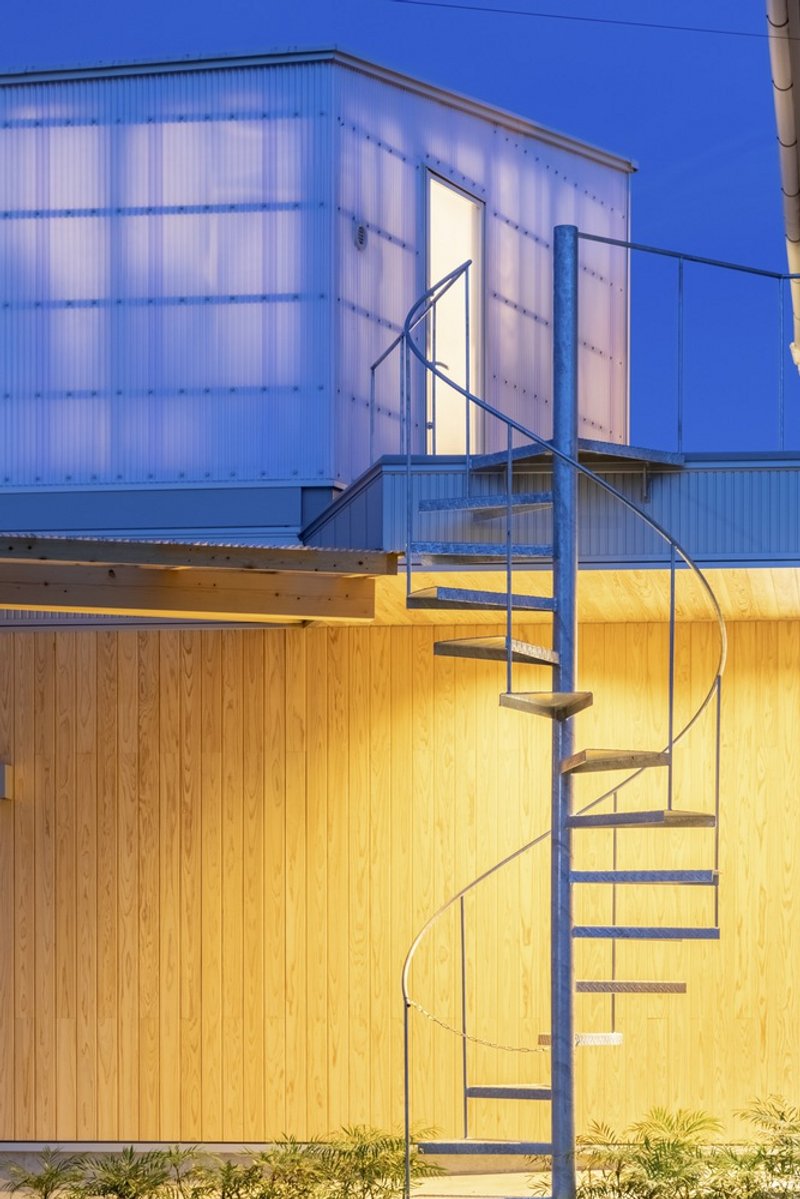
A notable feature is the polycarbonate-enclosed sunroom, positioned adjacent to the laundry area. Equipped with flip-up and horizontal folding doors, this space transforms easily into a semi-outdoor zone with an earthen floor—ideal for seating or gardening. Importantly, the sunroom integrates a self-sustaining solar power generation system, ensuring illumination without dependence on the grid. This system allows lights to be hung from the clothesline even during nighttime, extending functionality and comfort sustainably.
A Home That Glows Like a Lantern
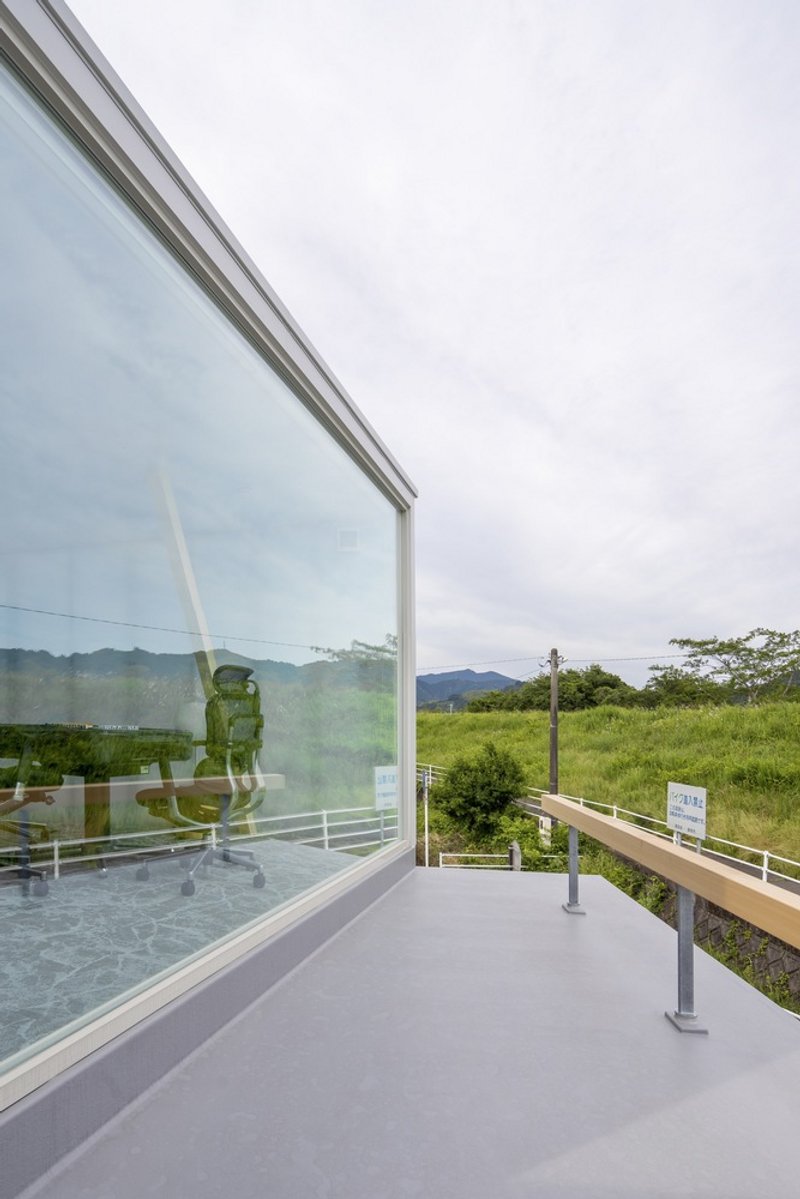
The southern façade features large openings with translucent surfaces that flood the interiors with daylight. As dusk falls, the house glows gently, its softly lit walls transforming the structure into a luminous lantern within the rural landscape. This ambient lighting not only enhances the home’s presence but also offers a poetic gesture to its agricultural surroundings.
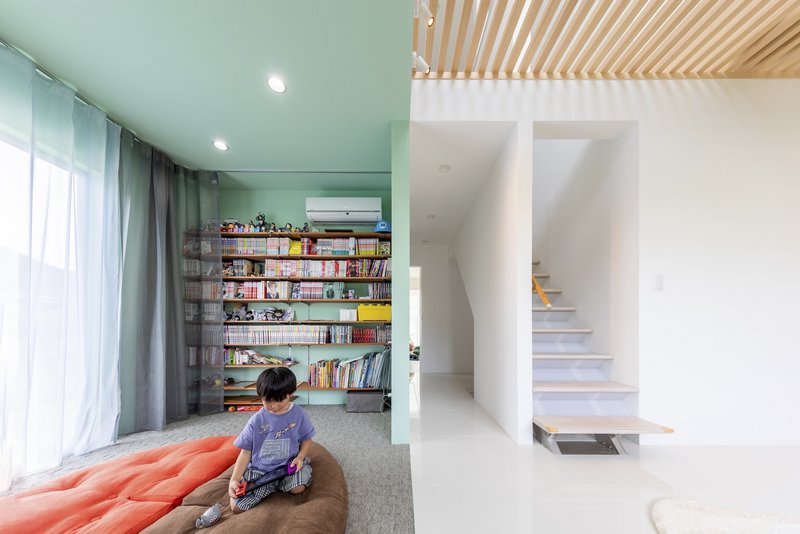
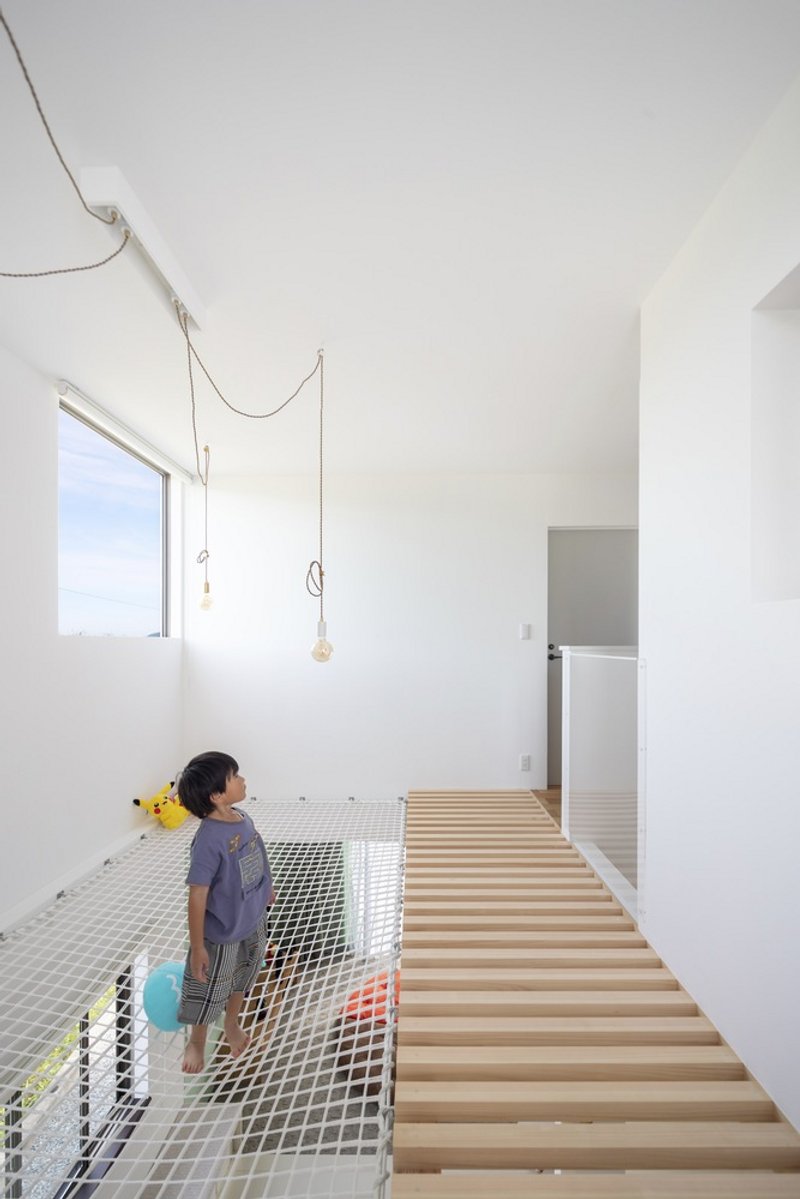
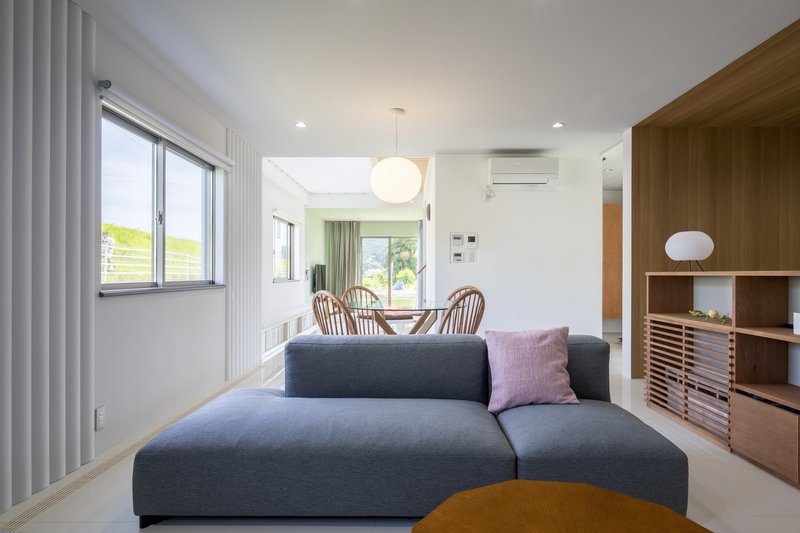
Inside, the living room expands vertically and spatially, allowing family members to engage in diverse activities while maintaining a harmonious sense of proximity. A variety of materials—ranging in texture, color, and form—enhance the sensory experience, celebrating everyday life through a careful orchestration of space.
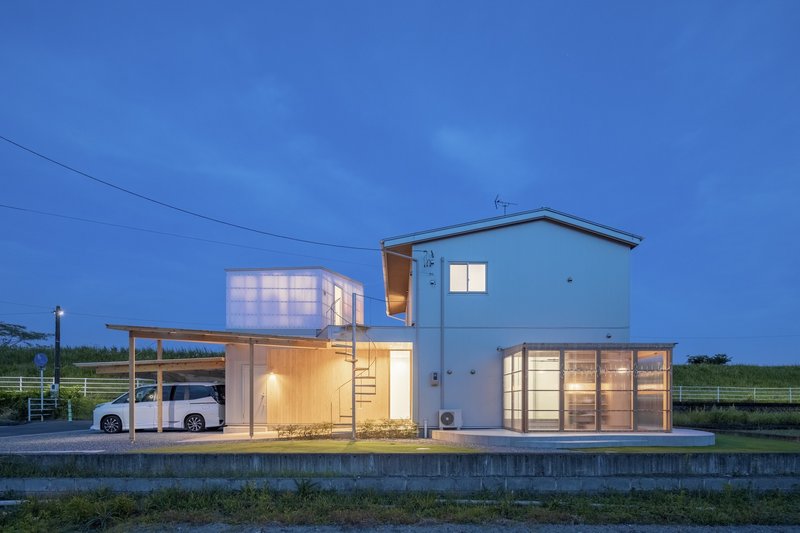
All Photographs are works of Vincent Hecht




Popular Articles
Popular articles from the community

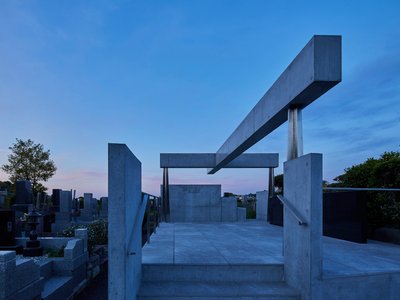
Takeshi Hosaka Architects Suspends a Concrete Cross Above a Yokohama Cemetery
A 28-square-meter burial renovation in Yokohama lifts the symbol of resurrection into the sky so mourners see it against heaven.
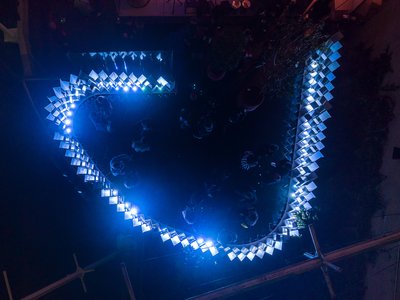
Rojkind Arquitectos and Think Parametric Build a Glueless Pavilion from 67 Interlocking Panels
A serpentine fiber-cement installation in Chapultepec Park celebrates a decade of architectural media in Mexico City.
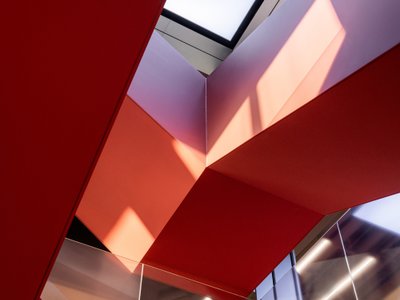
Ippolito Fleitz Group Identity Architects Turn Eight Floors in Shanghai into a Vertical Creative City
Publicis Groupe's new headquarters in Xintiandi reimagines the office as a courtyard-driven urban landscape stacked across eight floors.
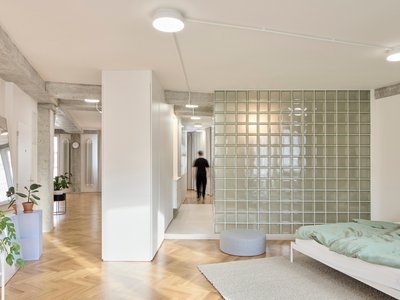
RDTH architekti Rips Out Nearly Every Wall in a Prague Apartment and Replaces Them with Furniture
A 101-square-meter post-war flat in Prague trades rigid partitions for a single rotated furniture block, curtains, and glass concrete.


Similar Reads
You might also enjoy these articles

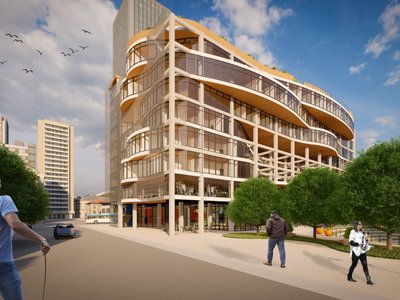
Olio Towers: A Mid-Rise for Performers That Fuses Housing, Rehearsal, and Stage
Located blocks from Houston's Theater District, this modular tower stacks living units around a central performance atrium.

Oasis: Modular Green Housing Carved into Dhaka's Urban Fabric
A shortlisted Plugin Housing entry reclaims unauthorized settlements in Dhaka with stepped concrete volumes, green roofs, and ventilation-driven design.

Black Hole: A Floating Megastructure for the Post-Physical Era
Emiliano Mazzarotto envisions a spherical, self-scaling arena where e-sports, digital hotels, and holographic stadiums replace traditional public space.
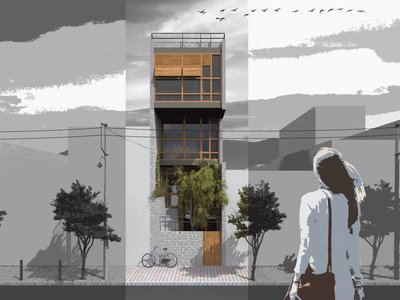
Compact & Sustainable Living in Piraeus: A Four-Level Family Home Built Around Light and Air
A narrow townhouse in one of Greece's densest port cities uses a central atrium and passive strategies to house three generations under one roof.


Explore Architecture Competitions
Discover active competitions in this discipline




The International Standard for Design Portfolios


The Global Benchmark for Architecture Dissertation Awards


The Global Benchmark for Graduation Excellence


Challenge to reimagine the Iron Throne
Comments (0)
Please login or sign up to add comments
No comments yet. Be the first to comment!