
House of Art: Synartisi
Creating a new art community

Synartisi in Greek means the interdependence of one element on another. Thus, this work presents the relationship of interaction that can be achieved between the artist and the viewer and vice versa.
Goal
The aim of the project is to create spaces that can accommodate different forms of art, where people can interact from the beginning of the process until the exhibition. For this reason, this proposal suggests a composition of units that are joined together to create a community. The house of art can be the roof under which different kinds of activities and living can take place.
Site Situation
The site plan indicates that at the working perimeter, the ground remains relatively flat, without great variation. For this reason, the proposal suggests a flat level that gives accessibility to the whole complex. Therefore, the remaining surrounding area will be formed naturally to adapt to the new conditions.
Volume formation
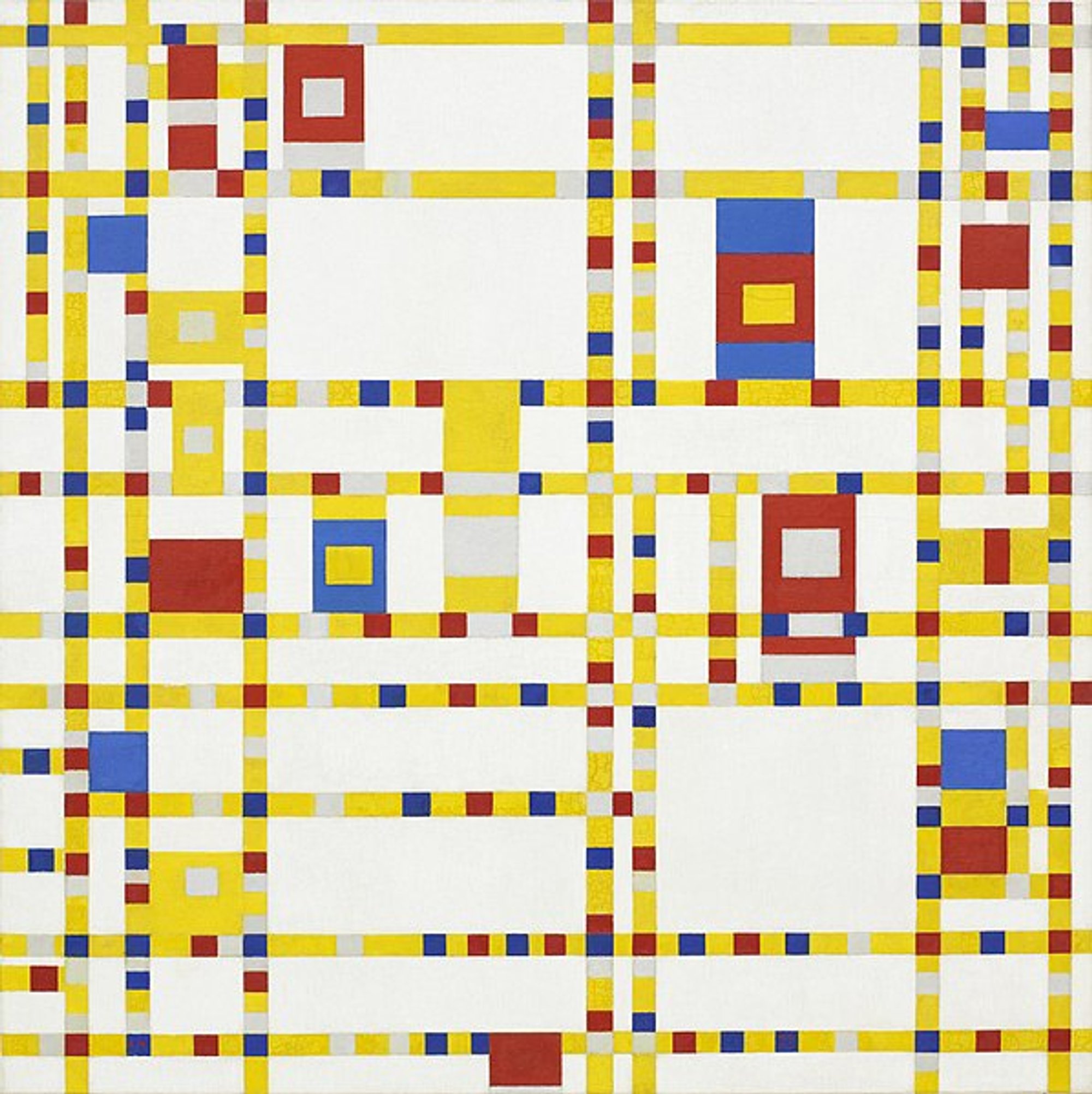
In terms of the urban situation of the site, one immediately notices the intense city network of Gniezno. For this reason, this solution proposes a building that is spatially transparent and allows, in every axis, horizontal and vertical, visibility and accessibility through all the designed spaces. The volume begins to be formed by taking the single unit and multiplying it by the times needed. This gives the most compact but not quality space. Therefore, the separation and the distance that follows between the units allow the natural light and ventilation to reach all the spaces. Moreover, it immediately creates another dimension by adding multiple vision and intersection points. To reach the final result, a division of some units along with their allocation to different points of the grid follows. The new spatial relationship of the units gives the opportunity to create exterior common spaces. The vision axes continue to exist, but occasionally are combined with new ones that intersect with the units. In addition, a multifunctional space is proposed in the middle of the complex that represents a town square.
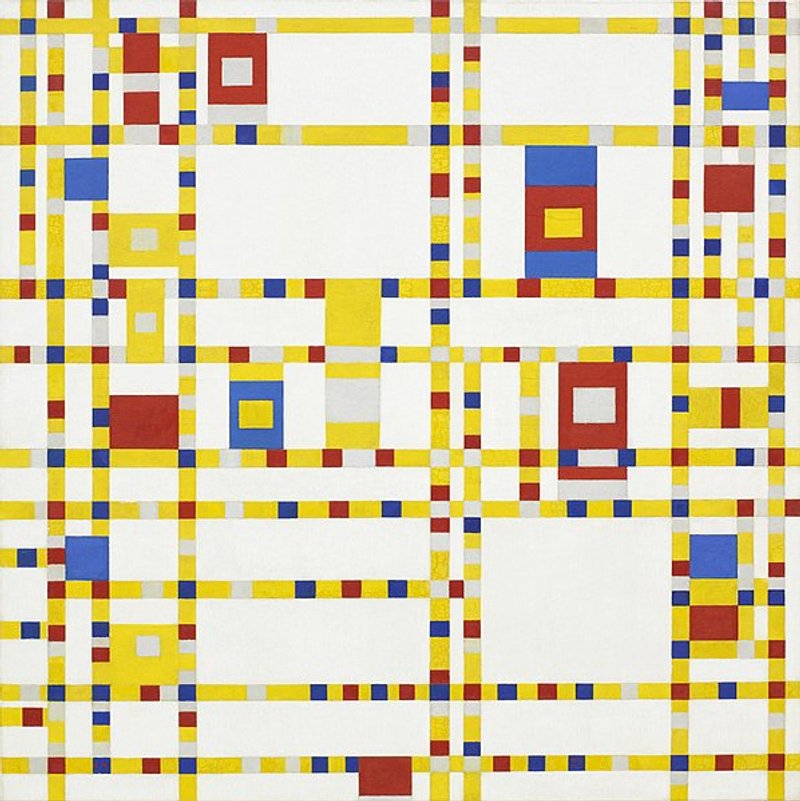
Piet Mondrian, 1942 - Broadway Boogie Woogie
Program adaptation
The program requests working and living spaces for the artists, as well as interaction spaces for the visitors. To achieve this, two level units have been created, that on the ground floor house the workshops and the exhibition, and on the first floor the living areas. This provides accessibility to the public for the exhibition and privacy to the residents. The idea was to emphasize these uses, so a core is created for the secondary uses. The bathrooms and the storage rooms are located in the middle of every ensemble. The requested flexibility is provided with the pivot doors that are placed at the workshops. This gives the ability to transform the space and accommodate different kinds of exhibitions and events. The house of art also provides an open area multipurpose area. A meeting point for the artists and the visitors, that can host a variety of events. From film projections, to dance and music performances, this space can be used by everyone throughout the day. Moreover, the accessibility is achieved by elevators and staircases that are located to the middle of the complex. Additionally, ancillary and storage rooms are located in the basement and the ground floor.
Flexible Design
The house of art can be accessed throughout the day and offer different kinds of experiences. It can be used in the form of the workshop layout. This offers the artist a space to create different forms of art. Every studio has a storage room with a water supply where furniture can be stored during an exhibition. The transparent facade parts work as a lens for the visitor, who can observe the artist while creating. Moreover it can be used in the form of the exhibition layout, which offers the ability to transform the workshops to exhibition spaces. The two pivot doors on each room can be used as panels, where paintings or screens can be placed. The space follows the famous principle of the white box, and becomes a canvas for the art to be presented on. But most of all the concept gives freedom to every artist to use the space as needed. It can be used to promote personal creativity and development for the artist and curiosity and inspiration for the viewer. It can function independently as a unit or it can be seen as a part of the community.
In conclusion, the House of Art can work as a new community center that can accommodate and invite people to interact with each other. Art can be a way to bring people together and create new opportunities for the future. Art makes us live.



Popular Articles
Popular articles from the community

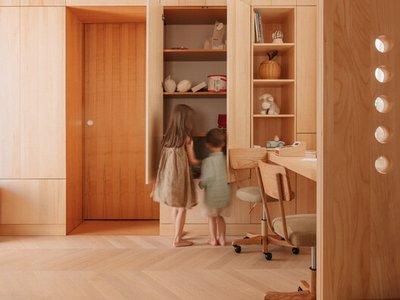
Treehouse Apartment: A Warm Timber Interior Blending Craft, Play, and Contemporary Living
Warm timber apartment with integrated treehouse, combining natural materials, craftsmanship, and playful design to create a flexible, family-oriented living environment.
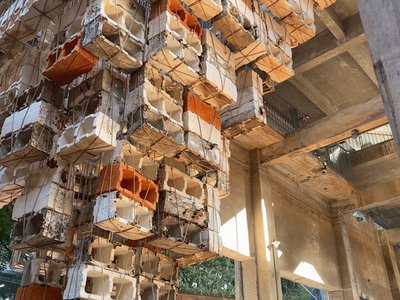
Inverted Architecture Installation by Studio Link-Arc: Exploring the Intersection of Architecture and Living Organisms
Inverted Architecture Installation by Studio Link-Arc blends mycelium, sustainability, inverted design, ecological cycles, and urban adaptive architecture in Shenzhen.
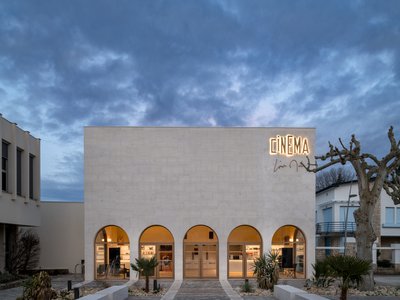
Louis Malle Cinema: A Limestone Cultural Landmark Revitalizing Community Life in Prayssac
Limestone cinema extension with public forecourt, blending heritage and modern design to create flexible cultural spaces and strengthen community interaction.
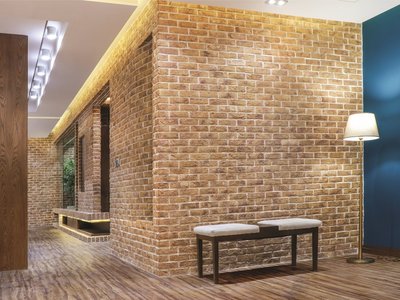
A Contemporary Take on Iranian Residential Architecture
A modern interior design in Mashhad that reinterprets brick, light, and spatial flow to create a warm, contemporary residential architecture.

Similar Reads
You might also enjoy these articles


The Ken Roberts Memorial Delineation Competition (Krob)
As the most senior architectural drawing competition currently in operation anywhere in the world, it draws hundreds of entries each year, awarding the very best submissions in a series of medium-based categories.
A Contemporary Take on Iranian Residential Architecture
A modern interior design in Mashhad that reinterprets brick, light, and spatial flow to create a warm, contemporary residential architecture.
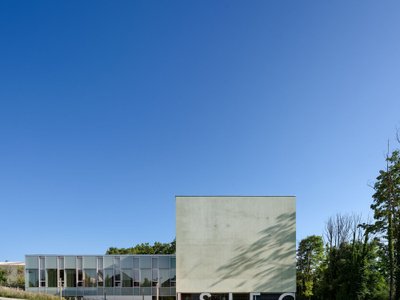
Franche-Comté Advanced School of Engineering by Dominique Coulon & associés, Besançon
A flexible engineering school immersed in woodland, combining concrete minimalism, adaptable spaces, and natural light to support evolving educational environments.


Waterfront Redevelopment and Urban Revitalization in Mumbai: Forging a New Dawn for Darukhana
A transformative waterfront redevelopment project reimagining Darukhana’s shipbreaking heritage into an inclusive urban future.

Explore Architecture Competitions
Discover active competitions in this discipline




The International Standard for Design Portfolios


The Global Benchmark for Architecture Dissertation Awards


The Global Benchmark for Graduation Excellence


Challenge to reimagine the Iron Throne
Comments (0)
Please login or sign up to add comments
No comments yet. Be the first to comment!