

House of Local Spirits by atelier SALAD: Revitalizing Heritage in a Japanese Fishing Village
A restored 90-year-old wooden house in Akune, wrapped in steel panels blending tradition, sustainability, and community-driven coastal architecture.


Reinterpreting Tradition Through Contemporary Design
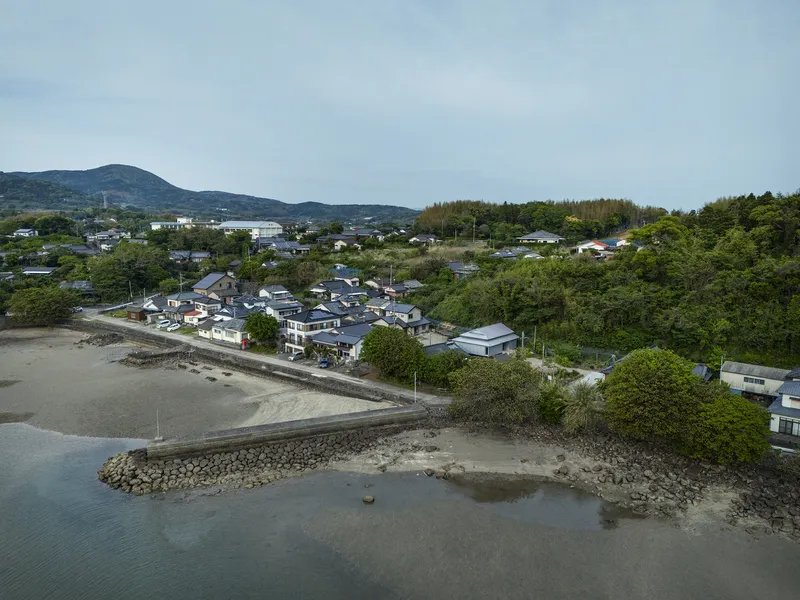
In the quiet coastal town of Akune City, southern Japan, a Michelin-starred chef found new inspiration within a 90-year-old wooden house. The chef’s deep connection to local ingredients and traditions inspired atelier SALAD to design a residence that celebrates regional identity, craftsmanship, and the spirit of place.
The result — the House of Local Spirits — is an architectural dialogue between heritage and modernity, preservation and transformation, and material authenticity and innovation.

Inspiration from the Sea: A Dialogue with Local Industry
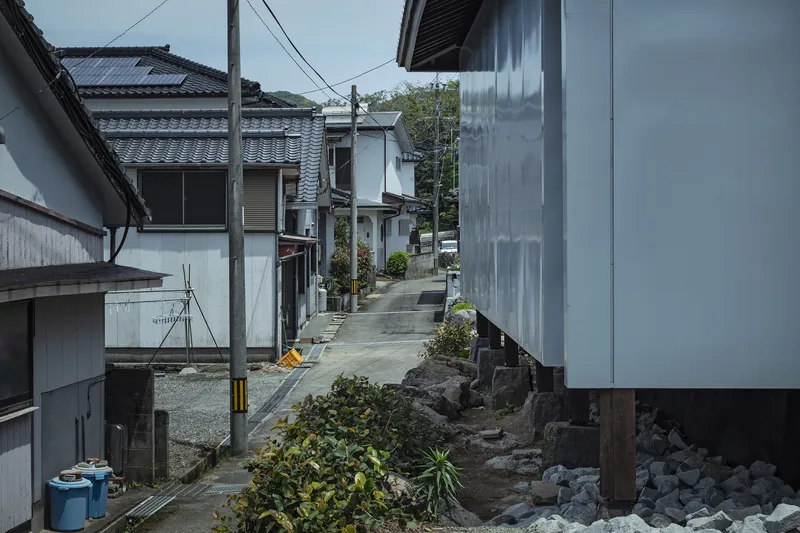
Akune’s fishing port, lined with rugged silver steel fish crates and filled with the scent of the sea, provided the conceptual foundation for the project. The architects translated the industrial poetry of these crates — symbols of local livelihood — into architecture by wrapping the original timber structure in silver steel panels.
This metallic skin not only protects the house from coastal weather but also reflects the surrounding light, creating a shimmering facade reminiscent of bluefish scales — a tribute to the horse mackerel and sardines caught nearby.
The gesture is both practical and symbolic: it preserves the old house while projecting it into the future, embodying the coexistence of tradition and renewal.

Layering Old and New: A Conversation in Materiality
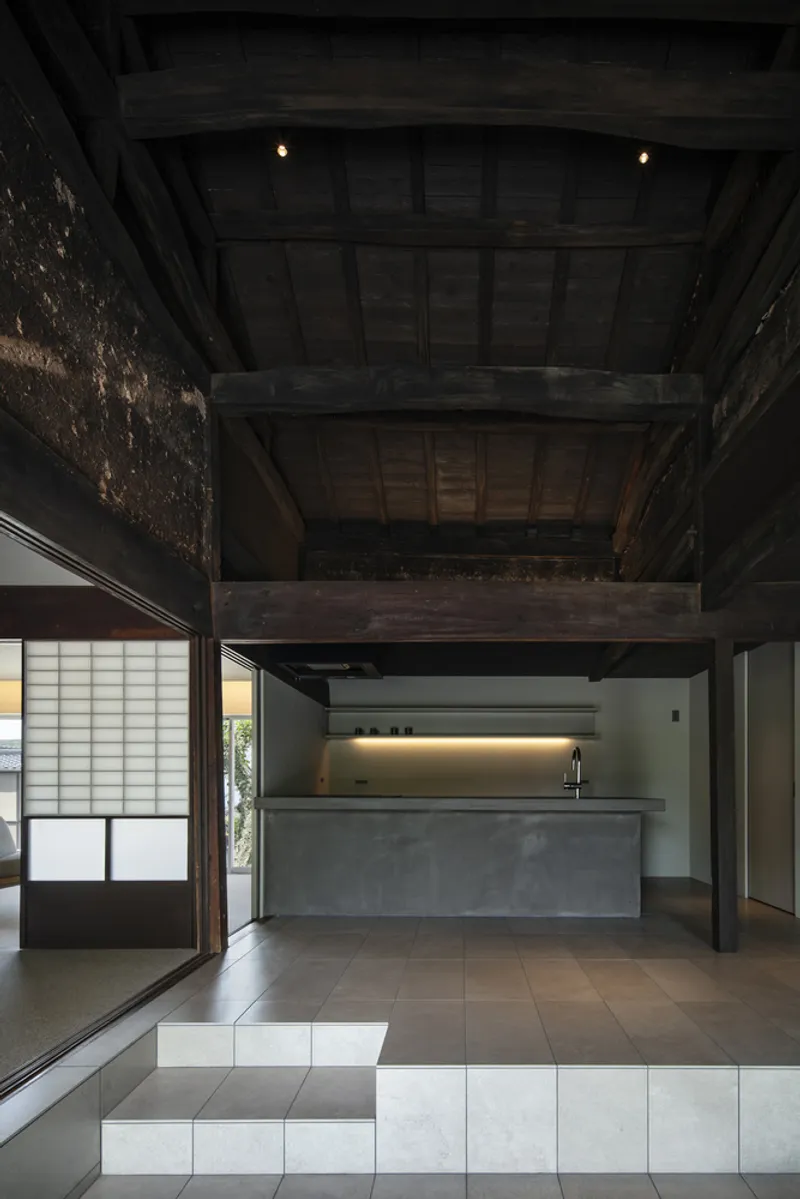
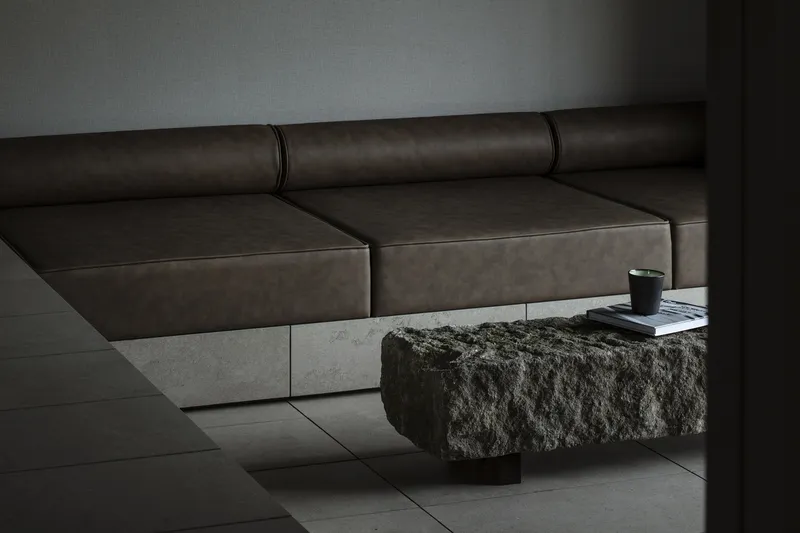
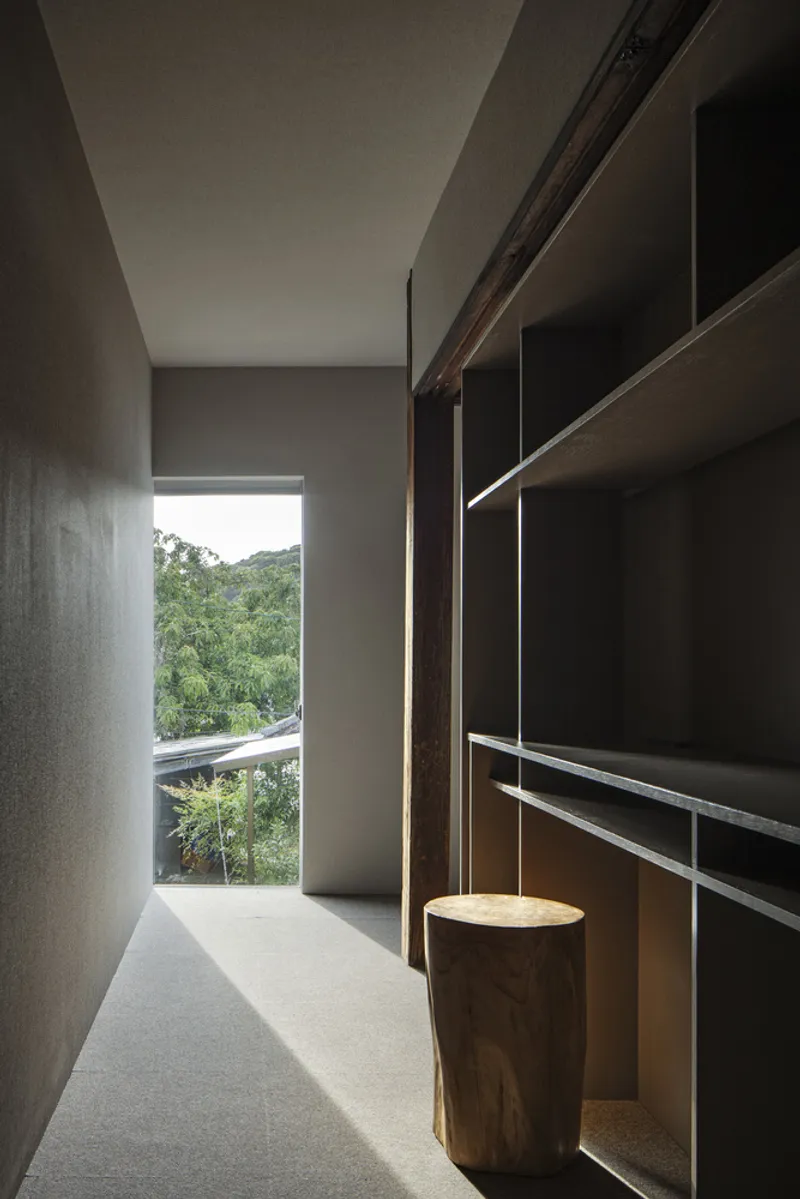
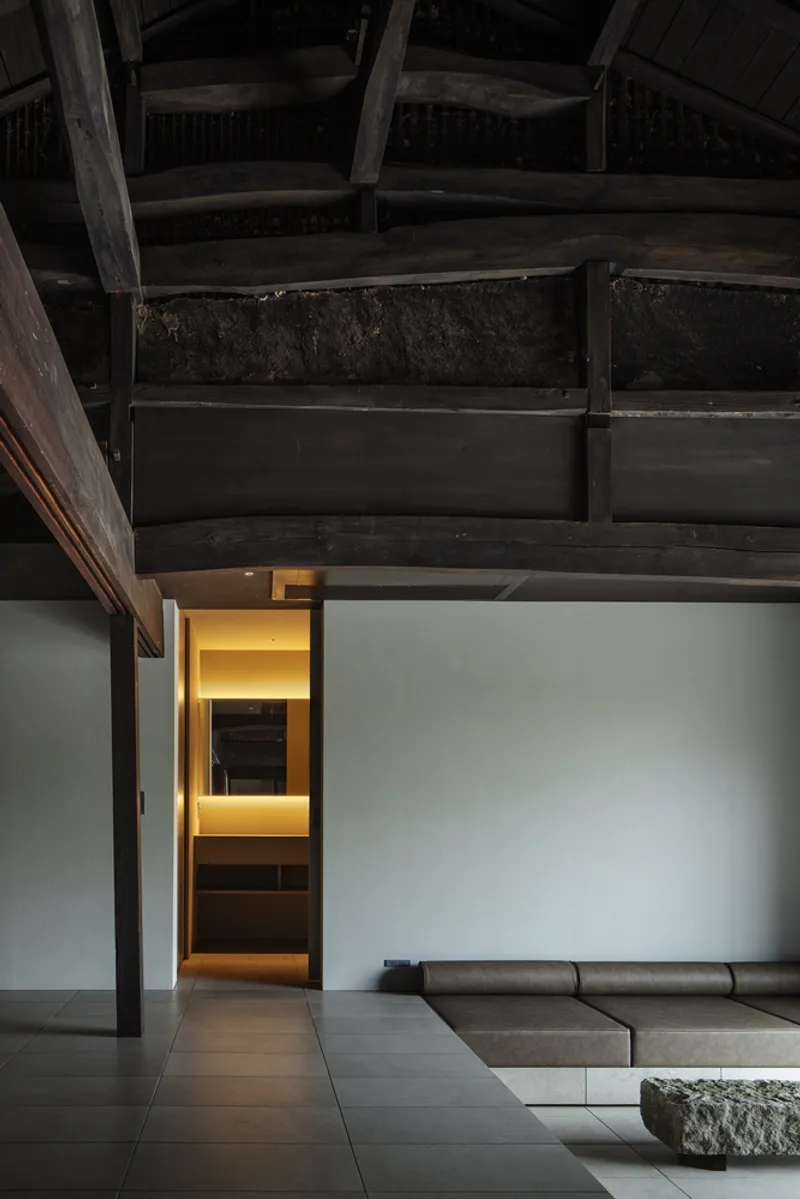
Inside, the original wooden framework remains visible beneath the contemporary steel shell. This layered materiality creates a sensory contrast — the warmth of wood juxtaposed with the cool resilience of metal.
Every surface tells a story of time, labor, and adaptation. The architecture doesn’t erase history; it embraces the imperfections of the existing structure and celebrates the passage of generations.
Through this visual and tactile dialogue, the project expresses the collective spirit of the fishing community, where continuity and change coexist in everyday life.

Reinterpreting the Genkan Doma: A Space for Gathering
A key design element is the reinterpretation of the “genkan doma”, the traditional earthen-floored entrance commonly found in Japanese homes. Historically serving as both a reception area and kitchen, this transitional space now extends deeper into the interior, dissolving boundaries between inside and outside, private and communal.
This spatial reconfiguration transforms the house into a semi-public venue, echoing the communal culture of fishing villages. It’s not just a home — it’s a place of encounter, where architecture fosters interaction and exchange.


Sustainable Revitalization and Social Regeneration
The House of Local Spirits embodies principles of sustainable architecture and rural revitalization. By preserving and adapting rather than demolishing, atelier SALAD significantly reduced construction waste and embodied carbon emissions.
More than an architectural intervention, the project is a social catalyst — transforming an abandoned residence into a hub for community connection. In a region facing depopulation, this renewal symbolizes hope and continuity, proving that architecture can play a vital role in reviving rural life.
Architecture as a Living Phenomenon
Through a poetic yet pragmatic approach, atelier SALAD has crafted a house that transcends the boundaries between memory and modernity. The House of Local Spirits is not just a restoration; it’s a living organism, breathing with the rhythms of the sea and the community it shelters.
All photographs are works of Kenta Hasegawa




Popular Articles
Popular articles from the community


Hill & Cross Opera: Sculptural Opera House Architecture Shaped by Tallinn’s Landscape and Identity
Hill & Cross Opera reimagines opera house architecture in Tallinn through its sculptural hill, civic plaza, glass wave and a luminous cross.

Co-life: Sustainable Architecture for Age-Friendly Community Living
Co-life reimagines sustainable architecture for seniors through courtyards, rammed earth, shared gardens, and spaces designed for belonging.

Co-Life: Senior Housing Design That Reconnects Older Adults With the City
Co-Life reimagines senior housing design through healing gardens, shared streets, workshops, and a sustainable community across generations.

Riyadh For All: Intergenerational Urban Design for Active Aging in Rabat
Riyadh For All reimagines urban design in Rabat with intergenerational co-living, adaptive courtyards, and Moroccan cultural exchange today.


Similar Reads
You might also enjoy these articles


Hodi-Mandai Geram
Project Function: Preservation and revitalization of the Intangible heritage and socio-spatial identity of the Hodi by Housing, Cultural Memory Center, Sacred Grove, landscape, local tourism economy


Olio Towers: A Mid-Rise for Performers That Fuses Housing, Rehearsal, and Stage
Located blocks from Houston's Theater District, this modular tower stacks living units around a central performance atrium.

Oasis: Modular Green Housing Carved into Dhaka's Urban Fabric
A shortlisted Plugin Housing entry reclaims unauthorized settlements in Dhaka with stepped concrete volumes, green roofs, and ventilation-driven design.

Black Hole: A Floating Megastructure for the Post-Physical Era
Emiliano Mazzarotto envisions a spherical, self-scaling arena where e-sports, digital hotels, and holographic stadiums replace traditional public space.


Explore Housing Competitions
Discover active competitions in this discipline



Challenge to reimagine the Iron Throne


Photograph architecture without architects


Illustrate the lost glory of Angkor Wat - Render Challenge


Design challenge to reuse E-waste
Comments (0)
Please login or sign up to add comments
No comments yet. Be the first to comment!