
House of the Cape Robin: A Sustainable Home in Harmony with Nature
The House of the Cape Robin showcases sustainable design in a natural setting, blending privacy, comfort, and environmental consciousness.

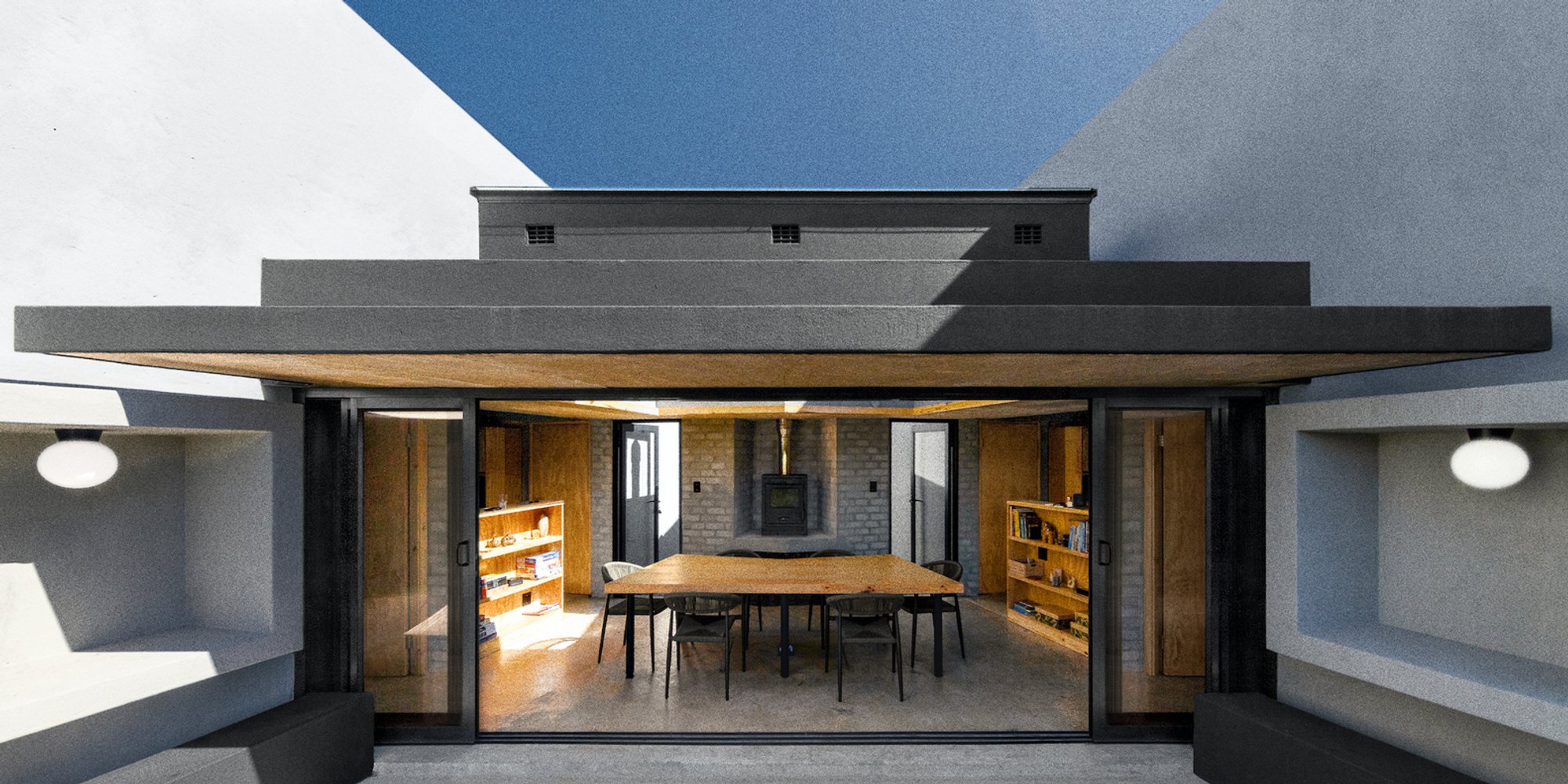
The House of the Cape Robin, designed by Frankie Pappas, is a stunning example of sustainable home design nestled in the breathtaking landscape of George, South Africa. This compact yet thoughtful residence blends privacy, sustainability, and seamless integration with its surroundings, offering a model for environmentally conscious living in a natural environment. The design incorporates both innovative architecture and sustainable practices to create a home that serves the needs of its owners while minimizing its environmental impact.
A Site-Responsive Design
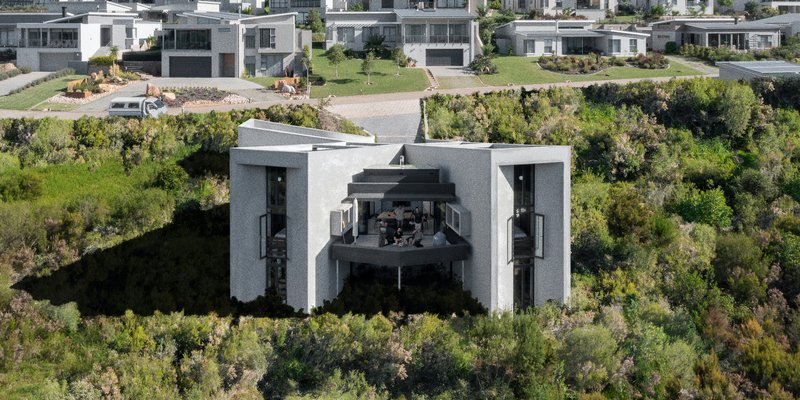
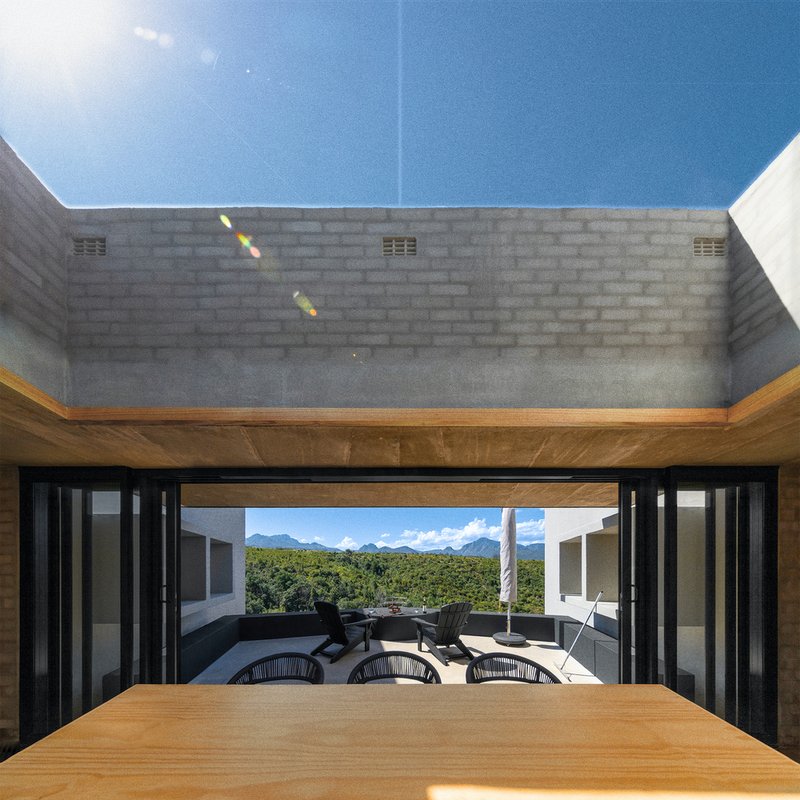
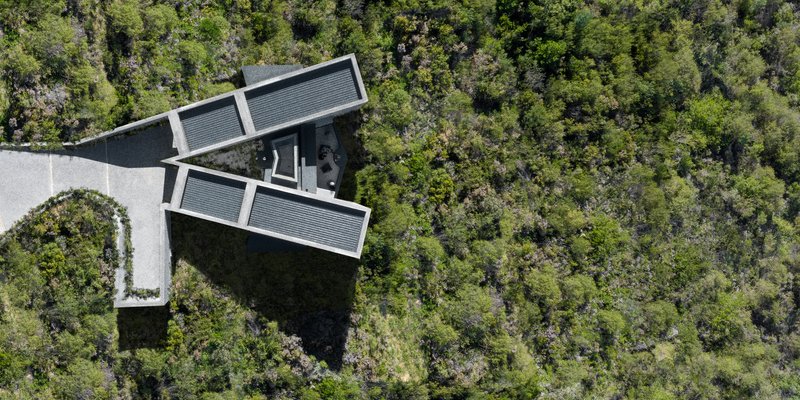
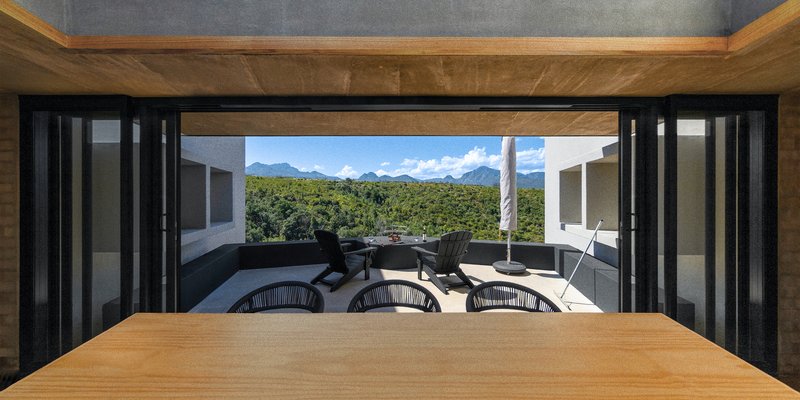
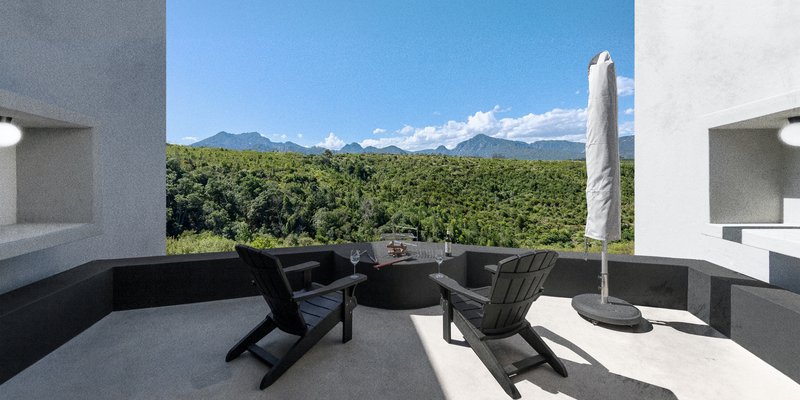
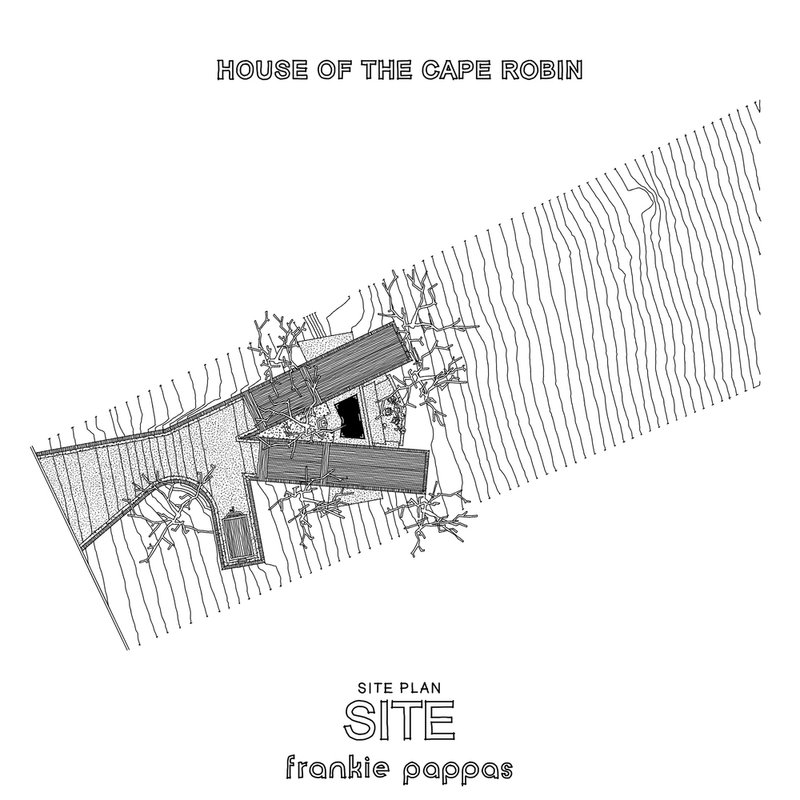
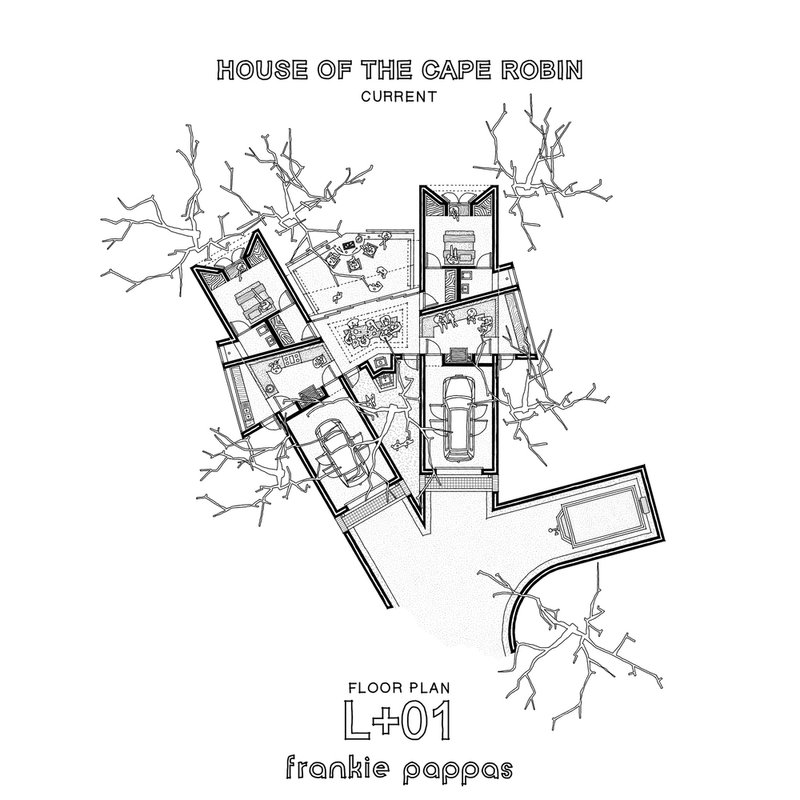
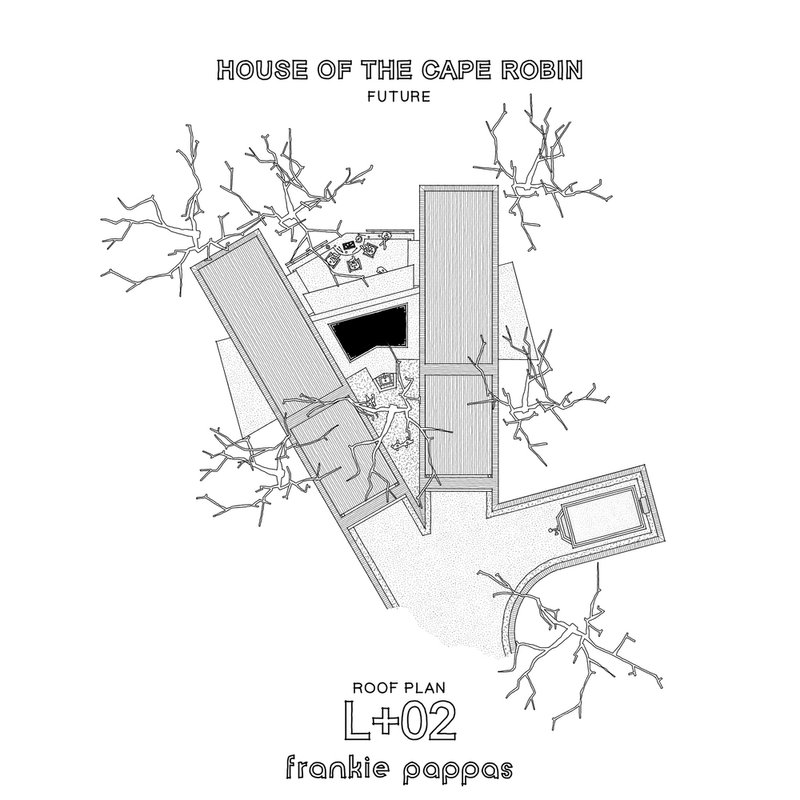
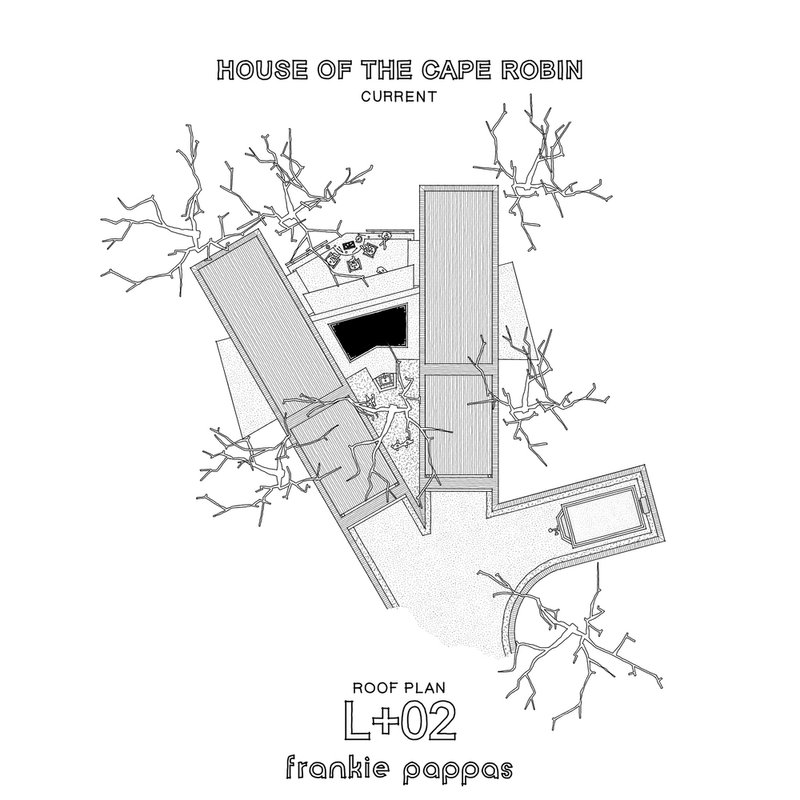
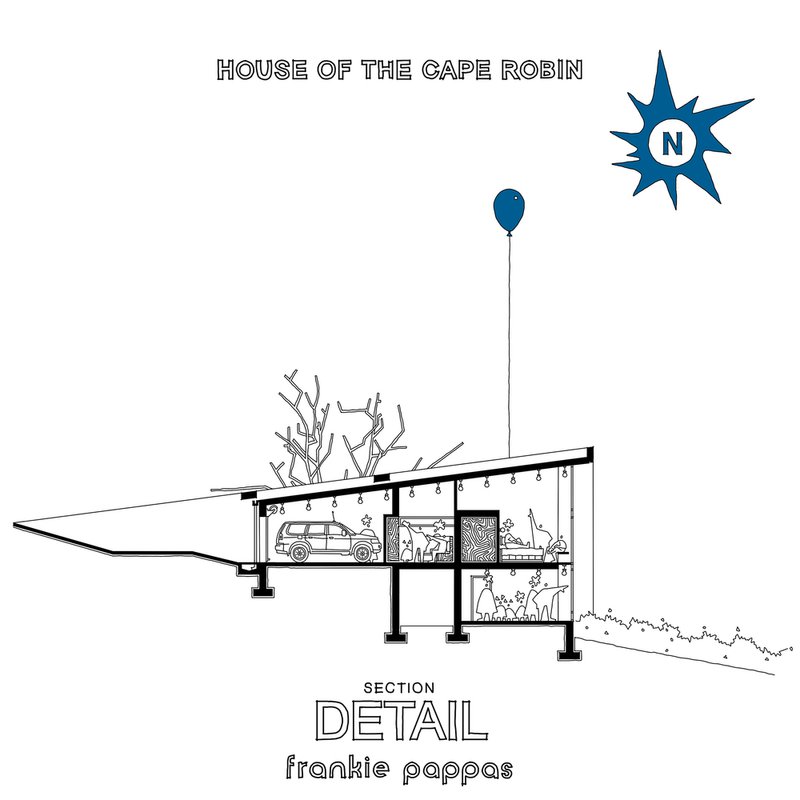
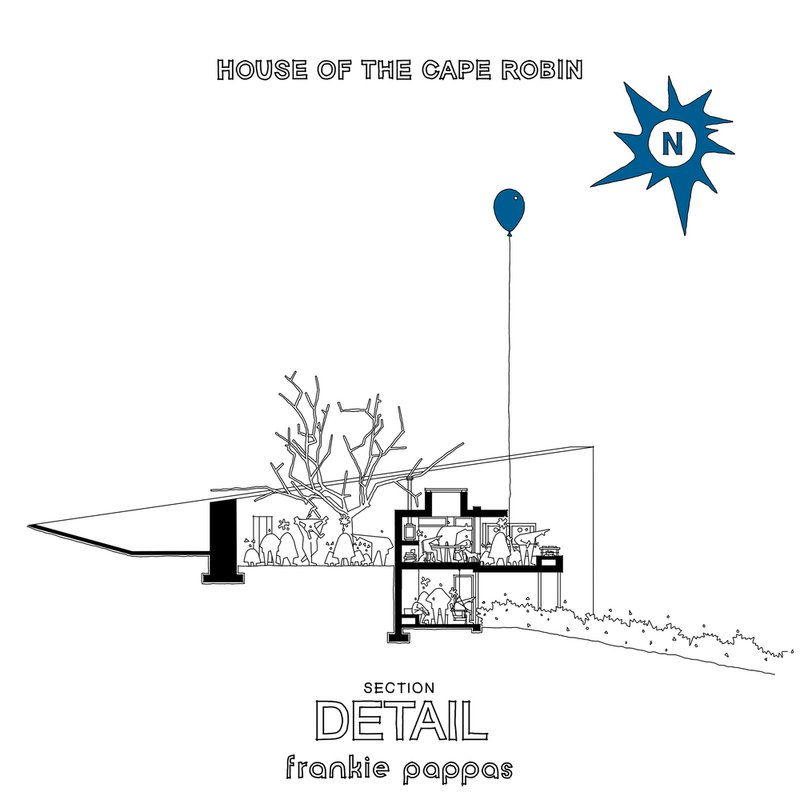
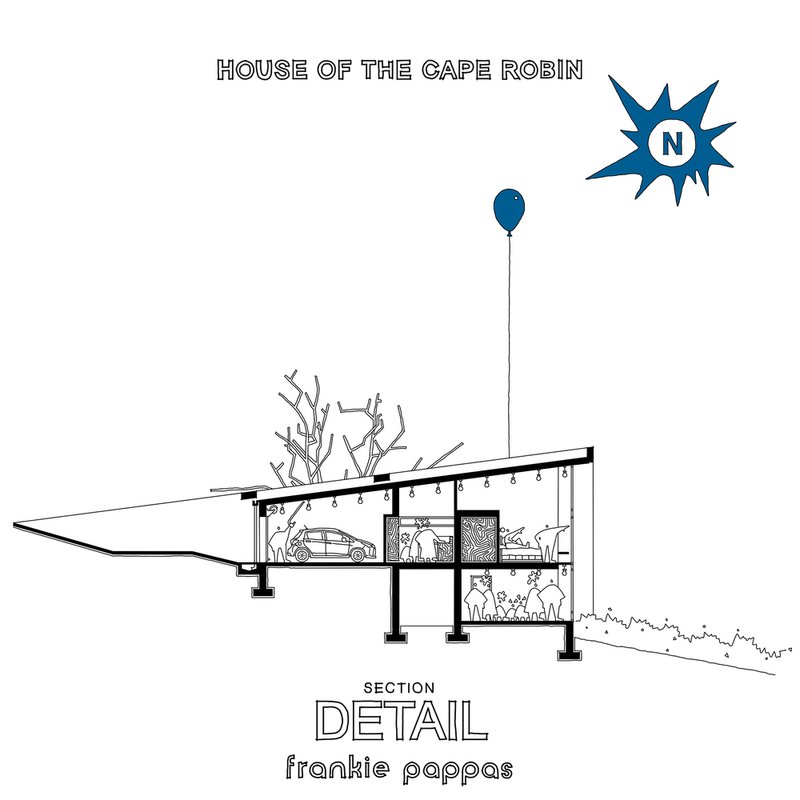
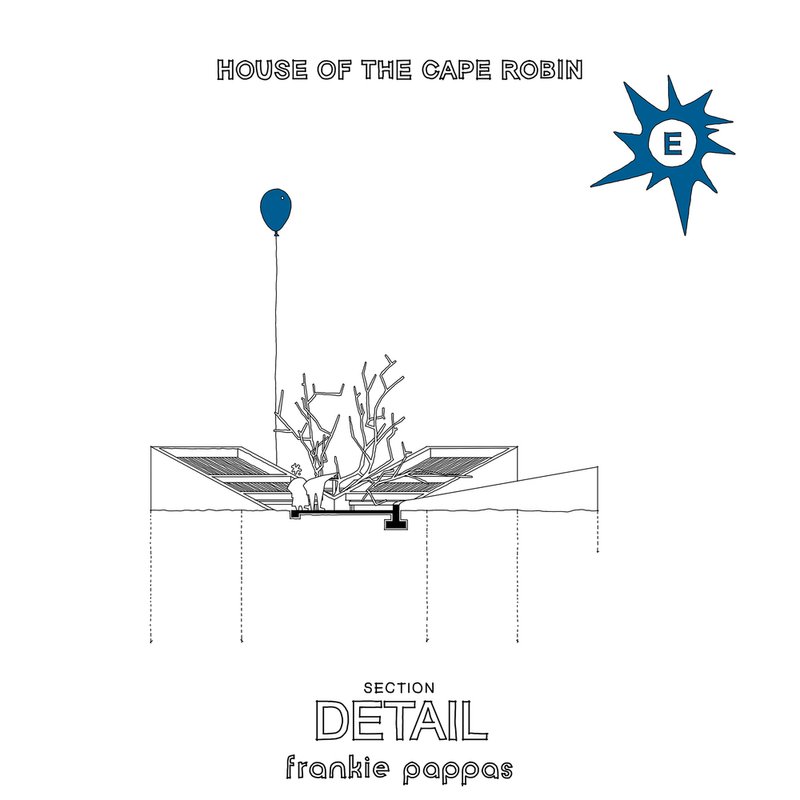
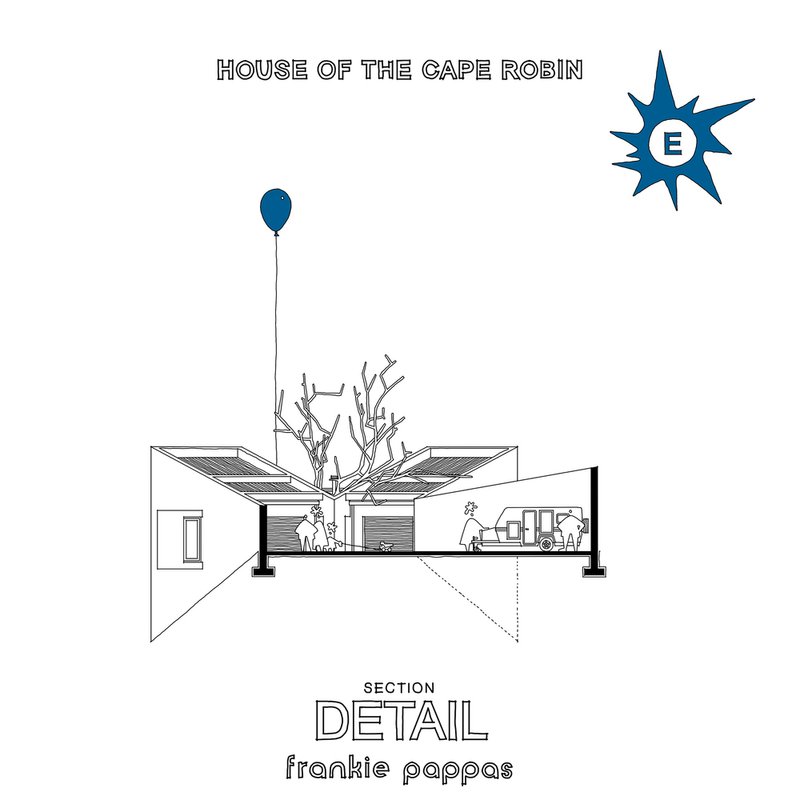
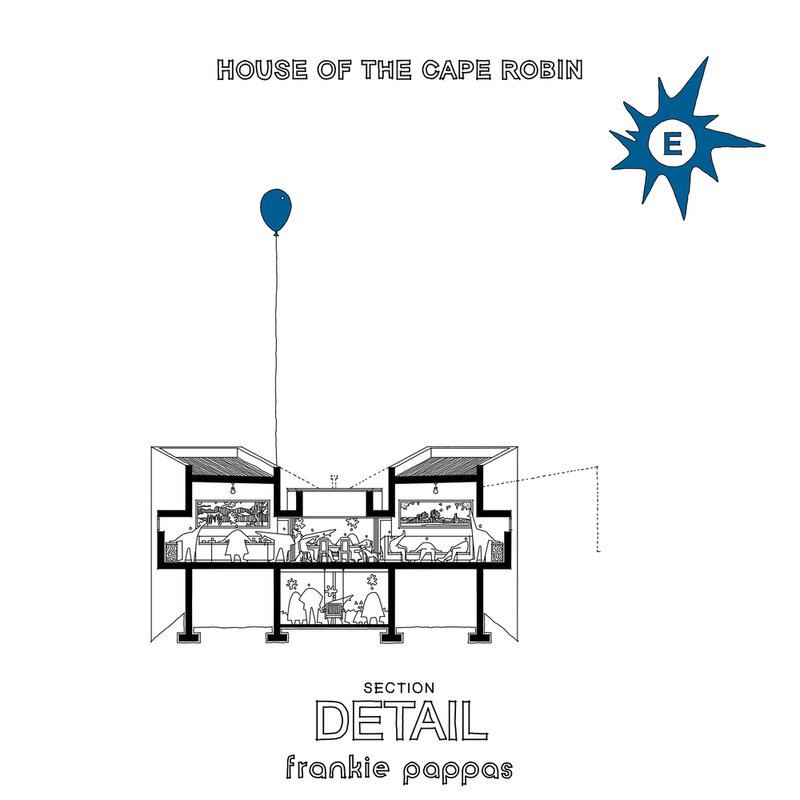
Situated on a steep slope with panoramic views of the Outeniqua Mountains, the House of the Cape Robin is designed to sit low within the landscape. The primary goal was to avoid obstructing pedestrians’ views of the mountains while maintaining the utmost privacy for the homeowners. To achieve this, the house is divided into two levels, with the main house located above and a potential future apartment below, both oriented to open towards the northern views, while shielding the occupants from the prevailing southerly winds.
The building's low profile allows it to blend into the environment, making the structure feel unobtrusive and harmonious with the natural surroundings. The clever arrangement of spaces within the building ensures that the natural beauty of the landscape is preserved for both the inhabitants and passersby.
Thoughtful Materials and Sustainable Practices
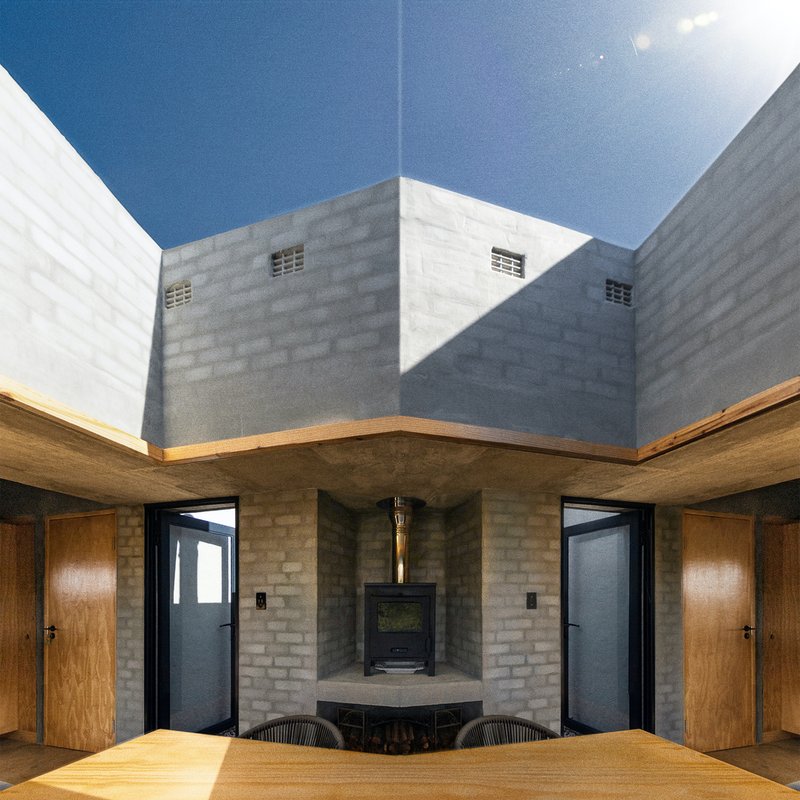
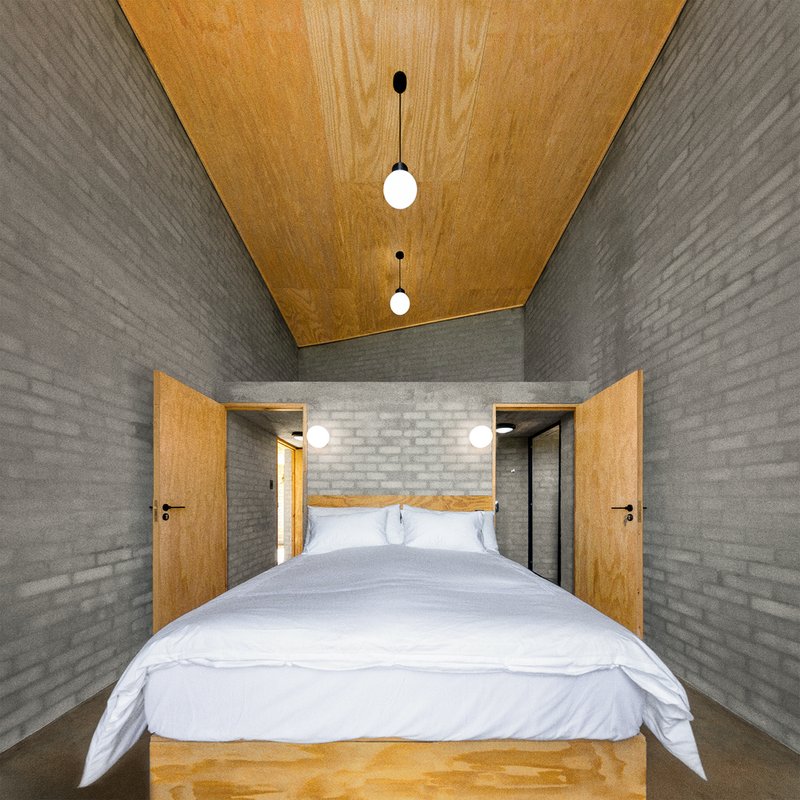
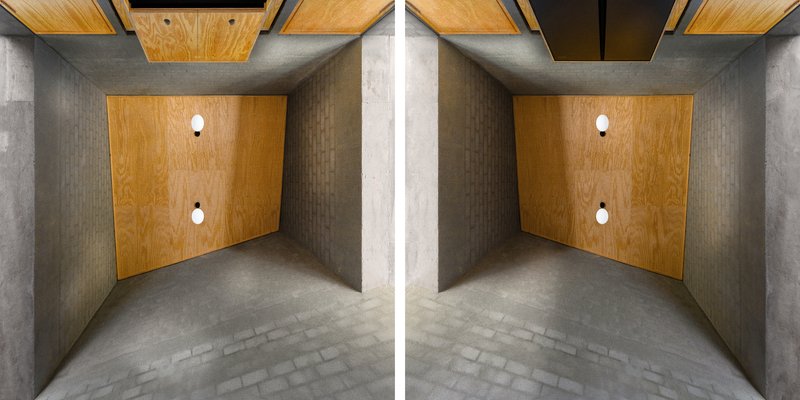
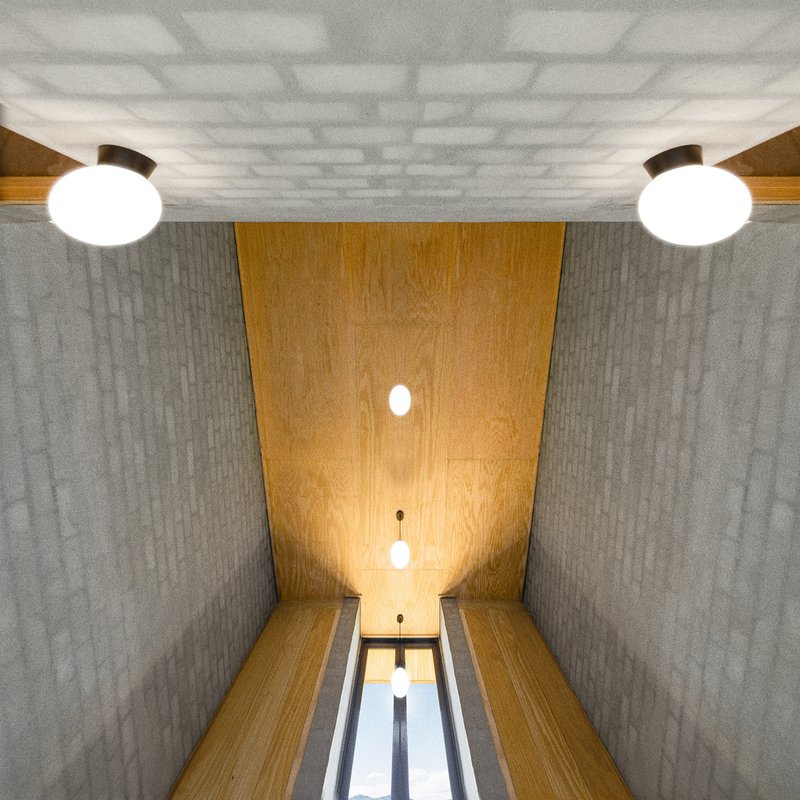
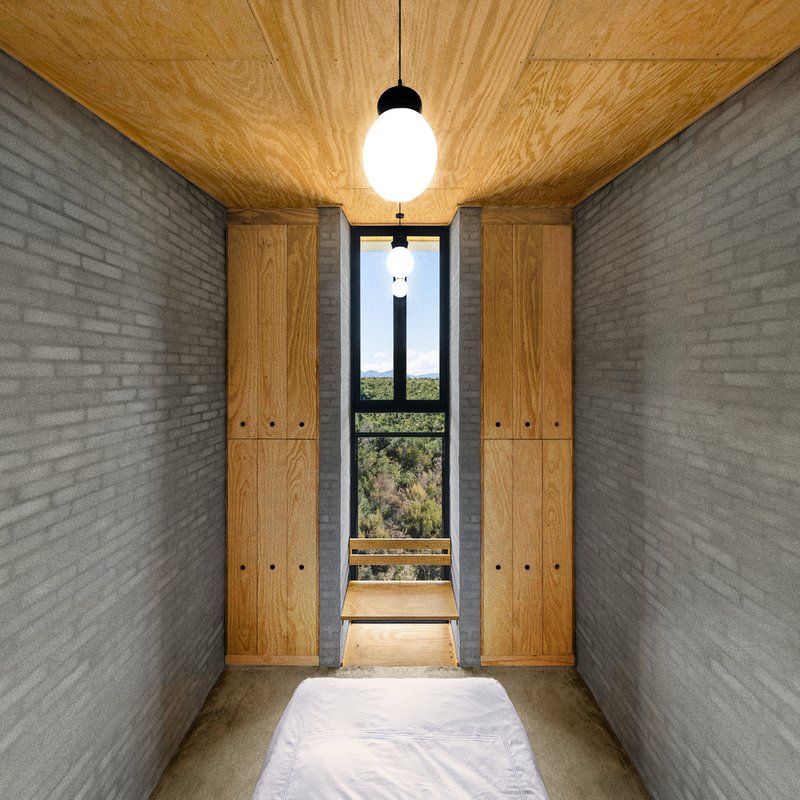
Sustainability is at the core of the House of the Cape Robin’s design. The house is constructed using a simple, low-impact material palette, including concrete brick and off-shutter concrete floors. These materials were chosen not only for their durability but also for their ability to blend with the natural elements of the site. Exterior windows and doors are made from powder-coated aluminum, while local plywood is used for interior furniture, ceilings, and doors, reducing the building’s carbon footprint.
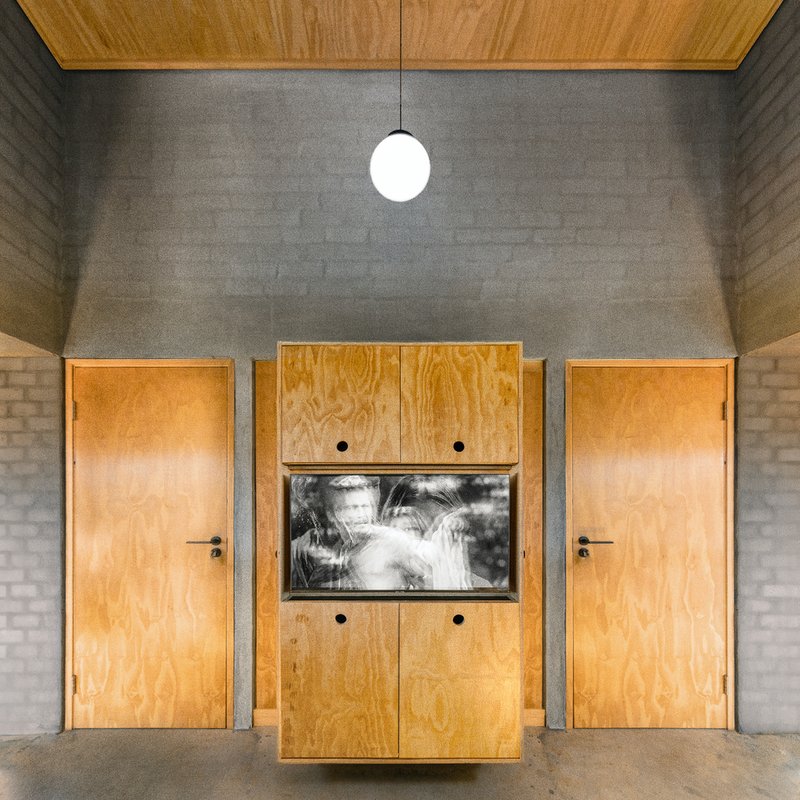
In line with the homeowners' environmental values, the house’s landscape is indigenously planted, requiring minimal maintenance and no additional water use. This approach to landscaping ensures that the home has a minimal impact on local ecosystems. Furthermore, rainwater is harvested from the roof and stored underground, and the design accommodates solar panels, allowing for an entirely off-grid lifestyle.
Privacy and Connection with Nature
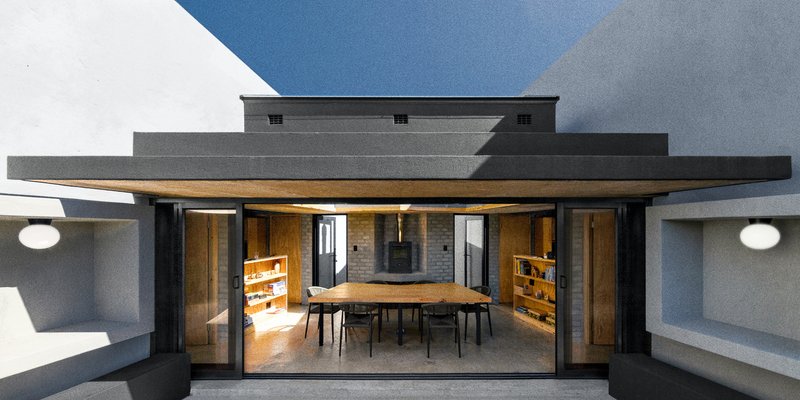
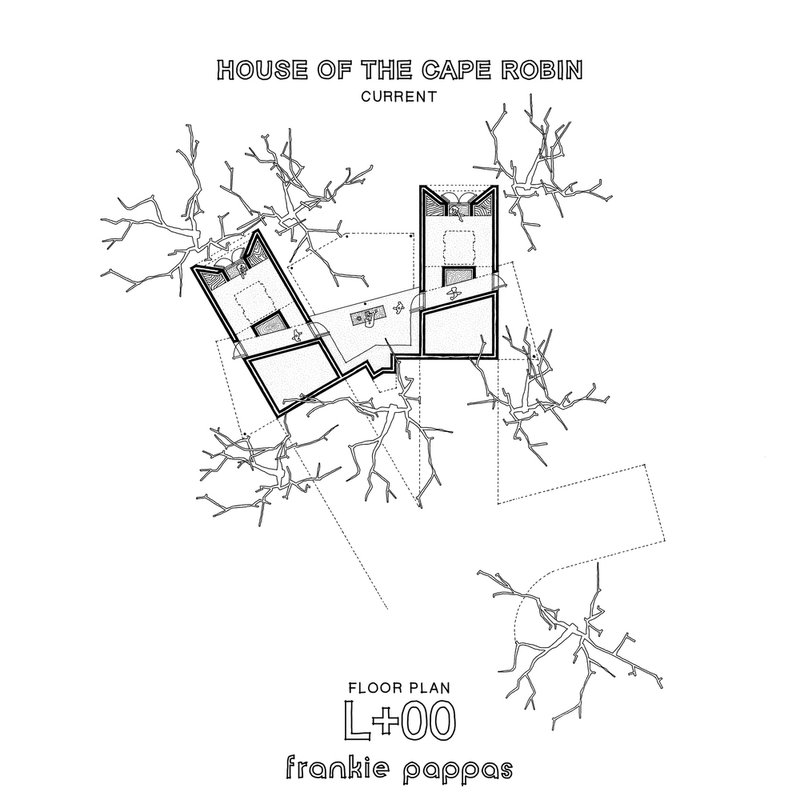
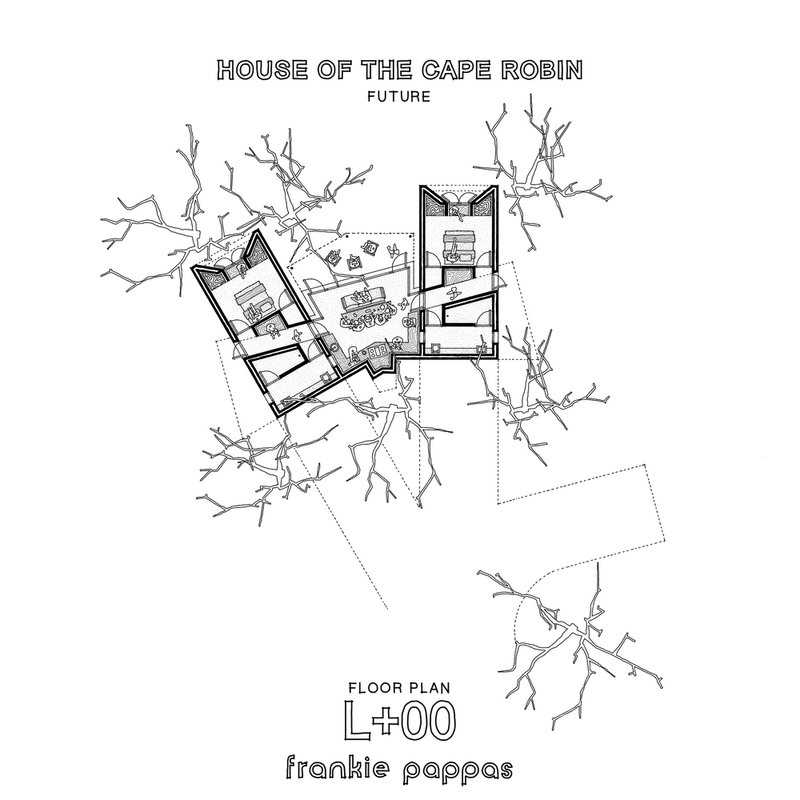
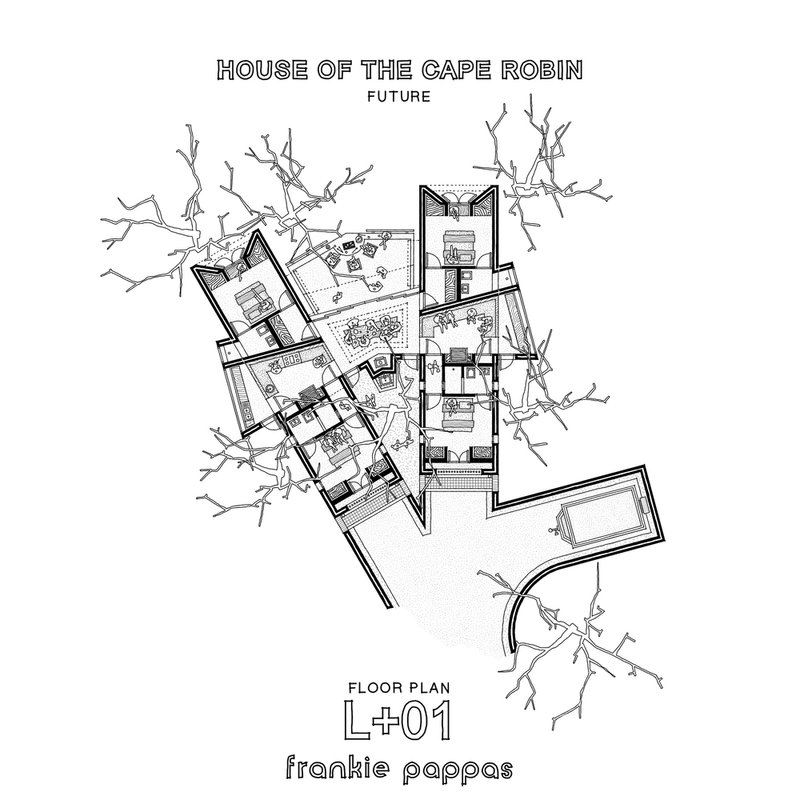
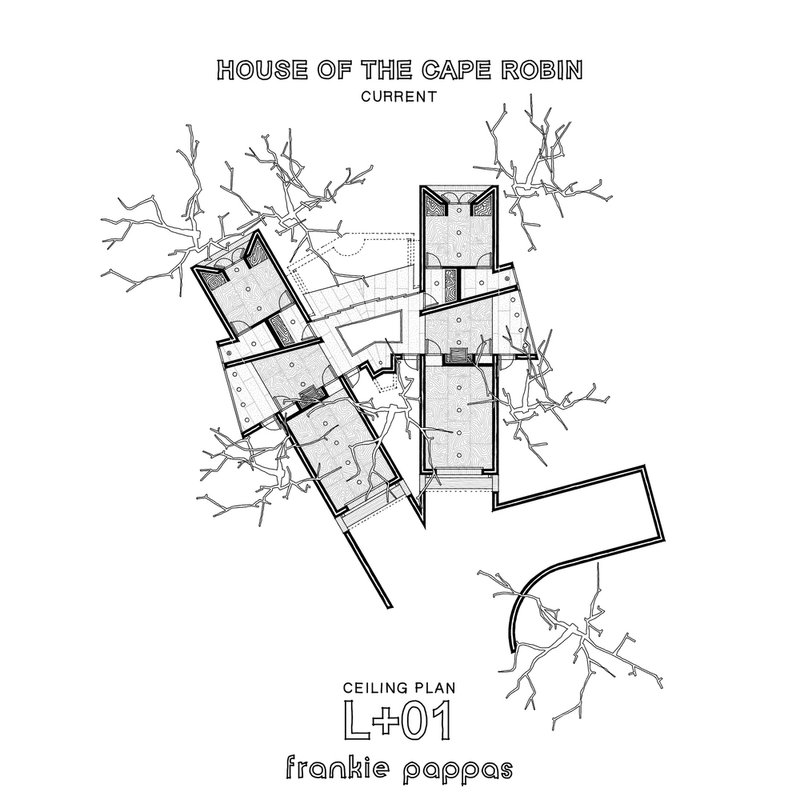
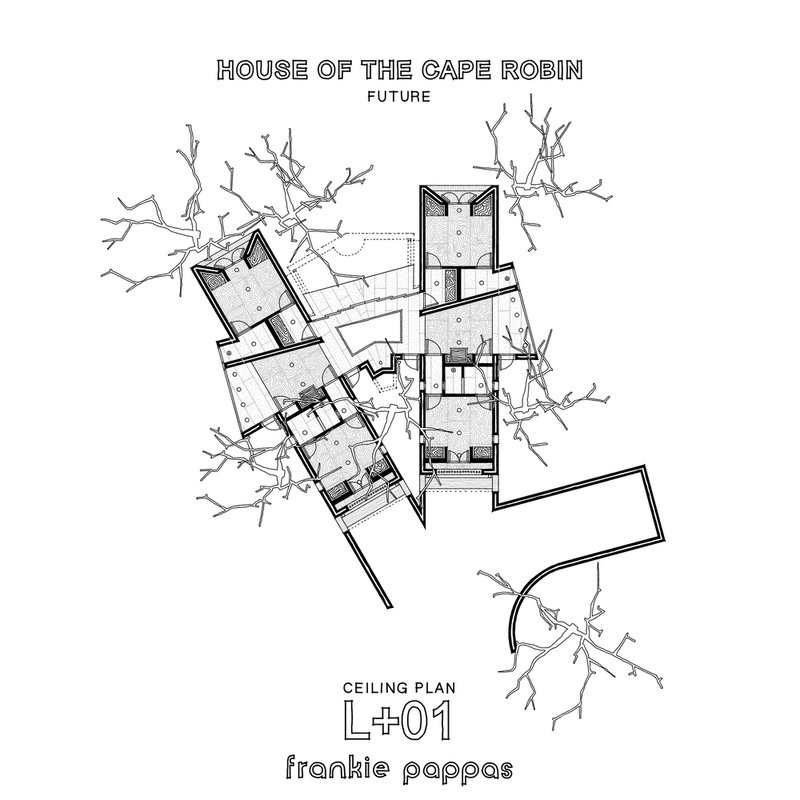
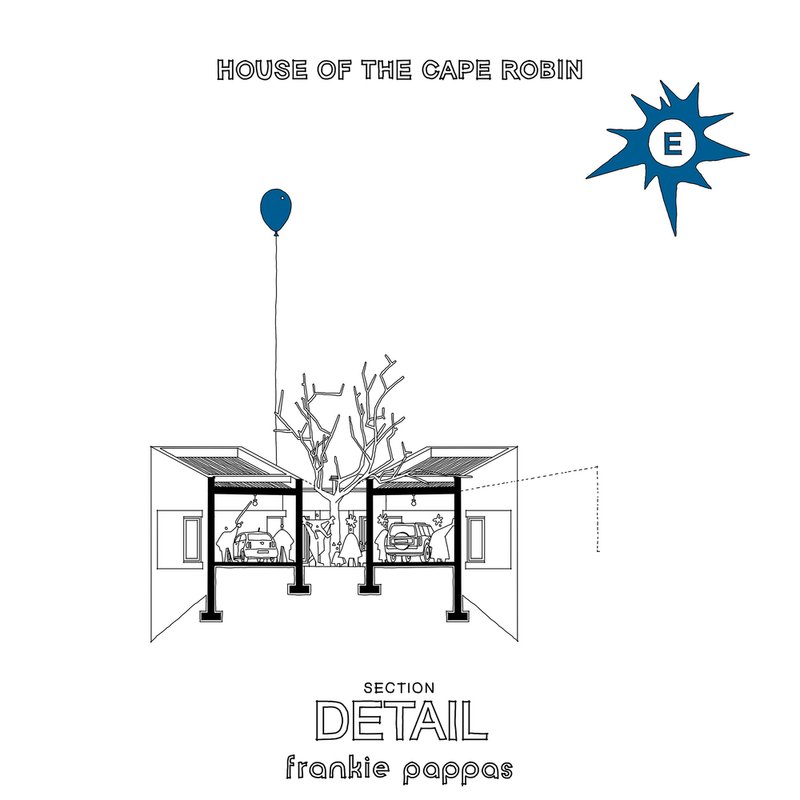
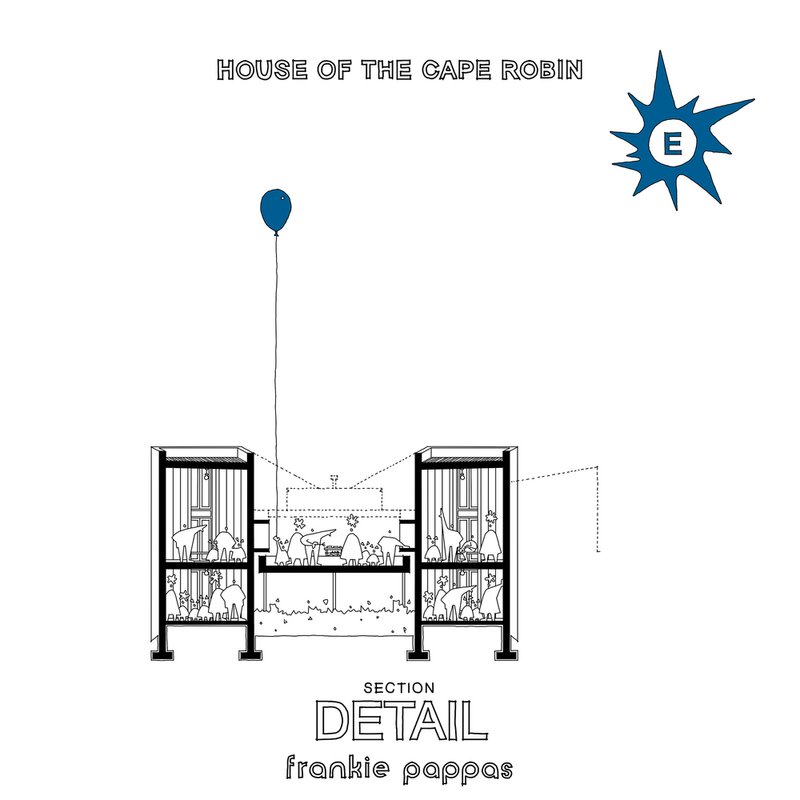
The home’s layout is designed to foster a deep connection with the natural environment while maintaining privacy. The two long sloping wings of the building, positioned at 60 degrees to one another, create a triangular space between them that opens directly to the northern views. This design allows for generous daylight and views from every part of the home, particularly from the living and dining areas.
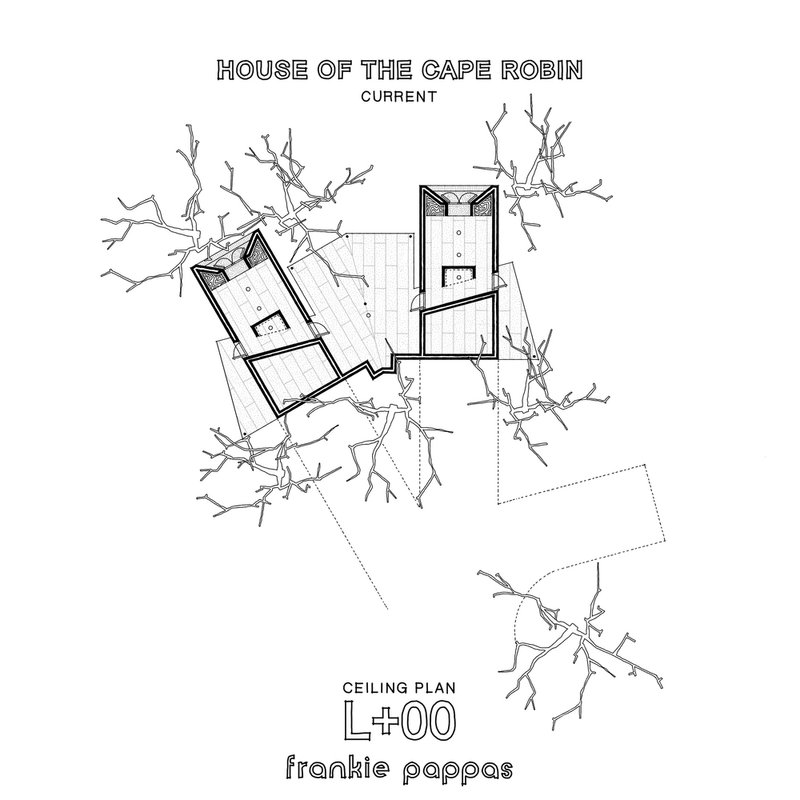
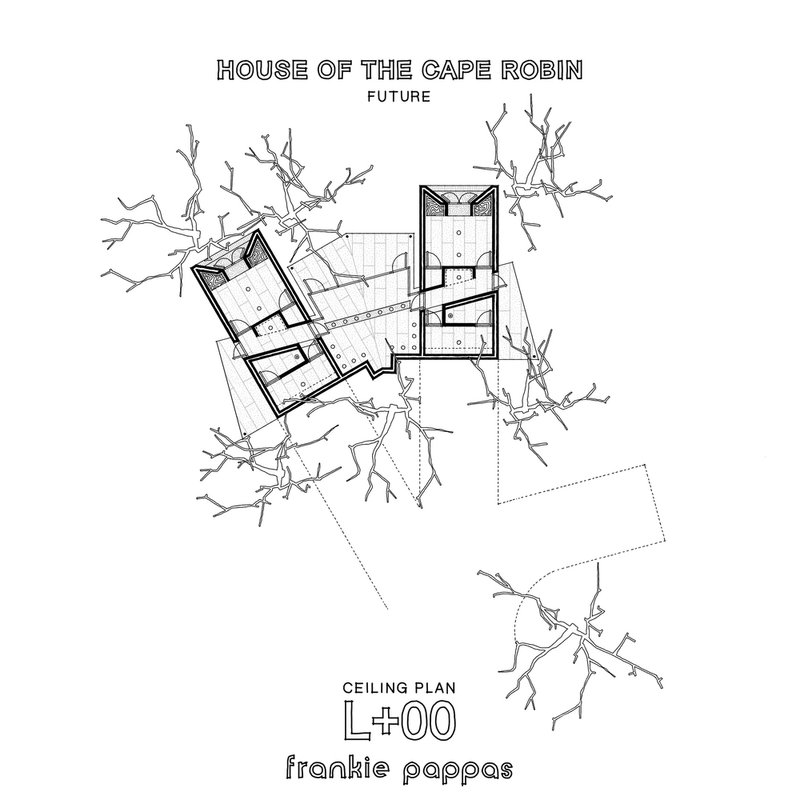
A bridge spans the gap between the wings, connecting the public living spaces with the private areas. The wings themselves house the bedrooms and bathrooms, positioned to enjoy the most scenic views of the Outeniqua Mountains. The overall design ensures that the home remains private from the surrounding environment while maximizing the experience of living in a nature-filled landscape.
Personal Touches and Future Flexibility
The design of the House of the Cape Robin is also deeply personal. The owners, a retired couple, have a lifelong tradition of enjoying their morning coffee together in a special spot by the window. In keeping with this, the bedroom features a seat built into the window, offering a spectacular view of the landscape and allowing them to continue their daily ritual with a new perspective on nature.
The future flexibility of the house is another important aspect of its design. The lower ground floor is planned to accommodate a small, two-bedroom apartment, allowing for expansion should the homeowners’ needs change over time. This foresight makes the home adaptable, ensuring it will continue to serve the family’s needs for generations to come.
Eco-Friendly and Energy-Efficient Features
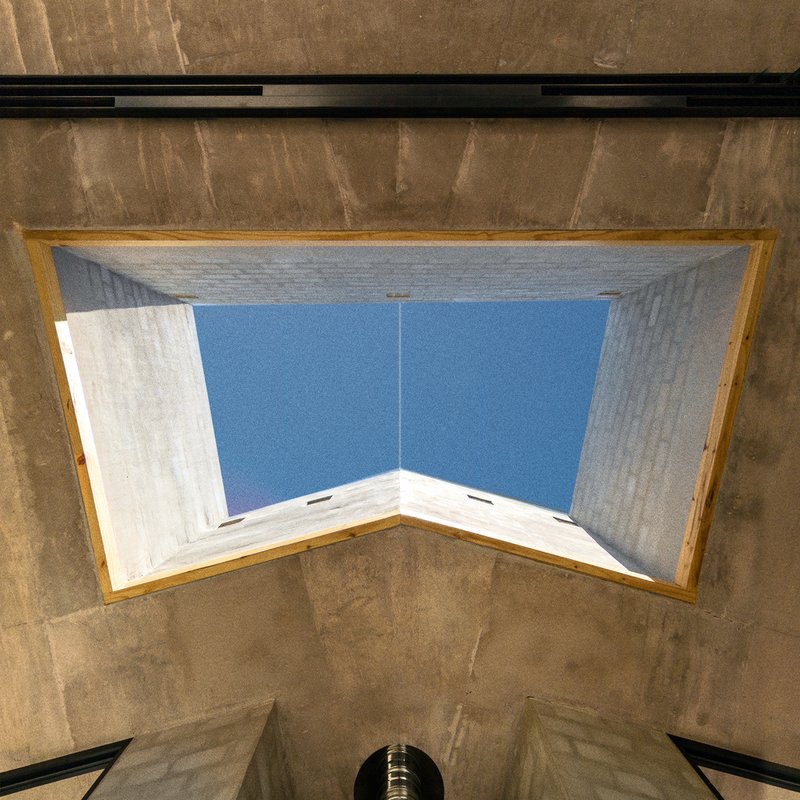
The house’s eco-friendly features extend beyond the materials and layout. It is designed to be naturally lit and passively ventilated, reducing energy consumption while maintaining a comfortable living environment. The use of locally sourced materials reduces the building’s embodied energy, further lowering its environmental impact.
The building’s sustainable systems, including rainwater harvesting and the potential for solar installations, are integral to its design. These elements ensure that the House of the Cape Robin operates efficiently and sustainably, with minimal reliance on external resources.
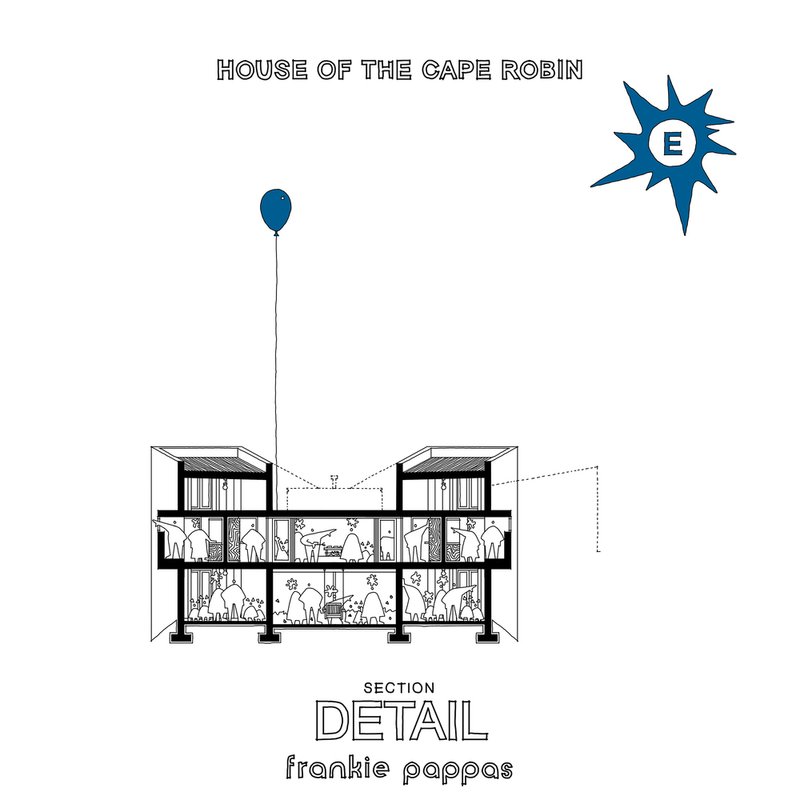
The House of the Cape Robin demonstrates that sustainable living can be achieved without sacrificing comfort, privacy, or aesthetics. Its design showcases how a modest home, built with a deep respect for nature, can provide a high quality of life while minimizing environmental impact. By integrating sustainable materials, energy-efficient systems, and thoughtful design, the house serves as a model for future residential architecture in natural environments.



Popular Articles
Popular articles from the community

The Faith: Modular Architecture for Play, Learning, and Hope in Kutupalong Refugee Camp
A modular playground architecture project in Bangladesh where play, learning, safety, and hope rebuild childhood inside a refugee camp anew.
IKC de Geluksvogel: Sustainable School Architecture Designed for Free Movement and Digital Learning
IKC de Geluksvogel turns sustainable school architecture into a flexible Maastricht campus for digital learning, nature, and free movement.

Stanton Architects Sculpts a Curving Family Home into Sydney's Inner West Fabric
Five Dock House uses cantilevers, curved concrete, and layered courtyards to carve out privacy on a tight suburban lot in Sydney.
Reincarnation Weaves a Three-Story Retreat into the Green Landscape of Rural Bangladesh
Ara Manor in Narsingdi dissolves the line between domestic architecture and its lush surroundings through screens, courtyards, and planted rooftops.

Similar Reads
You might also enjoy these articles

Olio Towers: A Mid-Rise for Performers That Fuses Housing, Rehearsal, and Stage
Located blocks from Houston's Theater District, this modular tower stacks living units around a central performance atrium.
Oasis: Modular Green Housing Carved into Dhaka's Urban Fabric
A shortlisted Plugin Housing entry reclaims unauthorized settlements in Dhaka with stepped concrete volumes, green roofs, and ventilation-driven design.

Black Hole: A Floating Megastructure for the Post-Physical Era
Emiliano Mazzarotto envisions a spherical, self-scaling arena where e-sports, digital hotels, and holographic stadiums replace traditional public space.
Compact & Sustainable Living in Piraeus: A Four-Level Family Home Built Around Light and Air
A narrow townhouse in one of Greece's densest port cities uses a central atrium and passive strategies to house three generations under one roof.

Explore Housing Competitions
Discover active competitions in this discipline




The International Standard for Design Portfolios


The Global Benchmark for Architecture Dissertation Awards


The Global Benchmark for Graduation Excellence


Challenge to reimagine the Iron Throne
Comments (0)
Please login or sign up to add comments
No comments yet. Be the first to comment!