
House Renovation in Gracia by Parramon + Tahull Arquitectes
A thoughtful Barcelona apartment renovation blending restored wooden beams, natural materials, and compact spatial design for modern family living and comfort.


A Contemporary Renewal of a Historic Apartment in the Heart of Barcelona
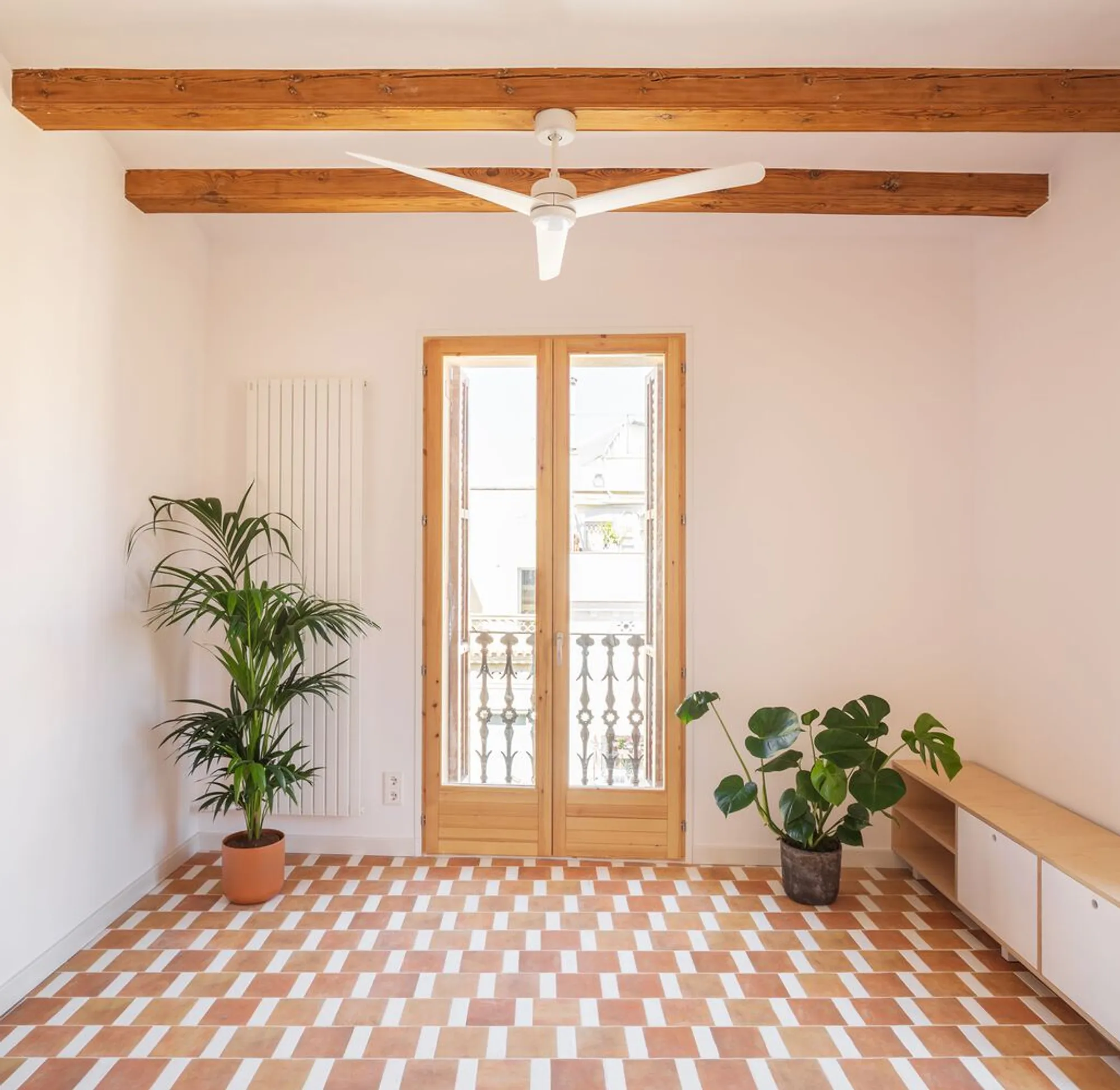
Located in the vibrant Gracia district of Barcelona, this house renovation by Parramon + Tahull Arquitectes transforms the top floor of a 1900s apartment building into a serene and functional home for a family of four. The project preserves traces of the building’s past while reimagining its interior layout through warm materials, natural light, and crafted spatial organization.
Restoring Heritage with a Contemporary Touch
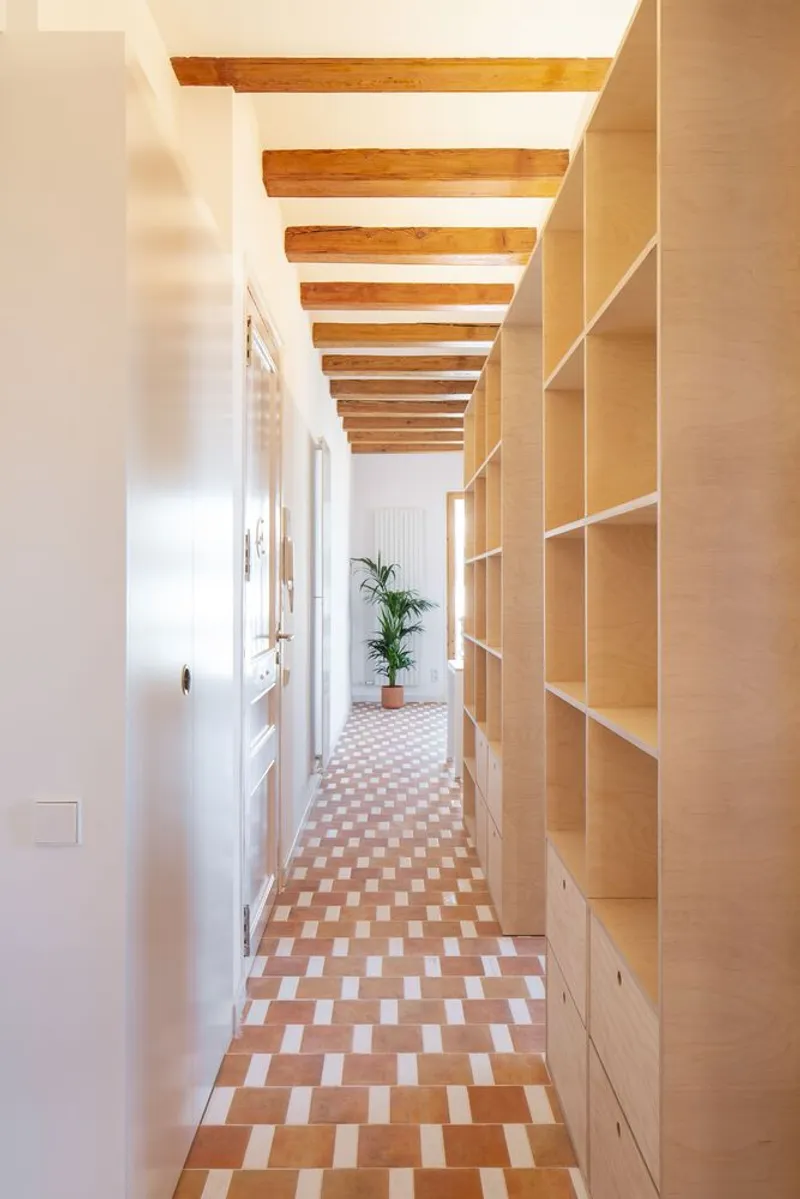
The renovation begins with respect for what remains of the original structure. The wooden beams, the only surviving historic element after a previous refurbishment, were carefully stripped, restored, and left exposed to celebrate the apartment’s century-old character. Around this structural framework, the architects crafted a balanced composition that merges the charm of traditional Barcelona dwellings with the precision of modern design.
Continuous Materiality and Spatial Flow
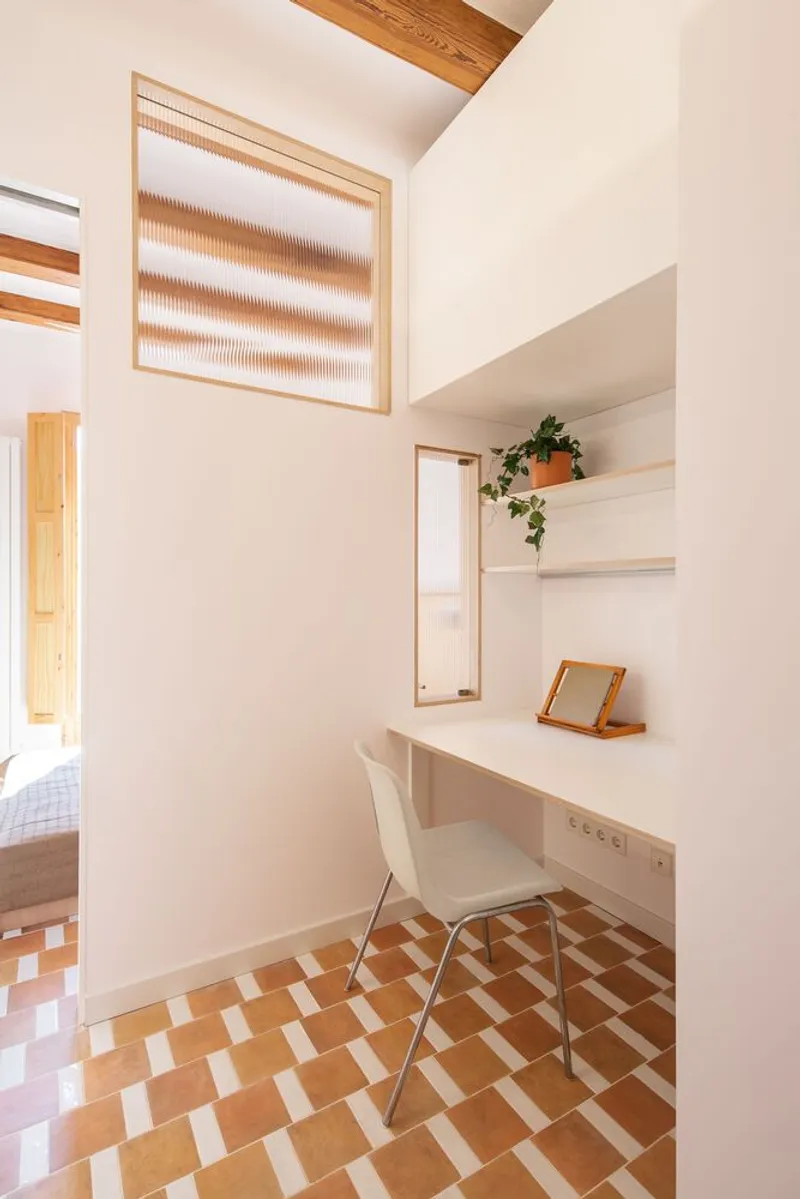
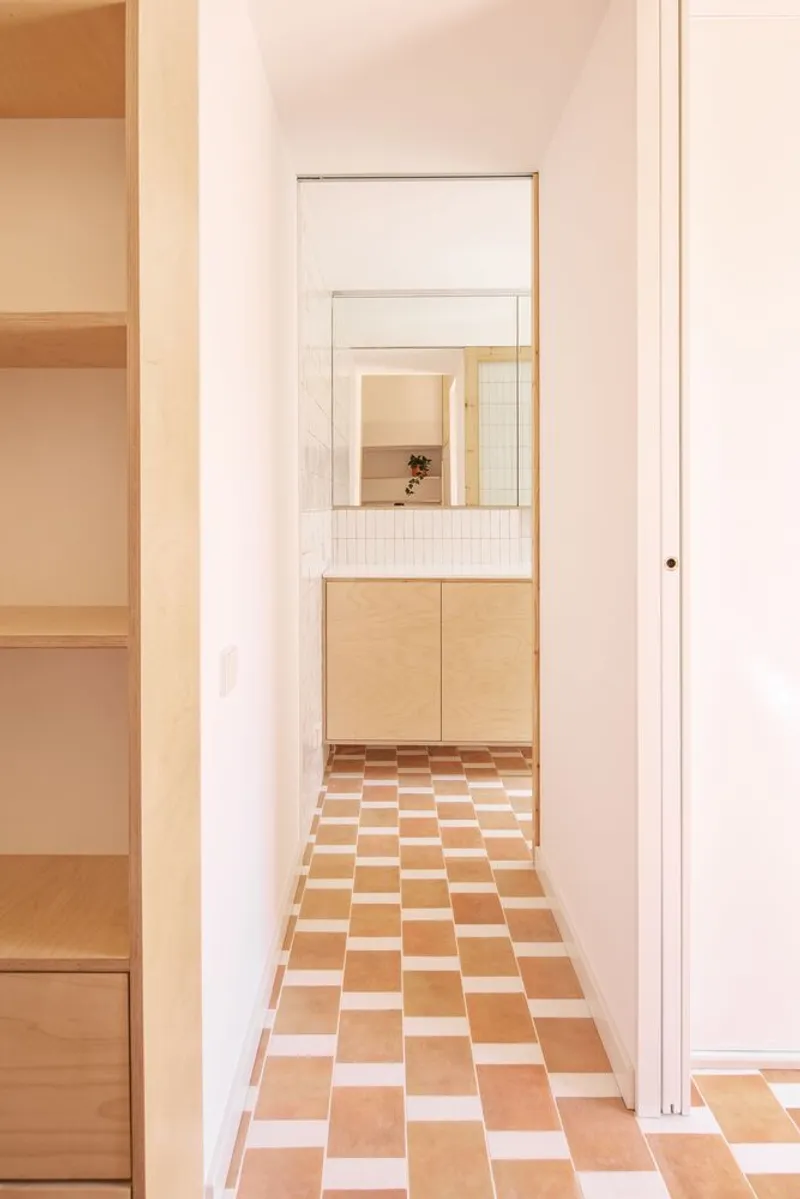
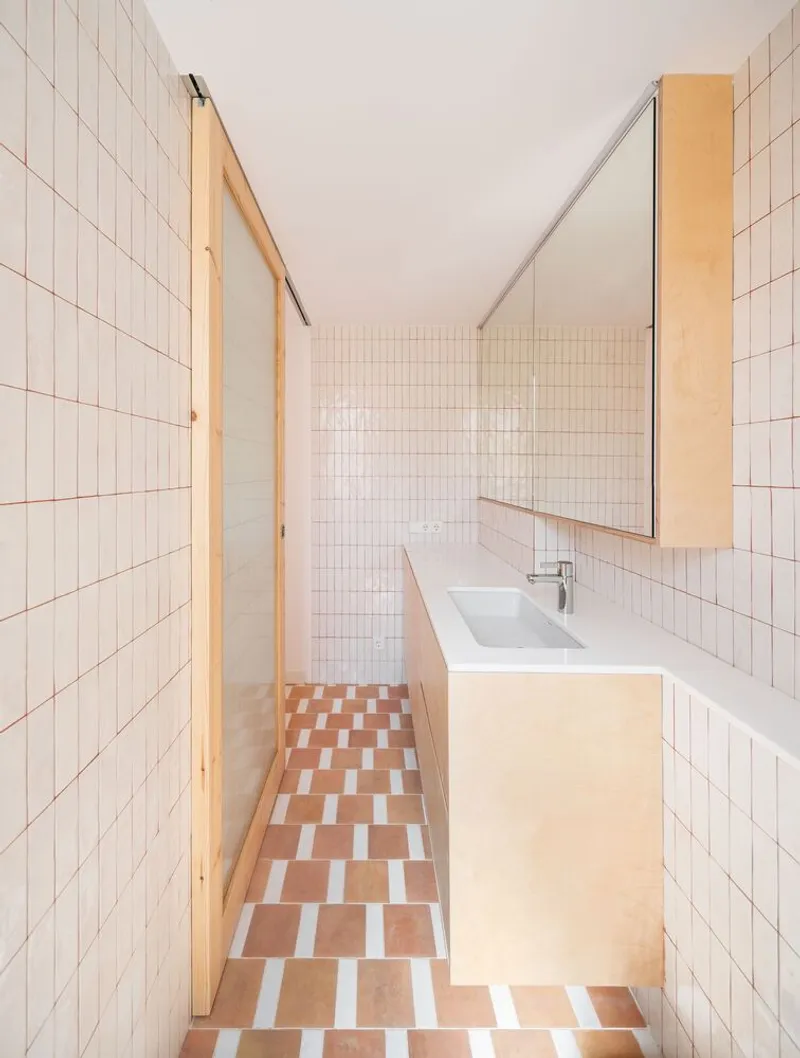
A new continuous flooring unifies the 753-square-foot residence. Combining white tones with fired clay mosaic pieces, the surface subtly expands the perception of space while reflecting natural light across the entire home. This minimalist palette establishes visual harmony and enhances the sense of calm throughout the interior.
The three façades of the building were maintained with minimal intervention. However, the existing aluminum windows were replaced by bespoke wooden frames, reinstating the warmth and authenticity of the original 20th-century openings.
The Wooden Box: A Home Within a Home
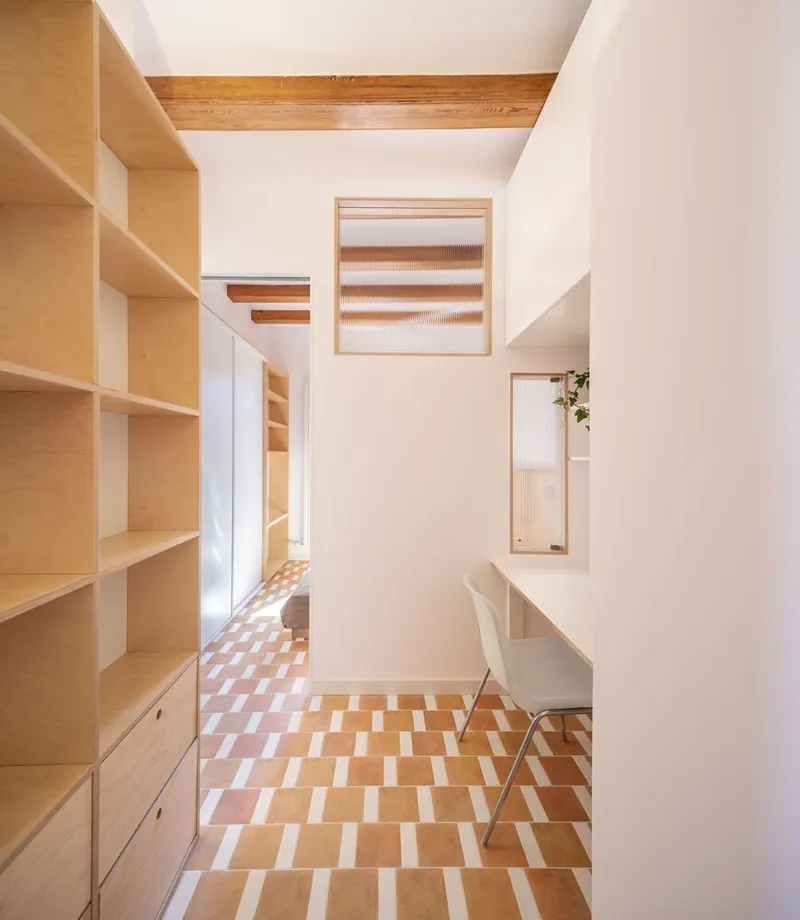
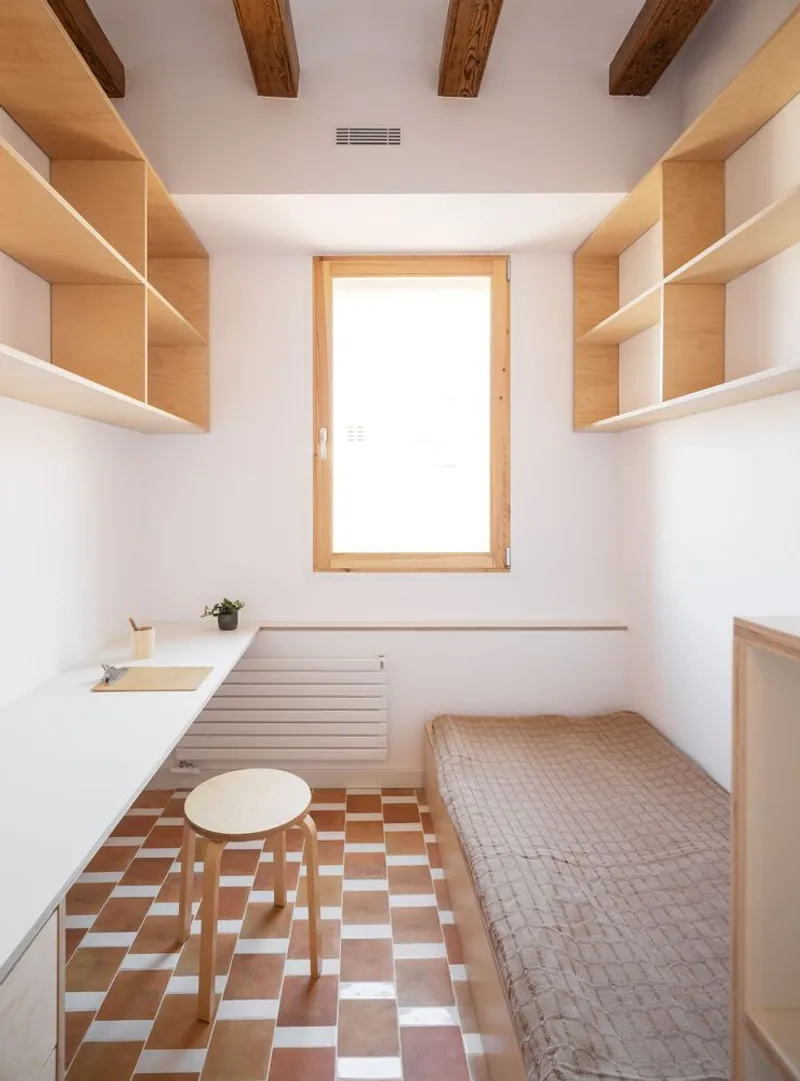
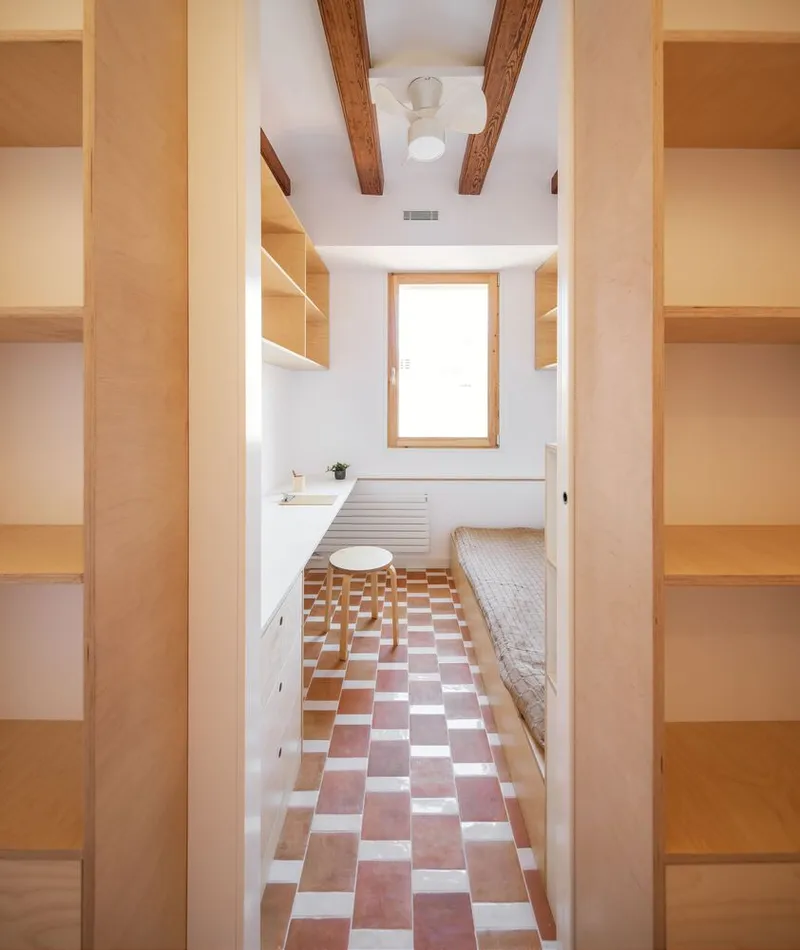
Inside this preserved envelope, the architects introduced a new wooden box — a functional structure that defines the apartment’s core. On the outside, it integrates essential domestic functions such as the kitchen, shelving, and storage units. Inside, it encloses the bedrooms of the teenage daughters, creating a private world within the family’s compact urban home.
This clever use of layering not only organizes the plan but also provides a tactile contrast between the restored structure and new insertions. The box acts as both furniture and architecture — a warm, living element that connects the family’s shared and private routines.
Zoning Light and Privacy
The spatial arrangement reflects a clear gradient of privacy. One end of the floor accommodates the living and dining areas, open and social, while the opposite side houses the parents’ bedroom and bathroom, ensuring a tranquil retreat. Despite the apartment’s compact size, each space feels generous and connected thanks to thoughtful circulation design and natural light that flows from façade to façade.
Functionality, Craft, and Comfort
Storage plays a crucial role in the project. A central dressing room and storage unit anchors the layout, complemented by a small desk corner for occasional remote work. Every piece of furniture was custom-designed in consistent tones and materials to maintain a unified, peaceful aesthetic.
Natural materials — wood, marble, and mosaic tiles — dominate the palette, emphasizing both durability and sustainability. The home’s environmental performance is enhanced by cross ventilation, ceiling fans, and efficient thermal systems, including radiator heating in winter and Daikin air conditioning in summer.
A Dialogue Between Past and Present
The House Renovation in Gracia stands as a sensitive example of urban adaptive reuse, where architectural memory meets modern family living. Parramon + Tahull Arquitectes reinterpret the historic apartment not as a relic but as a living environment — one that adapts, breathes, and evolves within the rhythm of Barcelona’s dynamic urban fabric.
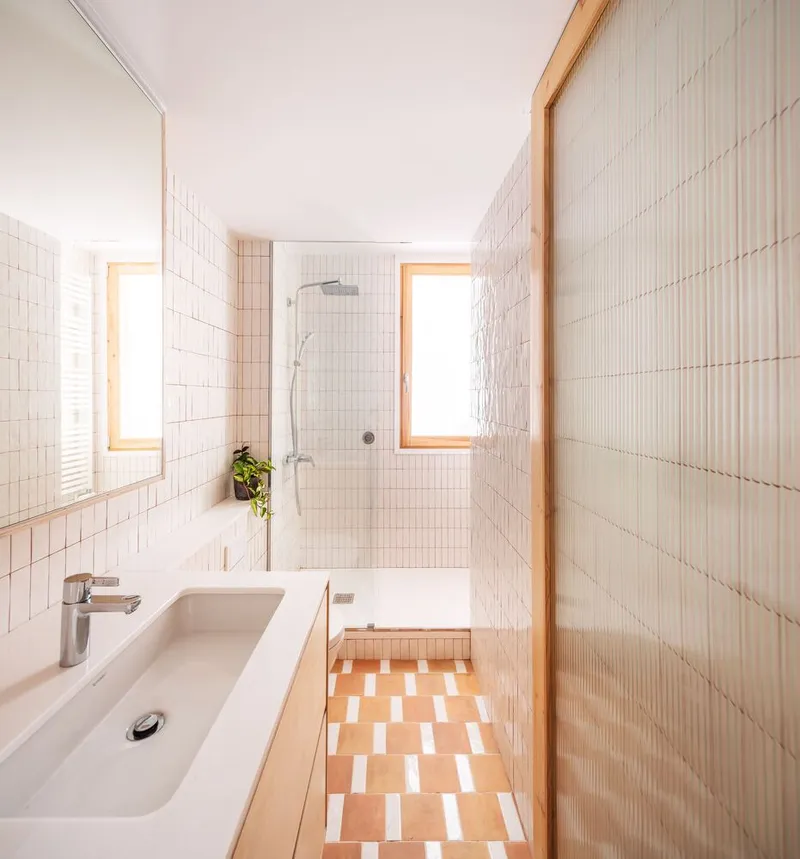
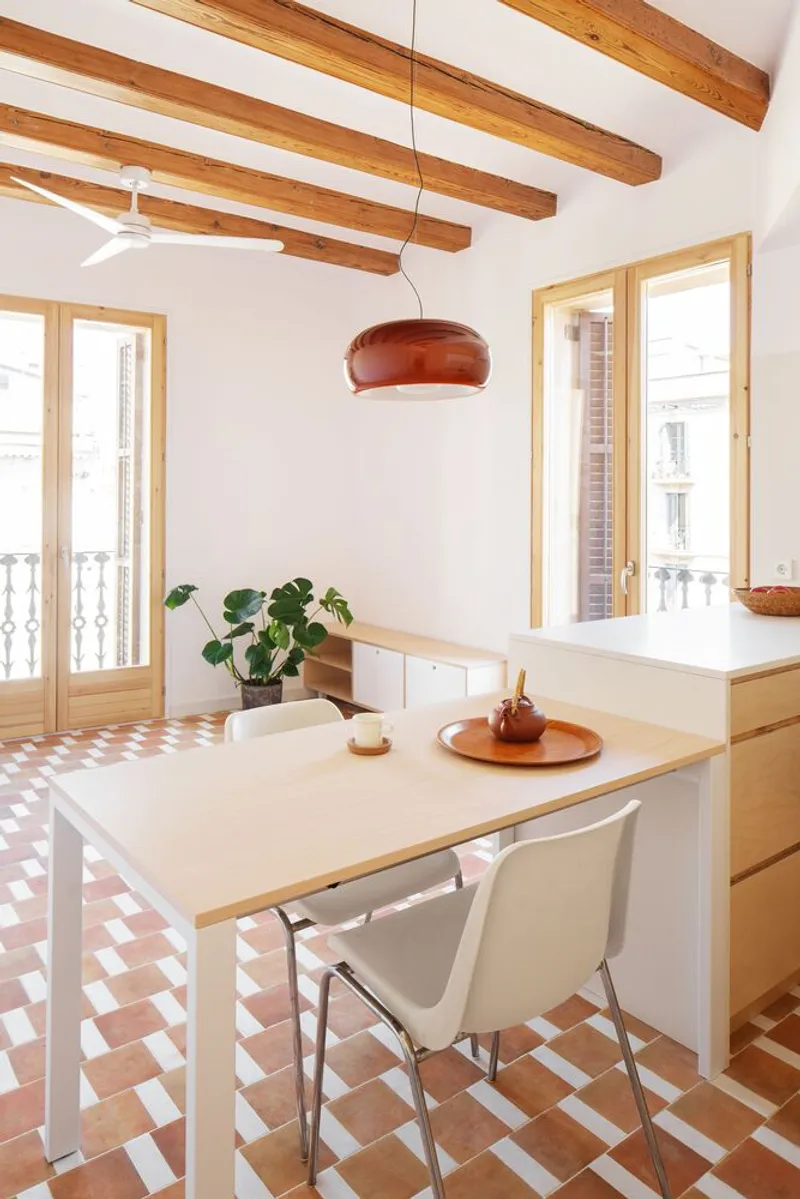
All photographs are works of Judith Casas Sayós



Popular Articles
Popular articles from the community


Co-life: Sustainable Architecture for Age-Friendly Community Living
Co-life reimagines sustainable architecture for seniors through courtyards, rammed earth, shared gardens, and spaces designed for belonging.

The Ocean Hive: Sustainable Architecture for a Self-Sufficient Civilization at Sea
The Ocean Hive imagines sustainable architecture at sea, where modular habitats, algae, wave power and ocean waste sustain a growing colony.

Play: Fragments of Their World
Familiar architecture becomes modular playground design, creating safe spaces where displaced children can learn, connect, imagine and play.

Hill & Cross Opera: Sculptural Opera House Architecture Shaped by Tallinn’s Landscape and Identity
Hill & Cross Opera reimagines opera house architecture in Tallinn through its sculptural hill, civic plaza, glass wave and a luminous cross.


Similar Reads
You might also enjoy these articles


Hodi-Mandai Geram
Project Function: Preservation and revitalization of the Intangible heritage and socio-spatial identity of the Hodi by Housing, Cultural Memory Center, Sacred Grove, landscape, local tourism economy


Olio Towers: A Mid-Rise for Performers That Fuses Housing, Rehearsal, and Stage
Located blocks from Houston's Theater District, this modular tower stacks living units around a central performance atrium.

Oasis: Modular Green Housing Carved into Dhaka's Urban Fabric
A shortlisted Plugin Housing entry reclaims unauthorized settlements in Dhaka with stepped concrete volumes, green roofs, and ventilation-driven design.

Black Hole: A Floating Megastructure for the Post-Physical Era
Emiliano Mazzarotto envisions a spherical, self-scaling arena where e-sports, digital hotels, and holographic stadiums replace traditional public space.

Explore Renovation Competitions
Discover active competitions in this discipline



Challenge to reimagine the Iron Throne


Photograph architecture without architects


Illustrate the lost glory of Angkor Wat - Render Challenge


Design challenge to reuse E-waste
Comments (0)
Please login or sign up to add comments
No comments yet. Be the first to comment!