

Hyde's Theatrical Haven: A Vision for a Touring Theatre in Hyde Park
Reimagining Performance and Community through a Mobile and Multifunctional Architectural Design


Embracing the Spirit of Touring Theatre
The hustle and bustle of London life often overshadows the city's rich history of performance and public gathering. Hyde Park, a green oasis in the heart of the urban landscape, has witnessed countless events. However, the park lacks a dedicated space for theatrical performances, a void that architect Nikolina Krunic, Ivan Raskovic seeks to fill with her innovative design for Hyde's Theatrical Haven, Shortlisted entry of Urban Living Room competition. This visionary project envisions a touring theatre that not only provides a platform for artistic expression but also fosters community engagement and cultural exchange.

Transparency and Accessibility: Inspired by Beckett
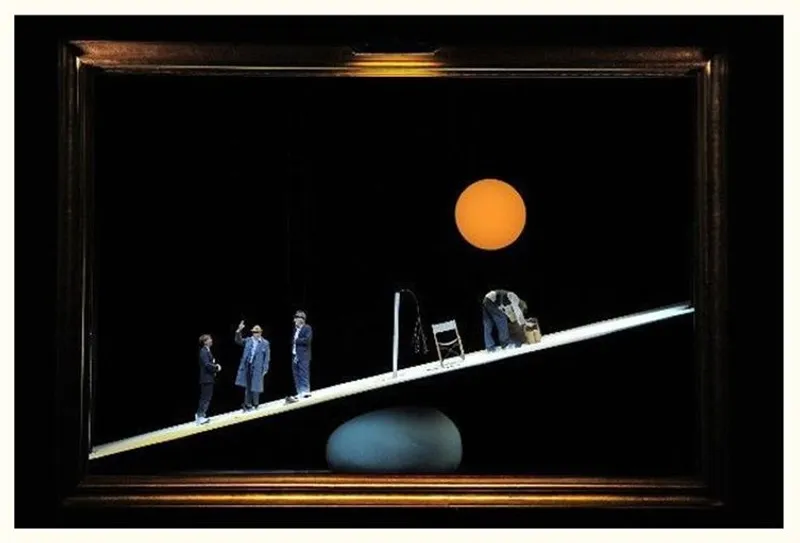
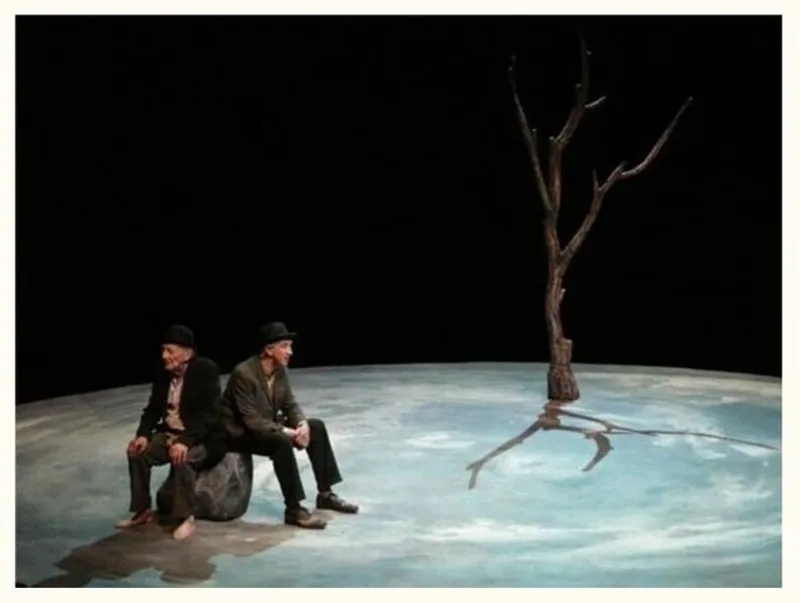
Inspired by the spirit of touring theatre companies and the transient nature of performance itself, Krunic's design embraces mobility and adaptability. Drawing from the themes of Samuel Beckett's "Waiting for Godot," the theatre aims to create a transparent and accessible space, reflecting the play's exploration of societal issues and the relationship between the governed and those who govern. This transparency is manifested in the circular arrangement of the bleachers, eliminating the traditional "behind-the-scenes" area and fostering a sense of inclusivity and shared experience.

Dynamic Drapes: Transforming Space and Function
The central feature of Hyde's Theatrical Haven is its innovative use of drapes. Suspended from a series of mobile columns, these versatile curtains can be manipulated to create a variety of performance spaces, both within the structure and extending outwards into the park itself. This dynamic design allows the theatre to adapt to different performance needs, accommodating everything from intimate plays to larger-scale productions. The drapes, made of a lightweight gauze material, also serve a practical purpose, offering shade from the sun or protection from inclement weather, transforming the theatre into a versatile public space.

Two Auditoriums, Two Experiences: Poet's Playhouse and Writer's Theatre
The theatre is divided into two distinct auditoriums, each catering to a different audience and purpose. The Poet's Playhouse, a smaller, more intimate space, is open to the public at all times, offering a place for impromptu gatherings, rehearsals, or simply a quiet retreat within the park. The Writer's Theatre, a larger, more formal performance space, is reserved for scheduled events and features both an underground and above-ground entrance, providing a sense of grandeur and occasion.

Rooted in History, Embracing Innovation
Krunic's design is deeply rooted in the historical context of Hyde Park. Extensive research into the park's archives revealed a rich history of performances and gatherings, inspiring the concept of a touring theatre that would not only revive this tradition but also enhance the park's existing infrastructure. The proposed design incorporates elements of "poor theatre," emphasizing simplicity and resourcefulness, utilizing readily available materials and prioritizing accessibility for a wide range of audiences.

Mobility and Adaptability: Reaching a Wider Audience
The mobility of Hyde's Theatrical Haven extends beyond its adaptable drapes and performance spaces. The entire structure is designed for easy transport and assembly, allowing it to be relocated to different areas within the park or even to other locations throughout the city. This nomadic quality allows the theatre to reach a wider audience, fostering cultural exchange and community engagement in diverse neighborhoods.
The use of a "cat's path" – a perforated metal walkway commonly used in theatres for lighting and rigging – adds a layer of functionality and visual interest to the design. This elevated walkway provides access to the work block, a storage area for props and equipment, and extends throughout the structure, offering a unique perspective on the performance spaces below. The perforated metal construction allows for natural light to filter through, creating a dappled effect that further enhances the theatre's connection to the surrounding park environment.
Beyond its immediate function as a performance space, Hyde's Theatrical Haven has the potential to transform the way we interact with public spaces. The mobile columns supporting the drapes could be extended throughout the park, creating a network of interconnected performance areas and transforming the entire park into a stage. This expanded vision encourages audience participation and fosters a sense of community ownership over the theatrical experience.
Accessibility and Inclusivity: A Core Value
The design of Hyde's Theatrical Haven is not only innovative and aesthetically pleasing but also deeply thoughtful in its consideration of accessibility and inclusivity. The circular arrangement of the bleachers ensures clear sightlines for all audience members, while the use of ramps and elevators provides access for those with mobility impairments. The theatre's commitment to affordability and its ability to reach diverse communities further reinforces its dedication to making live performance accessible to everyone.
A Vision for the Future of Public Art and Community Gathering
In conclusion, Hyde's Theatrical Haven is more than just a building; it is a vision for a more vibrant and engaging public space. Through its innovative design, adaptable features, and commitment to community engagement, this touring theatre has the potential to revitalize the tradition of performance in Hyde Park and beyond. By embracing the transient nature of theatre and celebrating the power of shared experience, Hyde's Theatrical Haven offers a compelling model for the future of public art and community gathering. Its emphasis on accessibility, mobility, and multifunctionality makes it a truly unique and inspiring project, one that promises to enrich the cultural landscape of London for years to come.


Popular Articles
Popular articles from the community


GROUP A Strips a 1969 Rotterdam Harbor Headquarters to Its Frame and Wraps It in Timber Louvers
In Rotterdam's M4H harbor district, Ferro Offices reuses a 1969 frame, adds one timber storey and reaches BREEAM-NL Outstanding.

LT2A and OPEN Architectes Thread a Brick and Glass High School Through a Wooded Belgian Campus
In Braine-l'Alleud, a 3,000 m² wing for Collège Cardinal Mercier pairs pale brick with a glazed colonnade, deferring to a small chapel and a dense wood.

U.GA Architects Wraps an Oval Rooftop Pool in Curved Board-Formed Concrete on Busan's Jeollidan-gil
In Busan's Jeonpo-dong, a 454 m² mixed-use block stacks a neighborhood facility, guest rooms and an oval rooftop pool inside spiraling concrete walls.

David Macias Steps a Doorless Stone and Plaster House Down a Tropical Colombian Hillside
In the humid hills of Colombia, Threshold House replaces the front door with an open void and terraces its 850 m² down the slope instead of fighting it.

Similar Reads
You might also enjoy these articles


Vereda Arquitetos Renovates a 40-Square-Meter Apartment Inside Niemeyer's Copan Building
A compact unit in São Paulo's most iconic residential tower gets a material overhaul that pairs exposed concrete with bold blue Formica.

Shakur's House: Exposed Brick as an Interior Organiser in a 168 m² Mashhad Residence
Brick moves indoors in this Mashhad residence, where masonry walls, glass partitions and teal planes sequence a compact home without closing it off.

Day and Night Park: A Time-Based Urban Newsstand in Beijing
A temporary urban newsstand in Beijing blending travel, light, and reading through poetic colors, compact form, and community-focused design.

Modernist Patio Renovation in El Masnou, Barcelona by Oliver Segura Arquitectura + Cebrià Arquitectura
Modernist patio renovation blending tradition and innovation with a movable pool, leveled floors, and Catalan materials in El Masnou.

Explore Open Air Theatre Competitions
Discover active competitions in this discipline

Challenge to design locus for the upliftment of human rights

Challenge to reimagine the Iron Throne

Photograph architecture without architects

Illustrate the lost glory of Angkor Wat - Render Challenge
Comments (0)
Please login or sign up to add comments
No comments yet. Be the first to comment!