
Ikigai Restaurant by Hiero Arc: A Sanctuary of Gastronomy and Gardening in Anápolis, Brazil
Ikigai Restaurant in Anápolis blends gastronomy with gardening, creating a serene, nature-connected dining experience.


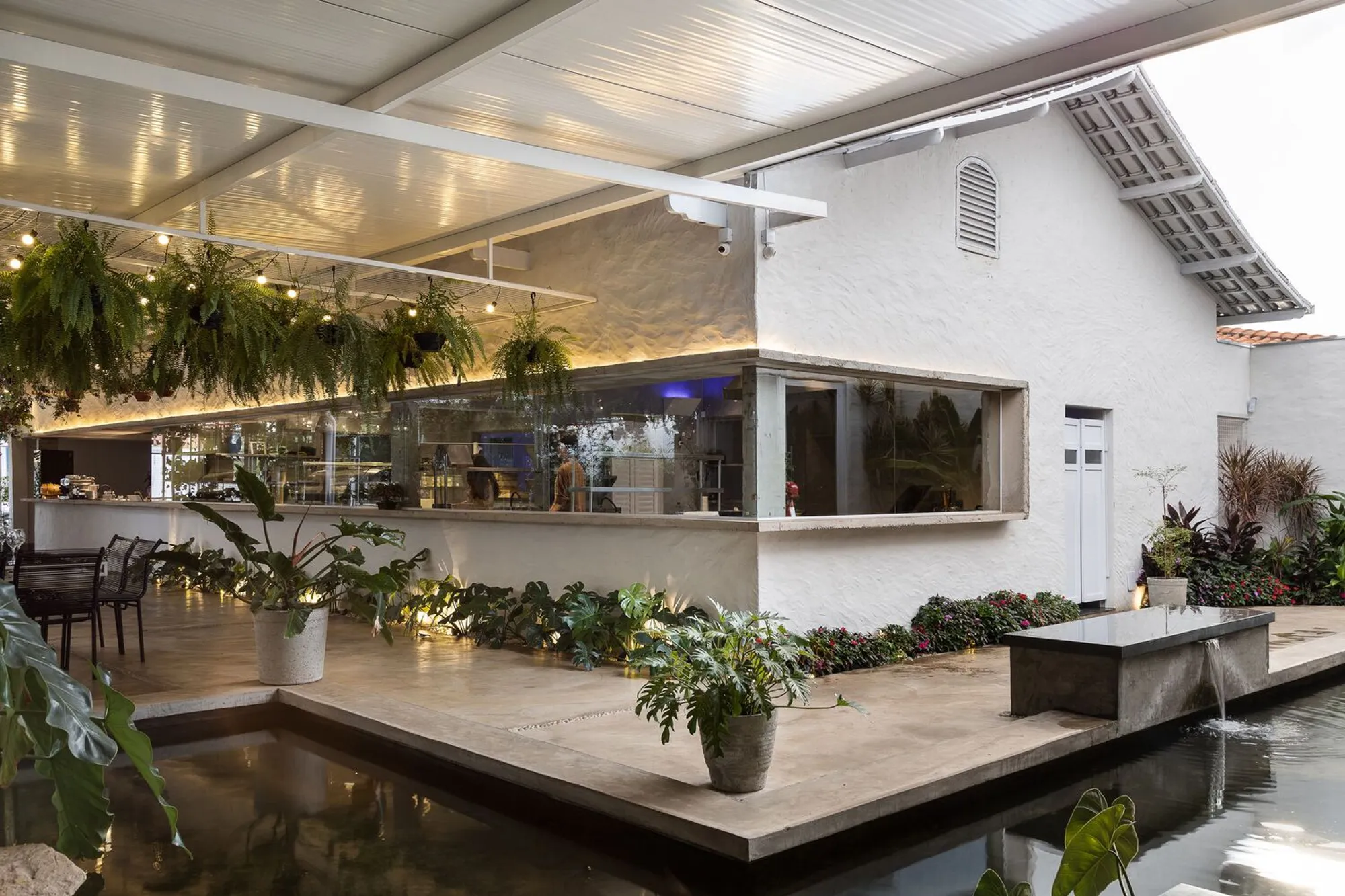
Nestled in the heart of Brazil's Midwest region, the Ikigai Restaurant in Anápolis, Goiás, emerges as a unique blend of gastronomy and gardening, conceptualized by Hiero Arc. Spanning 6028 ft², this project, beautifully captured by Igor Carvalho, is a testament to creating serene environments that allow visitors to escape urban chaos and connect with the tranquility of nature. Through the thoughtful design led by architects Samara Almeida and Guilherme Castro, Ikigai Restaurant becomes a space where simplicity, peace, and natural beauty converge.


Design Philosophy: Authenticity and Naturalness
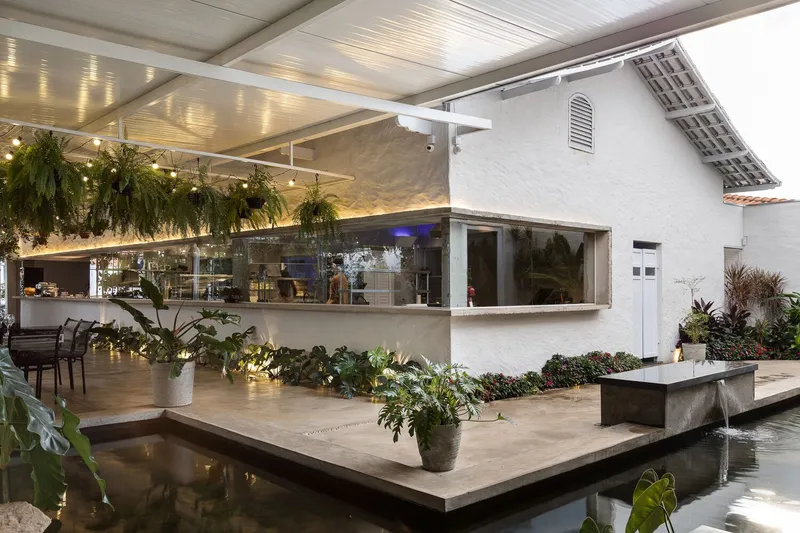
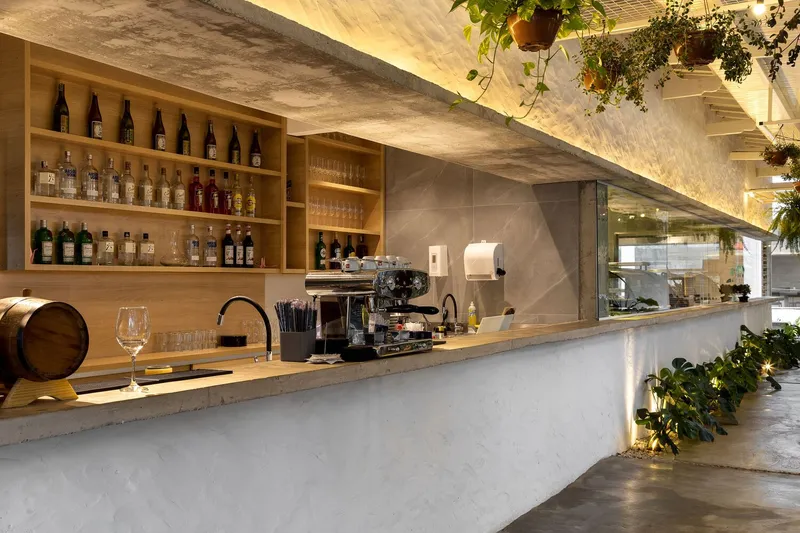
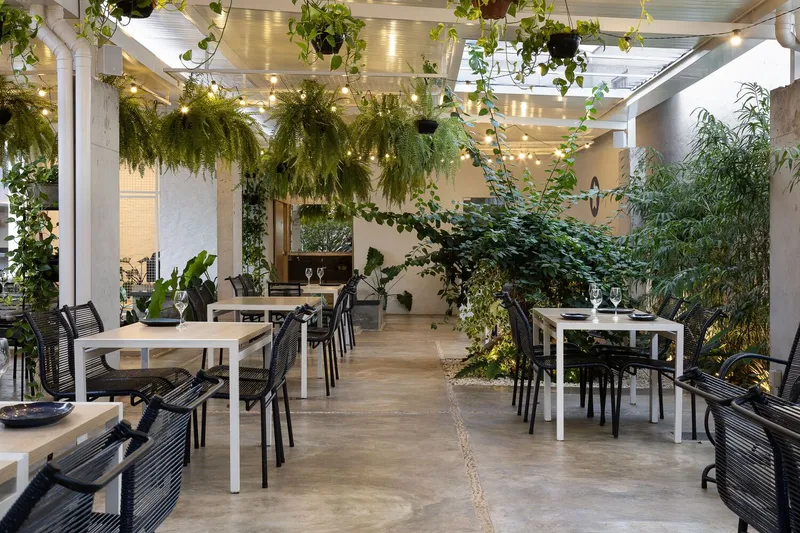
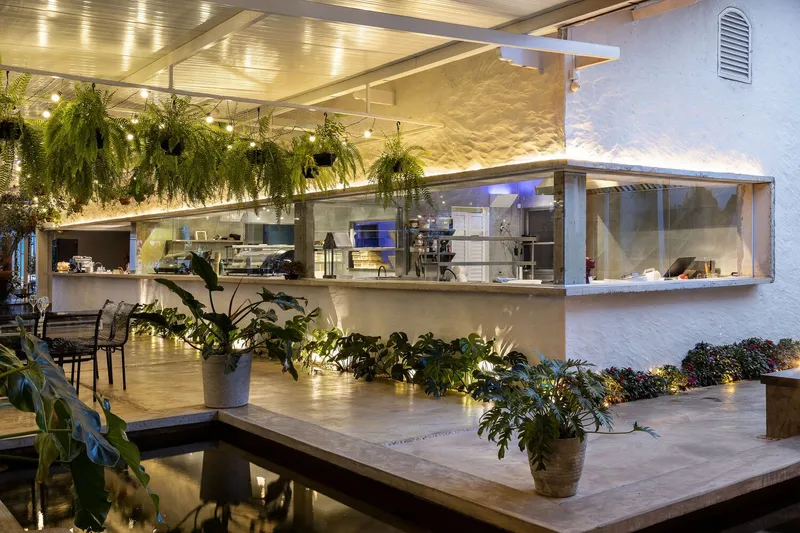
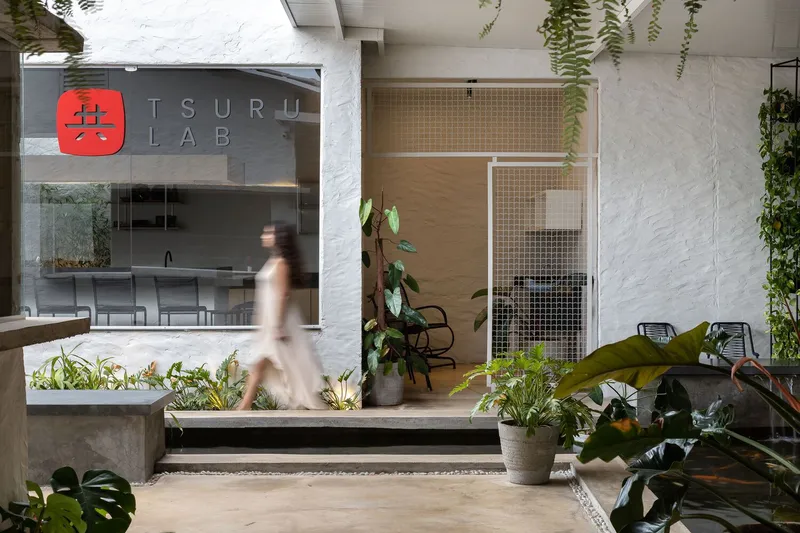
The restaurant's design is deeply rooted in the pursuit of authenticity, with raw materials, exposed installations, and the simplistic elegance of the furniture mirroring the local culture's identity. Wire chairs and the prominent use of plants throughout the space underscore the connection to nature and the owners' passion for gardening. A water mirror enhances the ambiance, offering contemplative spaces that invite relaxation and immersion in the natural environment.


Transforming Spaces: From Old House to Gastronomic Haven
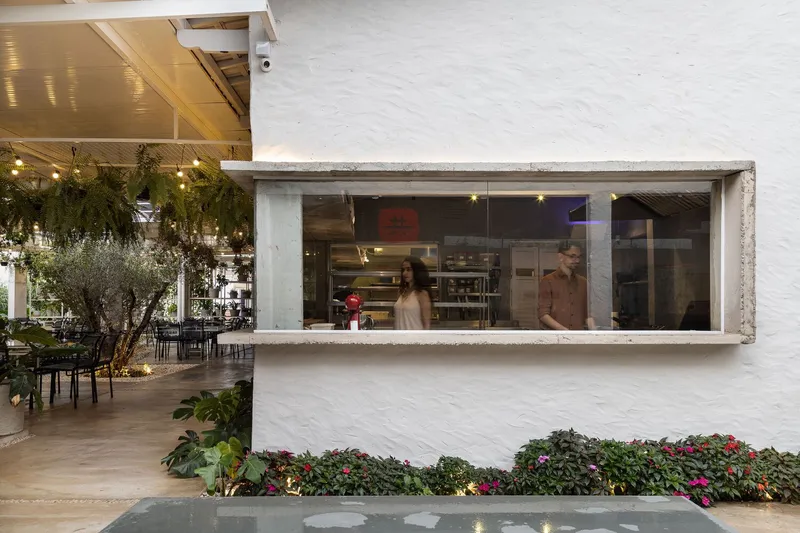
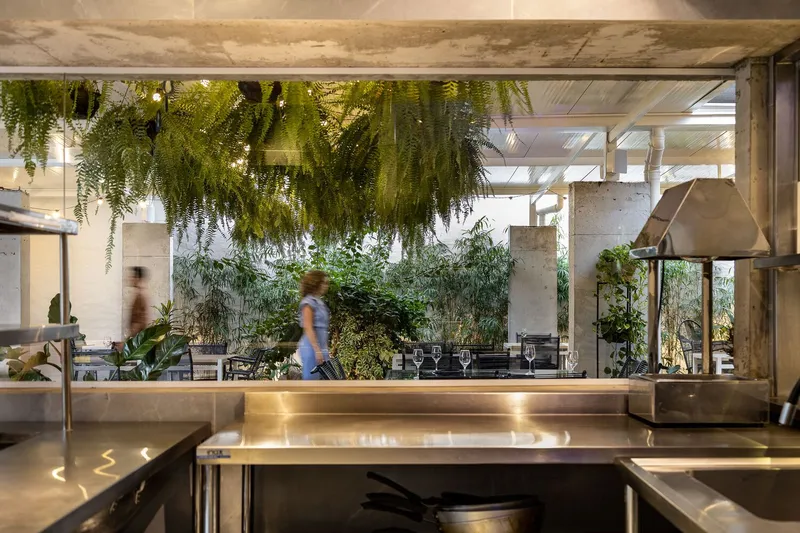
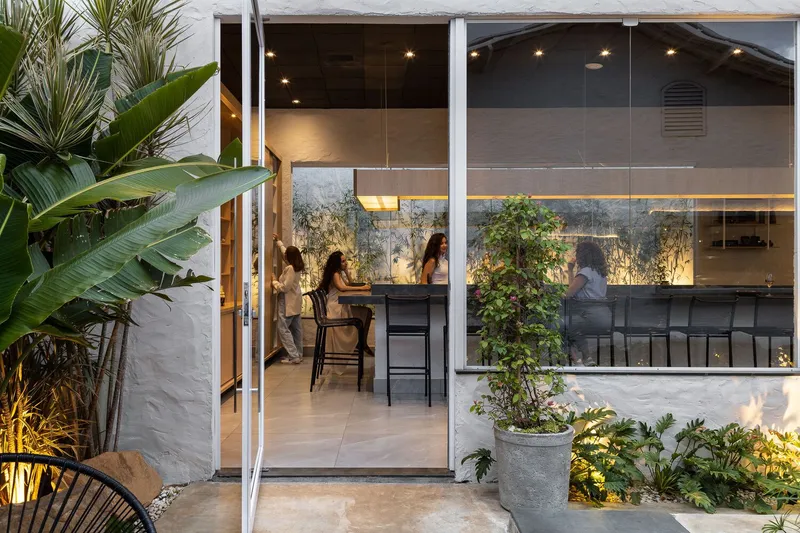
Ikigai Restaurant's operational heart is an old house, ingeniously adapted to accommodate the kitchen and technical areas. The design choice to visually integrate the kitchen with the main dining hall fosters a dynamic interaction between chefs and patrons. Large glass openings ensure a seamless visual connection, turning the gastronomic process into an engaging spectacle for all.


Expanding the Experience: A Restaurant-Nursery Hybrid
Adjacent plots incorporated into the project house the reception, waiting area, and dining hall, with metal mesh defining the covered spaces and courtyards punctuated by voids. The landscape, characterized by a geometric system of tables, landscaping, and water features, introduces complexity to the construction's apparent simplicity. The owner's hobby of planting and nurturing transforms part of the restaurant into a nursery, where seedlings are sold to customers, ensuring the landscape's constant evolution.

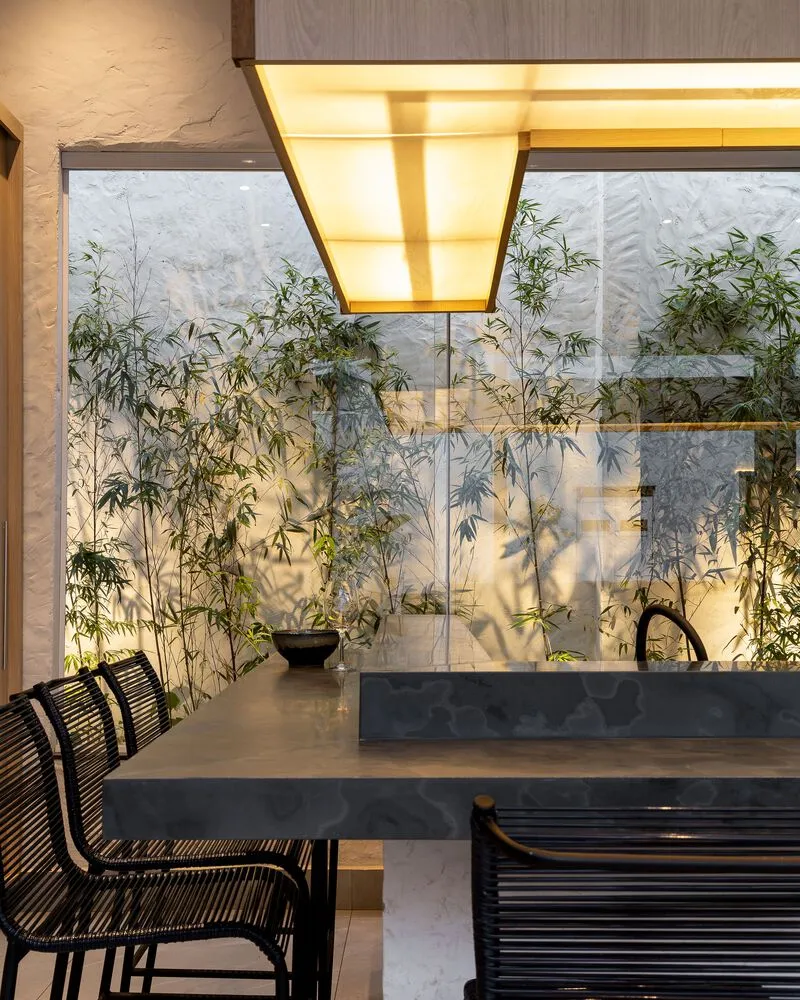
Exclusive Gastronomic Services: The Omakasse Kitchen
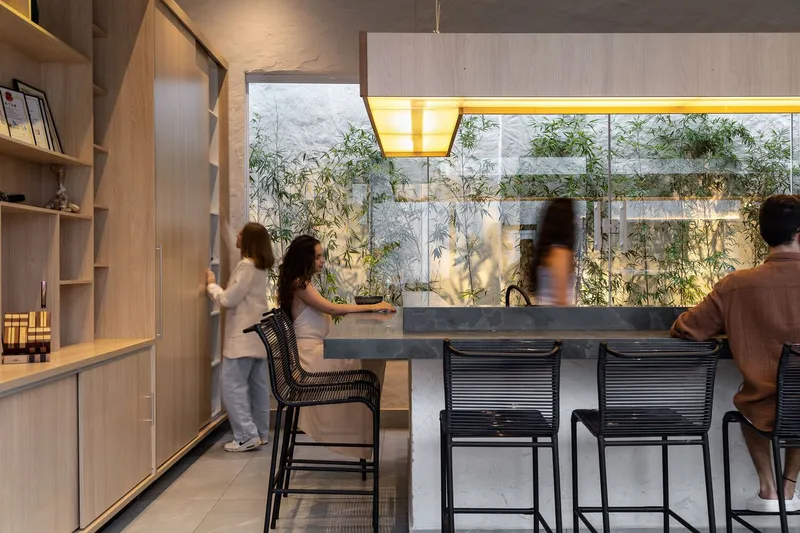
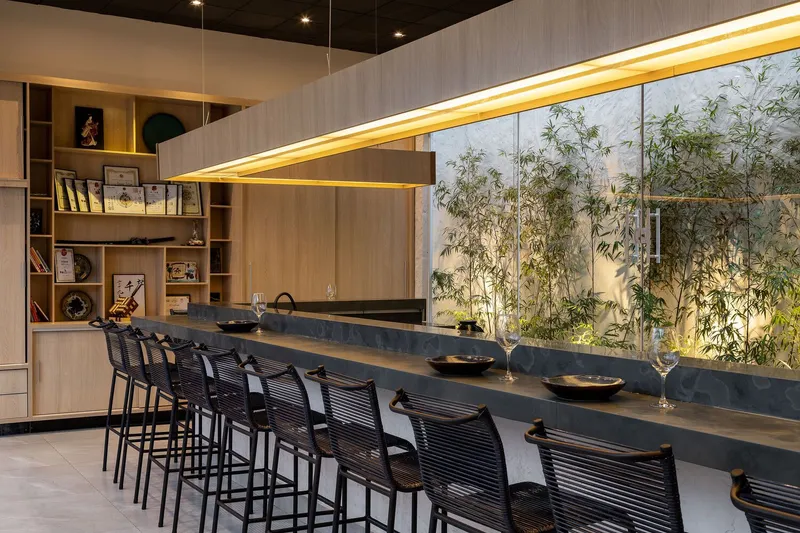
The restaurant also features an Omakasse-style kitchen, offering exclusive gastronomic services and a unique dining experience. The centralized counter not only serves as a welcoming space for customers but also as a culinary laboratory for the chef to experiment with signature dishes, conduct courses, and produce virtual content. A solitary wooden pendant light, reminiscent of a lantern, dramatizes the culinary scene, focusing exclusively on the dishes and their preparation.



A Culinary and Botanical Retreat
Ikigai Restaurant stands as a remarkable realization of a dual-function space that marries the culinary and botanical worlds. It offers not just a dining experience but a retreat into a world where gastronomy and gardening coexist harmoniously, reflecting the owners' dual passions. Through its innovative design and immersive environment, the restaurant invites patrons to partake in a journey that is as much about savoring exquisite cuisine as it is about appreciating the beauty of nature.


All photographs are work of Igor Carvalho




Popular Articles
Popular articles from the community


Conexión: Biophilic Design Reimagines High-Rise Living in Hong Kong
Conexión reimagines high-rise living in Hong Kong through biophilic design, green facades, shared spaces, daylight, water and nature within.

Hill & Cross Opera: Sculptural Opera House Architecture Shaped by Tallinn’s Landscape and Identity
Hill & Cross Opera reimagines opera house architecture in Tallinn through its sculptural hill, civic plaza, glass wave and a luminous cross.

The Ocean Hive: Sustainable Architecture for a Self-Sufficient Civilization at Sea
The Ocean Hive imagines sustainable architecture at sea, where modular habitats, algae, wave power and ocean waste sustain a growing colony.
EW PARK: Sustainable Architecture Reimagines the Future of Urban Parking
EW PARK reimagines city parking as a modular wooden tower combining automation, solar energy, electric mobility, and adaptable urban design.

Similar Reads
You might also enjoy these articles


Hodi-Mandai Geram
Project Function: Preservation and revitalization of the Intangible heritage and socio-spatial identity of the Hodi by Housing, Cultural Memory Center, Sacred Grove, landscape, local tourism economy


Olio Towers: A Mid-Rise for Performers That Fuses Housing, Rehearsal, and Stage
Located blocks from Houston's Theater District, this modular tower stacks living units around a central performance atrium.

Oasis: Modular Green Housing Carved into Dhaka's Urban Fabric
A shortlisted Plugin Housing entry reclaims unauthorized settlements in Dhaka with stepped concrete volumes, green roofs, and ventilation-driven design.

Black Hole: A Floating Megastructure for the Post-Physical Era
Emiliano Mazzarotto envisions a spherical, self-scaling arena where e-sports, digital hotels, and holographic stadiums replace traditional public space.


Explore Architecture Competitions
Discover active competitions in this discipline



Challenge to reimagine the Iron Throne


Photograph architecture without architects


Illustrate the lost glory of Angkor Wat - Render Challenge


Design challenge to reuse E-waste
Comments (0)
Please login or sign up to add comments
No comments yet. Be the first to comment!