

Inclusion Gap
Rebuild Trust with Society Through Playing

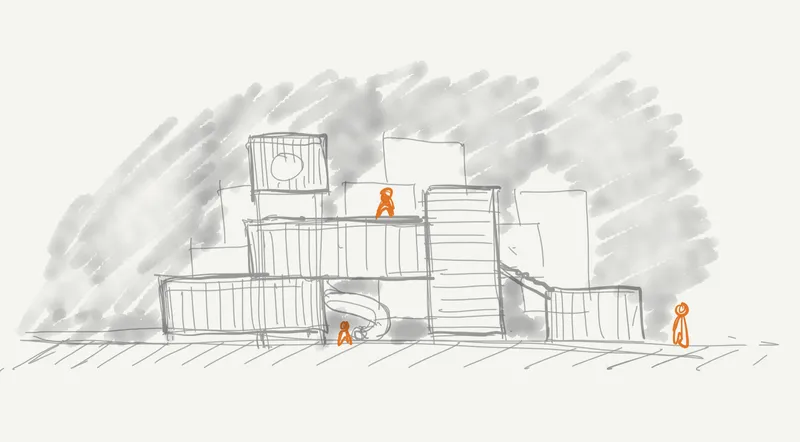
Considering cost and environmental concerns, we decided to use sustainable and recyclable materials as much as possible, such as recycled plastic, metal, wood, etc.
We decided to use container boxes for the main body of the building, which is low-cost and can be assembled quickly, and can be easily replaced and expanded in the future with changes in function or scale.
we started to think of the possibilities of the permutation and combination of container boxes.
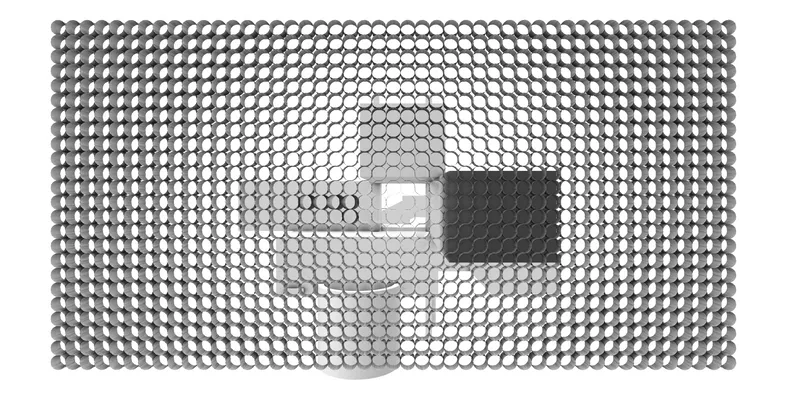
Through many experiments, we found that rotating the whole building by 45 degrees is a good way to immediately get some small square spaces. We used these small spaces as playgrounds and as a transition between the building and the street as well. And this is an important area for children to build their initial sense of trust with the help center.
Considering about the limited site capacity, we simplified the horizontal circulation as much as possible.
We hoped to incorporate more sustainable elements into the design, including the use of sustainable materials such as container boxes, recycled water pipes, recycled wood for interior walls.


Popular Articles
Popular articles from the community


Play: Fragments of Their World
Familiar architecture becomes modular playground design, creating safe spaces where displaced children can learn, connect, imagine and play.

The Ocean Hive: Sustainable Architecture for a Self-Sufficient Civilization at Sea
The Ocean Hive imagines sustainable architecture at sea, where modular habitats, algae, wave power and ocean waste sustain a growing colony.

The Musturak Paradise: Senior Living Architecture for a Connected Future in Temara, Morocco
The Musturak Paradise reimagines senior living architecture in Temara via private homes, social spaces, culture, community, and shared care.

Co-life: Sustainable Architecture for Age-Friendly Community Living
Co-life reimagines sustainable architecture for seniors through courtyards, rammed earth, shared gardens, and spaces designed for belonging.

Similar Reads
You might also enjoy these articles
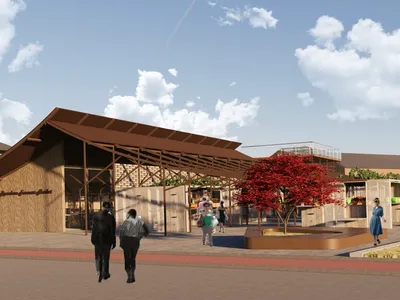
The Rhythm of Seasons
A Farmers' Market Connecting Nature and the City
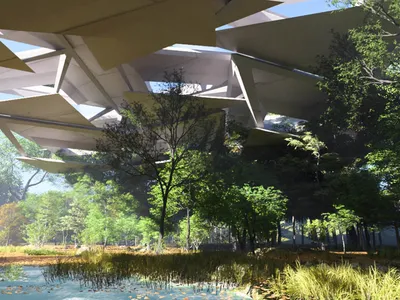

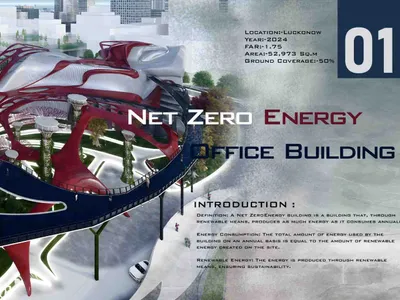
More Than a Building-Designing a Living System
More Than a Building-Designing a Living System
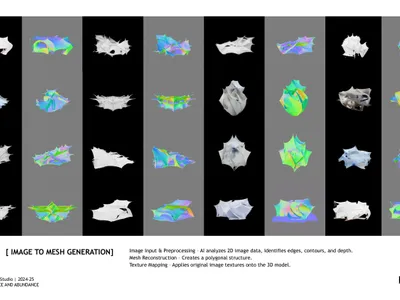
Base Beyond
DESERT COMPOUND ARID: TOURISM OF ABSENCE AND ABUNDANCE

Comments (0)
Please login or sign up to add comments
No comments yet. Be the first to comment!