
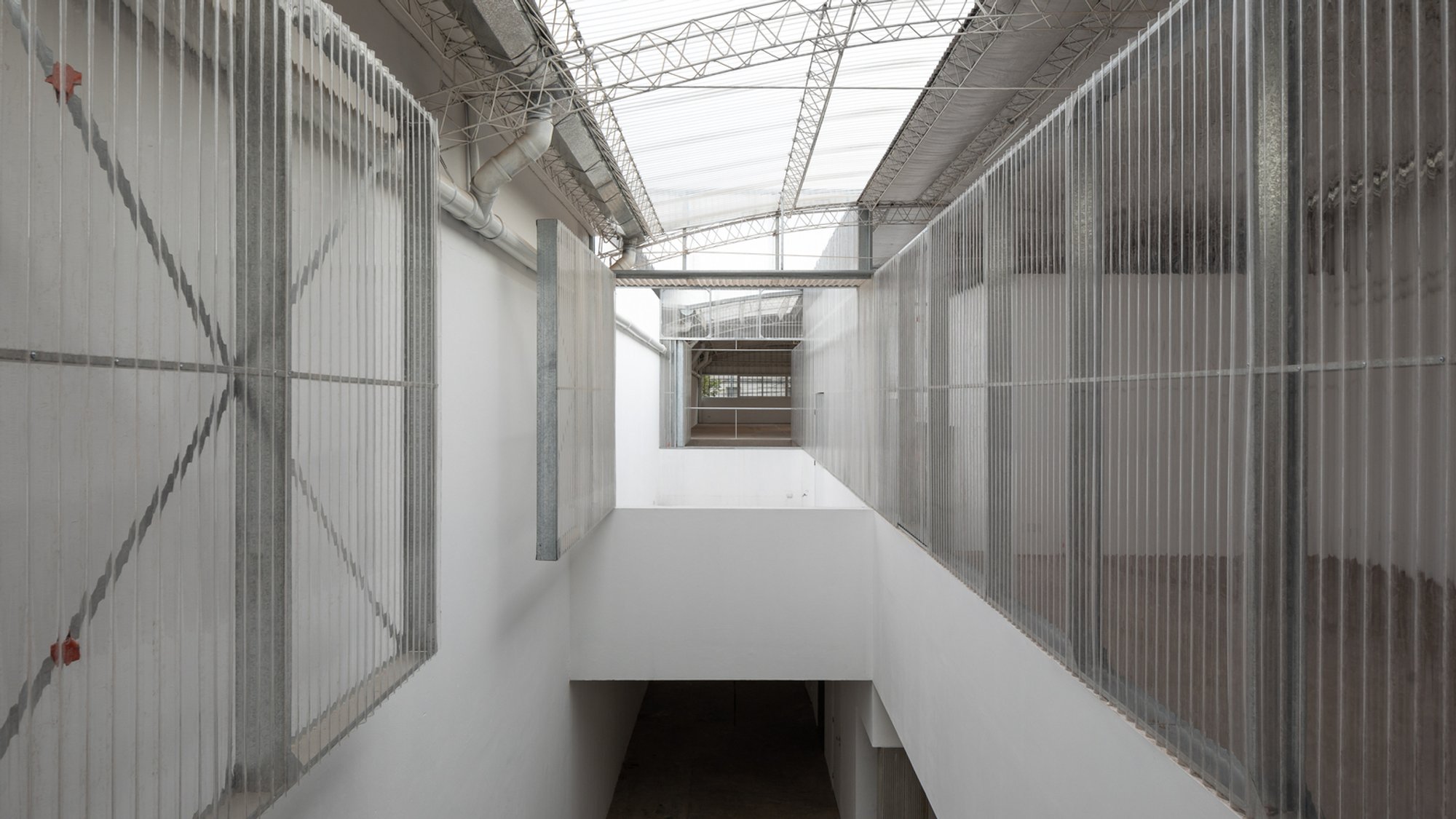
Industrial Space Transformation Architecture: A Case Study of Espinosa Studios
This article showcases Espinosa Studios, a prime example of transforming industrial spaces into vibrant hubs for art and design in Buenos Aires.

The transformation of industrial spaces into functional, artistic, and living areas represents a significant trend in contemporary architecture. This practice not only recycles old buildings but also breathes new life into urban landscapes. A prime example of this architectural innovation is the Espinosa Studios project in Buenos Aires, Argentina, designed by the visionary architect Julio Sanchez Arimayn. This article explores how the Espinosa Studios embody the essence of industrial space transformation architecture.
The Genesis of Espinosa Studios
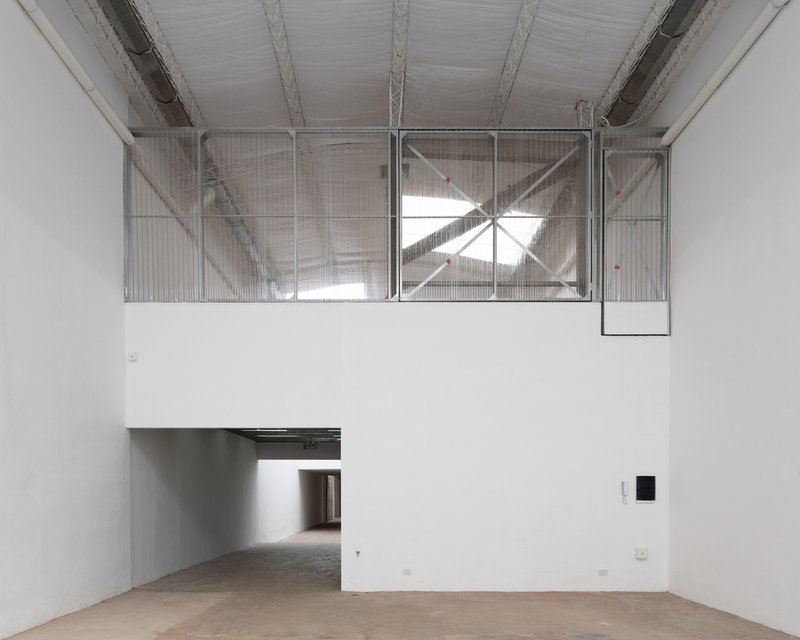
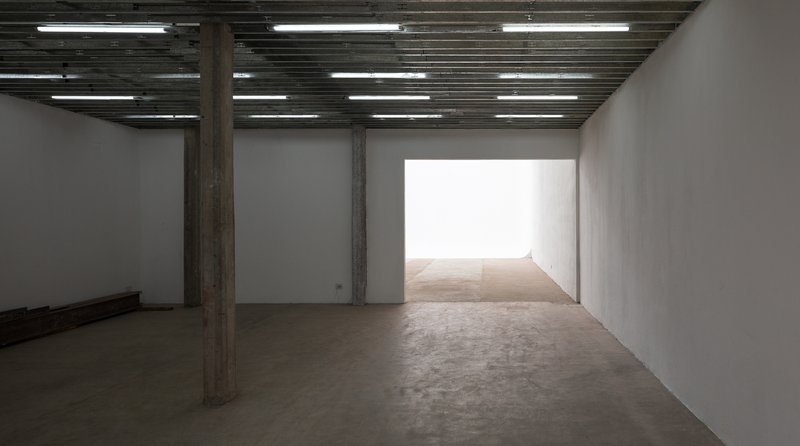
Espinosa Studios originated from the desire to create a multipurpose space that fosters creativity, interaction, and collaboration. Nestled in the neighborhood of La Paternal, the project transformed a former warehouse, integrating various pre-existing structures under one cohesive architectural vision.
Architectural Vision and Design
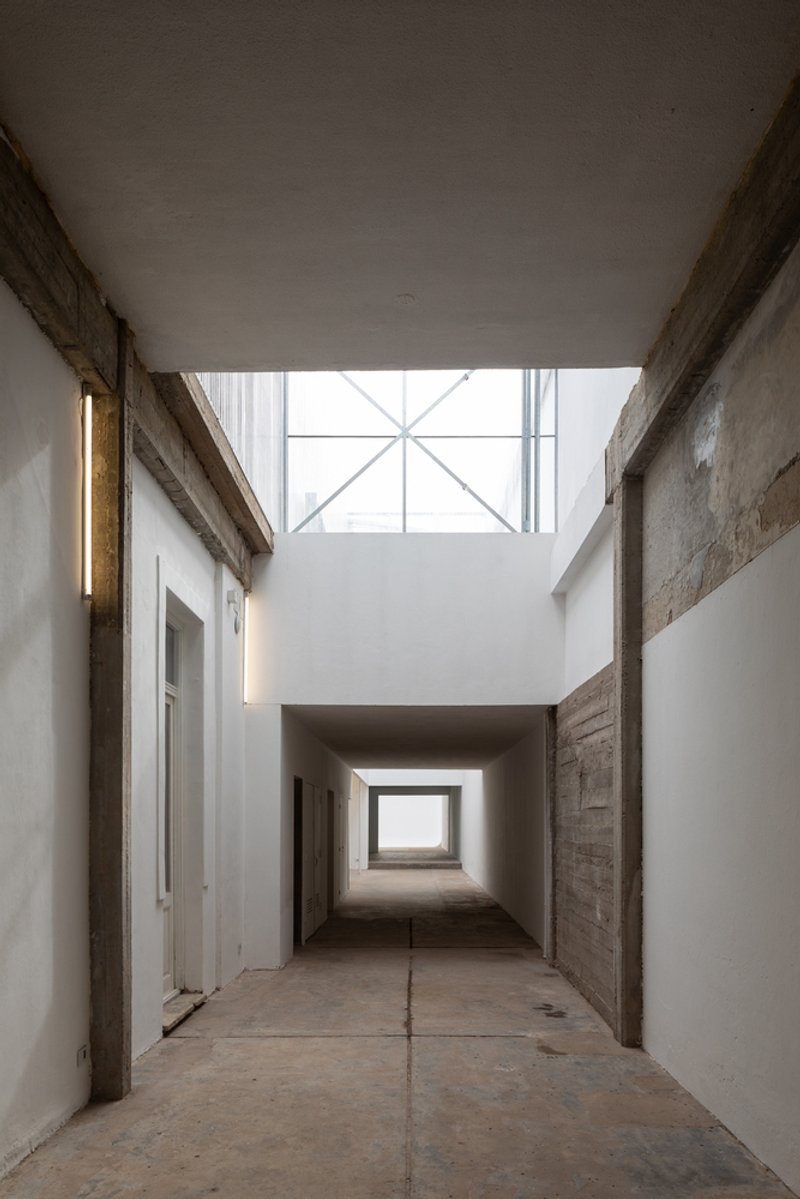
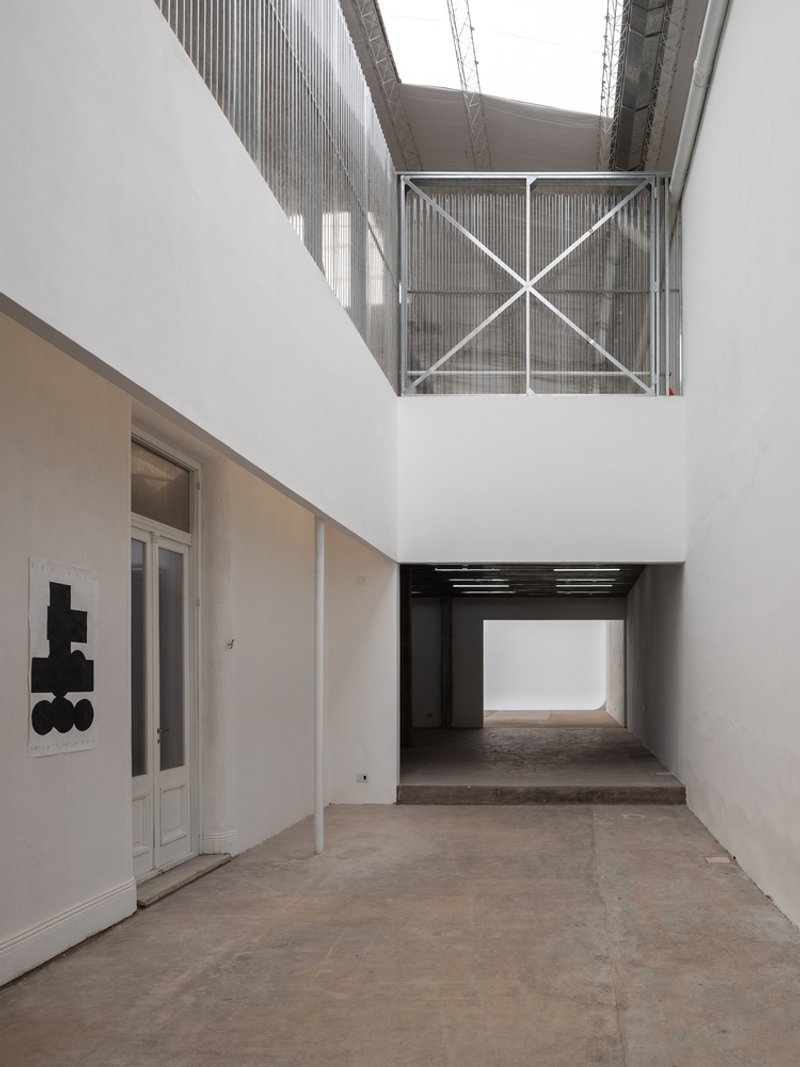
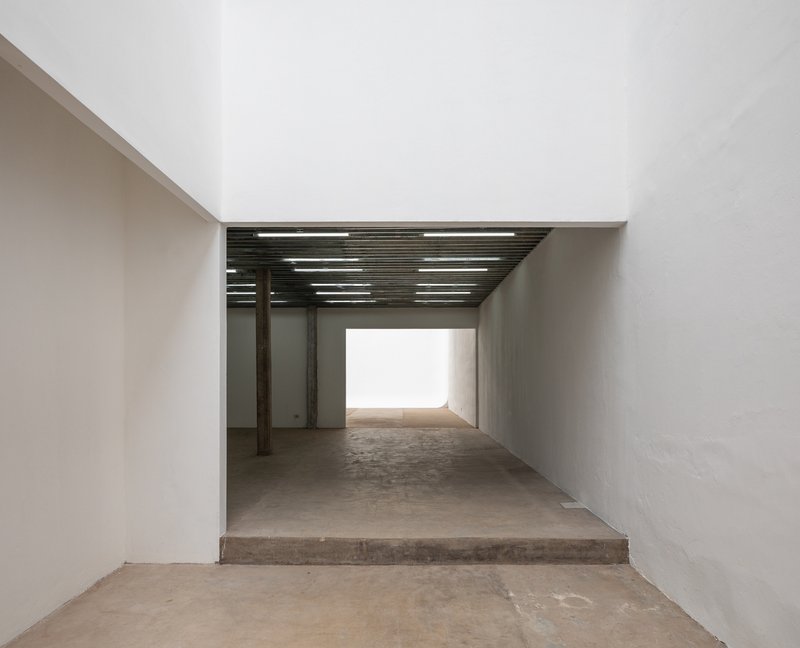
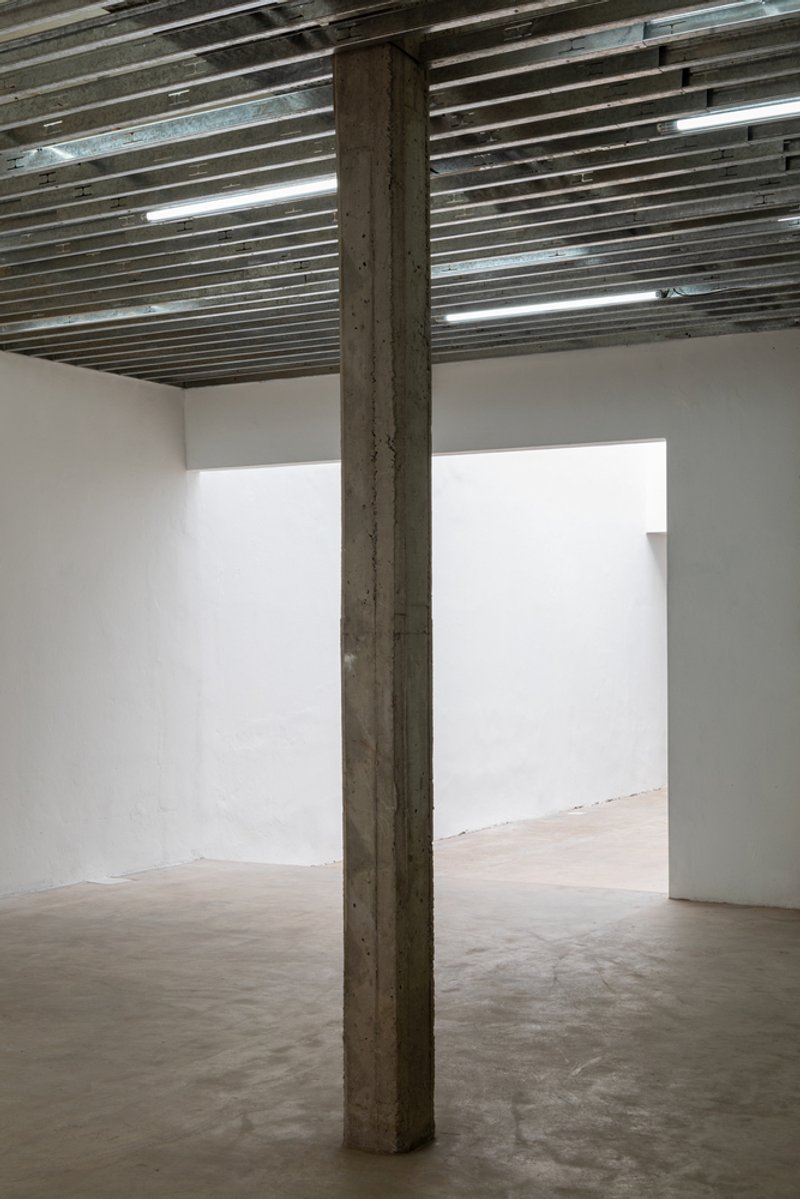
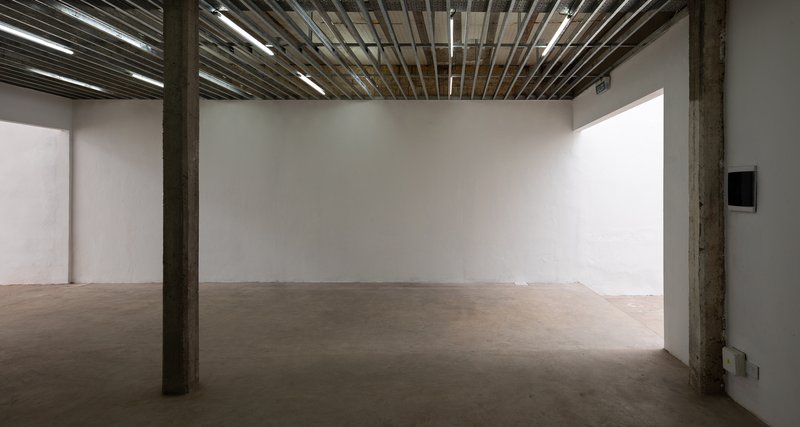
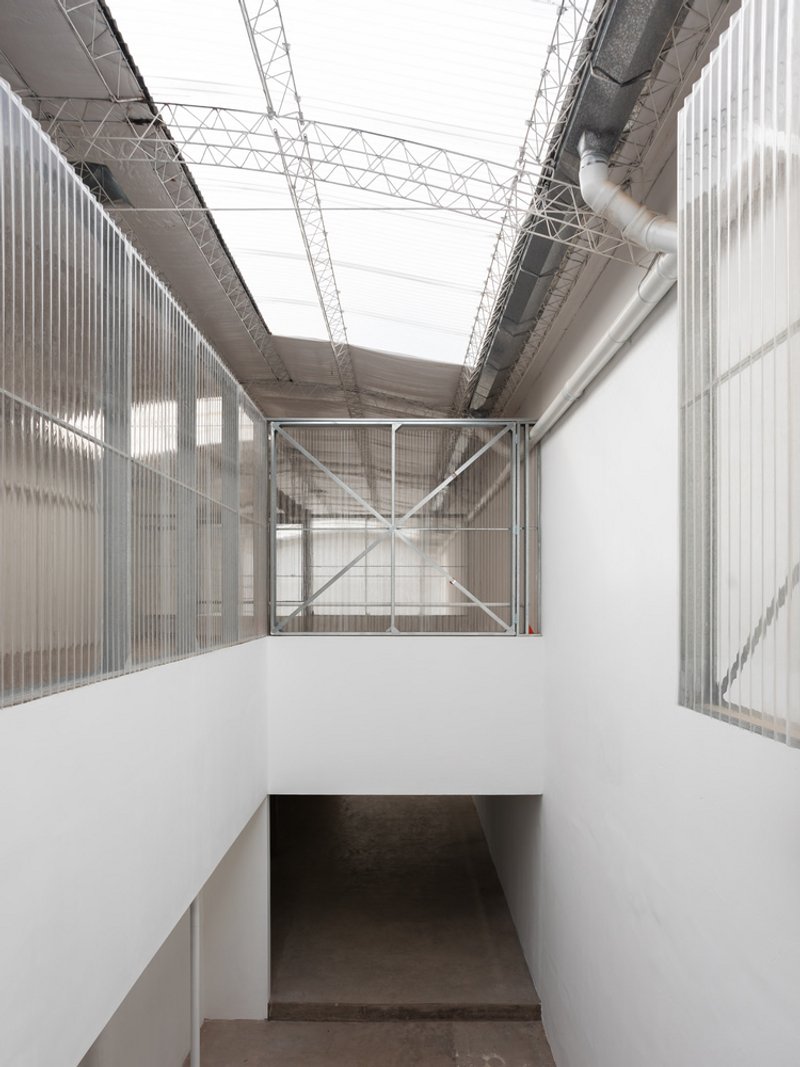
The project's standout feature is its interior street, a versatile corridor that serves multiple functions – from circulation to event hosting. This design element exemplifies the innovative use of space characteristic of industrial space transformation architecture.
Workspace Design and Collaboration
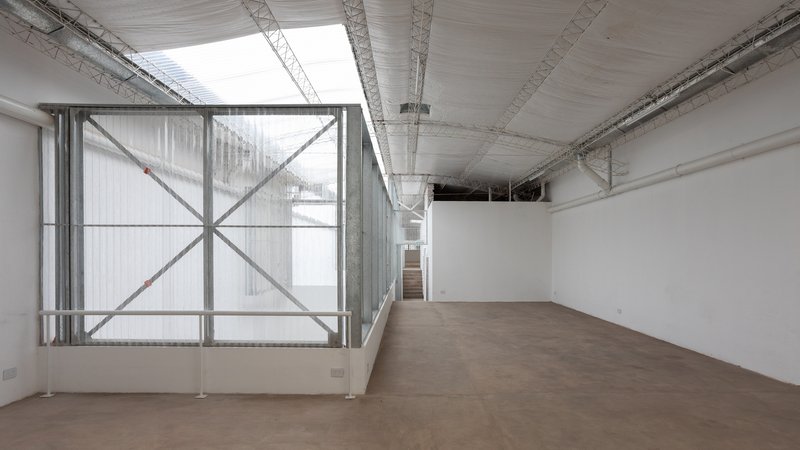
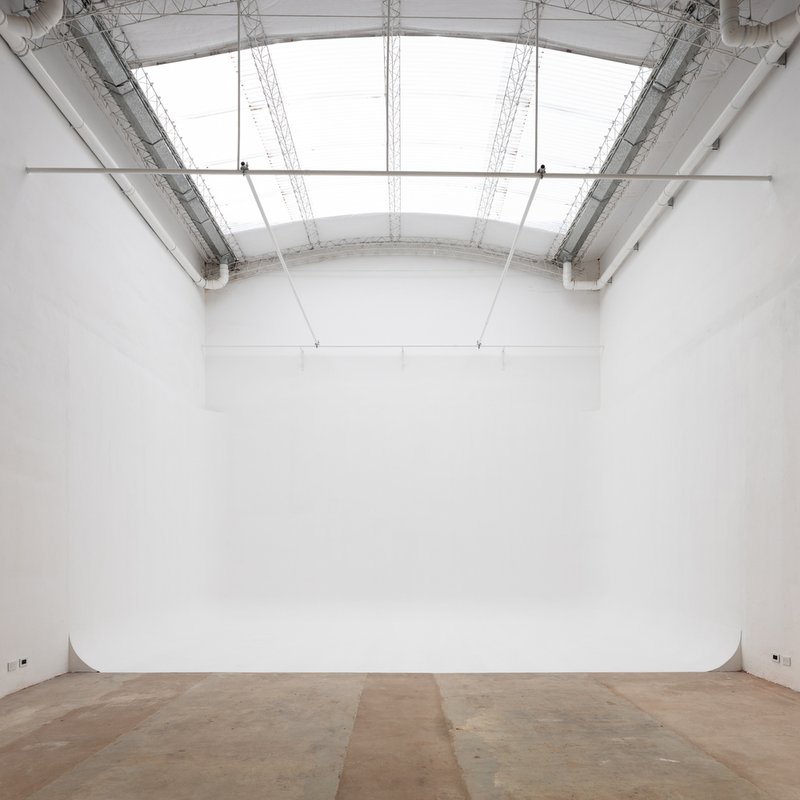
Adjacent to the interior street are seven uniquely designed workspaces tailored for art and design activities. The arrangement promotes a community-centric environment, encouraging interactions and collaborative endeavors among occupants.
Natural Light and Open Spaces
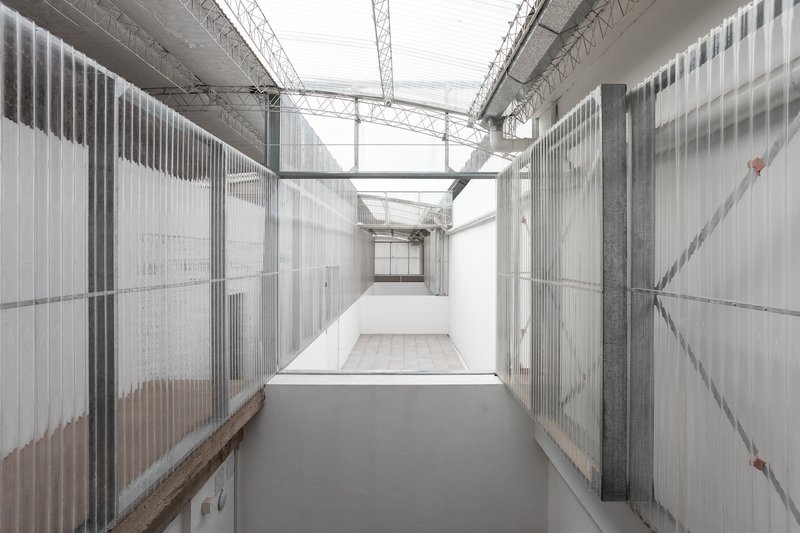
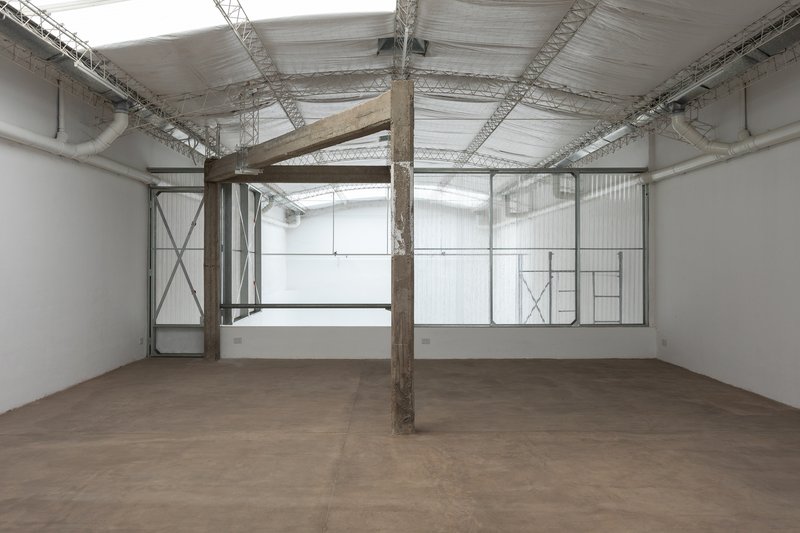
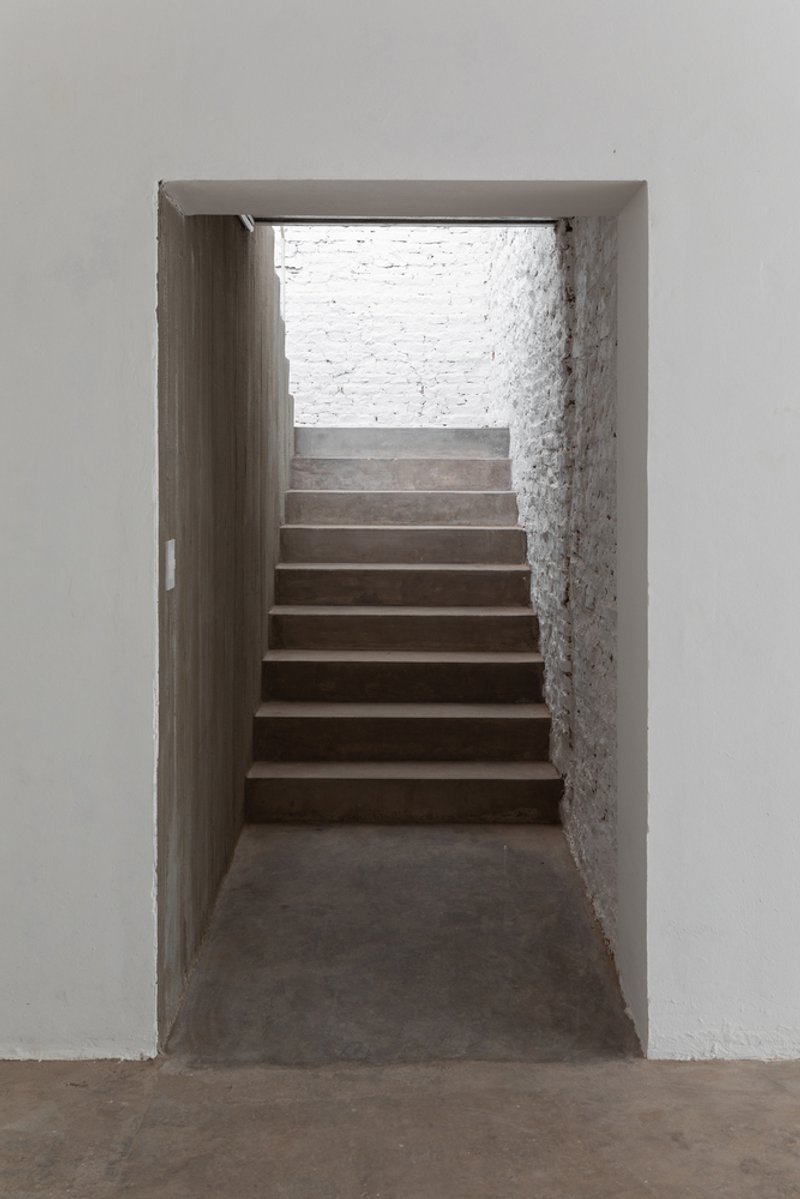
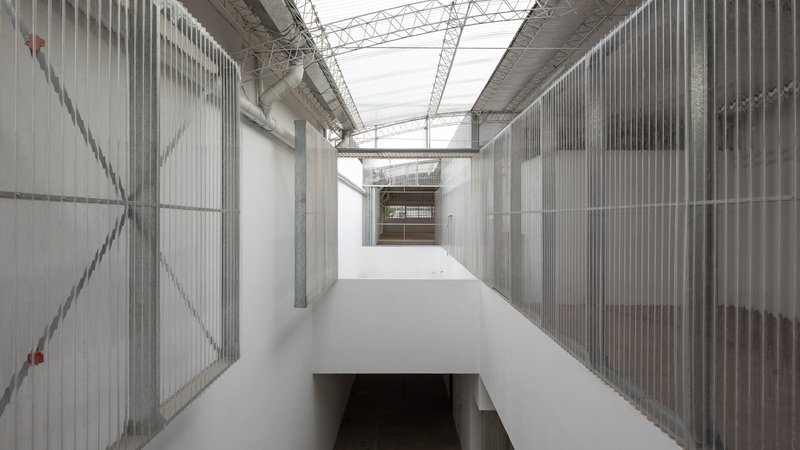
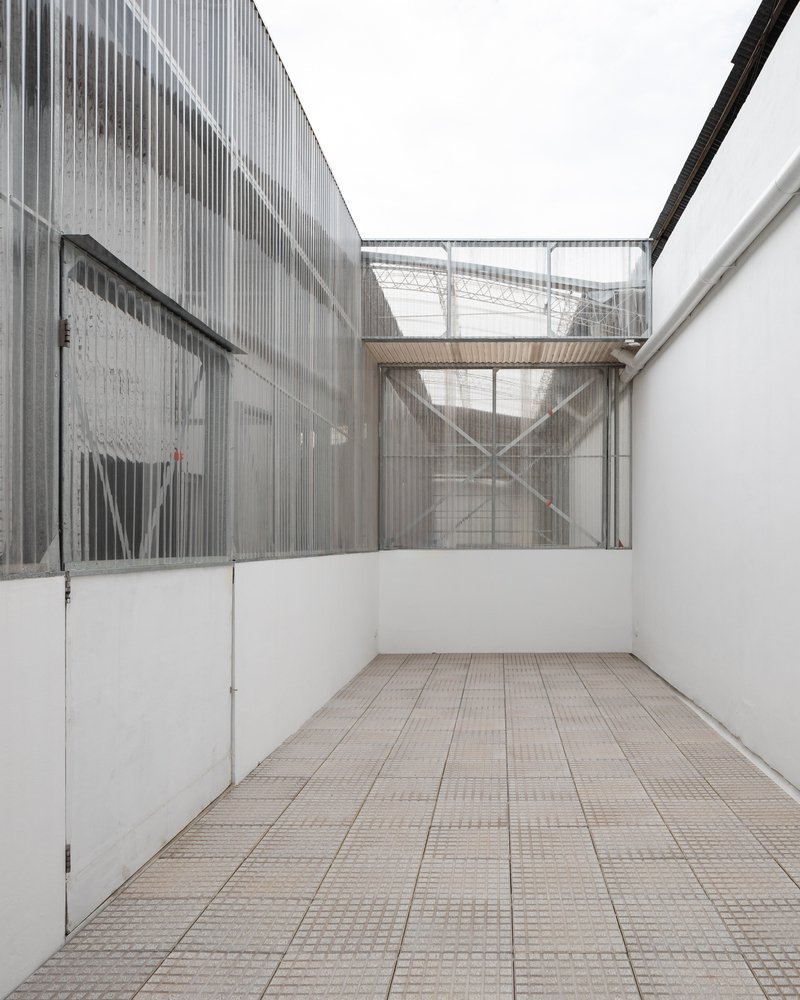
A pivotal aspect of the design is the incorporation of natural light and communal outdoor spaces, highlighted by a gallery on the first floor that acts as the project's lung. Strategic openings and a perforated floor design ensure that light permeates the entire complex.
Material Experimentation and Construction
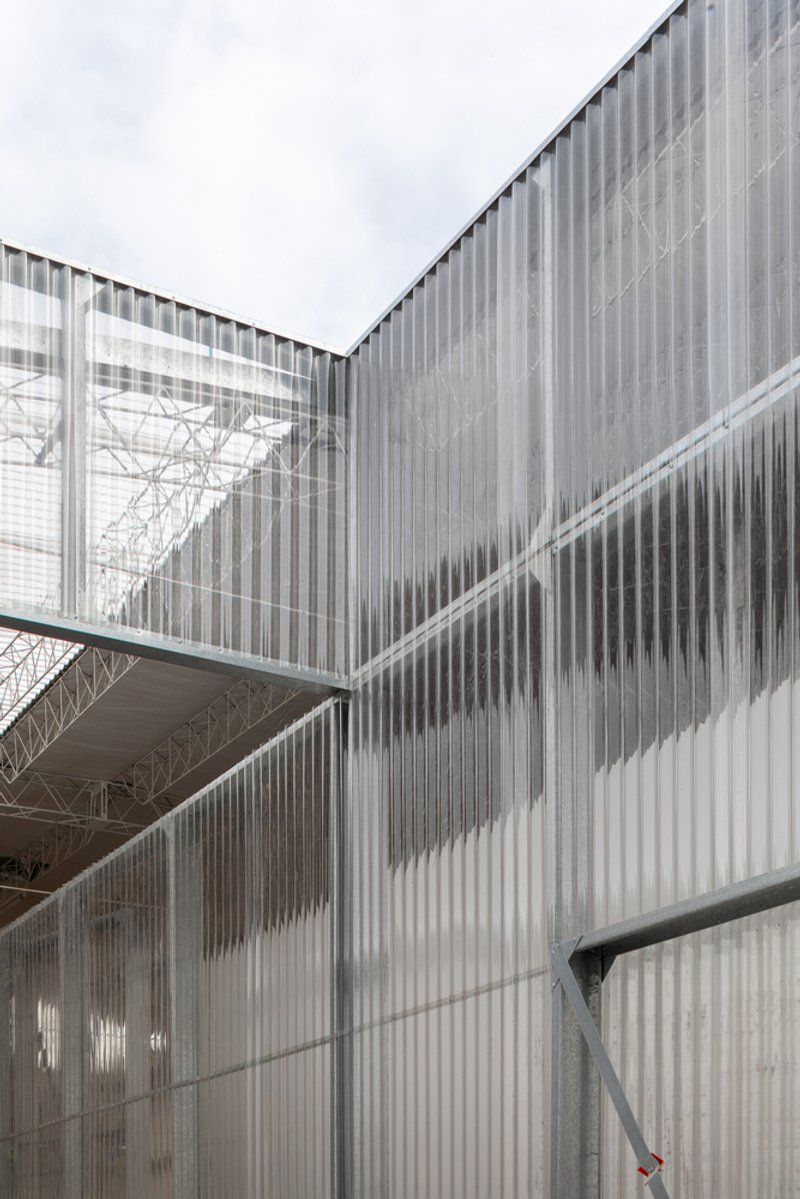
The construction of Espinosa Studios was an exercise in material experimentation, striking a balance between preserving the industrial heritage and introducing new, lightweight elements. The project's ethos of simplicity, rationality, and material honesty underscores the transformative potential of industrial spaces.
Espinosa Studios stands as a testament to the innovative potential of industrial space transformation architecture. Through thoughtful design and a commitment to material authenticity, the project demonstrates how industrial remnants can be reimagined into vibrant, functional spaces that contribute to the urban fabric. Espinosa Studios not only serves as a blank canvas for artistic expression but also as an inspirational model for future architectural endeavors in the realm of industrial space transformation.
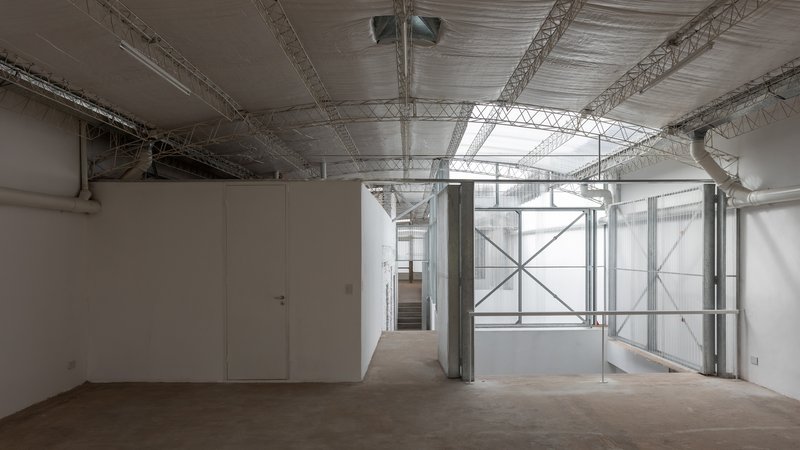
All photographs are work of Fernando Schapochnik




Popular Articles
Popular articles from the community

BAST Slots a Four-Story Glass House into a Narrow Gap Between Toulouse Townhouses
In the dense Bonnefoy district, a stepped infill building merges home and office while preserving a majestic hackberry tree.

20 Most Popular Office Building Projects of 2025
From biophilic workspaces in India to net-positive energy offices in New Delhi, 20 office building projects that defined architecture in 2025.
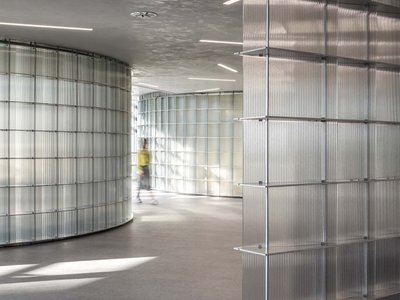
HCCH Studio Wraps a Shanghai High-Rise Office in Curved Walls of Translucent Glass
A 1,000 square meter fit-out in Lujiazui replaces the typical tech-office palette with layered glass, micro-cement, and quiet rigor.
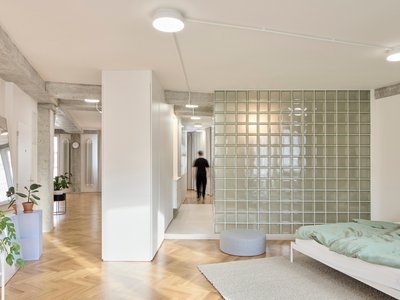
RDTH architekti Rips Out Nearly Every Wall in a Prague Apartment and Replaces Them with Furniture
A 101-square-meter post-war flat in Prague trades rigid partitions for a single rotated furniture block, curtains, and glass concrete.


Similar Reads
You might also enjoy these articles
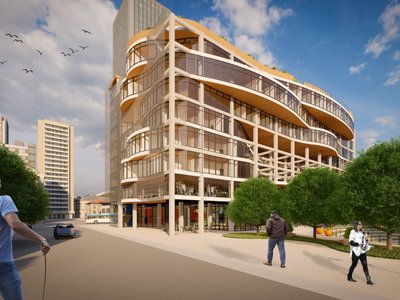
Olio Towers: A Mid-Rise for Performers That Fuses Housing, Rehearsal, and Stage
Located blocks from Houston's Theater District, this modular tower stacks living units around a central performance atrium.

Oasis: Modular Green Housing Carved into Dhaka's Urban Fabric
A shortlisted Plugin Housing entry reclaims unauthorized settlements in Dhaka with stepped concrete volumes, green roofs, and ventilation-driven design.

Black Hole: A Floating Megastructure for the Post-Physical Era
Emiliano Mazzarotto envisions a spherical, self-scaling arena where e-sports, digital hotels, and holographic stadiums replace traditional public space.
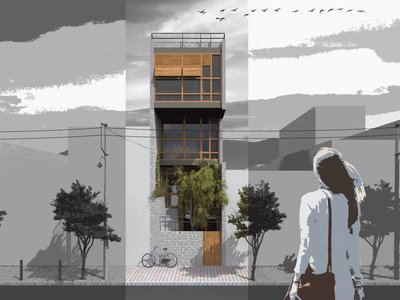
Compact & Sustainable Living in Piraeus: A Four-Level Family Home Built Around Light and Air
A narrow townhouse in one of Greece's densest port cities uses a central atrium and passive strategies to house three generations under one roof.


Explore Industrial Building Competitions
Discover active competitions in this discipline




The International Standard for Design Portfolios


The Global Benchmark for Architecture Dissertation Awards


The Global Benchmark for Graduation Excellence


Challenge to reimagine the Iron Throne
Comments (0)
Please login or sign up to add comments
No comments yet. Be the first to comment!